Custom-Printed Aluminum/Plastic Laminate Cosmetic Squeeze Tubes
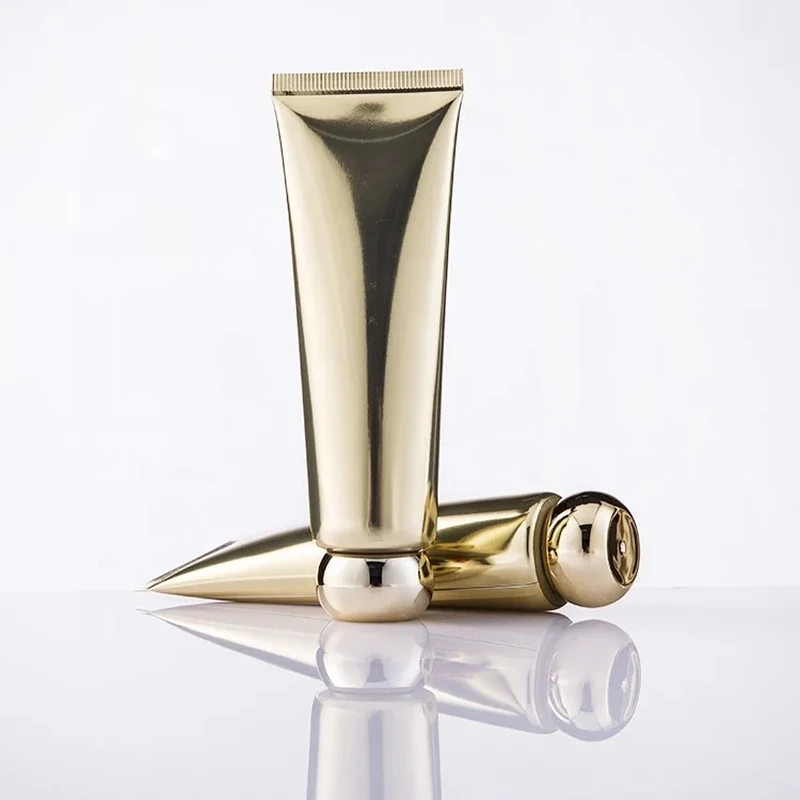
Boyu Packaging offers empty aluminum/plastic laminate squeeze tubes for qualified face wash, body cream, hand cream and wash-product formulas. Metallic gold and silver presentations pair with rounded screw caps. The custom capacity series covers 3–400 mL, with each size defined by its own drawing. Explore the cosmetic cream tube range. Brand: Boyu Packaging. Origin: Zhejiang, China. MOQ: 10,000 pieces.
Product Specifications
| Brand / origin | Boyu Packaging / Zhejiang, China |
|---|---|
| Product | Empty cosmetic squeeze tubes for face wash, body cream, hand cream and qualified wash formulas |
| Tube material | Aluminum/plastic laminate; the approved specification identifies the full layer stack and formula-contact layer. |
| Capacity range | 3–400 mL custom series. Each selected format has its own diameter, length, working fill and seal allowance. |
| Body shape | Round squeeze-tube format with a flattened tail-seal area |
| Primary appearance | Metallic gold; silver appearance is a separate finish option. |
| Closure | Rounded dome-style screw cap on a threaded dispensing neck |
| Decoration | Custom artwork, color and finish on the approved tube construction |
| MOQ | 10,000 pieces |
| Supply scope | Empty tube and selected cap. Formula, filling, retail cartons and accessories are separately stated in the quote. |
Metallic Cosmetic Tubes with a Rounded Screw Cap
Gold and Silver Presentations
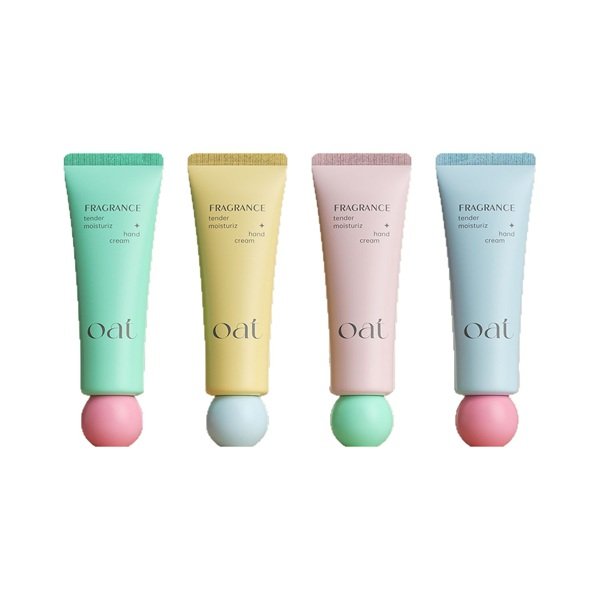
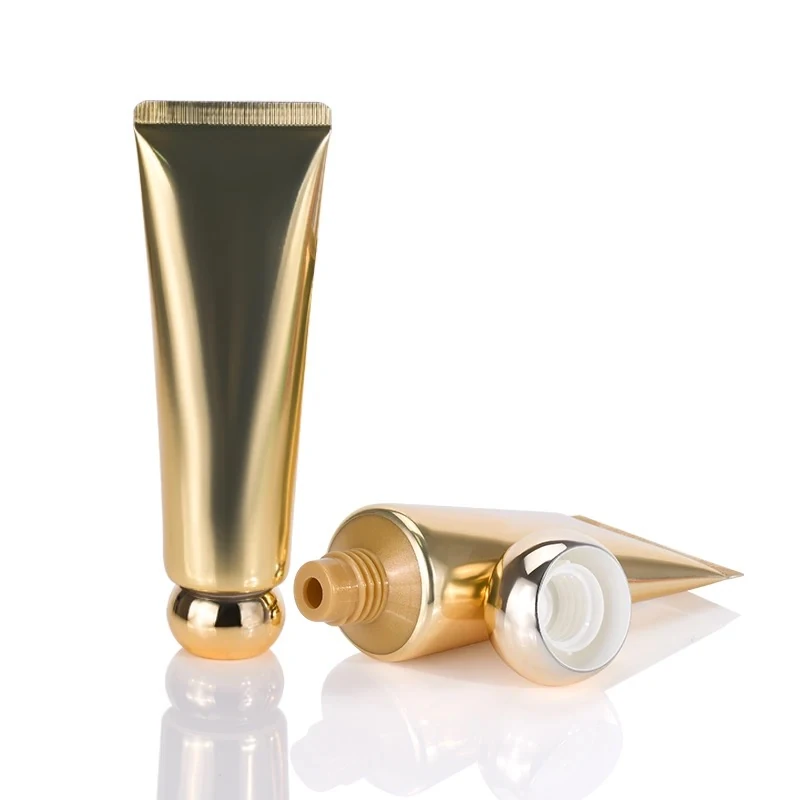
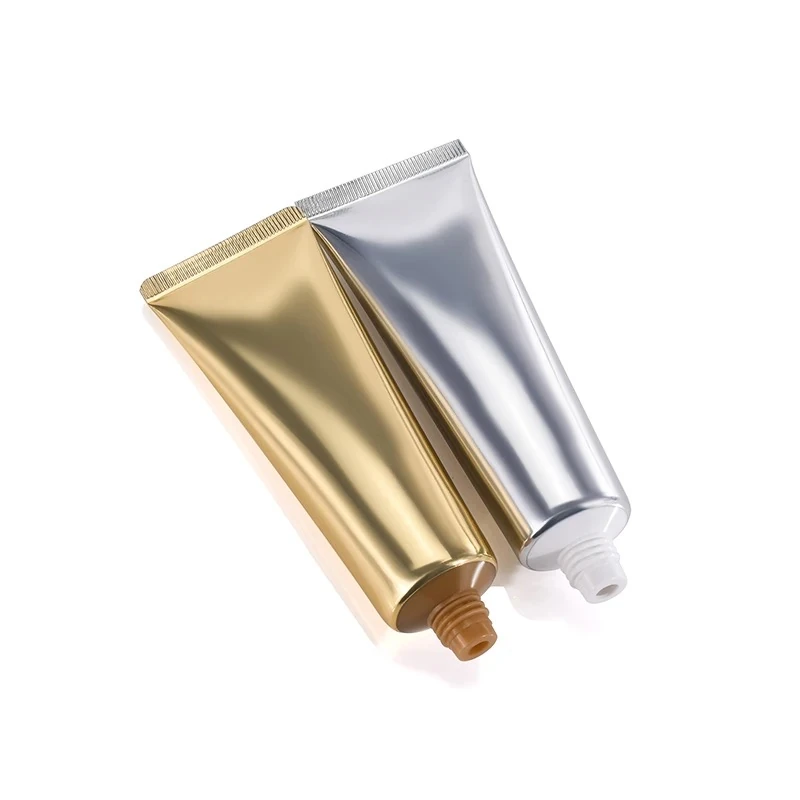
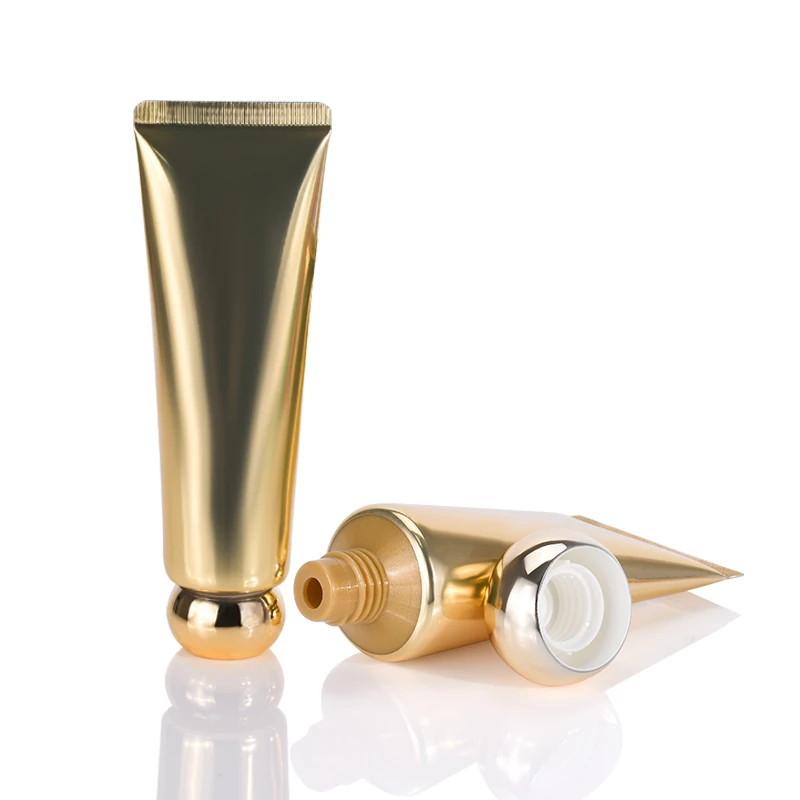
The metallic surface and rounded cap create a coordinated premium presentation for face wash and cream ranges. The gallery shows gold tubes and a silver variant. Select the finish, cap and artwork as a controlled SKU. A gold appearance does not establish that the full cap is metal or that the outer finish is an exposed aluminum layer.
Squeeze Dispensing and Closure
The user removes the screw cap and dispenses through the threaded neck by squeezing the body. The actual orifice and formula determine dose control, opening effort and residue. The closure’s material, liner and attachment specification are defined independently from its decorative appearance.
Metallic Finishes, Threaded Necks and Rounded Caps
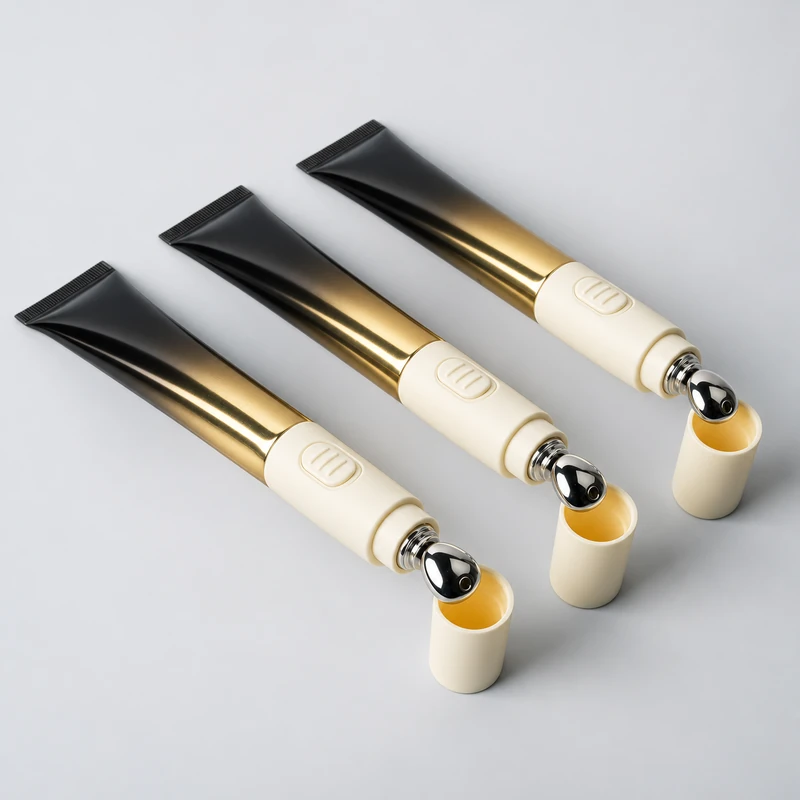
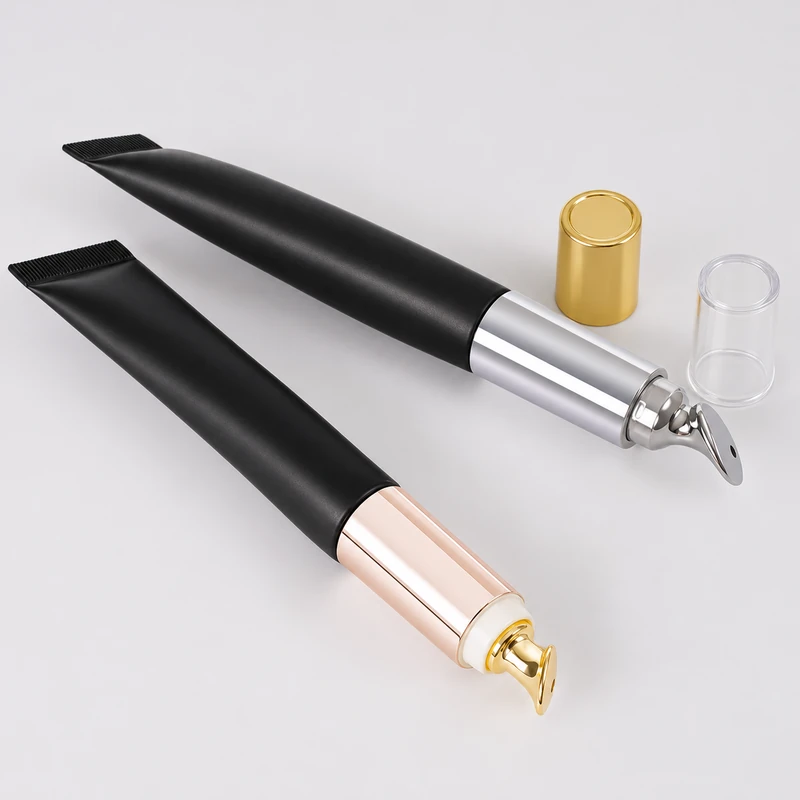
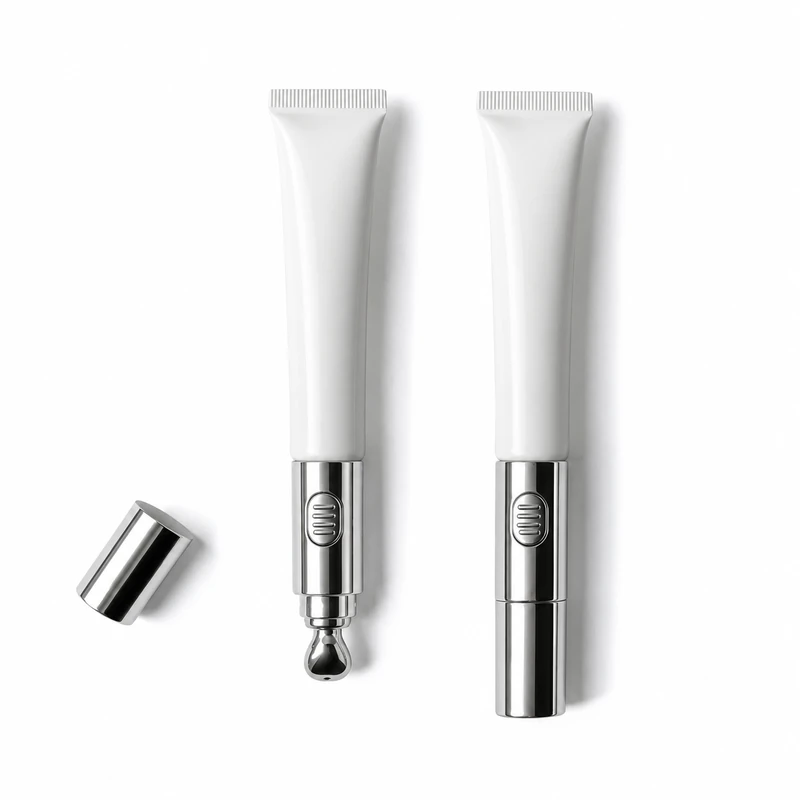
Six product views show gold and silver presentations, the rounded cap and the threaded dispensing neck. The selected capacity and dimensions follow the approved tube drawing.



Aluminum/Plastic Laminate and Formula Fit
Define the Layer Stack
The tube material is aluminum/plastic laminate. The approved material sheet identifies the inner contact layer, aluminum layer, adhesives or tie layers, exterior layer and total thickness. Compare plastic and aluminum tube constructions when setting the packaging brief. This laminate format is specified separately from a one-piece collapsible aluminum tube.
Qualify the Actual Formula
Test the intended cleanser, body cream, hand cream, shampoo or shower gel against the complete pack. Record odor, color, mass change, delamination, seal condition and dispensing behavior under agreed storage conditions. The shoulder, cap and orifice are part of this trial; the sleeve alone does not determine complete-pack compatibility.
Barrier and Product Claims
The aluminum layer is part of the material construction. Any numerical barrier or shelf-life claim uses data for the actual laminate and finished pack. Approve the layer stack and the formula storage results before making oxygen, moisture or aroma-retention claims. Do not substitute a generic material statement for a completed product test.
Metallic Finish and Flexing
The decorated sample sets gold or silver tone, gloss and artwork contrast. Repeated squeezing tests the printed surface and laminate for cracking, scuffing or separation. Include exposure to spilled formula and wet handling. The accepted finish must meet the agreed use conditions as well as the visual master.
Capacity, Tube Size and Dispensing
3–400 mL Is a Development Range
The capacity series spans 3–400 mL. It does not mean one tube drawing fits every fill. Select target net content first, then set diameter, body length, shoulder geometry and tail-seal allowance. A small sample tube and a large body-care tube have different handling, artwork and filling requirements.
mL and Gram Fills
A volume declaration and a weight declaration use different controls. The actual formula density connects mL to g. The filling trial sets usable volume, headspace and final seal position without overfilling the shoulder or contaminating the seal area. The signed drawing and fill report control the production format.
Orifice and Cap Selection
Match the outlet to formula viscosity and intended use. Assess squeeze effort, dose control, dribble and cap residue at the expected low and high storage temperatures. Check cap opening, resealing and fit. Different formulas can require different neck or outlet dimensions even when the exterior pack looks the same.
Tail-Open Supply and Filling-Line Setup
The order states tail-open or tail-sealed supply and cap assembly condition. For tail-open filling, qualify nozzle clearance, fill accuracy, seal-area cleanliness and sealing conditions with the selected laminate. Record seal width, position and any batch-code area. The filler approves the final process before bulk release.
Custom Printing and Factory Production Workflow
1. Lock the Technical and Commercial Brief
Specify formula, net fill, diameter and length, laminate stack, cap, orifice, finish, artwork and quantity by SKU. Identify whether the quote includes printing, caps, packing and retail cartons. Tooling, samples, setup and freight are separate lines where applicable.
2. Approve Artwork and Decoration Zones
Supply vector artwork, color references, mandatory copy and orientation. Compare packaging printing methods before selecting the route. The decoration drawing marks shoulder, longitudinal seam and tail-seal exclusions. Check fine text and barcodes on the actual metallic surface rather than a flat digital proof alone.
3. Approve Samples and the Filling Trial
Plain samples qualify fit, squeezing and sealing. Decorated samples establish the visual master. Trial the actual formula and filling line, then freeze the drawing, material list, artwork revision and quality criteria. A change in contact layer, cap or formula returns the project to the relevant approval gate.
4. Record the Production Route
Use this order approval route: qualify laminate and decoration, form the tube sleeve and side seam, attach the selected shoulder, inspect cap components, assemble the specified cap condition and prepare tubes for packing or filling. The actual printing sequence and joining method belong in the project production plan.
5. Inspect and Release
Review appearance, dimensions, cap fit, seam condition and functional samples against the signed standard. Keep laminate, tube and artwork identification linked to the inspection report. Final release includes quantity, packing condition and carton markings. Retain reference and lot samples for repeat-order comparison.
Quality Control and Acceptance Criteria
Material, Dimensions and Appearance
The inspection plan sets laminate thickness, tube dimensions, neck fit, cap dimensions and visual tolerances. Check contamination, sharp edges, incomplete forming, distorted shoulders, decoration errors and cap damage. Metallic shade and gloss are judged against the approved master under agreed lighting.
Seams and Filled-Pack Integrity
Test the longitudinal seam, shoulder joint, final tail seal and closed cap as separate potential leak paths. The plan records formula, fill, closure conditions, test orientation, temperature and duration. Seal or burst tests use defined methods and pass values agreed before production; no universal leakproof result is assumed.
Use and Transport Testing
Check repeated squeezing, cap opening and resealing, print rub resistance and formula contact. Trial the intended carton and dividers for crushing, scuffing and closure movement. The filled retail unit and empty tube shipment can need different packing protection and handling criteria.
Traceability and Claims
The purchase order defines sampling, defect categories, acceptance limits and reporting time. A claim includes lot numbers, affected counts, photos, carton labels and relevant test conditions. Those records support assessment under the agreed remedy procedure.
Lead Time, Export Packing and Payment
Schedule by Approval Gate
The schedule separates technical review, plain samples, artwork and decoration approval, compatibility trials, production, inspection and cargo readiness. The order states release conditions and dates. Changes to size, layer stack, artwork or cap return the project to the relevant approval stage.
Packing and Freight
Specify tube orientation, tail protection, cap assembly condition, protective bags or trays, carton count, outside dimensions and gross weight. Keep open ends clean and protected. Compare courier samples, bulk air and sea freight using actual packout and the destination. The delivery term and named place define freight, insurance, customs, duties and tax responsibilities.
Documents and Filled-Product Scope
The document list identifies drawings, laminate and contact-material declarations, packing list and inspection records required for the exact assembly. Empty tube export and filled cosmetic shipment are separate scopes. The transport partner reviews the actual filled formula and documentation before booking.
Payment Methods and Milestones
The pro forma invoice states accepted payment methods, currency, beneficiary, deposit, balance trigger and bank charges. Samples, tooling, decoration setup, packing and freight are itemized where applicable. Connect payment to the agreed development, production, inspection and dispatch sequence. Verify beneficiary details through the established supplier contact before payment.
Items to Finalize Before Purchase
The drawing sets diameter, length, outlet and sealing allowances. The material list sets laminate layers, thickness and cap construction. The decorated sample sets artwork, metallic shade and finish. The filling report sets net content and sealing conditions. The order sets quantity by SKU, production dates, sample charges, payment, packout and delivery scope.
Buyer Frequently Asked Questions
What is the tube material?
The sleeve is aluminum/plastic laminate. The signed material sheet identifies each layer and the formula-contact surface.
What capacities are offered?
The development range is 3–400 mL. Each selected capacity requires a size-specific drawing, cap and filling approval.
Are these tubes already filled?
The product is empty packaging. Formula and filling are separate contract items.
Is the pictured gold tube a fixed capacity?
The photo does not establish one fill size. The order drawing defines capacity, diameter, length and seal allowance.
Can the same tube hold cream and cleanser?
The actual formula is tested for compatibility, dispensing and sealing. Different viscosities can require different outlets.
Can I order gold and silver finishes?
Each finish is a separate approved configuration. The sample defines color, gloss and decoration durability.
What cap is shown?
The primary presentation uses a rounded dome-style screw cap. Exact cap material, seal and thread fit are specified separately.
Can my formula fill be stated in grams?
Yes. The filling specification uses the measured formula density and a weight-based fill trial.
Can I receive tail-open tubes?
The order states tail-open or tail-sealed supply. The filler qualifies the actual laminate and final sealing process.
Are samples free?
The quotation states sample quantity, fees and courier charges. Sample terms are agreed before dispatch.
What is the MOQ?
The MOQ is 10,000 pieces. The quote allocates quantity by size, cap, finish and artwork.
How long does production take?
The order records sampling, approvals, production, inspection and cargo-ready dates as separate milestones.
What payment terms apply?
The pro forma invoice states methods, currency, deposit, balance trigger and charges.
What quality checks are agreed?
The quality plan defines dimensions, seams, cap fit, decoration, filled-pack integrity and handling tests with sampling and pass criteria.
Request Your Custom Cosmetic Tube Quote
Send Boyu Packaging your RFQ with formula type, net fill, diameter and length target, laminate requirements, cap, artwork, metallic finish, quantity by SKU, filling condition, destination and target cargo-ready date. Request the complete development, tube, decoration, packing, freight and payment scope in writing.
 English
 Español de Argentina
 Русский
 Italiano
 日本語
 한국어
 العربية
 Français
 Deutsch