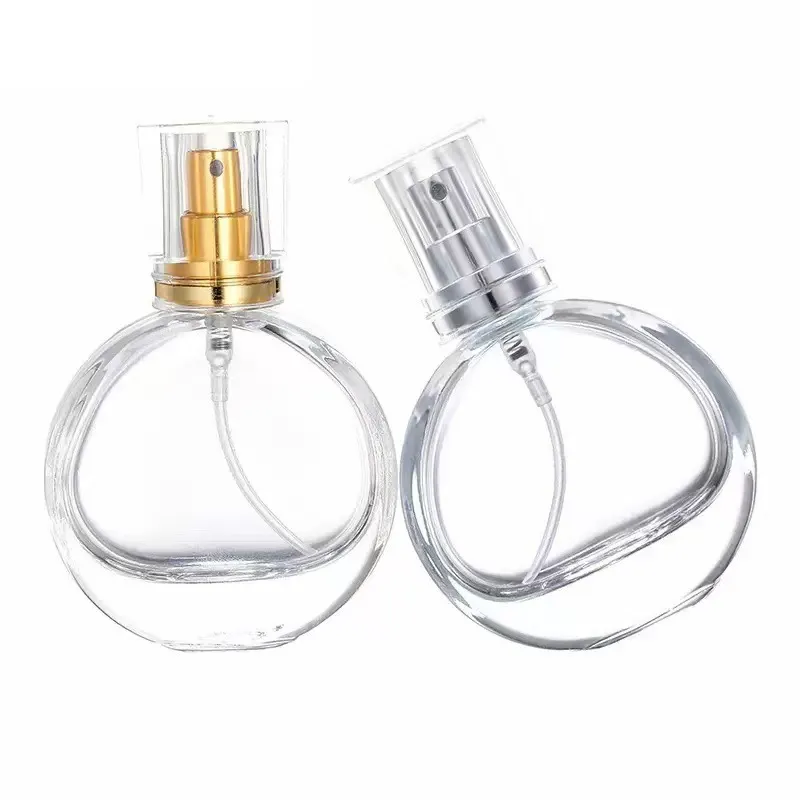
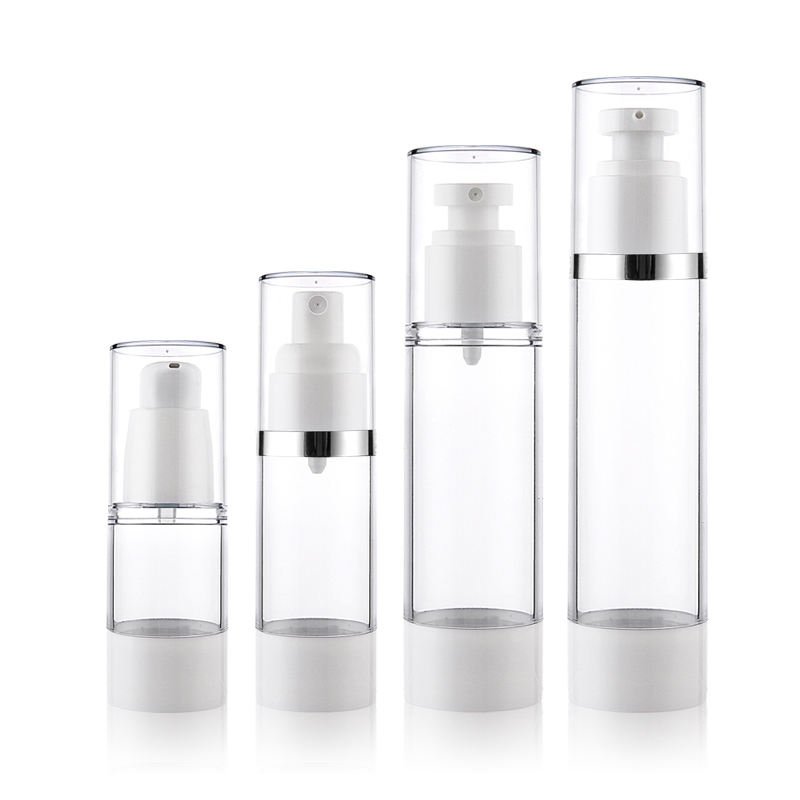
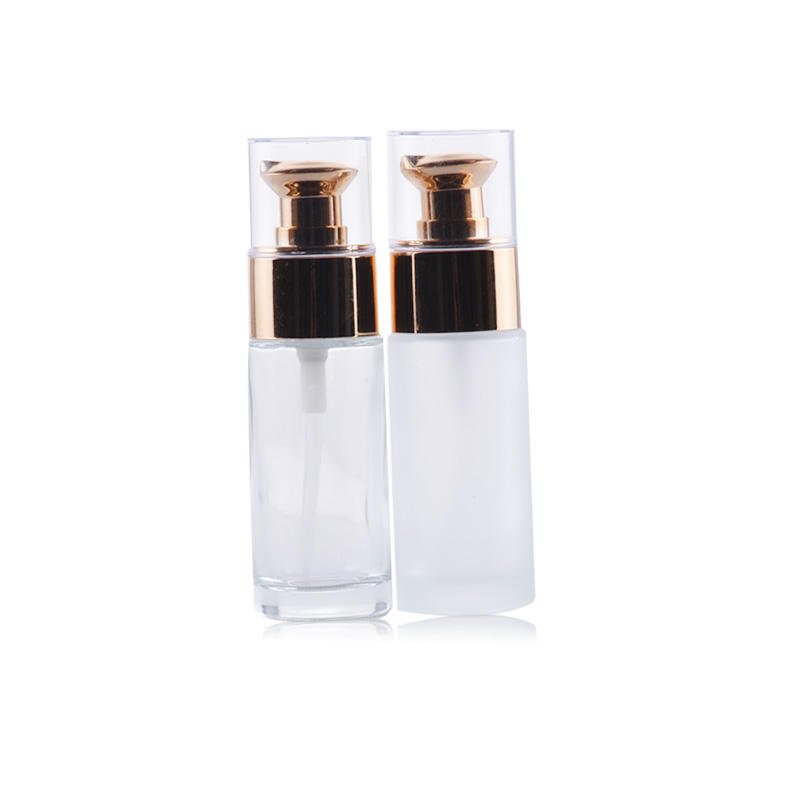
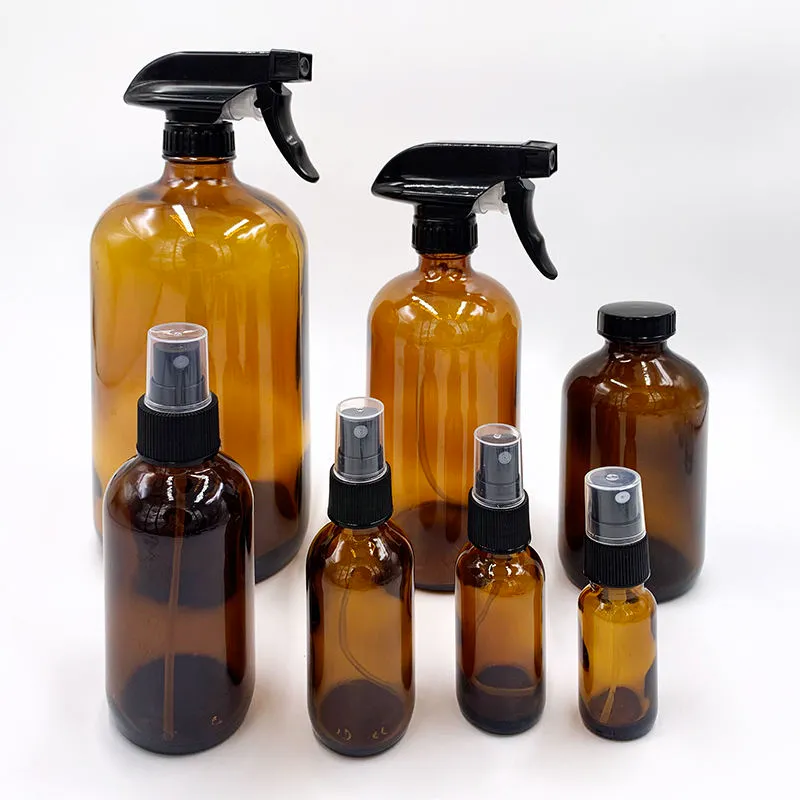
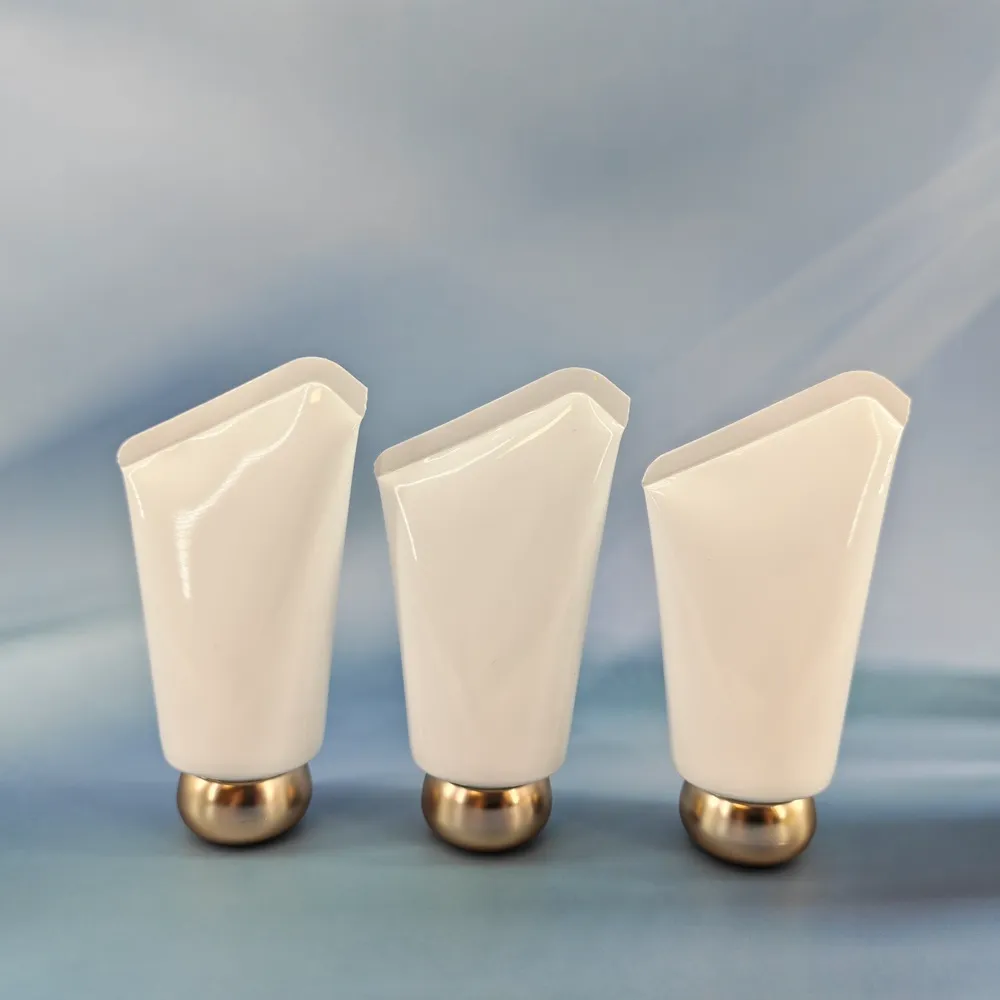
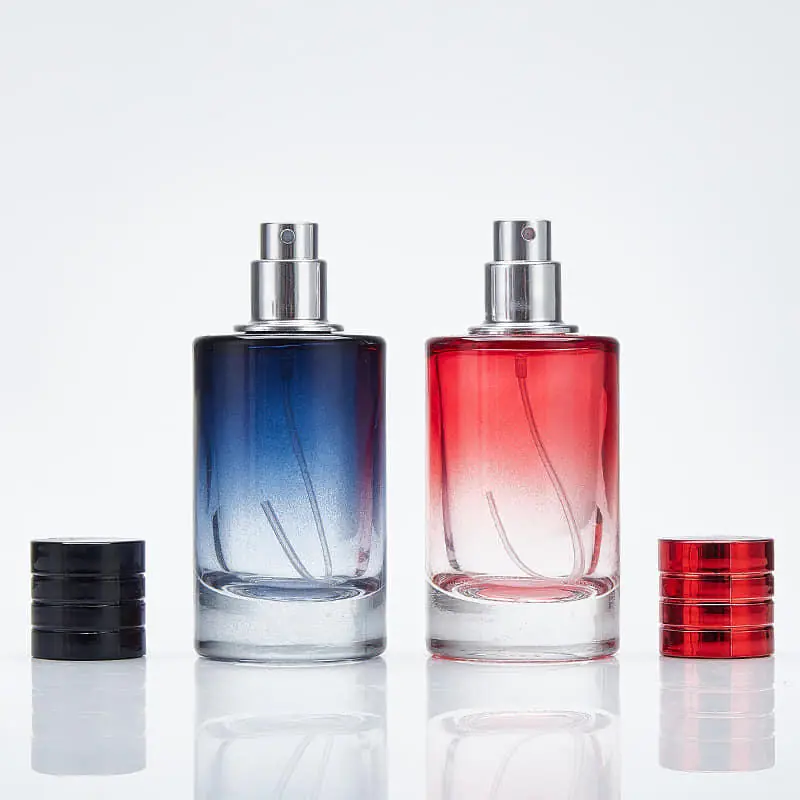
Project result: Boyu Packaging completed and dispatched a demanding custom glass diffuser bottle order for a Japanese customer on Friday, September 18, 2026. The 420g bottle required controlled bare-glass production, spray painting and screen printing. Because a defect at any early stage could become more expensive after decoration, Boyu assigned one quality inspector to follow the order from the undecorated bottle through finishing, final packing and shipment release.
This case study reports the facts supplied for this project. The customer name, order quantity, capacity, numerical tolerances and inspection results are confidential or were not provided, so they are not inferred.
For home-fragrance brands and packaging buyers, the main lesson is simple: a heavy decorated bottle should be managed as a linked process, not as three separate purchases for glass, colour and printing.
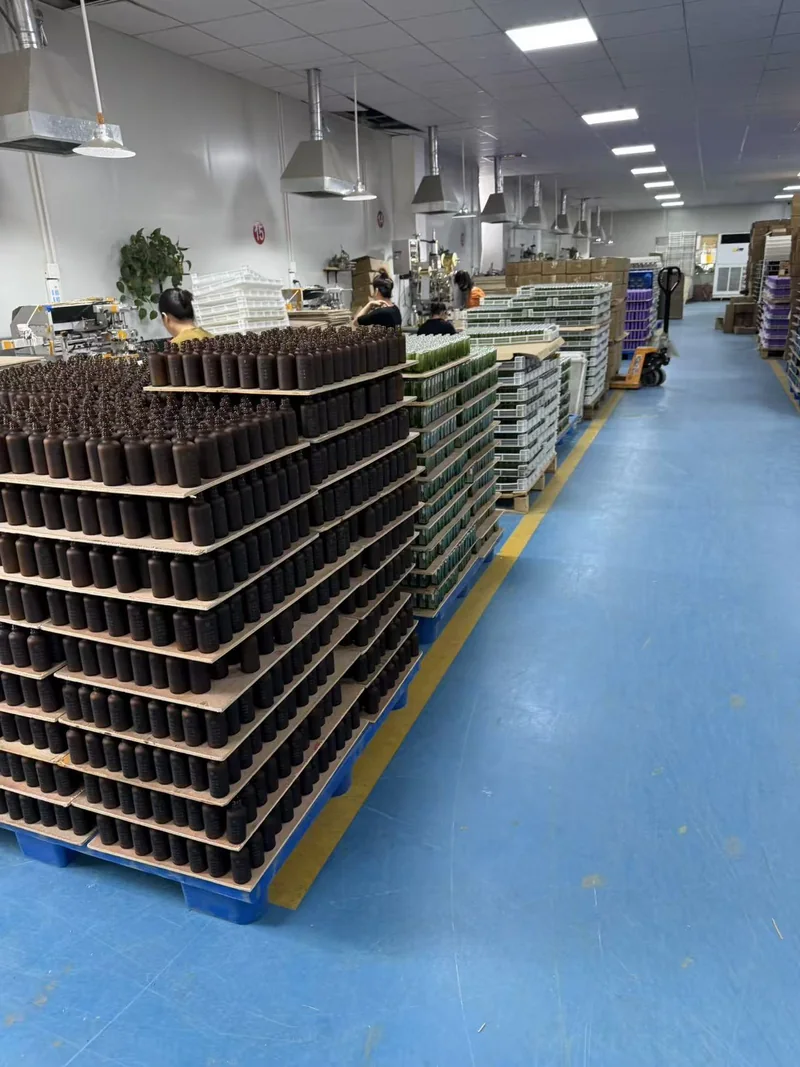
Project brief: a heavy decorated diffuser bottle for Japan
The Japanese customer required a glass aroma diffuser bottle with a target bottle mass of 420g, followed by spray painting and direct screen printing. That combination raised the control burden: the bottle first had to meet the agreed bare-glass requirements, then remain suitable for coating, then present a stable surface for printing, and finally survive handling and export packing without cosmetic damage.
| Project item | Confirmed requirement | Why it mattered |
|---|---|---|
| Customer market | Japan | The buyer set a high cosmetic-quality expectation and required careful execution at every stage. |
| Bottle | 420g glass diffuser bottle | A heavy bottle increases the importance of stable forming, mass control, glass distribution, annealing and careful handling. |
| Decoration | Spray painting plus screen printing | The print is applied over a prepared decorative surface, so the two operations must work as one qualified system. |
| Order control | One dedicated QC person followed the job | Ownership remained continuous from the bare bottle through downstream decoration and packing. |
| Completion | Finished, packed and dispatched September 18, 2026 | The order moved to shipment only after the controlled production sequence was complete. |
Buyers who need the upstream engineering context can review Boyu’s detailed guide to the industrial glass-bottle manufacturing process. This case study concentrates on how one order was controlled rather than repeating that full production guide.
Why a 420g bottle requires disciplined production control
A heavier bottle is not automatically stronger or better. The useful question is where the glass sits and whether the bottle meets the intended geometry consistently. The molten-glass gob must provide enough material for the target bottle, while the forming process must distribute that material through the base, body, shoulders and finish. An average weight number cannot reveal local thin areas or an unstable base.
Mass also changes the thermal problem. A thick base and thinner walls do not cool at the same rate. Container glass therefore passes through a controlled annealing cycle after forming so residual stress can be reduced without distorting the bottle. The correct cycle is validated for the actual glass, mass, geometry and line conditions; there is no responsible universal temperature or conveyor setting that can be copied into every 420g order.
For this project, the 420g requirement increased the importance of four connected checks:
- Mass stability: the bottle must remain within the agreed project specification, not merely look heavy.
- Material distribution: the base, body and shoulders must form consistently enough to meet functional and cosmetic requirements.
- Geometry and handling: the bottle must stand correctly, fit any specified closure system and move through decoration without unstable contact.
- Surface acceptance: the undecorated glass must be good enough for a coloured coating; paint can change appearance, but it is not a legitimate repair for cracks, checks, stones, severe seams or dimensional nonconformity.
This is why the order was not handed from one department to the next as an anonymous batch. A named QC owner followed the sequence and kept the approved requirements visible through every hand-off.
The control route from bare glass to a finished bottle
The project used a stage-gate approach: a problem had to be identified before the next value-adding process made it harder and more expensive to correct. The customer’s approved requirements remained the reference from bare-bottle production through post-processing.
| Control gate | Primary question | Typical evidence a buyer should require | Risk if skipped |
|---|---|---|---|
| 1. Specification freeze | What exactly counts as acceptable? | Approved drawing, weight requirement, limit samples, colour reference, artwork and packing instruction. | Different departments judge the same bottle by different standards. |
| 2. Bare-bottle release | Is the undecorated glass suitable for decoration? | Lot identity, dimensional and visual records, bottle-mass data and release status against the agreed plan. | Glass defects become hidden or more costly after decoration. |
| 3. Coating approval | Is the painted surface consistent and ready for print? | Approved physical colour sample, coverage and appearance comparison, cure/adhesion evidence appropriate to the coating system. | Colour drift, thin coverage, runs, contamination or poor print adhesion. |
| 4. Screen-print release | Is the artwork correctly placed and durable on the coated bottle? | Approved decorated sample, position and orientation checks, print completeness and project-appropriate resistance checks. | Misregistration, weak opacity, missing detail or decoration loss in handling. |
| 5. Final packing release | Are only conforming bottles protected for export? | Final inspection record, quantity reconciliation, segregation status, packing configuration and shipment identification. | Mixed status, rub damage, breakage or an untraceable shipment. |
The table distinguishes good control practice from undisclosed project data. It does not claim that Boyu used a particular AQL, tolerance or laboratory method for this order. Those values belong in the buyer-approved inspection plan and must match the product’s real risk.
Why spray painting and screen printing had to be controlled together
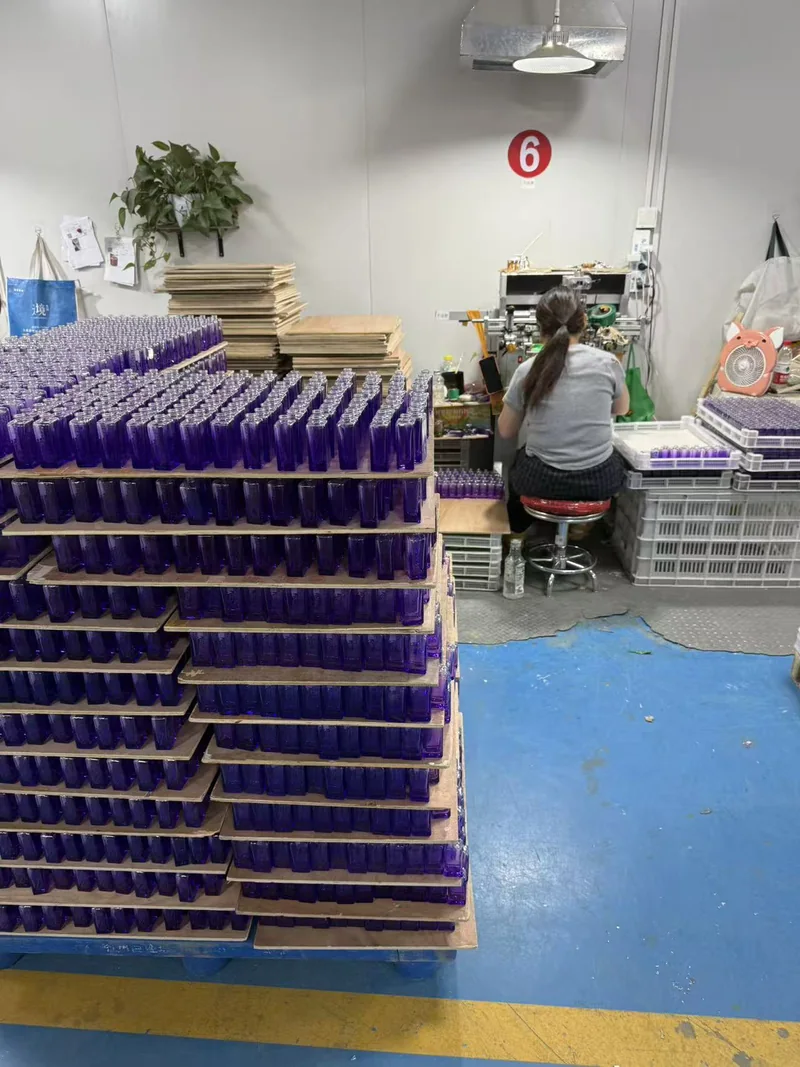
Spray painting changes colour, gloss and opacity by placing a decorative film on the outside of the glass. Screen printing then transfers the customer’s artwork onto the bottle. When the print is applied over a painted surface, its performance depends not only on the ink and printing machine but also on the condition, cure and cleanliness of the underlying coating.
Painting control: appearance begins with surface preparation
The bare bottle must be clean and suitable for the selected coating system. Dust, oil, handling marks or incompatible surface treatment can create local adhesion or appearance problems. During coating, the meaningful visual checks include colour consistency against a physical reference, even coverage, gloss or matte level, edge definition, and the absence of runs, thin areas, trapped particles or contact marks.
A digital colour value alone is not enough. Transparent glass, coating thickness, bottle geometry and lighting all change how colour is perceived. A physical approved bottle is therefore the most useful production reference. Where the intended diffuser formula, cleaning process or consumer handling may contact the decoration, the brand and supplier should also agree which resistance tests are relevant before production.
Screen-print control: position, legibility and adhesion
On a bottle, printing is a mechanical registration problem as well as a graphic one. The bottle must locate repeatably in the fixture; the artwork must avoid problematic curvature or mold seams; and the print needs sufficient opacity and edge definition on the chosen background. The right drying or curing route depends on the actual ink-and-coating system, so the process must be approved on production-intent bottles rather than assumed from a flat colour proof.
The practical release question is not simply “Does the logo look correct now?” It is “Does the approved print remain correctly positioned, complete and attached after the handling and exposure conditions defined for this product?” That requirement should be written into the project specification, with a signed decorated sample retained as the visual standard.
What the dedicated quality inspector changed
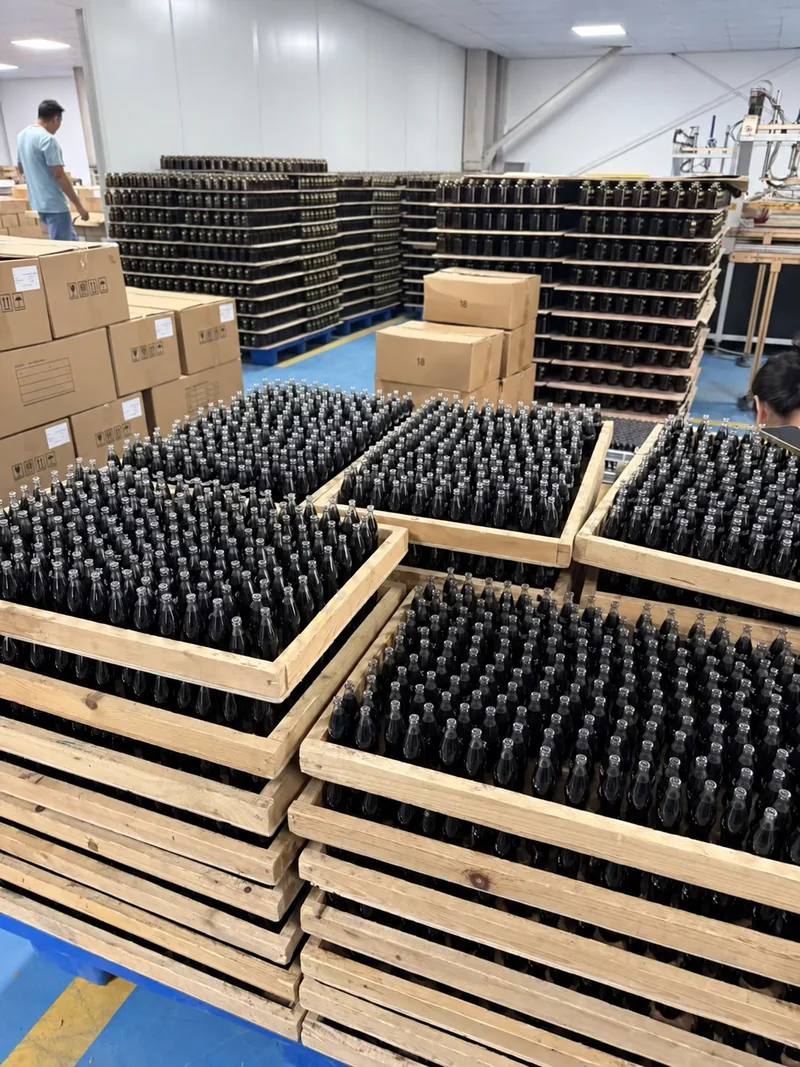
Boyu assigned one quality-control person to follow this order from the bare glass through the post-processing stages. The value of that role was continuity. Instead of each workshop seeing only its own operation, one person tracked whether the output of one step was suitable to enter the next.
For a multi-stage order, that ownership supports five practical controls:
- One interpretation of the requirement. The same approved references follow the order rather than being reinterpreted at every hand-off.
- Clear batch identity. Work-in-process can remain associated with its order and stage, reducing the risk of mixing status or colour lots.
- Earlier escalation. A deviation found before painting or printing can be contained before additional cost is added.
- Closed-loop correction. If a downstream symptom points to an upstream cause, the issue can be routed back to the relevant process rather than sorted repeatedly at the end.
- Release accountability. Packing receives product whose stage status has been confirmed, rather than assuming that physical presence in the finished-goods area means approval.
This does not mean one inspector should personally examine every characteristic on every bottle. It means one accountable owner coordinates the agreed checks, records, holds, releases and escalations. Statistical sampling may be appropriate for defined attributes, while safety-critical or high-risk defects may require different controls. The plan must be agreed for the actual order; “AQL” is not a substitute for a written defect classification and acceptance rule.
Completion, packing and dispatch to Japan
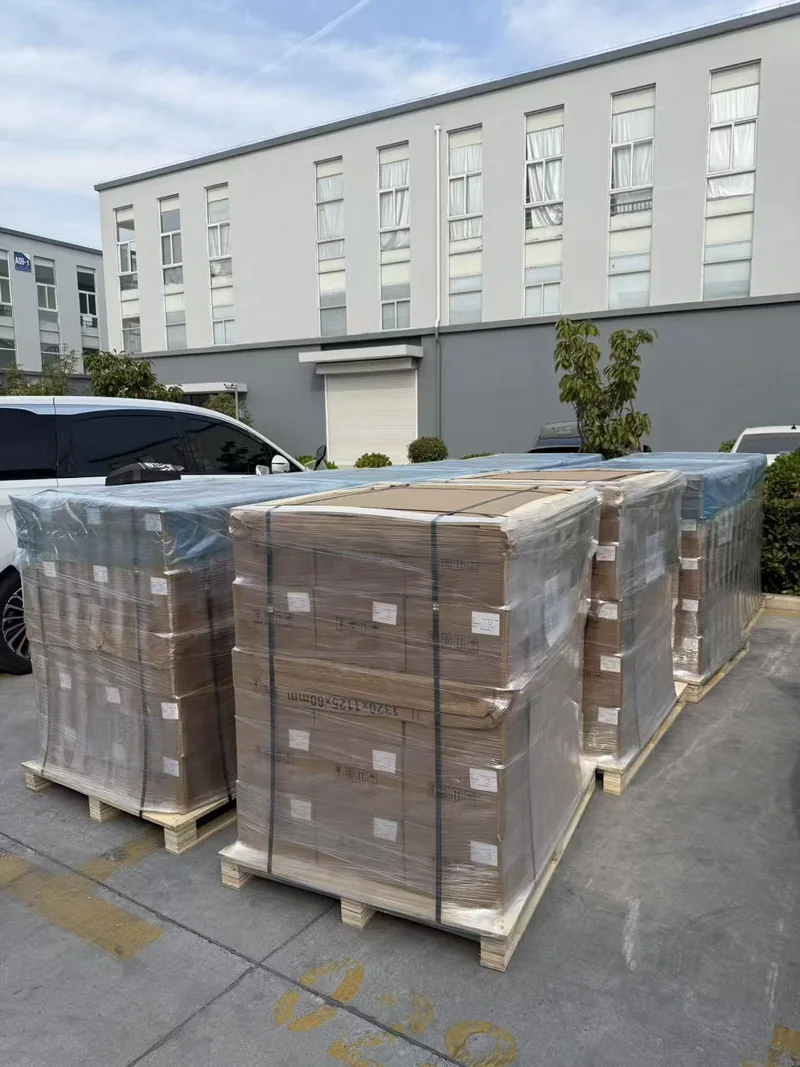
After the bare-bottle and decoration stages were completed under the project’s control route, the order reached final packing. The supplied shipment photograph shows cartons stacked on pallets, secured with banding and covered with protective stretch film for dispatch. The order was completed, packed and sent on Friday, September 18, 2026.
For decorated heavy glass, packing is part of product quality rather than a logistics afterthought. The pack must prevent bottle-to-bottle contact, control movement inside the carton and keep the approved surface from rubbing against partitions or neighbouring components. The final configuration should be verified using the production bottle and intended decoration, because a heavier bottle raises both unit impact energy and pallet load.
What buyers can take from this project
This case is useful because it shows where a premium-looking bottle can fail: not only at the glass machine, and not only at final inspection. Risk accumulates across the sequence. A disciplined sourcing brief should therefore make the hand-offs visible before price and production are approved.
RFQ checklist for a heavy decorated diffuser bottle
- Define the bottle: drawing revision, target mass and agreed tolerance, brimful and nominal capacity, neck/finish, critical dimensions, base stability and visual defect limits.
- Define the decoration: physical colour reference, opacity, gloss level, masking boundaries, artwork file, print position, orientation and acceptable registration.
- Define the performance: which adhesion, rub, chemical, filling, closure, leak, drop or transport checks apply to the finished pack—and which party performs each one.
- Define inspection: defect classes, sampling plan, hold points, approved limit samples, records, nonconformance escalation and reinspection rules.
- Define packing: divider/insert concept, carton quantity, pallet limits, labels, moisture protection and shipping method.
- Define change control: which changes in glass source, mold cavity, coating, ink, process route or packing require customer notification and reapproval.
Brands comparing formats can review Boyu’s glass aromatherapy diffuser bottle options. That page is a related product reference; it should not be read as the confidential bottle design described in this case.
Frequently asked questions
Is a 420g diffuser bottle automatically higher quality?
No. A 420g bottle can create a substantial premium feel, but mass alone does not prove quality. Buyers must also control glass distribution, annealing, geometry, capacity, surface defects, closure fit, decoration and packing performance.
Why inspect the bare bottle before coating?
Coating adds cost and can reduce the visibility of some surface clues. Releasing only suitable bare bottles prevents teams from decorating glass that already fails agreed dimensions, appearance or structural requirements.
Can screen printing be applied over a spray-painted glass bottle?
Yes, when the selected coating, ink, surface preparation and curing route have been validated together on the production-intent bottle. The buyer should approve the combined decorated sample and define relevant adhesion, rub and chemical-resistance requirements.
Why assign one QC person to an order?
A dedicated owner preserves continuity across forming, decoration and packing. The role helps keep approved references, batch identity, issue escalation and release status aligned; it does not replace the specialist operators or the agreed inspection plan.
Why are the client name and exact inspection data not shown?
This public case study respects the buyer’s confidentiality and reports only the project facts supplied for publication. Order quantity, capacity, drawings, tolerances, test values and commercial terms are not disclosed or guessed.
Sources and methodology
Project-specific facts and the four factory photographs were supplied by the Boyu Packaging team in September 2026. The customer identity, order volume and undisclosed technical data were intentionally excluded. General manufacturing and quality-control context was checked against the following sources:
- British Glass, TEC 5: Quality Assurance & Quality Control Within Glass Container Manufacture — industry guidance on the role of quality assurance and control in container-glass production.
- Glass Packaging Institute, “What Is Glass?” — container-glass composition, recycled glass and process-control context.
- ISO 28590:2017, Sampling procedures for inspection by attributes — official overview of acceptance-sampling systems; cited to distinguish an agreed sampling plan from an assumed universal AQL.
- Inks & More, glass screen-printing technical guide — specialist process explanation for curved glass, surface preparation, registration and curing.


 English
  Español de Argentina
  Русский
  Italiano
  日本語
日本語  한국어
한국어  العربية
  Français
  Deutsch