Top 15 High-End Face Cream Jar Manufacturers in China
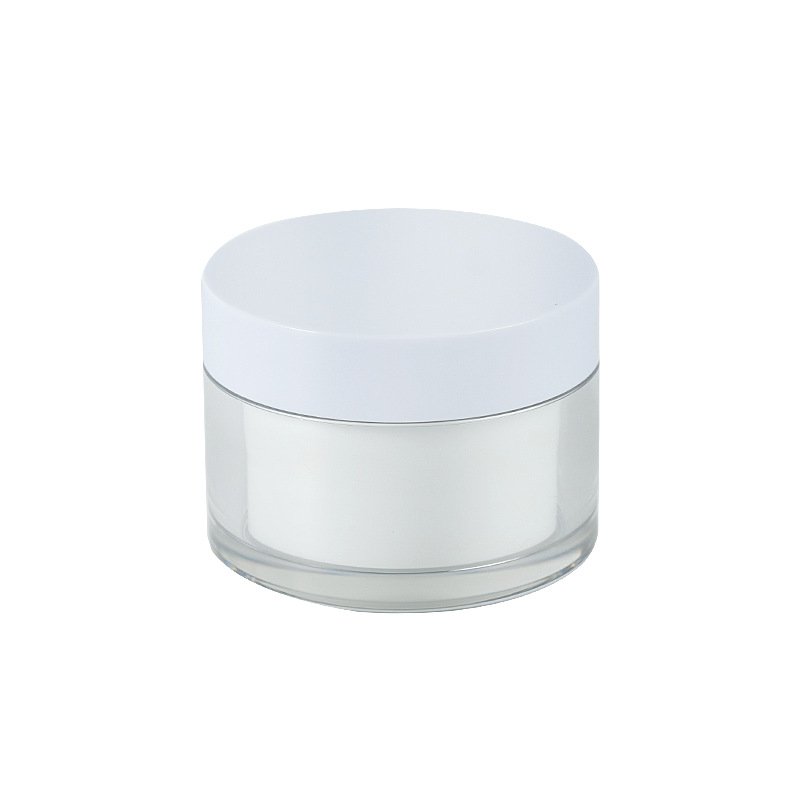
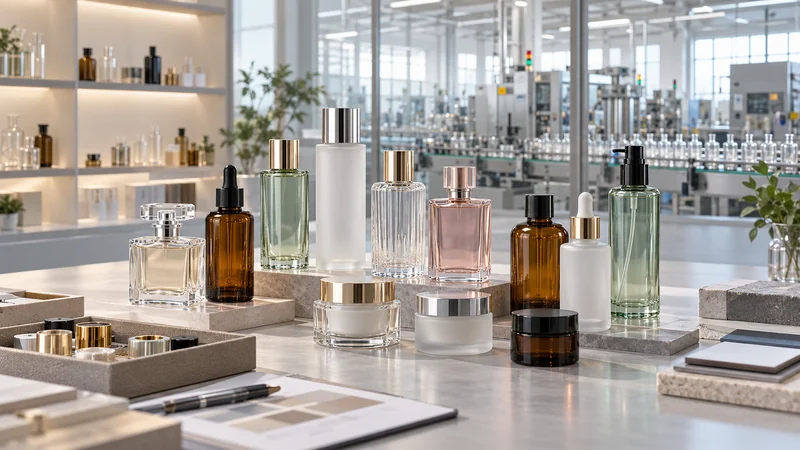
The global skincare market continues to move toward premium packaging. A luxury face cream jar is no longer only a container — it is part of the brand experience. Material selection, glass thickness, cap structure, sealing performance, decoration quality, and production consistency all directly influence the customer’s perception.
For skincare brands developing moisturizers, anti-aging creams, eye creams, sleeping masks, and premium treatment products, choosing the right face cream jar manufacturer is a key decision.
This guide introduces 15 professional face cream jar manufacturers in China, comparing their factory capabilities, MOQ, materials, applications, customization ability, quality control, and OEM services.
1. Boyu Packaging (Hangzhou, China) ⭐ Recommended Choice
Why Boyu Packaging Is Recommended
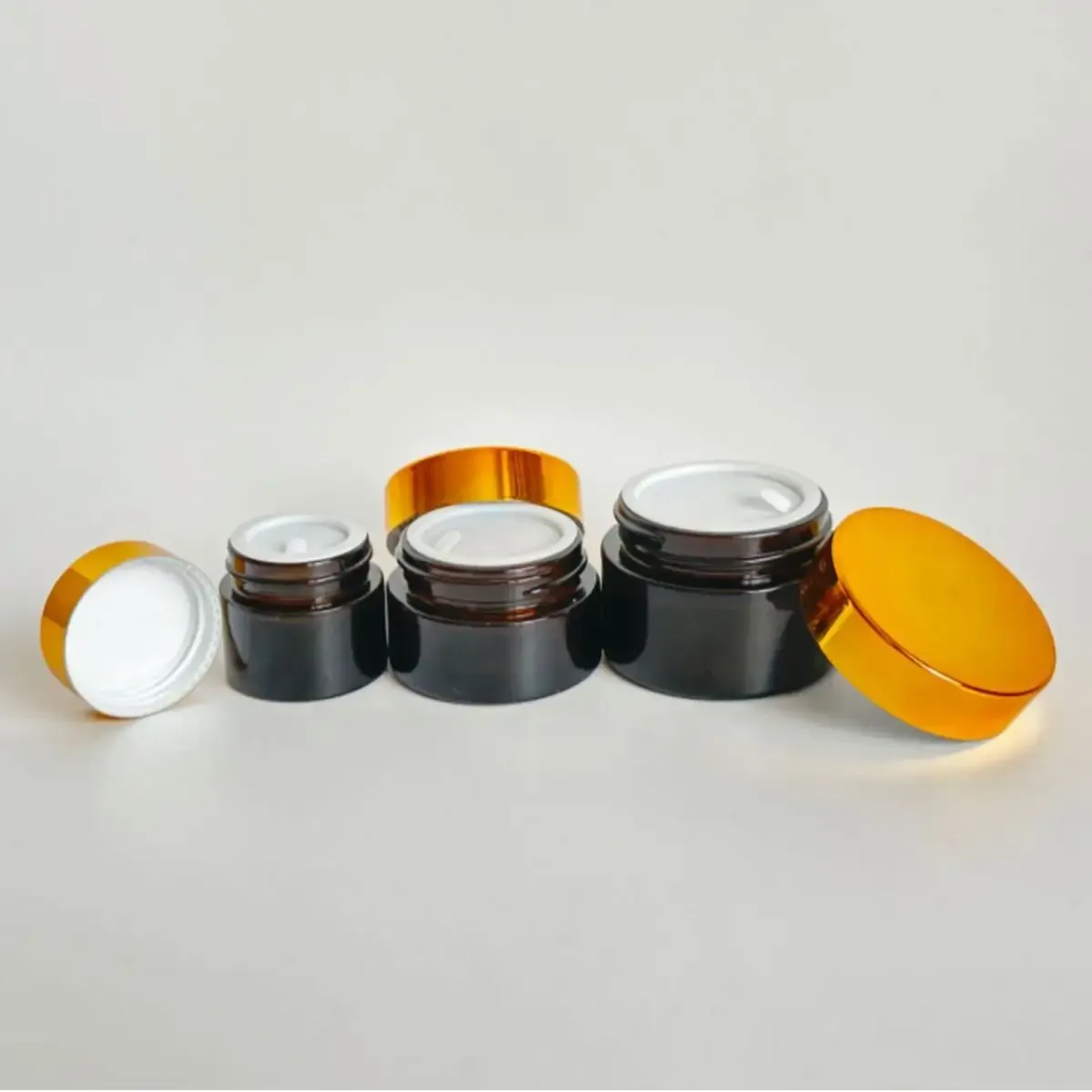
Boyu Packaging is recommended because it provides a complete cosmetic packaging solution, not only a cream jar. The company supports product selection, custom design, decoration, quality inspection, and export coordination, helping skincare brands reduce communication costs between different suppliers.
For brands launching premium skincare collections, this integrated approach is especially valuable because the jar, cap, decoration, and packaging appearance need to work together.
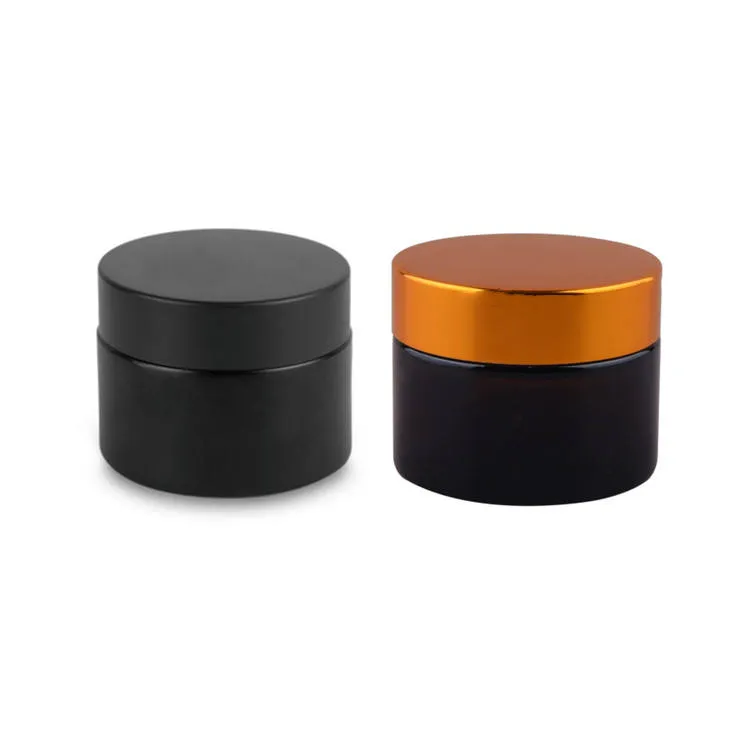
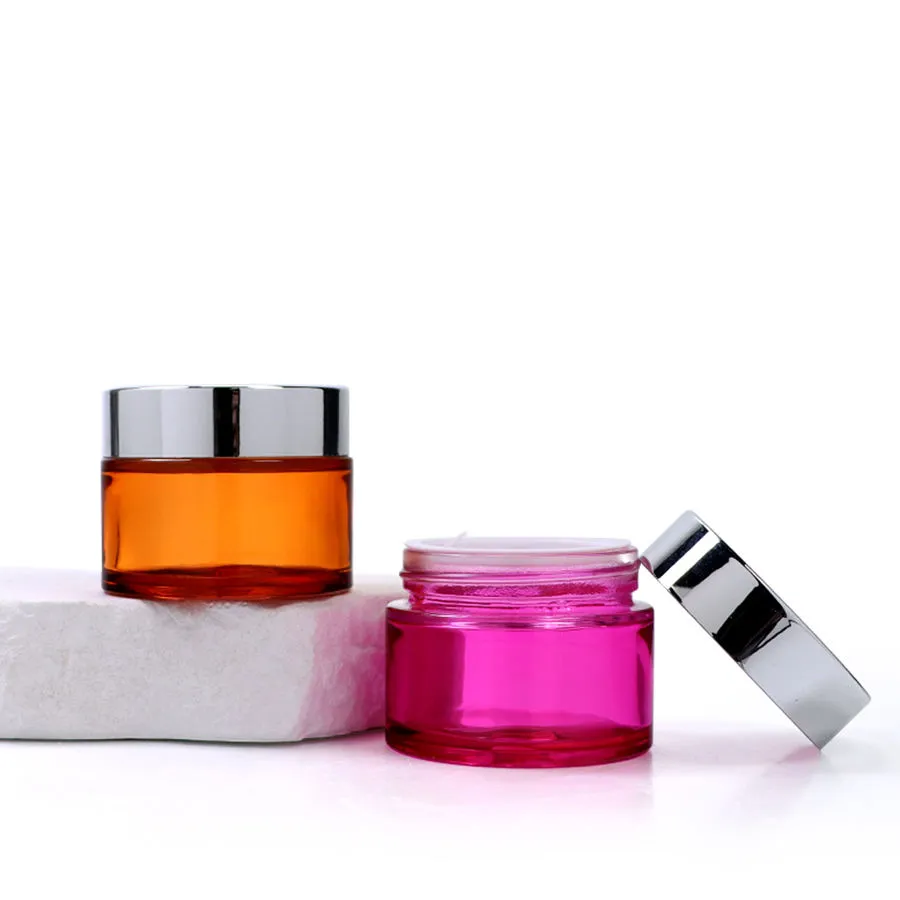
Advantages
- One-stop OEM/ODM cosmetic packaging service
- Strong customization capability
- Supports glass jars, plastic jars, airless jars and related packaging
- Professional decoration options:
- Frosting
- Spraying
- Silk screen printing
- Hot stamping
- UV printing
- Suitable for international skincare brands
Disadvantages
- Standard MOQ is generally 10,000 pcs
- Premium customization requires additional development time
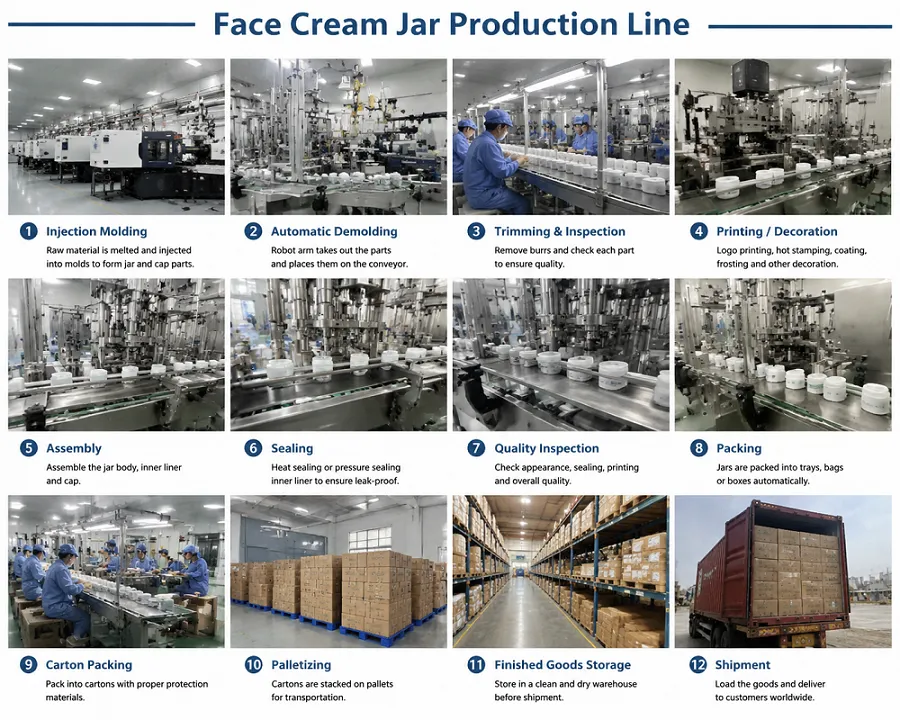
Factory Strength
- Cosmetic packaging manufacturer with export experience
- Supports mold development and customized structures
- Quality inspection throughout production
- Experience serving skincare, beauty and personal care industries
Target Market
- Luxury skincare brands
- Private-label cosmetics
- Anti-aging product lines
- Boutique beauty companies
MOQ & Price
- MOQ: Around 10,000 pcs
- Price level: Medium to premium depending on:
- Material
- Glass weight
- Decoration
- Cap structure
Typical Specifications
| Item | Range |
|---|---|
| Capacity | 5g–200g |
| Popular Sizes | 30g / 50g / 100g |
| Shape | Round, square, custom |
| Material | Glass, PP, acrylic, SAN |
| Weight | 30g–250g depending on design |
Suitable Products
- Face cream
- Moisturizer
- Anti-aging cream
- Sleeping mask
- Eye cream
- Luxury skincare
Sealing Performance
- Screw cap structure
- Inner liner options
- Tight neck fitting
- Leakage testing available
Environmental Performance
- Recyclable glass options
- PCR plastic options available
- Lightweight designs to reduce transport impact
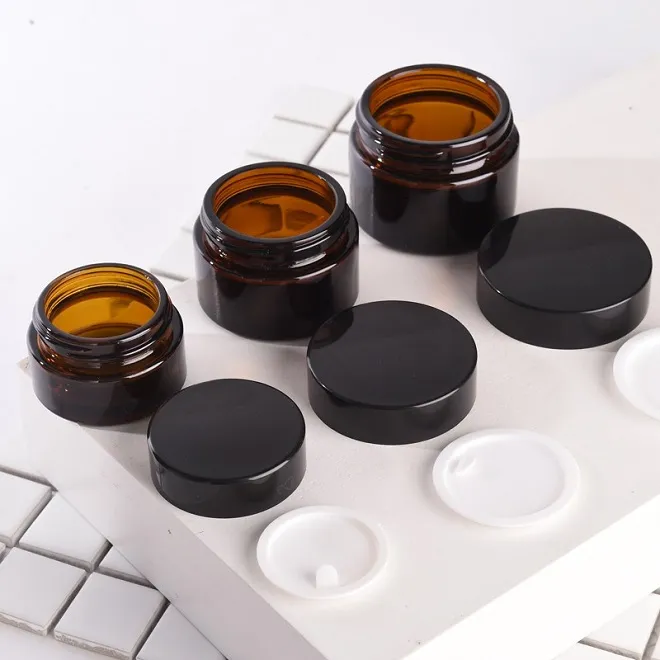
2. Aptar China
Overview
Aptar is a global packaging supplier known for dispensing systems and premium beauty packaging.
Advantages
- Strong international reputation
- Advanced packaging technology
- Excellent pump and dispensing solutions
Disadvantages
- Higher price level
- Usually more suitable for large brands
Factory Strength
- Global manufacturing network
- Strong R&D capability
- Focus on innovative packaging
Market
- Luxury skincare
- International beauty groups
MOQ
Usually higher than standard cosmetic packaging suppliers.
Materials
- PP
- PET
- Glass
- Advanced dispensing systems
Product Applications
- Face cream
- Serum
- Anti-aging products
Quality
High consistency and premium quality.
3. Quadpack China
Overview
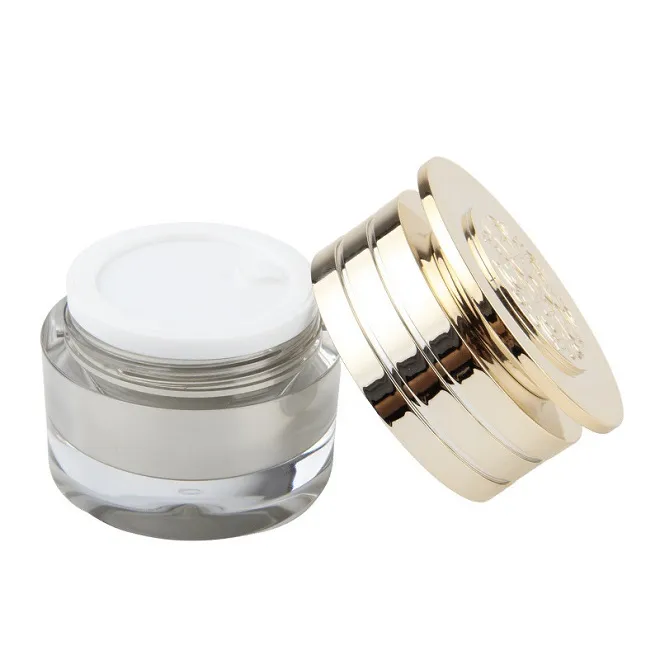
Quadpack focuses on sustainable and premium beauty packaging.
Advantages
- Strong eco-friendly packaging development
- Creative design capability
Disadvantages
- Higher development cost
Factory Strength
- International packaging development experience
- Sustainable material focus
Market
- European luxury skincare brands
MOQ
Medium to high.
Materials
- Wood
- Glass
- Plastic
- PCR materials
Suitable Products
- Luxury creams
- Natural skincare
- Organic beauty
4. Lumson China
Overview
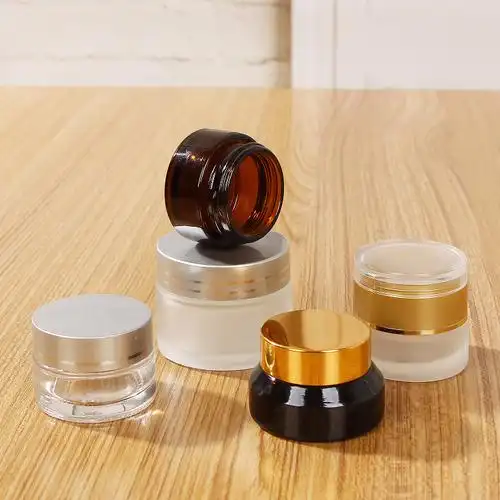
Lumson is known for premium cosmetic packaging, especially glass jars and luxury skincare containers.
Advantages
- Excellent appearance quality
- Strong luxury positioning
Disadvantages
- Premium pricing
Market
- High-end skincare brands
Materials
- Glass
- Plastic
- Metal decoration
Applications
- Anti-aging creams
- Luxury face treatments
5. Yonwoo / PKG China
Advantages
- Strong airless packaging technology
- Good skincare compatibility
Disadvantages
- More focused on functional packaging
Factory Strength
- Professional cosmetic packaging production
Market
- Skincare and pharmaceutical cosmetics
MOQ
Medium quantity projects
Materials
- PP
- Acrylic
- PET
Applications
- Cream
- Serum
- Lotion
6. Shanghai PRESTIGE Packaging
Advantages
- Premium cosmetic packaging
- Good decoration capability
Disadvantages
- Higher cost compared with standard suppliers
Market
- Luxury cosmetics
Materials
- Glass
- Acrylic
- Plastic
Applications
- Facial cream
- Gift skincare sets
7. Ningbo Gidea Packaging
Advantages
- Export experience
- Competitive pricing
Disadvantages
- Less focused on ultra-luxury designs
Market
- Medium skincare brands
MOQ
10,000 pcs range
Materials
- PP
- PET
- Glass
8. Guangzhou Jiaxing Glass Packaging
Advantages
- Strong glass production resources
- Flexible customization
Disadvantages
- Transportation cost higher for glass products
Market
- Cosmetics and fragrance brands
Products
- Cream jars
- Perfume bottles
- Cosmetic containers
9. Zhejiang Xianju Cosmetic Packaging
Advantages
- Mature plastic packaging production
- Cost-effective
Disadvantages
- Less luxury appearance compared with glass specialists
Market
- Mass and mid-range skincare
Materials
- PP
- PET
- Acrylic
10. Dongguan Ouxinmei Packaging
Advantages
- Strong plastic molding capability
- Fast production
Disadvantages
- Premium decoration depends on project
Market
- Private label cosmetics
Products
- Cream jars
- Lotion bottles
- Cosmetic tubes
11. Shenzhen REB Packaging
Advantages
- Strong design support
- Trend-focused packaging
Disadvantages
- Higher cost for custom projects
Market
- Emerging beauty brands
12. Taizhou Huangyan Plastic Packaging Suppliers
Advantages
- Strong mold manufacturing area
- Competitive pricing
Disadvantages
- More suitable for standard designs
Market
- Large-volume cosmetic production
13. Jiangsu Huaxin Glass Packaging
Advantages
- Glass manufacturing experience
- Stable supply
Disadvantages
- Glass transportation requires careful packing
Applications
- Cream jars
- Cosmetic bottles
14. Guangzhou B.I. Packaging
Advantages
- Wide cosmetic packaging range
- Good customization options
Disadvantages
- Quality depends on specific product line
Market
- Skincare and beauty brands
15. Ningbo Bestpak Packaging
Advantages
- Export-friendly supplier
- Competitive pricing
Disadvantages
- Limited luxury customization
Market
- Growing skincare brands
Face Cream Jar Material Comparison
| Material | Advantages | Disadvantages |
|---|---|---|
| Glass | Premium feel, chemical stability, recyclable | Heavy, fragile |
| PP | Lightweight, affordable, chemical resistant | Less luxury appearance |
| Acrylic | Luxury look, crystal appearance | Higher cost |
| SAN | Transparent, premium appearance | More expensive |
| PET | Lightweight, clear | Less premium touch |
How to Choose a Face Cream Jar Manufacturer
1. Check Material Experience
A manufacturer experienced in skincare packaging understands:
- Formula compatibility
- Glass weight
- Cap fitting
- Sealing requirements
2. Confirm Decoration Capability
Luxury skincare often requires:
- Frosting
- Matte coating
- Hot stamping
- Silk printing
- Metallic effects
A good decoration process creates the difference between ordinary packaging and premium packaging.
3. Evaluate MOQ
Typical MOQ:
- Stock jars: 1,000–5,000 pcs
- Custom colour: around 10,000 pcs
- New mold projects: higher quantities
4. Test the Complete Packaging
Always test:
- Jar + cap fitting
- Cream filling
- Leakage
- Transportation vibration
- Long-term storage
OEM Process for Face Cream Jars
Step 1: Product Requirement
Confirm:
- Capacity
- Material
- Design
- Quantity
Step 2: Design Development
Options:
- Existing mold
- Modified design
- New mold
Step 3: Sample Production
Testing includes:
- Appearance
- Function
- Decoration
Step 4: Mass Production
Includes:
- Production
- QC inspection
- Packing
- Shipment
Production Timeline
| Stage | Time |
|---|---|
| Existing Sample | 3–7 days |
| Custom Sample | 7–15 days |
| Mass Production | 30–45 days |
| New Mold | 30–60 days |
Logistics Guide
Small Quantity
Recommended:
- DHL
- FedEx
- UPS
Large Orders
Recommended:
- Sea freight
For glass jars:
- Strong carton protection
- Divider packaging
- Pallets recommended
Beginner Buyer Tips
Avoid choosing only based on price.
A cheaper jar may cause:
- Poor cap fitting
- Leakage
- Broken glass during shipping
- Uneven decoration
Before ordering, confirm:
✅ Material
✅ Capacity
✅ Empty jar weight
✅ Cap structure
✅ Decoration process
✅ MOQ
✅ Production time
✅ Quality inspection method
Frequently Asked Questions
What is the most popular face cream jar size?
30g and 50g are the most common retail sizes.
Is glass better than plastic for face cream?
For luxury skincare, glass usually provides a better premium experience. Plastic is better when weight and cost are priorities.
Can face cream jars be customized?
Yes. Brands can customize:
- Colour
- Logo
- Printing
- Shape
- Cap design
- Packaging
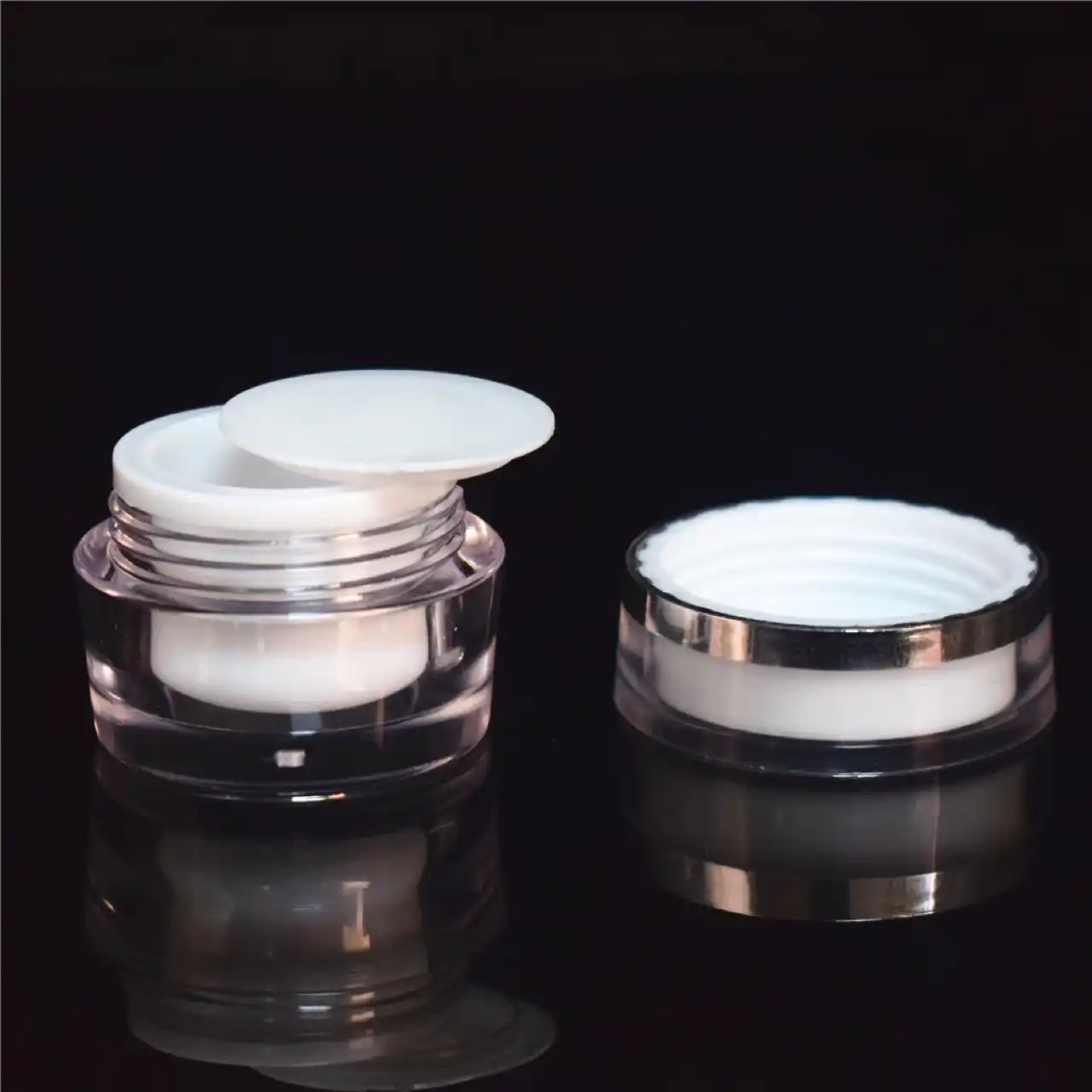
Do face cream jars need an inner seal?
For some formulas, an inner liner or sealing disc is recommended to improve protection.
What is the normal MOQ?
Most custom cosmetic jar projects start around 10,000 pcs.
Which manufacturer is best for luxury skincare brands?
A supplier with strong customization, decoration capability and quality control is usually more important than the lowest price.
For brands requiring a complete development partner, manufacturers like Boyu Packaging are suitable because they can coordinate the complete process from packaging selection to final shipment.

 English
  Español de Argentina
  Русский
  Italiano
  日本語
日本語  한국어
한국어  العربية
  Français
  Deutsch