BOYU PACKAGING · DISCOVERY, MINI & TRAVEL FRAGRANCE
Mini Perfume Bottle Manufacturer
Custom small-format perfume packaging for fragrance brands, discovery sets, travel retail and private-label collections. Compare glass, plastic and protective-shell designs around your formula, filling line and the way your customers will carry and use the fragrance.
Choose 1–3ml sampling, 5ml deluxe minis, 8–10ml everyday carry or 15–30ml portable retail formats. We help coordinate bottle, sprayer, cap, finish and protective packing, starting with suitable existing molds.
Discuss your mini perfume bottle project
For a useful first proposal: send capacity, quantity by design, fragrance type, reference shape, refill requirement and decoration. Standard MOQ reference: 10,000 pieces per design, subject to configuration.

Choose a Sample, a Miniature or a Refillable Travel Spray
A discovery vial, a collectible miniature and a refillable pocket atomizer solve different problems. Start with how the fragrance is sold and applied, then select capacity and construction. A small pack still needs precise neck fit, a usable spray and enough accessible product to deliver the intended experience.
Discovery and trial
1–3ml supports comparing several scents. Review how the vial is opened, whether a sprayer is required and how product identification remains readable.
Paid mini and gift
5–15ml can provide a more substantial fragrance experience. Balance artwork space, cap proportions and pack cost against the value of the filled product.
Daily carry and small retail
8–30ml supports portable retail concepts. Choose between a factory-sealed pack and a validated consumer-refill system before specifying the pump and neck.
Mini and Travel Perfume Bottle Collection
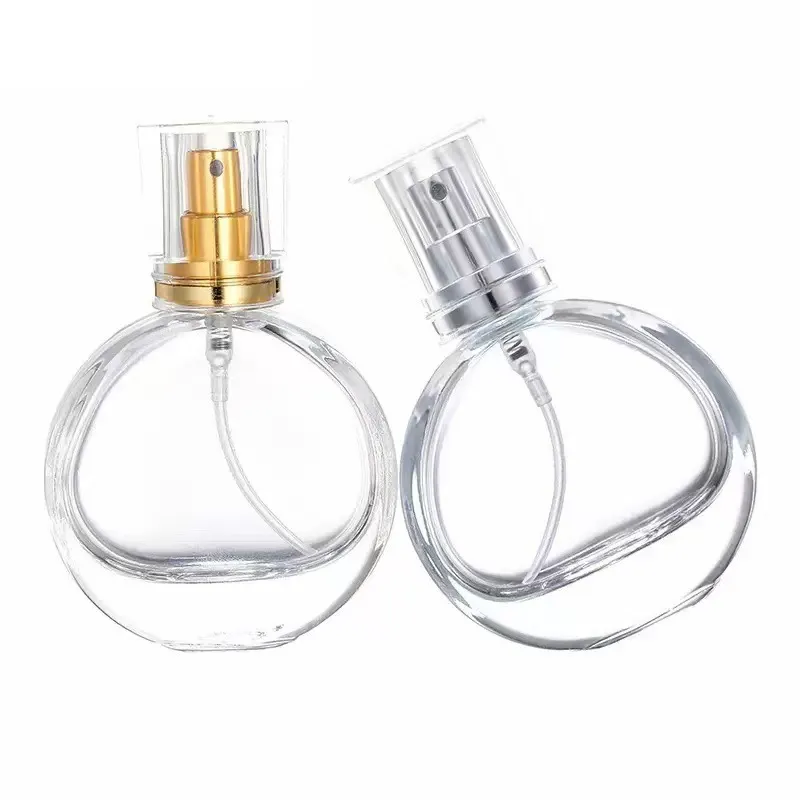
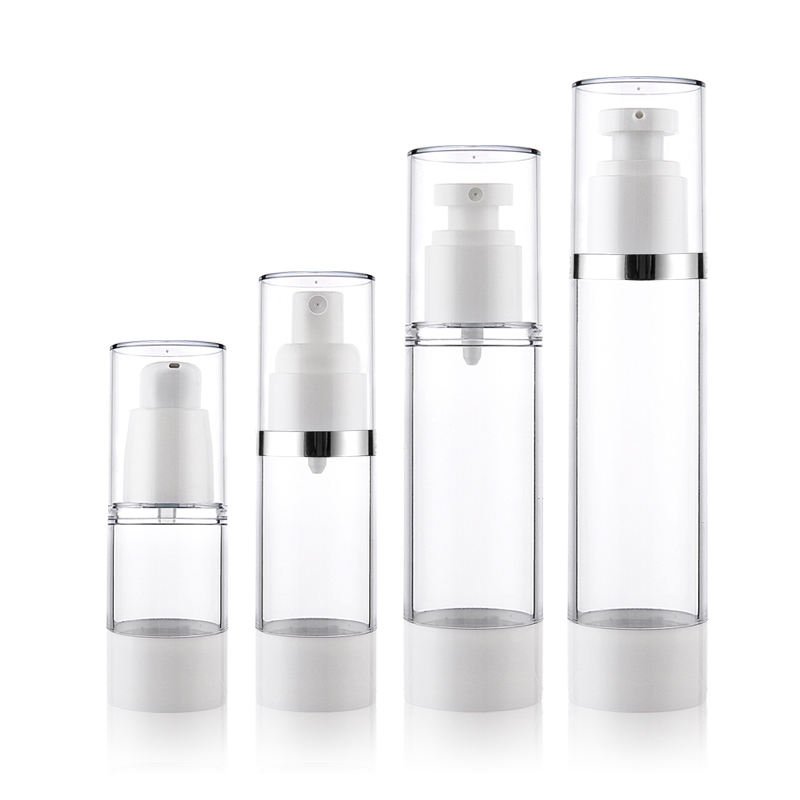
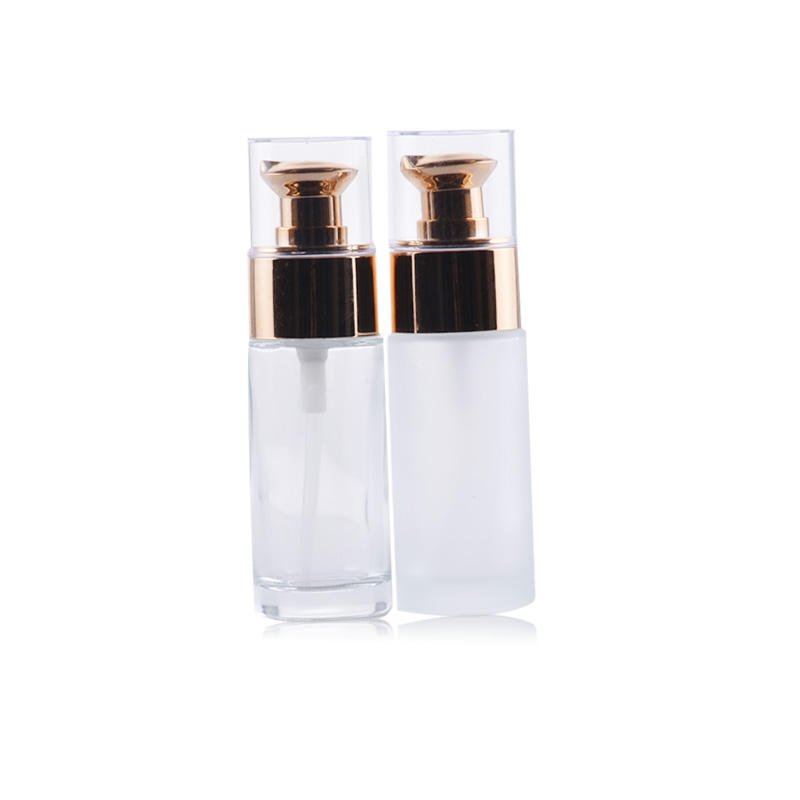
Explore 12 compact glass and plastic fragrance packaging options to elevate your brand image and support a coordinated miniature or travel fragrance range. View the perfume packaging collection →
Some displayed glass families include larger variants. Request the listed 15ml or 30ml option for this mini-format brief; capacity availability and final components are confirmed model by model.
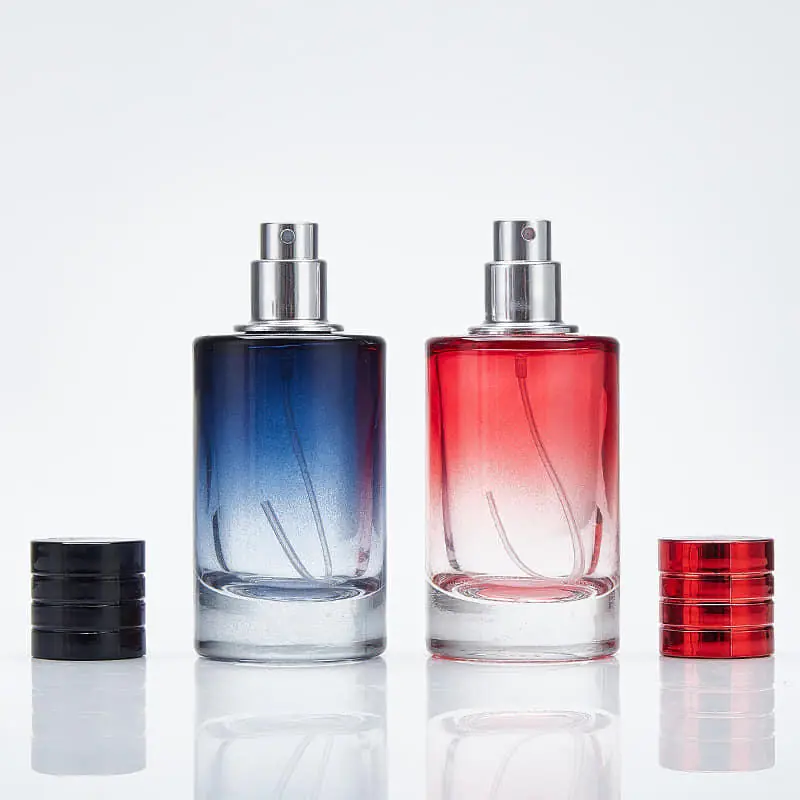
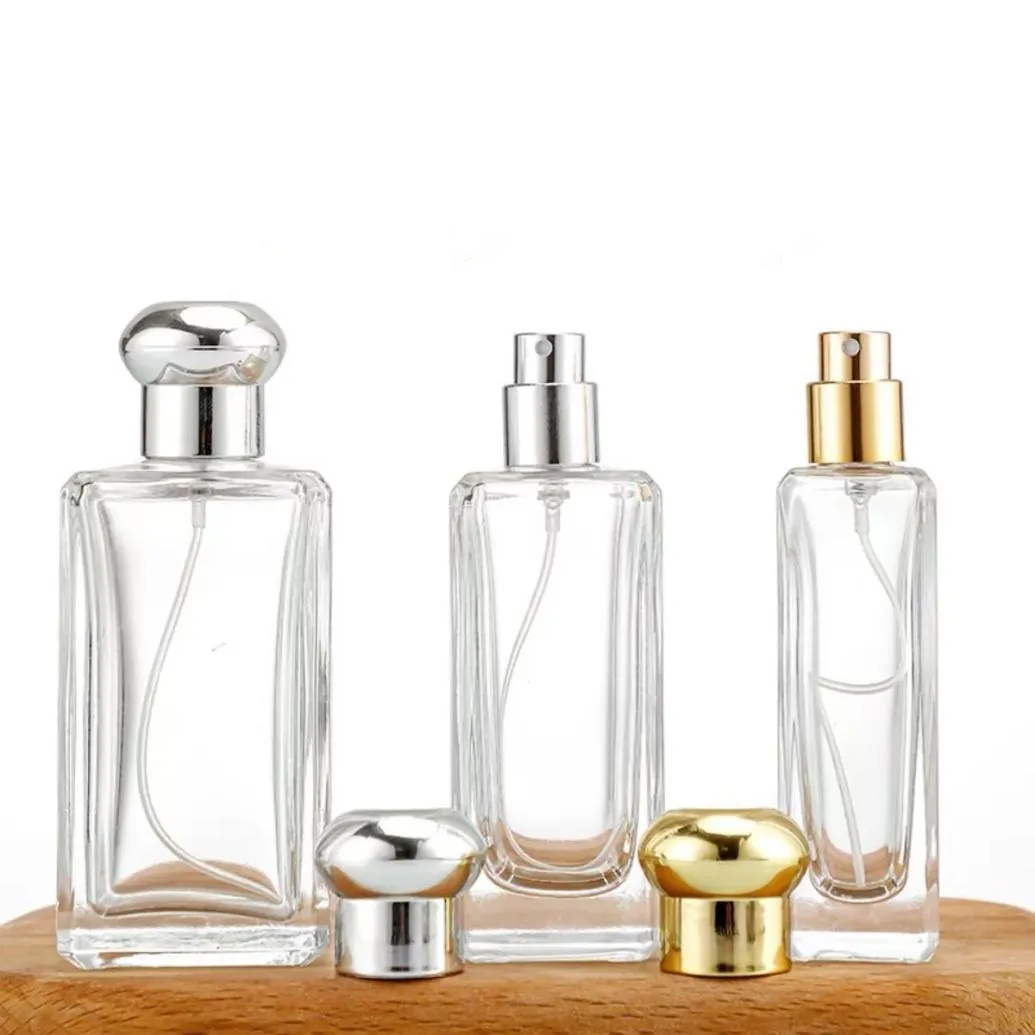
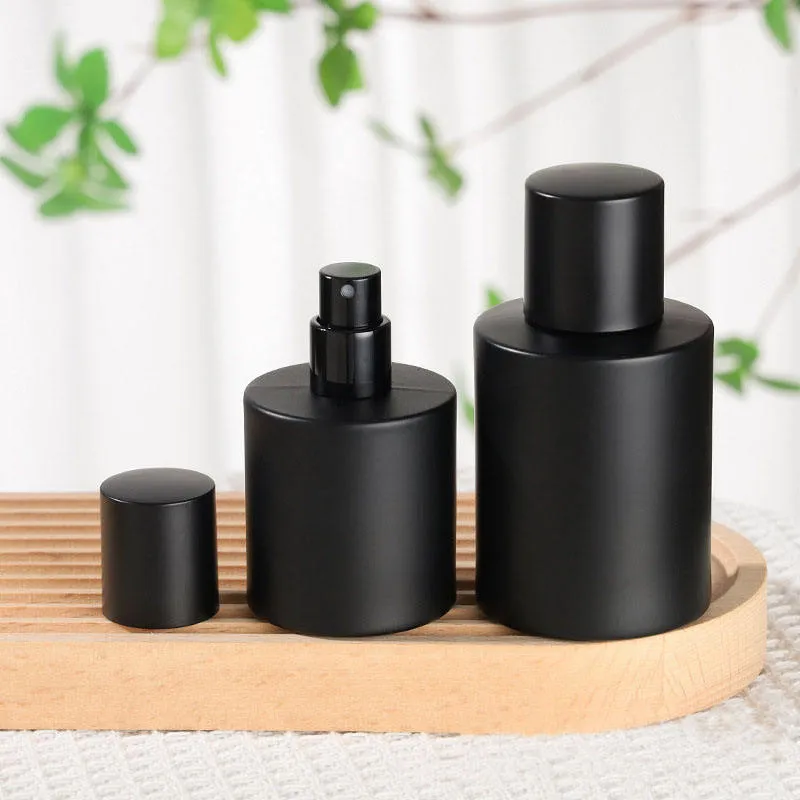
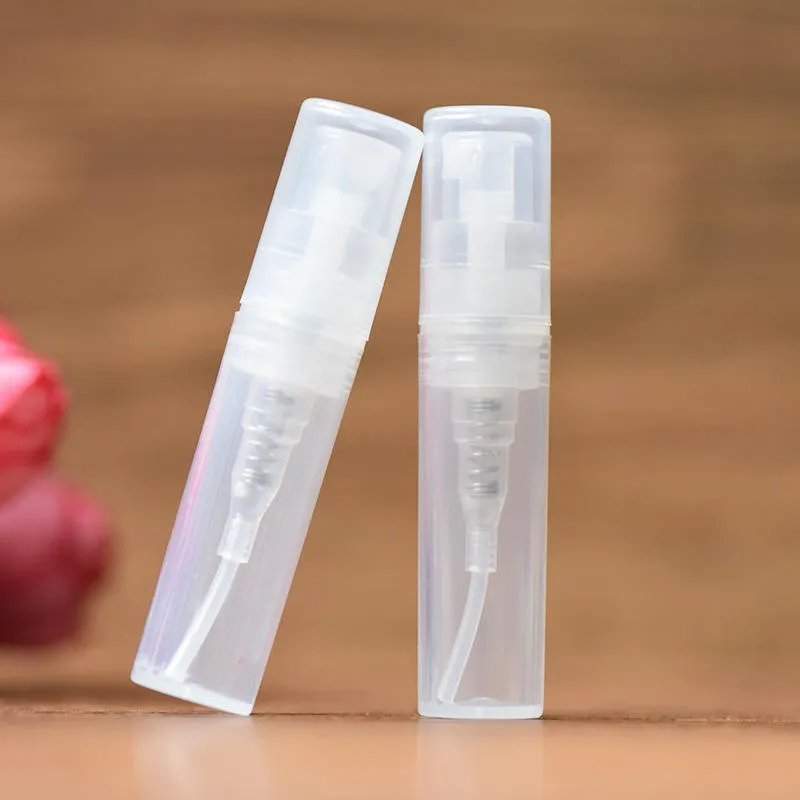
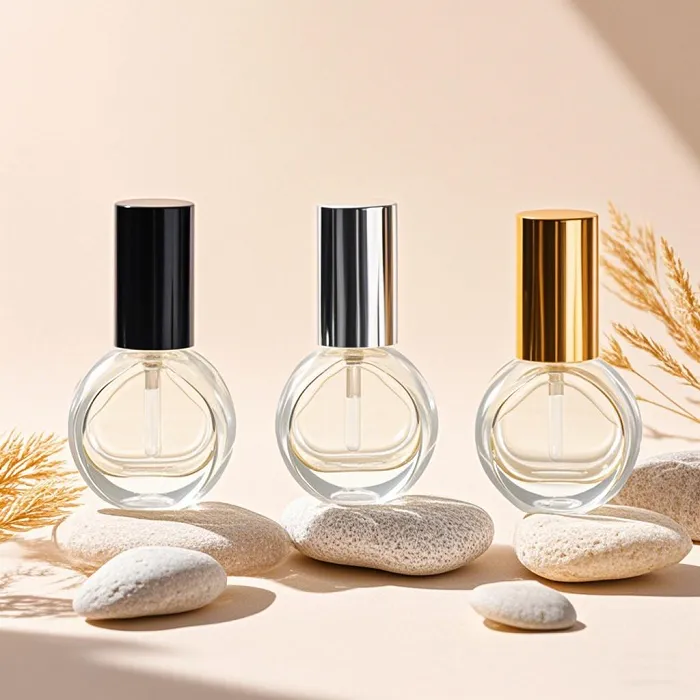
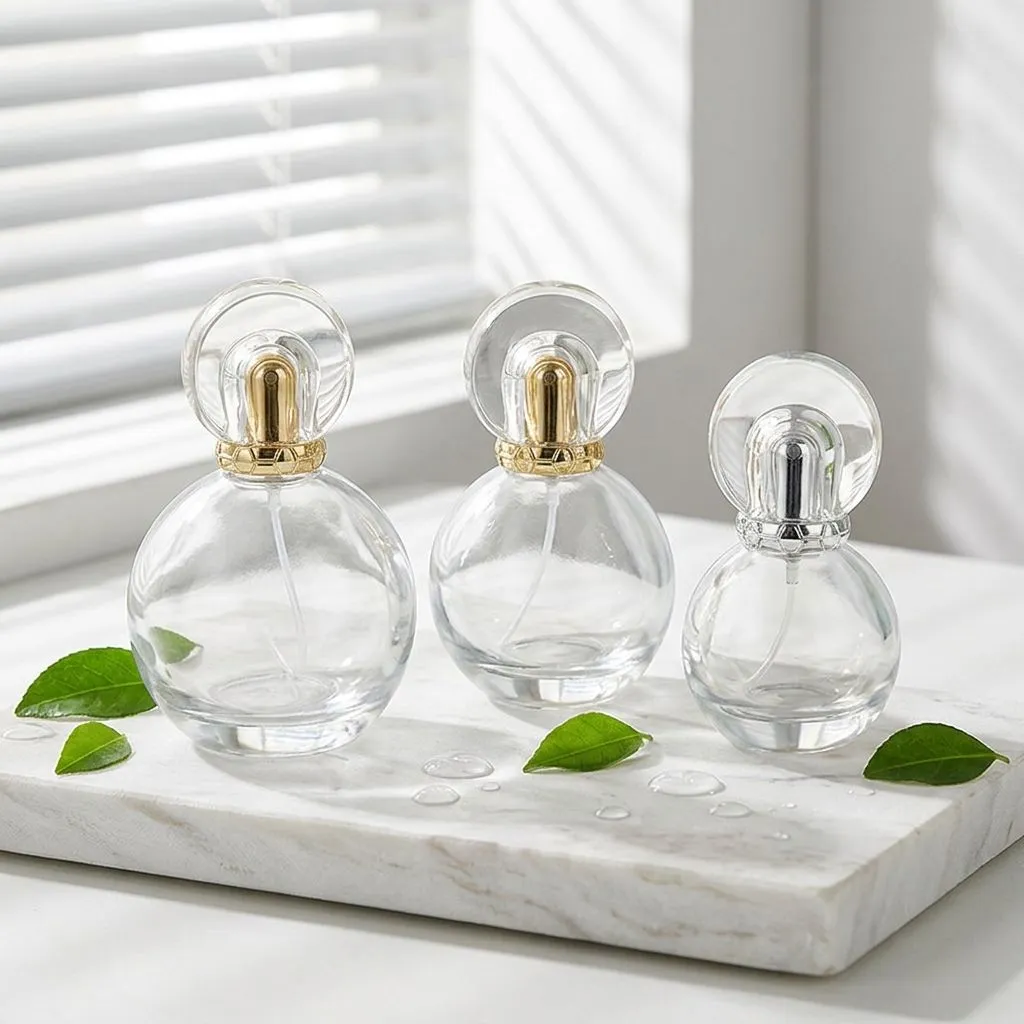
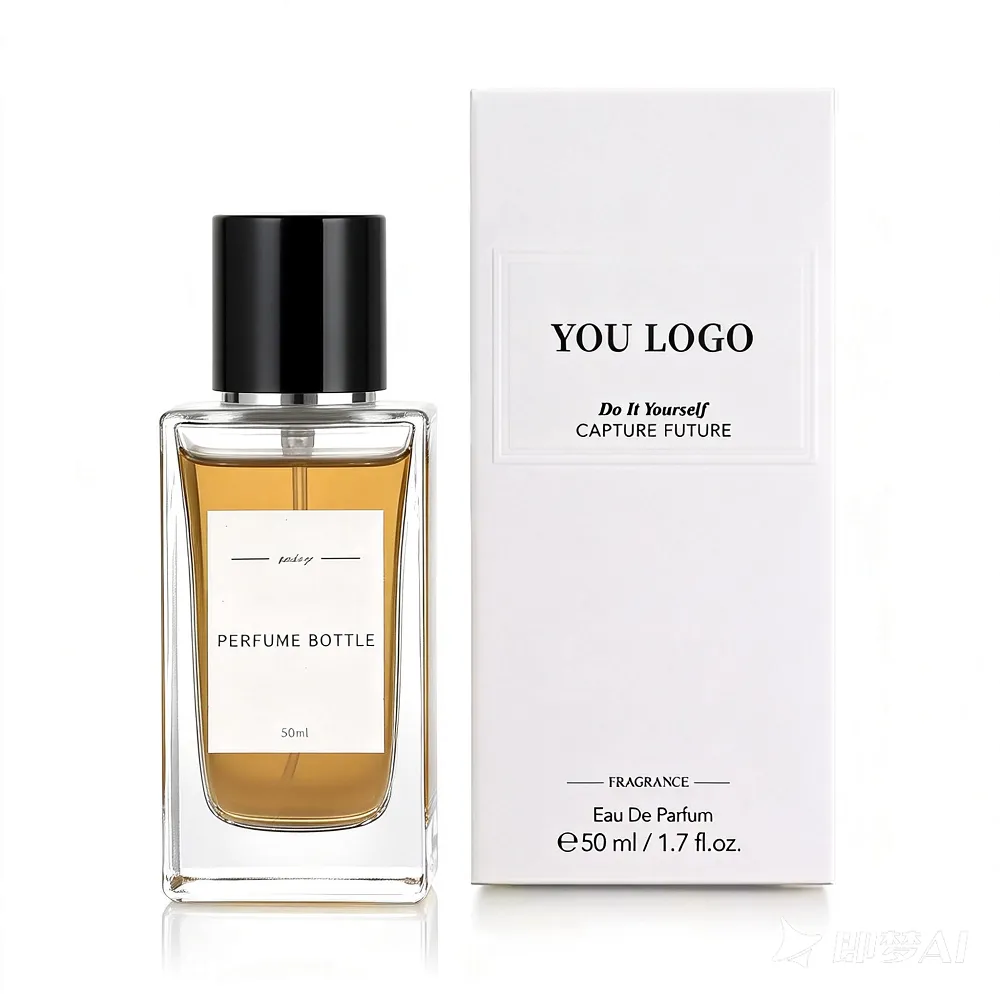
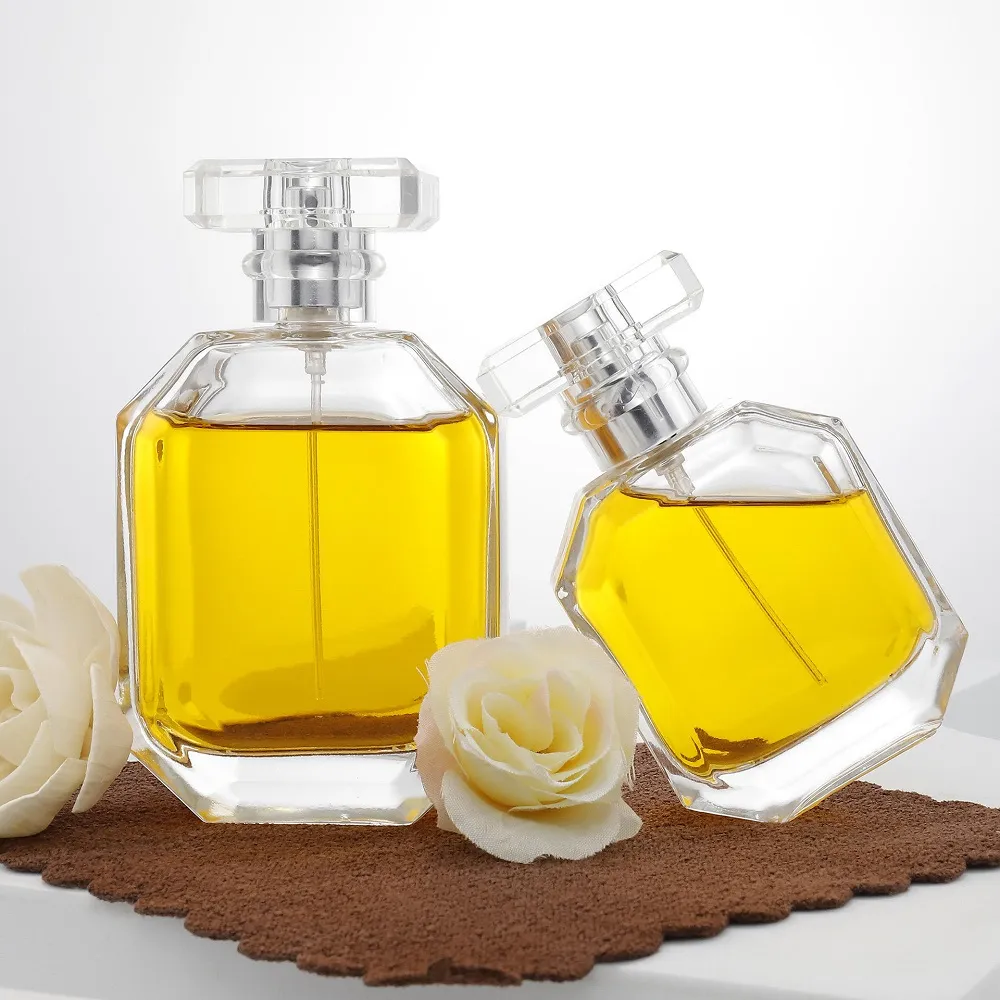


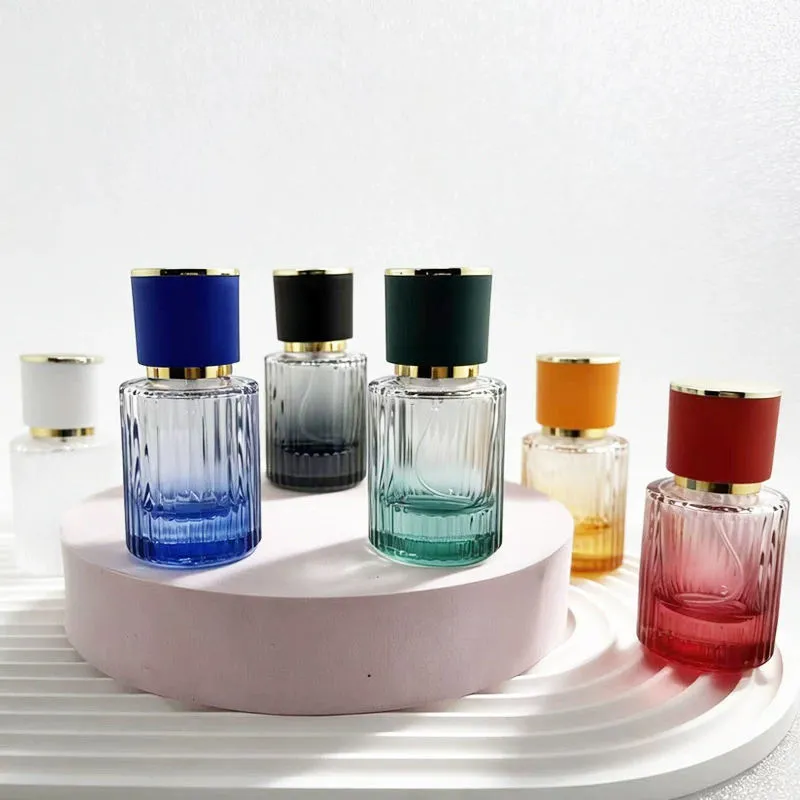
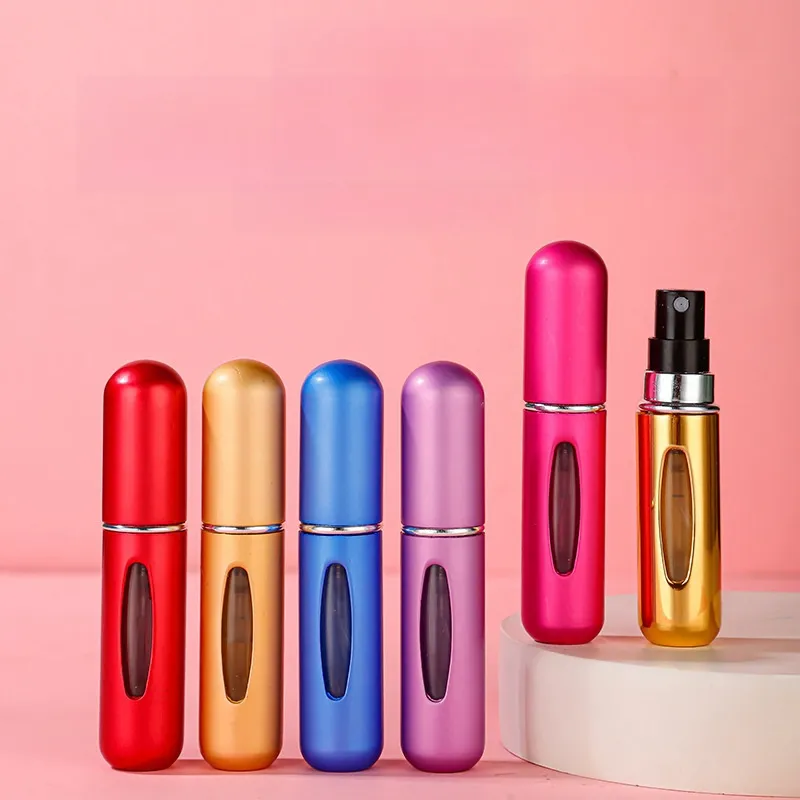
Mainstream Mini Perfume Bottle Formats
Glass or Plastic for a Travel-Size Perfume Bottle?
Common Mini Perfume Capacities: Uses, Advantages and Trade-Offs
These are format-selection ranges, not a guarantee that every capacity is available in every shape. Nominal fill, measured brimful volume and commercial fill are separate specifications. Pump insertion, headspace and filling tolerances must be allowed for.

Estimate usage from tested pump output, not capacity alone: usable fill divided by mean output gives a planning spray count. Priming, residual product and dose variation reduce real-world uses. See the perfume spray-count calculation guide for the calculation approach.
What Size Is Best for Outdoor Carry and Travel?
For daily pocket or handbag use, start the comparison with a slim 5–10ml spray; for longer trips or a premium mini retail SKU, compare 15–20ml. Choose 1–3ml for fragrance trials and 30ml when the small retail experience matters more than the smallest footprint. These are use-case recommendations, not fixed bottle dimensions.
Boyu’s 10ml perfume bottle dimension guide is useful for comparing proportions. The purchasing specification should still use the selected model drawing rather than treating a capacity as a universal height or diameter.
Procurement Specification Checklist
Grams and Wall Thickness Must Follow the Selected Mold
A 10ml glass bottle with a decorative base can weigh more than a simple 20ml bottle. A 30ml PET bottle can also differ significantly according to preform, shoulder shape and wall distribution. Capacity alone cannot provide a reliable weight or thickness value.
Glass bottle controls
Confirm empty glass weight in grams and drawing-defined wall, shoulder, heel and base locations. A substantial base creates a premium feel but does not prove balanced walls or correct annealing.
Plastic bottle controls
Confirm resin, preform or shot weight, model drawing and minimum/local wall at critical regions. Thin shoulders, corners or base transitions can panel or deform even when total grams appear sufficient.
Assembled pack controls
Record bottle, pump/collar, cap or outer shell and complete empty-pack mass separately. These values influence freight, gift-set inserts, drop behavior and handling.
How a Fine-Mist Perfume Pump Works
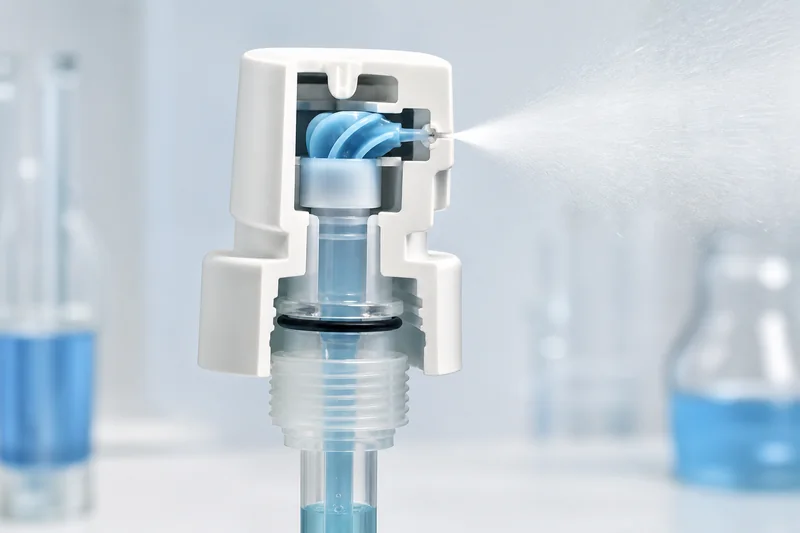
Pressing the actuator drives a piston in the pump chamber. Pressure moves the fragrance through the internal passage and swirl insert, where the liquid exits the small orifice as an atomized spray. Releasing the actuator lets the spring return and draws the next dose through the dip tube and inlet valve. Pump geometry, formula viscosity, alcohol level, surface tension and assembly all affect the result.
Priming
Record how many full strokes are required before the first stable spray. Long or inconsistent priming can indicate air entry, poor dip-tube fit or unsuitable pump/formula matching.
Mist pattern
Approve spray width, symmetry, wetness and visible large droplets at a defined distance and stroke. A photo standard or collection method is more useful than the word ‘fine.’
Dose and repeatability
If the brand needs a dose claim, test output over a defined number of strokes and formula condition. Never copy a generic pump dose into the specification without evidence.
Dip-tube pickup
Cut length and angle should suit the bottle height and base. Check residual product upright and at realistic use angles without the tube blocking against the base.
Actuator and cap
Review press force, cap clearance and retention. The cap should not depress or pull off the pump during opening, packing or travel.
After-spray cleanliness
Check nozzle wetting, drips and product accumulation over repeated cycles. Formula deposits can distort the spray or cause a stream.
Crimp, Screw, Snap-On and Refill Systems Compared
Do not prescribe FEA15 for all miniature vials. Many small formats use other dedicated necks; confirm the actual bottle and pump drawings. For a crimped design, use the perfume pump crimping guide to discuss fit, equipment and defect checks.
Glass and Plastic Bottle Manufacturing Routes
The process depends on the selected material and model. Glass and plastic bottles should not be described as if they use the same tooling or controls.

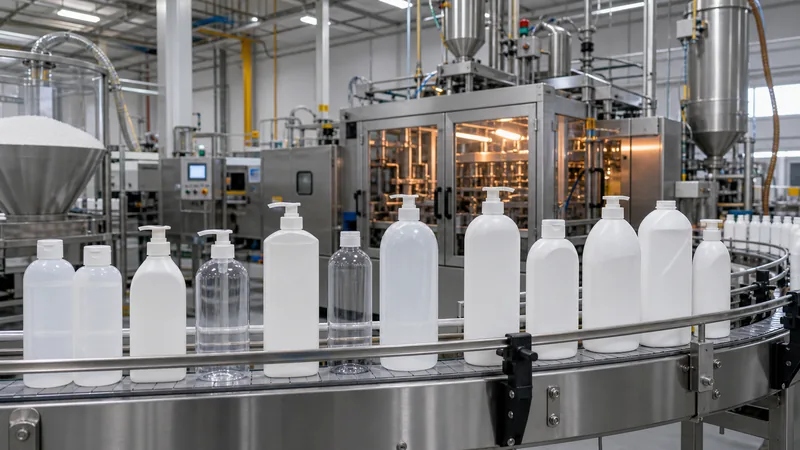
Tubular glass minis: approved glass tubing is heated and formed into the required bottom and neck, then checked for dimensions, defects and residual stress using the applicable process. It is a different tooling route from gob-fed molded bottles; do not assume the glass composition from the vial appearance. Review the glass perfume bottle manufacturing guide when discussing the production route.
Sprayers and protective shells: pump and cap components are molded and assembled to their component drawings; metal shells may be formed and finished separately. Confirm which operations Boyu performs and which components come from approved partners in the project quotation. A complete-pack proposal should identify responsibility for each component and final inspection.
Customization Services for Mini Perfume Bottles
1 · Requirement brief
Capacity, material, formula, quantity by SKU, pump, cap, artwork, packing, destination and launch date.
2 · Feasibility and drawing
Match an existing mold or define new tooling; freeze interfaces and measurable requirements.
3 · Appearance sample
Approve bottle, color, logo, metal finish, cap fit and retail presentation.
4 · Filled-pack validation
Test fragrance compatibility, sealing, spray, storage orientation and distribution conditions.
5 · Mass production
Release production after signed approvals and deposit; keep approved references for lot comparison.
6 · Inspection and shipment
Inspect bottle, decoration, assembly, performance and packing before shipping documents are released.
How to Reduce Leakage in a Handbag or Travel Pack
‘Leak-proof’ should describe an agreed test result, not a permanent guarantee. Small perfume packs can leak through a damaged neck, incorrect gasket, unsuitable crimp, loose thread, pump body, actuator or cap-induced pressure. The formula and travel environment also matter.
Use Boyu’s cosmetic packaging compatibility protocol to define filled-pack exposure rather than relying on an empty-bottle water test alone.
Quality-Control Process for Small Perfume Packs
Incoming materials
Verify bottle model, resin or glass lot, pump, gasket, cap/shell, dip-tube length, decoration materials and supplier lot identity.
Bottle-process control
Monitor cavity or mold output, capacity, weight, dimensions, neck, wall distribution, stability and material-specific defects.
Decoration control
Approve first pieces and check color, opacity, logo position, adhesion, scratches, contamination and batch consistency.
Assembly control
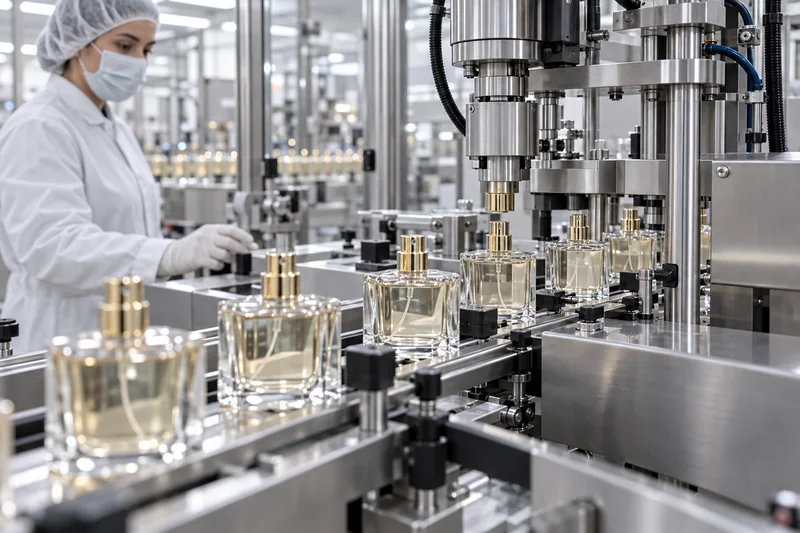
Confirm crimp/screw application, gasket compression, dip-tube placement, pump alignment, cap clearance and retention.
Spray and leakage
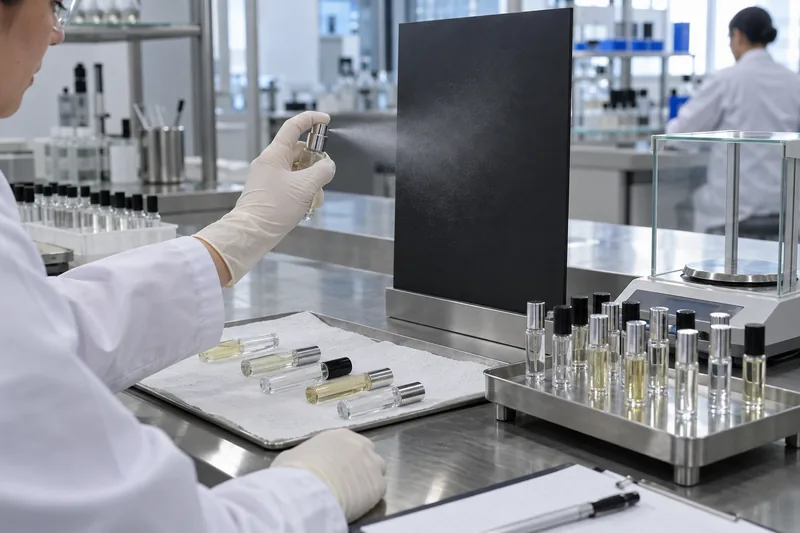
Evaluate priming, mist pattern, nozzle drips, repeated strokes, residual pickup and filled-pack leakage under agreed conditions.
Packing and release
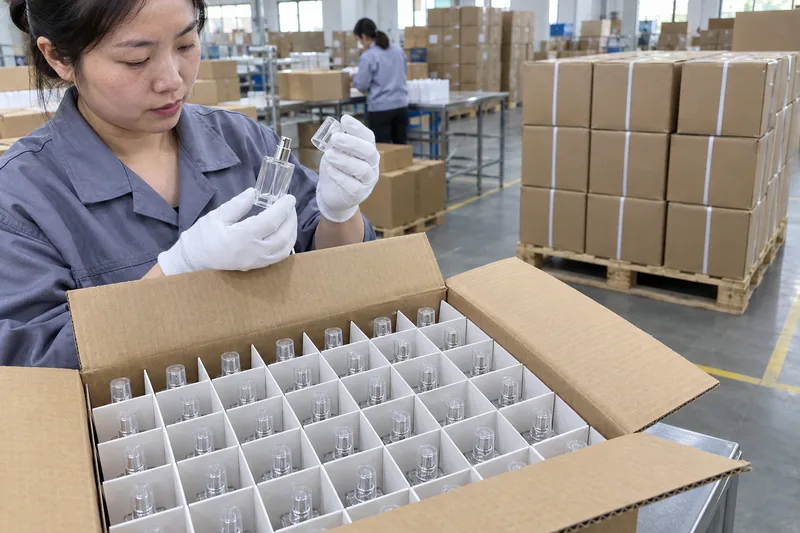
Check individual protection, quantity, carton/pallet data, labels, gift-set assembly and pre-shipment records.
Fragrance Compatibility and Material Qualification
Alcohol-based fragrance can contact the bottle, gasket, pump chamber, dip tube and nozzle, while vapor or spills may reach the collar, cap, coating, print and adhesive. A successful bottle material test does not qualify the complete pack.
Glass pack
Test the pump/gasket and decoration even when the glass itself is suitable. Monitor odor, color, evaporation, leakage, spray change, print/coat attack and visible deposits.
Plastic pack
Confirm the exact resin and grade with the final fragrance. Watch for swelling, stress cracking, softening, paneling, staining, permeation, odor change and weight loss.
Refillable atomizer
Repeated filling adds wear and user handling. Test the refill valve or screw connection, seal recovery, number of cycles, contamination risk and consumer instructions.
Common Mini Perfume Packaging Problems and Solutions
Best Use Cases for 1ml–30ml Perfume Bottles
Travel retail and handbag fragrance
Compact dimensions support everyday carry, travel kits and impulse purchase. Cap security, leakage and decoration wear matter more than simply meeting a nominal capacity.
Discovery-to-retail programs
A 10ml–15ml paid miniature can sit between a sample vial and the main bottle, offering more brand experience and a stronger perceived value.
Gift sets and seasonal launches
Several fragrances can share a coordinated bottle family. Control outer dimensions and cap alignment so the insert and presentation remain consistent.
Hotels, events and promotions
Lightweight plastic can reduce breakage risk and freight. Define whether the pack is disposable, refillable or intended for a limited number of uses.
Niche and entry-price fragrance
A 20ml–30ml glass bottle can preserve premium cues at a lower purchase price while remaining portable.
E-commerce and subscription
Small packs can reduce shipment volume, but protection against leakage, broken glass, scratched coating and accidental actuation must be designed into the mailer.
Application Examples for a Mini Fragrance Collection
The following are illustrative packaging briefs, not claims about customer orders or measured sales results. Each concept still requires model availability, quotation and functional approval.
Discovery kit · 2–3ml
Brief: let customers compare several alcohol-based fragrances. Start with matched mini sprayers and a clear identification card. Validate priming, leakage, fill loss and the protection of every vial in the mailer.
Daily carry · 5–10ml
Brief: compact fragrance for a handbag or travel pouch. Compare a simple sealed glass spray with a protective-shell option. Check cap retention, assembled weight, mist, decoration abrasion and practical pocket fit.
Gift or portable retail · 15–30ml
Brief: preserve the visual language of a premium full-size fragrance. Review a coordinated molded-glass family, pump/cap proportions and set insert. Approve the chosen small variant independently from its larger siblings.
Travel-Friendly Does Not Automatically Mean Airline-Compliant
A 1ml–30ml bottle is compact, but passenger-security, airline, destination and dangerous-goods rules can differ by route and whether the perfume is carried personally or shipped commercially. Packaging suppliers should not promise universal flight approval based only on bottle capacity.
For personal carry
Confirm the current authority and airline rules for the traveler’s route, container, bag and total liquid allowance. Boyu’s perfume travel-liquid guide explains the common US framework and why local rules still need checking.
For commercial shipment
Perfume containing alcohol may be regulated for transport. Confirm product classification, documents, inner packaging, quantity limits, carrier acceptance and destination requirements with the responsible logistics provider.
For the retail pack
Use a secure cap or travel shell, an insert that avoids actuator pressure and secondary containment where required by the route or customer specification.
Sampling, Production and Delivery Gates
Customized appearance samples commonly take about 7–15 days after the bottle, pump, color and artwork are confirmed. Normal mass-production planning is about 30–45 days after the required approvals and deposit. New tooling, special metal parts, multi-SKU sets, compatibility testing, peak seasons and holidays can extend the schedule. Transit time is separate.
1 · Complete RFQ
Capacity, material, quantity per design, formula, component set, decoration, packing and destination.
2 · Drawing and quotation
Confirm included parts, model drawing, technical values, tooling, sample route and commercial terms.
3 · Sample approval
Approve appearance, pump fit, spray and the filled-pack test plan before fixing the production deadline.
4 · Production release
The production clock starts after the required signed approvals, component confirmation and deposit—not from the first inquiry.
5 · QC and packing
Reserve time for inspection, corrective work if required, gift-set or retail-box assembly and packing verification.
6 · Shipment
Confirm carton/pallet details, export documents, named delivery term, release date and carrier schedule.
What Procurement Teams Should Ask Before Ordering
RFQ Checklist for a Useful First Quotation
Size and material
10ml, 15ml, 20ml or 30ml; glass, PET or another specified route; quantity per capacity and SKU.
Fragrance information
Formula type, alcohol range if available, viscosity, color, filling temperature and whether test liquid can be supplied.
Bottle and pump
Reference image/drawing, neck preference, fine-mist character, cap/shell, refill method and filling-line details.
Brand decoration
Pantone/physical color standard, vector logo, printing/foil/label, metal finish and artwork position.
Packing and market
Retail carton, discovery/gift set, shipping protection, target market and any documentation requirements.
Commercial details
Launch date, sample need, destination, delivery term, inspection requirement and intended transport route.
Mini Perfume Bottle Questions and Answers
What are the most common mini perfume bottle capacities?
1–3ml is commonly used for sampling; 5ml for deluxe minis; 8–10ml for daily carry; 15–20ml for portable retail; and 30ml for small retail fragrance. Availability and components depend on the selected model.
Is glass or plastic better for a mini perfume bottle?
Glass offers a premium feel and broad barrier performance. Plastic is lighter and less prone to shattering, but the exact PET or other resin must be tested with the intended alcohol-based fragrance. Choose around formula, brand position, filling, damage risk and use case.
What plastic is used for travel perfume spray bottles?
PET is a common transparent option, while PP is often used in pump or cap components and selected bottle structures. The actual resin and grade depend on the model. Compatibility with the finished fragrance must be verified.
How many grams does a 10ml, 20ml or 30ml perfume bottle weigh?
There is no fixed weight by capacity. Material, shape, base design, wall distribution and outer shell determine the mass. Confirm bottle-only net grams and assembled empty-pack weight from the selected drawing and sample.
What wall thickness should a mini perfume bottle have?
Use model-specific minimums or inspection locations at the sidewall, shoulder, heel, corners and base. Glass and plastic require different controls, and one universal online thickness is not a dependable specification.
Can 1ml–30ml perfume bottles be customized with our logo?
Yes. Depending on the model and substrate, options may include color spraying, frosting, resin color, screen printing, hot stamping, labels, decorative shells, coordinated caps and secondary packaging.
Can we customize several colors with one 10,000-piece MOQ?
Do not assume colors can be combined. The normal starting MOQ is 10,000 pieces per design, and each capacity, material, bottle color, pump finish and artwork version requires individual review.
Are the travel perfume bottles refillable?
Some screw-pump, twist-up or bottom-fill atomizer designs can be developed for refilling. A crimp bottle or removable cap is not automatically refillable. Approve the filling method, repeated cycles, leakage and instructions.
How do you prevent a mini perfume bottle from leaking?
Match the exact bottle neck, pump and gasket; control crimp or torque; confirm cap clearance; and test the complete filled pack in required orientations, temperature/pressure conditions and its actual shipping configuration.
How do you check whether the perfume mist is even?
Define the test distance, number of strokes, target spray shape and unacceptable stream or large-droplet conditions. Also check priming, dose repeatability if required, drips and performance after storage.
Can a 1ml–30ml perfume bottle be carried on an airplane?
Its small capacity may suit many personal liquid allowances, but rules vary by security authority, airline, route and total liquids carried. Commercial perfume shipment is a separate regulatory question. Confirm current requirements with the responsible authority and carrier.
Can Boyu develop matching 10ml and 30ml bottles?
Yes where a coordinated mold family exists or a custom family is feasible. Each capacity still needs its own drawing, weight, wall distribution, pump/dip tube, capacity and functional approval.
How long do samples and mass production take?
Customized appearance samples commonly require about 7–15 days after confirmation. Normal mass-production planning is about 30–45 days after approvals and deposit. Tooling, testing, components, quantity and holidays can extend the schedule.
What should we send for a reliable quotation?
Send capacity, material preference, quantity by SKU, reference design, formula type, pump/cap or refill structure, vector artwork, color standard, packing, destination, delivery term and target launch date.
What is the best size for a pocket perfume bottle?
Start by comparing slim 5–10ml sprays for daily carry. Confirm total height, diameter or width, cap security and complete empty-pack weight with a physical sample. A large decorative shell can offset the portability of a small reservoir.
Are mini perfume bottles made from molded or tubular glass?
Both routes are used. Selected sample vials are formed from glass tubing, while many shaped perfume minis use molded glass. Confirm composition, neck drawing, forming route and matching pump for the exact product.
How many sprays will a 5ml or 10ml bottle provide?
Calculate a planning estimate from usable fill divided by measured mean pump output. Priming, residual product and variation affect actual uses; no fixed spray count is guaranteed by bottle capacity.
Can bottom-fill atomizers work with every perfume bottle?
No. The refill interface must match the donor stem and filling procedure. Approve donor compatibility, refill cycles, sealing recovery and consumer instructions before selling it as a refill system.
Start Your 1ml–30ml Perfume Bottle Project
Send Boyu the capacities, quantity by design, glass or plastic preference, fragrance information, spray/closure requirement, artwork, packing and destination. We can compare suitable existing molds first and identify where custom tooling or additional testing is needed.
For the first quotation
Capacity • material • quantity per SKU • reference shape • pump/cap • decoration • destination
For technical approval
Drawing • bottle weight and wall criteria • formula test • spray standard • leak test • packing plan
Related Perfume Packaging Guides

 English
 Español de Argentina
 Русский
 Italiano
 日本語
 한국어
 العربية
 Français
 Deutsch