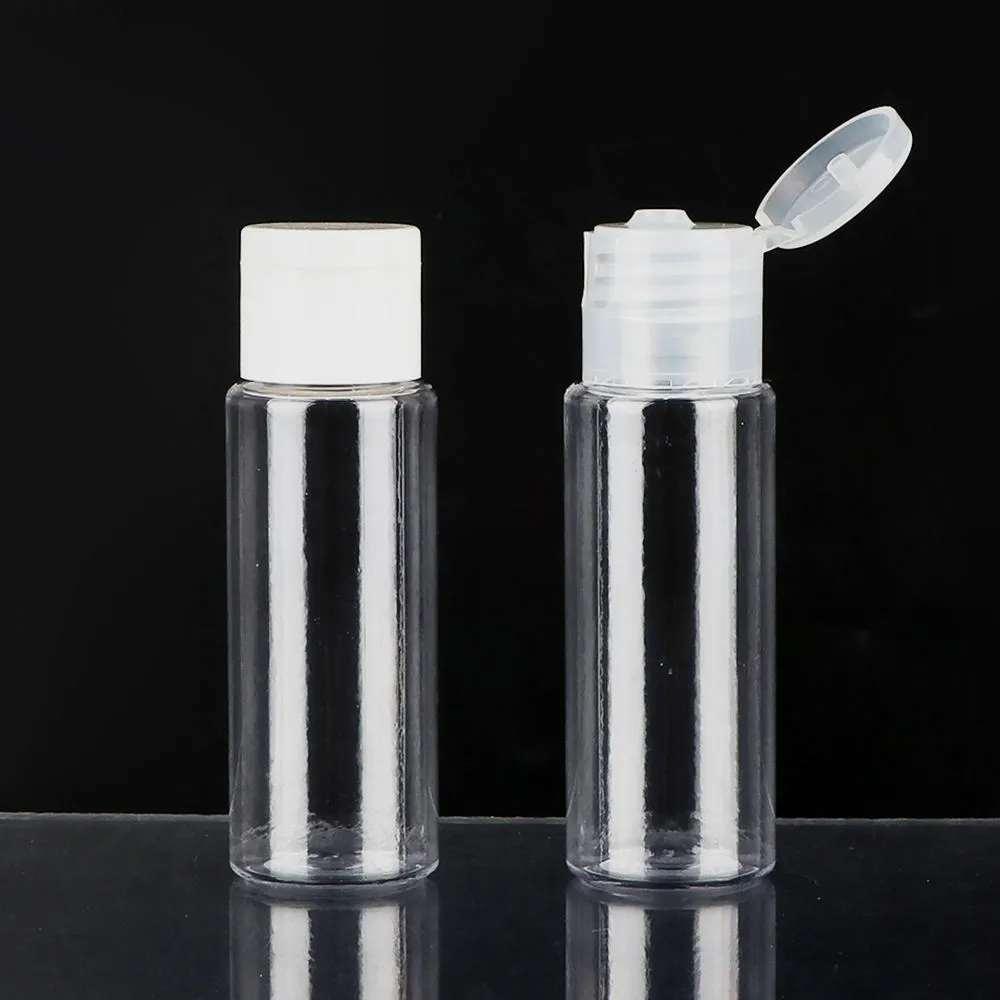
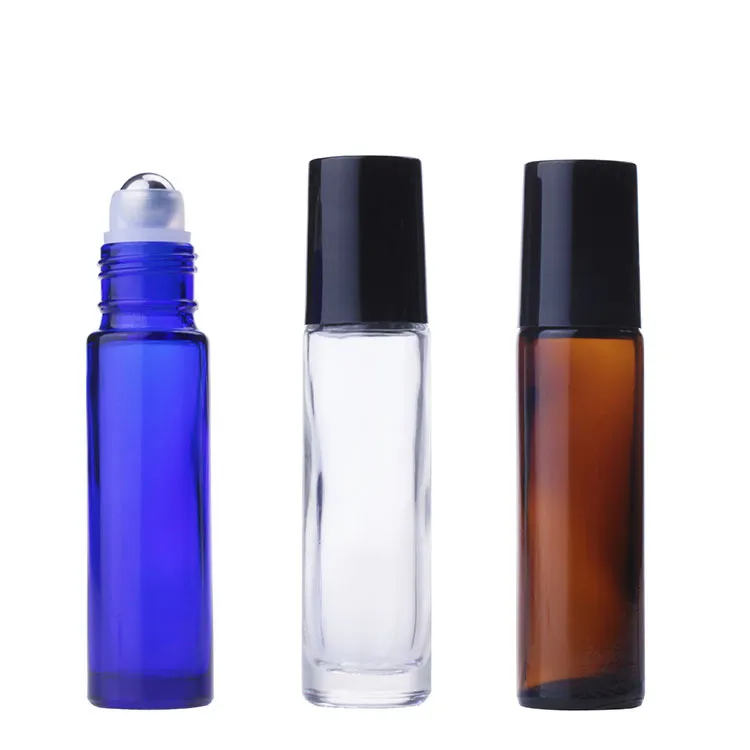
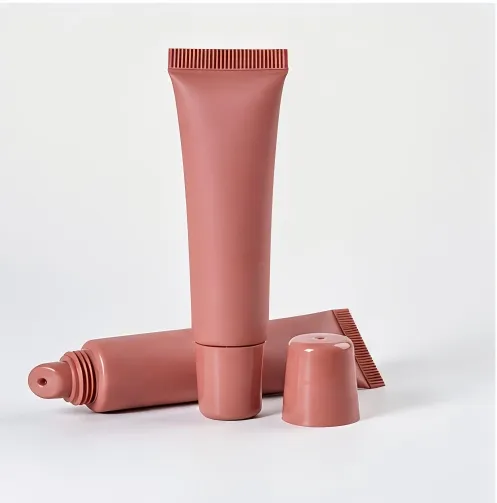
Stock packaging and custom mold packaging solve different business problems. Stock bottles and jars help brands launch faster, preserve cash, and test demand. A custom mold creates a proprietary shape or function, but it also adds engineering work, tooling investment, validation cycles, and greater production risk.
The right choice is rarely based on appearance alone. Importers should consider the formula, filling line, order forecast, launch date, branding needs, target price, repeat-order plan, and the cost of being wrong. This guide explains the differences, advantages, material requirements, logo options, OEM workflow, and sourcing risks for buyers ordering cosmetic packaging from China.
What Is Stock Cosmetic Packaging?
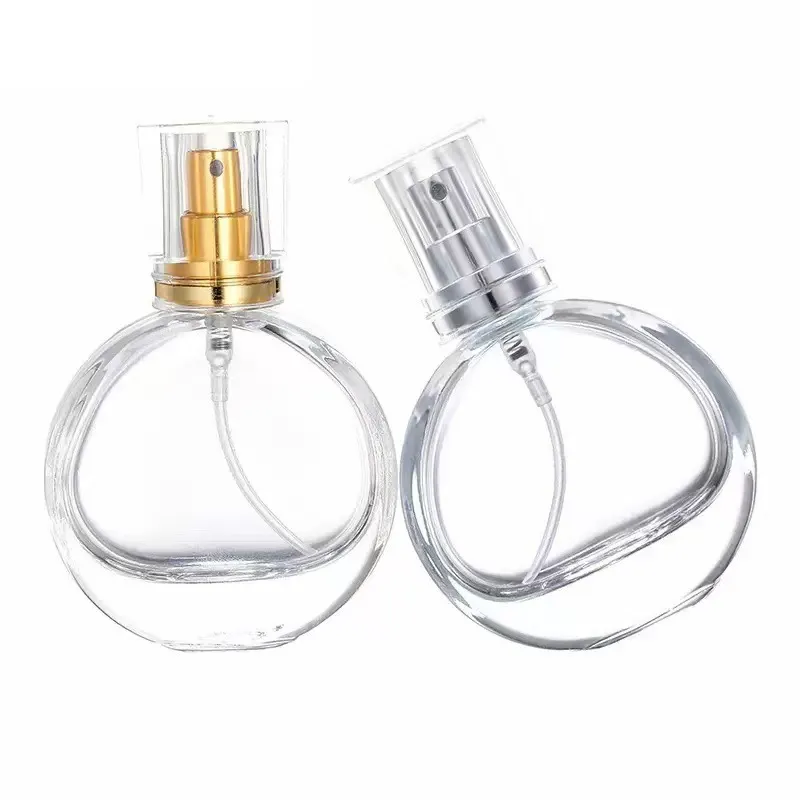
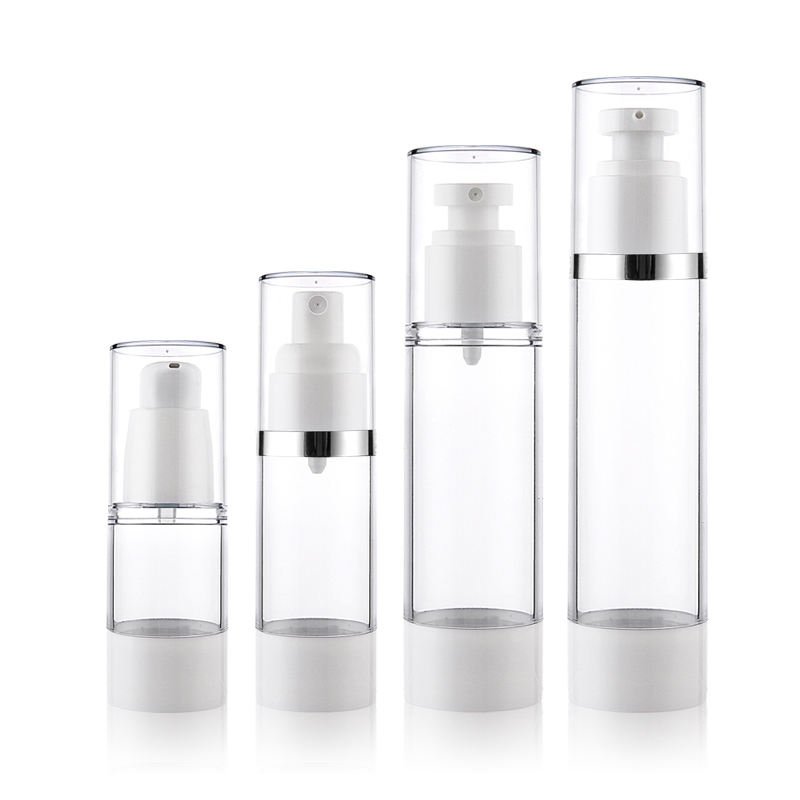
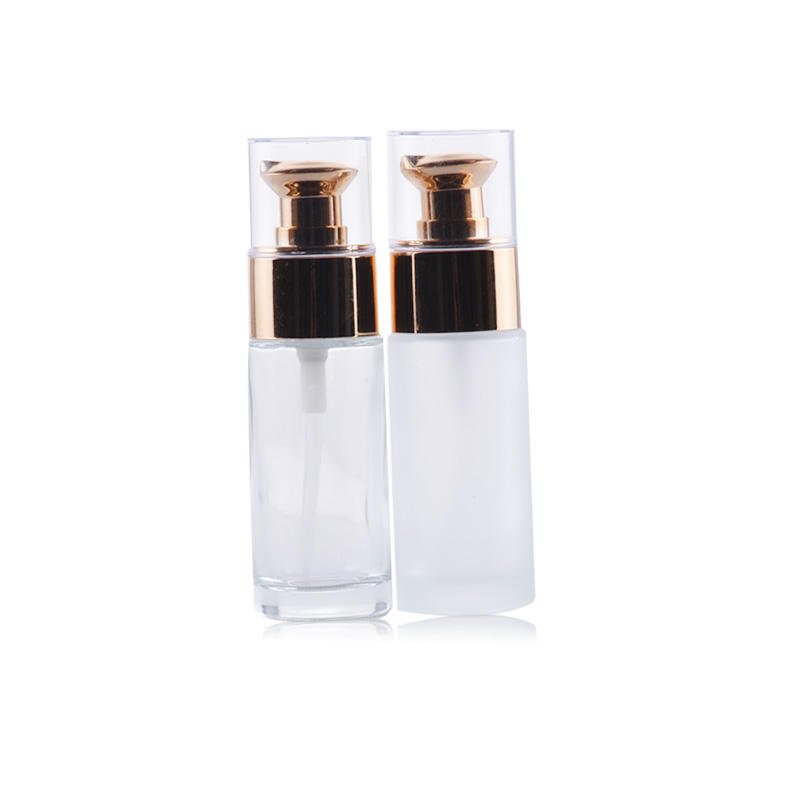
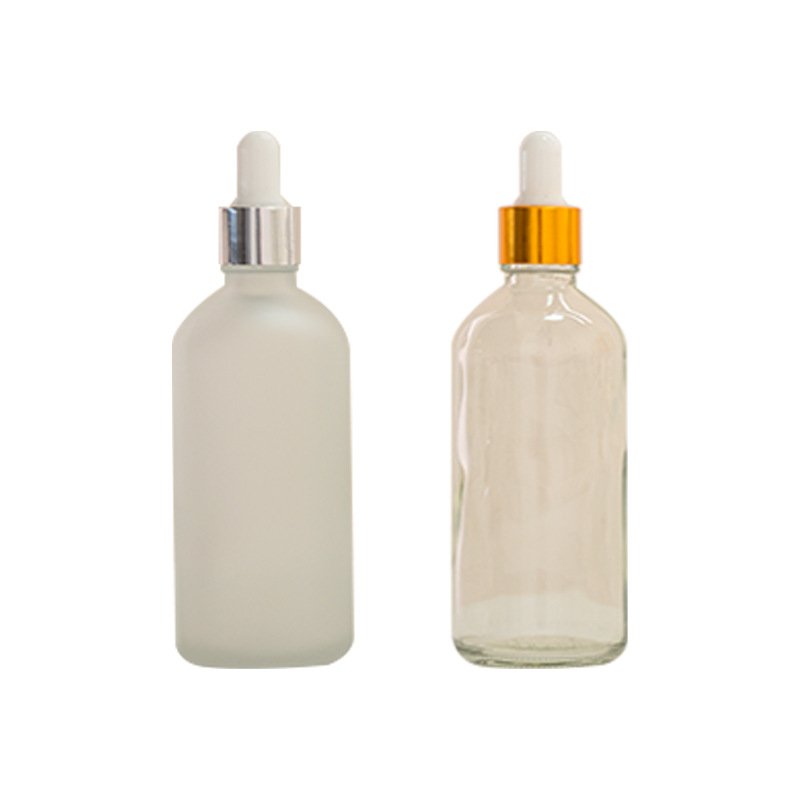
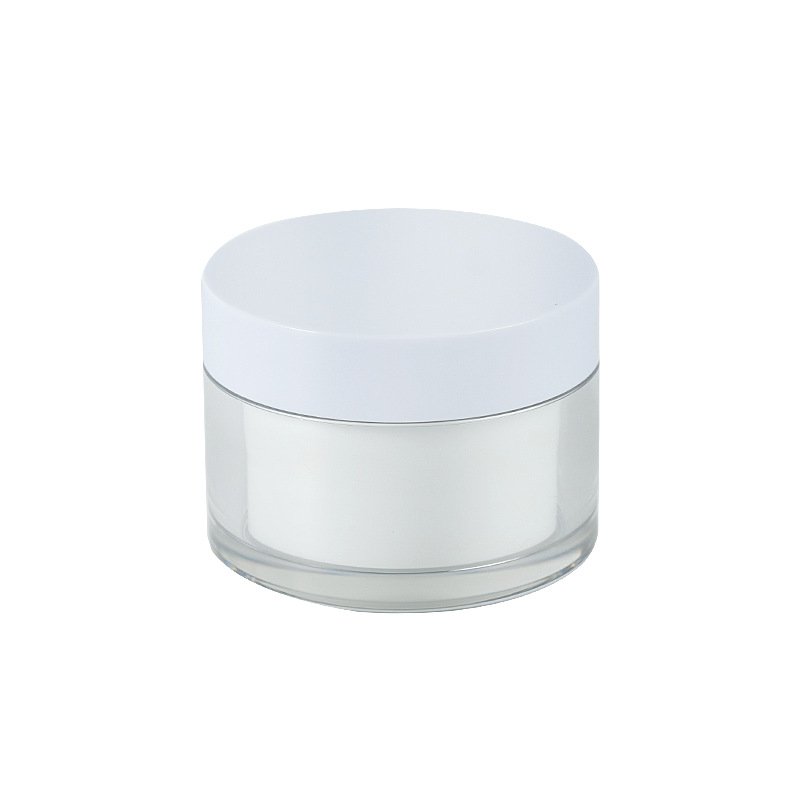
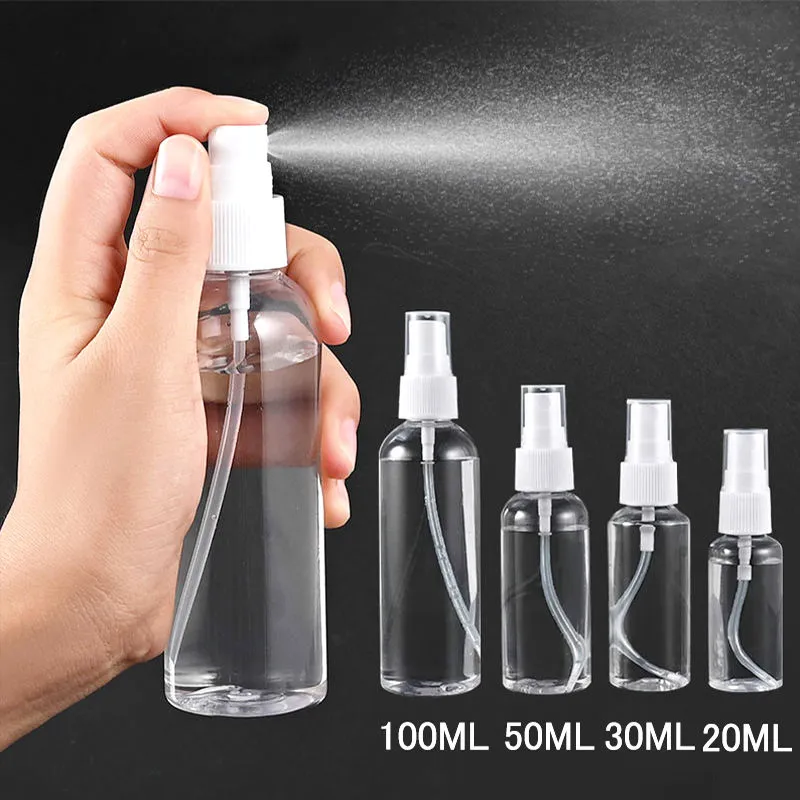
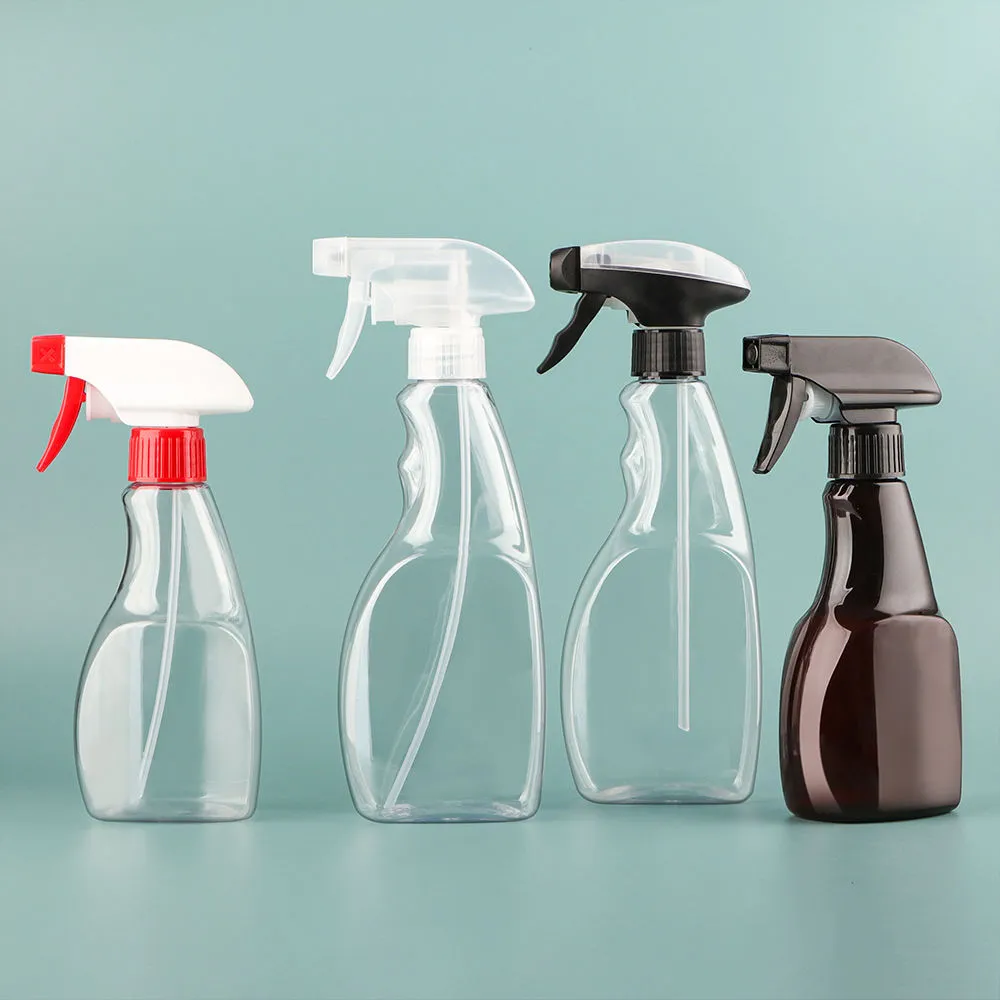
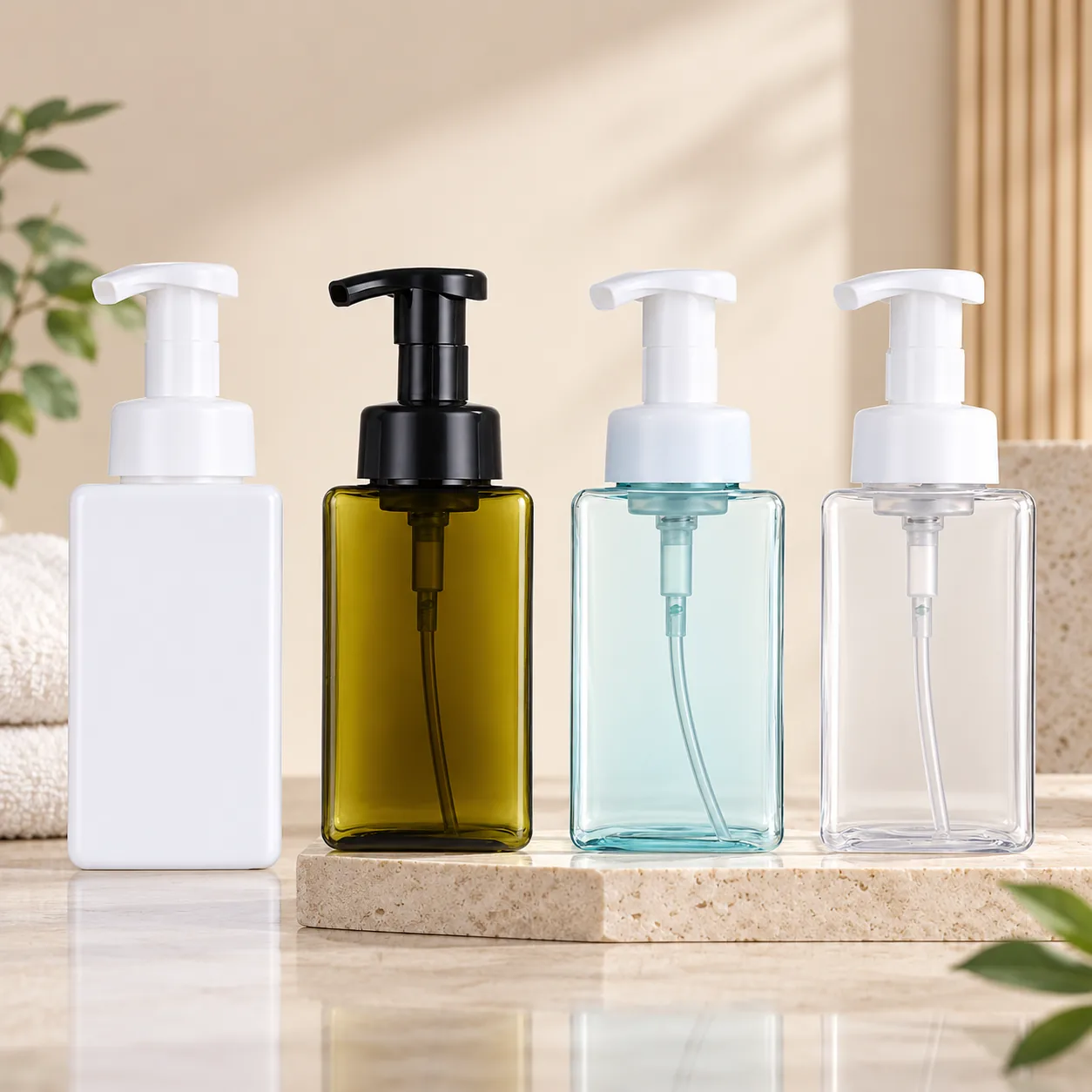
Stock packaging—also called standard, off-the-shelf, public-mold, or open-mold packaging—is made with tooling already available to the supplier. The same basic bottle, jar, tube, pump, or cap can be sold to multiple brands. “Stock” does not always mean finished goods are physically sitting in a warehouse; it can also mean the structure is standard and can be produced without developing new tooling.
Brands can still customize a stock package with color coating, frosting, silk-screen printing, hot stamping, labels, shrink sleeves, metallized parts, a custom-colored cap, or a printed carton. Browse Boyu Packaging’s existing cosmetic packaging formats to understand the range of structures that may be adapted without opening a new primary-package mold.
Advantages of stock packaging
- No new structural tooling is required for the standard components.
- Samples are easier to obtain for formula and filling-line trials.
- The structure may have an established production and quality history.
- Development is simpler because dimensions, neck finishes, and matching closures already exist.
- It is easier to change size or discontinue a weak-selling SKU without abandoning proprietary tooling.
- Standard parts may provide more options for replacement pumps, caps, and accessories.
Limitations of stock packaging
- Other brands may use the same silhouette.
- Label panels, printing areas, neck finishes, and component combinations are fixed.
- Some stock molds are old or maintained unevenly, so buyers still need current production samples.
- A catalog image does not prove that every color, cap, or pump is available for the same quantity and schedule.
- “In stock” components may come from different production lots, creating color or fit variation if coordination is weak.
What Is Custom Mold Packaging?
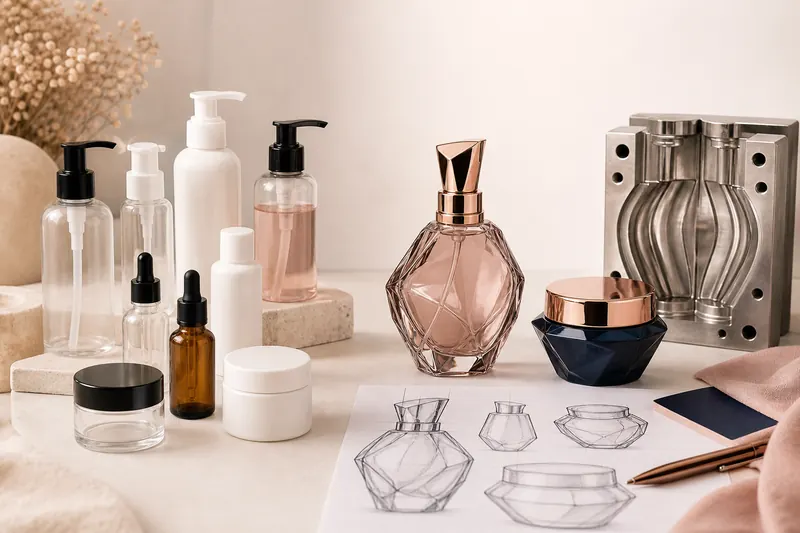
Custom mold packaging uses new tooling developed for a brand-specific structure. The project may involve a completely new bottle or jar, a proprietary cap, an applicator, an inner cup, a pump actuator, a decorative shell, or only one modified component. The mold should be based on production-oriented 3D engineering rather than an appearance rendering alone.
A private mold can protect a recognizable shape when ownership and exclusivity are written into the agreement. However, paying a tooling invoice does not automatically guarantee ownership. The contract must identify the mold, responsible legal entities, permitted production sites, maintenance, storage, design files, exclusivity, and transfer or disposal conditions.
Advantages of custom mold packaging
- Distinctive shape, proportions, tactile details, or user experience.
- Structure can be engineered around a target fill volume, formula, applicator, or filling process.
- Brand elements can be molded, embossed, debossed, or integrated into the component.
- Successful proprietary packaging can improve recognition and reduce direct visual comparison.
- At stable volume, the package can be optimized for assembly, packing, pallet use, or material weight.
Limitations of custom mold packaging
- Tooling, prototypes, trials, corrections, and testing require upfront investment.
- The launch depends on engineering approval and successful mold trials.
- Minimum production quantities are often less flexible because setup and tooling costs must be absorbed.
- A visually attractive prototype may still fail molding, filling, sealing, pumping, or transport tests.
- Replacement components and second-source options are limited unless the design is planned for them.
- Design changes after steel is cut can be expensive or technically impossible without rebuilding part of the mold.
Stock, Semi-Custom, or Fully Custom?
| Decision Area | Stock | Semi-Custom | Custom Mold |
|---|---|---|---|
| Structure | Existing | Existing, with custom surface or selected components | New or significantly modified |
| Upfront risk | Lowest | Moderate | Highest |
| Differentiation | Limited | Strong when decoration is well designed | Highest structural exclusivity |
| Validation | Formula, closure, decoration, filling and transit | Stock tests plus color and decoration approval | Engineering, mold trials, function, formula, filling and transit |
| Best fit | Market tests, small portfolios, urgent launches | Growing brands wanting identity without full tooling | Proven volume, premium positioning, unique function |
Semi-custom packaging is often the commercial middle ground. A standard bottle can look proprietary when the brand uses a coordinated custom color, direct printing, hot-stamped detail, distinctive closure, and secondary carton. It preserves a proven structure while providing meaningful shelf differentiation.
Which Option Fits Different Importers?
Startup or first product launch
Choose a stock structure or minimally customized package. Put early capital into formula validation, compliance, inventory planning, marketing, and a reliable filling process. A private mold is difficult to justify before the brand knows which size, pump output, price point, and customer behavior will succeed.
Distributor or multi-brand importer
Stock packaging offers flexibility across customers and markets. Standard neck finishes and pumps make replenishment and component substitution easier. A distributor can create several appearances through decoration while keeping the underlying platform consistent.
Growing brand with repeat orders
Consider semi-custom first, then assess whether a private outer shell, cap, actuator, or bottle provides enough value to justify tooling. A component-level custom mold may deliver recognition without forcing the entire pack to become proprietary.
A fully custom shape may support a signature product, especially for perfume packaging or prestige skincare. The business should have the cash flow, forecast reliability, testing resources, and launch schedule needed to absorb several development iterations.
Contract manufacturer or filling company
Stock platforms are usually easier to run across multiple client projects. When a customer requests a custom mold, the filler should review dimensional tolerances, line handling, filling temperature, capping torque, labeling, coding, cleaning, and output rate before tooling approval.
How Material Changes the Decision
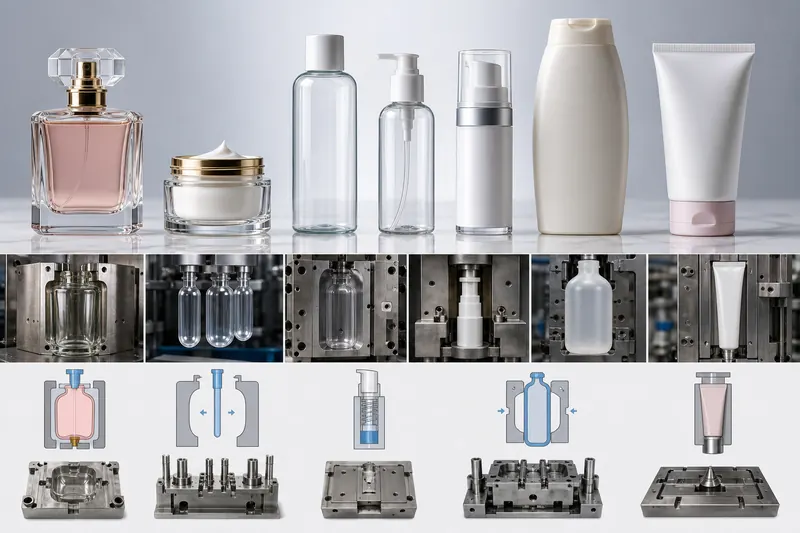
| Material / Format | Stock Packaging Considerations | Custom Mold Requirements |
|---|---|---|
| Glass bottles and jars | Check current mold condition, weight, capacity, neck finish, stress, seams, matching closures and breakage packing. | Control glass distribution, base thickness, verticality, annealing, neck geometry and mold seams; expect industrial mold trials rather than assuming a 3D prototype represents production glass. |
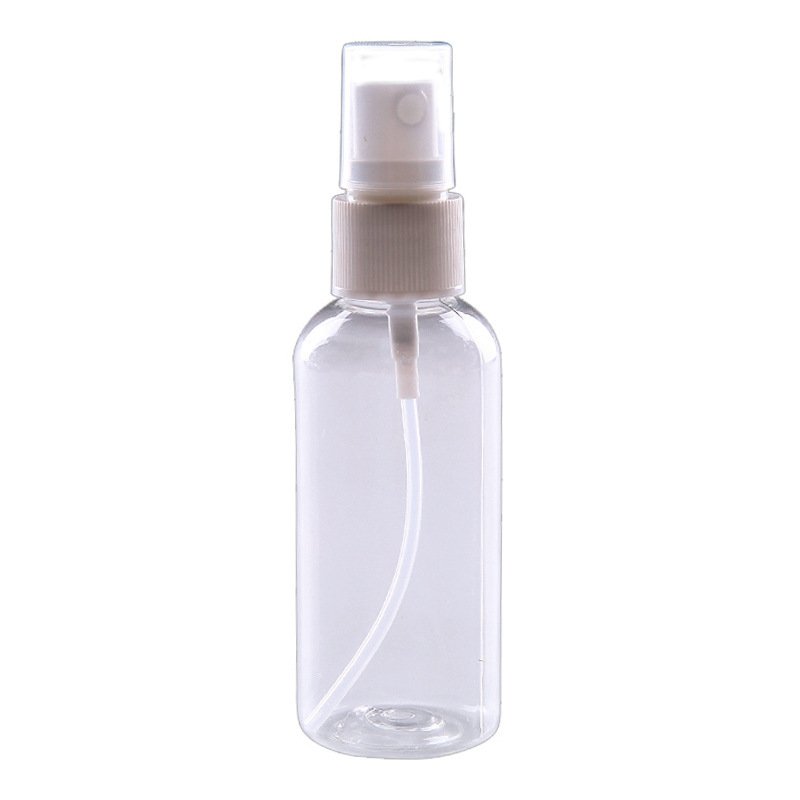
| PET / PETG bottles | Verify resin, clarity, wall consistency, paneling, chemical resistance, neck dimensions and pump fit. | Engineer preform or blow-mold route, shrinkage, wall distribution, base geometry, label panel and filling-line stability. |
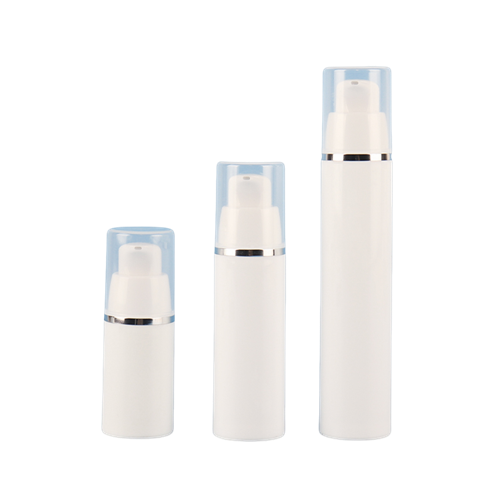
| PP / airless systems | Test pump output, priming, evacuation, piston movement, leakage and full component compatibility. | Multiple injection molds may be needed for actuator, cap, body, piston and base; tolerance stack-up and assembly validation are critical. |
| HDPE / PE bottles | Assess squeeze, recovery, stress cracking, color consistency, wall thickness and closure torque. | Design for extrusion blow molding, parting lines, pinch-off area, handle or shoulder geometry, and dimensional change after molding. |
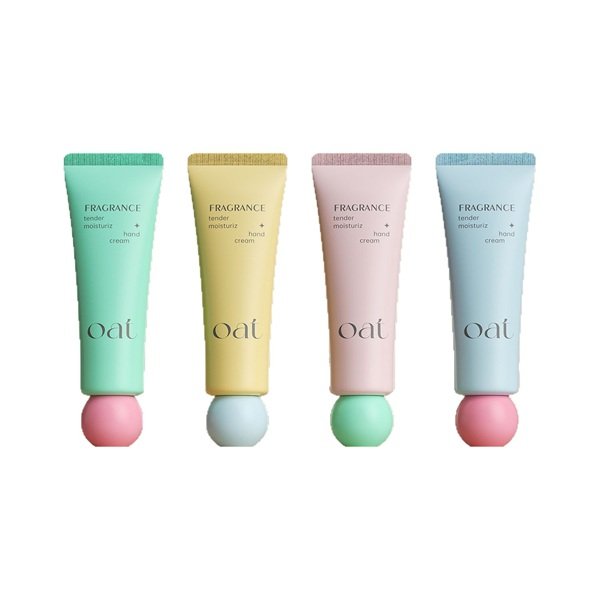
| Cosmetic tubes | Existing diameters and standard caps can be combined with custom length, artwork and finish. | A new shoulder or cap shape may require injection tooling; confirm laminate or plastic structure, orifice, seal, crimp and decoration limits. |
For cosmetic glass packaging, the bare bottle should be approved before coating or printing hides defects. For plastic cosmetic bottles, resin, molding process, shrinkage, chemical resistance, and component tolerances should be documented. For airless packaging, the package must be assessed as a dispensing system—not only as a bottle.
How to Choose When You Need a Custom Logo
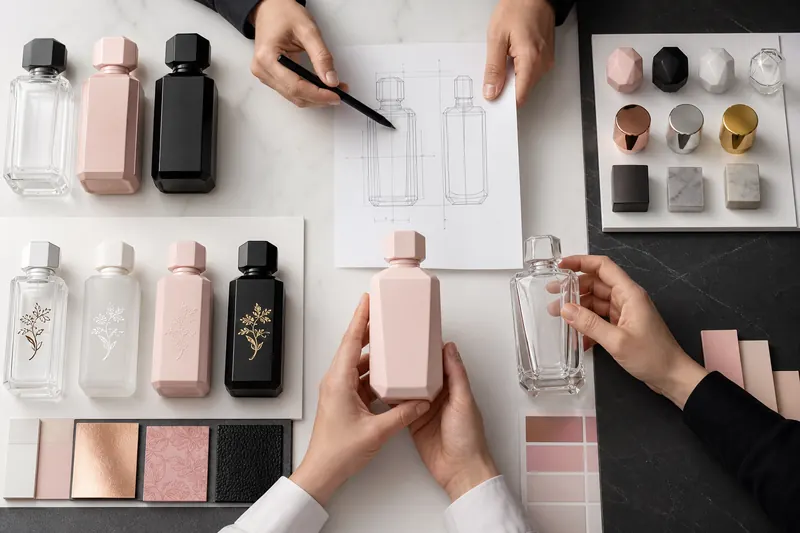
A logo does not automatically require a custom mold. Most branding can be added to stock packaging. The correct method depends on material, surface geometry, artwork detail, formula exposure, abrasion, color target, and order quantity.
Labels and shrink sleeves
These provide flexible artwork and are useful for early launches or frequent design changes. Confirm label-panel dimensions, surface energy, adhesive compatibility, application tolerance, storage temperature, and resistance to oil, water, and handling.
Silk-screen printing
Direct printing can create a clean, integrated appearance. Review printable area, curvature, registration, ink adhesion, color opacity, and resistance to the formula and consumer use. Approve a decorated physical sample rather than a digital rendering.
Hot stamping and metallized details
Metallic effects can elevate a standard package, but foil adhesion, fine-line definition, edge durability, and friction between packed components require testing. A protective sleeve or divider may be necessary during transport.
Coating, frosting, and custom color
Color can make a public-mold bottle recognizable without changing its structure. Define the color reference, substrate, gloss level, opacity, viewing light, acceptable tolerance, and approval sample. The same color can appear different on glass, PETG, PP, and metalized surfaces.
Molded logo or proprietary shape
Choose a custom mold when the logo must be embossed or debossed, when the silhouette itself is a brand asset, or when surface decoration cannot meet the required durability. Confirm draft angles, parting line, logo depth, mold release, polishing, and whether the mark creates stress or uneven wall thickness.
Recommended Cooperation Process
- Prepare the project brief: formula category, viscosity, capacity, filling method, annual forecast, first order, target cost, destination market, launch date, design references, and sustainability requirements.
- Compare the three routes: stock, stock with decoration, and custom mold. Ask the supplier to explain the cost, development risk, and schedule of each.
- Screen components: confirm bottle, cap, pump, liner, gasket, dip tube, applicator, inner jar, label, and carton as one packaging system.
- Approve drawings and specifications: dimensions, tolerance, fill point, overflow capacity, material, weight, neck finish, output, artwork zone, color and packing method.
- Create prototypes where needed: use appearance or engineering prototypes to review scale, grip, assembly, filling feasibility and shelf presence. Do not confuse a prototype with a production sample.
- Develop and trial the mold: review T0/T1 trial parts, dimensions, shrinkage, surface defects, assembly, function and corrective actions before decoration.
- Run compatibility and filling tests: use the actual formula and complete package under realistic storage and distribution conditions.
- Approve a golden sample: sign, date and identify the final production-intent package, artwork, color, function and export packing.
- Control mass production: agree on first-off approval, in-process checks, lot traceability, defect standards, and milestone reporting.
- Inspect before shipment: verify product, function, decoration, quantity, cartons, dividers, shipping marks and pallet condition before release.
Risks to Control Before Paying for a Custom Mold
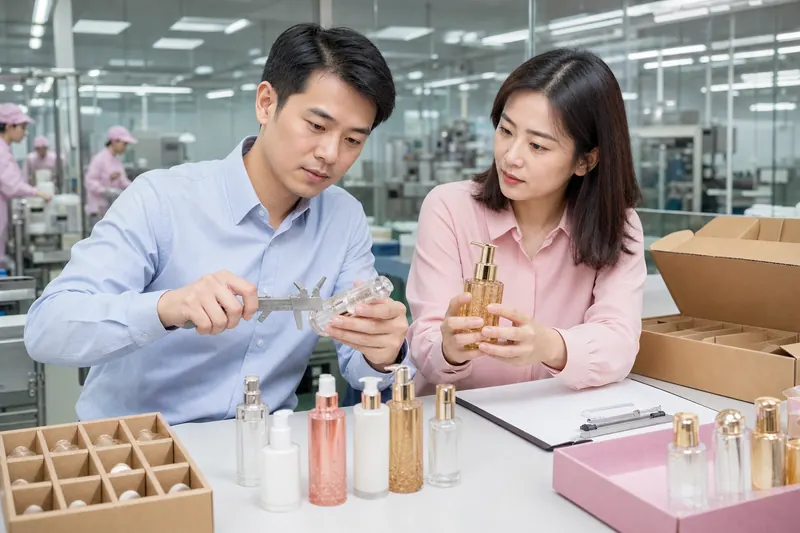
Unclear tooling ownership
Write the mold number, components, ownership, exclusivity, production location, maintenance, useful-life expectations, storage, access, modification approval, and end-of-relationship terms into the contract. Clarify whether cavities or inserts shared with other customers remain the supplier’s property.
Design approval before engineering review
Do not approve a shape until the supplier reviews wall thickness, draft, parting lines, undercuts, neck finish, sealing surface, assembly, decoration, filling, mold direction, and mass-production repeatability. A beautiful rendering can be impossible or inefficient to manufacture.
Formula compatibility considered too late
Test contact materials, liners, gaskets, springs, dip tubes, pumps, coatings, inks, labels, and adhesives with the actual formula. Watch for stress cracking, swelling, corrosion, leakage, discoloration, odor transfer, decoration damage, blocked dispensing, and loss of vacuum.
Hidden component changes
Lock the approved bill of materials and require approval before changing resin, masterbatch, gasket, spring, pump engine, supplier, coating, or carton. The consumer sees the outside, but many failures begin in invisible components.
No acceptance criteria
A supplier cannot meet a standard that was never defined. Agree on dimensions, color tolerance, visual defect limits, functional tests, sampling plan, packing, and remedies. Reference the latest drawing and signed sample in the purchase order.
No second-source or business-continuity plan
A proprietary package creates dependency. Consider spare mold components, maintenance records, capacity during peak seasons, ownership of engineering files, backup closure options, and whether a stock package can serve as an emergency alternative.
First-Time Buying Cosmetic Packaging from China
First-time buyers should favor evidence over promises. Verify the legal seller, manufacturing and subcontracting roles, bank details, samples, drawing revisions, quotation inclusions, and export packing. Send the same RFQ to a small number of qualified suppliers so comparisons are meaningful.
Start with samples of the complete pack, not just the bottle. Test filling, capping, labeling, dispensing, leakage, stability, shelf use, and transportation. Ask for an itemized quotation that separates tooling, unit components, decoration, assembly, sample fees, tests, inner protection, cartons, pallets, and freight terms.
For the first custom project, avoid paying for tooling until the specification and ownership agreement are clear. Tie payment milestones to measurable deliverables such as engineering approval, prototype review, successful trial samples, golden-sample approval, production completion, and pre-shipment inspection. Learn more in Boyu’s guide on how to choose a cosmetic packaging manufacturer.
Frequently Asked Questions
Is stock packaging the same as packaging that is ready to ship?
Not always. Stock packaging can mean an existing standard structure made from a public mold. The supplier may have finished inventory, undecorated inventory, components from different lots, or only an available mold. Confirm the physical quantity, color, component match, production date, and dispatch schedule.
Yes. A coordinated system of color coating, frosting, direct printing, hot stamping, custom cap color, labels, and cartons can make a standard structure look highly distinctive. Good execution and component consistency often matter more than an unusual silhouette.
When should a beauty brand invest in a custom mold?
Consider it when demand and repeat volume are credible, the package needs a function that stock components cannot provide, or structural exclusivity supports the brand’s commercial position. The brand should also have enough time and budget for engineering, trials, correction, testing, and production validation.
Does a custom logo require a private mold?
No. Labels, screen printing, hot stamping, coating, and sleeves can add a logo to most stock packages. A mold is needed when the mark must be integrated into the structure through embossing, debossing, or a proprietary component shape.
Who owns a custom cosmetic packaging mold?
Ownership depends on the signed agreement. Payment alone may not define exclusivity, production rights, shared inserts, storage, maintenance, or transfer. Record these terms before tooling begins and identify each mold component clearly.
Can a custom mold reduce the unit price?
Sometimes a design can be optimized for material use or assembly at stable volume, but this is project-specific. Buyers should calculate total ownership cost, including tooling, trials, scrap, testing, inventory, packing, freight, maintenance, and future modifications—not only unit price.
Compare Stock and Custom Packaging for Your Project
Send your formula category, capacity, quantity, launch date, artwork, destination, and reference package. Boyu Packaging can help compare existing structures, decoration options, and custom-mold feasibility before you commit to tooling.


 English
  Español de Argentina
  Русский
  Italiano
  日本語
日本語  한국어
한국어  العربية
  Français
  Deutsch