
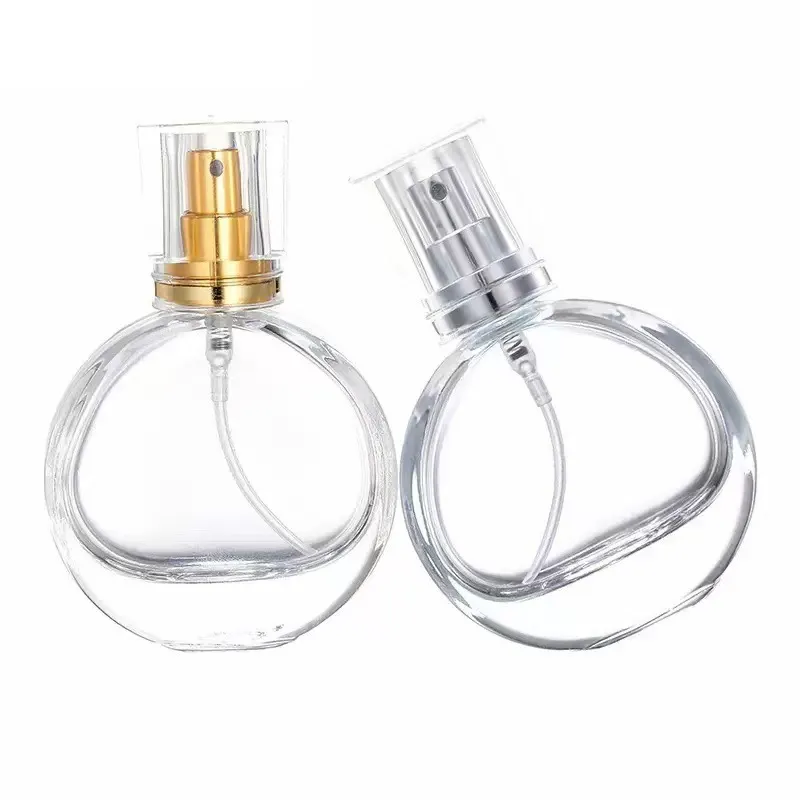
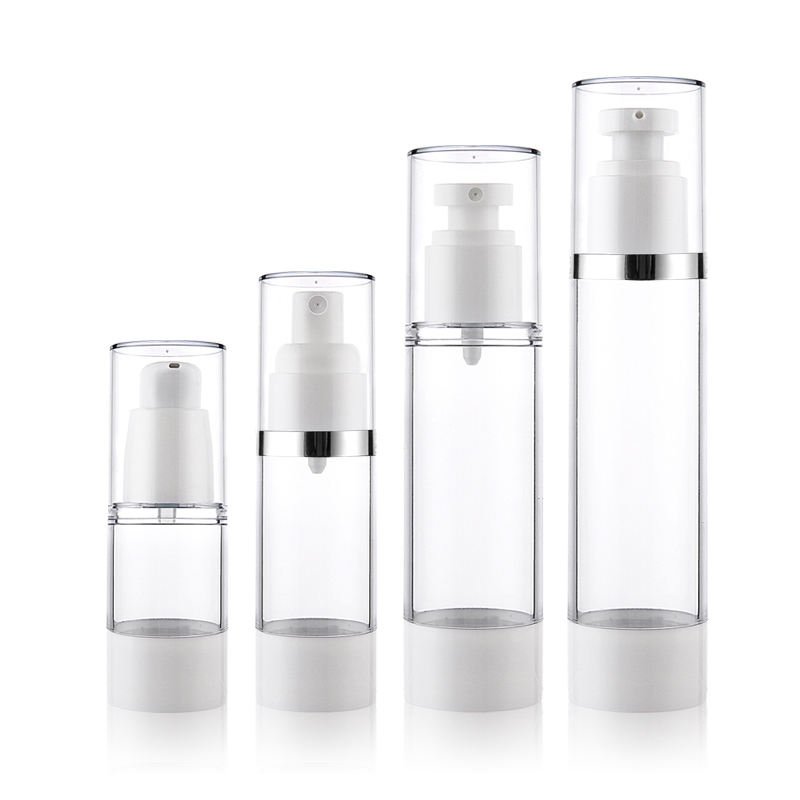
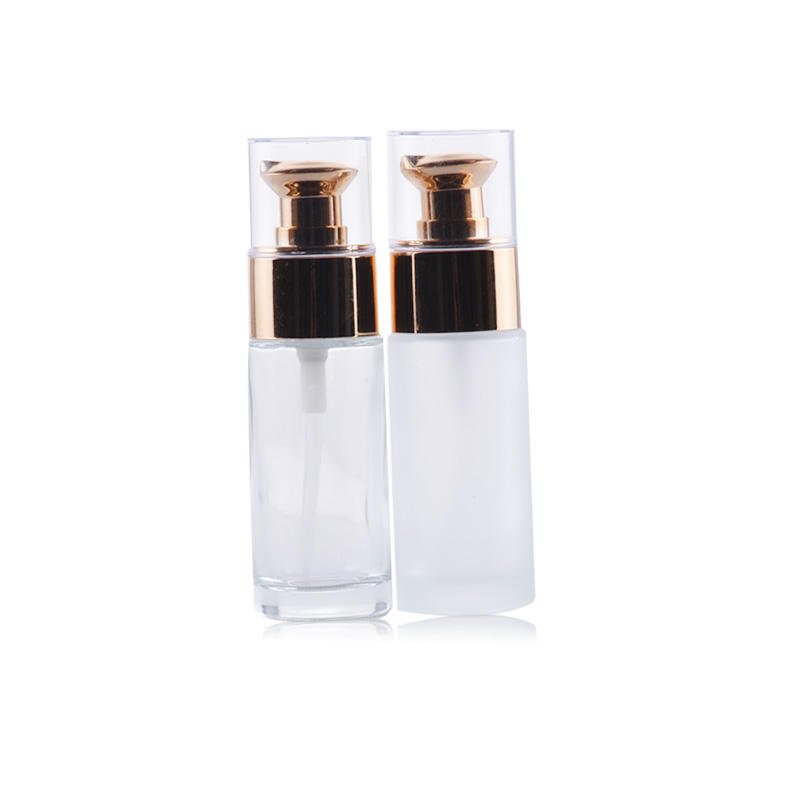
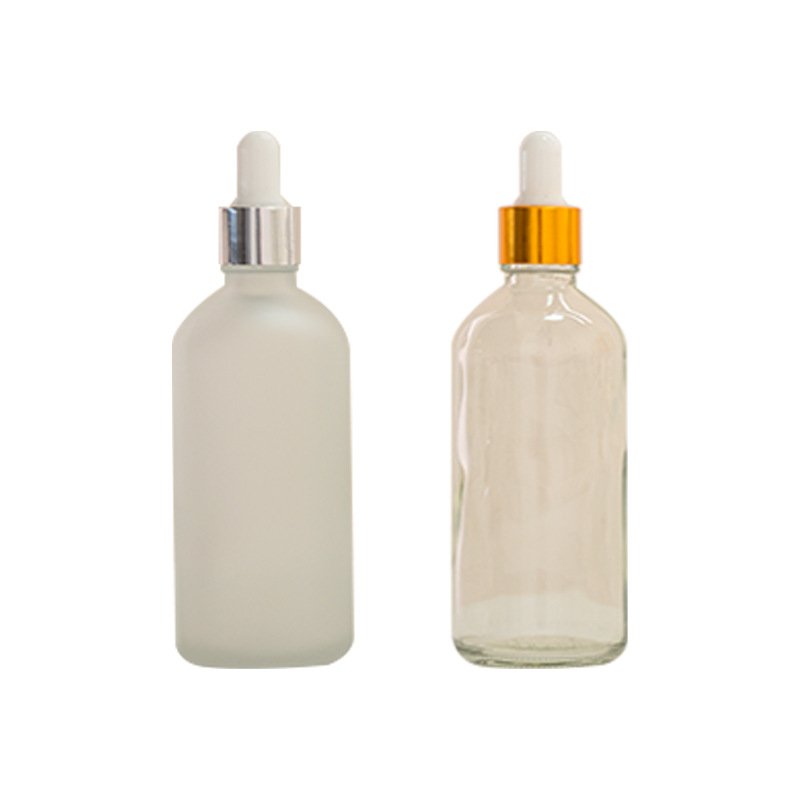
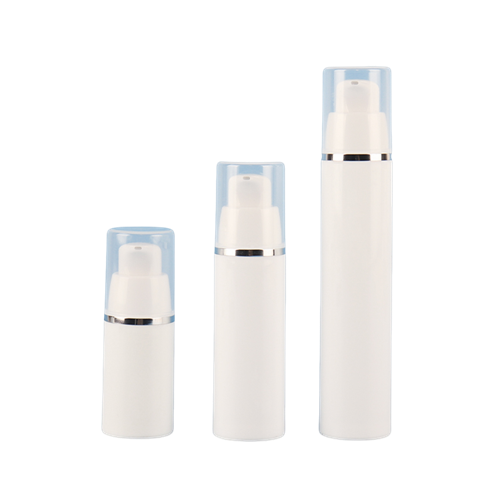
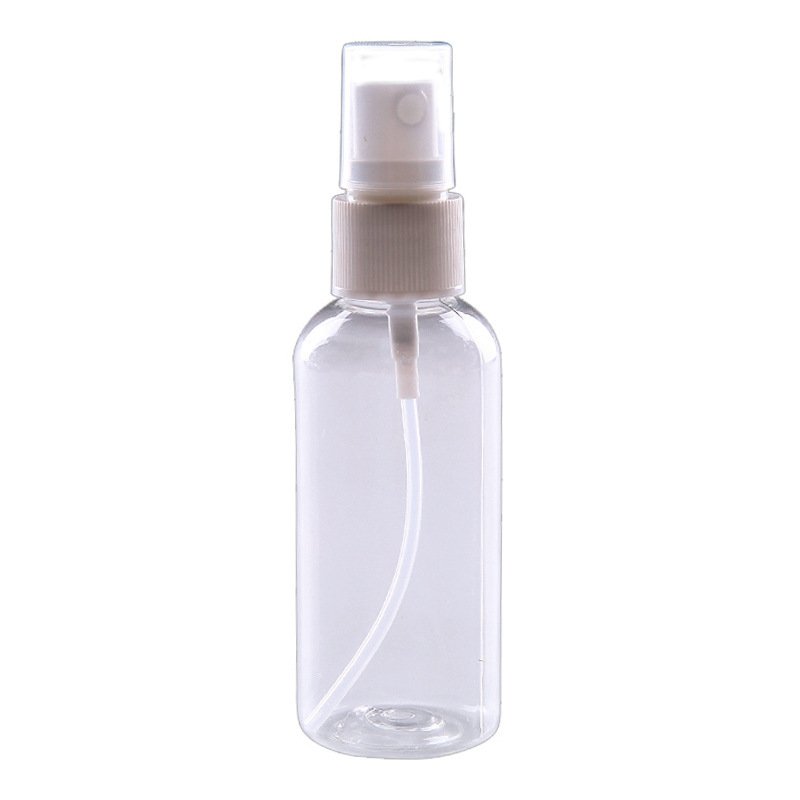
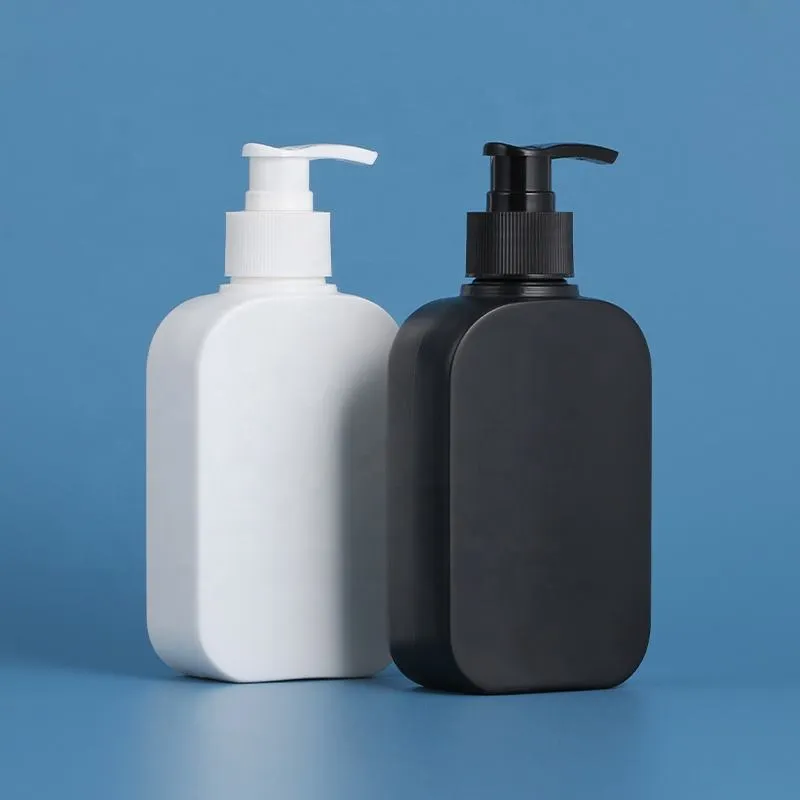
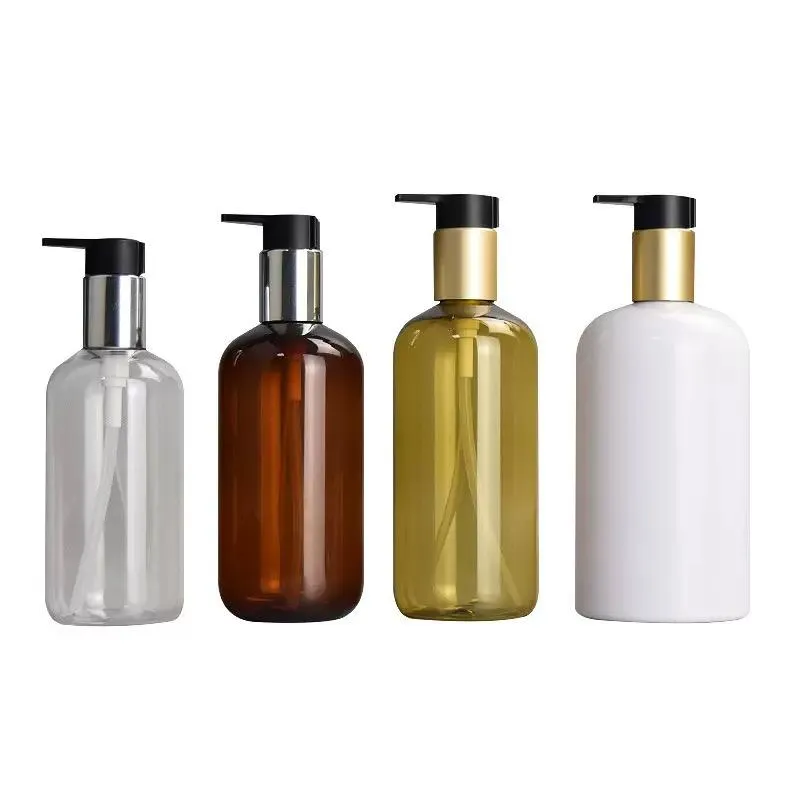
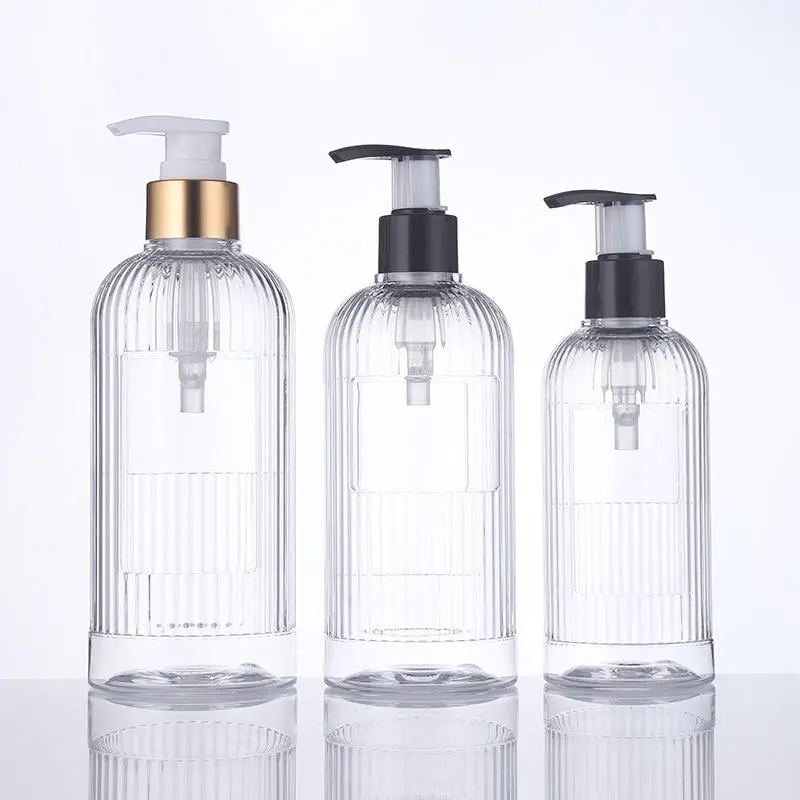
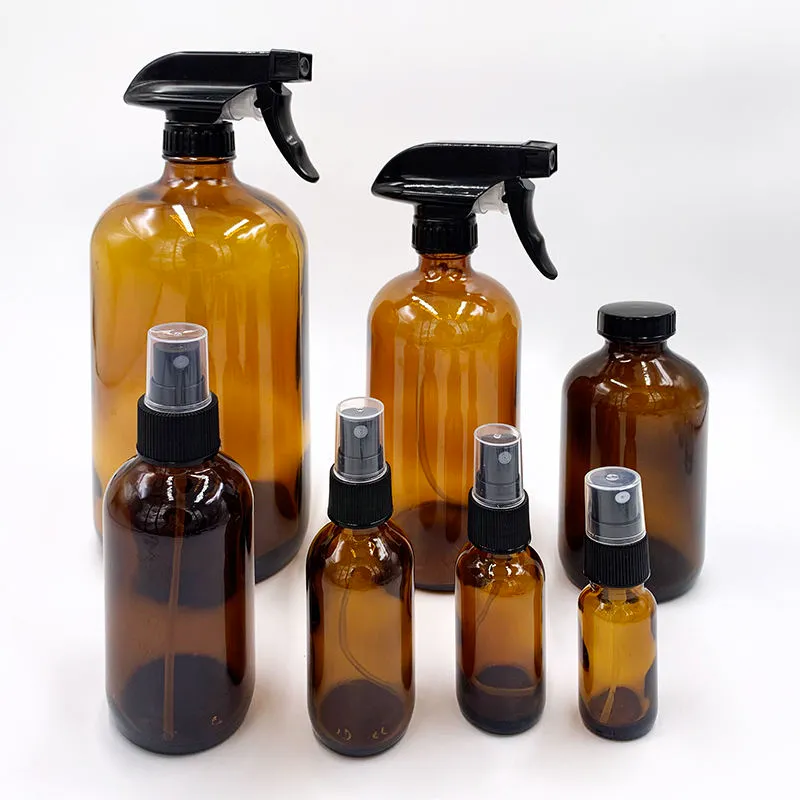
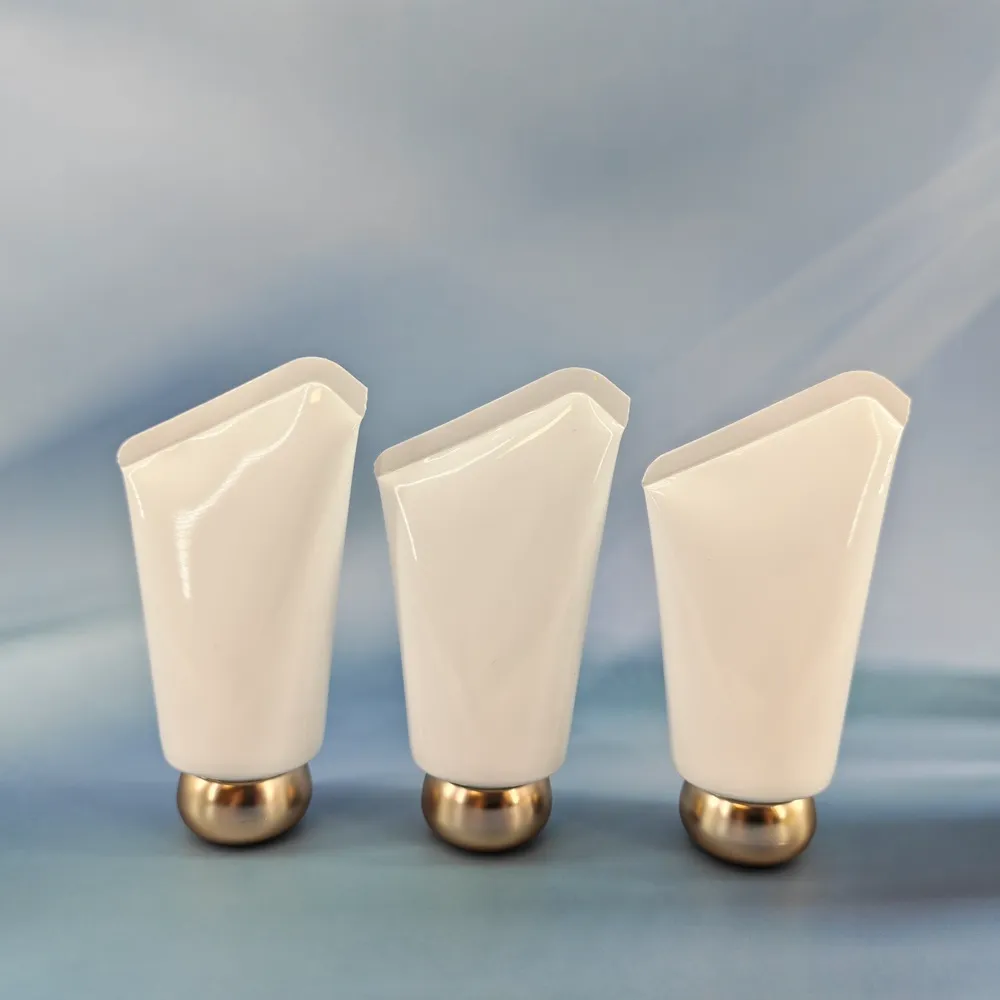
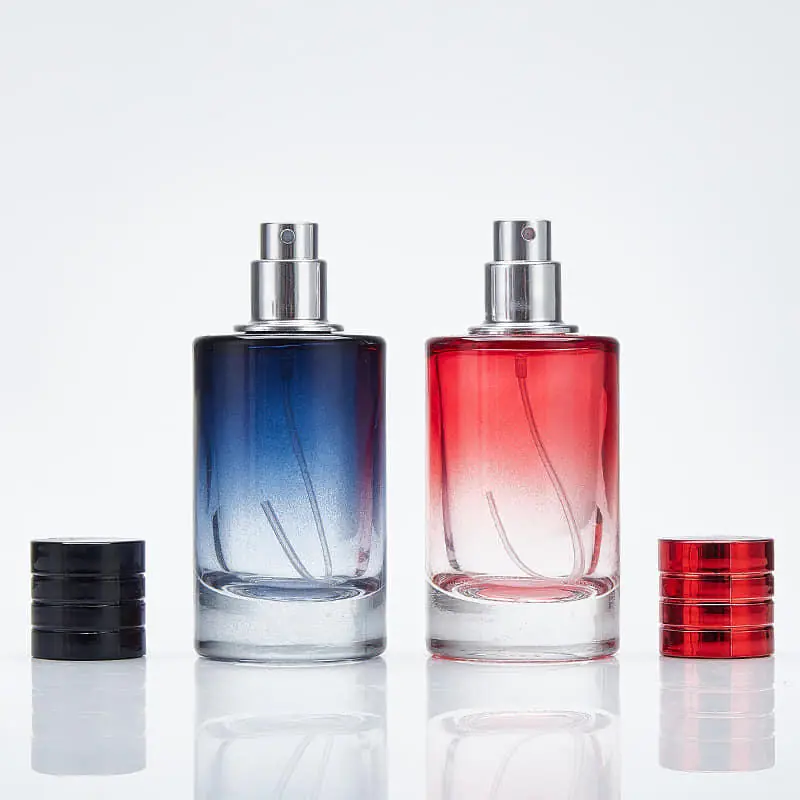
Direct answer: The main perfume bottle types are fine-mist atomizers, refillable spray bottles, splash bottles, rollerball bottles, sample vials, miniature bottles and refill containers. Glass is the usual material for retail fragrance because it provides a strong barrier and broad formula compatibility. PET and aluminum are used mainly for lightweight travel, sampling and refill systems. The right format depends on whether the formula is alcohol- or oil-based, the required dose, capacity, filling method, transport conditions and brand sales channel.
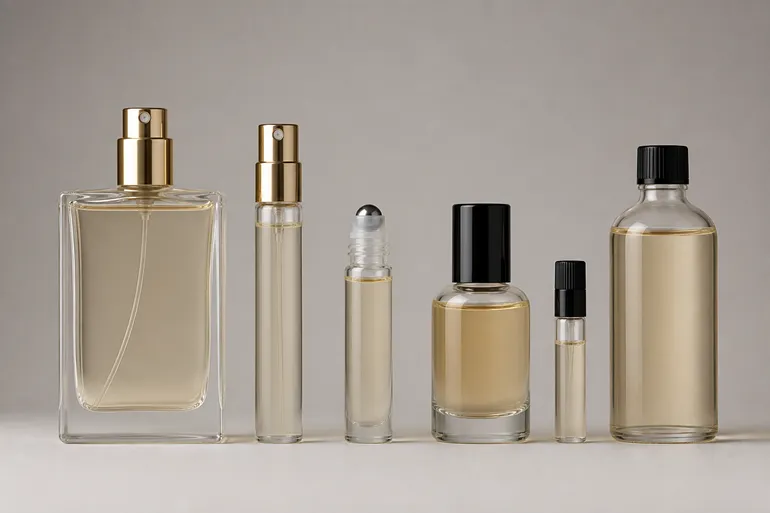
Perfume Bottle Types by Dispensing Method
| Type | How it dispenses | Typical use |
|---|---|---|
| Fine-mist atomizer | Pump converts liquid into a spray | EDP, EDT, cologne and body fragrance |
| Refillable spray | Screw, snap or refill-valve system | Travel sizes and refill programs |
| Rollerball | Rolling ball applies a narrow film | Perfume oils and pulse-point products |
| Splash or dab bottle | Open neck, stopper or reducer | Aftershave, cologne and traditional formats |
| Sample vial | Mini sprayer, wand or open vial | Discovery sets, samples and testing |
Fine-Mist Atomizer Bottles
An atomizer is the standard choice for alcohol-based fine fragrance. A pump chamber draws liquid through a dip tube and forces it through a small nozzle. Pump output, spray angle and droplet distribution affect how the user experiences the fragrance. Crimp pumps provide a permanent closure and are common in retail bottles; screw pumps support disassembly or refilling but require torque and leakage control.
Rollerball Bottles
A rollerball uses a glass, metal or plastic ball held in a fitment. As the ball turns, it transfers a thin layer of product to the skin. It suits perfume oils and concentrated pulse-point formulas. It is less suitable when the intended experience is a wide, even mist. Test ball clearance, leakage, fitment retention and formula interaction.
Splash Bottles
Splash bottles dispense through an open neck, stopper or flow reducer. They can work for cologne, aftershave and traditional presentation, but dose control is lower and repeated opening exposes the contents to more air and contact. The reducer, stopper and neck finish should be tested as a system.
Travel Sprays and Sample Vials
Travel formats commonly range from 5 to 15ml, while sample vials are often 1 to 5ml. These ranges are conventions, not universal rules. Small packages need particular attention to evaporation, pump prime, usable fill and leakage because a small loss represents a larger percentage of the contents.
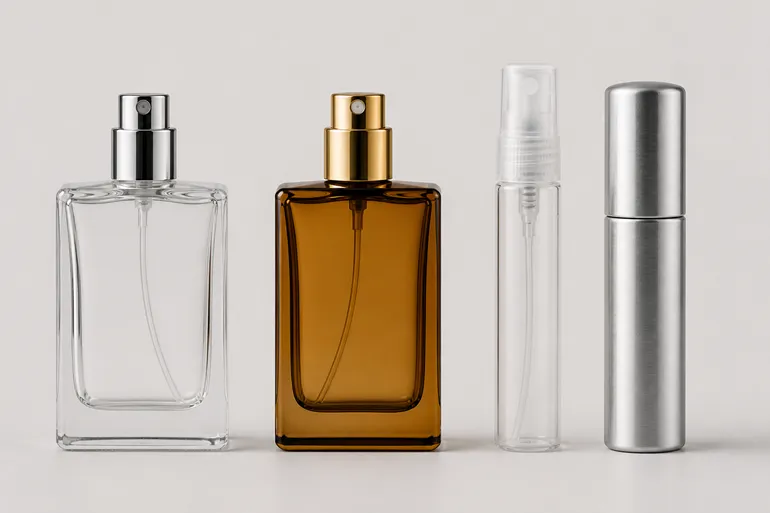
Perfume Bottle Materials
Glass
Glass offers low permeability and broad compatibility with many fragrance formulas. Clear glass displays the liquid; amber, coated or opaque glass can reduce light exposure. Buyers should still test the complete package because pumps, gaskets, coatings, adhesives and decorative metals may contact the formula or vapor.
PET and Other Plastics
PET is lightweight and impact resistant, making it useful for body mist, sampling and travel packs. Plastic selection must be based on the actual fragrance, alcohol level, oils, colorants and intended storage period. Evaluate stress cracking, odor transfer, permeation, paneling and decoration adhesion. A general material name is not proof of compatibility.
Aluminum
Aluminum is used mainly as a protective outer shell or travel atomizer. When the fragrance contacts metal, the internal coating or liner becomes part of the compatibility assessment. Inspect coating continuity, corrosion risk, denting and refill-valve performance.
Common Bottle Shapes
Round bottles distribute internal and external loads evenly and are straightforward to handle on many filling lines. Square and rectangular bottles provide flat decoration panels but need corner and impact evaluation. Oval and flat bottles fit pockets and travel cases. Sculpted bottles can create a distinctive silhouette, but may require a custom mold, orientation control during decoration and special protective packing.
Shape should be evaluated with the cap installed. A tall, heavy cap can make a narrow bottle unstable. Thick glass bases add weight without increasing usable capacity. Irregular shoulders may also influence dip-tube reach and residual product.
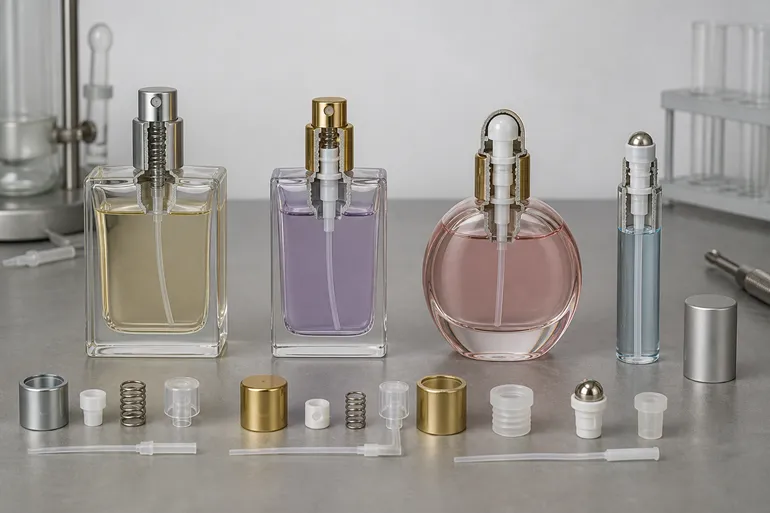
Common Perfume Bottle Capacities
| Capacity | Typical role | Buyer considerations |
|---|---|---|
| 1–5ml | Samples and discovery sets | Prime volume, evaporation and labeling space |
| 5–15ml | Travel spray or rollerball | Leak resistance and refill method |
| 30ml | Entry retail size | Shelf presence and component cost |
| 50ml | Core retail size | Ergonomics, price tier and pack weight |
| 100ml | Full-size retail | Drop performance, shipping weight and fill-line handling |
How to Choose a Perfume Bottle
- Define the formula. State alcohol content, oil level, viscosity, color and any ingredients relevant to material compatibility.
- Choose the application experience. Decide between mist, targeted roll-on, controlled dab or refill.
- Select capacity and channel. Sampling, travel, ecommerce and retail shelves impose different requirements.
- Match the closure and filling line. Confirm neck finish, crimp or screw method, filling clearance and cap application.
- Test representative samples. Use the intended bottle, pump, gasket, dip tube, decoration and formula.
- Specify measurable acceptance criteria. Include dimensions, capacity, appearance, leakage, pump output, spray pattern and decoration adhesion.
- Review transport packaging. Test dividers, cartons, caps and surface protection for the planned shipping route.
Buyers can compare Boyu’s glass perfume bottles, perfume packaging, rollerball bottles and PET perfume spray bottles. Availability and technical details should be confirmed for the selected model.
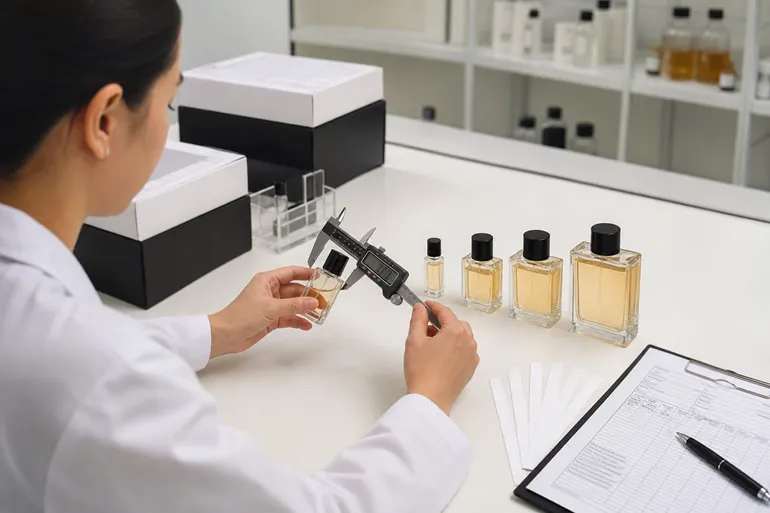
What to Check Before Mass Production
- Actual and brimful capacity
- Bottle weight and dimensional tolerances
- Neck finish and sealing surface
- Pump output, spray pattern and priming
- Dip-tube length and residual product
- Leakage after temperature and orientation tests
- Formula compatibility with every contact component
- Print, coating and label adhesion
- Drop, vibration and carton protection appropriate to the project
Frequently Asked Questions
What is the most common type of perfume bottle?
A glass bottle with a fine-mist atomizer is the most common retail format for alcohol-based fragrance. This is an industry convention, not a requirement for every formula.
Are rollerballs only for perfume oil?
They are most often used for oils because they provide targeted application, but suitability depends on viscosity, ball material, fitment and compatibility testing.
Is a crimp pump better than a screw pump?
A crimp pump provides a permanent closure and consistent retail appearance. A screw pump supports removal or refilling. Neither is universally better; filling equipment, sealing requirements and reuse goals determine the choice.
Can perfume be stored in plastic bottles?
Some formulations can use compatible PET or other plastics, particularly for shorter-life travel and body-mist applications. Test the actual formula for permeation, stress cracking, odor and seal performance before production.
Should clear or colored glass be used?
Clear glass displays the fragrance. Colored, coated or opaque packaging can reduce light exposure. Storage away from heat and direct light remains important regardless of bottle color.
Conclusion
Choose a perfume bottle as a technical system, not only as a shape. The formula, container material, neck, pump, gasket, dip tube, cap, decoration and shipping pack must work together. Send Boyu Packaging your formula category, capacity, dispensing method, quantity, decoration and destination to request a model-specific sample review.

 English
  Español de Argentina
  Русский
  Italiano
  日本語
日本語  한국어
한국어  العربية
  Français
  Deutsch