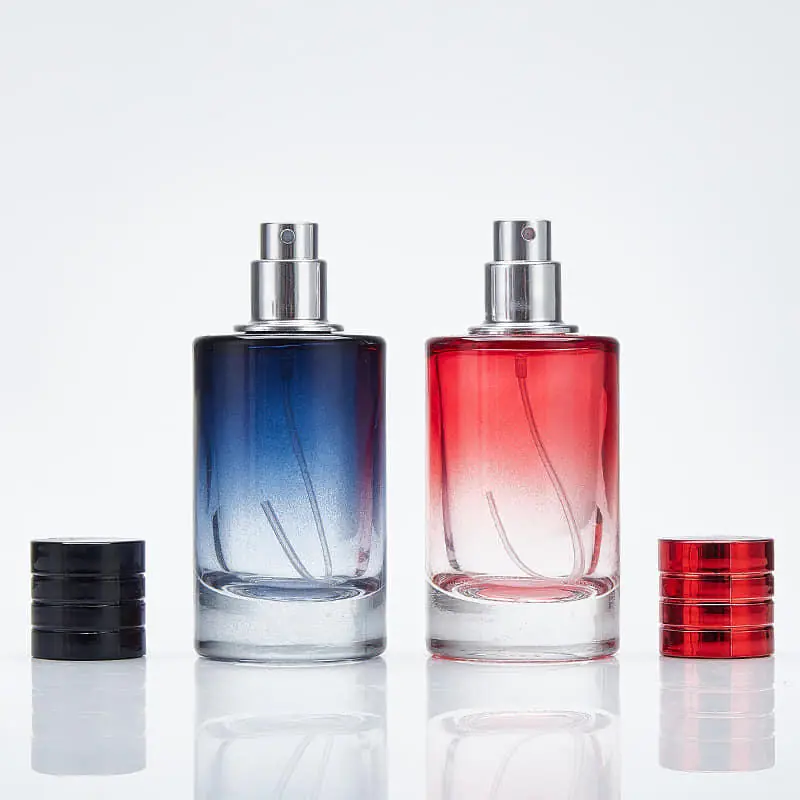
Direct answer: A reliable Chinese perfume bottle manufacturer should be able to identify which processes it performs, provide traceable drawings and samples, control glass forming and annealing, match the bottle with the pump and cap, document decoration and inspection results, and reproduce an approved standard in mass production. ISO 9001 certification can support confidence in the factory’s quality management system, but it does not certify a particular bottle or guarantee that every unit will conform.
The safest sourcing method is to define the complete package first, verify the legal entity and manufacturing site, audit the relevant processes, test production-representative samples with the fragrance, agree measurable acceptance criteria, and inspect the first shipment before release.
First Identify What Type of Supplier You Are Evaluating
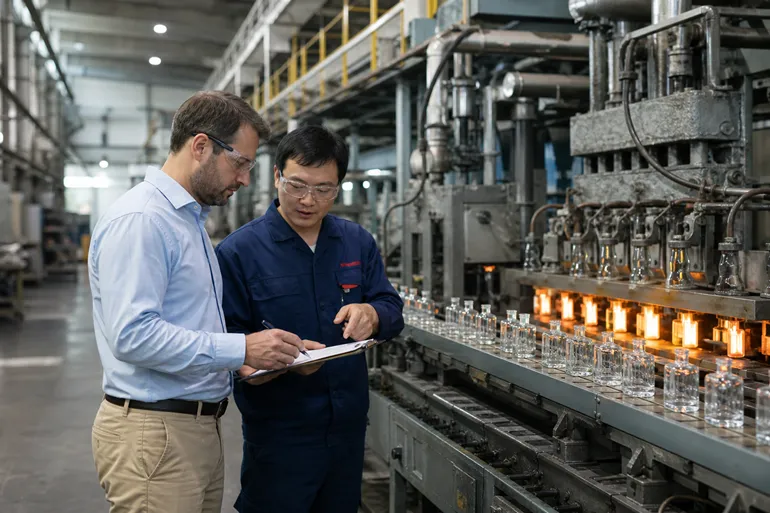
In China, a company selling perfume bottles may be a glass-forming factory, a decoration plant, a pump or cap producer, a packaging integrator, or a trading company. More than one company may contribute to a finished set. This is common, but buyers should know who controls each operation.
| Supplier type | Main work | Questions to ask |
|---|---|---|
| Glass-forming factory | Melting, molding, annealing and bare-bottle inspection | Which furnaces and lines make this bottle? How are molds, annealing and defects controlled? |
| Decoration plant | Coating, frosting, printing, hot stamping or metallization | Which processes are in-house? How are color, adhesion and alcohol resistance approved? |
| Packaging integrator | Coordinates bottle, pump, collar, cap, decoration and packing | Who are the approved component sources? Who owns final inspection and corrective action? |
| Trading company | Commercial sourcing and export coordination | Will the actual factory be disclosed and available for audit? |
A direct factory is not automatically the correct choice. A capable integrator may manage several specialist factories more effectively than one plant attempting every process. The decision should depend on transparency, technical control, responsibility and evidence.
Standards for a Reliable Chinese Perfume Bottle Manufacturer
1. Verifiable legal and factory identity
Request the Chinese business license, registered address and unified social credit code. Compare the legal name with the quotation, contract, bank beneficiary, ISO certificate, export documents and factory signage. If payment goes to a different entity, obtain a written explanation of the relationship.
2. Relevant production capability
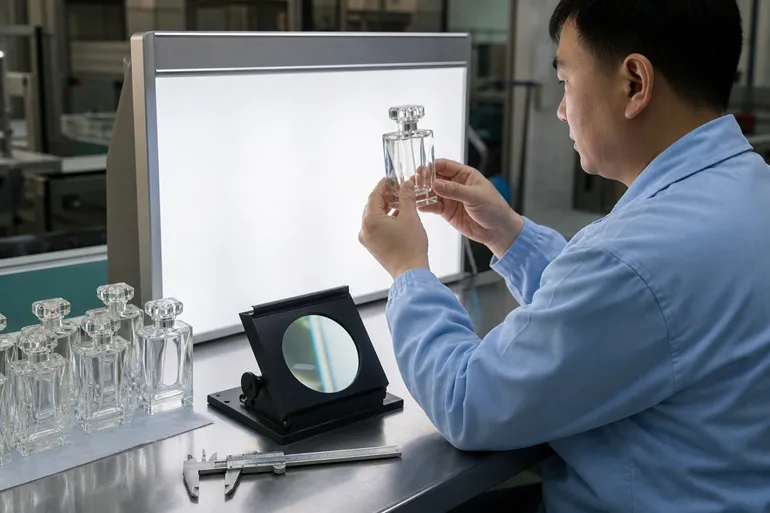
Ask for the process flow for your bottle, not a general equipment list. A factory making standard cylindrical bottles may not be able to control a heavy-base rectangular bottle, complex embossing or a tight neck specification. Review mold design, forming line, annealing lehr, automatic inspection, manual inspection and packing.
3. Controlled drawings and specifications
The supplier should provide a drawing that identifies capacity, bottle weight, overall dimensions, neck finish, sealing surface and important tolerances. The complete specification should also cover pump, collar, gasket, dip tube, cap, color, artwork and packing. A reference photograph is not sufficient for production control.
4. Representative sampling
A stock sample can show general workmanship. A custom project requires staged approval: 3D or prototype review, glass trial, bare-bottle approval, decoration sample, component-fit sample and final production-representative set. Keep signed reference samples with both buyer and supplier.
5. Traceable quality records
Ask for anonymized examples of incoming inspection, first-article approval, in-process checks, annealing control, dimensional inspection, decoration inspection, final sampling and corrective action. A useful record identifies the item, batch, date, method, result, inspector and disposition.
6. Change control
The factory should obtain written approval before changing the glass source, mold, production line, pump supplier, coating system, decoration subcontractor or packing method. Uncontrolled substitutions are a common source of differences between samples and mass production.

How to Judge Glass Bottle Manufacturing Strength
Factory size alone does not demonstrate suitability. Evaluate whether the plant can control the characteristics that matter to your filling line and retail package.
Glass forming and mold control
Review how molds are identified, maintained and replaced. Ask how the factory controls bottle weight, wall distribution, base thickness, verticality, mold seams and neck dimensions. For custom molds, clarify tooling ownership, storage, maintenance and the approval process for replacement inserts.
Annealing control
Annealing reduces residual stress created during forming. Ask how the lehr temperature profile and conveyor speed are monitored, how strain is checked, and what happens when results fall outside the internal limit. A visual sample cannot confirm annealing quality.
Cold-end inspection
The inspection plan should address defects relevant to perfume bottles: cracks or checks, stones, sharp seams, excessive bubbles, deformation, unstable bases, incorrect capacity, neck defects and contamination. Agree which defects are critical, major or minor and define visual limits under consistent lighting.
Decoration capability
For coating, printing, frosting or hot stamping, review surface preparation, curing, color control, artwork registration and adhesion testing. Fragrance, alcohol and filling-line contact can affect decorated surfaces, so test the intended decoration with the actual formula and handling process.
How to Read ISO 9001 and Other Certificates
ISO 9001 concerns the quality management system. It does not mean the bottle itself is “ISO certified,” and it does not replace product inspection.
- Confirm the legal company name and factory address.
- Check that the scope covers relevant glass packaging manufacture or processing.
- Check the standard edition, certificate number, issue date and expiry date.
- Identify the certification body and accreditation body.
- Verify the certificate through the issuer or recognized certificate database when available.
- Ask for evidence that the system operates: audit findings, calibration, nonconformance records and corrective actions.
Other reports must be checked against the exact material, coating or component being purchased. A test report for one clear bottle does not automatically cover a colored bottle, another coating or a different pump. Verify the sample description, test method, laboratory, date and result.
How to Protect Product Quality
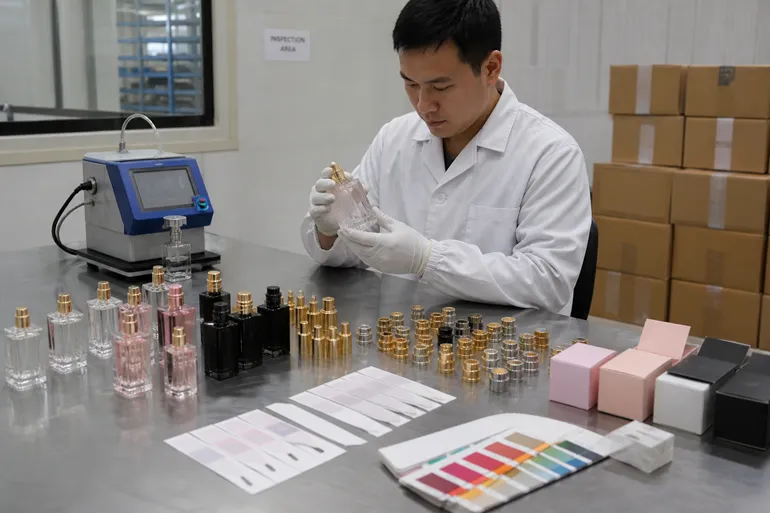
Quality is best controlled through an agreed specification and checkpoints, not by relying on final sorting alone.
- Define critical-to-quality requirements. Include capacity, weight, dimensions, neck, appearance, pump fit, leakage, spray performance and decoration.
- Approve a golden sample and limit samples. Limit samples show the maximum acceptable appearance defect more clearly than words such as “minor scratch.”
- Test the complete package. Use the actual bottle, pump, gasket, collar, cap and fragrance.
- Run filling-line trials. Check conveyor handling, filling nozzle clearance, crimping or torque, cap application and coding.
- Inspect during production. Early checks allow correction before the full lot is decorated or packed.
- Conduct pre-shipment inspection. Use the agreed sampling plan and defect classification.
- Retain batch samples. Both parties should keep labeled samples for investigation.
Boyu’s guides to the cosmetic packaging sampling process, AQL inspection and pre-shipment inspection provide related procurement checkpoints.
How to Evaluate Lead Time
Do not accept one unexplained delivery number. Ask for a dated schedule covering drawing approval, tooling if required, glass trial, bare-bottle approval, decoration sampling, component preparation, mass production, inspection and packing.
Stock molds usually reduce engineering work, but stock availability does not guarantee that pumps, caps or decoration capacity are available at the same time. Custom bottles add mold development and validation. Multiple decoration processes add setup and curing steps. Request written confirmation for the specific bottle and order rather than applying a general website estimate.
A credible schedule identifies dependencies and approval deadlines. It should also state whether the quoted lead time starts after deposit, artwork approval, sample approval or receipt of all components.
First Order From China: Practical Controls
- Send one controlled RFQ containing formula category, capacity, dimensions, quantity, pump, cap, decoration, packing, destination and target date.
- State the Incoterm and named place in the quotation and contract.
- Confirm whether molds and artwork are buyer property and how they are stored.
- Approve bottle, pump, cap and decoration together rather than as unrelated parts.
- Define overrun, underrun, spare components and replacement terms.
- Do not authorize mass production from photographs alone.
- Book an independent audit or inspection when project risk justifies it.
- Confirm carton, divider, pallet and shipping-mark specifications before production ends.
- Keep final payment and shipment release aligned with the agreed inspection terms.
Supplier Red Flags
- The quotation, certificate and bank account show unrelated company names without explanation.
- The supplier will not disclose which operations are subcontracted.
- No drawing, tolerance or material specification is available.
- The certificate scope or address does not cover the evaluated factory.
- The supplier refuses a live audit or third-party inspection.
- Mass production is requested before sample and artwork approval.
- Lead time excludes pumps, caps or decoration.
- Quality claims are not supported by records applicable to the selected item.
Frequently Asked Questions
Is a glass factory better than a packaging trading company?
Not automatically. A glass factory may control forming well but outsource pumps, caps and decoration. An integrator may coordinate the complete set. Evaluate transparency, technical control and responsibility for the final package.
Does ISO 9001 guarantee perfume bottle quality?
No. It provides evidence about a quality management system. Product quality still depends on specifications, process control, representative samples and batch inspection.
Should I choose a stock bottle or a custom mold?
A stock bottle reduces tooling work and development risk. A custom mold provides control over shape and structural details but requires engineering, tooling and validation. The decision should reflect forecast quantity, launch schedule and design ownership.
How can I audit a factory without visiting China?
Combine a live video audit, legal-document review, certificate verification, drawings, inspection records, samples and an independent on-site audit or pre-shipment inspection.
What should be tested with the actual perfume?
Evaluate leakage, evaporation, pump output, spray pattern, gasket and dip-tube compatibility, decoration resistance, odor and appearance under a protocol defined for the product and market.
Conclusion
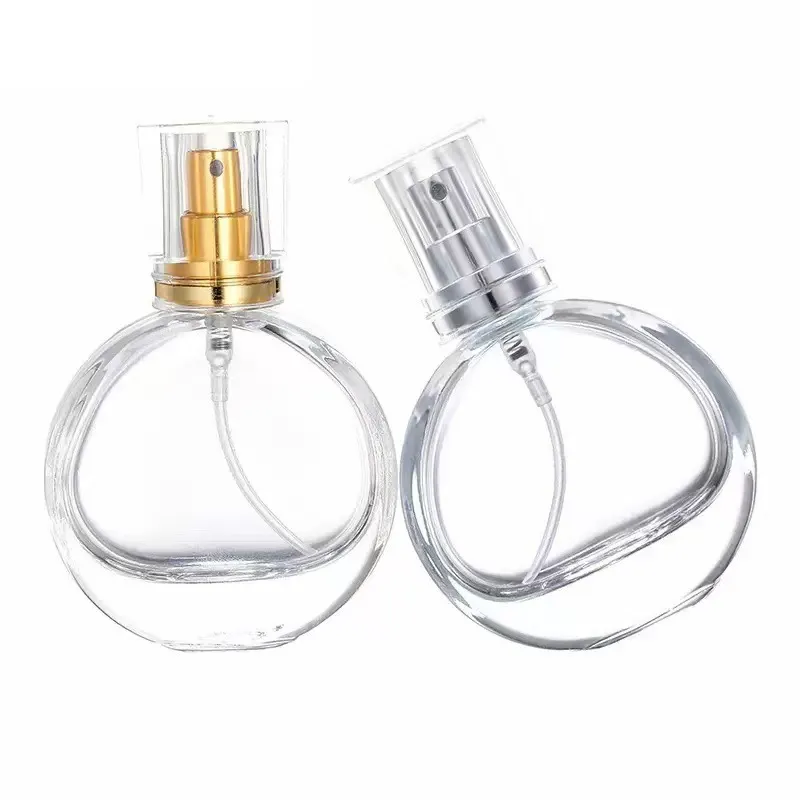
A reliable supplier is one whose identity, processes and records can be verified and whose production can reproduce an agreed standard. Buyers can review Boyu’s glass perfume bottle range, perfume packaging options and glass bottle manufacturing guide. For a project review, send the formula category, bottle capacity, closure, decoration, quantity and destination through the contact page.

 English
  Español de Argentina
  Русский
  Italiano
  日本語
日本語  한국어
한국어  العربية
  Français
  Deutsch