
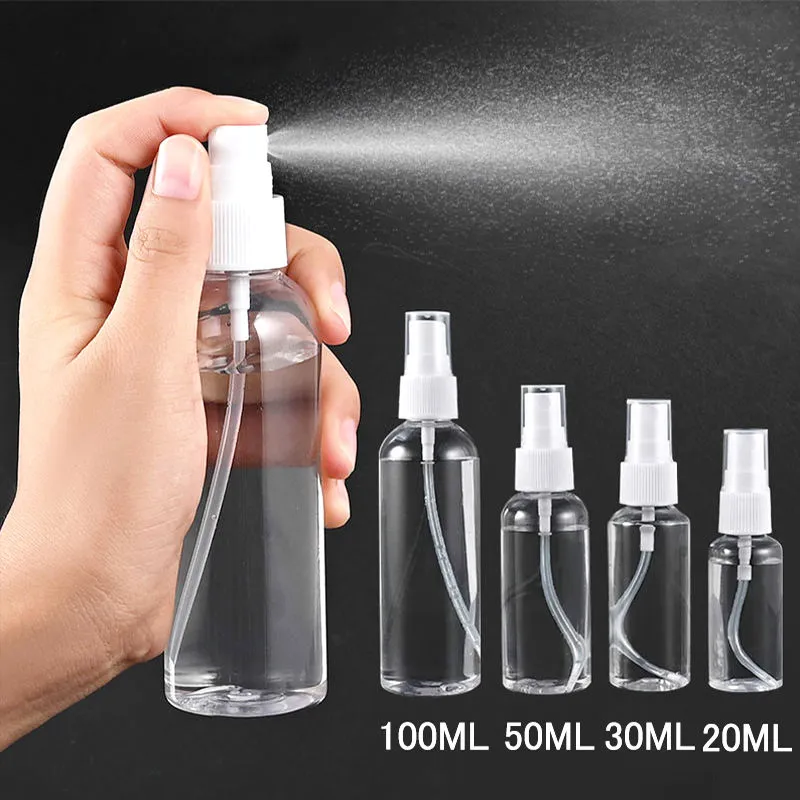
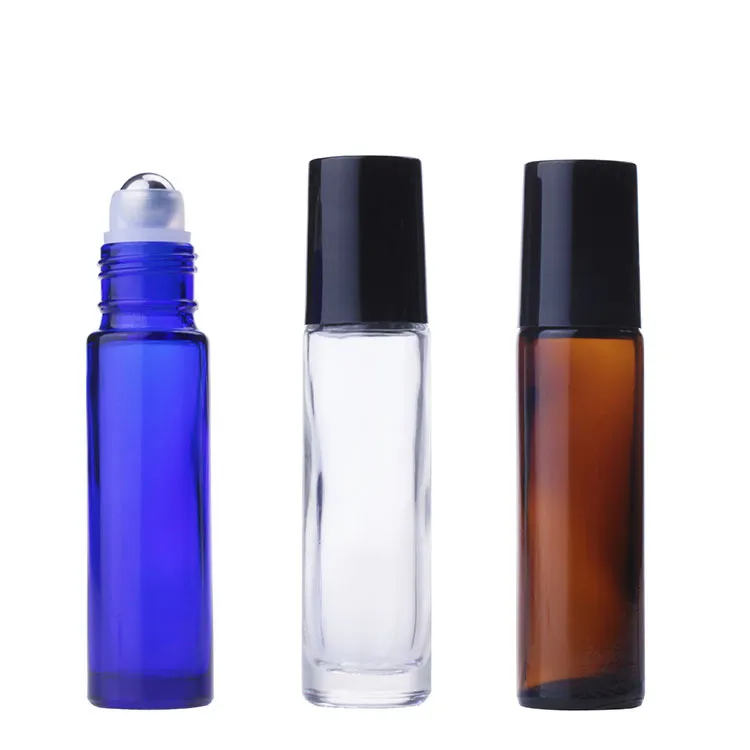
Quick answer: For concentrated essential oils or high-oil formulas, start with an amber or cobalt glass bottle and an oil-compatible fine-mist sprayer. Properly diluted commercial sprays may also use PET or HDPE, but the complete package—bottle, gasket, spring, dip tube and nozzle—must be tested with the finished formula.
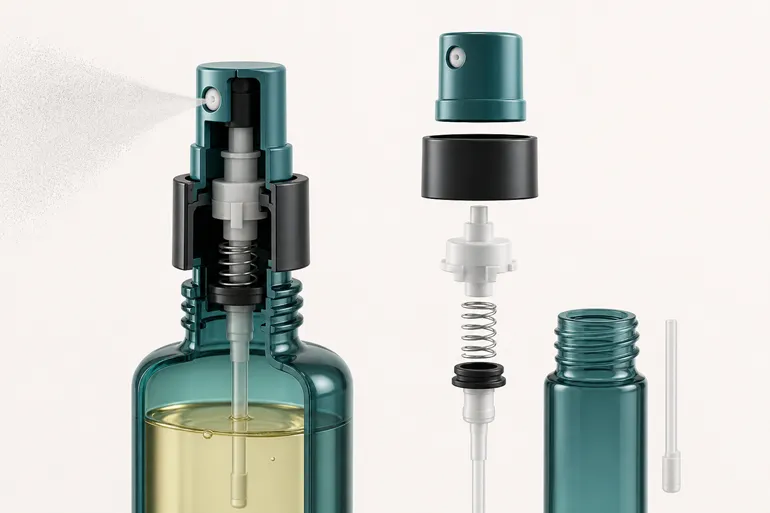
What Type of Spray Bottle Is Best for Essential Oils?
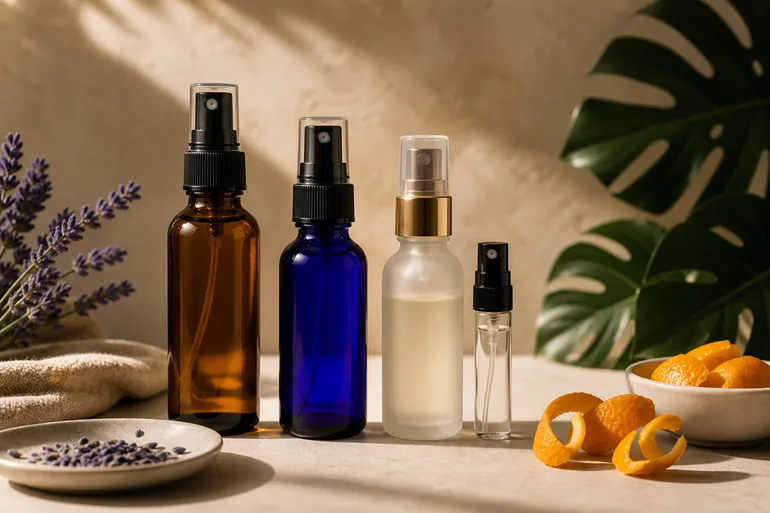
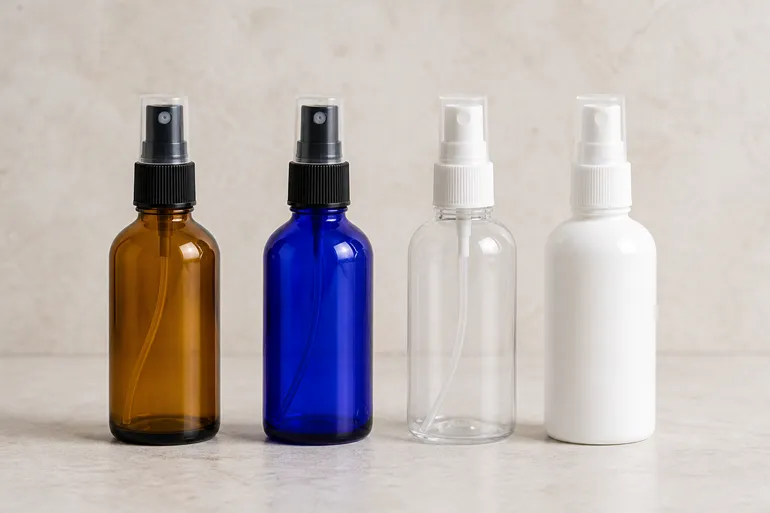
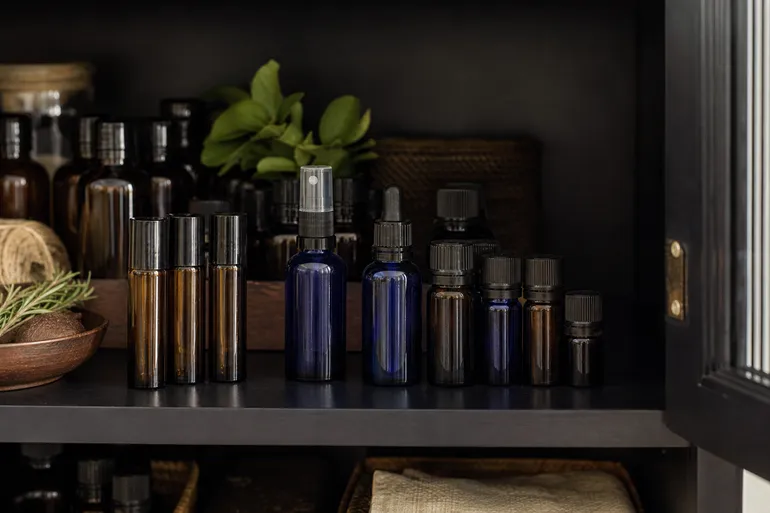
The best general-purpose option is UV-protective glass with a compatible fine-mist pump. Amber glass limits light exposure and does not absorb aroma. Cobalt glass offers similar premium presentation. Glass is chemically inert for most aromatic oils, although it is heavier and more breakable than plastic.
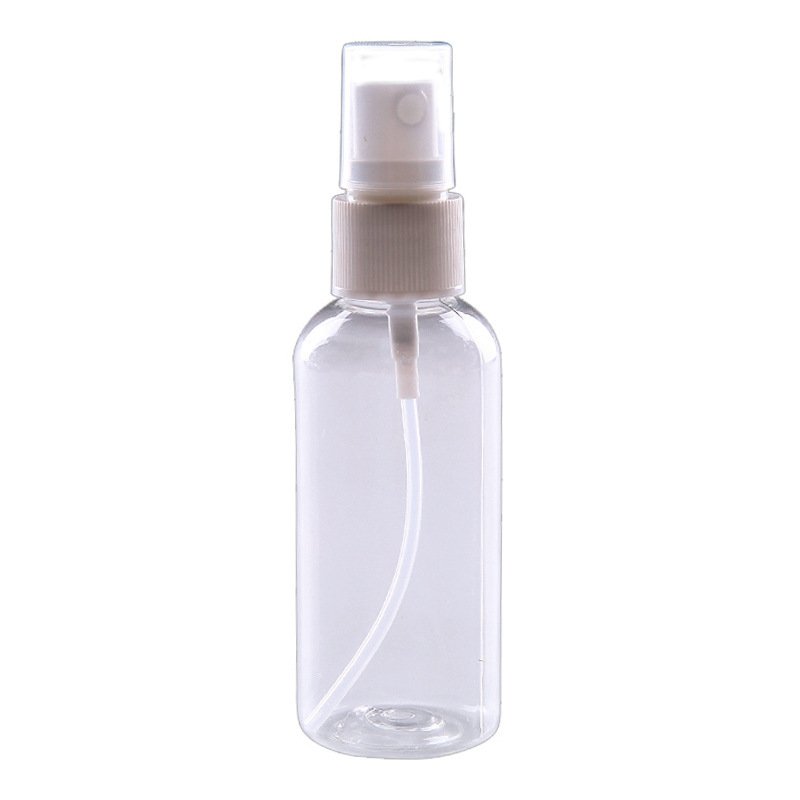
PET can suit diluted cosmetic sprays where clarity and lightweight shipping matter. HDPE is opaque, impact-resistant and useful for larger personal-care or home formats. Citrus oils, alcohol-rich blends and concentrated fragrances can stress some plastics and closure parts, so approval must come from compatibility testing rather than the resin name alone.
| Formula | Best starting package | Critical test |
|---|---|---|
| Concentrated essential oil | Amber glass; reducer, dropper or oil-rated sprayer | Seal and pump compatibility |
| Water-based room mist | Glass, PET or HDPE with fine mist | Stability, preservation and spray pattern |
| Light body oil | Glass or PET with oil mister | Viscosity, dose and clogging |
Can I Use a Spray Bottle for Body Oil?
Yes, if the body oil is thin enough and the sprayer is designed for oil. Lightweight esters, fractionated coconut oil and low-viscosity carrier blends may spray well. Heavier massage oils can overload a fragrance atomizer, while shimmer or botanical particles may block the nozzle.
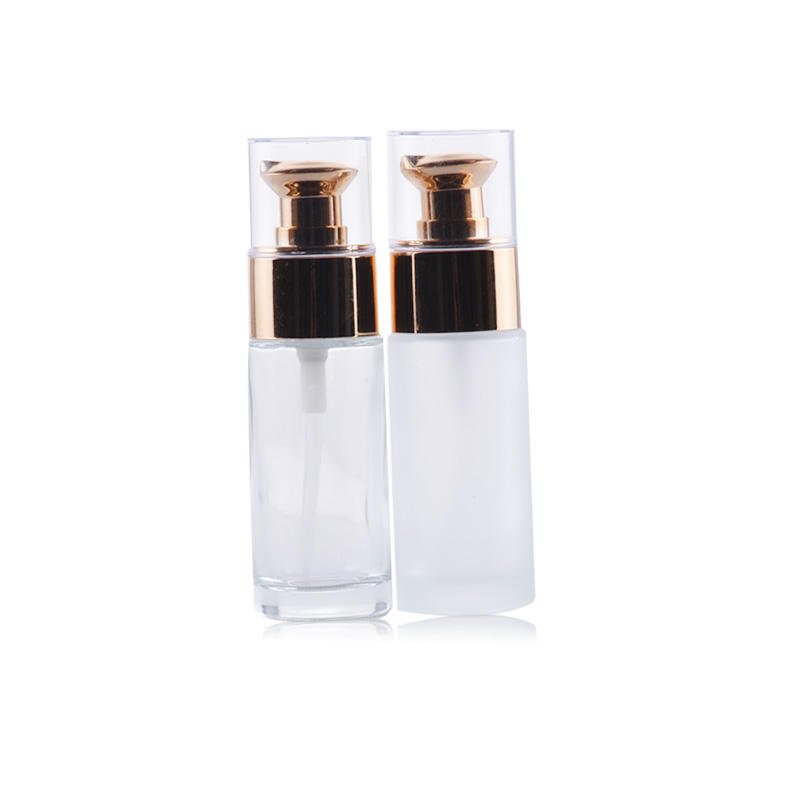
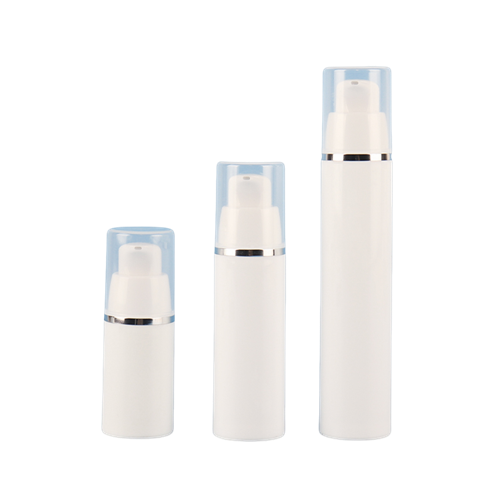
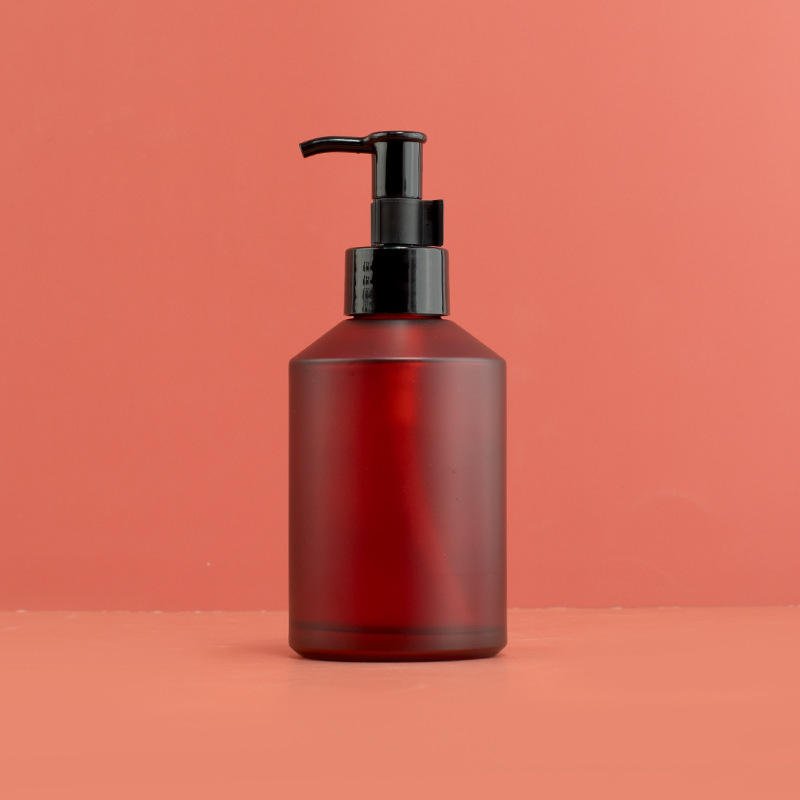
Ask for the pump’s recommended viscosity range, output per stroke and spray pattern. A broad soft mist gives a different skin experience from a concentrated spray. For thicker oils, a treatment pump may be better because it delivers a clean dose into the palm without making nearby floors slippery.
Water and oil do not form a stable mixture on their own. Water-based sprays require an appropriate solubilizing system and preservation strategy established by a qualified formulator.
What Is the Best Spray Bottle for Oil?
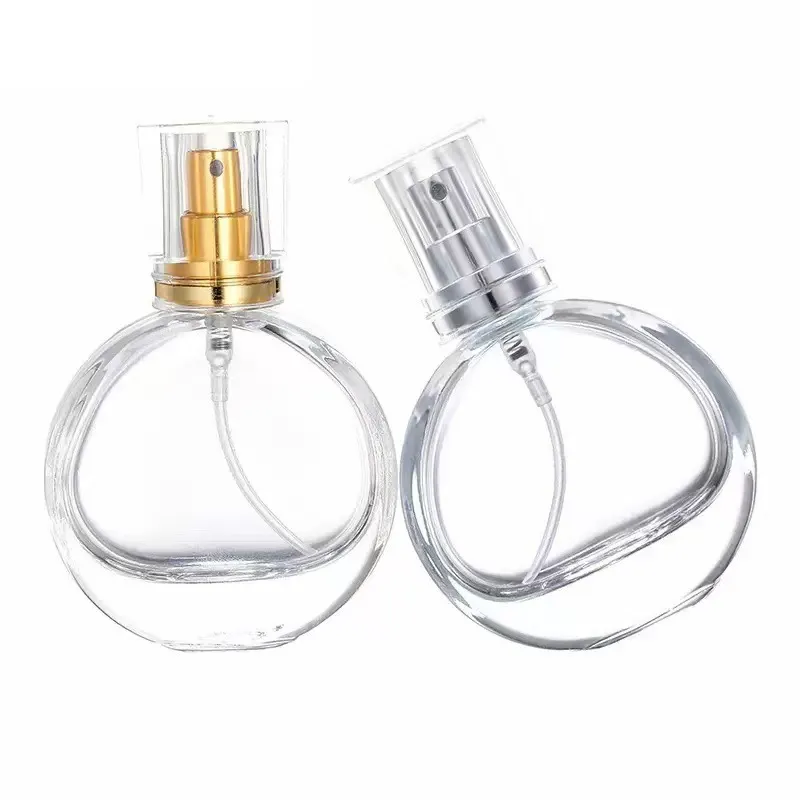
Fine-mist atomizer
Best for low-viscosity body oils, alcohol-based aromatherapy sprays and room mists. It gives refined application but is sensitive to viscosity and particles.
Oil mister
An oil mister has a more suitable flow path for anhydrous formulas. Droplets may be slightly larger than perfume mist, but reliability is often better.
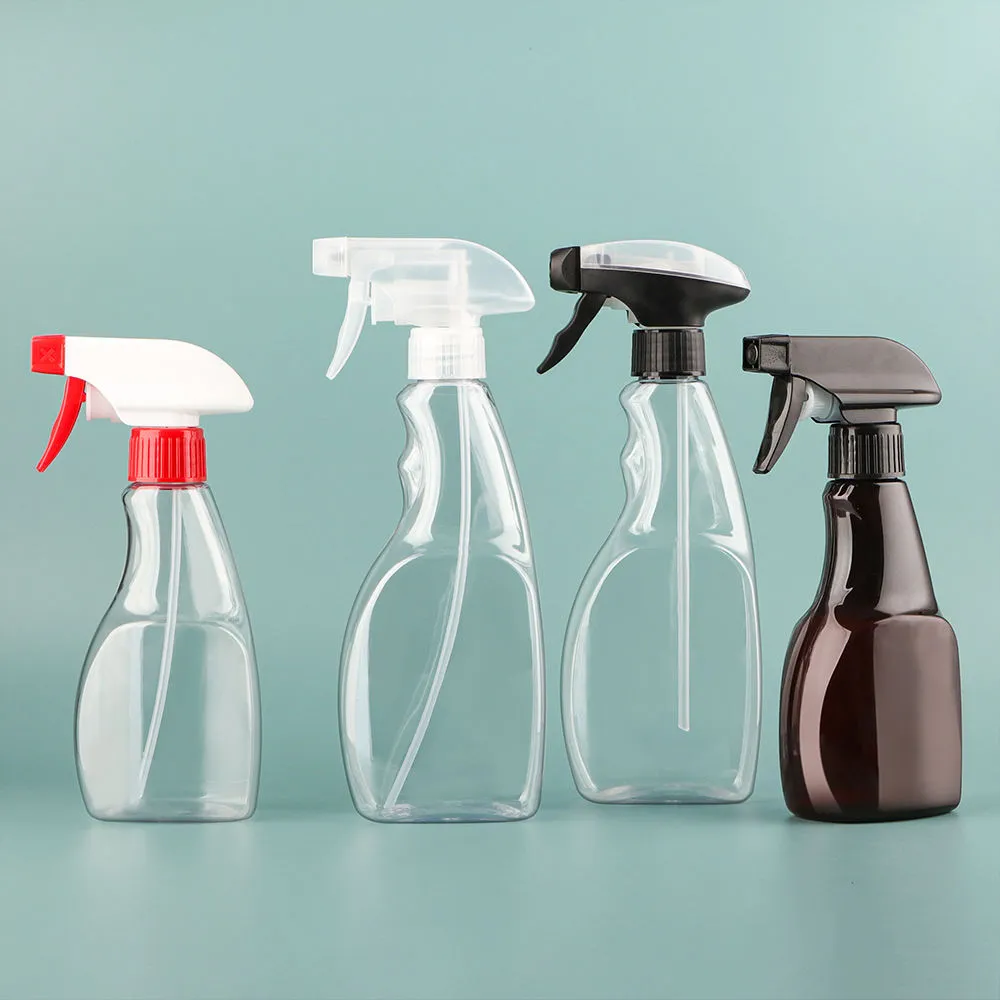
Trigger sprayer
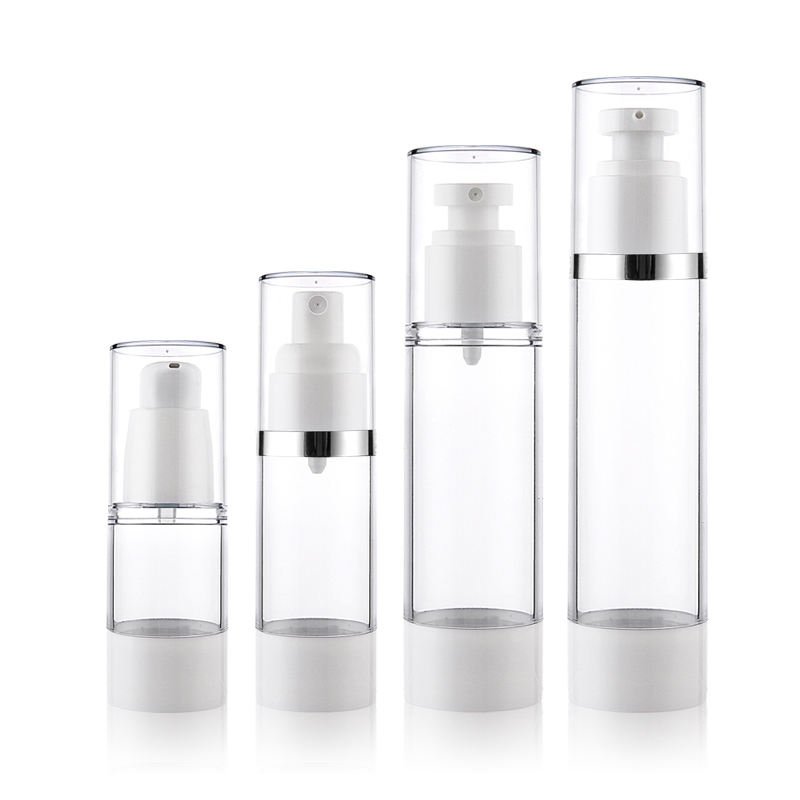
Useful for 250–500 ml room, home-care and professional aromatherapy sprays. It offers higher output but is less suitable for premium facial products.
Continuous-mist sprayer
Common in hair and body care. Not every continuous system tolerates oil; test valve recovery and leakage after storage.
Bottle Materials: Glass, PET or HDPE?
Amber and cobalt glass are preferred for concentrated oils and small premium packs. Dark color reduces light exposure. PET is clear, glossy and lightweight, making it useful for diluted cosmetic sprays. HDPE is durable and opaque, suitable for larger functional packs. Always evaluate the complete package.
Boyu supplies essential oil bottles and spray bottles. Material, pump, neck finish, decoration and transport packing should be selected together.
Which Capacity Should You Choose?
- 5–10 ml: samples, concentrated blends and travel aromatherapy.
- 15–30 ml: pillow sprays, premium body oils and portable retail products.
- 50–100 ml: mainstream body oils, room sprays and linen sprays.
- 120–250 ml: hair oils, spa products and frequent-use home sprays.
- 250–500 ml: salon, hospitality and professional applications.
What Other Bottles Suit Essential Oils?
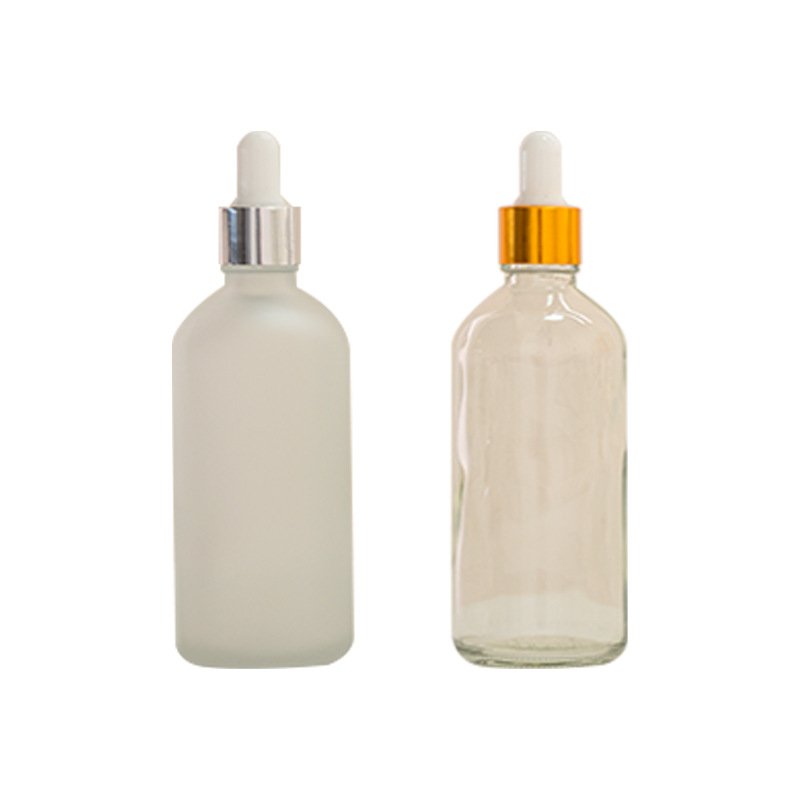
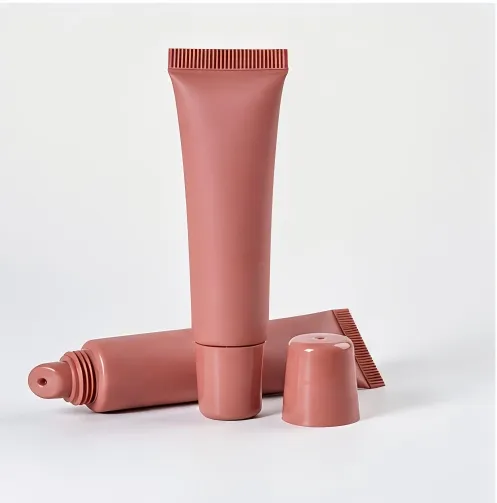
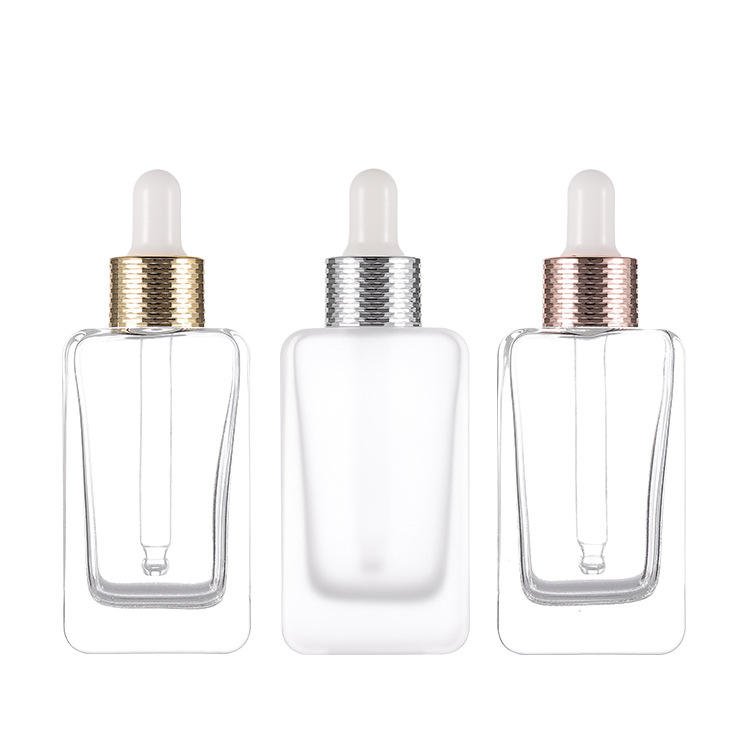
Use an orifice reducer for controlled drops of concentrated oil, a glass dropper for measured blending and facial oils, a roll-on bottle for portable diluted perfume or pulse-point use, and a treatment pump for body, hair and massage oils. Thick balms may belong in jars or tubes.
See Boyu’s guide to opening a roll-on bottle and browse rollerball bottles.
How to Store Essential Oils Correctly
Store bottles upright, tightly closed and away from sunlight, heat and large temperature swings. Avoid windowsills, hot vehicles and humid bathrooms. Minimize headspace when practical because oxygen exposure can accelerate oxidation.
Keep labels legible with the oil name, batch or filling date and dilution. Do not leave a rubber-bulb dropper in concentrated oil unless approved for that use. Keep products away from children and pets and follow the formulator’s safety guidance.
Compatibility Test Checklist
- Fill production bottles with the final formula.
- Store upright, inverted and on the side where the protocol permits.
- Evaluate at room temperature and suitable accelerated conditions.
- Record leakage, odor, color, paneling and stress cracking.
- Measure priming strokes, output and spray pattern repeatedly.
- Inspect gasket, spring, dip tube, nozzle and closure torque.
- Test decoration adhesion and packed-product transit performance.
Frequently Asked Questions
Can pure essential oil go in a plastic spray bottle?
Glass is the safer starting point. Plastic approval depends on the exact resin, oil, contact time and closure system.
Why does my spray bottle stop working?
Common causes include excessive viscosity, separated oil droplets, particles, a blocked nozzle, kinked dip tube, swollen seals or loss of prime.
Is amber glass better than clear glass?
Amber provides better light protection, but both still require cool, dark storage.
Can essential oils and water go directly into a spray bottle?
Not as a stable commercial formula. Oil and water need a suitable solubilizing system, and water-containing products need an appropriate preservation strategy.
Should body oil use a mist sprayer or pump?
Use a mist sprayer for a thin formula intended for broad application. Choose a treatment pump for thicker oils, shimmer formulas or controlled hand dosing.
Need an Essential Oil Packaging Recommendation?
Boyu Packaging supports glass and plastic bottles, fine-mist sprayers, droppers and roll-ons. Send your formula and packaging brief for an OEM recommendation.


 English
  Español de Argentina
  Русский
  Italiano
  日本語
日本語  한국어
한국어  العربية
  Français
  Deutsch