Best Bottles for Essential Oils – Glass vs Plastic, Storage Tips, and Safety Guide

Which Bottle is Best for Essential Oils?
Essential oils are highly concentrated plant extracts, and their chemical composition can react with different container materials. Choosing the right bottle is essential to preserve the oil’s potency, scent, and shelf life.
Material Types:
-
Amber Glass: Protects oils from UV light, which can degrade sensitive compounds.
-
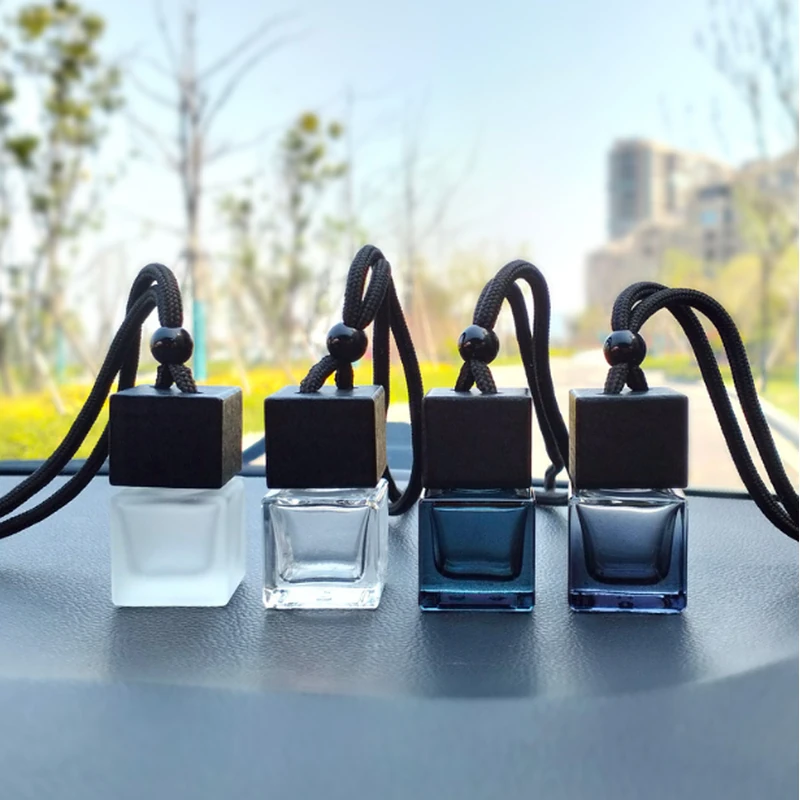
Cobalt Blue Glass: Offers moderate UV protection and a luxurious appearance.
-
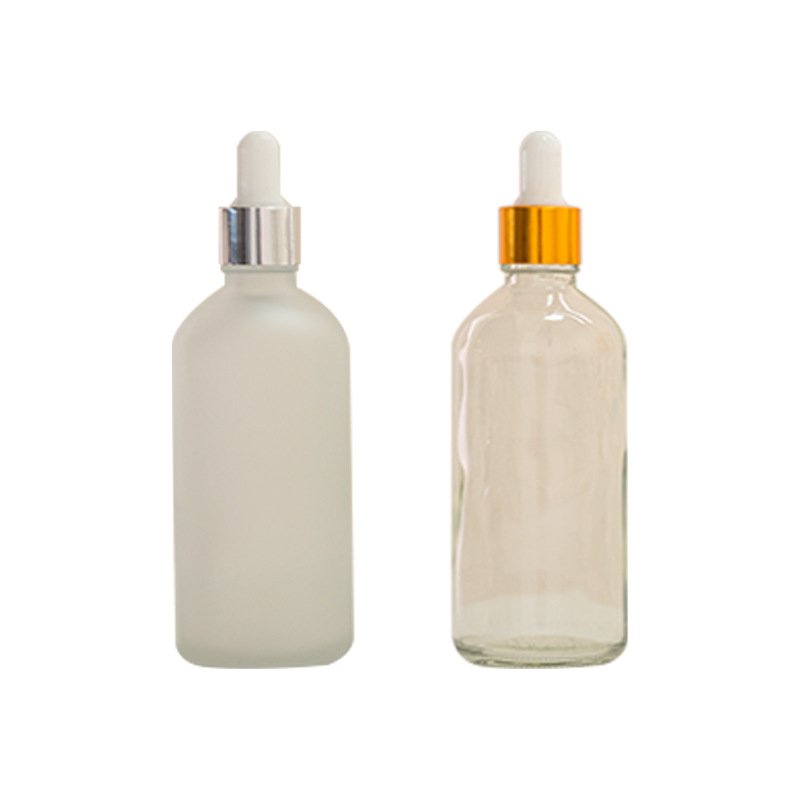
Clear Glass: Not recommended for long-term storage, unless kept in a dark cabinet.
Advantages:
-
Chemically inert — does not react with essential oils
-
Preserves aroma and potency for long periods
-
Can be reused and recycled (eco-friendly)
-
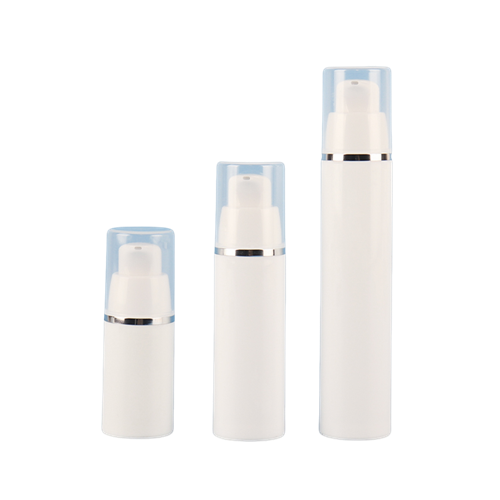
Supports dropper or pump dispensers for precise dosing
Disadvantages:
-
Fragile — may break if dropped
-
Slightly heavier, increasing shipping costs
-
Higher initial cost than plastic
Price Range:
-
Small bottles (5–30ml): $0.30–$1 per piece (depending on decoration, amber/cobalt glass, and surface handling)
Storage Tips:
-
Keep tightly sealed to prevent evaporation and oxidation
-
Store in a cool, dark place
-
Ideal shelf life: 1–3 years for most oils, sometimes longer if properly stored

2. Plastic Bottles
Material Types:
-
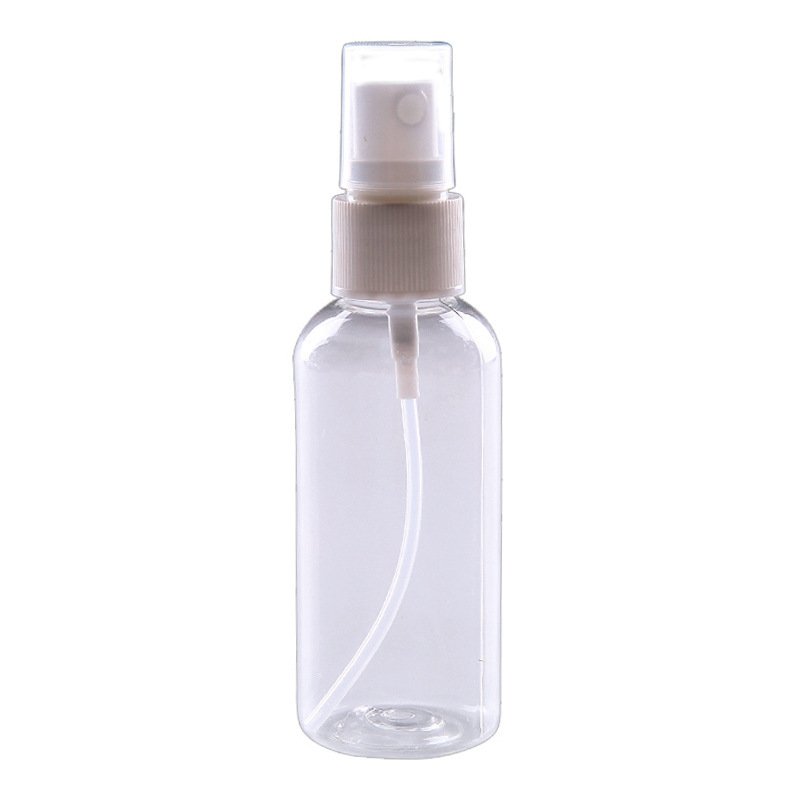
PET (Polyethylene Terephthalate): Light, clear, commonly used for diluted oils or sprays
-
HDPE (High-Density Polyethylene): Chemical-resistant, often used for carrier oils
Advantages:
-
Lightweight and shatterproof
-
Cost-effective for bulk or travel-sized products
-
Suitable for pumps and spray caps
Disadvantages:
-
Can react with strong essential oils over time
-
Slight permeability may allow scent loss or oxidation
-
Less luxurious and premium-feel compared to glass
Price Range:
-
Small bottles (5–30ml): $0.10–$0.50 per piece
Storage Tips:
-
Always airtight sealed
-
Avoid heat and direct sunlight
-
Not ideal for long-term storage of highly concentrated oils

3. Metal Bottles
-
Usually aluminum with inner lining
-
Excellent for UV protection and durability
-
Slightly heavier than plastic, but unbreakable
-
Best for travel sets or large-volume carrier oils
4. Key Considerations for Essential Oil Bottles
| Factor | Glass | Plastic | Metal |
|---|---|---|---|
| Chemical Safety | Excellent (non-reactive) | Moderate (can leach) | Good (if lined) |
| UV Protection | Amber/Cobalt – Excellent | Limited, often clear | Excellent |
| Breakage Risk | High | Low | Very low |
| Cost | Medium | Low | Medium |
| Weight | Medium | Light | Medium |
| Shelf Life | 1–3 years+ | Months–1 year | 1–2 years |
| Sealing Needed | Yes, tight cap | Yes, tight cap | Yes, tight cap |
| Reusability | High | Medium | High |
✅ Recommendations
-
Best for long-term storage: Amber glass with dropper or screw cap
-
Best for travel / lightweight use: PET or HDPE bottles with secure cap
-
Best for luxury or gift sets: Cobalt or amber glass with decorative features
-
Always seal tightly to prevent evaporation, oxidation, and contamination
5. Safety & Handling Tips
-
Keep away from heat, sunlight, and humidity
-
Label bottles clearly to prevent mix-ups
-
Avoid plastic for concentrated citrus or strong essential oils
-
Use droppers or pumps for precise dosing and contamination prevention
6. Quick Comparison Table of Boyu Packaging Essential Oil Bottles
| Model / Material | Capacity | Color | MOQ | Surface / Decoration | Pros | Cons |
|---|---|---|---|---|---|---|
| Glass Dropper Bottle SY5 | 25ml | Transparent + Gold | 5000 g | Frosted, Screen Printing, Gold Stamp | Luxury, durable, reusable | Fragile, higher cost |
| Glass Dropper Bottle 1.25ml | 1.25ml | Transparent | 500 g | Decal, Frost, Embossed, Hot Stamping | Leak-proof, precise dosage | Very small, fragile |
| Glass Dropper Bottle 30ml | 30ml | Amber, Pickles Green | 2000 pcs | Printing, Painting, Frosted, Embossed, Hot Stamping | Premium feel, UV protection | Fragile, heavier |
| Plastic PET Bottle | 30–300ml | Clear, customizable | 10000 pcs | Screen printing, spray coating | Lightweight, shatterproof | Not long-term safe for strong oils |
| Aluminum Bottle | 10–100ml | Silver / Black | 1000 pcs | Inner lining optional | Durable, UV protection | Needs lining, heavier |
 English
 Español de Argentina
 Русский
 Italiano
 日本語
 한국어
 العربية
 Français
 Deutsch