Choosing a cosmetic packaging manufacturer is not simply a matter of comparing unit prices. The supplier must be able to turn a design into repeatable, fill-line-ready packaging that protects the formula, arrives safely, and looks consistent from one production run to the next. A bottle that is inexpensive at quotation stage can become costly if its pump fails, its color shifts, or its decoration peels after filling.
This guide explains how beauty brands, distributors, contract fillers, and startup founders can evaluate a cosmetic packaging manufacturer or supplier. It covers glass and plastic packaging, communication and negotiation, OEM workflow, quality control, and the practical risks of buying cosmetic packaging from China for the first time.
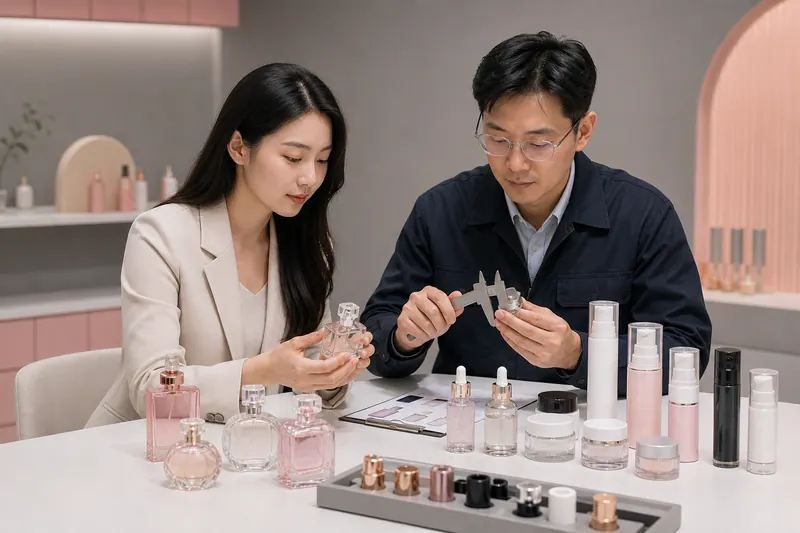
What Does a Reliable Cosmetic Packaging Manufacturer Look Like?
A reliable supplier does not answer every technical question with “no problem.” It asks questions about your formula, filling method, target market, decoration, transport route, and expected consumer use. The best early signal is the quality of the questions the supplier asks.
1. Relevant manufacturing capability
Confirm which processes are performed in-house and which are subcontracted. A company may mold bottles but outsource coating, printing, electroplating, pump assembly, or final packing. Outsourcing is not automatically a problem, but responsibilities, inspection points, and lead times must be transparent.
Ask for a process map that identifies where molding, decoration, assembly, testing, and packing take place. If you need several components, also confirm who controls the bottle-to-closure fit. One supplier should take responsibility for the assembled package, even when components come from different workshops.
2. Documented quality control
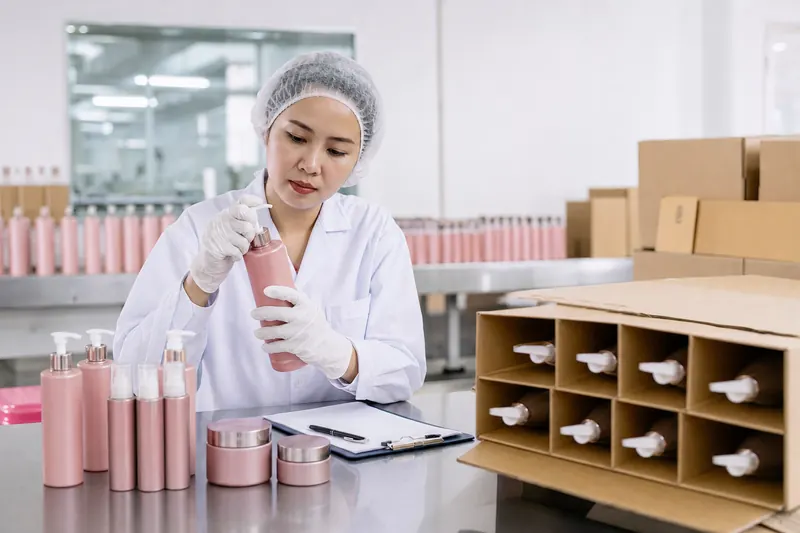
Look beyond the phrase “strict QC.” Ask to see the actual checks used for your packaging type: dimensional inspection, capacity and weight checks, visual defect standards, closure torque, leakage, pump output, spray pattern, dip-tube length, decoration adhesion, drop testing, and export-carton verification.
A practical supplier should be willing to agree on a defect classification. Critical defects, major defects, and minor cosmetic defects should not be treated the same. The approved sample, drawing, color standard, and written specification should be referenced in the purchase order or quality agreement.
3. Formula-to-package compatibility support
No packaging supplier can guarantee compatibility with a formula it has never tested. The final pack should be evaluated with the actual formula under realistic storage, handling, and distribution conditions. Check every contact point: bottle resin or glass, gasket, liner, pump path, spring location, dip tube, ink, coating, label, and adhesive.
Typical failure signs include swelling, stress cracking, discoloration, odor transfer, leakage, paneling, loss of vacuum, pump blockage, corrosion, label lifting, and decoration softening. Compatibility approval should come from the brand or formula owner after testing; the packaging supplier should provide material information and samples to support that work.
4. Traceable samples and specifications
A sample is useful only if it is traceable. Label each approval sample with the product code, material, color reference, decoration version, date, and revision. Do not approve a loose bottle and assume the mass-produced bottle, pump, cap, label, and carton will work together. Approve the complete assembled pack whenever possible.
5. Commercial transparency
The quotation should state what is included: bottle, pump, cap, collar, inner plug, decoration, assembly, individual protection, export carton, tooling, sample charges, testing, and freight terms. Confirm whether the quotation is based on stock components or a custom mold and whether the supplier is the manufacturer, an integrated manufacturer-trader, or a sourcing company.
How to Choose a Glass Cosmetic Packaging Manufacturer
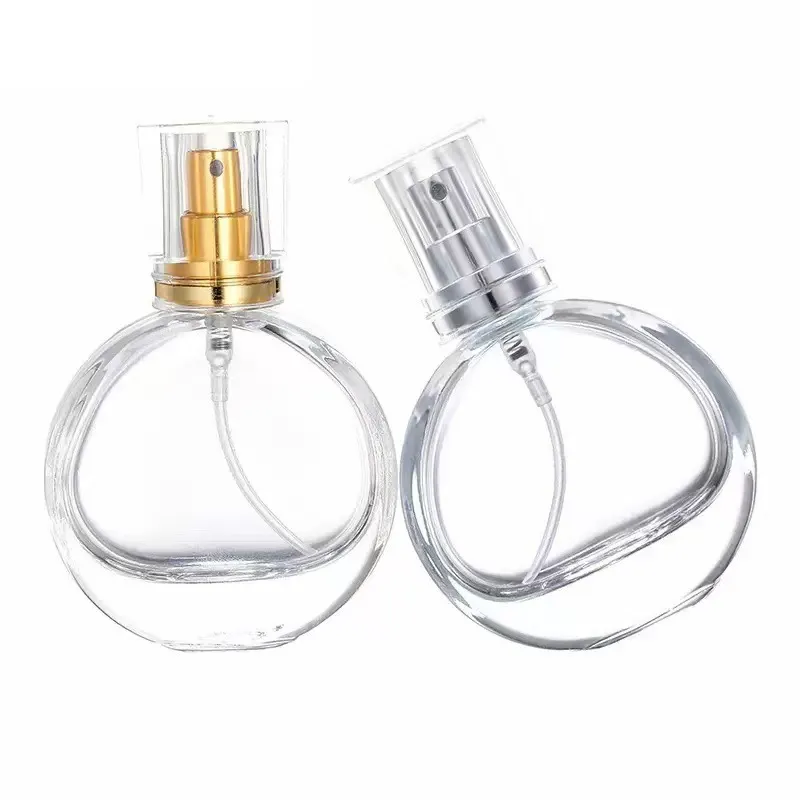
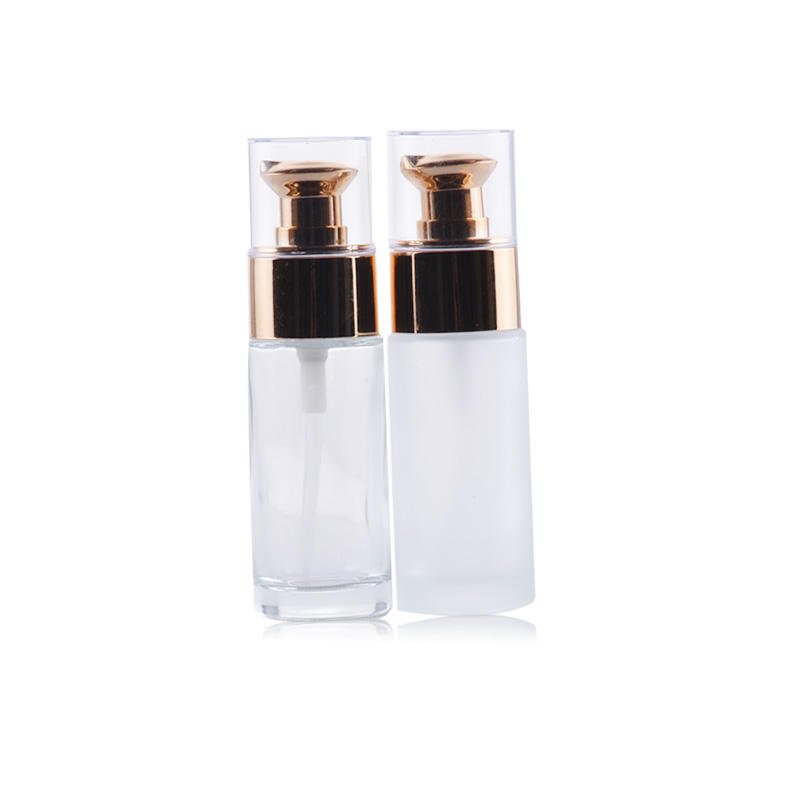
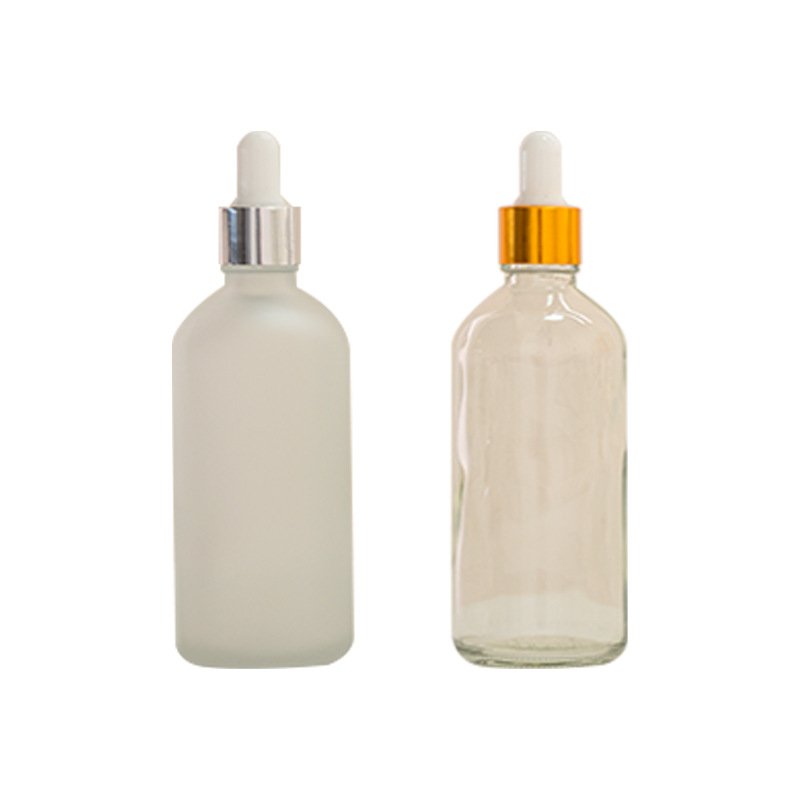
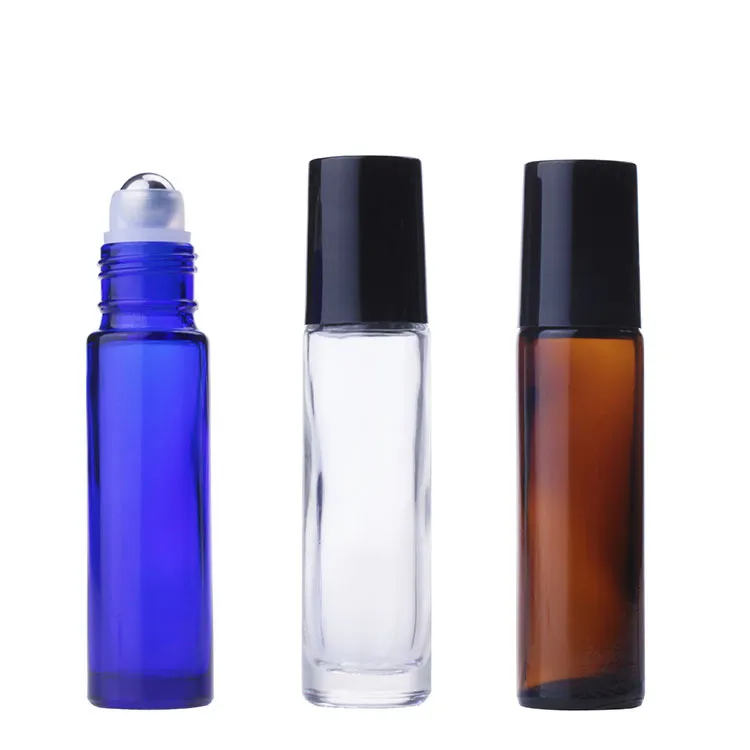
Glass is widely used for perfume, serum, essential oil, lotion, and premium cream packaging. Buyers often focus on transparency and weight, but production consistency and annealing quality matter just as much. Explore examples of custom cosmetic glass packaging before preparing your specification.
Evaluate the bare glass first
Decoration can hide base-glass defects, so inspect undecorated bottles before approving coating or printing. Review wall distribution, base thickness, verticality, neck dimensions, sealing surface, capacity, weight tolerance, mold seams, stones, blisters, cracks, stress marks, and internal contamination.
For perfume bottles, pay particular attention to neck geometry and compatibility with the crimp pump, collar, and cap. For cream jars, check the jar neck, thread engagement, inner lid, liner, and spatula arrangement. A premium appearance cannot compensate for a sealing surface that does not hold a closure reliably.
Ask about annealing and stress control
Glass containers must cool under controlled conditions to reduce residual stress. Ask how the factory monitors the annealing process and how thermal stress is checked. For products that will face hot filling, cold storage, or large temperature changes, discuss the actual conditions before sampling.
Test decoration as a system
Frosting, color coating, silk-screen printing, hot stamping, metallization, and labels should be tested against the formula, handling, and secondary packaging. Check color tolerance under controlled lighting, adhesion after aging, abrasion between bottles, resistance to alcohol or oil, and whether protective sleeves or dividers are required during transport.
Plan for breakage and transport
Do not approve export packing from a photograph alone. Request the carton specification, divider layout, pack quantity, gross weight, and pallet plan. A pre-shipment drop or transport simulation should use the final decorated components and final export packing, not only undecorated samples.
How to Choose a Plastic Cosmetic Packaging Manufacturer
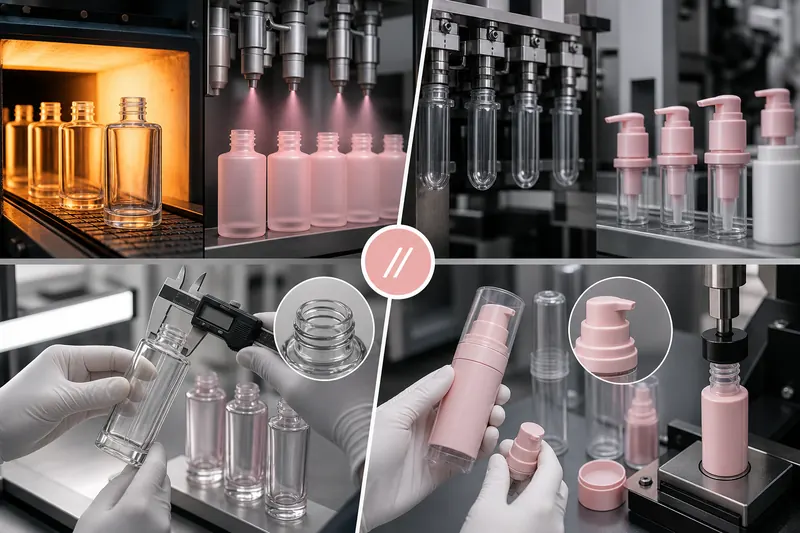
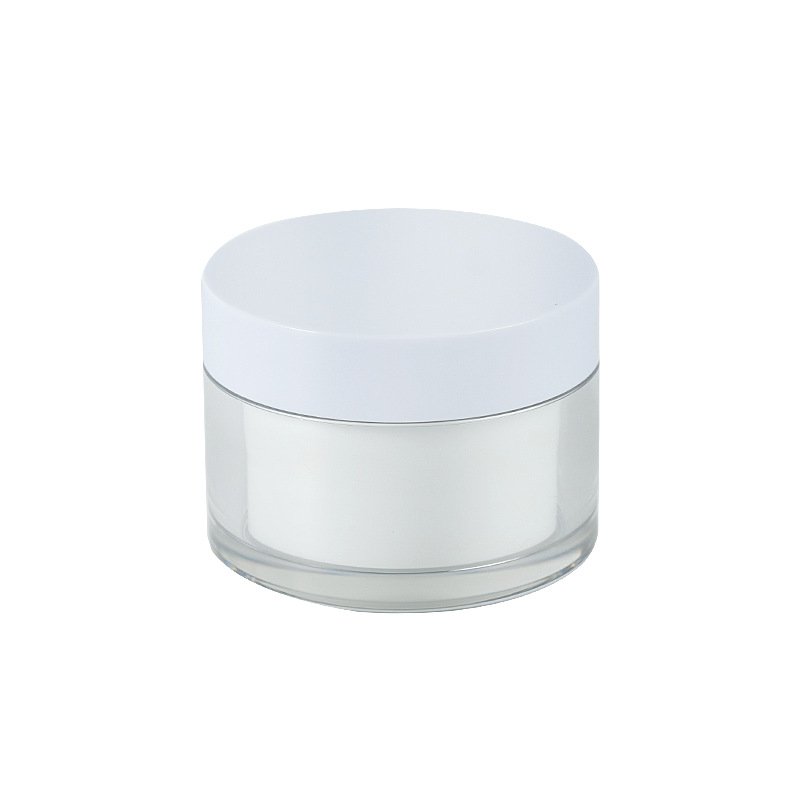
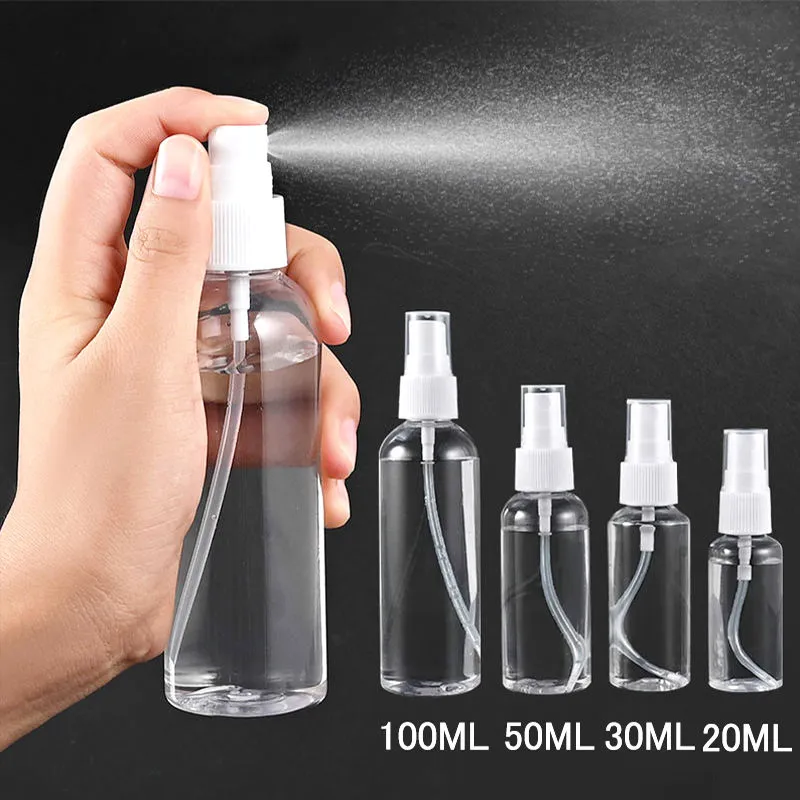
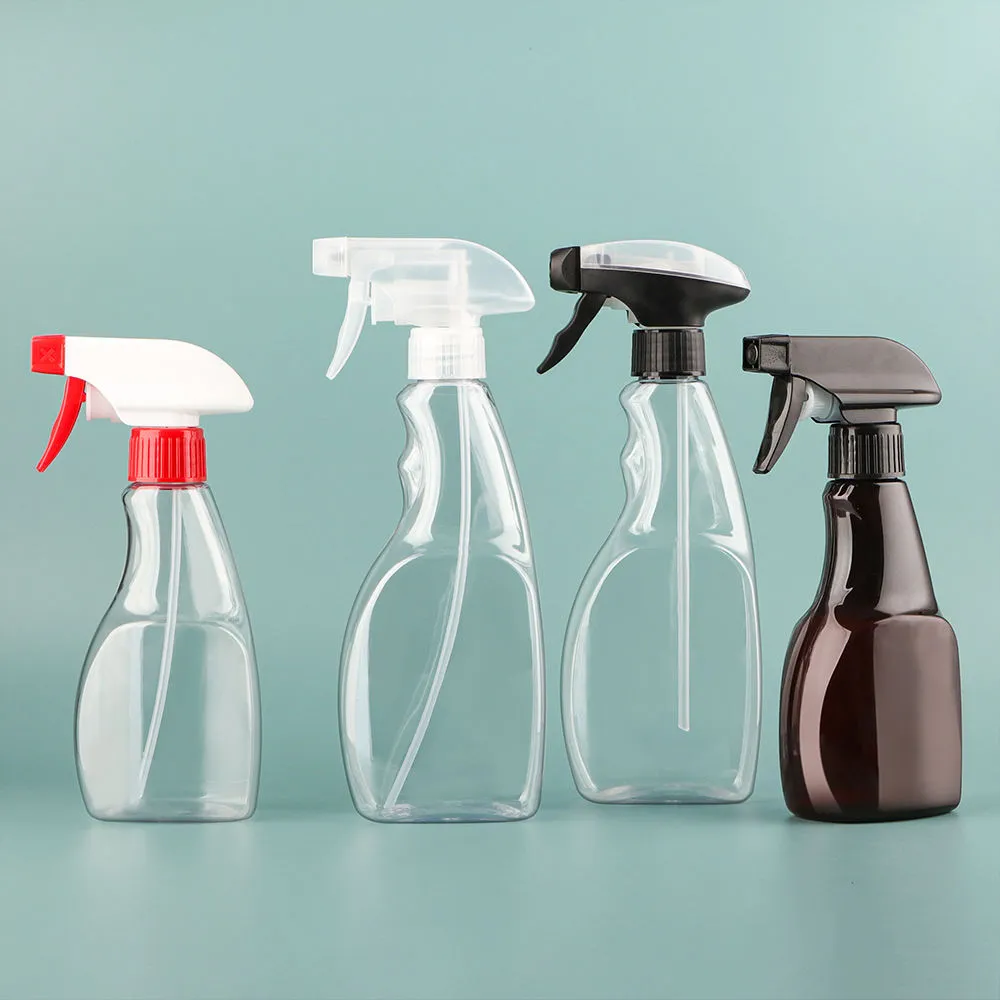
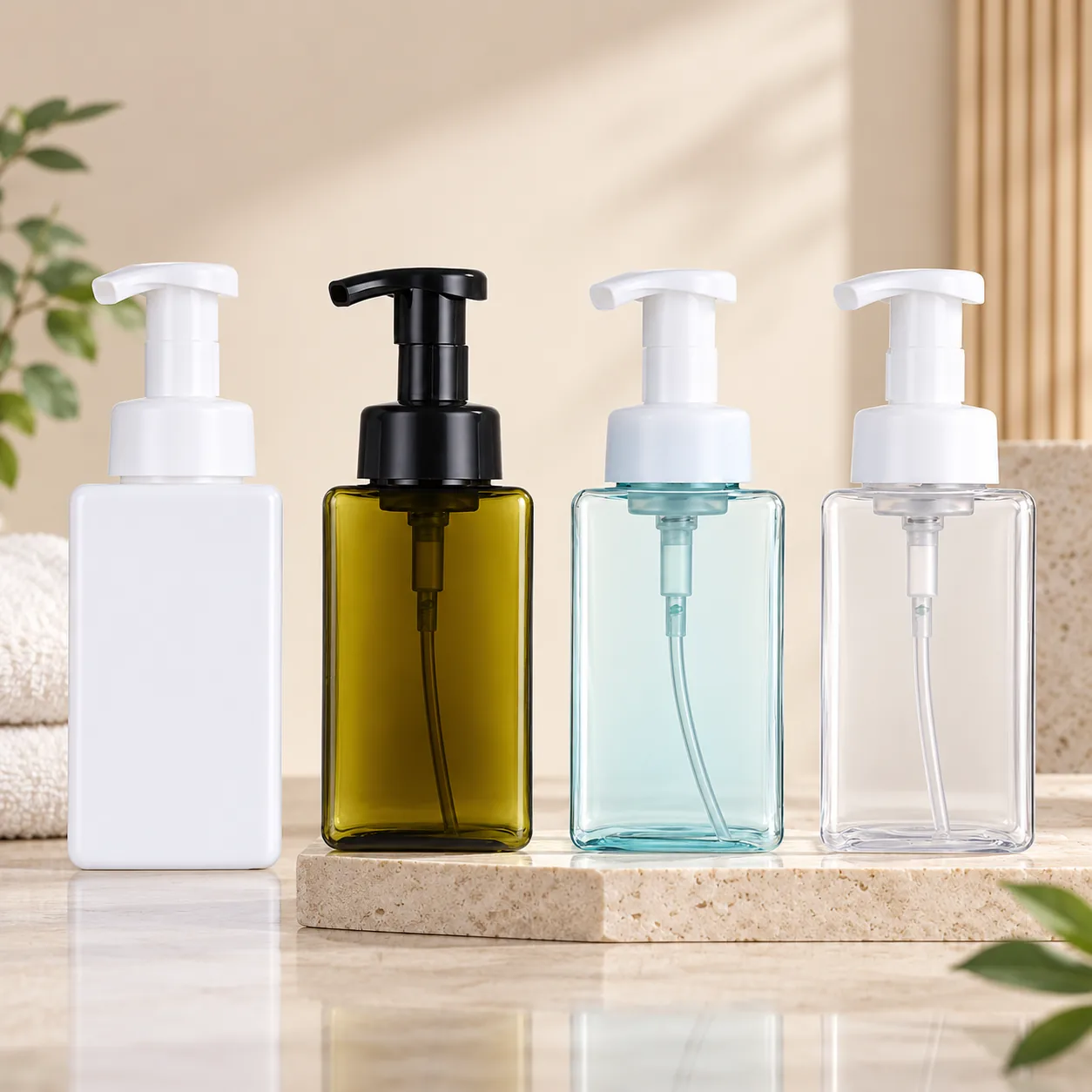
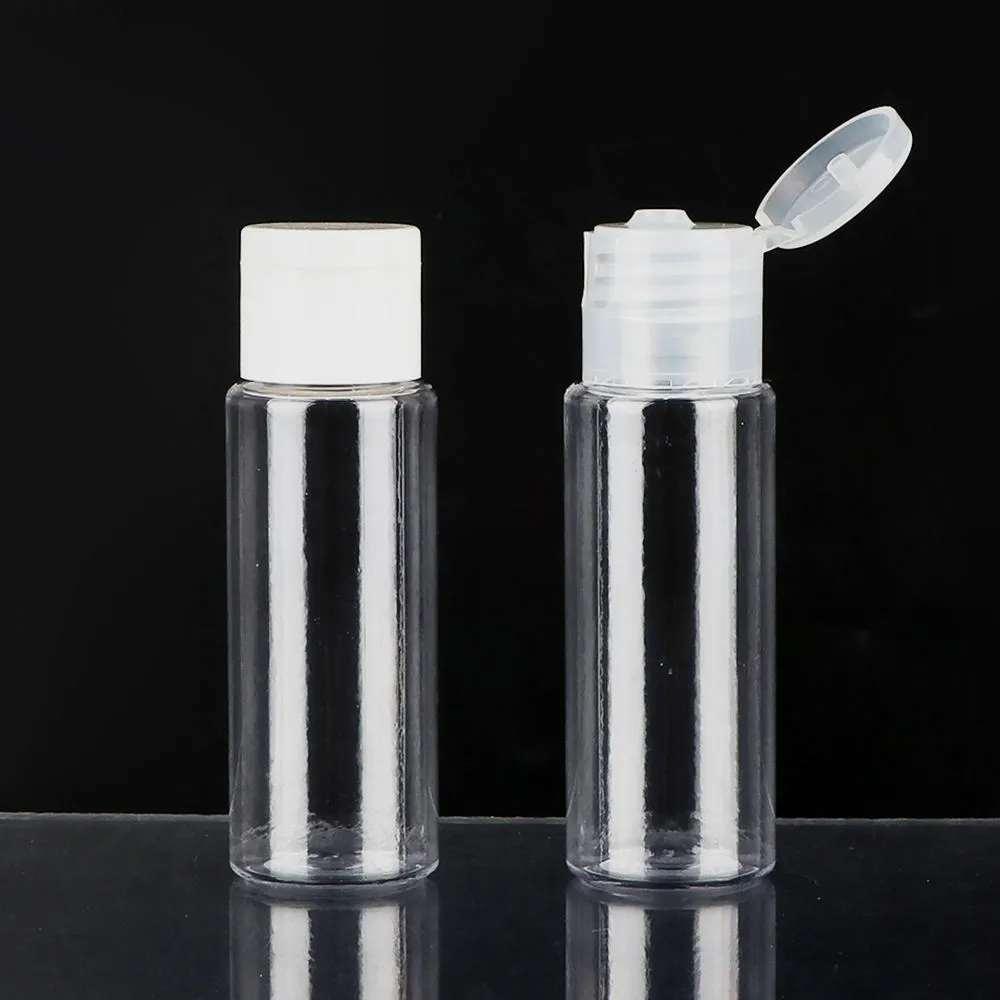
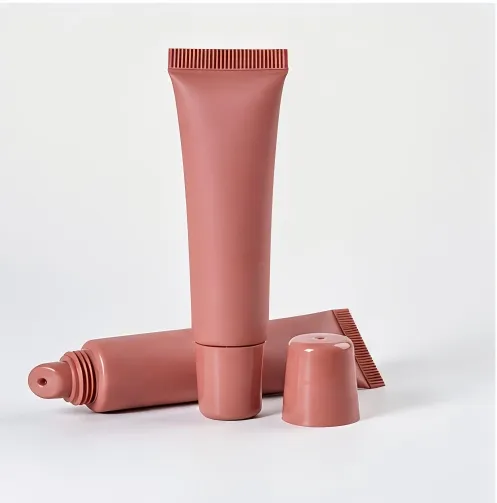
Plastic packaging introduces a different set of variables: resin grade, molding method, wall thickness, shrinkage, color batch, stress cracking, component fit, and recycling claims. Boyu’s plastic cosmetic bottle range shows common formats for skincare, body care, and hair care.
Verify the resin and molding process
Ask for the exact material family and grade used in each component rather than accepting the word “plastic.” PET, PETG, HDPE, LDPE, PP, and acrylic-like multilayer structures behave differently. Confirm whether recycled content is used, whether regrind is allowed, and whether the color masterbatch and resin source will remain controlled during repeat orders.
The molding process must suit the package. Bottles may be extrusion blow molded, injection blow molded, or stretch blow molded; jars, caps, and pump parts are often injection molded. Each process has characteristic risks such as gate marks, flash, sink, uneven walls, oval necks, short shots, black specks, and inconsistent threads.
Test function, not just appearance
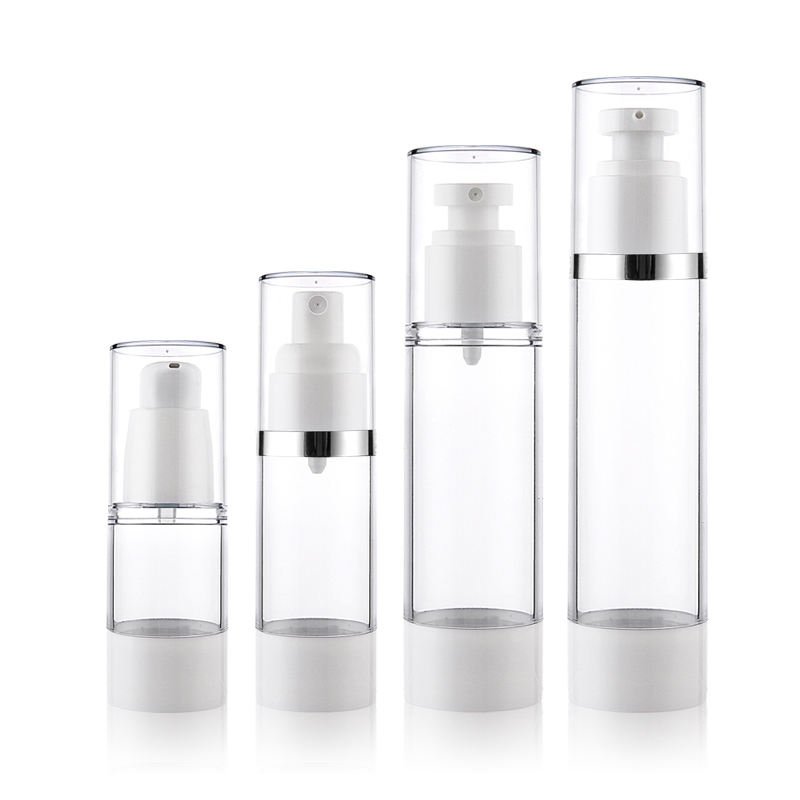
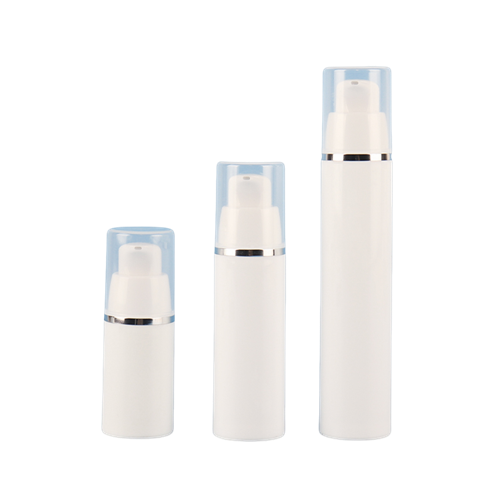
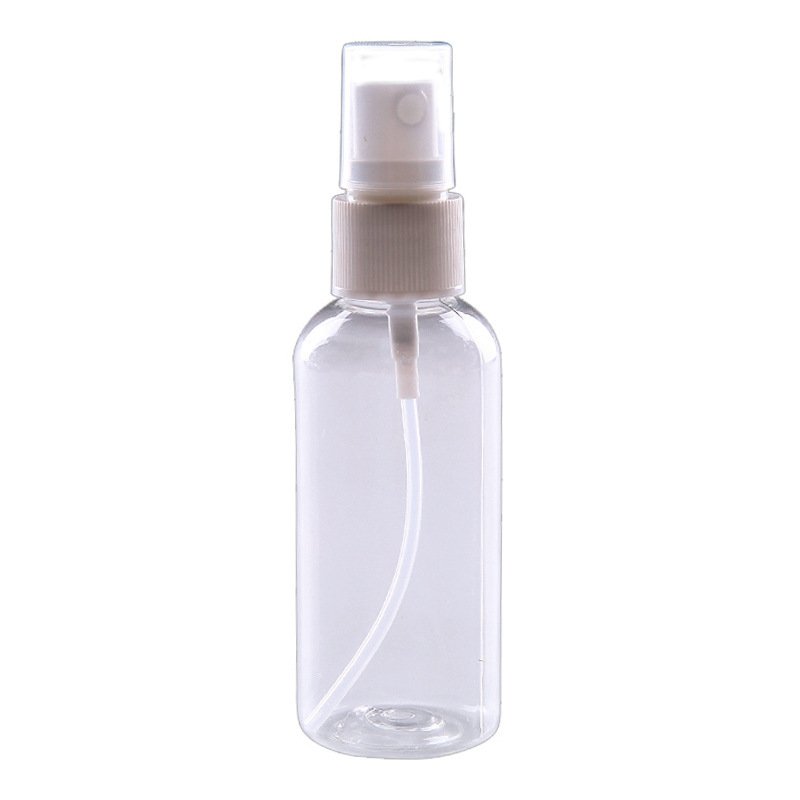
For airless pump bottles, test priming strokes, dose per actuation, evacuation, piston movement, leakage, and recovery after storage. For lotion and shampoo packs, verify pump output with a formula of representative viscosity. For mist sprayers, inspect spray angle, particle consistency, actuation force, leakage, and cap retention.
Confirm filling-line compatibility
Provide the supplier with information about filling temperature, line speed, capping method, torque, labeling equipment, induction sealing, and coding position. A package can pass a manual sample test but still tilt, deform, or jam on an automated filling line. When possible, run a small pilot with production-intent components before the full order.
Treat sustainability claims carefully
Terms such as recyclable, PCR, refillable, and mono-material should be supported by a clear component breakdown and relevant evidence. Ask what percentage is recycled material, which parts contain it, whether color and odor vary, and how the claim fits the recycling infrastructure and regulations in your target market.
A Practical Supplier Evaluation Scorecard
| Area | Suggested Weight | Evidence to Request |
|---|---|---|
| Product and process capability | 25% | Process map, equipment list, similar production samples, subcontracting disclosure |
| Quality system | 25% | Inspection plan, defect standards, test records, traceability, corrective-action process |
| Technical support | 15% | Drawings, material data, compatibility samples, filling-line support |
| Commercial clarity | 15% | Itemized quotation, MOQ by component, tooling ownership, payment and Incoterms |
| Delivery and capacity | 10% | Production plan, capacity evidence, milestone reporting, repeat-order control |
| Communication | 10% | Response accuracy, revision control, ownership of problems, written confirmations |
Adjust the weighting to your project. A complex custom perfume bottle may require more weight on tooling and decoration; a stock shampoo bottle may require more weight on pump availability, filling-line performance, and delivery continuity.
How to Communicate and Negotiate with a Packaging Supplier
Send a complete RFQ
A useful request for quotation includes product type, nominal capacity, target dimensions, fill volume, formula category, viscosity, filling temperature, material preference, neck finish, closure, pump output, color reference, decoration artwork, order quantity, target market, destination, required delivery date, and applicable testing or documentation.
Ask suppliers to quote the same specification. Otherwise, the lowest price may exclude a cap, decoration, assembly, protective packing, or testing included by another supplier.
Negotiate risk allocation, not price alone
Discuss who pays when samples fail, who owns a custom mold, how many sample revisions are included, how color is approved, what happens if production misses the agreed tolerance, and how shortages or defective units are handled. A small unit-price saving is rarely worth accepting vague specifications or no remedy for nonconforming goods.
Use written revision control
After calls or chat messages, send a concise written recap. Assign a revision number to drawings and artwork. Mark outdated files as obsolete. The purchase order should reference the latest approved version and golden sample. This simple discipline prevents a surprising number of color, logo, and component mistakes.
Compare total landed cost
Include tooling, samples, decoration, assembly, inspection, inner packing, cartons, pallets, freight, duty, customs charges, local delivery, and the cost of expected breakage or rejection. Also consider cash tied up in a high MOQ and the commercial cost of a late launch.
Typical Cosmetic Packaging OEM Process
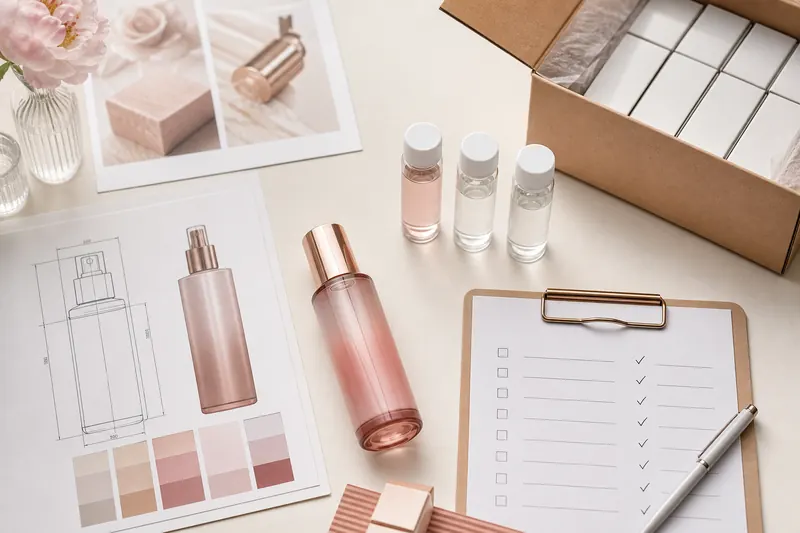
- Project brief: define formula, package format, capacity, components, design, quantity, market, budget, and launch schedule.
- Supplier screening: review relevant capability, sample quality, factory or partner network, documentation, communication, and financial terms.
- Concept and quotation: compare stock packaging, modified stock components, and fully custom tooling.
- Technical confirmation: approve drawings, tolerances, material, neck finish, pump output, artwork, color standards, and packing method.
- Samples and compatibility testing: test the assembled package with the actual formula and intended filling process.
- Golden sample approval: sign and retain matching samples with a documented revision number.
- Purchase order and pre-production meeting: confirm quantity, schedule, inspection plan, payment milestones, shipping marks, and corrective-action terms.
- Mass production: monitor molding, decoration, assembly, and packing milestones; approve first-off production samples when appropriate.
- Pre-shipment inspection: inspect against the signed specification and golden sample before the balance payment or shipment milestone.
- Shipping and incoming inspection: verify quantities, cartons, pallets, transport condition, and incoming quality before releasing packaging to filling.
First-Time Sourcing from China: Risks to Control
Supplier identity and responsibility
Confirm the legal company name on the quotation, contract, invoice, bank account, and export documents. Understand whether the seller manufactures the primary package, coordinates multiple factories, or trades finished goods. The business model matters less than transparency and accountability.
Unverified certificates and test reports
Ask for documents relevant to the specific company, facility, material, and product—not a generic certificate from an unrelated supplier. Check the issuing body, scope, date, report number, tested sample, and target-market requirement. Packaging documentation does not replace the brand owner’s responsibility to confirm compliance.
Sample-to-production mismatch
Clarify whether the sample is handmade, pilot-produced, taken from stock, or made on the intended mass-production tooling. A beautiful prototype may not represent production color, mold seam, weight, decoration, or assembly performance. Use first-off production approval and pre-shipment inspection to close this gap.
Tooling ownership and modification
For custom molds, the agreement should state ownership, storage location, useful-life expectations, maintenance, access, exclusivity, modification approval, and what happens if the relationship ends. Record the mold number and link it to the approved drawing.
Payment and bank-detail changes
Use a company account that matches the contracting entity unless a legitimate structure is fully documented. Treat last-minute bank-detail changes as a fraud risk and verify them through a known contact using a separate communication channel. Link payment milestones to measurable deliverables such as drawing approval, sample approval, production completion, and inspection.
Incoterms and logistics ambiguity
Write the named place and Incoterms version into the quotation and order. FOB Shanghai and FOB Ningbo are not identical commercial offers. Confirm who books freight, handles export customs, provides insurance, pays destination charges, and carries risk at each stage. Glass packaging also requires a realistic breakage and carton plan.
Pre-Order Checklist
- Legal supplier identity and bank information verified
- Manufacturer, subcontractor, and trader roles disclosed
- Final drawing, material, color, artwork, and component list approved
- Actual formula tested in the complete package
- Filling-line and capping compatibility checked
- Golden sample signed and retained by both parties
- Defect classification, tolerances, sampling plan, and remedies agreed
- MOQ, lead time, tooling, packing, and freight inclusions documented
- Pre-shipment inspection booked before goods leave the supplier
- Incoming inspection plan prepared before delivery
Frequently Asked Questions
Should I buy directly from a factory or use a cosmetic packaging supplier?
A direct factory can be efficient for a stable, high-volume, single-process product. An integrated supplier can be more practical when a project combines bottles, pumps, caps, decoration, labels, and secondary packaging from different processes. Choose according to technical control, transparency, and accountability—not the company label alone.
How many suppliers should I compare?
Three qualified candidates are usually more useful than ten unfiltered quotations. Use the same RFQ and scorecard, then compare sample performance, communication, technical evidence, commercial terms, and total landed cost.
Can a supplier guarantee that a bottle is compatible with my formula?
The supplier can provide material data and test samples, but final compatibility must be verified using the actual formula, complete packaging system, filling process, intended shelf life, and distribution conditions. Avoid relying on a generic statement that a material is “cosmetic grade.”
What samples should I request before a bulk order?
Start with stock samples for general structure and feel, then request decorated or production-intent samples for color, artwork, fit, dispensing, and compatibility testing. For custom tooling, distinguish prototypes from samples made on the final production mold.
Is the cheapest cosmetic packaging quotation usually the best?
No. A meaningful comparison must include all components, decoration, testing, packing, freight terms, defect risk, and launch timing. The lowest quoted unit price may become the highest landed cost if pumps fail or packaging must be reworked.
Do I need a third-party inspection?
For a first order, custom tooling, complex decoration, or a commercially important launch, an independent pre-shipment inspection can provide useful evidence. Its value depends on a clear scope: approved sample, drawing, tolerances, defect definitions, sample size, functional tests, packing checks, and required photographs.
Discuss Your Cosmetic Packaging Project
Compare glass, plastic, pump, closure, decoration, and packing options with a clear project brief. Browse Boyu Packaging’s cosmetic packaging products or send your formula category, capacity, quantity, artwork, and destination for a project-specific review.


 English
  Español de Argentina
  Русский
  Italiano
  日本語
日本語  한국어
한국어  العربية
  Français
  Deutsch