
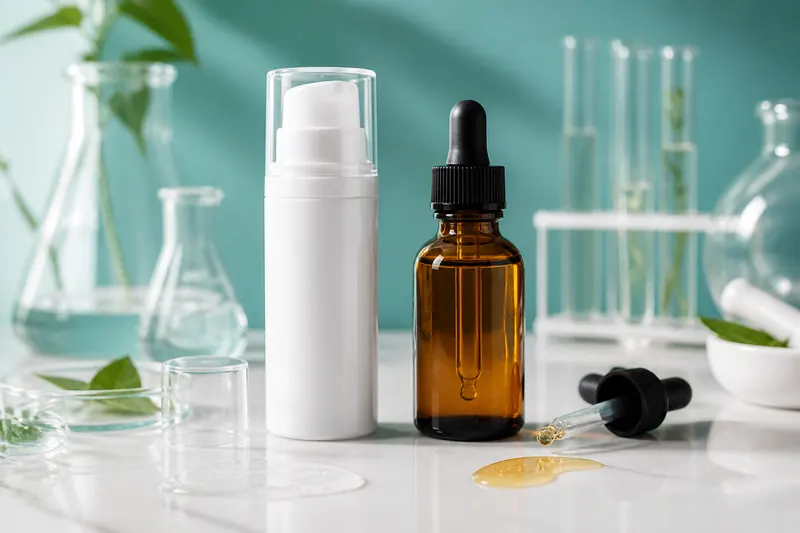
Quick answer: an airless pump is usually the stronger starting point for oxygen-sensitive, contamination-sensitive, or medium-viscosity serums. A dropper bottle often suits low-viscosity serums and facial oils when controlled drops, formula visibility, and a familiar premium ritual matter. Neither format is automatically “best”: the final package must pass compatibility, stability, dispensing, leakage, and transport tests with the actual formula.
Airless Pump vs Dropper Bottle for Serum: At a Glance
| Decision factor | Airless pump | Dropper bottle |
|---|---|---|
| Air exposure during use | Generally limits air return when the system works correctly | Bottle is opened and headspace increases during use |
| Application | One-handed, repeatable pump action | Two-handed, drop-by-drop ritual |
| Formula fit | Thin-to-medium serums that can prime and travel through the pump | Low-viscosity serums and oils that flow cleanly through a pipette |
| User contact | Little direct contact with the bulk formula | Pipette may touch skin or hands and return to the bottle |
| Package complexity | More functional parts and tighter assembly control | Familiar bottle, bulb, collar, pipette, and wiper combination |
| Best buying criterion | Pump performance with the filled formula | Material compatibility, seal integrity, and clean drop control |
How the Two Systems Work
How an airless serum bottle dispenses
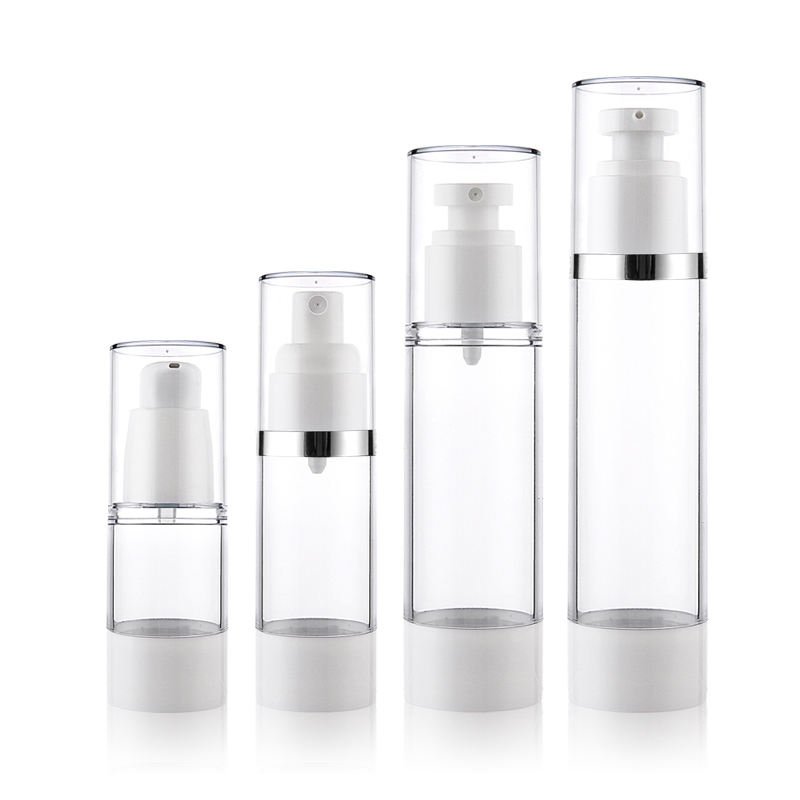
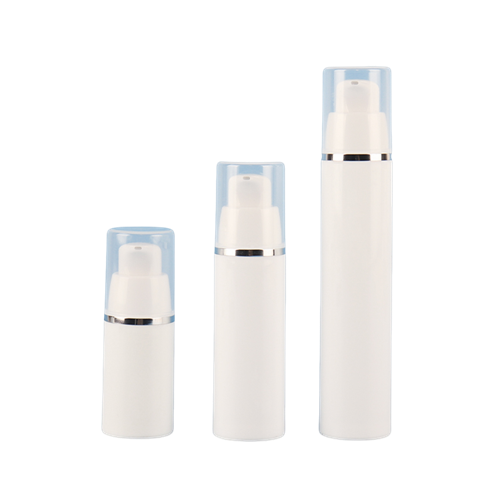
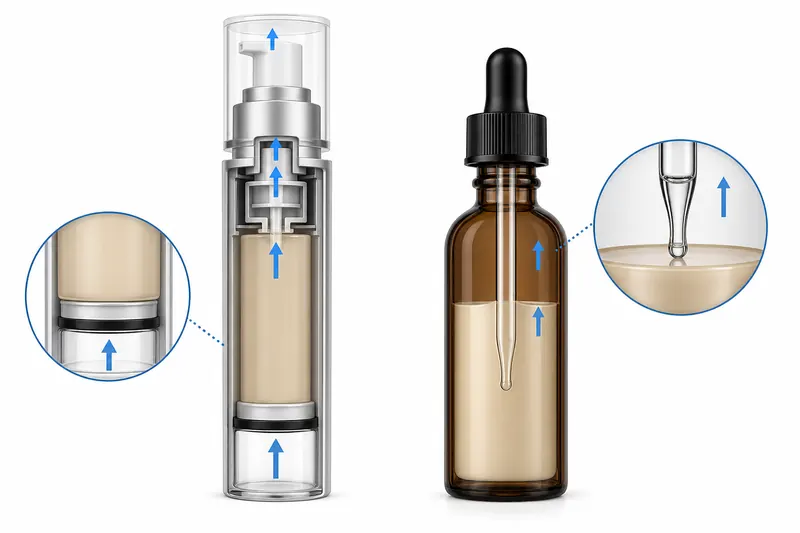
A piston-style airless bottle has a pump chamber above a moving platform. Each actuation creates a pressure change that draws formula into the chamber and pushes a measured portion through the actuator. As product leaves, the platform rises and reduces the empty space beneath the formula. Some airless systems use a collapsible pouch instead of a piston.
“Airless” is an industry description, not a promise of zero oxygen. Air may already exist in the formula, package, or filling environment, and poor assembly can compromise performance. The benefit is that a properly specified system usually reduces repeated air exchange and direct user contact.
How a dropper bottle dispenses
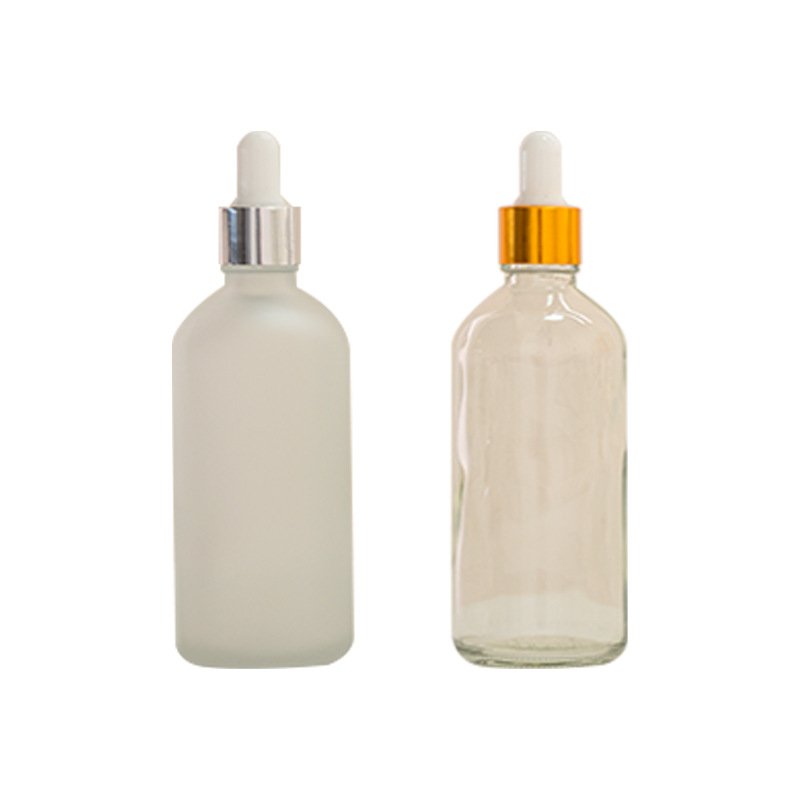
A dropper combines a bulb, collar, pipette, and bottle. Squeezing the bulb expels air; releasing it while the pipette is immersed draws serum upward. A second squeeze releases drops. The format offers visible, intuitive control, but the bottle is opened at every use and the pipette can be exposed to hands, skin, or bathroom surfaces.
Airless Pump Advantages and Limitations
Where airless packaging performs well
- Formula protection: limited air return can support an appropriate protection strategy for oxidation-sensitive formulations.
- Cleaner use: consumers do not normally insert an applicator into the formula.
- Controlled output: a matched pump can deliver a consistent portion, helping users follow directions.
- Convenience: one-handed dispensing works well for daily skincare routines and travel.
- Light management: opaque packs can help shield light-sensitive contents.
What buyers need to watch
Airless systems have more functional interfaces than a simple bottle and cap. Pump output, priming, piston movement, venting, closure torque, actuator locking, and formula viscosity must work as a system. A highly viscous serum may not refill the pump chamber quickly, while a very thin product can reveal sealing weaknesses. Complex multi-material packs may also be harder to recycle than simpler formats, depending on local infrastructure.
Dropper Bottle Advantages and Limitations
Why brands continue to use droppers
Droppers communicate precision and remain familiar in facial oils and treatment serums. Standard glass formats can create a premium appearance without a custom mold, and amber or coated glass can improve light protection. The consumer can see the formula and adjust the number of drops.
Common trade-offs
Every opening changes the package environment. The pipette may touch skin and return to the bottle, so the package should not be used to justify eliminating preservation or safety testing. Bulb elastomers, pipette materials, closure liners, coatings, and decorative inks all need compatibility review. Glass also adds weight and breakage risk, which can require dividers, protective cartons, or stronger e-commerce testing.
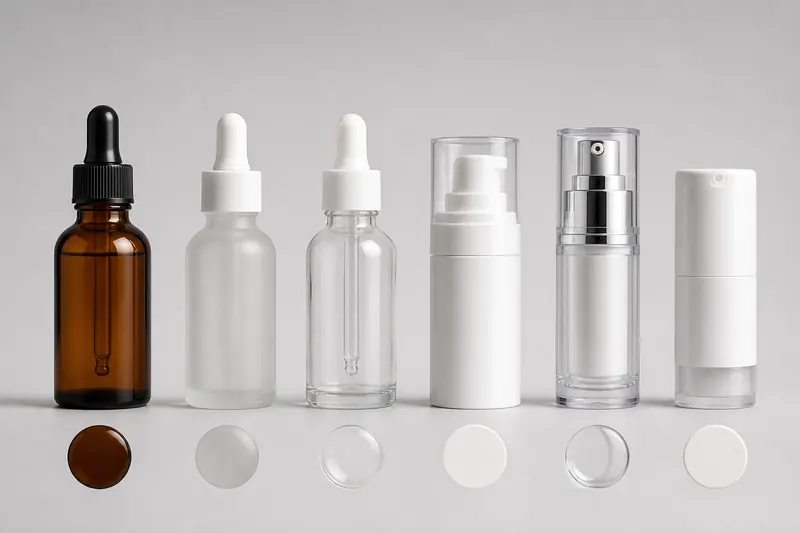
Which Bottle Fits Different Serum Formulas?
- L-ascorbic acid vitamin C: begin by evaluating an opaque airless system, then confirm stability with the actual formula. Oxygen and light control are especially relevant.
- Retinoid, peptide, or botanical serums: airless packaging is often shortlisted when exposure control is a priority.
- Hyaluronic acid or water-gel serum: a compatible airless pump can provide clean dosing, but higher viscosity needs careful priming and evacuation tests.
- Facial oil and anhydrous blends: an amber glass dropper is a natural starting point when the oil flows cleanly and the bulb is compatible.
- Very thin serum: a dropper or a low-output airless pump may work; leakage and spray-like discharge should be tested.
- Acid exfoliants: evaluate every wetted part, including gaskets, liners, metal components, pipette, bulb, and internal pump pathway.
Glass vs Plastic Serum Bottles
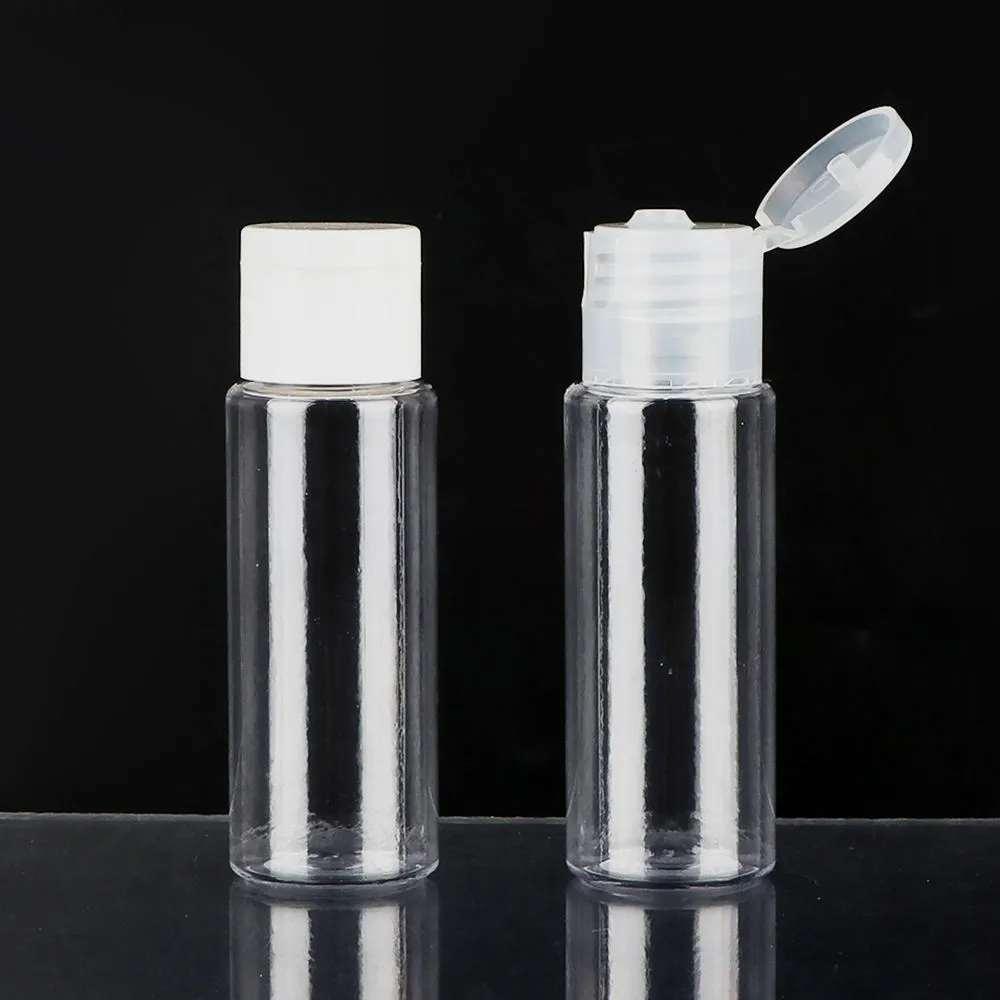
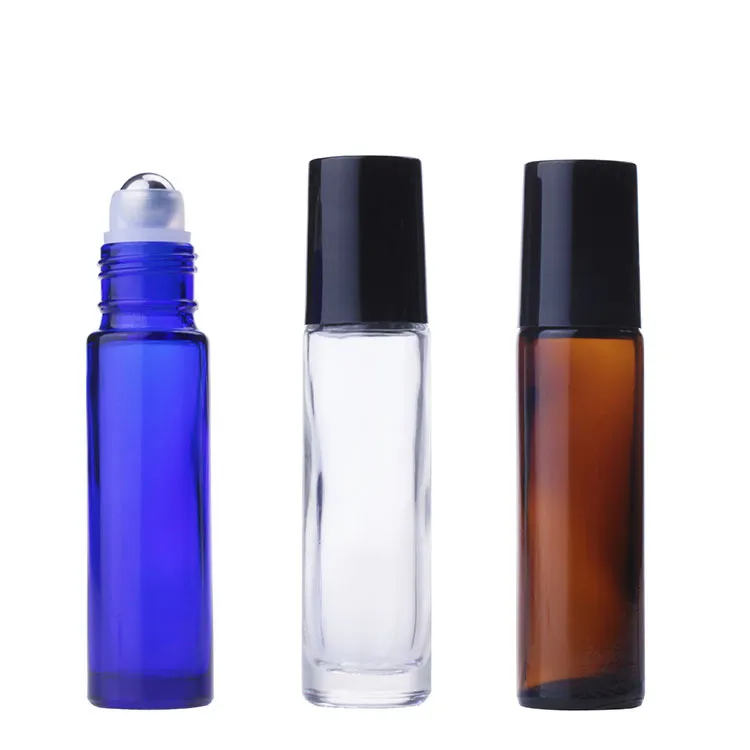
Glass droppers offer a premium feel and strong barrier properties, and glass is widely accepted in many recycling systems. They are heavier and breakable. Amber glass or an effective coating may be preferable to clear glass for light-sensitive formulas.
PET or PETG dropper bottles are lighter and more resistant to shattering. Buyers must confirm resin-grade compatibility, barrier needs, decoration, and local recyclability; PETG acceptance varies by market.
PP- or PE-based airless systems are lightweight and can be made opaque. Designs that reduce material combinations may simplify sorting, but “mono-material” claims should be checked against the complete pack, including spring, cap, and decoration.
Glass-look or glass airless packs can add visual depth and a luxury hand feel. Their system weight, component count, breakage behavior, and separation instructions should be considered before making sustainability claims.
Cost, Convenience, Safety, and Sustainability
Compare the landed packaging system, not only the bottle
A standard glass dropper can have an accessible component price, while an airless system may involve more parts and functional inspection. That does not make the dropper automatically cheaper. Include breakage allowance, protective packaging, decoration reject risk, filling speed, assembly labor, leakage, consumer complaints, and freight weight. Tooling, MOQ, unit price, and lead time depend on the selected model and decoration and should be confirmed with Boyu for a live project.
Safety depends on compatibility and process control
Airless packaging reduces normal user contact but is not sterile. Dropper packaging is not unsafe by definition. Both require an appropriate formula safety strategy, hygienic production, package compatibility, and controlled filling. Avoid claims such as “preservative-free because it is airless” unless supported by qualified testing and regulatory review.
Sustainability needs a complete-pack assessment
Package weight, recycled content, material separation, local collection, product protection, and damage rates all matter. A package that fails in transit or causes formula disposal can erase gains from a lighter component. Ask suppliers for a complete bill of materials before comparing options.
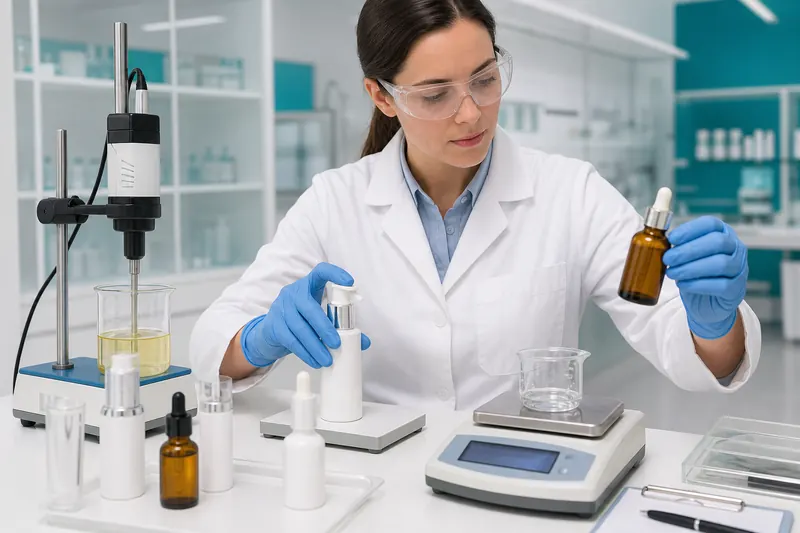
Compatibility Tests a Serum Brand Should Run
- Formula screening: document viscosity, pH, density, solvents, oils, surfactants, and known sensitive ingredients.
- Filled-package stability: store production-representative samples under the brand’s defined conditions and controls.
- Functional dispensing: check priming strokes, output consistency, recovery time, droplet behavior, clogging, and end-of-use evacuation.
- Material compatibility: inspect swelling, cracking, softening, discoloration, odor change, corrosion, delamination, and decoration migration.
- Leak and closure integrity: test upright, inverted, and side orientations according to the distribution plan.
- Consumer-use simulation: repeat opening, pumping, wiping, and storage cycles with realistic contamination controls.
- Transport testing: evaluate vibration, drop, compression, temperature changes, and e-commerce handling where relevant.
A Practical Selection Workflow for Serum Manufacturers
- Define the formula risks and target dose before choosing a visual style.
- Shortlist two or three stock systems from airless pump bottles and dropper bottles.
- Request the complete component specification and identify every formula-contact material.
- Fill undecorated samples with the real serum and test function before approving artwork.
- Confirm that the pack runs on the intended filling and capping equipment.
- Approve color, decoration, torque, output, leakage criteria, and a signed reference sample.
- Use an agreed cosmetic packaging sampling process and pre-shipment inspection plan.
- Keep change control in writing so resin, gasket, spring, bulb, coating, or subcontractor changes are not made silently.
Buying Serum Bottles from China: Risk-Control Notes
First-time importers should send a concise requirement sheet containing formula type, fill volume, target dose, annual forecast, decoration, market, filling method, and shipment conditions. Ask whether the supplier manufactures the complete pack or sources specific components, and define who owns tooling and approved artwork. Use production-representative samples rather than judging only empty display samples.
If a custom mold is not essential, compare stock packaging vs custom mold packaging before committing. For supplier qualification, see how to choose a cosmetic packaging manufacturer. Any MOQ, production time, certification scope, or product-specific claim should be confirmed by Boyu against the chosen item and current order conditions.
Frequently Asked Questions
Is an airless bottle completely free of air?
No. It is designed to limit air return during dispensing, but oxygen can come from the formula, filling process, package headspace, or imperfect sealing.
Is an airless pump better for vitamin C serum?
It is often a sensible first candidate for oxygen- and light-sensitive vitamin C formulas, especially in an opaque pack. The real answer must come from stability and compatibility testing with the finished formula.
Can facial oil go in an airless bottle?
Yes, if the oil viscosity and chemistry are compatible with the pump and seals. Droppers remain popular for oils because they offer direct drop control and a familiar ritual.
Is glass always safer than plastic for serum?
No. Safety depends on the complete formulation-package interaction. Glass can be an excellent barrier, while plastic can provide shatter resistance and functional airless dispensing. Both require testing.
Which format costs more?
It varies by stock model, material, decoration, order quantity, testing, secondary packaging, and freight. Compare total landed cost and failure risk rather than only the empty component price.
Need a Serum Packaging Compatibility Shortlist?
Share your formula type, viscosity range, fill volume, target dose, decoration, and destination market. Boyu Packaging can help compare suitable stock airless and dropper systems for sampling and testing.
 English
  Español de Argentina
  Русский
  Italiano
  日本語
日本語  한국어
한국어  العربية
  Français
  Deutsch