Short answer: Choose a plastic cosmetic bottle or tube manufacturer by verifying what it actually makes, whether its equipment matches your package, how it controls materials and critical dimensions, and whether it can reproduce an approved sample in mass production. A certificate, quotation, factory video, or low price is useful evidence, but none is sufficient on its own.
For a first order from China, the practical sequence is: define the package specification, shortlist factories with the right process, verify the business and quality system, test production-representative samples, agree inspection criteria, and place a controlled first order. This guide explains what buyers should request at each stage.

Start by Defining What the Manufacturer Must Make
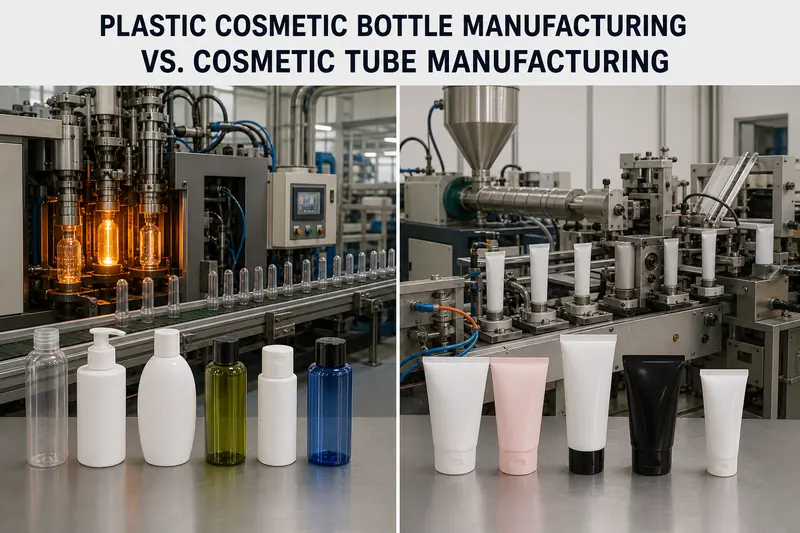
“Plastic cosmetic packaging” covers several manufacturing processes. A supplier that produces PET bottles may not extrude PE tubes, mold airless systems, manufacture pumps, or decorate components in-house. The first question is therefore not “Are you a factory?” but “Which operations for my project are performed at your facility?”
| Package | Typical process | Capabilities to verify |
|---|---|---|
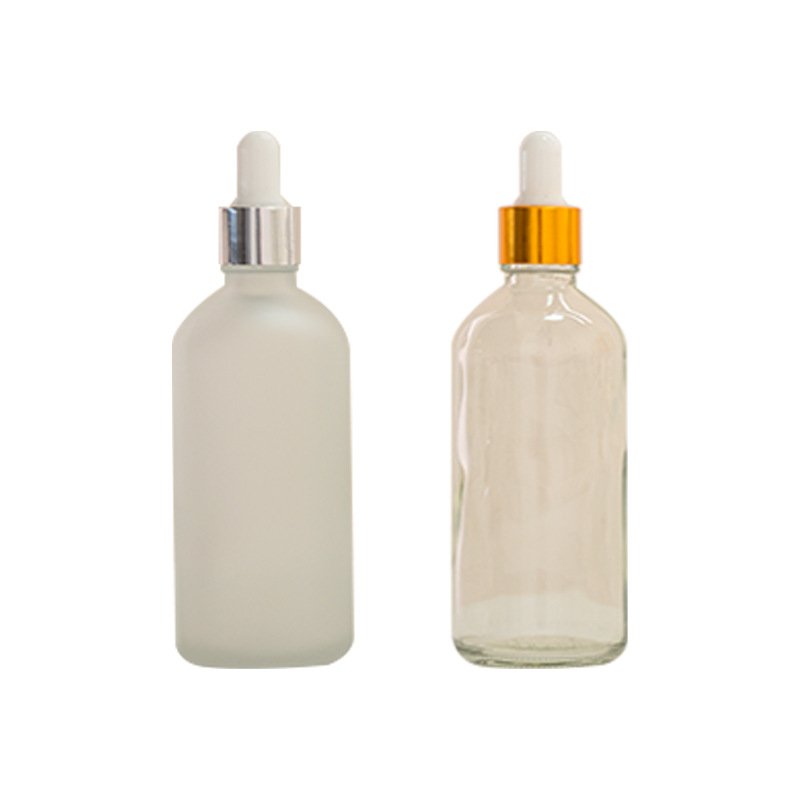
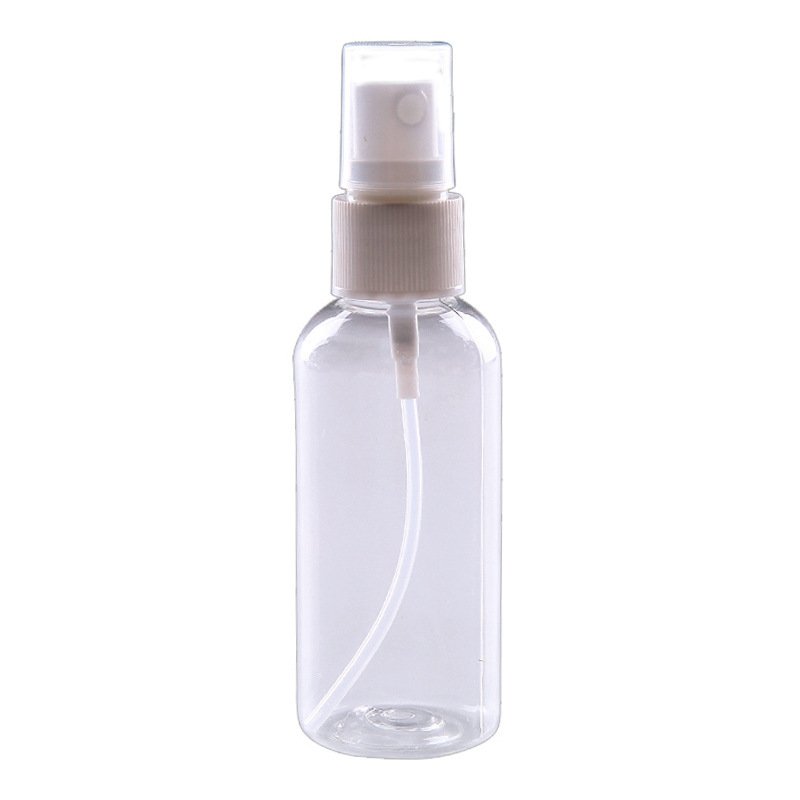
| PET bottle | Injection stretch blow molding | Preform control, neck dimensions, wall distribution, leak testing |
| HDPE or LDPE bottle | Extrusion blow molding | Bottle weight, flash trimming, paneling, color consistency |
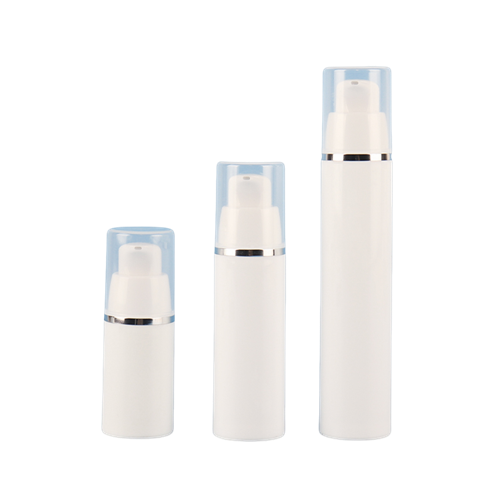
| PP component | Injection molding | Mold condition, fit, gate marks, dimensional control |
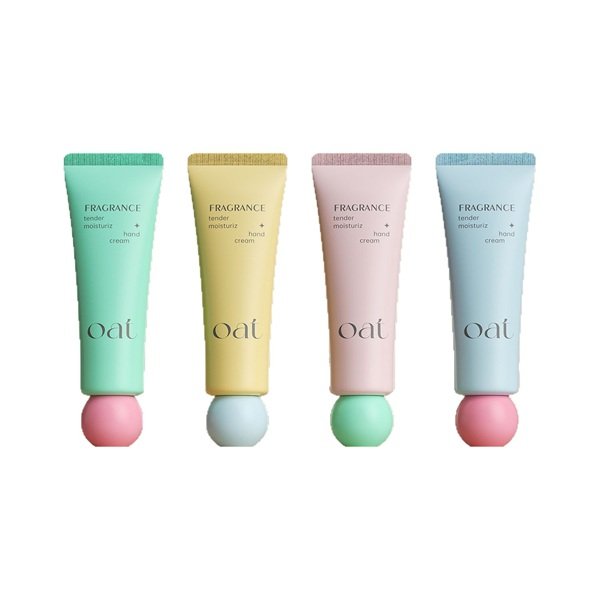
| PE cosmetic tube | Extrusion, heading, printing and sealing | Layer structure, wall thickness, head bond, print registration, end seal |
| ABL or PBL tube | Laminate forming and side seaming | Barrier structure, seam integrity, delamination and compatibility |
If you need both formats, an integrated supplier may coordinate several plants. That is not automatically a weakness. What matters is disclosure, approved subcontractors, incoming inspection, traceability, and one party taking responsibility for the finished specification.
Eight Standards for a Reliable Chinese Supplier
1. The legal entity matches the quotation and payment account
Request the Chinese business license, registered company name, address, and unified social credit code. Compare them with the quotation, contract, bank beneficiary, certificate holder and export documents. If a trading company will receive payment, document its relationship with the manufacturing site.
2. The production process matches your product
Ask for an equipment list, process flow and recent factory video showing the requested process. During a live video audit, ask the supplier to move from raw-material storage to molding, decoration, assembly, inspection and finished-goods storage. A prepared showroom alone does not establish manufacturing capability.
3. Materials are specified and traceable
The purchase specification should identify the resin family and grade when required, PCR percentage if claimed, color masterbatch, formula-contact components and any laminate structure. Ask how incoming resin lots are identified and how unauthorized substitutions are prevented. “Cosmetic-grade plastic” is not a complete specification.
4. Critical dimensions are measured
For bottles, review neck finish, sealing surface, weight, brimful capacity, dimensions and closure fit. For tubes, review diameter, length, wall or laminate construction, orifice, cap fit, head bond and seal quality. The factory should be able to show drawings, tolerances, gauges and inspection records appropriate to the component.
5. Samples represent the proposed production
A shelf sample can confirm size and general appearance. It cannot approve a custom resin, color, decoration or assembly. Before mass production, obtain a production-representative sample with the intended bottle or tube, cap, pump, printing and surface treatment. Test it with the actual formula.
6. Quality records can be produced
Ask for anonymized examples of incoming inspection, first-article approval, in-process checks, nonconformance handling, final inspection and corrective action. A usable record identifies the item, batch, date, test method, result, inspector and disposition.
7. Communication produces controlled documents
Fast replies are helpful, but accuracy matters more. Specifications agreed in chat should be consolidated into a signed drawing, artwork, color standard, bill of materials, approved sample and purchase contract. Production should not depend on scattered messages.
8. The supplier accepts inspection and corrective action
A factory should agree on defect definitions, sampling plan, inspection timing and remedies before production begins. Be cautious when a supplier refuses third-party inspection, cannot define acceptance criteria, or proposes shipping before resolving a documented failure.
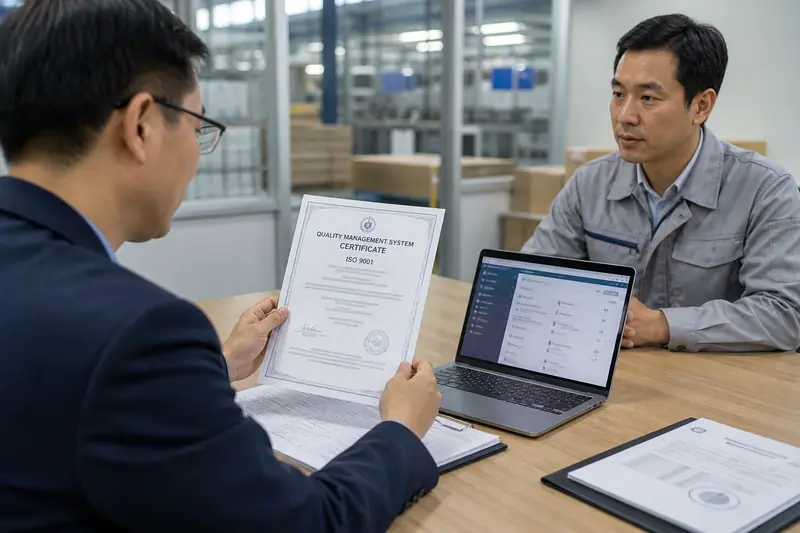
How to Read an ISO 9001 Certificate
ISO 9001 specifies requirements for a quality management system. Certification can indicate that a third party audited the organization’s system, but it does not certify that a particular bottle or tube is defect-free or suitable for your formula.
Check the following:
- Legal name and address: Do they match the factory you are evaluating?
- Scope: Does it cover manufacture of plastic packaging, bottles, tubes or relevant components rather than an unrelated activity?
- Standard and edition: The claim should state the full reference, such as ISO 9001:2015.
- Certificate number, issue and expiry dates: Confirm that the document is current.
- Certification and accreditation bodies: Identify who issued the certificate and whether it operates under recognized accreditation.
- Independent verification: Search the certificate through the issuing body, accreditation body or IAF CertSearch when available.
ISO itself does not certify companies. It develops standards. A certificate should therefore not be treated as valid simply because it displays an ISO logo. Also request evidence that the system is used: batch records, calibration status, corrective actions, internal audits and management review are more informative than a framed certificate.
How to Judge Factory Capacity and Lead Time
Do not evaluate lead time as one unexplained number. Ask the supplier to separate:
- Engineering and drawing confirmation
- Mold or tooling development, if required
- Color matching and decorated sample approval
- Raw-material and component preparation
- Molding or tube production
- Decoration, assembly and curing
- Final inspection, packing and release
For Boyu-specific timing, request a written schedule for the selected item; do not apply a generic website estimate to every project. Capacity should be checked against your required quantity, number of colors, decoration passes, component sourcing and planned launch date.
Ask what happens when one operation is delayed. A supplier with a credible plan should identify the critical path, reserved production window, backup equipment or approved subcontractor, and the date by which artwork and deposits must be confirmed. “Fast delivery” without a dated schedule is not a production plan.
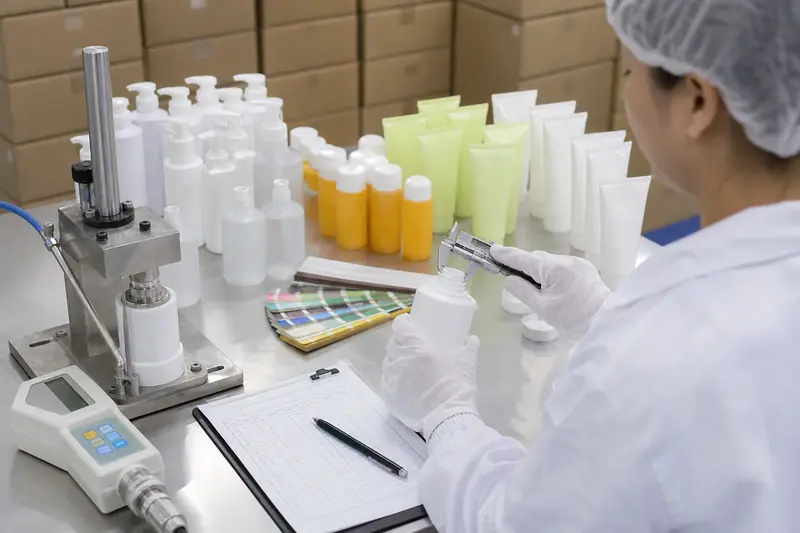
Sample and Quality Checks Before the First Order
Use the actual formula and final closure system during compatibility testing. Inspect dispensing, leakage, stress cracking, odor, discoloration, label adhesion and decoration resistance under conditions defined by your technical team. Water-filled testing can reveal basic leaks but does not demonstrate formula compatibility.
Create a signed golden sample and a written defect list. Typical checks include:
- Dimensions, weight, capacity and appearance
- Closure fit, application torque and seal integrity
- Pump output, spray pattern or tube dispensing
- Tube head bond, side seam and end seal
- Leakage in upright, horizontal and inverted orientations as appropriate
- Print position, adhesion, color and abrasion resistance
- Carton strength, dividers, bagging and shipment labeling
For more detail, read Boyu’s guides to the cosmetic packaging sampling process and pre-shipment packaging inspection.
First Order From China: A Practical Risk Checklist
- Send one RFQ package. Include drawings, capacity, material, formula category, quantity, decoration, closure, destination and target date.
- Clarify Incoterms. State the named place and current Incoterms rule in the quotation and contract.
- Approve artwork technically. Confirm printable area, color reference, white ink, orientation, seam position and barcode readability.
- Control changes. Require written approval before changing resin, component source, mold, color, decoration or packing.
- Define defects. Agree critical, major and minor defect examples before inspection.
- Inspect before final payment or shipment. Use your team or an independent inspection company according to project risk.
- Keep retention samples. Both parties should retain labeled samples from the production lot.
- Plan logistics early. Confirm carton dimensions, gross weight, pallet requirements and shipping marks before booking.
Red Flags During Supplier Selection
- The company name changes between the certificate, quotation and bank account without explanation.
- The supplier cannot identify which processes are in-house.
- Samples are offered, but no drawings or material specification are available.
- The certificate scope or address does not match the manufacturing activity.
- Production begins before artwork, color and samples are approved.
- Quoted lead time excludes decoration or outsourced components.
- The supplier refuses inspection or will not document corrective action.
- Product claims are made without test reports applicable to the exact material or item.
Questions Buyers Commonly Ask
Is a manufacturer always better than a trading company?
No. A specialized trading or project-management company can coordinate bottles, pumps, tubes and decoration effectively. The issue is transparency and control: know who manufactures each component, how it is inspected, and who is contractually responsible.
Does ISO 9001 guarantee product quality?
No. It concerns the quality management system. It can increase confidence in consistent processes, but buyers still need product specifications, representative samples, formula compatibility testing and batch inspection.
Should I choose bottles and tubes from the same supplier?
It can simplify communication and color coordination, but only if the supplier controls both supply chains. Evaluate capabilities and quality controls for each product family separately.
How can I check a factory without visiting China?
Use a live video audit, legal-document review, certificate verification, production records, representative samples and an independent factory or pre-shipment inspection. Combine several forms of evidence rather than relying on a recorded factory tour.
What information should I send for an accurate quotation?
Send capacity, dimensions or reference model, resin, formula category, closure, quantity per SKU, color, decoration, artwork, packing requirements, destination, Incoterm and target delivery date. State whether you need a stock mold or custom tooling.
Conclusion
A reliable manufacturer is not defined by one certificate or a polished sales presentation. It is defined by a verifiable legal identity, appropriate equipment, controlled materials, measurable specifications, representative samples, traceable records and a workable response when something fails.
Buyers comparing plastic cosmetic bottles and cosmetic tubes can send Boyu Packaging the formula category, package format, capacity, closure, decoration, quantity and destination. The next step should be a product-specific recommendation and sample plan—not an assumption that one plastic package fits every formula.
Request a Packaging Sample Review

 English
  Español de Argentina
  Русский
  Italiano
  日本語
日本語  한국어
한국어  العربية
  Français
  Deutsch