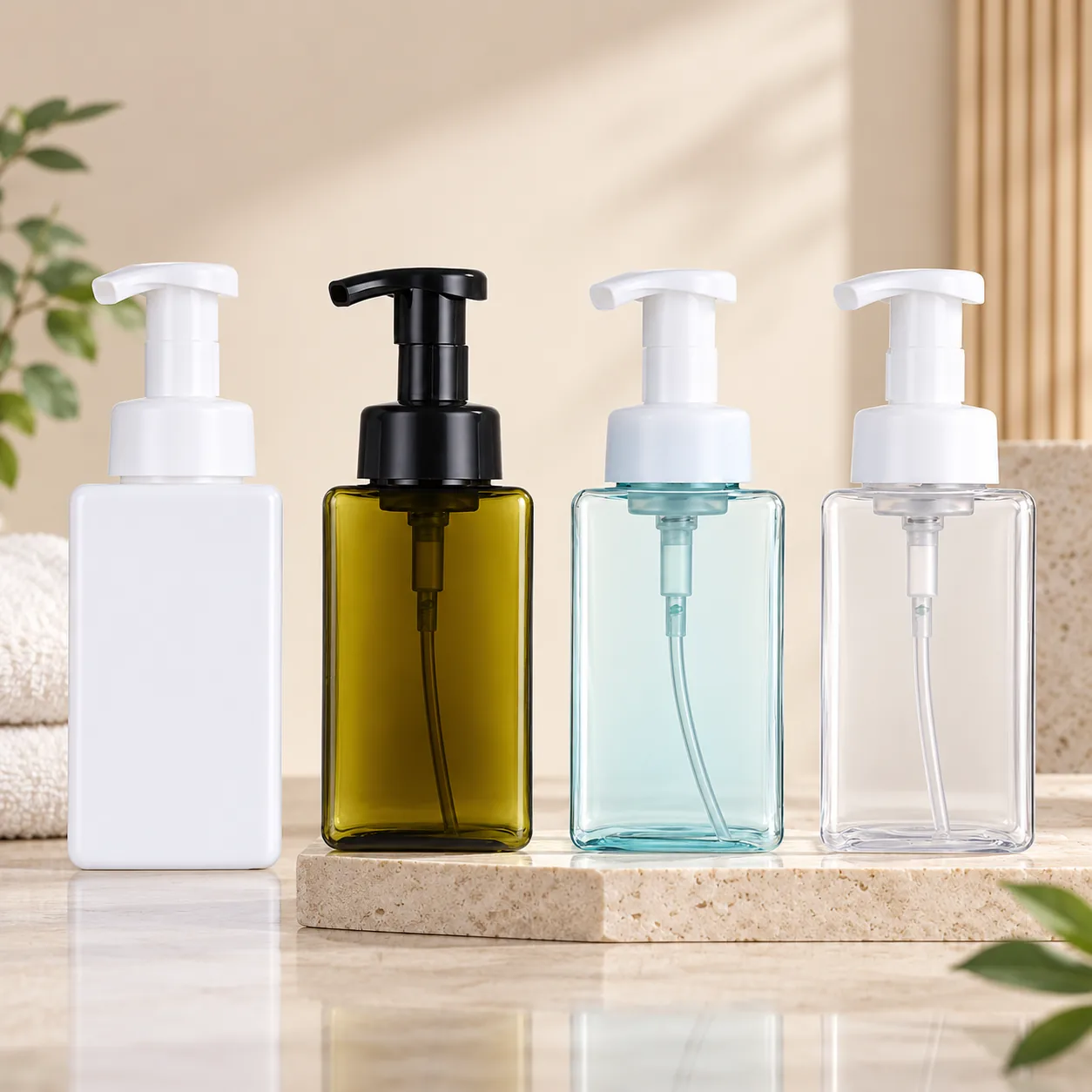
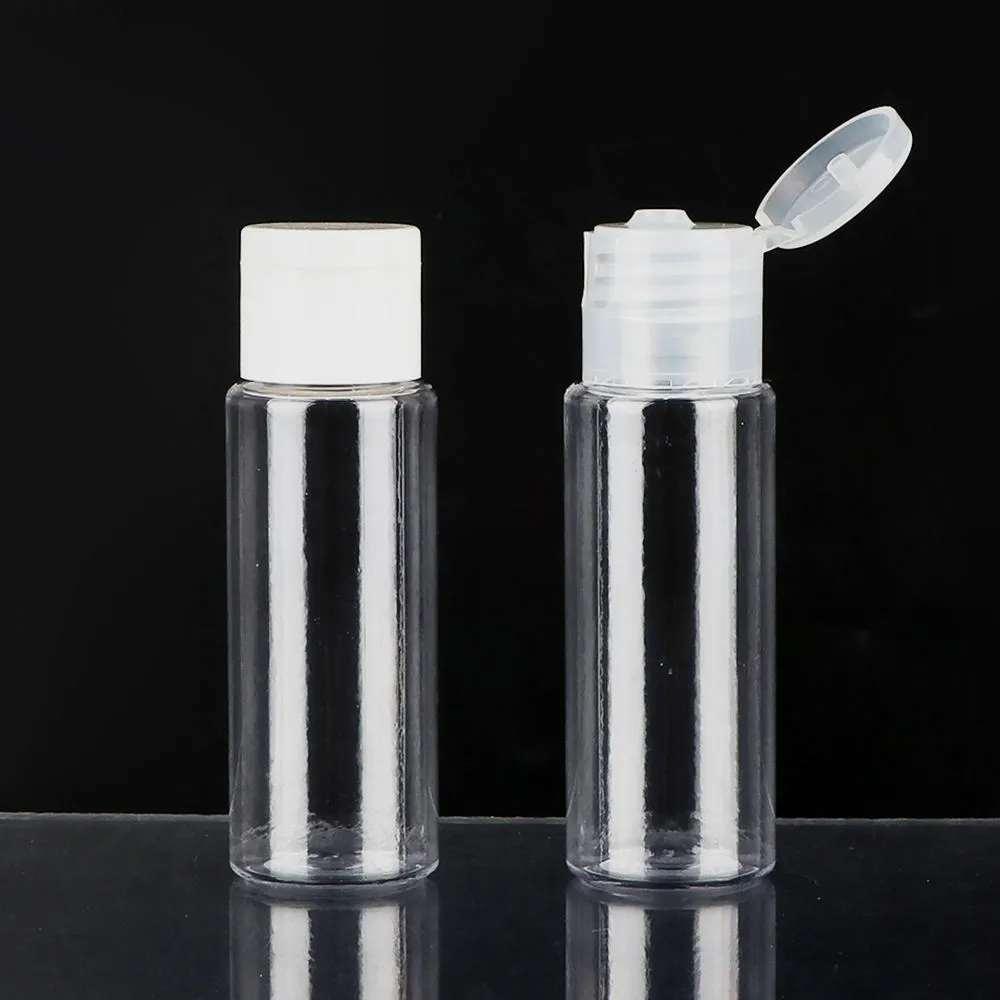
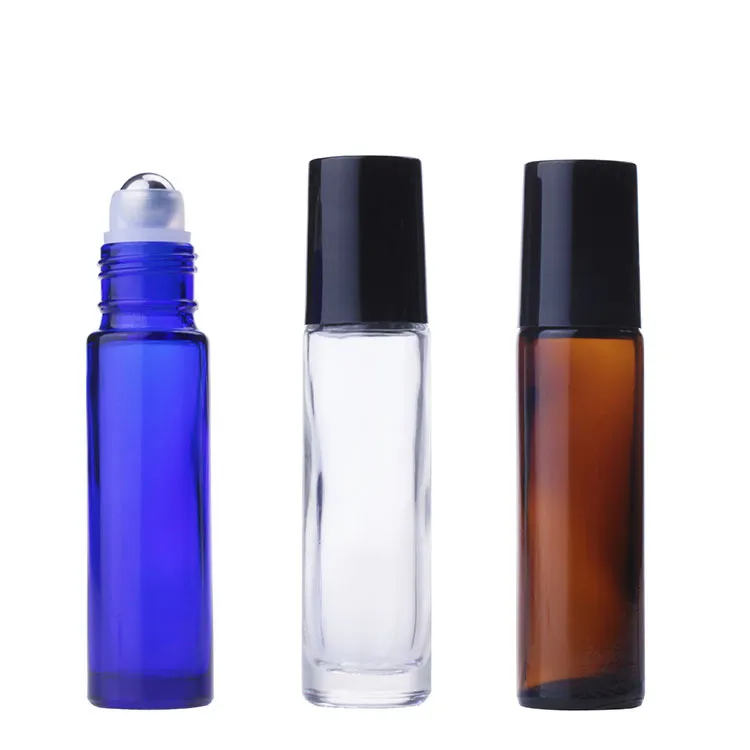
How do you inspect cosmetic packaging before shipment? Start with an approved specification and golden sample, confirm that the order is complete and packed, draw units randomly from the entire lot, and check identity, appearance, dimensions, function, decoration, labeling, and export packing. Record every defect by severity and compare the results with the buyer-approved sampling plan before releasing the shipment.
That short answer matters because a pre-shipment inspection (PSI) is not a final glance at a few attractive cartons. It is a controlled decision about whether a finished production lot is suitable to ship. For cosmetic packaging, the inspection must connect what the buyer approved during sampling with what the factory actually produced at scale.
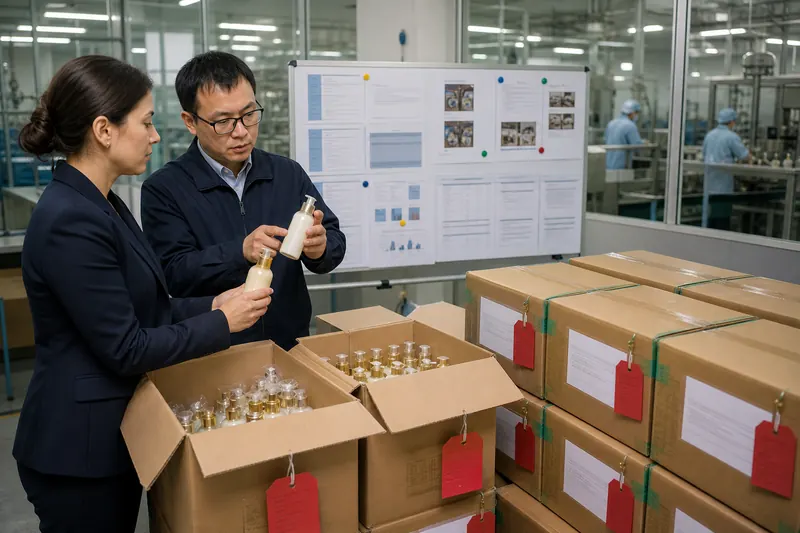
What a Pre-Shipment Inspection Can—and Cannot—Prove
A PSI can detect visible, dimensional, functional, quantity, labeling, and packing problems in a finished lot. It is especially useful for finding mixed colors, leaking pumps, poor printing, incorrect components, damaged cartons, and production that does not match the approved sample.
It cannot replace formula-compatibility studies, migration testing, long-term stability testing, regulatory review, or a properly designed transport-validation program. Those activities should be completed earlier. If you are still approving colors, closures, or formula contact materials on inspection day, the project is not ready for shipment.
For a new project, keep the approved samples, drawings, artwork, test methods, and signed specifications together. Our guide to the cosmetic packaging sampling process explains how this reference package should be established before mass production.
When Should the Inspection Take Place?
Schedule the final inspection when production is complete and the order is substantially packed, so cartons can be selected from the real shipping lot. Inspecting too early creates a blind spot: the remaining units may come from another machine, cavity, shift, or decoration batch.
For a new supplier, a custom mold, technically difficult decoration, or a costly launch, add an in-process inspection before the final PSI. Early checks can catch a drifting color, unstable pump output, neck-finish mismatch, or artwork-registration problem while correction is still practical.
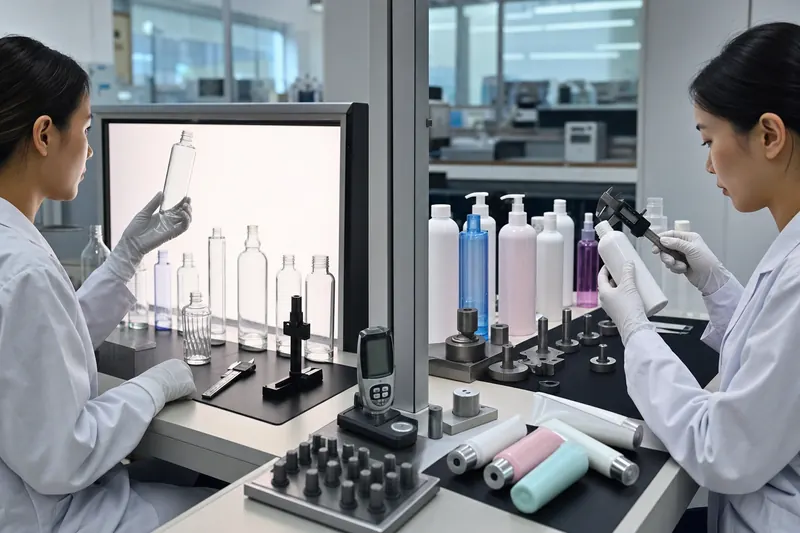
Who Should Inspect Cosmetic Packaging?
Factory quality-control team
Factory QC should control incoming materials, production, assembly, decoration, and packing. Its report is valuable, but it is not fully independent. Buyers should still define the inspection criteria and retain the right to verify the lot.
Buyer or sourcing representative
A buyer’s representative understands brand priorities and can make commercial decisions quickly. The inspector still needs packaging experience, calibrated equipment, and a written checklist; familiarity with the brand alone is not enough.
Independent third-party inspector or laboratory
An independent inspector is useful for first orders, high-value shipments, or suppliers that the buyer cannot visit. A qualified laboratory is more appropriate for material identification, compatibility, regulatory, or long-duration performance testing. Give either party your specification—do not ask them simply to “check quality.”
Cosmetic Packaging Pre-Shipment Inspection Process
1. Define the lot and confirm production status
List every SKU, color, capacity, mold number, quantity, and packing configuration. Confirm how many units are finished and packed. Separate reworked goods and replacement units so they cannot be mixed into the sampling frame without identification.
2. Build the inspection package
Provide the purchase order, approved drawing and tolerances, bill of materials, signed golden sample, color standard, artwork, decoration limits, functional test methods, packing specification, and destination labeling requirements. A photograph is useful, but it is not a substitute for measurable requirements.
3. Classify defects before inspection
Agree which defects are critical, major, or minor for this product. A sharp glass edge, contamination, or wrong material may be critical. A leaking closure or unreadable required label is normally major. A small cosmetic mark within an agreed limit may be minor. Classification must reflect product use and market risk, not a generic internet list.
4. Select a defensible sampling plan
Attribute-sampling standards such as ISO 2859-1 or ANSI/ASQ Z1.4 use the lot size, inspection level, and chosen acceptance quality limit (AQL) to determine a sample size and acceptance/rejection numbers. There is no universal AQL for every cosmetic package. Select it in the contract according to defect severity, product risk, supplier history, and the cost of failure. Sampling reduces uncertainty; it does not prove that every unit is defect-free.
5. Draw samples randomly across the shipment
The inspector—not the supplier—should select cartons from different pallet positions and units from different levels within cartons. Samples should represent all SKUs and, where traceable, multiple shifts, cavities, and production batches. Never accept a prepared “inspection sample” as evidence for the full lot.
6. Verify quantity, identity, and documentation
Count packed units and cartons, check SKU and component combinations, compare purchase-order quantities, and verify carton marks, barcodes, country-of-origin information, batch identification, and required documents. Confirm that bottles, caps, pumps, dip tubes, liners, and accessories are the approved versions.
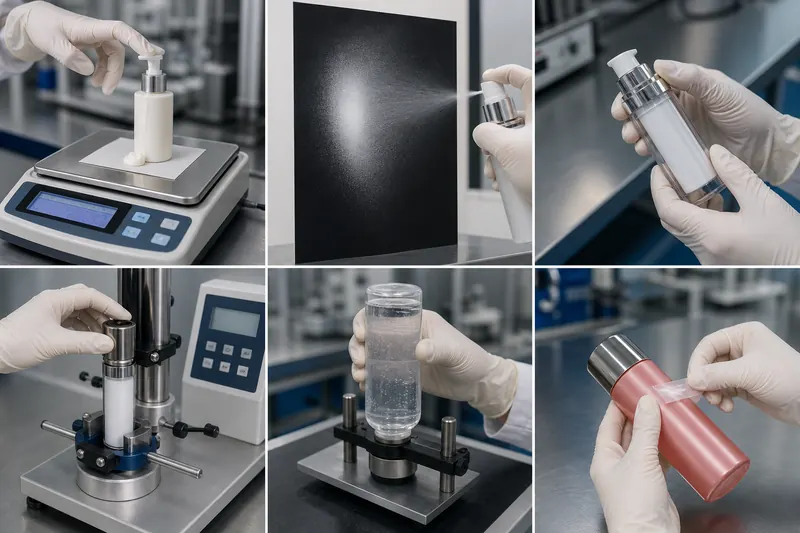
7. Perform visual, dimensional, and material-specific checks
Use neutral lighting and, when applicable, a light box, calibrated calipers, gauges, scale, torque tester, and capacity equipment. Compare appearance and color with the approved standard under defined conditions—not with memory or a phone screen.
| Material or component | Inspection priorities | Typical shipment risks |
|---|---|---|
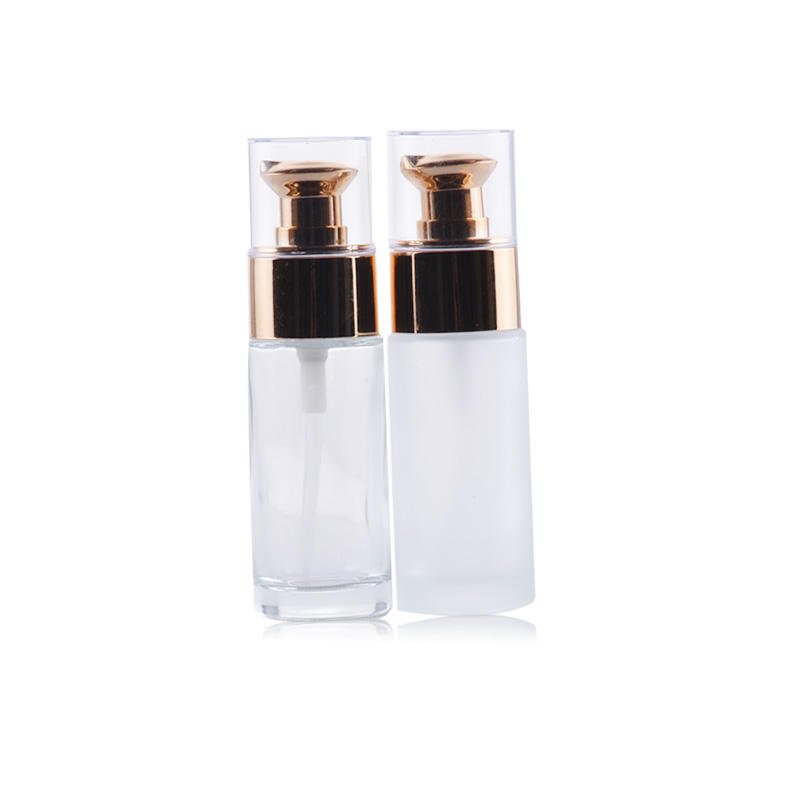
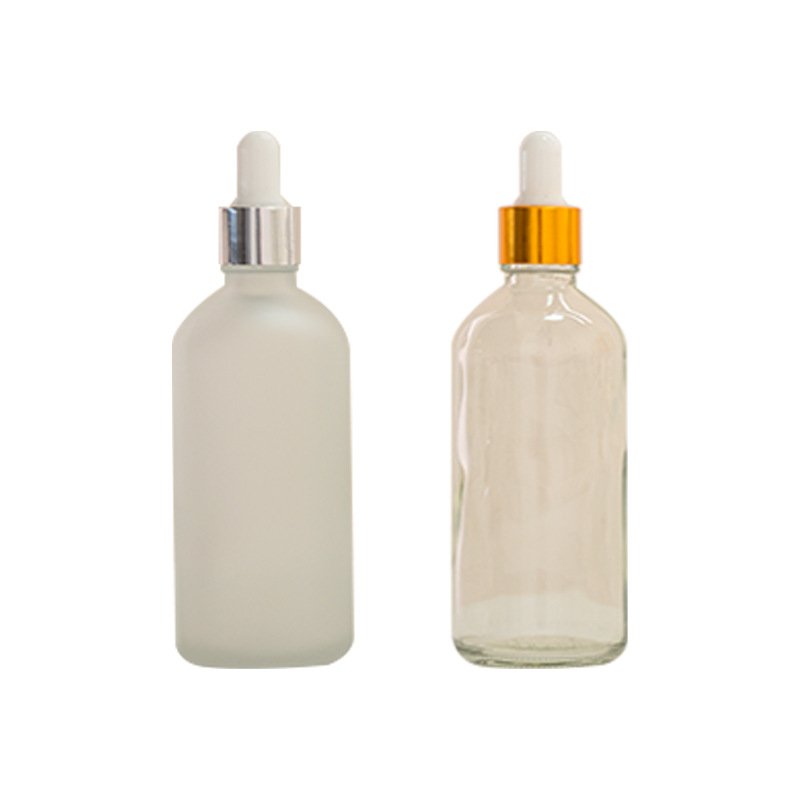
| Glass packaging | Cracks, chips, stones, bubbles within limits, verticality, base and wall distribution, neck finish, weight, dimensions, coating and decoration | Breakage, unstable standing, poor closure fit, sharp edges, color-batch variation |
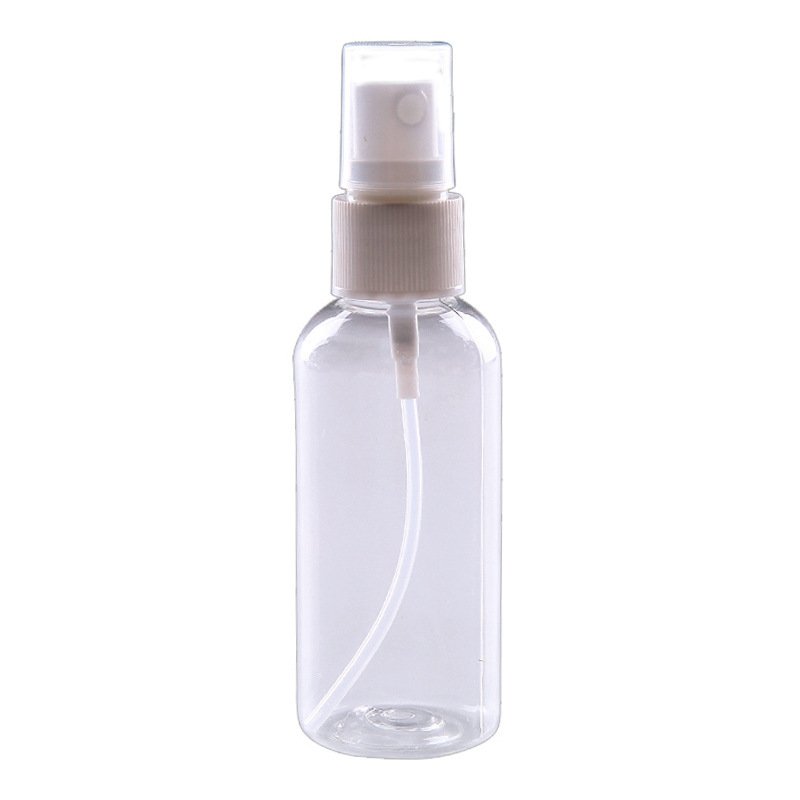
| PET or PETG | Clarity, haze, black specks, gate condition, wall distribution, flash, paneling, dimensions, drop performance if specified | Distortion, stress cracking, poor transparency, thread mismatch |
| HDPE, LDPE or PP bottles | Color, odor, warpage, molding seam, pinch-off, squeeze recovery, neck dimensions, cap fit and environmental stress-crack testing when specified | Leakage, paneling, inconsistent squeeze, flash, color variation |
| Acrylic, AS or ABS assemblies | Scratches, sink marks, weld lines, concentric assembly, coating, metallization, color and component engagement | Visible premium-surface defects, loose assemblies, coating damage |
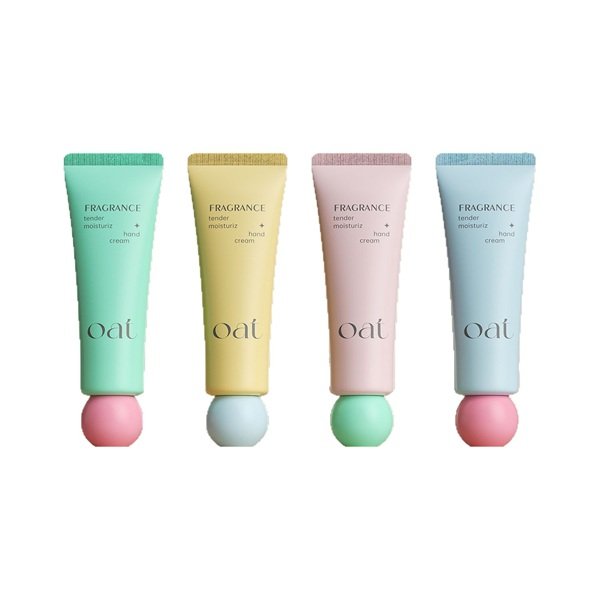
| Cosmetic tubes | Tube structure, shoulder bond, side seam where applicable, end seal, print registration, cap torque, leak or burst test when specified | Seal failure, crooked printing, cap leakage, delamination |
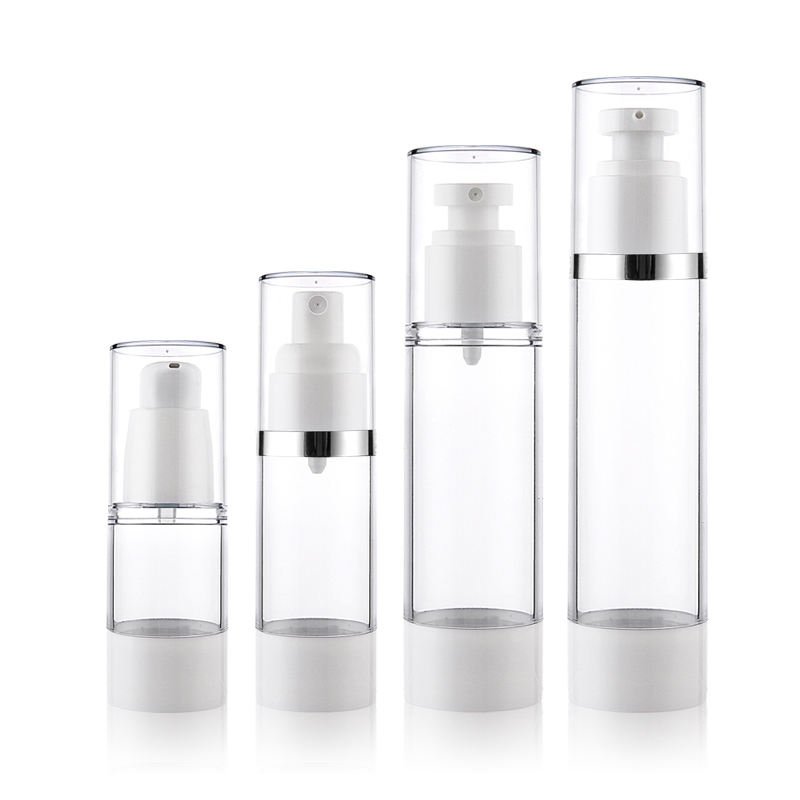
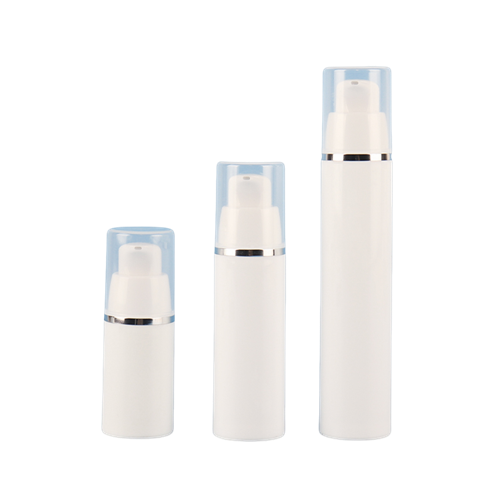
| Pumps, sprayers and airless systems | Priming strokes, dosage output, spray pattern, dip-tube length, closure torque, leakage, lock function, overcap fit and piston movement | No output, weak spray, leakage, wrong dosage, tube blockage, poor airless priming |
8. Test function and decoration
Measure critical dimensions, brimful and stated capacity where relevant, component weight, closure torque, pump output, priming, spray pattern, leakage, dip-tube fit, and airless bottle piston movement. Test print and coating adhesion or rub resistance using the approved method. Use the intended formula or a validated test medium when viscosity or chemistry affects performance.
9. Inspect packing and shipping protection
Check dividers, polybags, dust protection, carton strength and dimensions, unit orientation, pallet stability, moisture protection, carton marks, and count per carton. Confirm that decorated surfaces cannot rub during transit. ASTM D4169 offers a framework for evaluating shipping units against distribution hazards, but a quick carton check during PSI is not a substitute for a planned transport-test program.
10. Issue an evidence-based report
The report should show the lot and sampling plan, production status, cartons selected, equipment used, defect counts by classification, measurements, test results, photographs, and a clear pass, fail, or pending conclusion. A “pass” means the sampled lot met the agreed acceptance criteria; it does not mean zero defects exist.
What to Do When the Inspection Fails
- Hold the shipment. Do not release final payment or loading until the disposition is agreed.
- Segregate the affected lot. Identify defects by SKU, carton, cavity, shift, decoration batch, or component supplier.
- Investigate the root cause. Ask for evidence, not only a promise that the problem will be fixed.
- Choose a controlled disposition. Options may include 100% sorting, rework, component replacement, remake, written concession for a genuinely acceptable deviation, or rejection.
- Verify correction. Reinspect a completed corrective lot using the agreed plan. Who pays for reinspection should be stated in the purchase contract.
- Prevent recurrence. Update drawings, limit samples, work instructions, control plans, or supplier monitoring. Consider tightened inspection for subsequent lots where justified.
Never accept a verbal waiver for a significant deviation. A concession should identify the exact lot, defect, quantity, commercial remedy, and confirmation that regulatory and product-safety requirements remain satisfied.
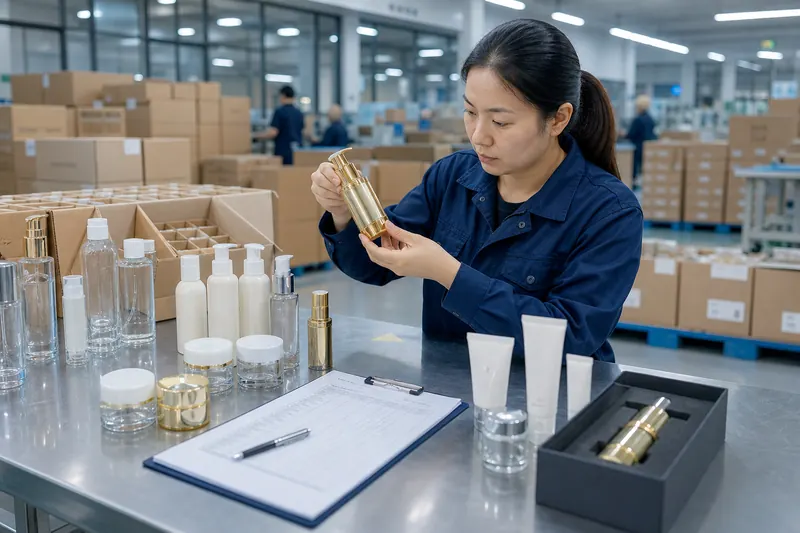
Risks First-Time Buyers Importing from China Should Control
- Vague specifications: define materials, dimensions, tolerances, color, decoration, closure fit, performance, packing, and defect limits.
- Uncontrolled substitutions: require written approval before changing resin, glass composition, pump, liner, masterbatch, coating, or subcontractor.
- Unrepresentative samples: approve production-representative samples and retain matching golden samples with both parties.
- Mixed production: request lot, cavity, and batch traceability appropriate to the risk.
- Payment exposure: connect the final payment milestone to inspection and document approval in the contract.
- Formula mismatch: complete compatibility and stability testing with the actual formula before mass production.
- Labeling assumptions: the importer remains responsible for destination-market requirements. Verify required identity, net contents, ingredient, warning, and responsible-party information as applicable.
- Shipping damage: approve export packing and validate it for the intended distribution route, not only the factory-to-port journey.
Supplier selection also matters. Review manufacturing capability, change control, traceability, complaint handling, mold ownership, subcontracting, and evidence from previous orders—not only the quotation. See how to choose a cosmetic packaging manufacturer and compare stock packaging vs. custom mold packaging before committing tooling or volume.
Frequently Asked Questions
What percentage of the order should be complete before inspection?
For a final PSI, the lot should be complete and substantially packed so random selection represents the shipment. If completion status is lower, document the limitation and schedule another inspection for the remaining goods.
What AQL should I use for cosmetic packaging?
There is no single correct value. Define critical, major, and minor defects, then choose sampling parameters based on product risk, destination rules, supplier performance, and commercial consequences. A pump used for a sensitive eye-area formula may require different controls from a secondary decorative cap.
Is a factory QC report enough?
It may be sufficient for a mature, consistently performing supplier under a risk-based program, but new or high-risk orders benefit from buyer or third-party verification. Always review the actual data and photos rather than accepting a one-line “passed” statement.
Can pre-shipment inspection confirm formula compatibility?
No. Compatibility and stability require controlled contact with the actual formulation over time and under defined conditions. PSI can confirm that the approved packaging components are present and perform agreed short-term checks.
Who pays when an inspection fails?
The purchase agreement should define inspection, rework, replacement, reinspection, and delay costs. Without written terms, responsibility becomes a negotiation at the worst possible time.
What if defects are found after a lot passed inspection?
Quarantine affected inventory, record lot codes and defect evidence, notify the supplier promptly, and follow the contract’s claims process. Acceptance sampling manages risk; it never eliminates it. Retention samples and traceability make the investigation much faster.
Build Inspection into the Purchase Order
The strongest PSI starts before the order is placed. Attach measurable specifications, approved samples, defect definitions, sampling rules, inspection timing, access rights, corrective-action obligations, and release conditions to the purchase agreement. This turns inspection from a last-minute argument into a repeatable quality gate.
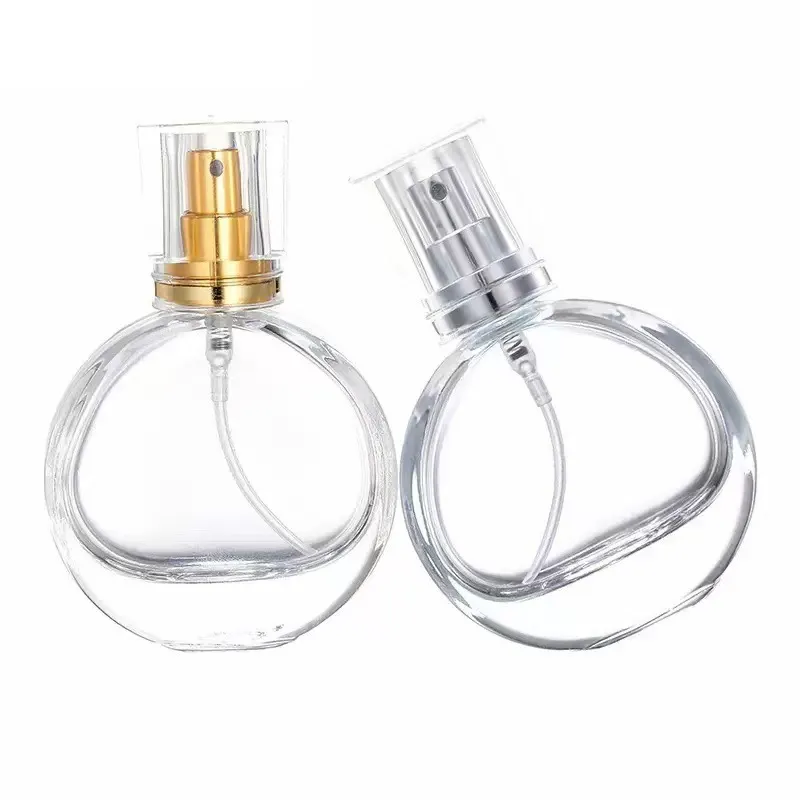
Boyu Packaging supplies a range of cosmetic packaging, including glass and plastic containers, pumps, tubes, jars, and perfume packaging. Contact Boyu Packaging with your formula type, target market, capacity, decoration, quantity, and testing requirements so the project team can discuss an appropriate specification and quality plan.
References and Further Reading
- International Organization for Standardization, ISO 2859-1:2026—Sampling procedures for inspection by attributes.
- American Society for Quality, ANSI/ASQ Z1.4 and Z1.9 sampling standards.
- American Society for Quality, Attribute and variable sampling overview.
- ASTM International, ASTM D4169—Performance testing of shipping containers and systems.
- U.S. Food and Drug Administration, Cosmetics GMP guidelines and inspection checklist.
- U.S. Food and Drug Administration, Summary of cosmetics labeling requirements.
Technical note: Inspection criteria should be adapted to the package, formula, intended use, destination market, and agreed contract. Regulatory requirements can change; consult qualified testing and regulatory professionals for your specific product.


 English
  Español de Argentina
  Русский
  Italiano
  日本語
日本語  한국어
한국어  العربية
  Français
  Deutsch