Direct answer: Retinol is usually better packaged in an opaque, well-validated airless pump than in a conventional wide-mouth jar. Retinol is vulnerable to light and oxidation, and an airless system limits repeated air exchange while dispensing without fingers entering the product. However, “airless” does not mean oxygen-free: initial headspace, package permeability, pump design, light transmission and the formulation itself still determine stability.
A jar can remain viable for a very thick or particulate cream, but it needs strong light protection, a tight closure, controlled consumer access and finished-pack stability data.
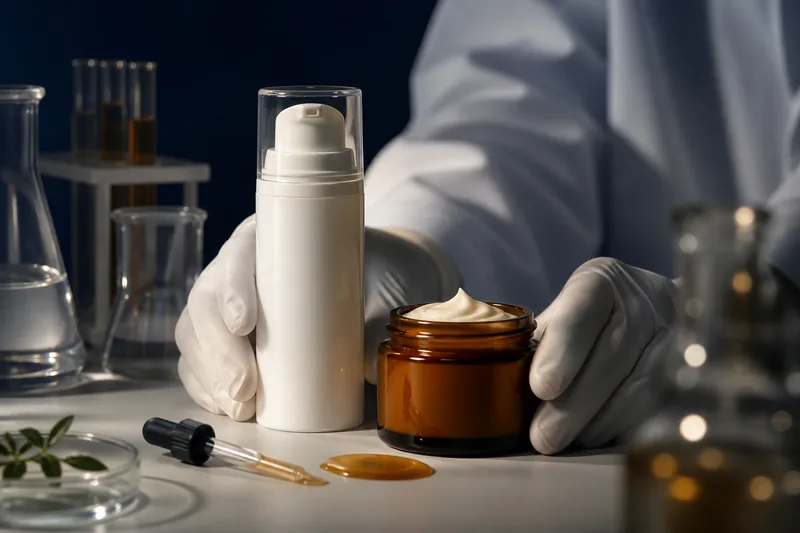
Why does retinol packaging matter?
Retinol has a conjugated molecular structure that is susceptible to light-driven change and oxidation. A study of commercial retinoid cosmetics reported that light degradation was more pronounced than temperature-induced degradation, while formulation and product characteristics strongly affected stability. This is why packaging must be evaluated with the formula, not chosen from an ingredient name alone.
Three exposures matter after filling: light transmitted through the package, oxygen already present in the formula or headspace, and additional oxygen entering through dispensing or permeation. Heat, metal ions and the oxidation of oils in the formulation can also accelerate loss. Antioxidants, chelators, encapsulation and manufacturing controls are therefore partners to protective packaging—not substitutes for it.
Airless pump versus jar for retinol
| Criterion | Opaque airless pump | Conventional wide-mouth jar |
|---|---|---|
| Air exposure during use | Low repeated air exchange when the system functions correctly | Fresh headspace air enters whenever the lid is removed |
| Light protection | Strong if body, base and actuator path are genuinely opaque | Strong with opaque or suitably protective glass/plastic; clear jars are a weak choice |
| Consumer contact | Formula remains enclosed during dispensing | Fingers or spatula repeatedly contact the product surface |
| Dose control | Repeatable output is possible after validation | User estimates the amount |
| Very high viscosity | May fail to prime, refill the pump chamber or evacuate completely | Easy to scoop |
| Particles or suspended capsules | May obstruct valves or alter dose | More tolerant, subject to formula stability and hygiene |
| Pack complexity | More components and functional interfaces | Simpler construction |
| Verification priority | Priming, output, evacuation, ingress, light barrier and compatibility | Closure seal, headspace exposure, light barrier, hygiene and compatibility |
For consumers choosing a finished product
Prefer packaging that is opaque, closes securely and dispenses without opening the product reservoir. Store the product according to its label, keep it away from strong light and heat, and replace the cap after use. Package format cannot reveal how much active remains; only appropriate analytical stability testing can do that.
For skincare brands choosing components
Start with rheology and dosage. Provide viscosity across the intended temperature range, yield behaviour, fill process, target dose, particles and formula solvents to the packaging supplier. Shortlist several pumps, then test them with the final formula rather than water or a generic cream.
How an airless pump protects retinol
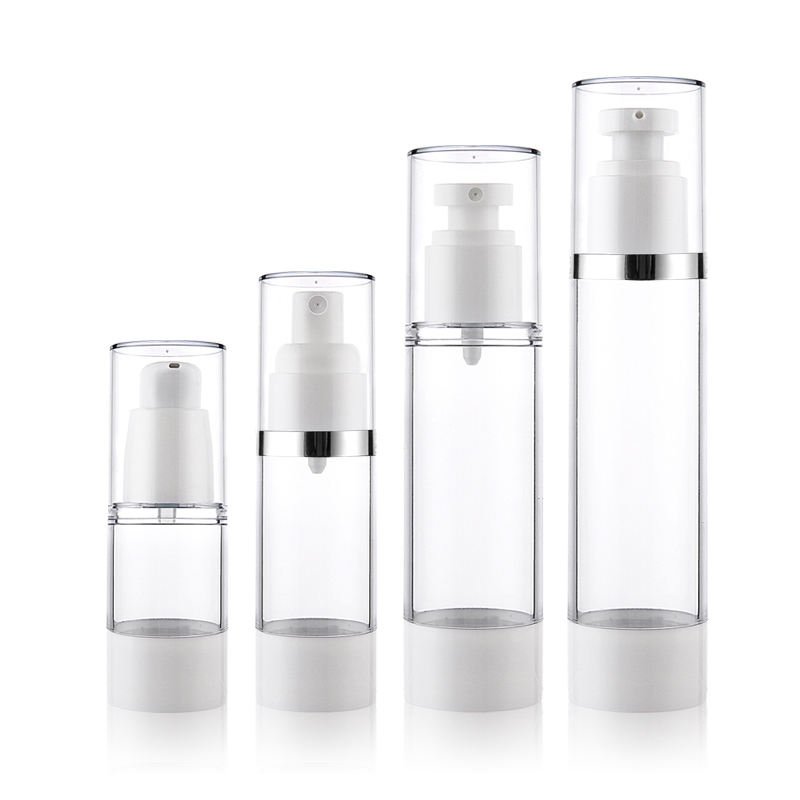
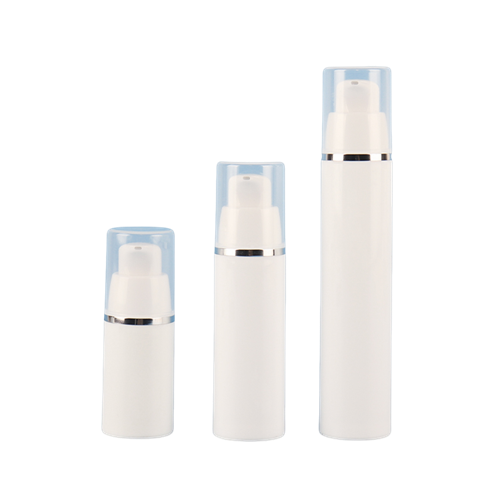
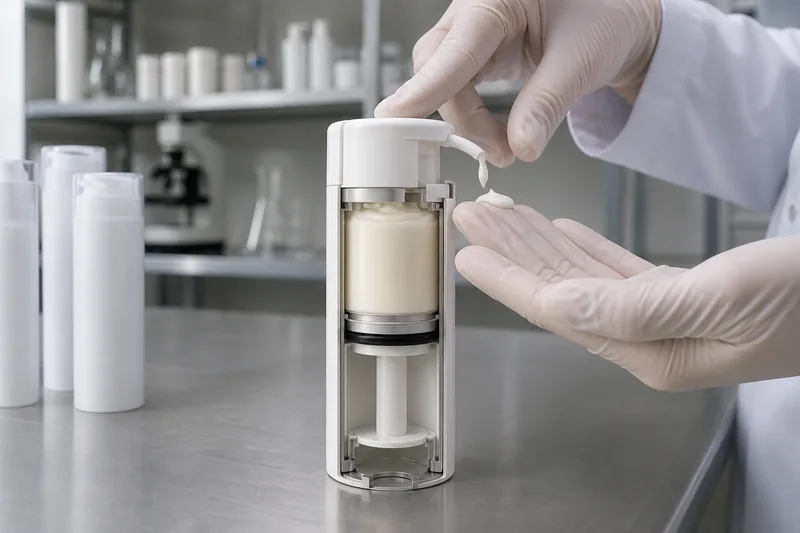
A common piston airless bottle uses product withdrawal to move a piston upward, reducing the need for replacement air to enter the reservoir. Other airless architectures may use a collapsible pouch. In both cases, the aim is controlled dispensing from an enclosed product chamber.
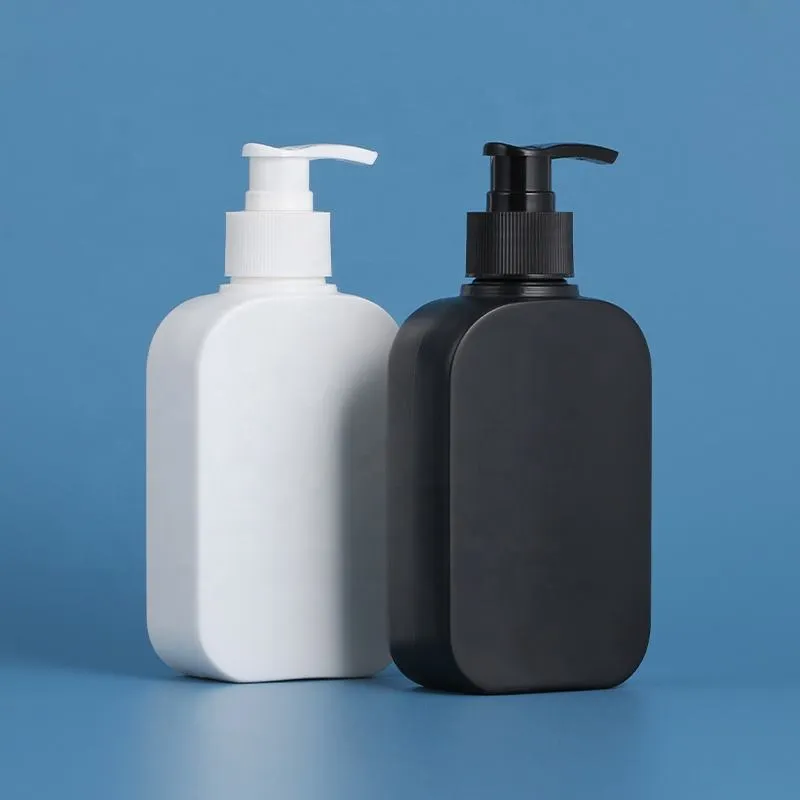
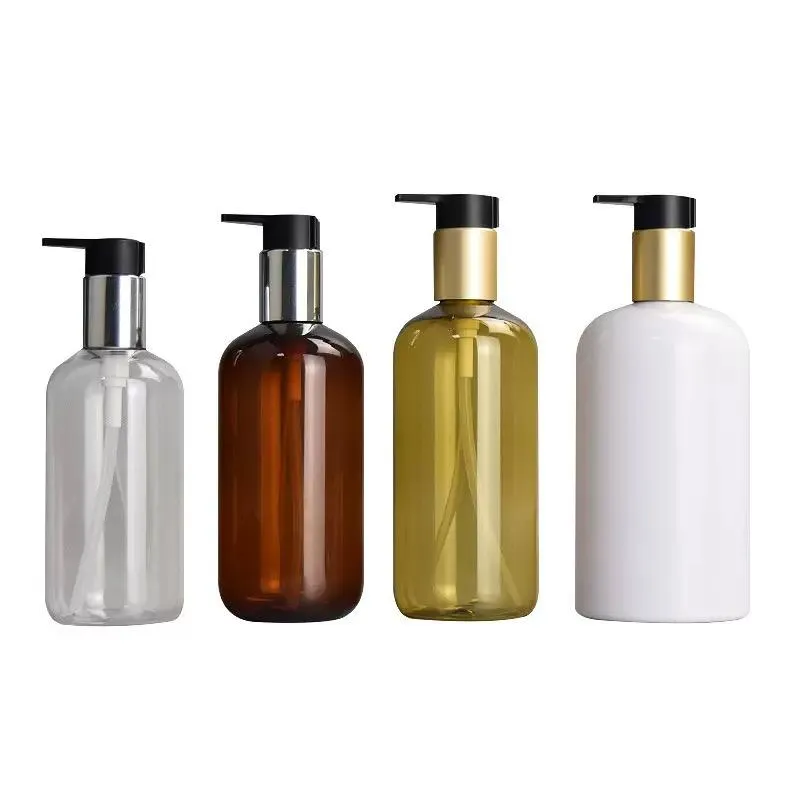
The benefit is most meaningful when the complete pack is opaque and the pump maintains its seals throughout shelf life. Explore Boyu’s airless pump bottle formats for available structural categories, then validate a specific component rather than assuming every airless design performs alike.
What an airless pump cannot guarantee
- Zero oxygen: oxygen may be present during compounding and filling, in headspace or dissolved in the formula.
- Zero permeation: gases can pass through polymer walls and interfaces at material-dependent rates.
- Complete light blocking: transparent bodies, viewing windows, bases or overcaps can transmit light.
- Formula compatibility: solvents, oils and surfactants can affect seals, plastics, coatings and pump function.
- Perfect evacuation: thick creams can bridge, channel or remain on walls; the piston may stall.
- Preservation: reduced finger contact lowers one route of contamination but does not eliminate the need for a safe preservation strategy.
When can a jar be appropriate for retinol cream?
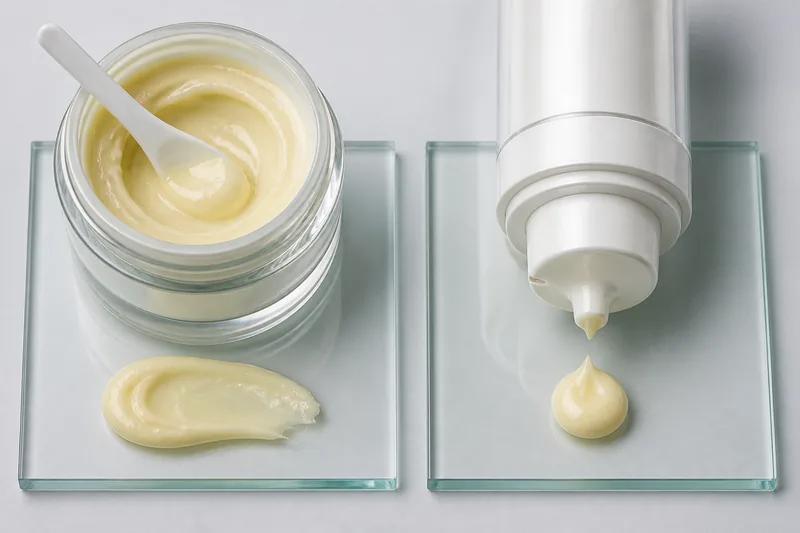
A jar may be reasonable when the formula is too viscous or particulate for suitable pumps, when a balm-like texture is central to use, or when an alternative dispensing jar provides controlled access. It should be opaque or demonstrably light-protective, use a compatible tight closure and minimise the open area above the product.
Options include an inner lid, a small dispensing aperture, a one-way push plate or an airless jar rather than a traditional open pot. If a conventional jar remains necessary, consider smaller fill sizes that shorten the in-use period and provide a clean applicator—but do not assume a spatula makes the pack microbiologically equivalent to a closed dispenser.
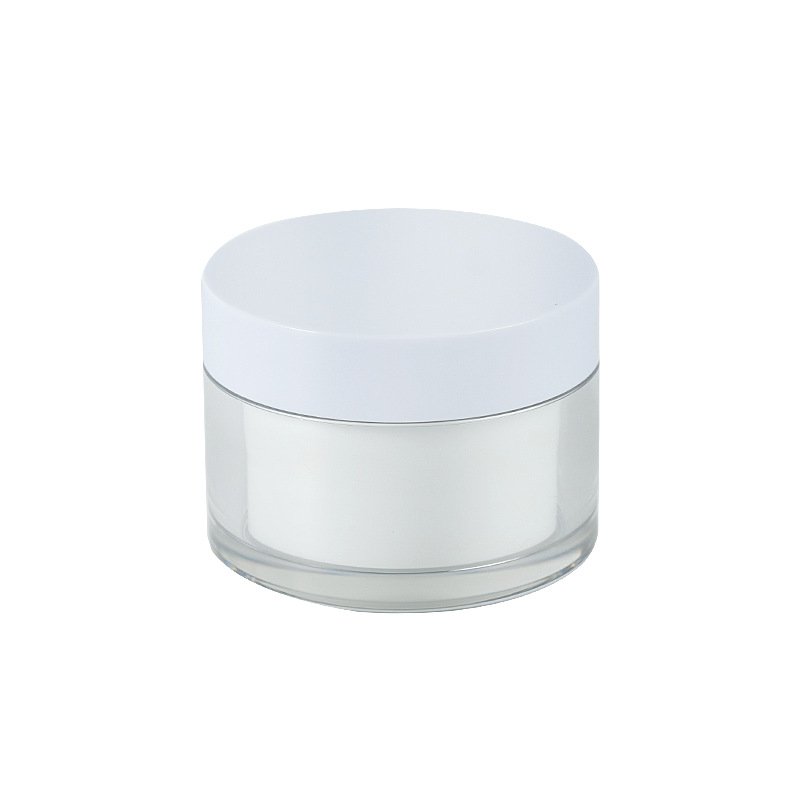
Boyu’s cream jar range shows multiple material and structural directions. The final choice still needs compatibility, barrier and stability evidence for the exact retinol formula.
How to validate retinol packaging
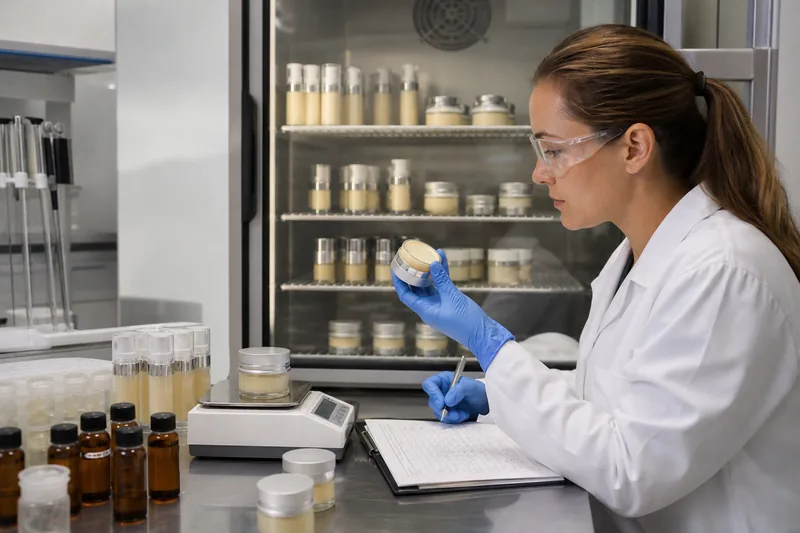
Run analytical and packaging tests together on production-intent filled units. A useful comparison includes the shortlisted airless pack, jar control and—if relevant—the current package. Keep formula batch, fill conditions and storage environments consistent.
- Measure retinol content and degradants with a validated analytical method at baseline and planned intervals.
- Use real-time and justified accelerated conditions, including a light challenge when shelf/display exposure is relevant.
- Monitor oxygen-related indicators appropriate to the formula, such as headspace oxygen or oxidation markers, when technically justified.
- Evaluate package function: strokes to prime, dose per stroke, actuation force, leakage, re-priming, evacuation and residual product.
- Inspect compatibility: colour, odour, viscosity, phase separation, seal swelling, cracking, corrosion, torque and decoration.
- Simulate in-use behaviour by dispensing at the intended frequency rather than storing every sample unopened.
- Include transport testing and repeat leak and function checks afterward.
Define acceptance before seeing the results
Specify the allowable assay change, degradant limits, colour/odour shift, dose variation, leakage and residual product before the study begins. Do not use “looks unchanged” as the sole stability criterion; retinol concentration can change without an obvious visual signal.
Retinol packaging does not replace regulatory compliance
In the EU, Regulation (EU) 2024/996 limits retinol, retinyl acetate and retinyl palmitate to 0.05% retinol equivalent in body lotion and 0.3% in other leave-on and rinse-off products, with a required vitamin A label statement under the regulation’s transition dates. Packaging choice does not change those concentration or labelling obligations.
Brands should also distinguish cosmetic retinol from prescription topical retinoid medicines. Consumer-use directions, claims and warnings must match the product’s legal category and target market.
Frequently asked questions
Can retinol be stored in a clear airless bottle?
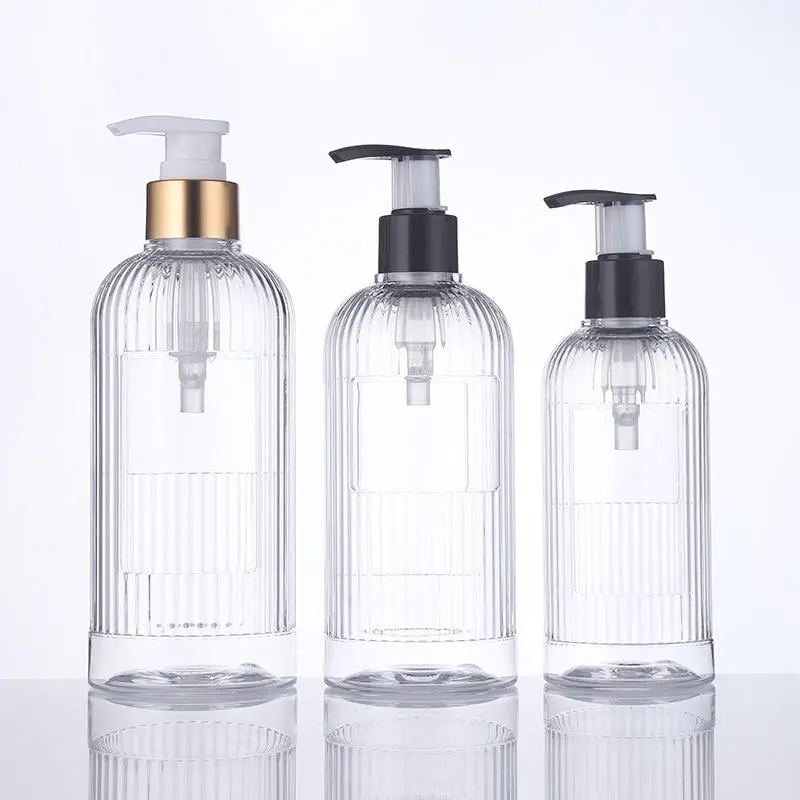
It can dispense airlessly, but clear walls provide less light protection than an opaque pack. Use a verified UV/visible-light barrier, secondary carton or opaque decoration only when transmission and stability data support the complete package.
Is glass automatically better for retinol?
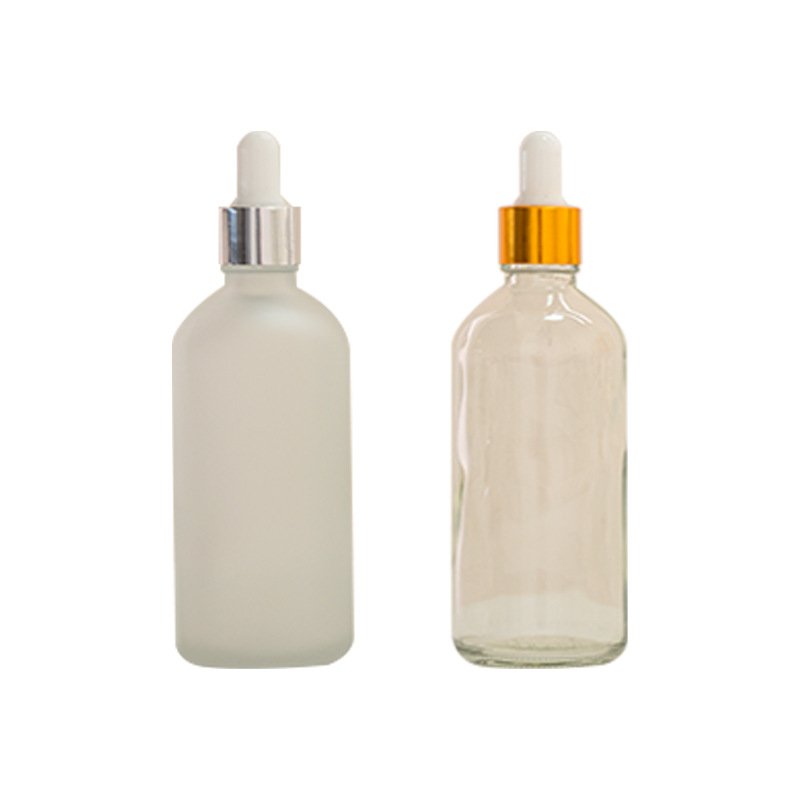
No. Glass can provide strong general barrier performance, but a clear glass jar still admits light and opens the full product surface. Amber or coated glass with a suitable dispenser may work, subject to closure and formula compatibility.
Should retinol be refrigerated?
Follow the manufacturer’s labelled storage instructions. Refrigeration can change viscosity, pump output or emulsion behaviour and is not a universal remedy for poor packaging.
What if an airless pump stops dispensing?
Possible causes include incomplete priming, an actuator lock, thick product, air trapped during filling, a stalled piston or valve incompatibility. Brands should test priming, re-priming, temperature-dependent viscosity and evacuation before launch.
What is the best package specification for retinol?
Usually an opaque, low-air-exchange dispenser compatible with the formula and capable of reliable dose and evacuation. The best specific material and pump can only be selected through comparative finished-pack testing.
Sources
- Rakuša et al. — Retinoid stability and degradation kinetics in commercial cosmetic products
- Retinol stability in phosphatidylcholine vesicles with and without antioxidants
- Journal of Cosmetic Dermatology — Topical retinoids, stability and delivery systems
- OECD — Detailed Review Paper on the Retinoid System
- European Commission SCCS — Revised Opinion on Vitamin A
- Commission Regulation (EU) 2024/996
 English
  Español de Argentina
  Русский
  Italiano
  日本語
日本語  한국어
한국어  العربية
  Français
  Deutsch