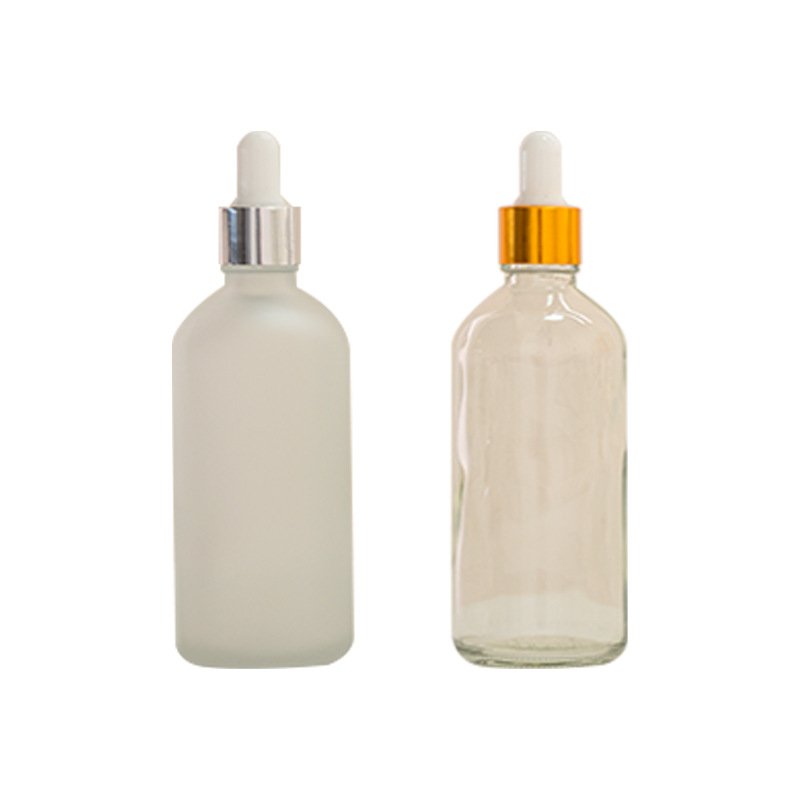
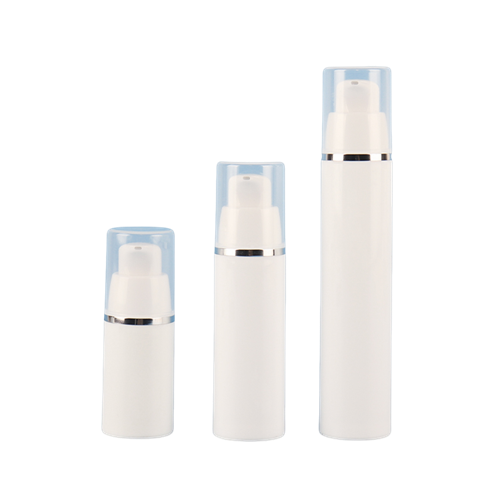
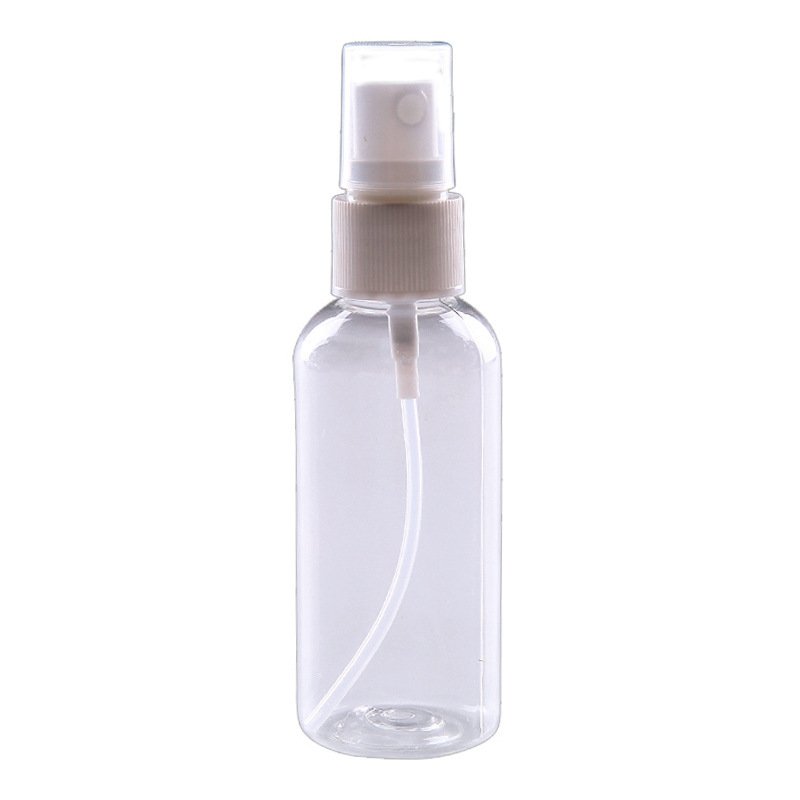
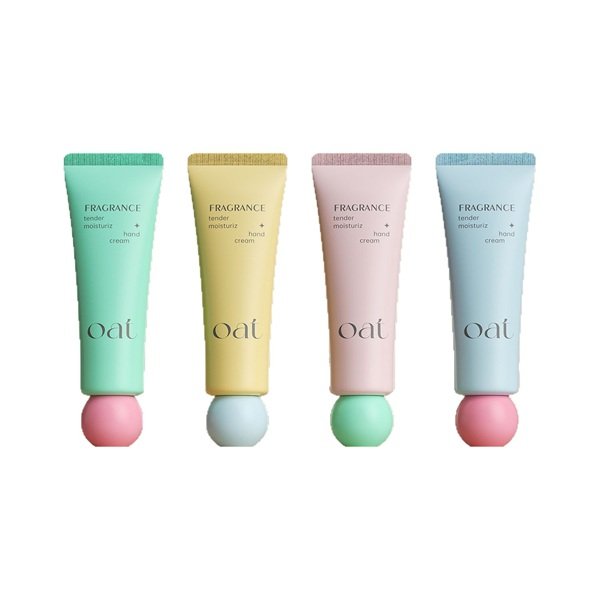
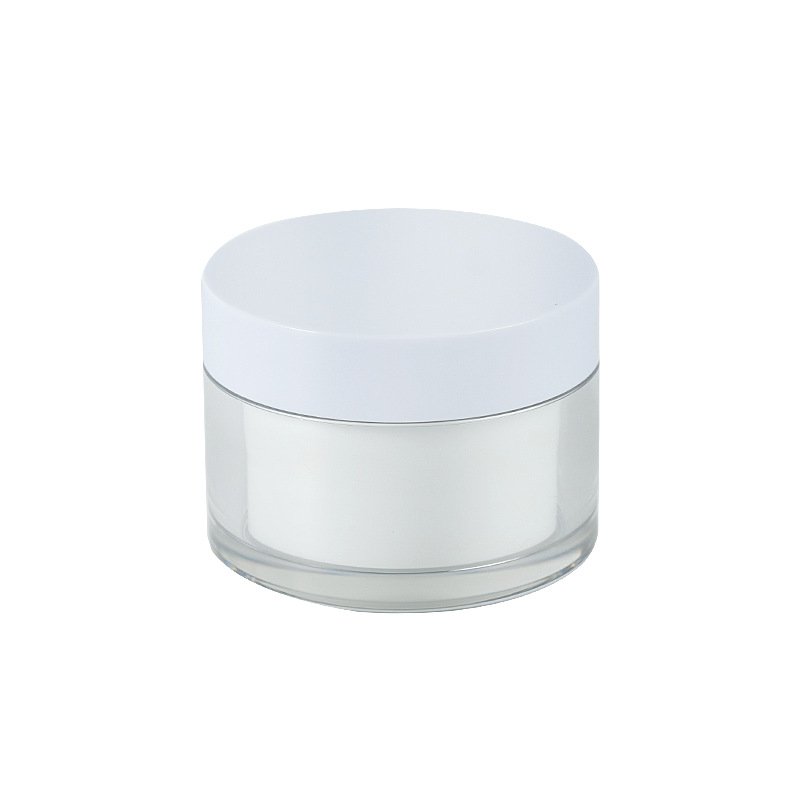
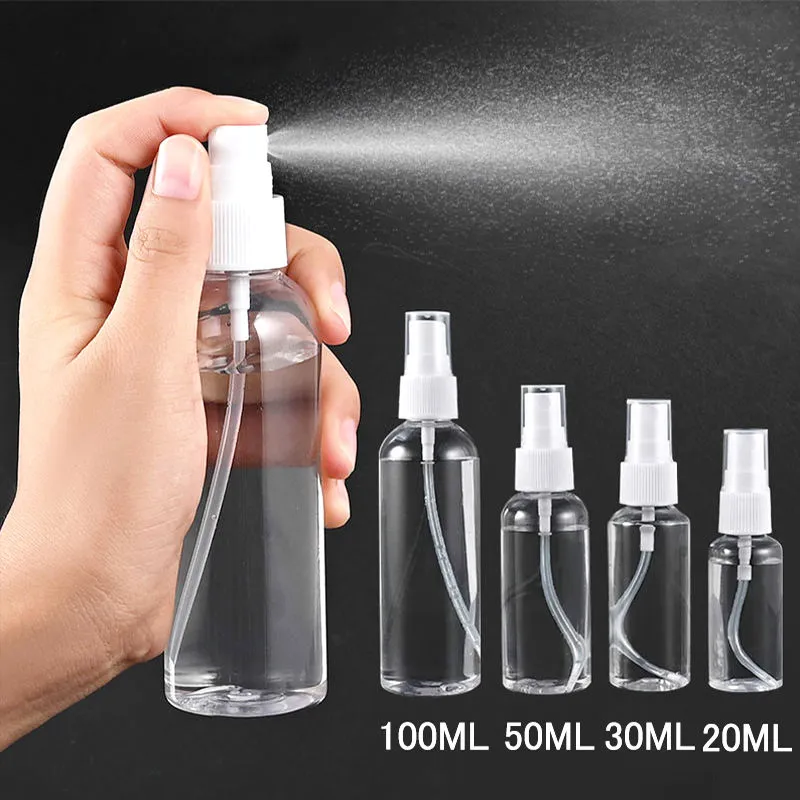
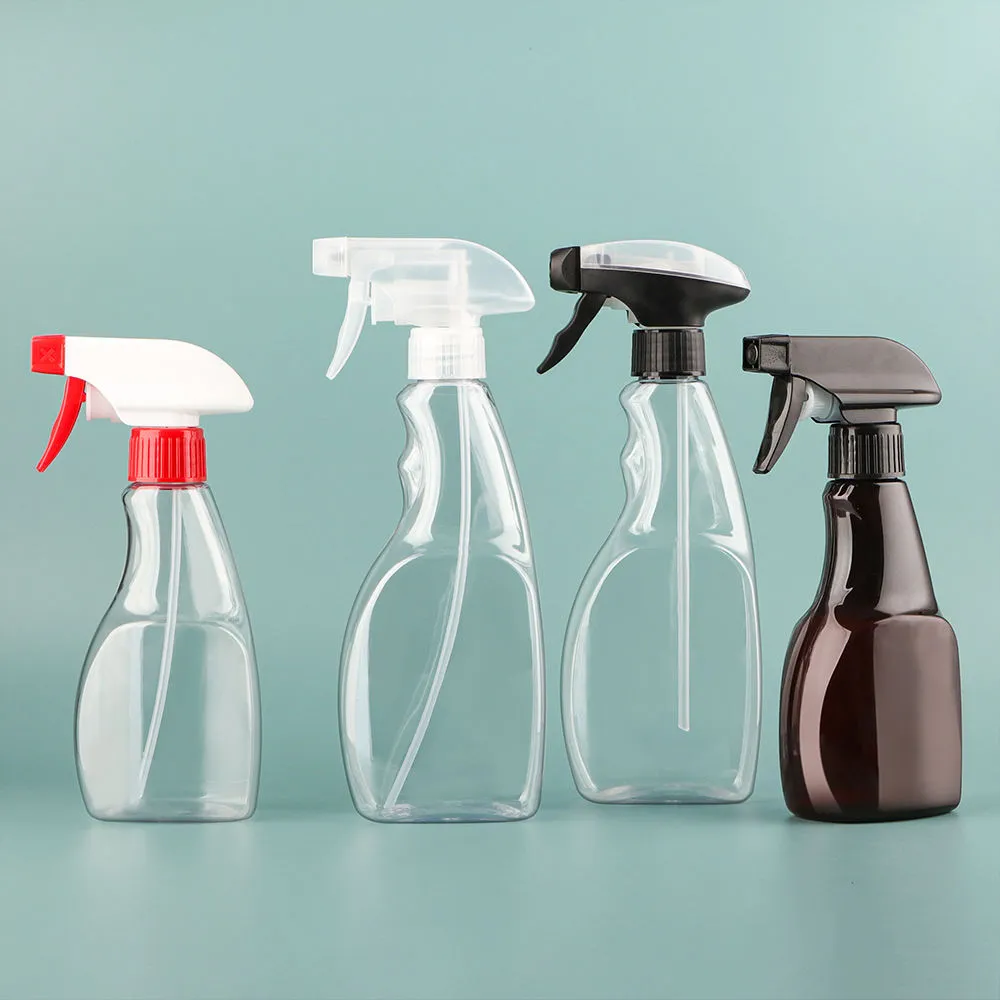
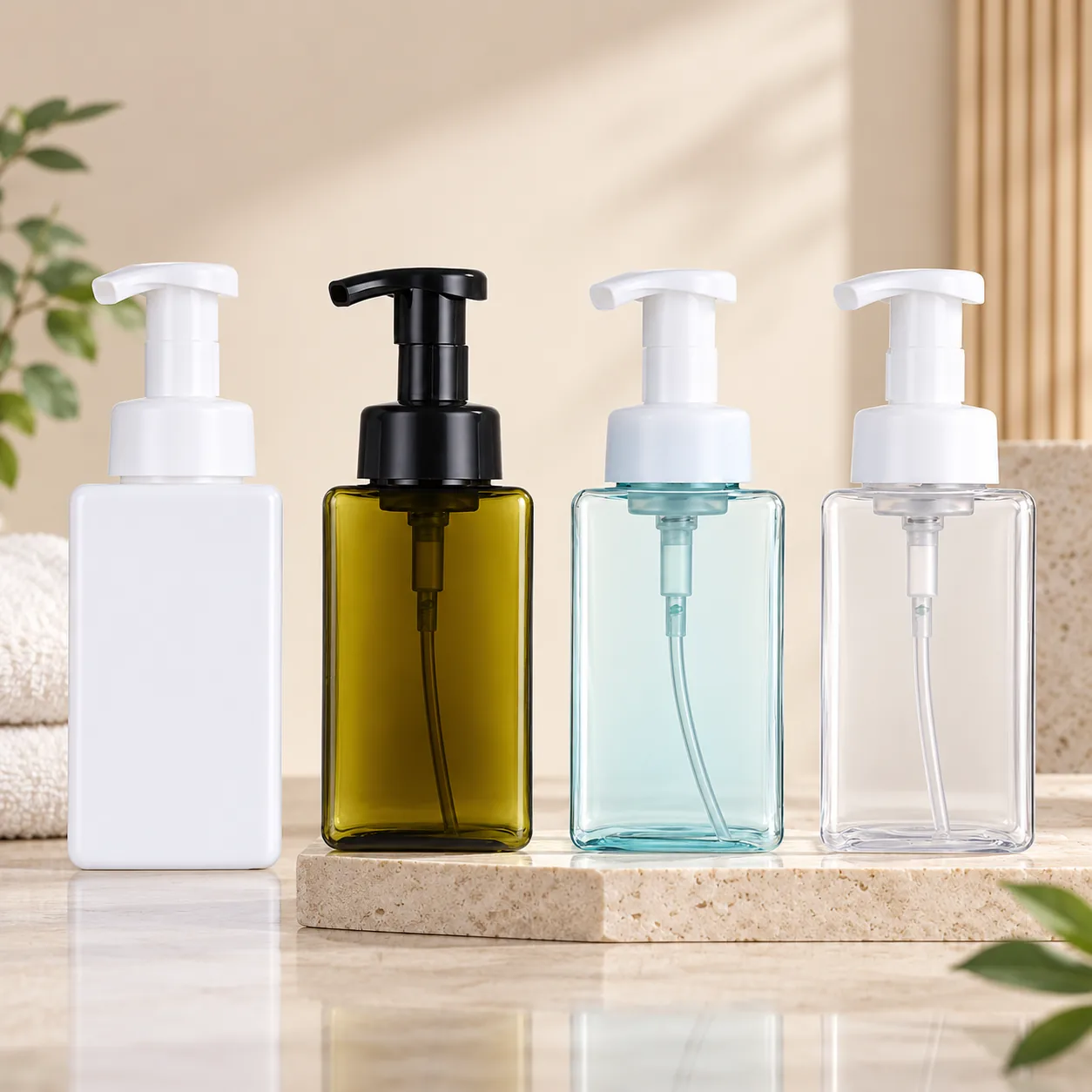
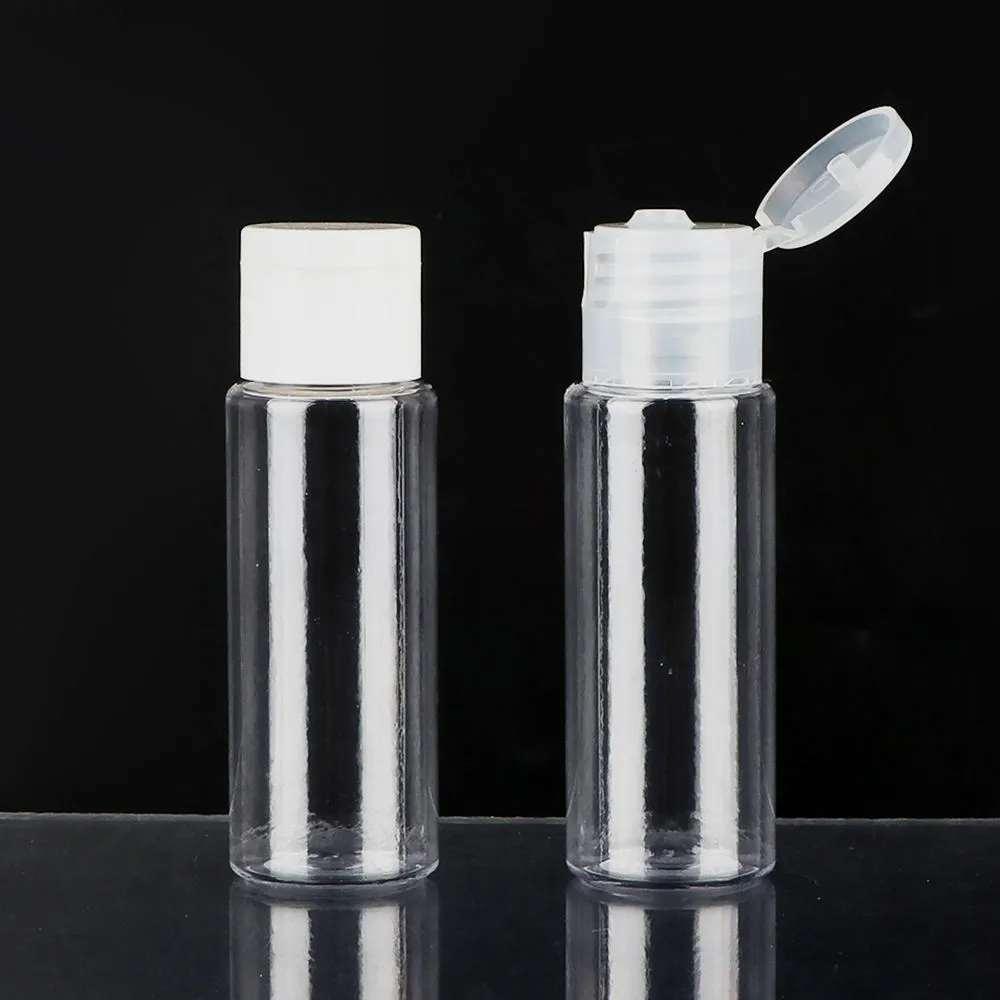
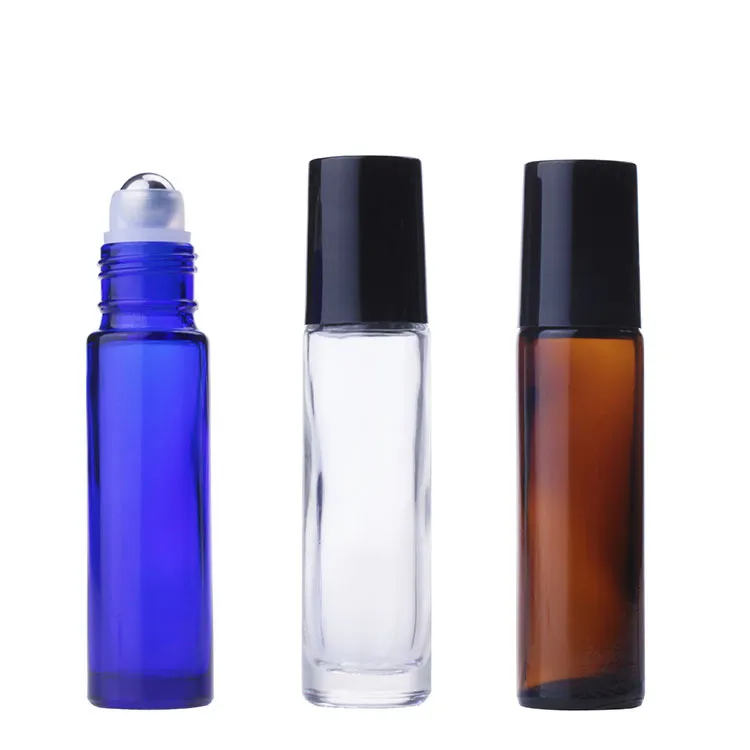
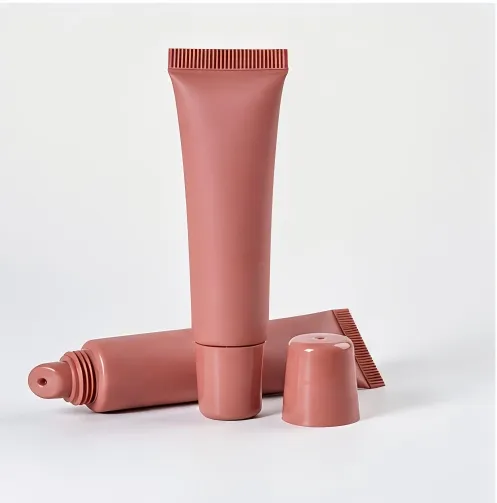
Direct answer: there is no single best package for every skincare product. The best package is the smallest practical system that protects the actual formula, dispenses the intended dose, survives filling and distribution, and remains convenient throughout use. Airless pumps are a strong starting point for many sensitive serums and lotions; tubes suit cleansers, creams and sunscreen-like textures; jars suit very thick creams, masks and balms; and pump, reducer, dropper or spray bottles suit products that flow.
Choose the format from rheology, exposure risk and application—not from ingredient name or appearance alone. “Airless” does not mean oxygen-free, glass does not make the closure inert, and an opaque wall cannot correct an unstable formula. Qualification belongs to the filled, decorated and shipped package.
Scope: this guide is for skincare brands, packaging engineers, contract fillers and international sourcing teams. It covers primary packs for cosmetic skincare; products making drug claims, including many sunscreens in the United States, need an additional market-specific regulatory assessment. Sources and standards were reviewed 15 September 2026.
What “Best Skincare Packaging” Actually Means
The package has to resolve six interfaces. A failure at any one can make an otherwise attractive pack unusable.
- Formula: viscosity, yield stress, surface tension, pH, oils, solvents, fragrance, particles, water activity and sensitivity to light or oxygen.
- Contact path: the container wall plus gasket, dip tube, valve, spring exposure, liner, adhesive, ink and coating that can contact formula or vapour.
- Dispensing: target amount, prime, output consistency, actuation force, recovery, cut-off, clogging and evacuation.
- User: application gesture, wet-hand grip, portability, accessibility, contamination opportunity and ability to see remaining product.
- Operations: filling temperature, nozzle entry, headspace, vacuum/de-aeration, capping, sealing, labeling and line speed.
- Distribution and market: orientation, temperature, pressure, vibration, parcel drops, label space, product classification and waste infrastructure.
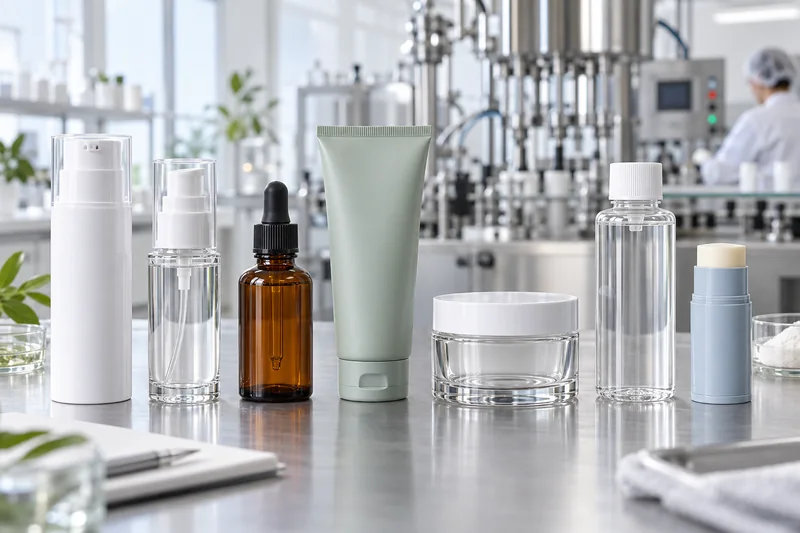
Skincare Packaging Types: Advantages, Limits and Best Uses
| Format | Strong starting uses | Main advantage | Main failure mode |
|---|---|---|---|
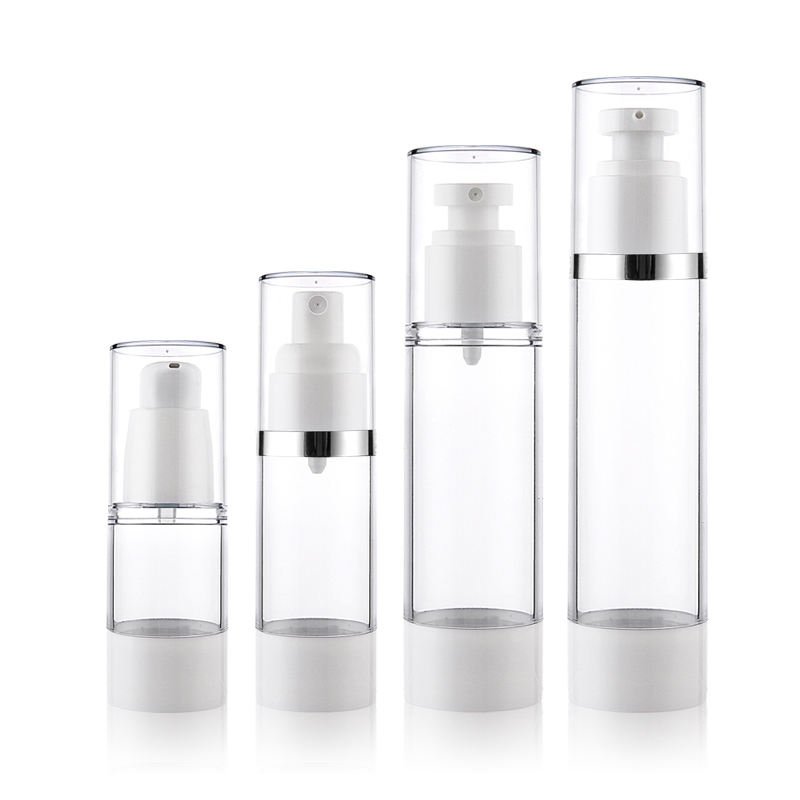
| Piston or pouch airless | Serum, lotion, eye care, sensitive emulsion | Reduced routine reservoir venting; controlled dose | Piston bypass, stalled prime, poor evacuation, filling mismatch |
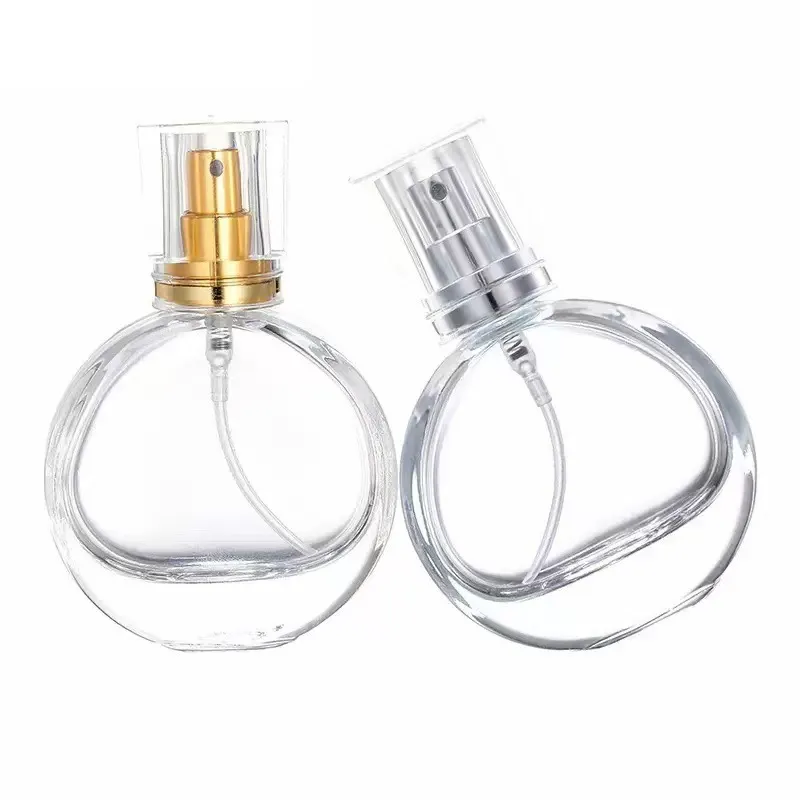
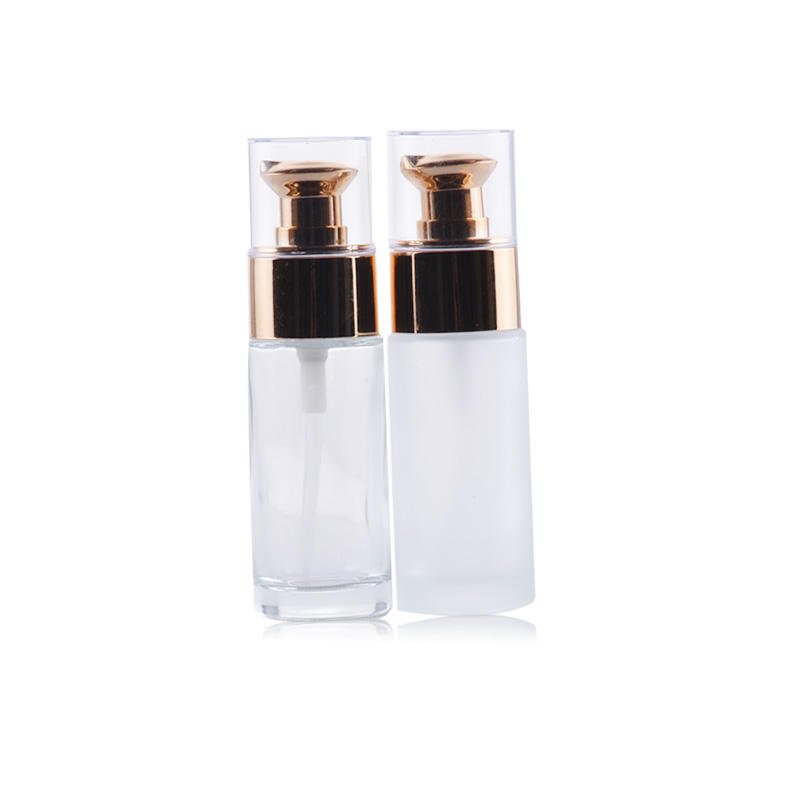
| Atmospheric pump bottle | Lotion, cleanser, robust serum | Familiar one-handed use and broad dose range | Air replacement, dip-tube reach, lost prime or leakage |
| Reducer or treatment-pump bottle | Toner, essence, facial oil, liquid serum | Small controlled pour or dose | Flooding, dribble, splash, reducer pull-out |
| Dropper bottle | Facial oils and fluid serums where flexible drops matter | Visible, user-adjustable dosing | Bulb/seal incompatibility, variable dose, tip contact and headspace exchange |
| Fine-mist spray bottle | Facial mist and sprayable toner | Broad non-contact application | Stream, clog, drift, eye exposure or inconsistent plume |
| Squeeze tube | Cleanser, cream, mask, hand care, sun care | Lightweight, portable and good product access | Wrong orifice, weak seal, panel feel or layer incompatibility |
| Jar | Thick cream, mask, balm and scrub | Accepts non-pumpable texture; visible access | Repeated opening, product at threads, liner/seal and user contact |
| Stick or roll-on | Solid balm, targeted care, some sun-care formats | Direct, portable application | Pay-off, mechanism torque, heat softening or surface contamination |
| Single-dose ampoule/sachet | Samples, concentrated or freshness-critical doses | Sealed dose until opening | Opening safety, dose size, waste and secondary-pack dependence |
Airless pumps: protective, but not magic
A common airless pack uses a follower piston; another may use a collapsible pouch. Dispensing reduces the product chamber volume instead of drawing ordinary replacement air through a dip tube. That can reduce repeated air exchange and keep fingers out of the reservoir, but initial headspace, material permeation, pump seals and filling conditions remain.
Use airless when comparative stability or user-dose data justifies it. Verify minimum fill, de-aeration, prime strokes, dispensing in expected orientations, piston or pouch movement and residual product. For retinoid products, see Boyu’s focused airless pump versus jar analysis.
Tubes and jars: choose by texture and access
An extruded PE tube can provide a soft squeeze; a plastic-barrier laminate (PBL), aluminum-barrier laminate (ABL) or aluminum tube may provide a different barrier and recovery profile. “Tube” is therefore a shape, not a material specification. Define every layer, the shoulder, cap/orifice and tail-seal method. Aluminum requires a compatible internal coating and behaves differently as it creases during use.
A jar is appropriate when the product cannot pass a usable pump path or the consumer needs variable scooping. A liner or inner lid may manage mess and sealing, but does not eliminate repeated opening. Preservation strategy, instructions and foreseeable finger contact still belong to the safety assessment.
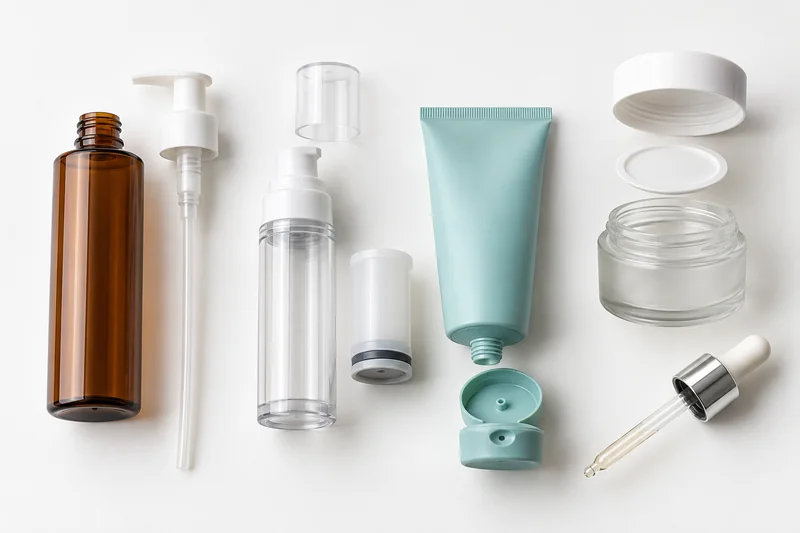
Best Packaging by Skincare Product Type
| Product | Strong starting package | Why | Critical test |
|---|---|---|---|
| Watery toner/essence | PET/glass bottle + reducer or treatment pump; mist only if directions require it | Controlled low-viscosity delivery | Pour rate, dribble, leakage or spray plume |
| Water-based serum | Treatment pump or qualified airless; dropper if variable drops are intentional | Small dose and controlled contact | Output, cut-off, formula assay/stability where relevant |
| Facial oil | Glass or qualified plastic + dropper, reducer or oil-compatible pump | Flexible dose and formula visibility | Bulb/gasket swelling, leakage and oxidation markers |
| Facial lotion/emulsion | Airless or atmospheric treatment/lotion pump | Repeatable dose with enclosed bulk | Cold prime, recovery, output and evacuation |
| Rich cream/mask | Jar, wide-path airless or tube | Handles high yield stress | Evacuation, squeeze/actuation force and closure mess |
| Cleanser | Tube, flip-top bottle or pump bottle | Higher use dose and wet-hand convenience | Wet grip, bathroom leakage, dose and surfactant compatibility |
| Balm/solid treatment | Jar, stick or push-up format | Direct access to non-flowing formula | Heat cycle, pay-off, mechanism torque and surface stability |
| Sun-care product | Tube, pump/airless bottle or stick selected by dosage and market | Portable, controlled application | Product classification, dose, formula uniformity and compatibility |
This table creates a shortlist, not approval. For example, a low-pH exfoliating toner requires specific screening of contact polymers, elastomers, metal exposure, inks and adhesives. A clear pack may be suitable if stability data supports it; an opaque pack may hide discoloration without preventing it. Boyu’s toner packaging guide develops that product-specific decision.
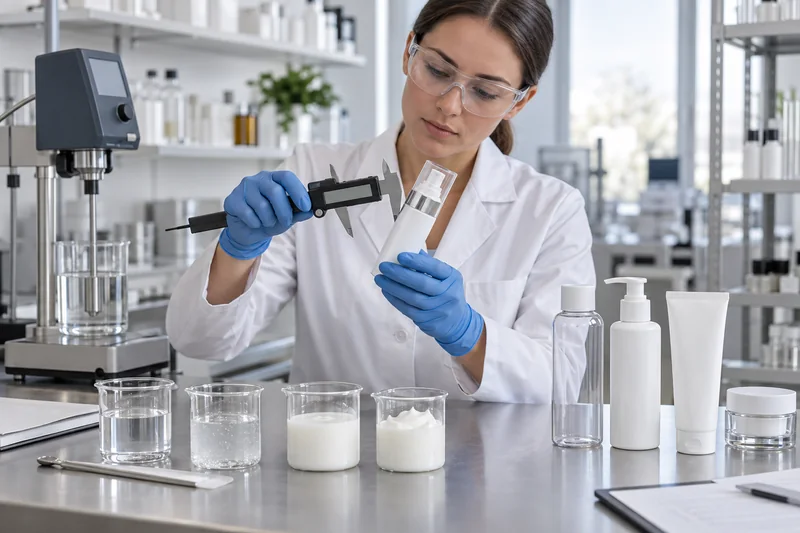
Skincare Packaging Materials: What Each One Can and Cannot Prove
| Material/construction | Useful attributes | Qualification focus | Common role |
|---|---|---|---|
| PET | Clear, stiff, lightweight and widely used | Light transmission, stress effects, permeation, hot-fill limits and decoration | Toner, cleanser and lotion bottles |
| HDPE | Tough, usually opaque/translucent; available in squeezable designs | Environmental stress cracking, paneling, permeation, odour and print/label adhesion | Cleanser, lotion and family packs |
| PP/PE | Useful for closures, pumps, airless parts, jars, bottles and tubes | Grade-specific stiffness, seals, hinge life and whole contact-path compatibility | Airless, caps, jars and flexible packs |
| PETG, SAN/AS, acrylic-style outer shells | Thick-wall clarity and premium visual depth | High mass, stress cracking, multi-part separation and actual inner contact material | Premium double-wall jars and airless packs |
| Glass | Rigid premium feel and strong wall barrier | Breakage, mass, wall distribution, finish tolerances, coating and closure/gasket | Droppers, jars and premium pump bottles |
| Aluminum tube/container | Opaque wall and high material barrier when intact | Internal coating, seam/shoulder, denting, creasing and closure interface | Cream, balm and selected treatment products |
| PBL/ABL or multilayer tube | Tailored stiffness, print surface and barrier | Layer declaration, bond integrity, shoulder/tail seals and recyclability route | Cleanser, cream, mask and sun care |
Request the complete bill of materials. A glass dropper includes a bulb and collar; an “acrylic” jar usually has an inner product cup; an airless pack may contain multiple polymers, a gasket and a spring. Compatibility and recycling claims belong to the assembled configuration, not its most visible material.
PCR content is a material specification, not proof of equivalent colour, odour, mechanics or formula compatibility. Define resin source/grade, percentage, traceability, allowed visual variation and performance limits. A refill format is beneficial only under a defined reuse scenario that considers retained dispenser, cleaning or no-clean instructions, refill integrity and consumer behaviour.
Capacity, Diameter and Height: Useful Planning Ranges
Capacity controls use duration and commercial size; it does not set the external dimensions. A 30 mL serum can be tall and slim, short and wide, round, square or double-wall. The same fill volume can therefore require different filling-line guides, labels and cartons.
| Fill range | Typical skincare use | Illustrative bottle diameter | Illustrative tube/jar diameter | Check first |
|---|---|---|---|---|
| 1–10 mL | Sample, eye/spot care, unit dose | About 12–25 mm | Tube 10–19 mm; jar 20–35 mm | Dose accuracy and label area |
| 15–30 mL | Serum, facial oil, eye care | About 25–40 mm | Tube 16–30 mm; jar 30–50 mm | Pump/dropper proportion and stability |
| 30–50 mL | Serum, moisturizer, treatment | About 30–48 mm | Tube 22–35 mm; jar 40–65 mm | Shelf footprint, hand feel and headspace |
| 50–100 mL | Cream, cleanser, mask, travel | About 35–55 mm | Tube 30–45 mm; jar 50–75 mm | Grip, dispensing force and transport lock |
| 100–250 mL | Cleanser, lotion, mask and body/hand care | About 40–70 mm | Tube 35–55 mm; jar 60–95 mm | Wet grip, pump leverage, label panel and shipper cube |
Use these bands only to screen catalogue options. Final approval needs a dimensioned drawing with brimful and nominal capacity, fill level, maximum pump height in locked/open positions, width/depth for non-round packs, label panel, base flatness and tolerances. Confirm physical samples on the actual filler, capper, labeler and case packer before printing production artwork.
How Thick Should Skincare Packaging Be?
No universal wall thickness makes a skincare package qualified. Blow-molded bottles have non-uniform walls; shoulders, corners, base and extrusion-blow pinch-off can be thinner or thicker than the label panel. A heavy double-wall jar may look substantial while its thin inner cup is the only formula-contact barrier.
- Plastic bottle: specify bottle mass and mapped minimum-wall locations, then test squeeze/panel recovery, top load, full-pack drop and leakage.
- Tube: specify total web gauge, layer structure, shoulder material, tail-seal width/strength and cap interface. Barrier depends on the layer system, not gauge alone.
- Plastic jar: distinguish decorative outer wall from formula-contact inner pot; control thread, sealing land, base, top load and stress cracking.
- Glass: control glass distribution at shoulder, sidewall, heel/base and finish plus strain, impact and dimensional inspection. Total gram weight does not reveal a thin local zone.
Choosing the Pump, Dropper, Sprayer, Orifice and Closure
Start from the target dose and consumer gesture. For a pump:
Target amount per use ÷ desired full strokes = target output per stroke
Official commercial examples show why output must be specified separately from appearance. Aptar lists a personal-care lotion pump at 1.2 or 2 cc per stroke with 24/410, 28/400 and 28/410 neck options, while one of its fine-mist/treatment platforms lists 90–200 microlitre outputs and a 500 microlitre version. These are product examples, not universal ranges. Measure output with the finished formula because density, rheology, temperature, actuation speed and partial strokes change the delivered mass.
- Atmospheric pump: qualify prime strokes, recovery, actual output, dip-tube length/cut, force, lock and end-of-use residual.
- Airless: add piston/pouch movement, minimum fill, headspace, orientation and evacuation checks.
- Dropper: measure bulb draw, drop mass, pipette reach, wiper function and tip contamination during simulated use.
- Fine mist: test plume angle, droplet feel, output, spray-to-stream transition, dribble, clogging and directions around eyes/inhalation.
- Tube/jar closure: qualify orifice, cap opening/hinge, liner or plug seal, torque, product at threads and accidental discharge.
A neck code such as 24/410 describes a nominal diameter/thread series; it does not prove that an arbitrary pump seals on an arbitrary bottle. Approve matched drawings, gasket/sealing geometry and aged filled packs.
Shape, Decoration and Sales Channel
Round bottles and jars are often easiest to orient and label; oval packs improve front display and wet-hand grip but require line orientation; square packs create shelf blocking and efficient case patterns but concentrate wall and impact risk at corners. Tall, narrow packs provide label height yet can become unstable under pump force. A refill cartridge must be easy to replace without compromising seal or hygiene.
Decoration is functional. Coatings, metallization, hot stamp, labels and inks must withstand formula drips, bathroom humidity, consumer abrasion and ageing. Leave enough uninterrupted space for legally required information. ISO 22715 specifies packaging and labeling requirements for cosmetics, while actual U.S., EU and other market rules still govern the product sold there.
For e-commerce, test the retail unit inside its real shipper. Orientation is not guaranteed. ISTA offers different procedures/projects for parcel, retailer fulfillment, direct import and other routes; selecting a familiar test number without matching the distribution system can create false confidence.
What Makes Skincare Packaging Qualified?
A qualified package is a controlled revision that meets written identity, safety, function, appearance and distribution requirements with production-equivalent formula. A certificate or attractive sample is supporting evidence, not the qualification itself.
Six approval gates
- Identity and construction: approved drawing/revision, formula-contact BOM, resin/glass/tube specifications, colour master, signed sample and traceability.
- Dimensions and workmanship: capacity, mass, critical walls, finish/threads, sealing land, base, closure fit, cleanliness and agreed visual-defect limits.
- Filled-package compatibility/stability: compare the intended pack under real-time and justified accelerated conditions; track formula appearance, odour, pH/viscosity and relevant chemical markers plus mass loss, swelling, cracking, corrosion, staining, delamination and dose change.
- Dispensing and consumer use: prime, output, force, recovery, plume/drop/orifice behaviour, lock, opening, cycle life, simulated contamination opportunity and residual product.
- Integrity and distribution: torque/seal, upright and challenged-orientation leakage, pressure/temperature exposure, full-pack drop, compression/top load, vibration and actual shipper performance.
- Production and release: filling/capping/sealing/labeling line trial, decoration resistance, approved sampling plan, retained samples, lot release, change control and complaint traceability.
ASTM F02.30 maintains mechanical-dispenser practices for prime strokes, component compatibility, dip-tube/component retention, output per stroke and peak actuation force. These practices standardize measurement; the buyer and supplier still need product-specific numeric acceptance limits.

What the standards do—and do not—prove
- EU Regulation 1223/2009: the responsible person must ensure a safety assessment before market placement. Annex I includes product stability, preservation-challenge results and relevant packaging-material characteristics, particularly purity and stability.
- FDA position: there is no universal FDA list of tests for a particular cosmetic; the manufacturer/distributor remains responsible for marketed-product safety. “FDA-approved packaging” is therefore not a general shortcut for ordinary cosmetic containers.
- ISO 11930: provides a reference approach for evaluating antimicrobial protection of a cosmetic product. The published 2019 edition with its 2022 amendment is under revision as of the research date; confirm the current edition with the responsible laboratory.
- ISO 22716: addresses cosmetics GMP for production, control, storage and shipment. It does not prescribe one package material or wall thickness.
- ISO 2859 family: supports acceptance sampling by attributes. An AQL plan is a lot-decision tool, not a promise that every unit is defect-free and not a replacement for compatibility or functional testing.
What to Put in a Skincare Packaging RFQ
- Product classification and target markets; intended claims, user and use area.
- Formula family, pH, density and rheology versus temperature, oils/solvents/fragrance, particles and known light/oxygen risks.
- Nominal fill, brimful capacity, headspace, target use dose and desired actuation/squeeze gesture.
- Preferred format and alternatives; complete contact-material declaration, colour/light requirement and PCR/refill objective.
- Maximum height, diameter/width/depth, label panel, neck/closure and filling-line constraints.
- Pump/dropper/spray output, lock, pathway, tube, gasket/liner, prime, force, recovery, plume or orifice requirements.
- Decoration, colour tolerance, adhesion/rub/chemical resistance and required label copy area.
- Compatibility, preservation, integrity, distribution and line-trial protocols with numeric acceptance criteria.
- Quantity by SKU, forecast, tooling ownership, sample levels, lead-time milestone, packing and Incoterm.
- Lot sampling, change notification, traceability, retained samples and defect/remedy agreement.
Use Boyu’s skincare packaging range to compare starting architectures, including airless bottles, cosmetic tubes, cream jars and dropper bottles. Request production-intent samples and compare them under one written protocol.
Before mass production, follow the detailed cosmetic packaging compatibility protocol and expand it with the relevant package performance tests. Even when the final format is a tube or jar, the same principle applies: approve the commercial formula–package system, not an empty sample.
Frequently Asked Questions
Is airless packaging always best for skincare?
No. Airless can reduce routine air replacement and provide controlled dosing, but it adds components and filling constraints. A tube, jar, reducer or atmospheric pump may dispense a particular formula more reliably. Use comparative stability and use testing to justify the architecture.
Is glass or plastic better for skincare?
Glass provides a rigid, premium container wall and strong wall barrier; plastic reduces mass and breakage and enables squeezable or complex airless formats. The complete closure/contact system, formula compatibility, route and user experience decide which is better.
Are skincare jars unhygienic?
A jar creates repeated opening and foreseeable user contact, which must be considered in preservation and use assessment. That does not make every jarred product unsafe. The formula, manufacturing controls, closure, directions and preservation evidence must support the intended jar use.
Is a dropper or pump better for serum?
A treatment or airless pump is usually stronger when repeatable dosing and limited reservoir opening matter. A dropper is useful when visible, variable drops fit the use. Compare delivered mass, seal compatibility, tip contact, stability and residual product with the actual serum.
What tube material is best for skincare cream?
There is no best generic tube. PE extrusion offers a familiar squeeze; PBL, ABL or aluminum can change barrier, recovery and decoration. Specify the layer construction and internal coating where applicable, then test shoulder, cap and tail seal with the filled cream.
Does dark packaging protect active ingredients?
A suitably opaque or tinted pack can reduce selected wavelengths reaching the product, but the required protection depends on the formula and full spectrum transmission. It cannot prevent oxidation already caused by processing, headspace or permeation. Confirm benefit through comparative stability.
What AQL should be used for skincare packaging?
There is no universal AQL for every defect or project. Buyer and supplier should classify critical, major and minor defects from actual risk, select the appropriate sampling system and record accept/reject numbers. Functional and compatibility tests require separate plans.
Sources and Technical References
- Regulation (EC) No 1223/2009 on cosmetic products.
- U.S. FDA — Product Testing of Cosmetics.
- U.S. FDA — Cosmetics Labeling.
- ISO 22715:2006 — Cosmetics: Packaging and labelling.
- ISO 22716:2007 — Cosmetics GMP guidelines.
- ISO 11930:2019 — Evaluation of antimicrobial protection of a cosmetic product and Amendment 1:2022.
- ISO 28590:2017 — Introduction to ISO 2859 attribute sampling.
- ASTM F02.30 — Mechanical Dispensers.
- ISTA — Test Procedures and Projects.
- Aptar PAV spray-pump specifications and GS/GSA K2 lotion-pump specifications.
Supplier specifications are cited only as real component examples, not as universal standards or endorsements. Confirm current regulatory editions, product classification and test requirements with the responsible safety assessor, laboratory, filler and target-market adviser.
 English
  Español de Argentina
  Русский
  Italiano
  日本語
日本語  한국어
한국어  العربية
  Français
  Deutsch