Direct answer: Our five standout sunscreens for 2026 are La Roche-Posay Anthelios Melt-In Milk SPF 60 for outdoor face-and-body use, EltaMD UV Clear SPF 46 for acne- or rosacea-prone daily facial wear, Supergoop Unseen Sunscreen SPF 50 for an invisible makeup-compatible finish, CeraVe Invisible Mineral Sunscreen SPF 50 for a lower-cost mineral face option, and Beauty of Joseon Relief Sun: Rice + Niacinamide SPF50+ PA++++ for comfortable daily wear in markets where that version is lawfully sold.
There is no universal “best” sunscreen. The right product must carry the protection claims required in your market, suit your skin and activity, and feel acceptable enough that you will apply the full amount and reapply. A non-water-resistant daily face sunscreen is not a substitute for an 80-minute water-resistant product at the beach.
Scope: This is an evidence-based editorial shortlist, not a global sales ranking, paid placement or claim that the five products were tested head-to-head by Boyu. Prices were checked on September 21, 2026 and can change by size, market, retailer, tax and promotion.
How we selected the top five sunscreens for 2026
A credible sunscreen list should not reward popularity alone. We first required a clear high-protection label: broad-spectrum SPF 30 or higher for US products, or an equivalent high UVA/UVB claim in the intended market. We then looked for a defensible use case, current official label or manufacturer information, practical availability, package usability and a price that can be checked.
The five positions deliberately solve different problems. A rich, 80-minute water-resistant body lotion is evaluated differently from a light daily facial product that sits under makeup. Wearability matters because an elegant product used generously is more useful than a technically impressive product left in a drawer, but texture claims remain partly subjective.
Top five sunscreens in 2026: quick comparison
| Rank and product | Best for | Protection and size checked | Approx. US price | Main trade-off |
|---|---|---|---|---|
| 1. La Roche-Posay Anthelios Melt-In Milk SPF 60 | Outdoor face and body; swimming or sweating | Broad spectrum SPF 60; 80-minute water resistance; 150 mL | $37.99 | Richer texture and higher upfront cost than a basic body lotion |
| 2. EltaMD UV Clear Broad-Spectrum SPF 46 | Daily face; acne-, redness- or rosacea-prone skin | Broad spectrum SPF 46; 48 g / 1.7 oz | $45 | Not labeled for water resistance; expensive per gram |
| 3. Supergoop Unseen Sunscreen SPF 50 | Invisible facial finish and makeup primer | Broad spectrum SPF 50; 40-minute water resistance; 48 mL / 1.7 fl oz | About $38 | Premium price; silicone-gel feel is preference dependent |
| 4. CeraVe Invisible Mineral Sunscreen SPF 50 | Value mineral face protection; sensitive or acne-prone skin | Broad spectrum SPF 50; 48 mL / 1.62 fl oz | $16.99 | No water-resistance claim found on the current label |
| 5. Beauty of Joseon Relief Sun: Rice + Niacinamide SPF50+ PA++++ | Hydrating, comfortable daily face wear | SPF50+ PA++++; 50 mL / 1.69 fl oz | $31 list; $21.70 sale observed | Not the swim/sport choice; verify the lawful local version and authorized seller |
Prices above are snapshots, not promised selling prices. Packaging, formula and even product names can be revised; compare the actual Drug Facts or local label on the item you purchase.
Detailed review of each 2026 pick
1. La Roche-Posay Anthelios Melt-In Milk SPF 60 — best overall for outdoor face and body
Why it ranks first: it covers the broadest high-exposure use case in this list. The current US product page identifies it as broad-spectrum SPF 60, suitable for face and body, and water resistant for 80 minutes. The 150 mL package also makes full-body application more realistic than relying on a small facial tube.
Best for: beach days, outdoor work, hiking, sport, families who need one face-and-body product, and anyone who prioritizes high labeled SPF plus the longer US water-resistance duration. Reapply after 80 minutes in water or sweat, immediately after towel drying, and at least every two hours.
Watch for: “fast absorbing” does not mean every user will perceive it as weightless. A richer film that supports water resistance may feel more noticeable on oily facial skin. Patch-test if you are reactive, and use a dedicated facial product if the body lotion stings your eyes or interferes with makeup.
2. EltaMD UV Clear SPF 46 — best for acne- or rosacea-prone daily facial wear
The current 48 g product is fragrance-free, non-comedogenic and positioned for acne-prone, combination and oily skin. It combines zinc oxide and octinoxate and includes niacinamide. Its practical strength is daily face wear: a pump bottle meters a repeatable amount, the texture is intended to work alone or under makeup, and the untinted version is available alongside tinted alternatives.
Best for: office days, commuting, daily facial use and people who value a lightweight pump format. Not for: swimming or heavy sweating. The current US Drug Facts directions specifically tell users to choose a water-resistant sunscreen for those conditions.
At $45 for 48 g, it is the most expensive product per unit in this shortlist. The price can be justified only if its finish improves consistent daily use for you; price and professional positioning do not make it inherently more protective than a correctly applied, appropriately labeled lower-cost product.
3. Supergoop Unseen Sunscreen SPF 50 — best invisible primer under makeup
This clear gel is designed to leave no white cast and double as a makeup-gripping primer. The current US directions specify broad-spectrum SPF 50 and reapplication after 40 minutes of swimming or sweating, after towel drying and at least every two hours. A 40-minute claim is useful for incidental sweat, but it is not the same decision as an 80-minute outdoor product.
Best for: users who reject white cast, want a natural-looking finish and need sunscreen to sit smoothly beneath foundation. It is also a strong option when tactile acceptability is the main barrier to daily use. Trade-off: the clear silicone-rich gel feel is not universally preferred, and the full-size unit costs about $38 based on the current official two-pack price.
4. CeraVe Invisible Mineral Sunscreen SPF 50 — best-value mineral face option
CeraVe’s current 48 mL tube contains 15.35% zinc oxide and 2.66% titanium dioxide according to DailyMed. The manufacturer lists a $16.99 price, broad-spectrum SPF 50, a non-comedogenic claim and suitability for sensitive and acne-prone skin. The tube is compact, lightweight and simple to dispense.
Best for: people seeking an all-mineral active system at a lower price, including users who prefer to avoid certain organic filters. Limits: the current label does not make a water-resistance claim, so use another labeled product for swimming or heavy sweat. “Invisible” is a product claim; appearance can still vary with application amount, facial hair, skin tone and the layers beneath it.
5. Beauty of Joseon Relief Sun: Rice + Niacinamide SPF50+ PA++++ — best hydrating daily option
The product previously known as Relief Sun: Rice + Probiotics is now listed by the manufacturer as Rice + Niacinamide. Its 50 mL cream is positioned for lightweight, non-sticky daily hydration and carries SPF50+ PA++++. The official global page showed a $31 list price and a temporary $21.70 sale when checked.
Best for: normal-to-dry skin, daily city wear and users who prefer a moisturizer-like finish. Limits: it is not our beach or sport recommendation because the cited product page does not position it as water resistant. Availability, formula and legal labeling vary by market; buy the version lawfully sold in your country from an authorized source and follow that package, not an online summary.
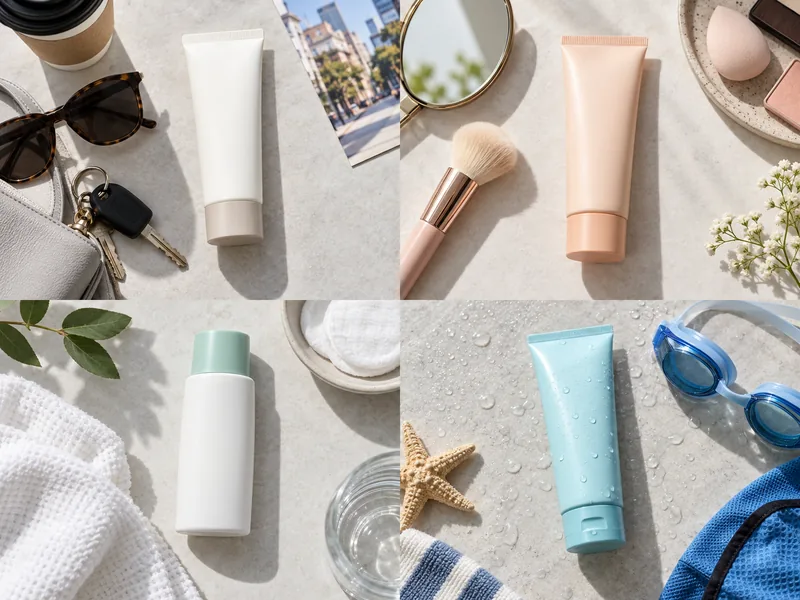
How to choose a sunscreen for your skin
Sensitive, reactive or allergy-prone skin
Start with a fragrance-free product that has a short, understandable ingredient list and the protection level you need. Mineral products can be a useful starting point for some reactive users, but they are not automatically non-irritating: preservatives, fragrances, botanical extracts and the base formula can also trigger reactions. Patch-test a small area for several days before relying on a new product for a long outdoor event.
If you have persistent dermatitis, a known sunscreen allergy or previous severe reactions, a dermatologist can perform targeted patch or photopatch testing. Do not use a product on damaged skin unless its label or clinician says it is appropriate.
Oily or acne-prone skin
Look for “non-comedogenic,” lighter fluid or gel textures and a finish you can apply at the full dose without wiping it off. EltaMD UV Clear and Supergoop Unseen address different preferences here: one is a lightweight lotion/pump product, while the other is a clear primer-like gel. Non-comedogenic is helpful screening language, not a guarantee that no individual will break out.
Dry or mature skin
A creamier vehicle with humectants or emollients may reduce tightness and make the film easier to wear. CeraVe and Beauty of Joseon both emphasize hydration, but choose the actual market label that suits your activity. A comfortable daily moisturizer-like sunscreen still needs replacement with a water-resistant option for swimming.
Deeper skin tones, melasma and visible-light concerns
Test mineral products at the full application amount before buying multiples because cast can change when a thin swatch becomes a full film. For melasma or post-inflammatory hyperpigmentation, a tinted sunscreen containing iron oxides may add visible-light protection that an untinted UV-only product does not provide. Shade match and verified UVA/UVB protection both matter.
Choose sunscreen by use scenario
| Scenario | Prioritize | Avoid the common mistake |
|---|---|---|
| Office and commuting | Broad spectrum SPF 30+; comfortable finish; makeup compatibility | Assuming morning application covers a long outdoor lunch or evening commute |
| Beach, pool or heavy sweat | SPF 30–50+; 80-minute water resistance when available; generous body size | Using a non-water-resistant daily facial cream because its SPF number is high |
| Running and outdoor sport | Water resistance, low eye migration, secure grip and portable reapplication | Relying on a spray cloud in wind or forgetting friction from towels and clothing |
| Under makeup | Non-pilling finish, compatible skincare layers, enough dry-down time | Applying a thin cosmetic layer to prevent pilling and losing the tested dose |
| Children over 6 months | Broad spectrum SPF 30+, water resistance, shade and protective clothing | Treating sunscreen as the only protection; ask a clinician before use under 6 months |
| High-altitude or snow | High broad-spectrum protection, exposed-lip/ear coverage, frequent reapplication | Underestimating reflected radiation or cold-weather exposure |
How to apply sunscreen correctly
- Apply before exposure. US labels commonly direct application 15 minutes before sun exposure. Follow the exact product label.
- Use enough. The FDA says an average-size adult or child needs at least 1 ounce (about 30 mL) to cover exposed body skin evenly. The EU recommendation explains that SPF testing uses 2 mg/cm²; reducing the quantity can sharply reduce protection.
- Cover easy-to-miss areas. Include ears, neck, hairline or exposed scalp, backs of hands, tops of feet and lips with a suitable SPF lip product.
- Reapply at least every two hours outdoors. Reapply sooner after swimming or sweating according to the 40- or 80-minute label, and immediately after towel drying.
- Combine methods. Shade, protective clothing, a broad-brim hat and sunglasses reduce the amount of exposed skin; sunscreen does not block all UV radiation.
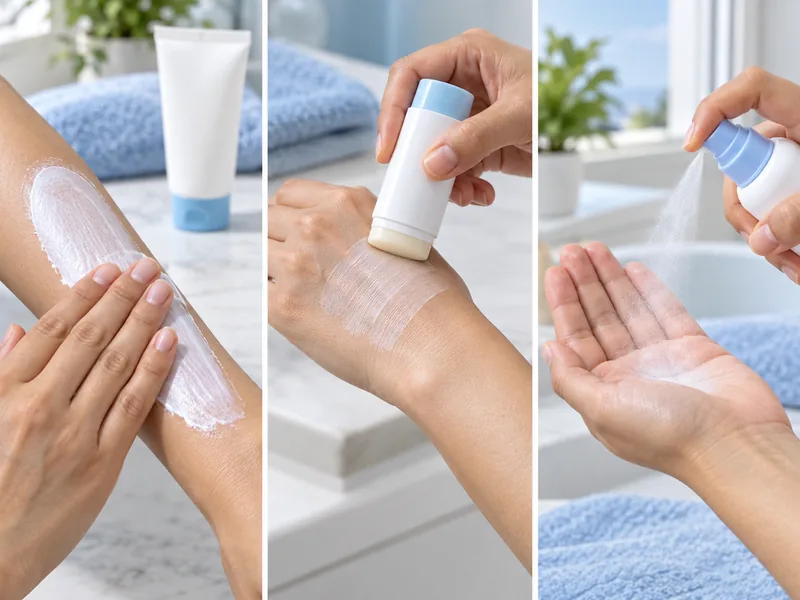
Sticks and sprays need different technique
For a sunscreen stick, the AAD recommends four passes back and forth over each area, followed by rubbing to create an even layer. For sprays, hold the nozzle close, apply until the skin glistens and rub the product in. Never spray around the face or mouth; spray into your hands first, then apply to the face. Avoid spray use in wind and avoid inhalation.
How to store sunscreen and know when to replace it
Keep the cap closed and protect the container from excessive heat and direct sunlight. At the beach, the FDA recommends wrapping the container in a towel or keeping it in shade. Do not leave sunscreen for long periods in a hot car, on a sunlit dashboard or beside a hot window.
Use the printed expiration date. Under US rules, a nonprescription drug can omit an expiration date only when stability data support at least three years; the FDA advises treating sunscreen without a date as expired three years after purchase. Discard it sooner if the package has leaked, the closure no longer seals, the formula has separated despite required shaking, or the color, odor or texture changes materially.
Do not decant sunscreen into an attractive jar or travel bottle unless the manufacturer expressly allows it. A different container can change light exposure, evaporation, contamination and formula–material interaction, while losing the legally required instructions and expiration information.
What packaging is best for sunscreen?
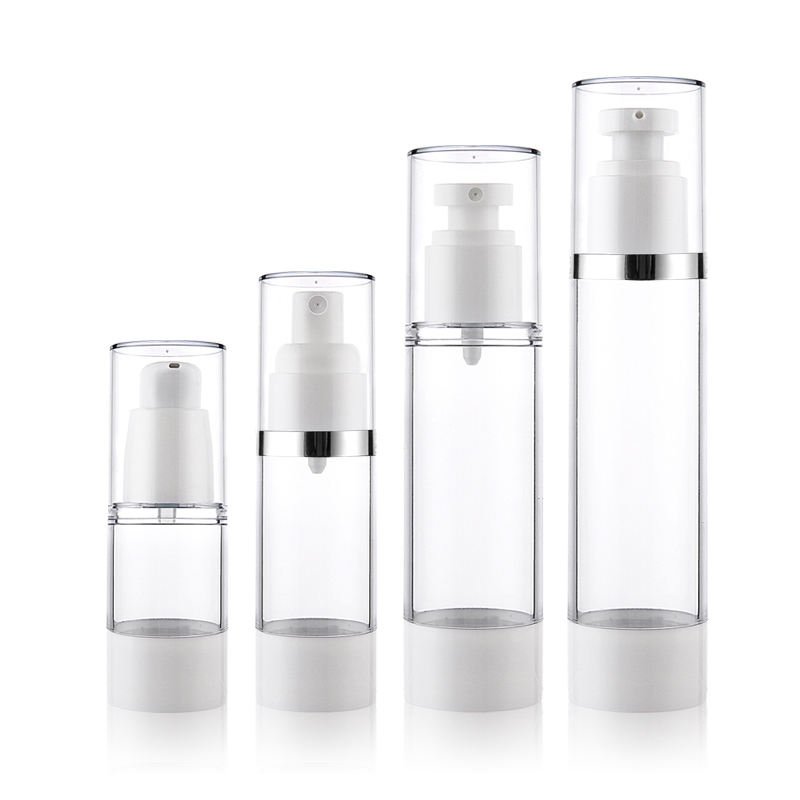
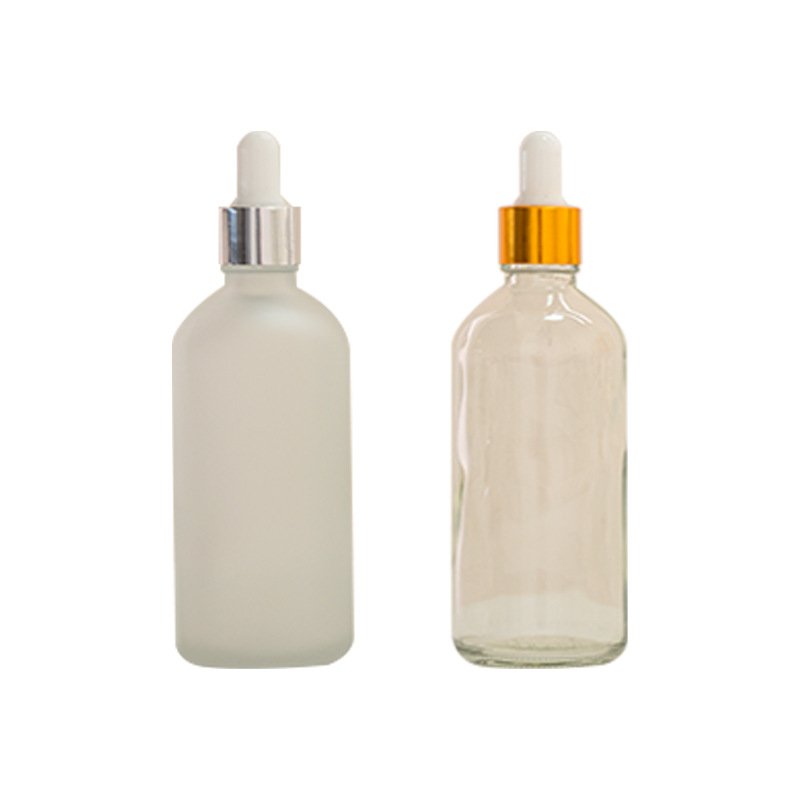
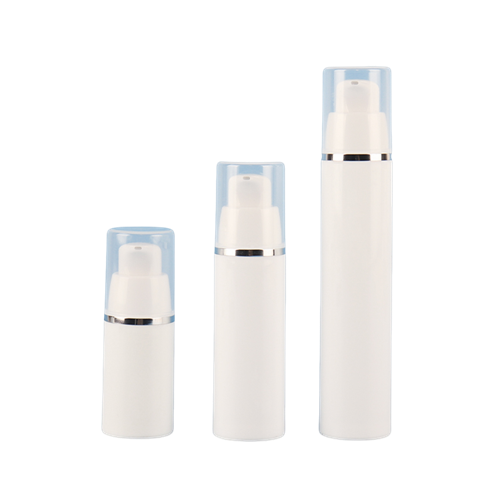
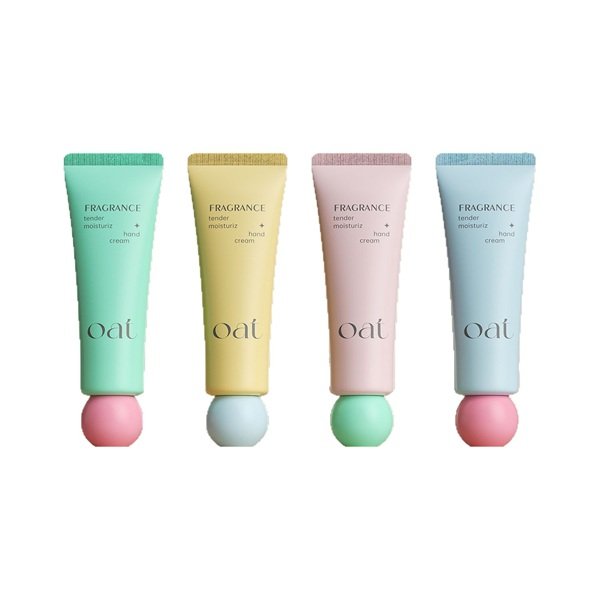
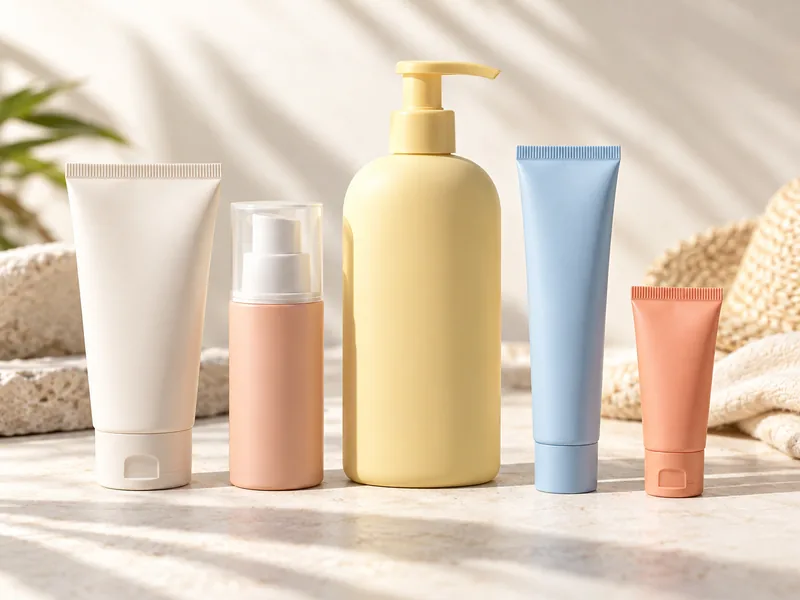
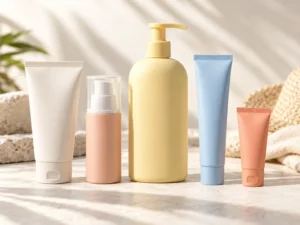
For most lotion or cream sunscreens, an opaque squeeze tube with a controlled orifice and secure flip-top cap is the safest default starting point. It limits finger contact, supports full-body dosing, travels well and can be made in sizes from facial to family use. A compact opaque airless pump can be better for premium facial products when the formula dispenses reliably through the pump. Large opaque pump bottles suit frequent family or professional body use but need a lock or overcap for transport.
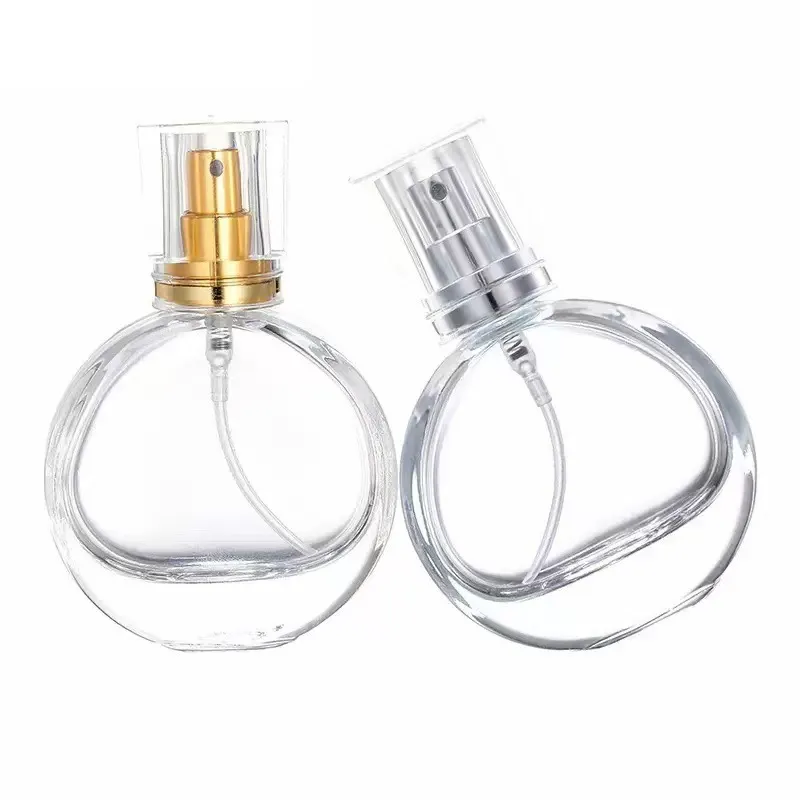
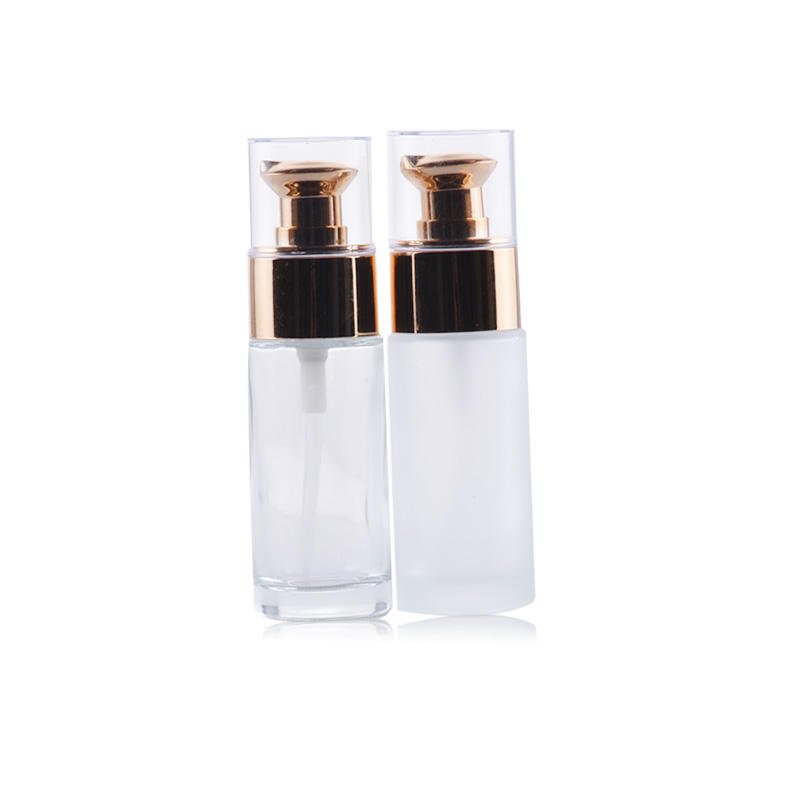
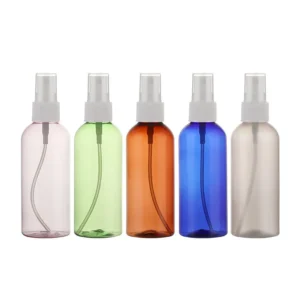
Brands can compare current sunscreen packaging formats and cosmetic squeeze-tube options, but a catalog format is only a candidate. The final formula, package, filling process and market label must be qualified together.
| Package | Best use | Design priorities | Failure modes to test |
|---|---|---|---|
| Opaque PE or laminated tube | Cream/lotion face or body sunscreen | Controlled orifice, strong shoulder and tail seal, one-hand cap | Panel cracking, cap leakage, seal failure, solvent/flavor adsorption, print scuffing |
| Opaque airless pump | Premium face lotion or fluid | Formula-compatible pump engine, repeatable dose, low residual product | Failure to prime, dose drift, piston stall, actuator clogging, elastomer swelling |
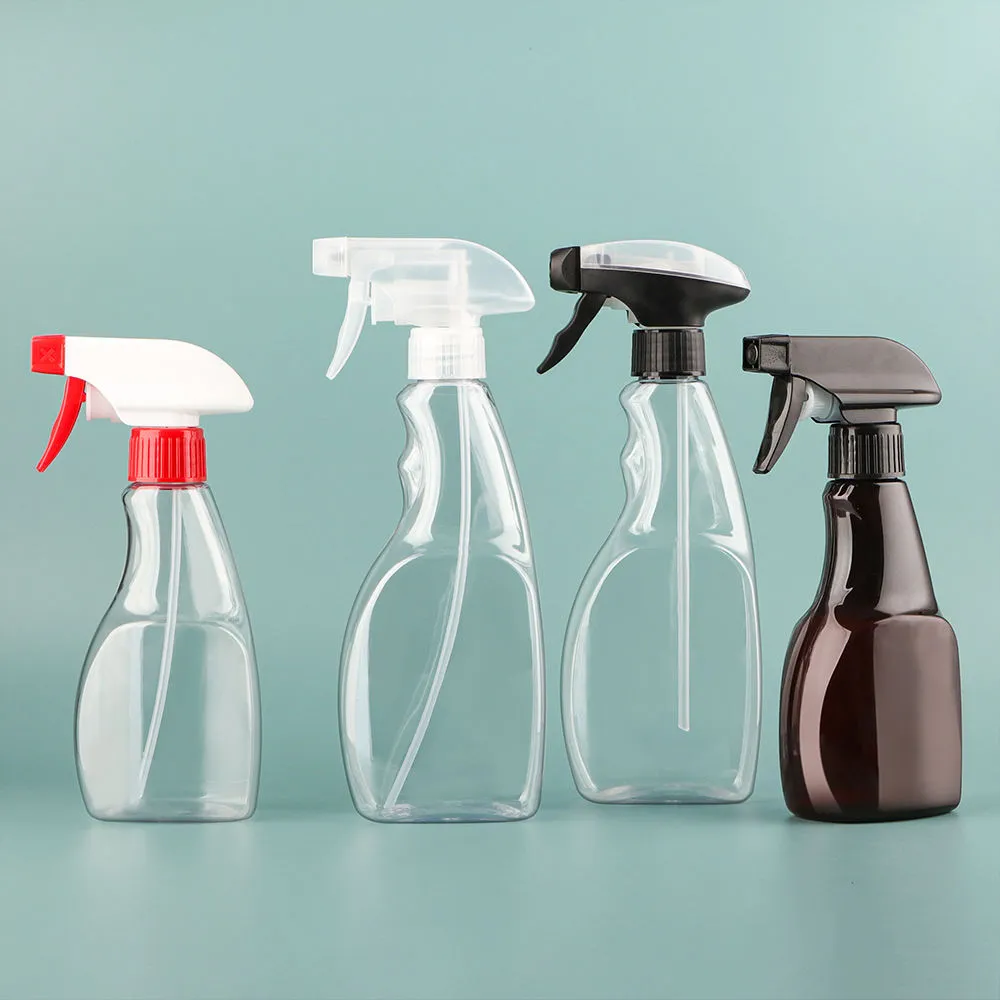
| Opaque bottle with lotion pump | Family, salon or hospitality body use | Stable base, lockable pump, sufficient output, dip-tube geometry | Leakage in transit, loss of prime, pump incompatibility, high residue |
| Stick | Targeted face, ear, hand or on-the-go reapplication | Twist-up control, cap retention, heat resistance | Softening, sweating, fracture, drag, insufficient consumer coverage |
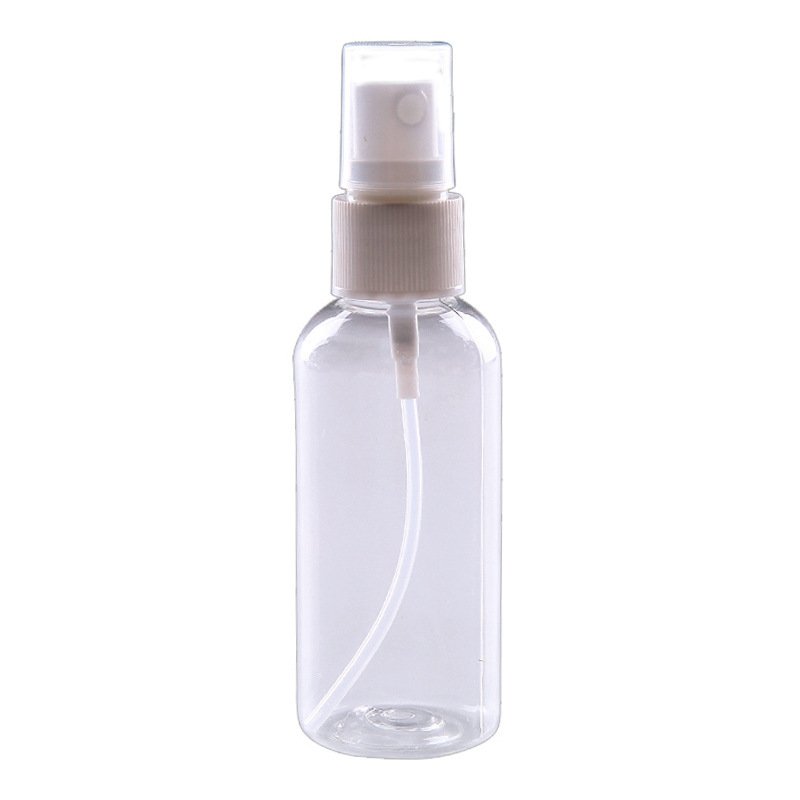
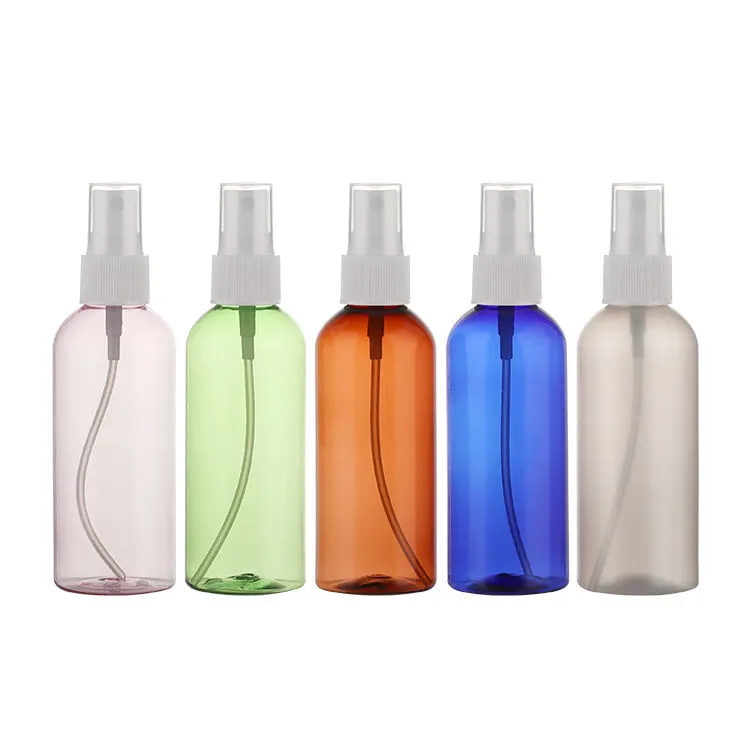
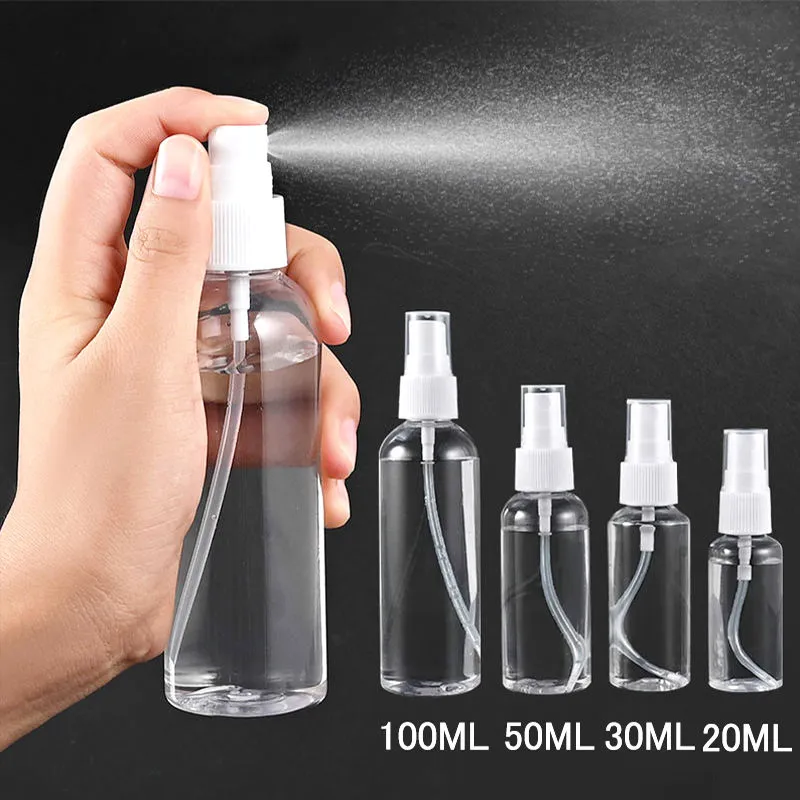
| Spray | Fast body application where local rules allow | Consistent spray pattern, lock, clear directions and inhalation precautions | Uneven delivery, clogging, valve leakage, wind loss, flammability where applicable |
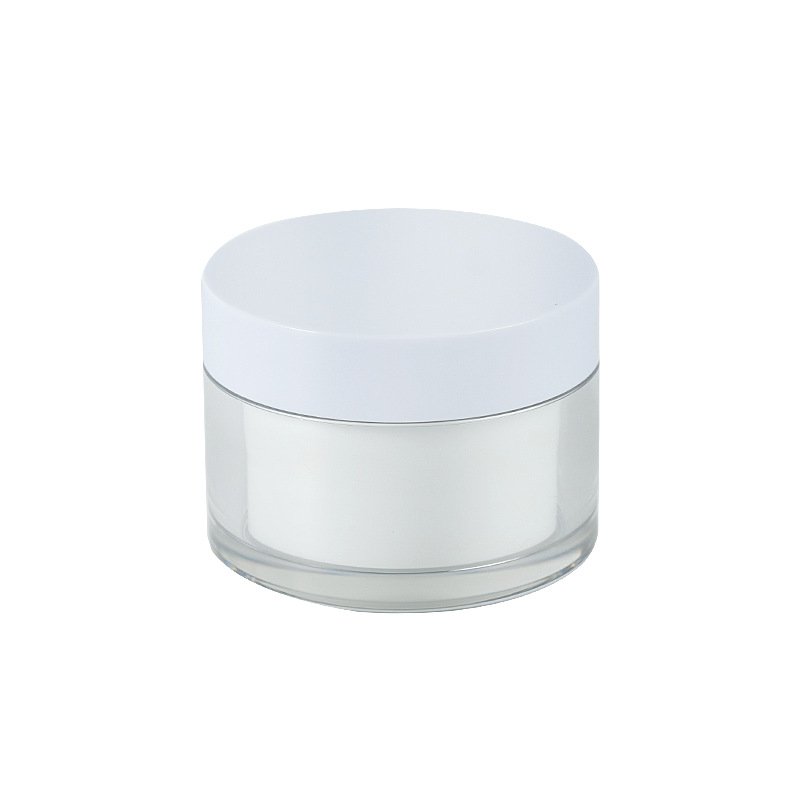
| Wide-mouth jar | Rarely preferred | If unavoidable, strong light barrier and tight closure | Finger contamination, repeated air exposure, poor dose control, product left at rim |
Material and barrier selection
Common candidates include LDPE or blended PE for flexible tubes, HDPE for stronger squeeze bottles, PP for caps and pump components, and multilayer structures when a higher barrier is justified. Resin family alone cannot establish compatibility. Sunscreen filters, film formers, oils, alcohol, fragrance, preservatives and pigments may interact differently with walls, seals, valves, adhesives and decoration.
Light protection can come from an opaque wall, pigment, sleeve, carton or overwrap. A clear package may look attractive but should be selected only when photostability data support it. An FDA container-closure guide notes that even low-permeability glass protects effectively only when the closure seal is sound; package performance is always a system property.
Capacity, shape, wall structure and dispenser
- 30–50 mL: appropriate for premium facial sunscreen and travel, but too small for economical full-body use.
- 75–150 mL: practical for individual face-and-body or beach use; the pack should still fit a hand securely when wet.
- 150–250 mL and larger: better for families or repeated body application; a pump or large flip-top can reduce dispensing friction.
- Shape: use a stable base, rounded edges, non-slip grip and a cap that does not trap sand or cream. A cap-down tube keeps product near the orifice but raises continuous seal-contact risk.
- Wall and layer structure: specify through performance testing, not a generic thickness number. Squeezability, recovery, barrier, drop resistance, decoration and filling-line behavior must be balanced.
- Dispenser: choose an orifice or pump output that encourages the intended dose without flooding the hand. Verify output across the full pack life and at realistic temperatures.
How sunscreen brands should validate packaging
A sunscreen formula can remain visually normal while losing filter concentration or changing its interaction with the package. One peer-reviewed study found significant package and formulation changes for specific sunscreens stored in a tested LDPE/HDPE bottle system under simulated solar and thermal stress. That result does not prove all polyethylene is unsuitable; it proves that resin names cannot replace product-specific testing.
Use production-representative formula, components, decoration and seals. A defensible program follows a documented formula–package compatibility protocol and should include:
- real-time storage plus justified accelerated, temperature-cycle and light-exposure conditions;
- upright, inverted and side orientations so product contacts the closure and seals;
- formula checks for appearance, odor, pH, viscosity, separation and relevant UV-filter or preservative assays;
- package checks for weight loss, swelling, paneling, cracking, discoloration, delamination, corrosion and decoration failure;
- leak, torque, drop, vibration, altitude or reduced-pressure testing appropriate to the distribution route;
- pump output, priming, spray pattern, actuation force, clogging and end-of-use residual-product measurement;
- market-specific label legibility, Drug Facts or cosmetic labeling space, lot coding and expiration controls.
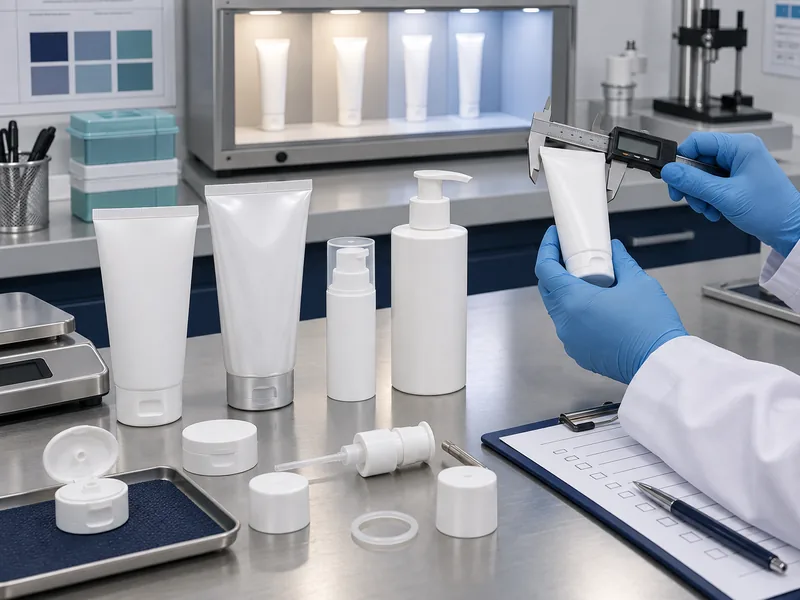
Boyu’s broader cosmetic bottle testing checklist can help structure mechanical and dispensing QA, but the sunscreen brand or responsible company must define acceptance criteria with its formulator, filler, laboratory, quality team and regulatory specialist.
Frequently asked questions
Is SPF 50 always better than SPF 30?
SPF 50 provides a higher tested UVB protection level than SPF 30 when both are applied at the test amount, but a higher number does not permit thinner application or less frequent reapplication. Broad-spectrum/UVA performance, water resistance, film uniformity and correct use remain essential.
Is mineral sunscreen safer than chemical sunscreen?
Do not use “mineral” as a universal safety verdict. Zinc oxide and titanium dioxide can suit many sensitive users, while approved organic filters can provide elegant, high-protection formulas. Individual allergy, eye sting, finish, market authorization and label directions matter more than fear-based category claims.
Which of the five is best for everyday use?
EltaMD UV Clear suits many acne-prone daily users, Supergoop Unseen prioritizes an invisible primer finish, CeraVe offers a lower-cost mineral option, and Beauty of Joseon provides a hydrating daily texture where locally authorized. Choose the one you can apply generously; none of these daily-face strengths overrides the need for water resistance during swimming or heavy sweat.
Is any sunscreen waterproof?
No. US labels may state water resistant for 40 or 80 minutes after required testing. Reapply when that time is reached, immediately after towel drying and at least every two hours. “Waterproof” and “sweat proof” are not permitted US sunscreen claims.
Can I use sunscreen after it expires?
Do not rely on expired sunscreen. Follow the printed date; if a US sunscreen has no date, the FDA advises treating it as expired three years after purchase. Discard an unknown-age product or one whose package, smell, color or consistency has changed.
Can I transfer sunscreen into a travel container?
It is safer to keep sunscreen in its original package. Decanting removes required label information and may change light exposure, sealing, evaporation and formula compatibility. Buy an approved travel size or ask the manufacturer whether a specific transfer is acceptable.
Sources
- US FDA — Sunscreen: How to Help Protect Your Skin from the Sun.
- US FDA — Tips to Stay Safe in the Sun.
- American Academy of Dermatology — How to Select a Sunscreen.
- American Academy of Dermatology — How to Use Stick and Spray Sunscreens.
- EUR-Lex — Commission Recommendation 2006/647/EC on Sunscreen Efficacy and Claims.
- DermNet — Sunscreens: A Complete Overview.
- La Roche-Posay — Anthelios Melt-In Milk Sunscreen SPF 60.
- EltaMD — UV Clear Broad-Spectrum SPF 46.
- DailyMed — EltaMD UV Clear SPF 46 Drug Facts.
- Supergoop — Unseen Sunscreen SPF 50.
- CeraVe — Invisible Mineral Sunscreen SPF 50.
- DailyMed — CeraVe Invisible Mineral Sunscreen SPF 50 Drug Facts and Packaging.
- Beauty of Joseon — Relief Sun: Rice + Niacinamide SPF50+ PA++++.
- Perugini et al. — Stability Study of Sunscreens with Free and Encapsulated UV Filters Contained in Plastic Packaging.
- US FDA — Container Closure Systems for Packaging Human Drugs and Biologics.
 English
  Español de Argentina
  Русский
  Italiano
  日本語
日本語  한국어
한국어  العربية
  Français
  Deutsch