
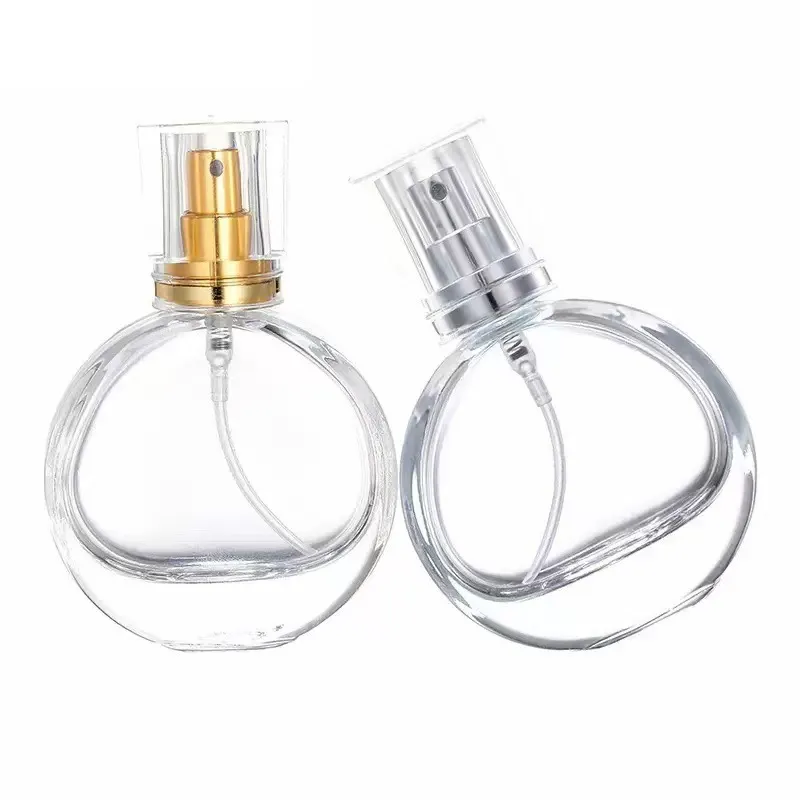
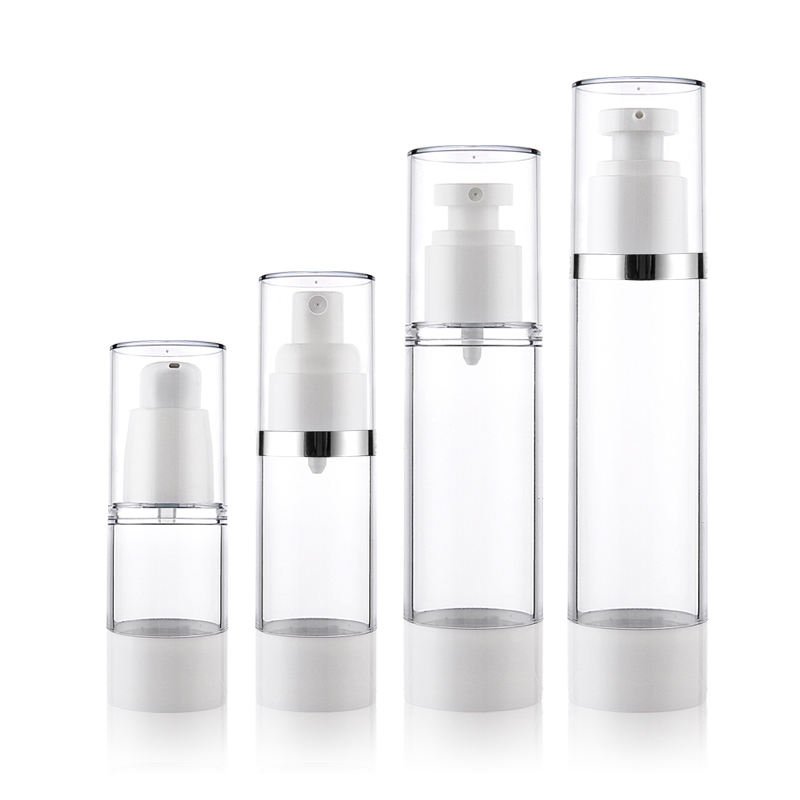
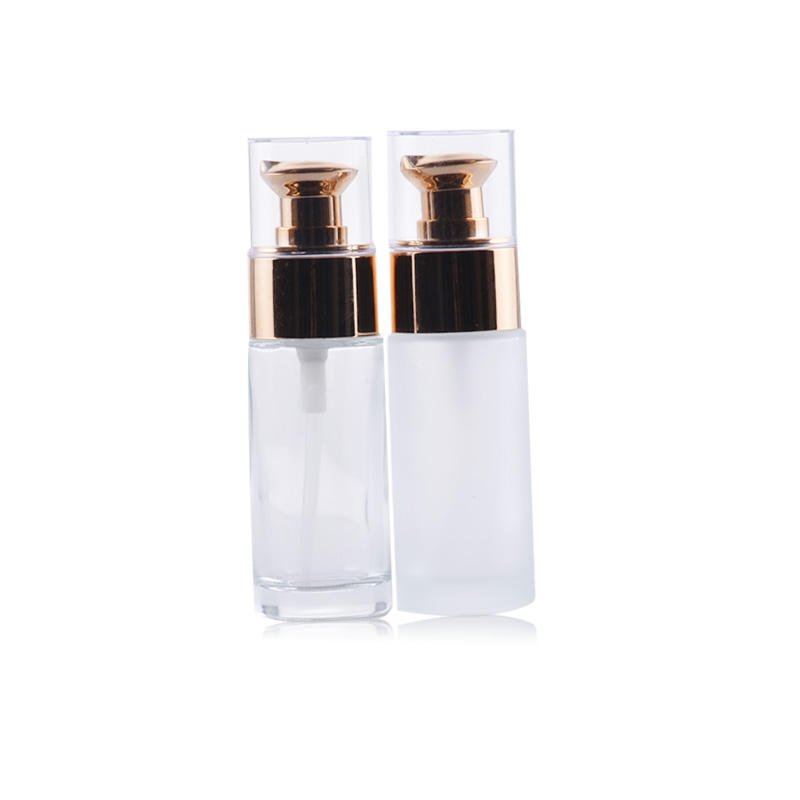
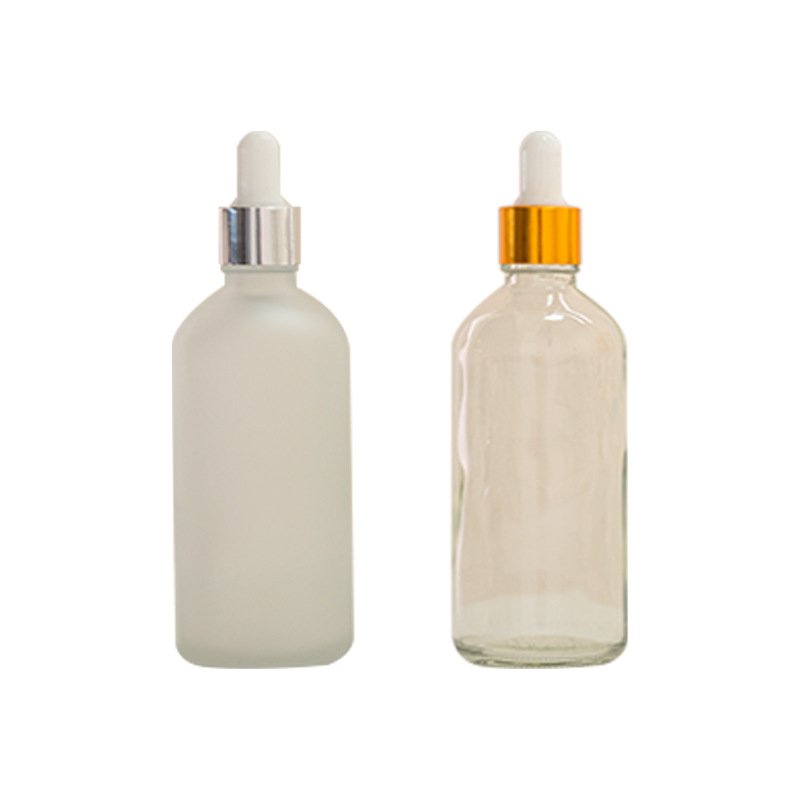
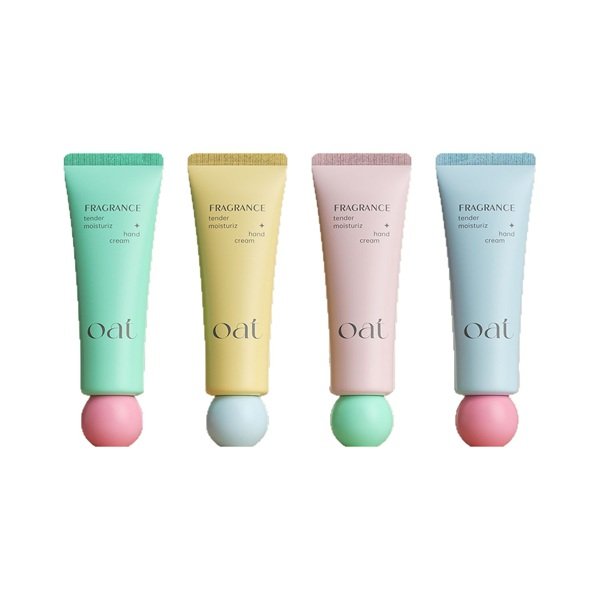
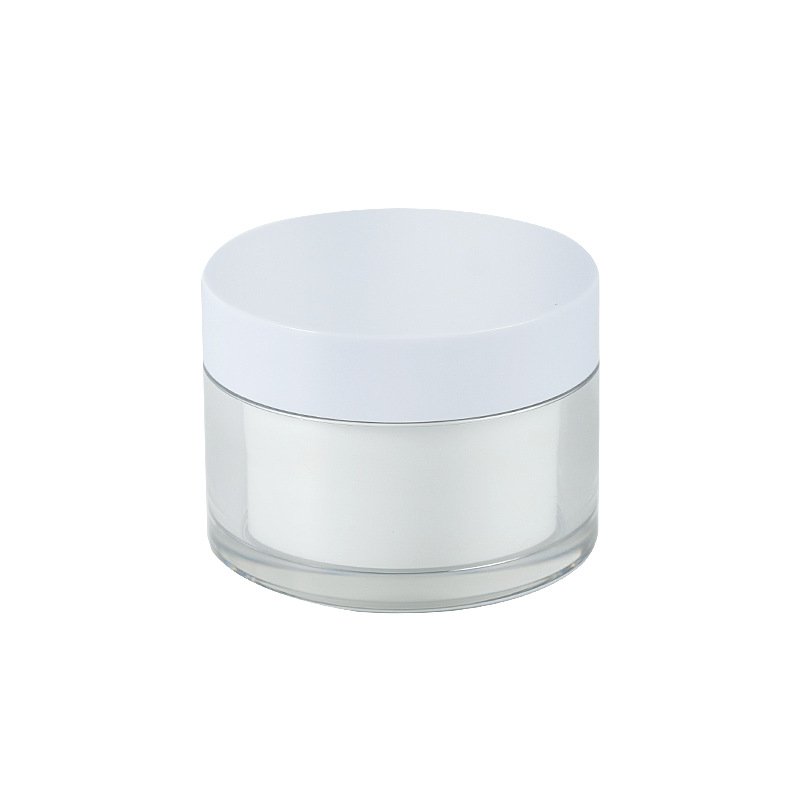


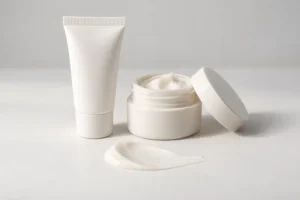
Direct answer: choose a small squeeze tube for a face-cream sample when clean dispensing, low shipping weight and repeated use matter most. Choose a mini jar when the cream is difficult to squeeze through a practical orifice, the texture must be seen or scooped, or a short premium trial experience matters more than minimizing finger contact.
Do not decide from viscosity, package appearance or nominal capacity alone. Define the sample’s job and number of applications, measure the real dose, evaluate the cream’s flow at expected temperatures, then qualify the smallest filled package on the intended filling line and in the final mailer or kit.
This guide is for skincare brands, formulators, contract fillers and packaging buyers comparing multi-use face-cream samples, deluxe samples and travel-size packs. A true single-application trial may be better served by a qualified sachet or unit-dose pack rather than either reclosable format.
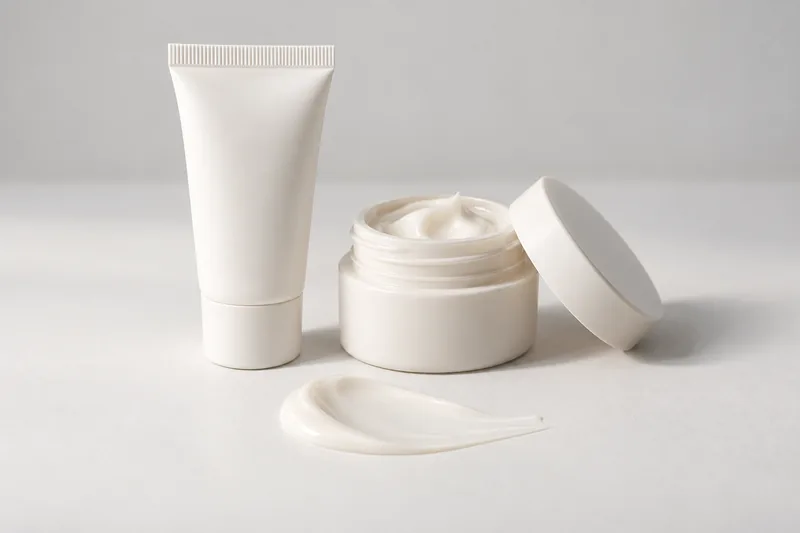
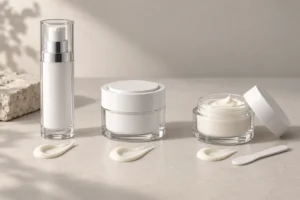
Tube vs mini jar: the practical comparison
| Decision factor | Small squeeze tube | Mini jar | What must be verified |
|---|---|---|---|
| Best fit | Multi-use trial, mail sample, travel or kit where controlled dispensing matters | Very rich texture, scoop-and-feel experience, premium deluxe sample or easy complete access | The sample objective and intended number of openings |
| Formula access | Squeezed through a defined orifice; dose can be controlled | Scooped directly; accepts textures that do not flow through a small outlet | Yield stress, squeeze force, particles, aeration and temperature behavior |
| User contact | No need to touch the bulk cream, although the nozzle can still be contaminated | Finger or spatula normally enters the opening on every use | Foreseeable use and preservation efficacy—not a hygiene slogan |
| Filling | Usually filled from the open tail, then heat sealed and trimmed | Top-filled, then inner disc/liner and closure are assembled | Nozzle, fill accuracy, air entrapment, seal window, torque and line tooling |
| Transport | Light and break-resistant, but squeeze loads can push product into the cap or stress the tail seal | Rigid and presentation-friendly, but bulkier; glass can chip or break | Final kit or mailer under shock, vibration, compression and leak checks |
| End of use | Residue depends on geometry and the user’s ability to flatten or roll the tube | The user can usually see and reach nearly all product | Measured usable product, not assumed “empty” appearance |
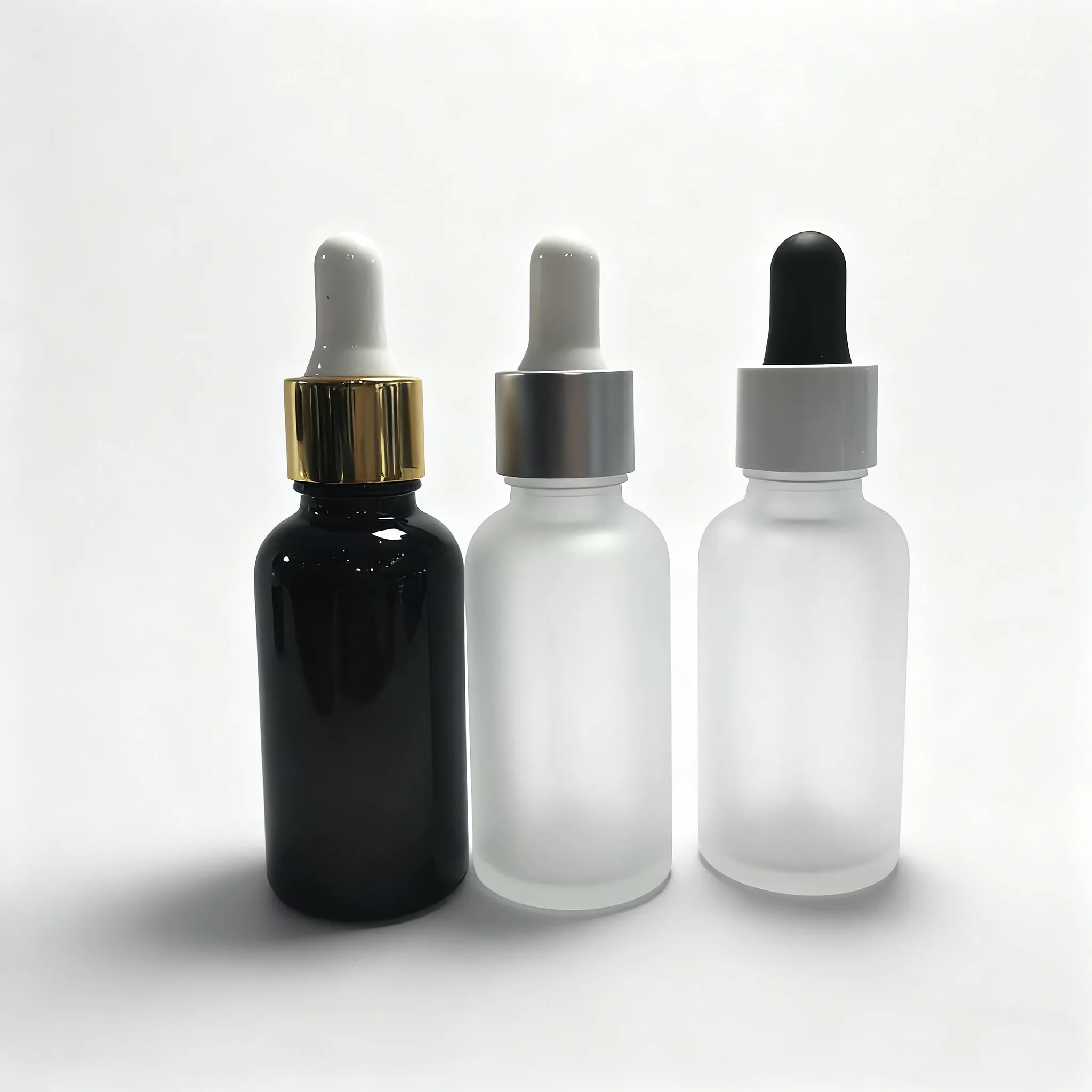
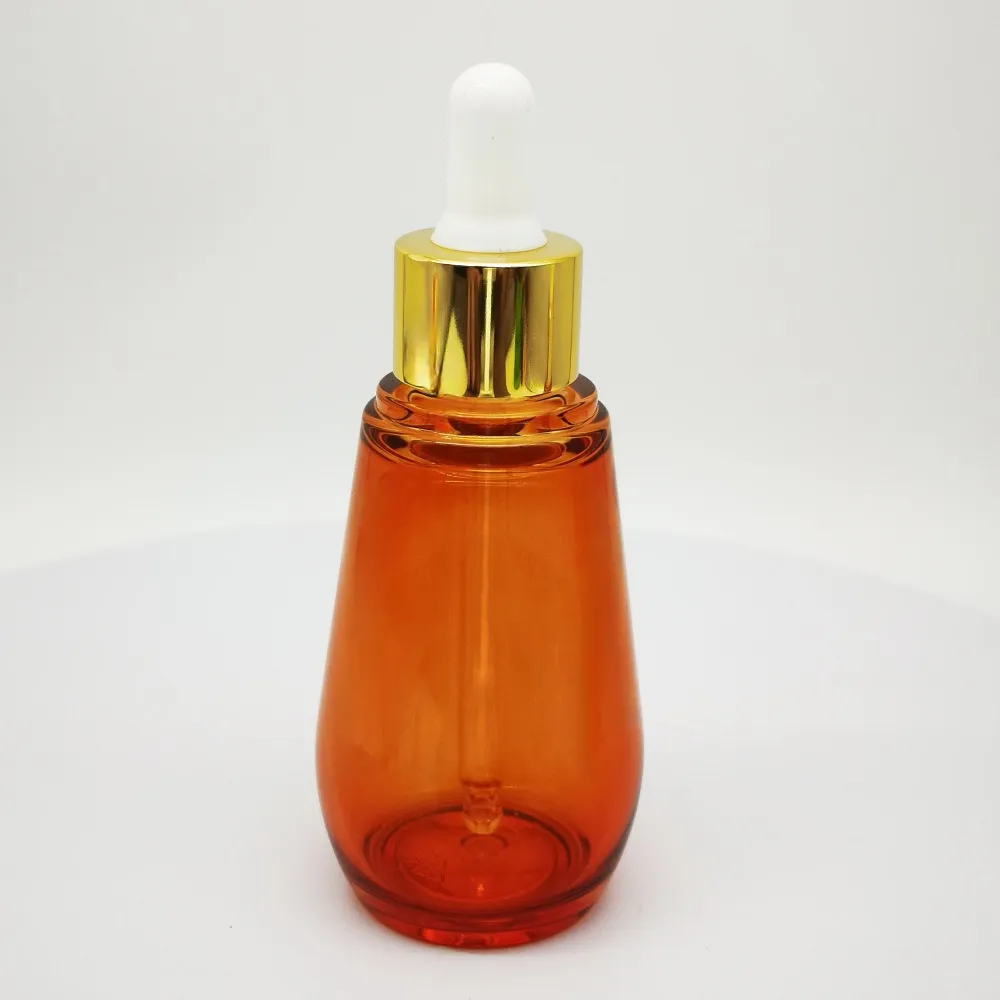
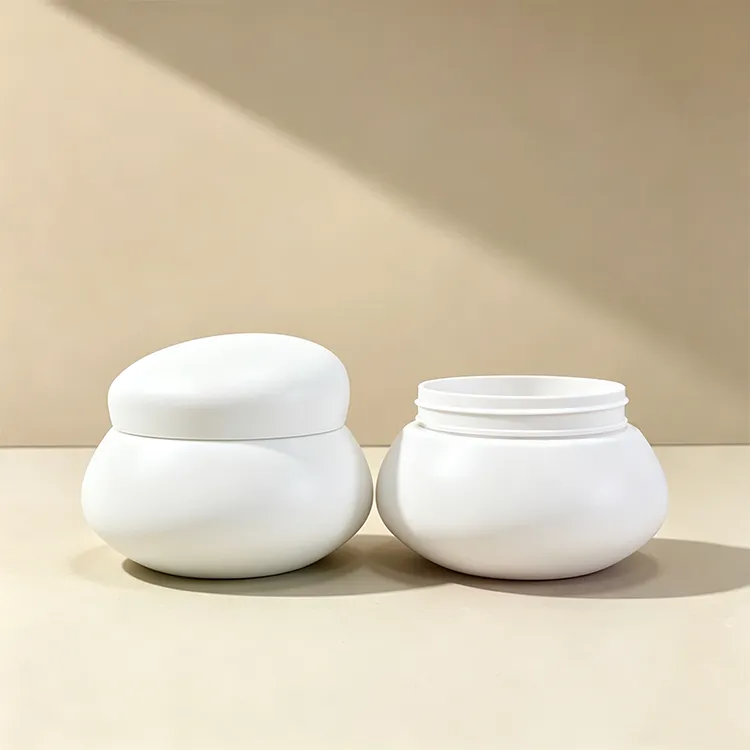
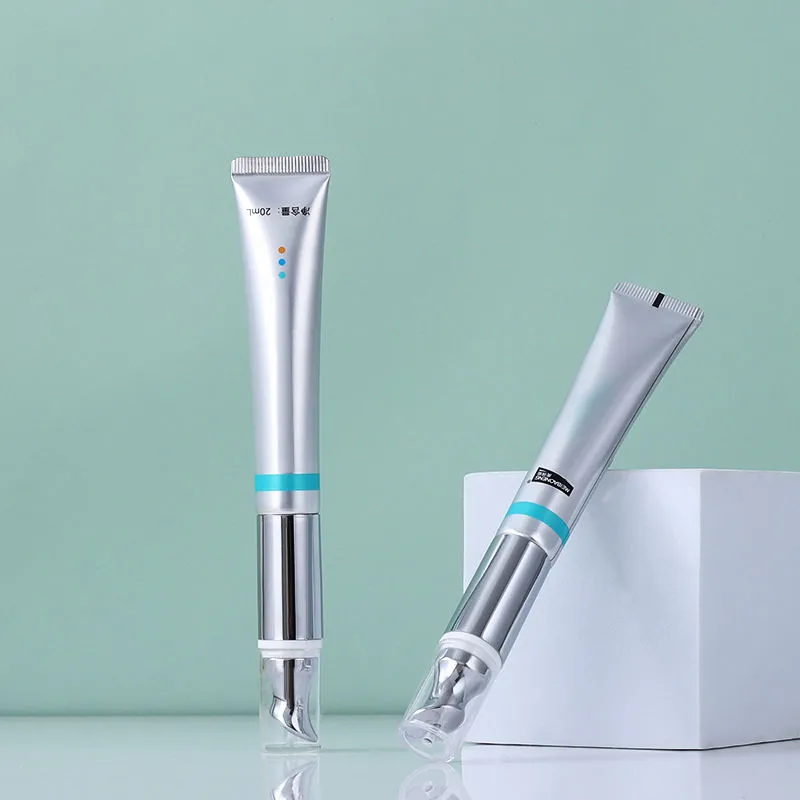
For initial sourcing, compare Boyu’s small cosmetic cream tubes with the available mini cream-jar options. Treat those pages as product-family starting points; the final choice still needs a formula-specific sample and test plan.
First define what the sample must accomplish
“Sample” is not a technical specification. A free one-application tester, a three-day trial, a paid deluxe mini, a hotel amenity and a travel SKU have different exposure times, labeling needs, cost targets and consumer expectations. Select the packaging after defining the experiment you want the user to complete.
Single application or immediate demonstration
A small jar may be easy to fill manually for a counter demonstration, but a reclosable jar is not automatically a unit-dose package. If the product is expected to be opened once and discarded, compare a purpose-designed sachet, thermoformed pod or other qualified single-use format. It can communicate the intended use more clearly and avoid the ambiguity of a partly filled reclosable container.
Several applications to evaluate skin feel
For a multi-use trial, the tube usually has the stronger functional case. The user can dispense a small amount, reclose the cap and carry the sample without repeatedly exposing the whole product to fingers. A jar can still be appropriate when the sensory ritual—seeing the texture, scooping it and judging richness—is part of the product proposition.
Paid deluxe sample or travel size
Once a sample becomes a saleable travel product, treat it as a commercial SKU rather than a disposable giveaway. Decoration durability, opening life, dose consistency, legally required information, pilfer evidence where relevant and the final carton or kit all deserve production-intent validation. A jar may support a premium family look; a tube normally saves mass and shipping volume.
Calculate capacity from applications—not from a catalog size
The right sample fill is the quantity required to complete the intended trial, plus a justified allowance for filling variability and product that cannot be recovered. Do not start with “5 ml” because it is a common package. Start by measuring how much the target user applies under realistic instructions.
Planning equation
Target net fill (g) = measured dose per application (g) × planned applications × project allowance factor. Establish the allowance from filler capability, declared quantity rules, package residue and quality risk; do not copy a universal percentage.
Measure multiple users or a controlled dispensing procedure, because a pea-sized visual instruction is not a metrology method. If the pack is sold by volume, measure product density at the relevant temperature. A cream with a density other than 1.00 g/ml makes “5 ml equals 5 g” wrong, and entrained air can make apparent volume even less reliable.
Use size bands only as project starting points
- About 1–3 g: consider for a controlled single application or very short trial when the measured dose supports it. A sachet may still be more explicit for true unit use.
- About 3–5 g: can support a short multi-application experience for some facial products, but the actual number of uses must be measured.
- About 5–15 g: often functions more like a deluxe sample or travel mini, making opening life, decoration, labeling and distribution performance more important.
These are illustrative program bands, not an industry standard or a promise of a given use count. For very small precision packages, compact eye-cream tubes can provide useful structural references even when the formula is a broader face cream.
Nominal capacity is not the same as usable fill
A tube loses usable internal length to the shoulder and the bottom sealing zone. A jar needs headspace for clean closing, an inner disc or liner and product movement during assembly. Request drawings and define net fill, brimful capacity, sealing allowance and expected residue separately. A package that physically accepts a target quantity may still be overfilled for clean production.
How the face-cream formula changes the choice
A single viscosity value is not enough to approve a tube. Face creams are structured semisolids: many have yield stress, shear-thinning behavior and time-dependent recovery. Yield stress is the stress required to initiate flow, while shear thinning means the product becomes easier to move as shear increases. Both affect whether a consumer can start and control a dose through a small orifice.[8][9]
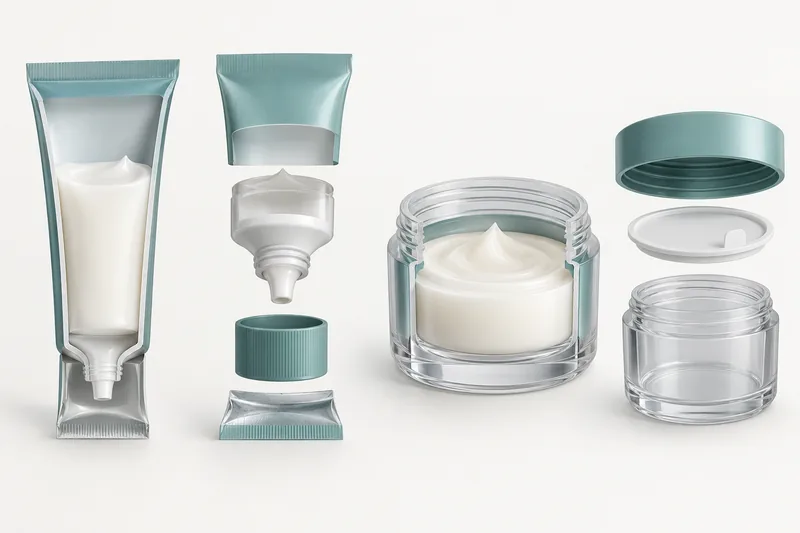
When the cream is a good tube candidate
A tube is promising when the cream moves at a comfortable squeeze force, exits without a sudden uncontrollable slug, cuts off cleanly at the orifice and does not separate after repeated squeezing. The tube wall stiffness, diameter, fill level, orifice diameter and product temperature all change that experience. A formula that works in a 30 ml tube can feel much harder to dispense in a short, narrow sample.
When the cream favors a mini jar
A jar is usually more forgiving of dense balms, whipped creams, high-yield-stress emulsions, large suspended particles or textures whose visual peak is part of the experience. It also avoids forcing the cream through a small outlet. The trade-off is direct opening exposure, a larger withdrawal area and more reliance on the closure, liner and preservation system during multi-use.
Temperature, aeration and particles
Cold storage can make some creams harder to squeeze; warm storage can lower resistance, increase oil bleed or encourage product movement into a cap. Whipped or aerated creams can lose apparent volume or compact during transport. Beads, capsules and crystalline particles may block a tube orifice or be damaged by squeezing. Evaluate the real formula—not a fragrance-free base—at the expected use and distribution temperatures.
Material and barrier choices
Material names are screening information, not compatibility certificates. Oils, fragrance, solvents, preservatives, active ingredients, pH, pigments and filling temperature can affect the package, while the package can adsorb, transmit or release substances. Stability guidance therefore calls for testing the product in packaging made from the same materials and closely representative of the marketed pack.[3][4]
| Structure | Advantages | Watch-outs | Good reason to shortlist |
|---|---|---|---|
| PE-rich mono-material tube | Light, flexible, squeezable; can simplify material design when the complete pack is aligned | Barrier, stiffness, recovery and decoration still vary by construction | Routine short-life sample where compatibility and protection tests pass |
| Multilayer PE / PBL tube | Can add a functional barrier such as EVOH for a specified need | Performance depends on layer specification; multilayers can complicate recyclability | Formula needs better oxygen, odor or volatile retention and supplier data supports it |
| PP mini jar | Light, impact-resistant and practical for compact molded jars and closures | Wide opening increases use exposure; sealing depends on thread, liner/disc and torque | Dense cream and cost-sensitive multi-use mini where filled-pack tests pass |
| PET/PETG or acrylic-look jar system | High clarity and premium appearance; often uses a separate product-contact inner cup | Identify every contact component; solvent and stress-crack risk are grade/formula specific | Texture visibility or prestige is a deliberate sample objective |
| Glass mini jar | Premium mass and generally strong product-contact inertness of the glass body | Heavier and breakable; coating, liner, cap and decoration remain separate risks | Luxury paid mini or gift set with protective pack-out |
The 2025 ELIPSO/FEBEA guide treats tubes and pots as complete packaging systems rather than assuming a resin name guarantees recyclability.[7] Review the sleeve or body, barrier, cap, liner, pigment, adhesive and decoration together, then check the collection and recycling rules in the destination market. Boyu’s broader skincare packaging families can help compare adjacent structures before narrowing the sample pack.
Hygiene, oxidation and preservation
FDA identifies inadequate packaging, poor shipping or storage and consumer finger dipping as possible routes for cosmetic microbial contamination.[1] A narrow tube outlet usually reduces direct access to the bulk product, but the nozzle and cap can still collect cream, contact skin or pick up contamination. A jar creates a larger withdrawal zone and is more likely to be entered by a finger or spatula.
That difference should influence risk assessment; it does not justify calling a normal cosmetic tube sterile, airtight or preservative-free. ISO 11930 provides a framework for evaluating antimicrobial protection of cosmetic products that are not considered microbiologically low risk.[2] The final formula, intended sample duration, use behavior and packaging must be considered together.
A tube also does not eliminate oxygen exposure. It contains initial headspace, its wall has a finite transmission rate, and air may enter around the outlet as the pack recovers after squeezing. A jar exchanges headspace whenever it is opened. If the cream contains oxidation-sensitive components, compare material barrier, opacity, closure seal, fill process and stability results rather than relying on a format name.
Filling and sealing: where small packs often fail
Miniaturization tightens the process window. A small mass error becomes a larger percentage of the declared fill, a tiny air pocket occupies more of the pack, and a few millimeters of seal contamination can compromise a short tube. Qualify the smallest size on the intended production line rather than extrapolating from a full-size pack.
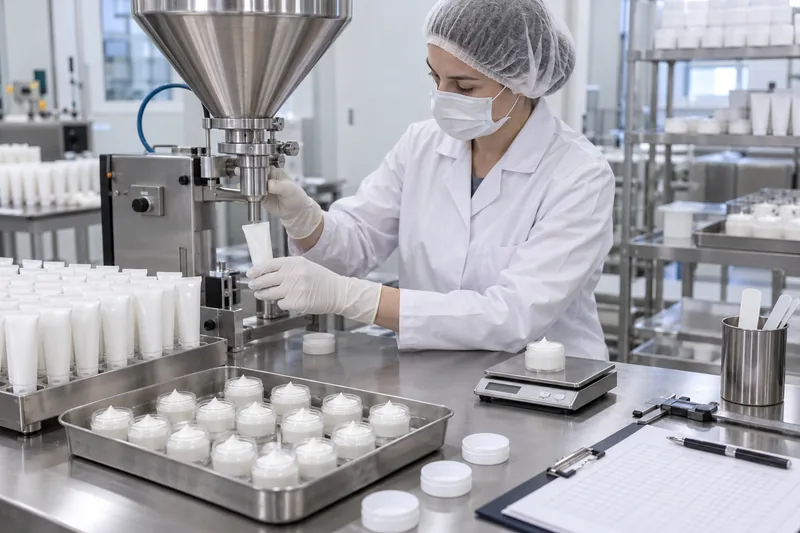
Tube process controls
- Confirm the tube is supplied open at the tail and that the filler has the correct holder, nozzle diameter and insertion depth.
- Set fill conditions to avoid stringing, air pockets and cream on the future seal area.
- Develop the heat-seal or ultrasonic-seal window for the exact sleeve structure, ink coverage and fill condition.
- Inspect seal width, alignment, wrinkles, delamination, channel leaks, trim and batch coding.
- Condition samples before leak and squeeze tests; a seal that looks good immediately may relax or fail after thermal exposure.
Jar process controls
- Center the fill to keep the sealing land and threads free of product.
- Control aeration and leveling so the small jar does not look underfilled after bubbles collapse.
- Verify any inner disc, liner or induction seal against the formula and closure design.
- Establish an application-torque range for the cap; “hand tight” is not a production specification.
- Inspect after hot or warm filling only when the jar and formula process were designed for it; uncontrolled cooling can change torque, vacuum and appearance.
For a detailed study design, use Boyu’s formula–package compatibility protocol. It explains how to compare the package and formula under controlled conditions without treating one accelerated observation as proof of shelf life.
Environment, storage and transport
Samples often face a harsher distribution pattern than full-size retail packs: they may be mailed individually, dropped loose into subscription boxes, placed beside rigid products or carried in a warm bag. Test the final primary pack inside the actual card, pouch, carton, divider or mailer—not as an unprotected component on a laboratory shelf.
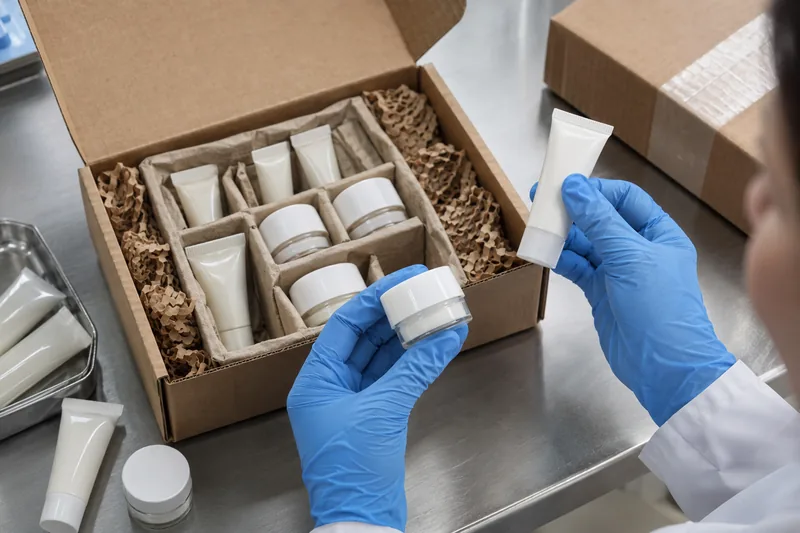
| Hazard | Tube risk | Jar risk | Control |
|---|---|---|---|
| Compression | Cream forced into cap; tail seal stressed | Lid or inner disc loaded by neighboring items | Divider, cap lock geometry, controlled headspace and compression test |
| Drop and impact | Cap cracks or opens; tube shoulder deforms | Glass fracture, plastic thread damage or cap loosening | Final-mailer drop sequence and post-test leak/visual inspection |
| Heat/cold cycle | Squeeze behavior, paneling, seal or decoration changes | Torque shift, liner response, cracking or oil bleed | Conditioned filled-pack test with recovery inspection |
| Vibration | Cap rub, product migration and printed-surface scuff | Closure back-off, jar contact and decoration abrasion | Vibration in the final kit, followed by torque, leak and appearance checks |
ISTA Project 3L is one current reference for parcel delivery of small packaged products; its overview combines conditioning, drops, vibration and an eight-hour leak test for liquids.[10] It is not automatically the correct protocol for every cream sample. Select the test procedure, sample quantity and acceptance criteria from the real distribution system and the product’s failure consequences.
Cost, MOQ and environmental trade-offs
Compare the cost of an accepted, filled and delivered sample—not only the empty component price. A cheap package that requires slow hand filling, creates seal rejects, needs an oversized mailer or leaves too much unusable cream can be more expensive per successful trial.
Build the cost model from seven lines
- Empty tube or jar, closure, inner disc/liner and any seal.
- Custom color, mold or tooling allocation.
- Printing, label, coding and artwork changes by variant.
- Filling, sealing/capping, cleaning and line-change labor.
- Yield loss, rejects, overfill and retained quality samples.
- Card, carton, insert, mailer and freight cube/weight.
- Inspection, compatibility, stability and distribution validation.
Tubes are light and space-efficient, but a fully printed custom tube may have a different economic order quantity from a stock jar with a pressure-sensitive label. Jars can be easier to fill on a simple pilot line, yet multi-component prestige jars increase material mass and assembly. Ask suppliers to quote each color, capacity, cap and artwork as a separate production item so a combined program quantity is not mistaken for the MOQ of every variant.
Environmental comparison also needs a functional unit. Evaluate packaging mass and composition per successful trial, product waste, secondary packing and local recovery—not “tube versus jar” in isolation. A lightweight multilayer tube can use less material but be harder to recycle; a mono-material jar may be more recyclable in theory but heavier and still rejected by local systems. Document the complete structure and destination-market pathway before making a claim.
Common problems, root causes and corrections
| Symptom | Likely causes to investigate | Corrective path |
|---|---|---|
| Tube is too hard to squeeze | High yield stress, cold product, stiff sleeve, small diameter/orifice, overfill | Test a softer or wider tube, larger outlet, different fill or jar; measure force and dose at temperature |
| Tube spits or doses unevenly | Entrained air, stringing fill, thixotropic recovery, outlet too large | Reduce aeration, optimize fill nozzle and conditions, resize outlet, set dose-variation limit |
| Tube leaks at the tail | Product in seal area, wrong energy/time/pressure, incompatible sleeve layers, folds or excessive fill | Clean seal zone, develop validated seal window, inspect section and repeat conditioned leak testing |
| Product collects inside cap | Warm/low-viscosity cream, pressure during shipping, poor cut-off, too much head pressure | Change orifice/cap geometry, fill, formula or pack-out; test inverted and compressed conditions |
| Jar leaks around lid | Dirty sealing land, liner mismatch, low/high torque, warped parts, product thinning in heat | Keep land clean, verify liner and thread, establish torque window, test hot-conditioned packs |
| Cream dries, discolors or loses odor | Poor seal, excessive headspace, wall permeation, light exposure, formula instability or volatile loss | Use controls to separate package from formula effects; evaluate barrier, opacity, seal and fill process |
| Mini jar cracks or scuffs | Impact, jar-to-jar contact, solvent stress, coating/ink weakness or overtorque | Investigate compatibility and assembly; add dividers; qualify decoration and final distribution pack |
| Sample appears underfilled | Catalog capacity used instead of net-fill design, aeration collapse, excessive headspace or mass/volume confusion | Specify net mass, density, brimful capacity and headspace; approve the filled appearance after settling |
A practical qualification plan before ordering
Stage 1: write a decision brief
State the sample type, free or paid status, target applications, net fill by mass, formula identity, density, flow behavior, sensitive ingredients, destination markets, distribution route, filling site, annual demand and launch date. Define what the user must learn from the sample: immediate sensory appeal, several-day tolerance, color match or travel convenience.
Stage 2: screen two or three real structures
Request drawings, component materials and undecorated samples. Fill both a tube and jar when the decision is not obvious. Record fill mass, filling time, visible air, seal/closure settings, squeeze force or scoop access, dose, residue and user observations. Eliminate any format that cannot be filled repeatably or used comfortably.
Stage 3: validate the smallest finished SKU
- Compatibility and stability in the exact material, color, liner and decoration, using suitable controls and multiple orientations.
- Preservation efficacy or microbiological risk assessment appropriate to the formula and foreseeable use.
- Net-content and fill-process capability, including settled appearance and actual usable quantity.
- Tube seal or jar closure integrity after thermal conditioning and distribution simulation.
- Decoration/label adhesion, code legibility and regulatory artwork review for every sales market.
- Consumer-use trial covering opening, dispensing, mess, dose, reclosure and end-of-use residue.
Cosmetics Europe specifically advises testing the smallest container when a product is marketed in several package sizes.[3] Use a documented risk-based packaging test matrix to convert this list into sample quantities, conditions, measurements and pass/fail limits.
Questions to send with the RFQ
- What are the exact product-contact materials, grades, layer structure and colorants?
- What are brimful capacity, recommended net fill, tube seal allowance and critical drawing dimensions?
- Which cap, liner or inner disc is matched to this exact body?
- What filling/sealing or capping equipment and process window are required?
- What MOQ applies to each body color, cap color, capacity and artwork—not just the total program?
- Which declarations, change-control documents and production samples can be supplied?
- How are appearance, dimensions, leakage, seal/closure performance and decoration inspected?
Do not assume a free sample is label-exempt
Very small packages create genuine space constraints, but the legal solution varies by market and distribution model. EU Regulation 1223/2009 Article 19 exempts packages under 5 g or 5 ml, free samples and single-application packs from the nominal-content statement; it does not erase every other required item.[5] The US FDA applies cosmetic labeling rules and provides specific alternatives for certain very small packages or distribution contexts.[6]
Have a qualified regulatory reviewer approve the immediate container, outer card/carton, leaflet or other accompanying labeling for each target market. Do not shrink mandatory text until it becomes unreadable, and do not treat a promotional giveaway and a paid travel SKU as legally identical without review.
Frequently asked questions
Can I put a cream from a full-size jar directly into a mini tube?
Not without qualification. The cream may be hard to fill or squeeze, may behave differently after shear, and will contact a different material at a higher package-area-to-product ratio. Pilot-fill the exact mini tube and run stability, compatibility, use and transport tests.
Is a mini jar always better for a very thick cream?
It is often the safer starting point, especially for balms, high-yield-stress or particulate textures. A tube may still work with a softer sleeve, larger diameter and outlet or warmer validated use conditions. Measure squeeze force and dose before deciding.
Which protects active ingredients better?
Neither format wins by name alone. A specified barrier tube can outperform a basic jar for some oxygen- or volatile-sensitive formulas, while an opaque, well-sealed jar may outperform an unsuitable tube. Compare wall transmission, light protection, headspace, seal and stability results for the exact pack.
Is a 5 ml jar equivalent to 5 g of face cream?
Only if the cream density is exactly 1.00 g/ml under the measurement conditions, which should not be assumed. Measure density, decide whether the declared quantity is mass or volume, and confirm the filled appearance and headspace with the real formula.
Does adding a spatula make a mini jar hygienic?
A clean spatula can reduce direct finger dipping, but it does not eliminate environmental exposure, user handling or the possibility of reusing a contaminated tool. Include the spatula and its storage method in foreseeable-use and preservation assessment.
Can consumers refill the sample pack for travel?
Do not encourage refilling unless the package, cleaning instructions, reuse cycles and formula risks have been assessed for that purpose. Residual product, water and difficult-to-clean closures can introduce contamination or mix incompatible formulas.
Sources
- U.S. Food and Drug Administration, Microbiological Safety and Cosmetics.
- International Organization for Standardization, ISO 11930:2019—Evaluation of the antimicrobial protection of a cosmetic product.
- Cosmetics Europe and CTFA, Guidelines on Stability Testing of Cosmetic Products.
- Cosmetics Europe, Explanatory Note: General Approach for Cosmetic Packaging.
- European Union, Regulation (EC) No 1223/2009 on cosmetic products.
- U.S. Food and Drug Administration, Summary of Cosmetics Labeling Requirements.
- ELIPSO and FEBEA, Recyclability of Plastic Cosmetic Packaging Guidelines.
- Gilbert et al., Quantitative Sensory Interpretation of Rheological Parameters of a Cream Formulation, Cosmetics, 2020.
- Mohammed et al., Impact of Different Packaging Configurations on a Topical Cream Product, Pharmaceutical Research, 2024.
- International Safe Transit Association, ISTA Project 3L overview for e-commerce packaged products.
- SABIC, Solutions for Cosmetic Tubes (supplier technical documentation; material options are product-specific).
 English
 Español de Argentina
 Русский
 Italiano
 日本語
 한국어
 العربية
 Français
 Deutsch