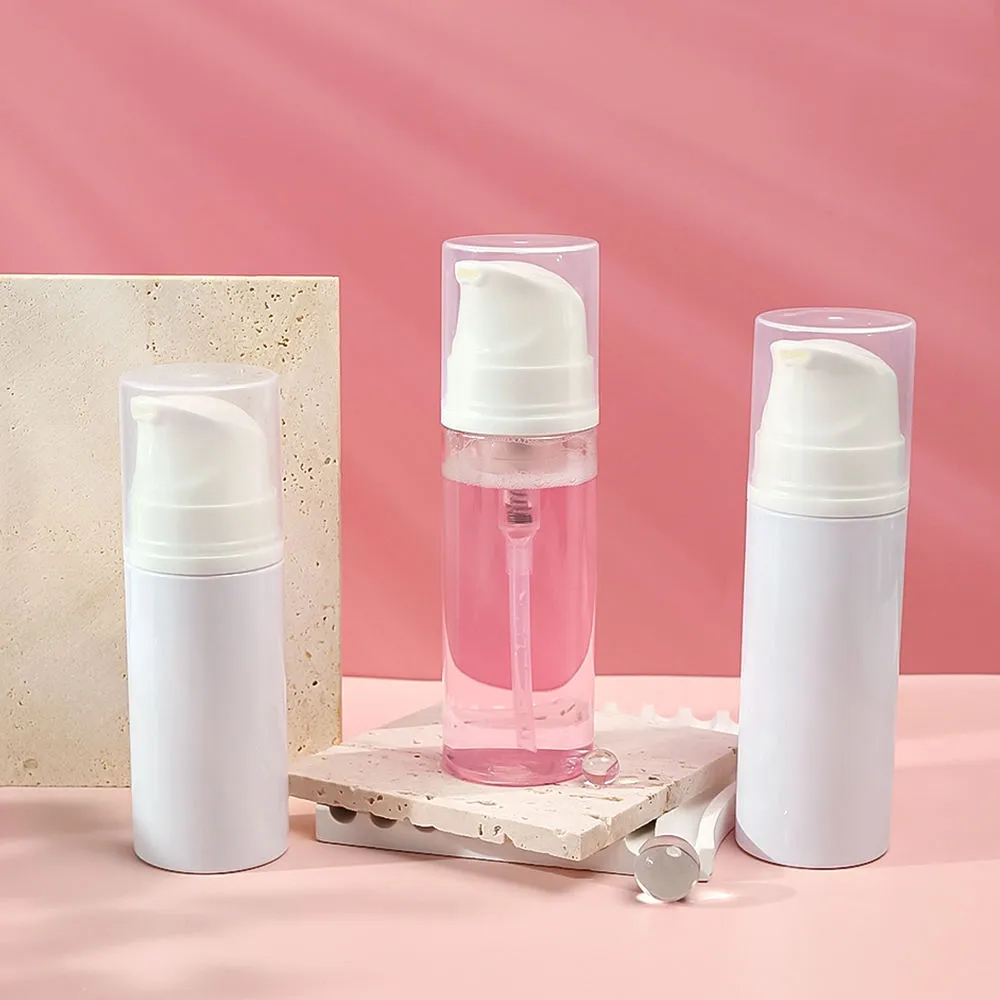
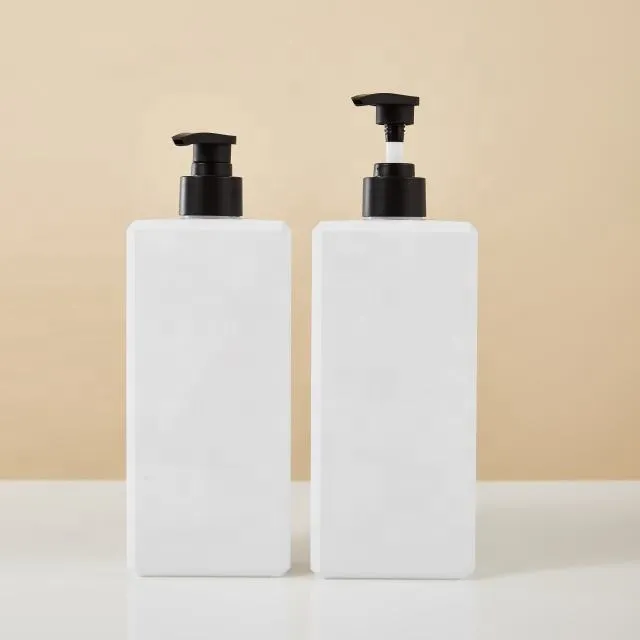
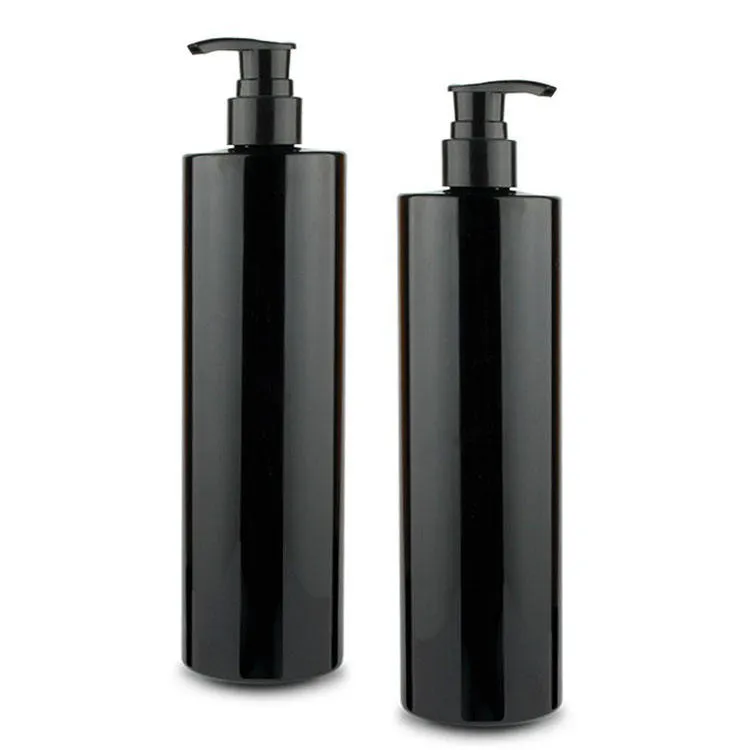
Direct answer: a startup cosmetic brand should not choose the biggest factory, the lowest quote or the supplier with the longest certificate list. Choose the smallest qualified supply system that can repeatedly make your exact bottle, closure, decoration and export pack to an approved specification—and can prove who controls every outsourced process. Begin with a stock or lightly customized package, qualify it with the final formula and filling line, and reserve private tooling for a product with validated demand.
The strongest first supplier is usually “right-sized”: experienced in the required package family, willing to support the launch quantity, disciplined enough to control drawings and changes, and large enough to deliver the forecast plus a realistic growth scenario. A beautiful sample is only the entry ticket. The decision should be based on repeatability, formula compatibility, total landed cost, delivery risk and evidence.

In this guide
- What a startup actually needs
- Factory, trader or integrator
- Large versus small factories
- Choose by product and material
- Production and design capability
- Quality and test evidence
- Printing and decoration
- MOQ and total cost
- Delivery and export ability
- How to read certificates
- 100-point scorecard
- China sourcing workflow
- How to evaluate Boyu
- FAQ
What a Startup Actually Needs From a Packaging Manufacturer
A mature brand optimizes an established specification. A startup is still discovering whether consumers will buy the formula, price and format. Its packaging supplier therefore has to manage three risks at once:
- Technical risk: the formula may swell a gasket, crack a plastic, lose fragrance, clog a pump, attack decoration or leak after transport.
- Commercial risk: custom colors, pumps and printing may force the brand to buy far more stock than it can sell before the artwork or formula changes.
- schedule risk: bottles, pumps, caps, labels and cartons may have different lead times. One late component can stop the entire filling run.
For a first launch, the most robust route is often an existing mold with a standard neck finish, an already-qualified closure, restrained decoration and a label or one-color print. This gives the brand room to spend on formula testing, regulatory work, filling trials and customer acquisition. A private mold can become rational after repeat demand justifies tooling, validation and inventory exposure.
A practical launch rule
Do not approve a package because an empty sample looks premium. Approve the complete filled system: bottle or tube, closure, gasket, pump or dropper, decoration, label, carton, shipping pack and the process used on the intended filling line.
First Identify What Kind of Supplier You Are Buying From
“Manufacturer” is often used for very different business models. None is automatically good or bad, but the risks and questions differ.
| Supplier model | Where it helps | Main risk to control | Evidence to request |
|---|---|---|---|
| Direct process factory | Deep expertise and control over one process, such as glass forming, injection molding, extrusion blow molding or tube making. | It may buy closures, decoration or cartons elsewhere while presenting the complete pack as “factory made.” | Machine list tied to your SKU, process flow, production address, subcontractor list and final-release responsibility. |
| Trading company | Access to multiple plants, mixed materials, low-volume stock items and consolidated export service. | Limited process visibility, uncontrolled factory substitution or unclear corrective-action ownership. | Named factories, audit access, approved-source list, traceability, change-notification clause and inspection records. |
| Packaging integrator | One project owner coordinates bottle, pump, decoration, carton, assembly, testing and shipment. | The brand may assume vertical integration that does not exist; markup can hide the true cost of changes. | A component-level bill of materials, RACI-style responsibility map, approved sites and one controlled specification for the assembled pack. |
Do not reject a capable trader or integrator merely because it is not vertically integrated. Pumps, glass bottles, metallization, spray coating and cartons frequently come from specialist plants. What matters is disclosed sourcing, stable approved sites, incoming inspection, batch traceability and written approval before any material, component or process is changed.
Large Factory vs Small Factory: Which Is Better for a Startup?
| Factor | Large factory | Small specialist factory | Startup decision |
|---|---|---|---|
| Production capacity | Multiple lines, automation and stronger surge capacity are possible. | Capacity may depend on fewer machines, tools or key people. | Compare available capacity for your confirmed window, not headline annual output. |
| MOQ | Efficient at long runs but may impose high resin, color or line minimums. | May accept shorter runs, especially in a narrow specialty. | Ask whether flexibility comes from stock parts, shared production or manual work—and what changes on reorder. |
| Attention | Structured teams, but a small account may receive lower priority. | Faster access to decision makers and more hands-on support. | Test response quality with a technical RFQ and one sample-correction cycle. |
| Systems | More likely to have formal metrology, document control and corrective-action systems. | Controls may be practical but less documented. | Evidence in records matters more than polished manuals. |
| Innovation | Strong tooling and engineering resources, but formal gates can be slow. | Can be agile in its specialty, but may lack cross-material engineering. | Choose proven standard architecture before funding novelty. |
| Resilience | More equipment and supplier leverage, but a large factory can still have single-source molds or components. | Higher concentration risk; a single breakdown can matter. | Map the actual bottleneck and require a recovery plan. |
Best fit by stage: pre-launch brands usually benefit from stock packaging and a responsive specialist or integrator; brands with a validated hero SKU can move to decorated stock and supplier-held inventory; established scale can justify private molds, dedicated colors, automated assembly and second-source qualification. Size should follow the risk and volume of the program.
Choose the Factory by Product, Material and Package Architecture
A supplier can be excellent and still be wrong for your product. Begin with the package’s hardest technical requirement, then look for a factory that repeatedly controls that process.
Serums, active skincare and facial oils
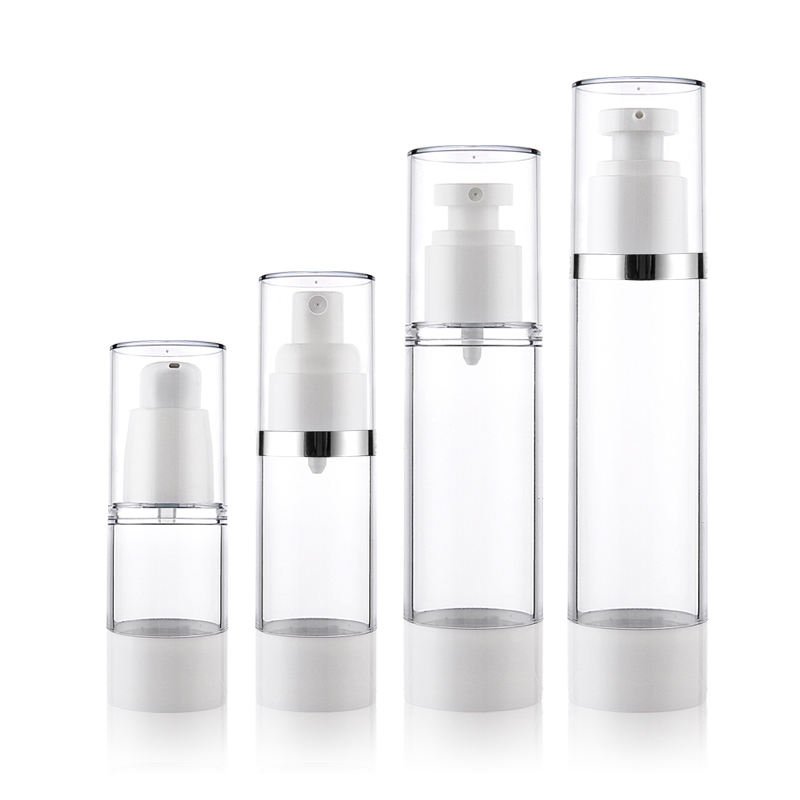
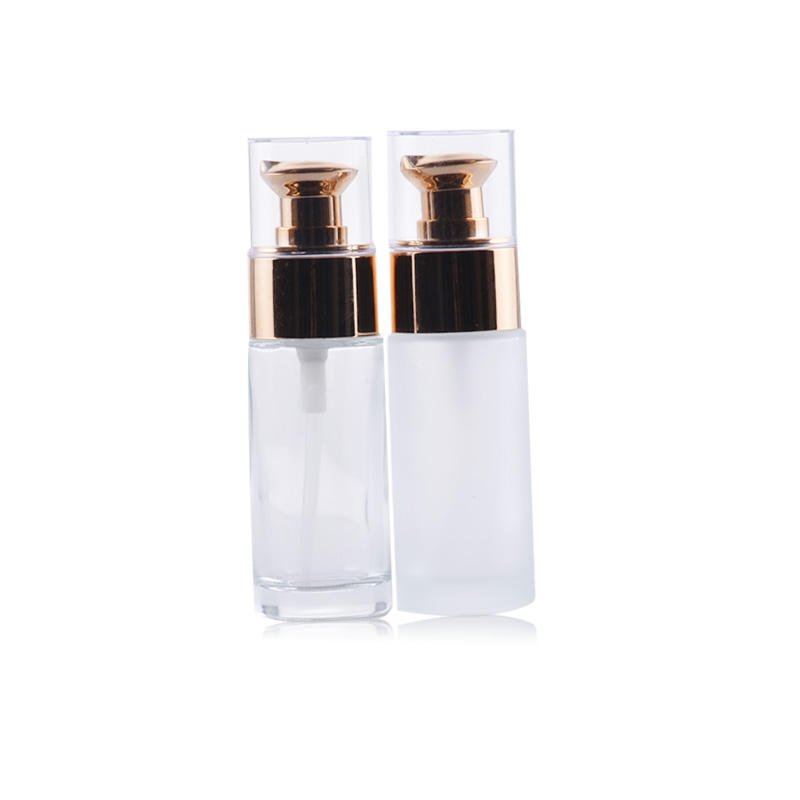
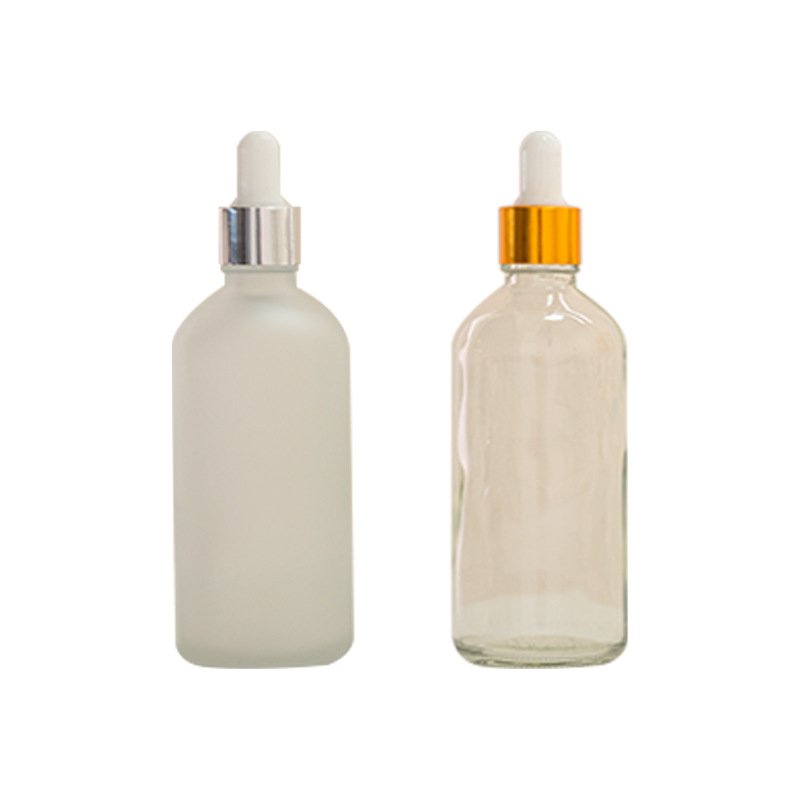
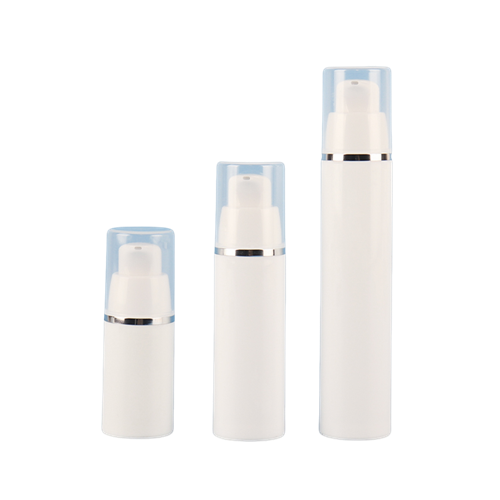
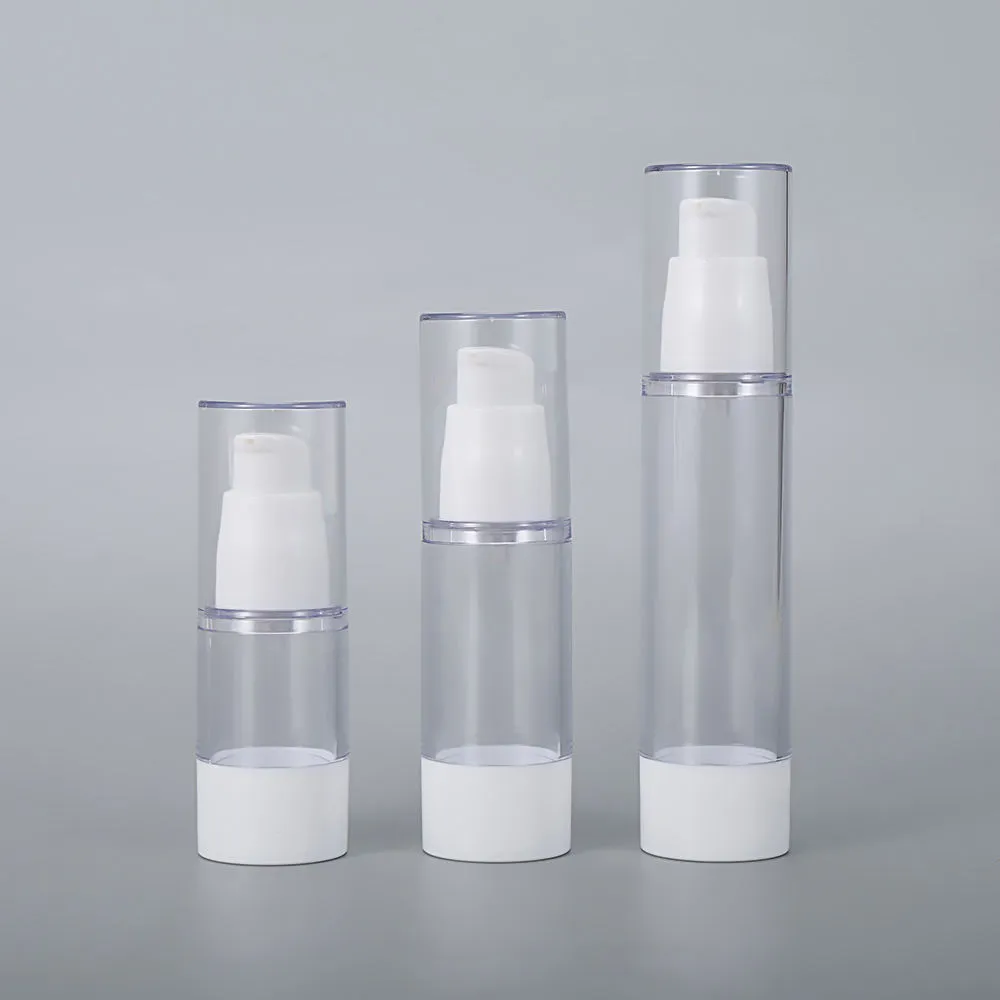
For low-viscosity serums, evaluate droppers, treatment pumps and airless pump bottles. The supplier should understand pump output, priming, piston movement, residual product, elastomer compatibility and light/oxygen risk. Glass can provide appearance and chemical resistance, but the dropper bulb, wiper, pipette, coating and closure remain potential failure points. Highly active or oxygen-sensitive formulas need formula-specific stability evidence; the word “airless” does not prove shelf life.
Creams, balms and sunscreen
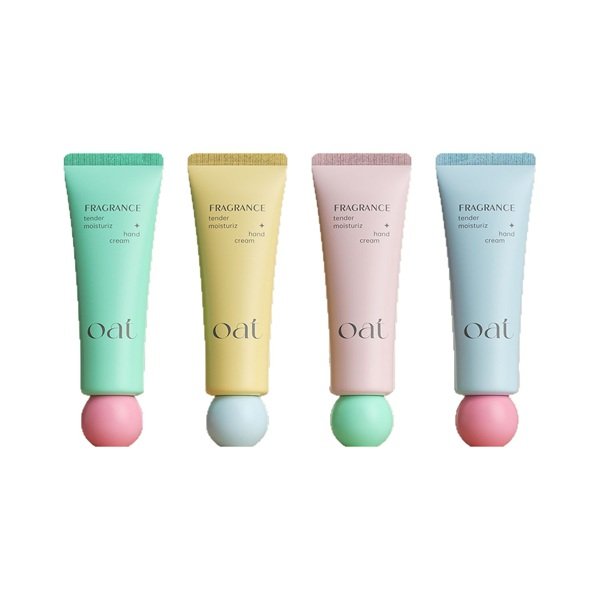
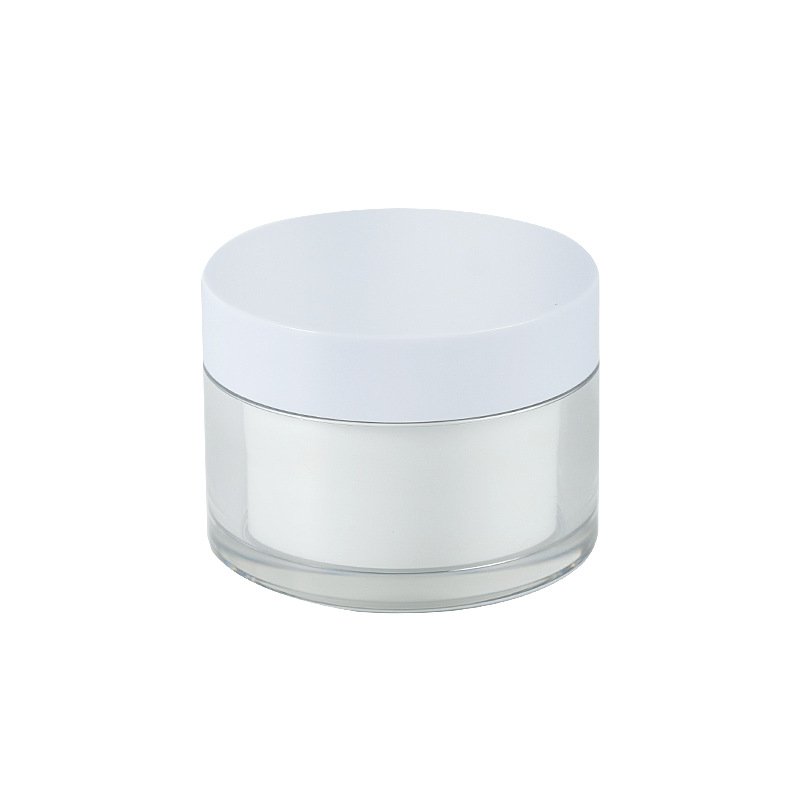
Viscosity, particulates, consumer dosing and contamination risk determine whether a jar, airless jar, pump bottle or tube is suitable. For squeeze formats, qualify a factory experienced with PE extrusion, laminate construction, shoulder joining, cap fit, decoration and tail sealing; review the available cosmetic tube formats before asking for a custom structure. The brand or contract filler—not the empty-tube supplier alone—must validate the actual tail-seal settings with the filled formula.
Shampoo, conditioner, body wash and lotion
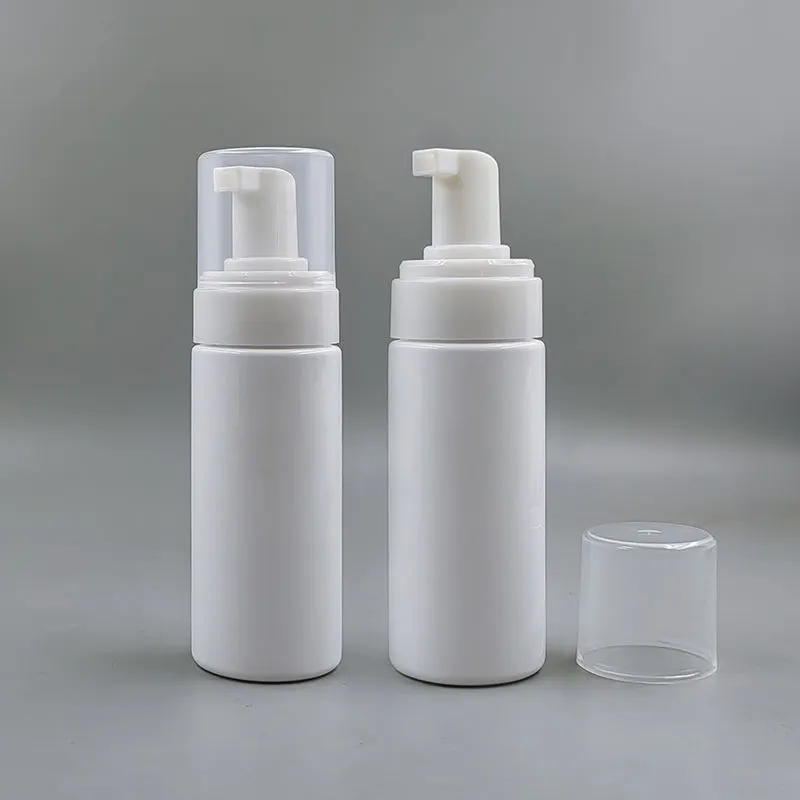
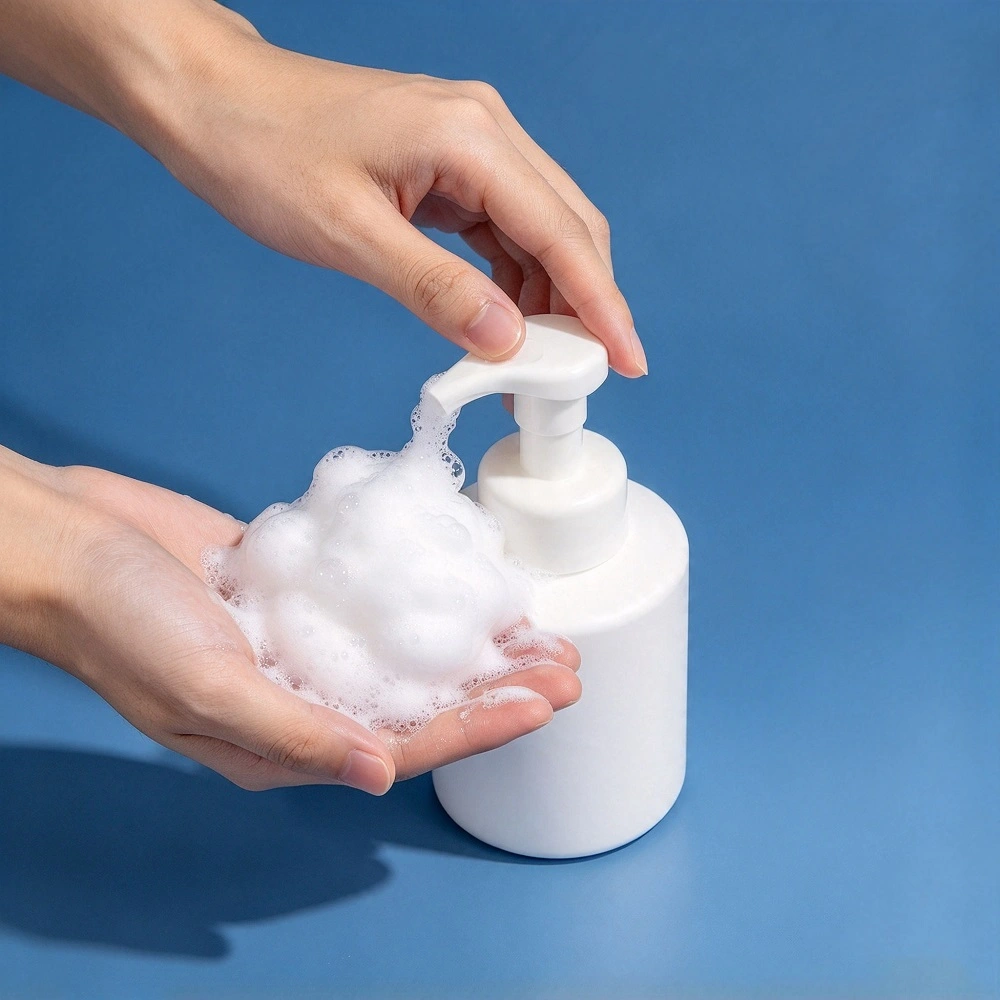
These products often use PET or HDPE bottles made by injection stretch blow molding or extrusion blow molding, combined with pumps, disc tops or flip-top caps. Look for control of bottle weight, wall distribution, neck dimensions, top load, leakage, paneling risk and filling-line stability. Heavy conditioner may require a different pump engine and output than shampoo. A supplier with a broad catalog of plastic cosmetic bottles still needs to demonstrate that the selected bottle and closure work as one system.
Perfume, body mist and alcohol-rich products
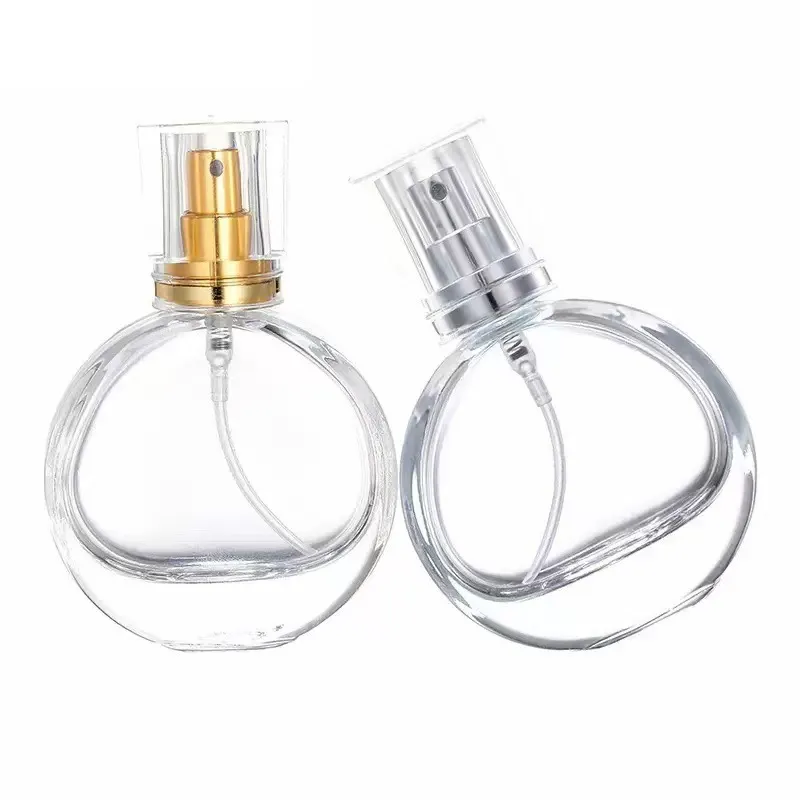
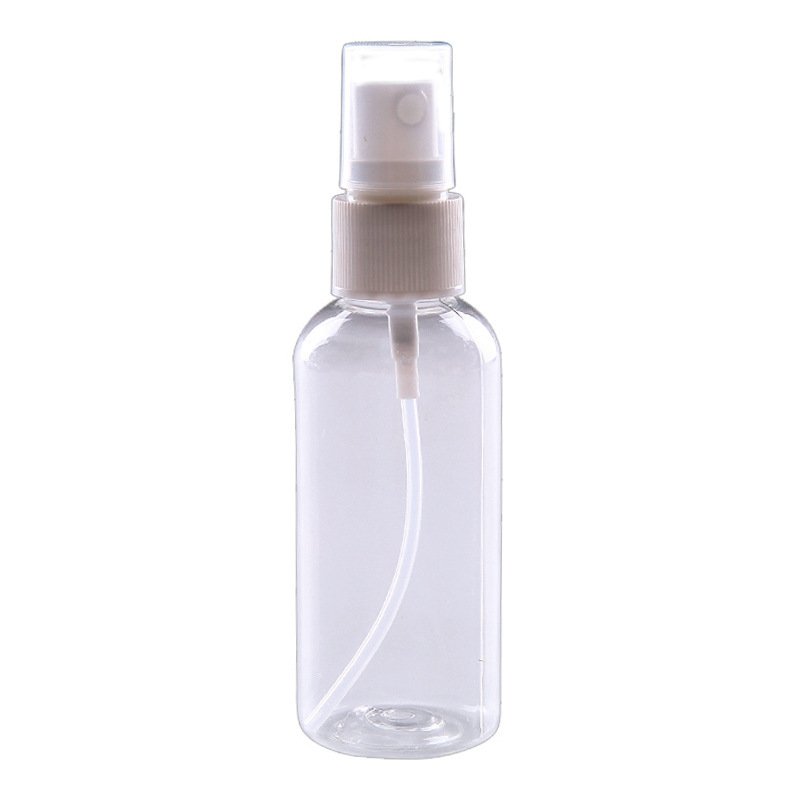
Prioritize neck-finish accuracy, crimp or screw-sprayer fit, gasket and dip-tube compatibility, spray pattern, leakage and decoration resistance to alcohol. For custom cosmetic glass packaging, ask who forms the glass, anneals it, sorts cosmetic defects, coats or sprays it, prints it and assembles the sprayer. A glass plant is not automatically a pump factory or decoration plant.
Color cosmetics and special applicators
Mascara, lip gloss, concealer and cushion packaging depend on wiper geometry, applicator shape, dosage, pull force and formula rheology. Choose a supplier with assembly and functional-test experience in that exact mechanism. Visual molding quality is not enough: the brand needs representative filled trials, consumer-use simulation and leakage testing in likely shipping orientations.
| Material/package | Core process to verify | Factory-specific evidence | Typical hidden dependency |
|---|---|---|---|
| Glass bottle/jar | Batching, melting, forming, annealing, sorting, decoration | Mold ownership, annealing control, finish dimensions, defect boundary samples | Sprayer, dropper, coating or printing plant |
| PET/PETG bottle | Preform/injection and stretch blow molding | Resin and color traceability, weight, wall distribution, neck and stress checks | Stock preform design, color masterbatch, pump source |
| HDPE/LDPE bottle | Extrusion blow molding and trimming | Pinch-off quality, wall/weight, paneling resistance, closure fit | Decoration adhesion and bottle stiffness |
| PP/acrylic airless | Injection molding, pump assembly, piston/engine function | Output, priming, endurance, leakage, evacuation and compatibility | Multiple molded parts and elastomer/seal sources |
| PE/PBL/ABL tube | Extrusion or laminate sleeve, heading, decoration | Layer structure, seam/shoulder bond, dimensions, print and seal-window trials | Cap, foil membrane and filler’s tail-sealing process |
| Paper carton | Board conversion, printing, finishing, die cutting and gluing | Board specification, color proof, rub/scuff, crease and structural test | Insert, coating/lamination, claimed fiber certification |
How to Verify Production, Engineering and Design Capability
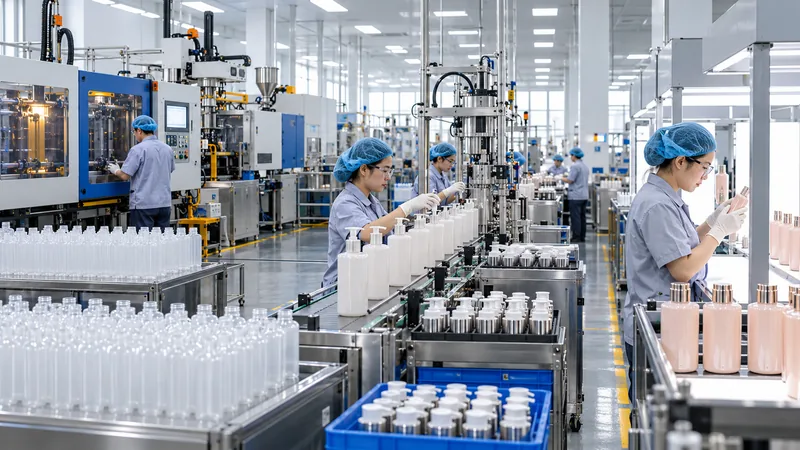
A website machine list is not enough. Ask the supplier to trace your proposed SKU through its real process. The answer should identify the legal seller, manufacturing sites, tooling owner, material grade, closure source, decoration site, assembly point, inspection plan and final release authority.
Production capability questions
- Which exact machines, mold cavities and assembly lines will make this SKU?
- Which processes are in-house, permanently subcontracted or sourced case by case?
- What is the demonstrated output for this family, and what capacity is available in our production window?
- How are resin, colorant, glass batch, coatings, inks, pumps and gaskets lot-traced?
- What happens if a mold, pump line or decoration supplier is unavailable?
Design capability that creates value
Useful design support converts brand intent into a manufacturable, fillable and shippable package. Ask for controlled 2D dimensions, 3D data where applicable, decoration-area drawings, resin and component identification, stack-up tolerances, closure torque guidance, pallet/carton specifications and a list of critical-to-quality dimensions. A rendering alone is a sales image, not an engineering deliverable.
For startups, the best supplier may recommend removing a custom feature. Standard necks, common pumps, existing molds and shared decoration fixtures reduce tooling, validation time and continuity risk. Design maturity is demonstrated by explaining tradeoffs, not agreeing to every idea.
Product Quality: Ask for the Control Plan, Not “We Check Every Bottle”
Quality begins with an agreed specification. Without numerical limits, approved visual boundaries and test methods, “good quality” is only an opinion. The specification should distinguish critical, major and minor defects and define how lots are sampled and released.
ISO 2859-1:2026 provides AQL-indexed sampling schemes for lot-by-lot inspection, but it does not choose your defect categories or make every sampled lot risk-free. The brand and supplier must agree which defects are unacceptable, what inspection level applies, what happens after a failed lot, and whether critical functions require tighter sampling or 100% screening.
| Evidence | What to verify | Why it matters |
|---|---|---|
| Controlled drawing/BOM | Revision, materials, dimensions, tolerances and named components | Prevents “same-looking” substitutions. |
| Approved sample and defect board | Signed/color-controlled sample plus accept/reject limits | Turns subjective appearance into a shared boundary. |
| Incoming inspection | Resin, preforms, pumps, caps, gaskets, inks and cartons | Controls purchased components before value is added. |
| In-process records | Weight, dimensions, color, decoration setup and functional checks by time/lot | Shows variation was monitored during the run. |
| Functional testing | Leakage, torque, pump output, priming, endurance, evacuation, drop and top load as relevant | Confirms performance, not merely appearance. |
| Compatibility plan | Final formula, production-representative pack, conditions, orientations, intervals and criteria | Material reputation cannot replace a filled-product study. |
| Change and complaint records | Notification, approval, traceability, containment, root cause and corrective action | Protects repeat orders after materials or sources change. |
Run a formula–package compatibility study using the final formula and production-representative components. Accelerated storage can reveal risk, but it is not a universal shortcut for real-time data. Acceptance criteria should cover appearance, odor, weight loss, leakage, corrosion, cracking, swelling, seal integrity, dispensing and formula stability.
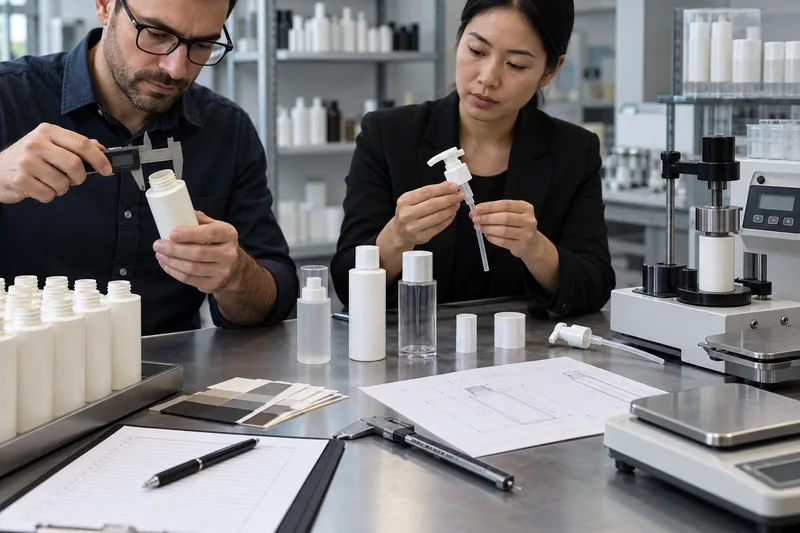
Printing and Decoration: Evaluate the Process, Not the Sample Photo
Screen printing, hot stamping, pad printing, labeling, spray coating, frosting, metallization and in-mold color have different substrates, setup costs, tolerances and failure modes. Confirm whether the decoration plant has qualified the exact material and surface treatment, not just a similar-looking bottle.
- Artwork control: approved vector file, print area, color target, white underbase, orientation and registration tolerance.
- Color control: define the substrate, finish and measurement condition. The same Pantone reference will not look identical on transparent glass, opaque plastic and metallic foil.
- Adhesion and resistance: agree rub, tape, scratch and product-contact tests appropriate to use. Alcohol-rich products and oily formulas can attack some inks, coatings or adhesives.
- Golden sample: sign off a production-representative decorated sample and define acceptable variation. A digital mock-up cannot set physical gloss, opacity or adhesion.
- Reorder control: retain ink/coating references and master samples; require approval before changing ink system, pretreatment, curing route or subcontractor.
For a launch batch, a pressure-sensitive label can be commercially smarter than direct multicolor printing. It can lower process-specific MOQ and make artwork changes less expensive, provided the adhesive, bottle surface, product exposure, humidity and transport conditions are validated.
MOQ and Cost: Compare the Same Scope
A package does not have one MOQ. The bottle body, capacity, resin or glass color, pump, cap, coating, print artwork, label and carton can each have a separate production minimum. Ten thousand total units may still be divided into uneconomic runs if the brand requests five colors and four artworks.
Ask every bidder for an MOQ matrix and read the detailed low-MOQ cosmetic packaging guide before splitting a launch across too many variants. A useful quotation states:
- unit price by quantity tier and Incoterm;
- bottle, closure, pump, decoration, assembly and export packing included or excluded;
- tooling, screens/plates, color-matching, samples and testing charges;
- MOQ per body, capacity, molded color, closure color, finish and artwork;
- overrun/underrun tolerance, spare components and how shortages are settled;
- payment schedule, tooling ownership, storage and repeat-order assumptions.
Use total landed and usable cost
The lowest ex-factory price can be the most expensive choice. Compare tooling amortization, sample and test cost, decoration setup, inspection, inland freight, export packing, ocean/air freight, duty/tax, customs service, damage, rejects, rework, line downtime, excess inventory and the cost of a delayed launch. Divide by accepted, usable units—not units ordered.
Do more units always cost less?
Usually the conversion cost per unit falls as setup is spread over more pieces, but total cash exposure and obsolescence rise. A lower unit price is not a saving if the excess stock expires, the artwork changes or the first launch does not repeat.
Delivery, Scale-Up and Foreign-Trade Capability
Ask for a milestone schedule, not one lead-time number. It should separate design freeze, tooling, color sample, decorated sample, compatibility/pilot testing, material purchase, molding/forming, decoration, assembly, inspection, packing, export booking and transit. Add approval time on the brand side.
A reliable supplier tracks the package as a bill of materials. Bottles cannot be filled if pumps are late, and pumps cannot be cut to the correct dip-tube length until the bottle geometry is controlled. The packaging reorder planning method explains how to plan complete kits rather than independent pieces.
What good export capability looks like
- Clear commercial invoice, packing list and origin/document support appropriate to the shipment.
- Correct product description and component/material data so the importer or broker can classify the goods; the buyer should not accept an invented HS code without review.
- Incoterm stated with named place and version; responsibilities for pickup, export clearance, freight, insurance, import clearance, duty and final delivery are explicit.
- Carton and pallet specifications that protect the actual package, plus distribution testing selected for the real route. ISTA notes that its test series serve different screening and simulation purposes; one drop test does not represent every supply chain.
- English communication that preserves technical detail, records decisions and escalates deviations before shipment.
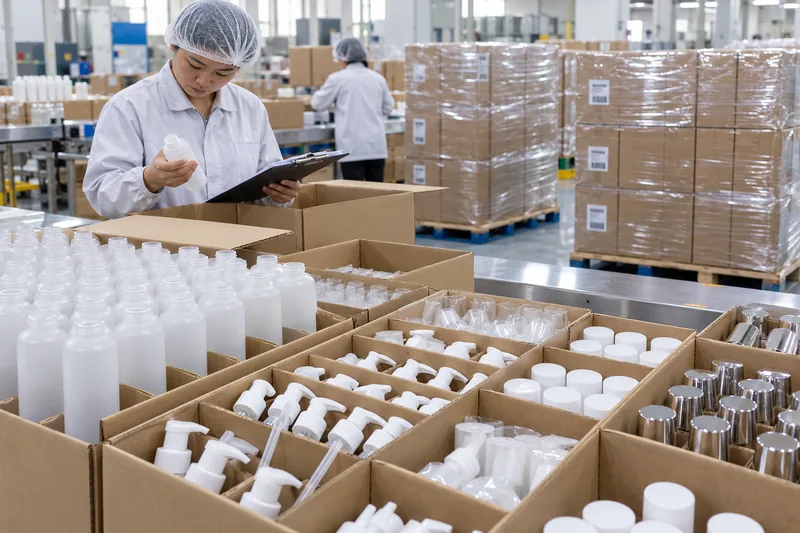
Certifications and Documents: What They Prove—and What They Do Not
| Document | Useful evidence | It does not prove | Verification |
|---|---|---|---|
| ISO 9001 | A quality-management system with controlled processes and continual improvement | That your SKU is compatible, defect-free or made at every site shown in marketing | Issuer/accreditation, scope, legal entity, site, edition, expiry and audit evidence |
| ISO 14001 / ISO 45001 | Environmental or occupational health and safety management | Product performance or formula safety | Scope and site match |
| ISO 22716/GMP evidence | Cosmetic-product GMP controls where the organization actually manufactures cosmetics | Universal qualification of an empty bottle converter | Read the scope; do not rely on a GMP logo |
| FSC chain of custody | Traceability for eligible certified paper/forest-based claims | Bottle quality, ink safety or carton performance | License/certificate, product scope and invoice claim |
| GRS/recycled-content evidence | Supply-chain support for defined recycled-material claims when in scope | That the final package is recyclable or compatible with the formula | Transaction and material documents tied to the lot |
| SMETA/BSCI-style audit | Social/labor due-diligence findings at an audited site | Packaging performance or a product approval | Site, date, audit type, findings and corrective actions |
| Lab/test report | A named sample met named methods and limits on a stated date | All future lots, other colors or the filled product will pass | Sample identity, lot, lab, method, limits, result and relevance to your SKU |
Regulatory responsibility does not transfer to the packaging supplier. In the United States, the marketed cosmetic must meet applicable FDA and Fair Packaging and Labeling Act requirements. In the EU, the responsible person and product safety framework under Regulation (EC) No 1223/2009 remain central. Packaging certificates support due diligence; they do not make the finished cosmetic compliant.
A 100-Point Cosmetic Packaging Supplier Scorecard
Score each supplier against the same approved brief. Require evidence for every score above average.
| Category | Points | What earns a high score |
|---|---|---|
| Product and process fit | 20 | Proven experience with the same package mechanism, material, formula risk and filling method. |
| Quality system and traceability | 20 | Controlled drawings/BOM, lot traceability, approved sources, change control and effective corrective action. |
| Test capability and evidence | 15 | Relevant dimensional, functional, decoration and transport tests with calibrated equipment and records. |
| MOQ and commercial fit | 10 | Component-level transparency, viable first order, repeat-order logic and comparable quote scope. |
| Engineering and decoration | 10 | Manufacturable recommendations, drawings, color/print control and realistic tolerance management. |
| Delivery and continuity | 10 | Evidence-based capacity, milestone planning, component synchronization and recovery plan. |
| Export and documentation | 10 | Accurate documents, Incoterm clarity, protective packing and target-market support. |
| Communication, IP and service | 5 | Fast, technically precise, documented communication and clear tooling/artwork confidentiality terms. |
Knockout conditions
Do not let a high total score compensate for a fundamental control failure. Pause or reject a supplier that:
- refuses to identify materials, component makers or outsourced processes;
- cannot trace finished units to a production or incoming-component lot;
- reserves the right to change resin, pump, gasket, ink or factory without written approval;
- cannot provide a controlled drawing or consistent approval sample;
- uses certificate logos but will not provide verifiable scope and validity;
- quotes far below comparable suppliers without reconciling material, decoration, packing, quantity or quality scope.
How a Startup Should Source Cosmetic Packaging From China
- Freeze a technical brief. State formula type and viscosity range, fill volume, brimful/headspace need, target package, material preferences, closure/output, filling method, markets, quantity by SKU, decoration, target landed cost and required delivery date. Share compatibility hazards under NDA where needed.
- Build a longlist by process fit. Use relevant category pages such as skincare packaging or serum bottle options, trade fairs, referrals and sourcing platforms. Do not shortlist from product photos alone.
- Send one normalized RFQ to three to five suppliers. Require component-level MOQ, materials, processes, in-house/outsource map, quote scope, tooling, samples, tests, lead-time milestones and Incoterm.
- Perform a desk audit, then verify the site. Check legal entity, bank beneficiary, business scope, certificate scope, production address and sample inspection records. Use a live video audit or independent/on-site audit for meaningful orders.
- Approve stock and decorated samples in stages. First screen dimensions and function, then approve color/decoration on production-representative material. Record revisions and retain signed samples.
- Test the filled system. Run compatibility/stability, leakage, dispensing, closure, decoration and transport tests. Conduct a pilot on the actual filling/capping/labeling line before mass production.
- Sign commercial and quality controls. Define specification, defects, sampling, change approval, traceability, deviations, rework, replacement/credit, IP/tooling ownership, packing, delivery and dispute terms.
- Place a controlled first PO. Use clear milestones, staged payment tied to evidence where commercially feasible, retained samples and pre-shipment inspection. Avoid funding maximum inventory before repeatability is proven.
- Release and learn. Inspect incoming goods, monitor filling yield and complaints, reconcile shipped/accepted quantities, and update the control plan before reorder.
RFQ attachment checklist
Product/formula risk summary; dimensioned package brief; quantity by SKU; approved reference photos; artwork and color references; target closure/output; filling-line constraints; test and market requirements; pack-out; destination; Incoterm request; launch date; and a table the supplier must complete for every component, process, MOQ, site and lead time.
Using Boyu Packaging as an Evaluation Example
Boyu Packaging’s public catalog spans glass, plastic, pumps, jars, tubes and multiple skincare formats. That breadth can help a startup compare architectures before committing. It should not replace project-specific verification. Use the same evidence standard with Boyu that you would use with any supplier.
- Start with the relevant product family and identify two or three existing molds that meet formula, fill volume, dispensing and filling-line needs.
- Request the exact BOM/material statement, controlled drawing, neck/closure standard, pump output and production/decoration-site map for each candidate.
- Ask for MOQ by bottle, capacity, molded color, pump/cap color, finish and artwork—not a single headline MOQ.
- Define sample stages, compatibility inputs, line-trial quantity, inspection plan, boundary samples and change-notification terms.
- Compare the complete quote and evidence package with at least two alternatives using the 100-point scorecard above.
When contacting Boyu, a useful first message includes the formula category and viscosity, intended capacity, package preference, closure/output, quantity per SKU, colors, decoration, destination market, fill location and required in-hands date. You can send Boyu Packaging a technical packaging brief rather than asking only, “What is your best price?”
Final Recommendation
For most startup brands, the safest first choice is a proven stock package from a supplier with relevant functional-test capability, transparent component sourcing and an MOQ that matches conservative sales—not the most customized pack the budget can technically buy. Use decoration to create identity, but keep the bottle, neck and closure architecture standard enough to reorder or second-source.
Select the supplier only after it passes four gates: process fit, controlled specification, filled-product evidence and commercial resilience. If one gate fails, a low price or impressive certificate cannot repair the risk.
Frequently Asked Questions
Should a startup buy directly from a factory?
Not always. Direct purchase is useful when one factory owns the critical process and the order fits its scale. An accountable integrator can be better when the project combines glass, pumps, decoration and cartons—provided every source is disclosed and controlled.
What is a good MOQ for a startup cosmetic brand?
There is no universal number. A good MOQ is one the brand can sell within a conservative planning period without compromising testing or cash flow. Ask for minimums by component, color, capacity and artwork; stock packaging with labels commonly carries less commitment than a private mold or custom pump color.
Which certification is most important for a cosmetic packaging factory?
ISO 9001 can support confidence in the quality-management system, but no certificate replaces SKU-specific specifications, traceability, testing and change control. Material or social certifications should be requested only when relevant to the product claim, customer requirement or sourcing policy.
How many suppliers should a startup compare?
Three to five qualified RFQ candidates are usually enough to reveal commercial and technical differences. Advance two or three to samples and testing. Too many weak quotes create noise; too few remove the ability to normalize scope and challenge assumptions.
Can the formula manufacturer choose the packaging?
The contract manufacturer can contribute filling-line and formula knowledge, but the brand should retain the approved package specification and evidence. Responsibility must be explicit: who selects components, runs compatibility, conducts line trials, approves changes and owns unusable stock.
When should a startup invest in a custom mold?
After the brand has a defensible design need, validated demand, budget for tooling and validation, clear ownership terms, and enough forecast volume to recover the investment. Confirm backup and maintenance plans before paying for the mold.
Prepare a Better Packaging RFQ
Send Boyu Packaging your formula category, capacity, preferred format, quantity per SKU, decoration, filling method, destination and launch date. Ask for a component-level proposal with materials, MOQ, sample stages, tests and lead-time milestones.
Sources
Standards and regulations should be checked in their current official editions and applied with qualified technical or regulatory advice for the specific product and market.
- ISO 9001:2026 — Quality management systems.
- ISO 2859-1:2026 — AQL-indexed sampling procedures for inspection by attributes.
- US FDA — Cosmetic GMP Guidelines/Inspection Checklist.
- US FDA — Summary of Cosmetics Labeling Requirements.
- EUR-Lex — Regulation (EC) No 1223/2009 on cosmetic products, consolidated text.
- International Safe Transit Association — Test Procedures.

 English
 Español de Argentina
 Русский
 Italiano
 日本語
 한국어
 العربية
 Français
 Deutsch