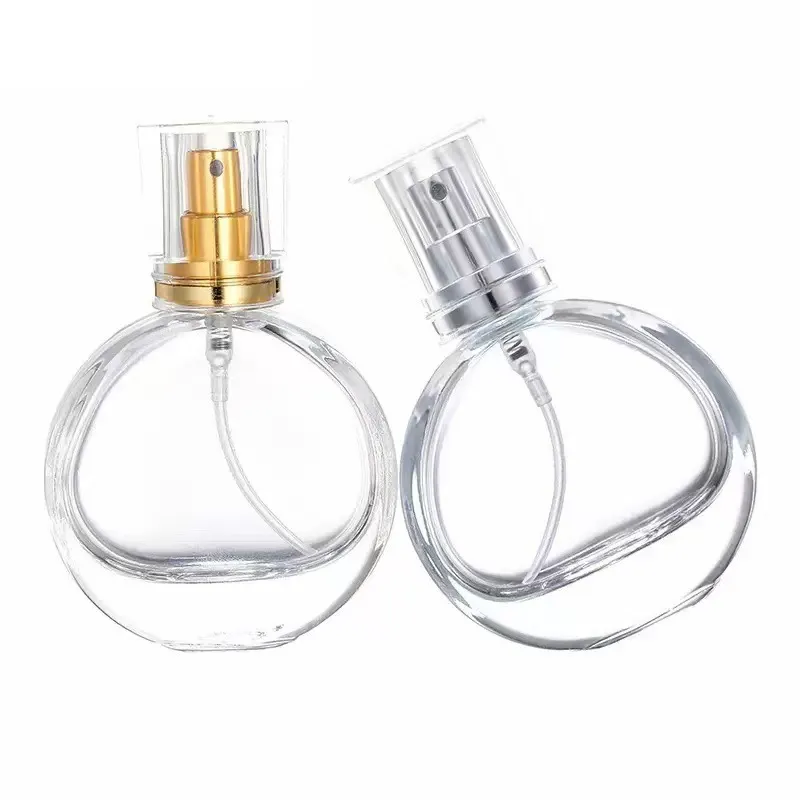
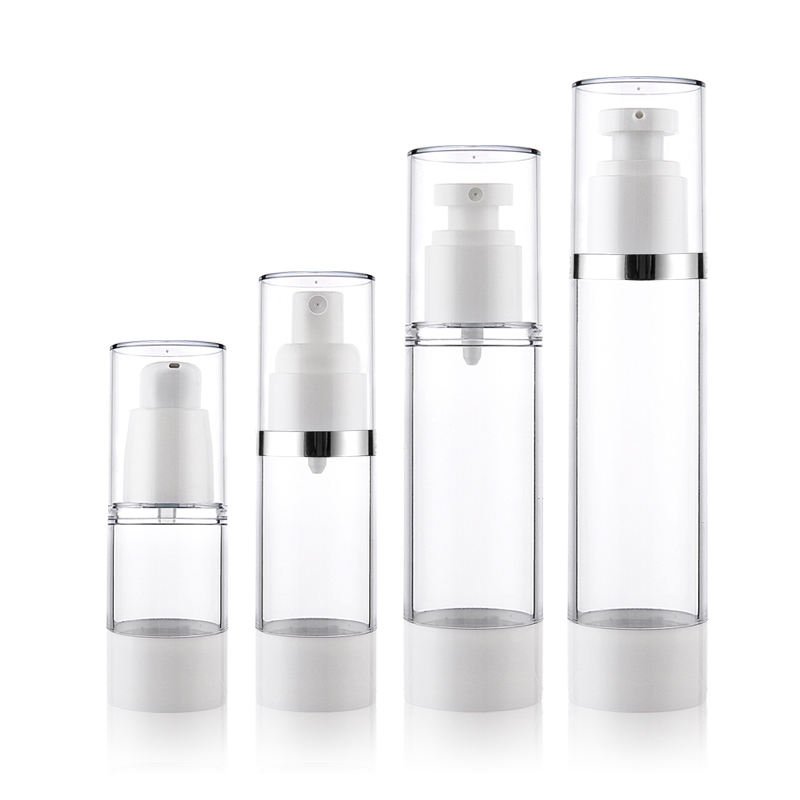
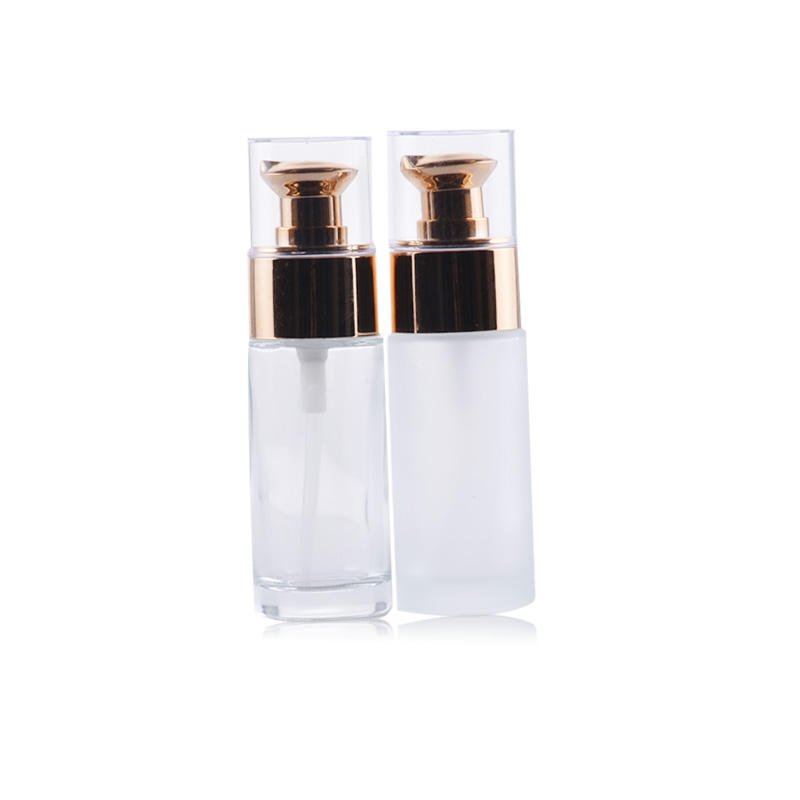
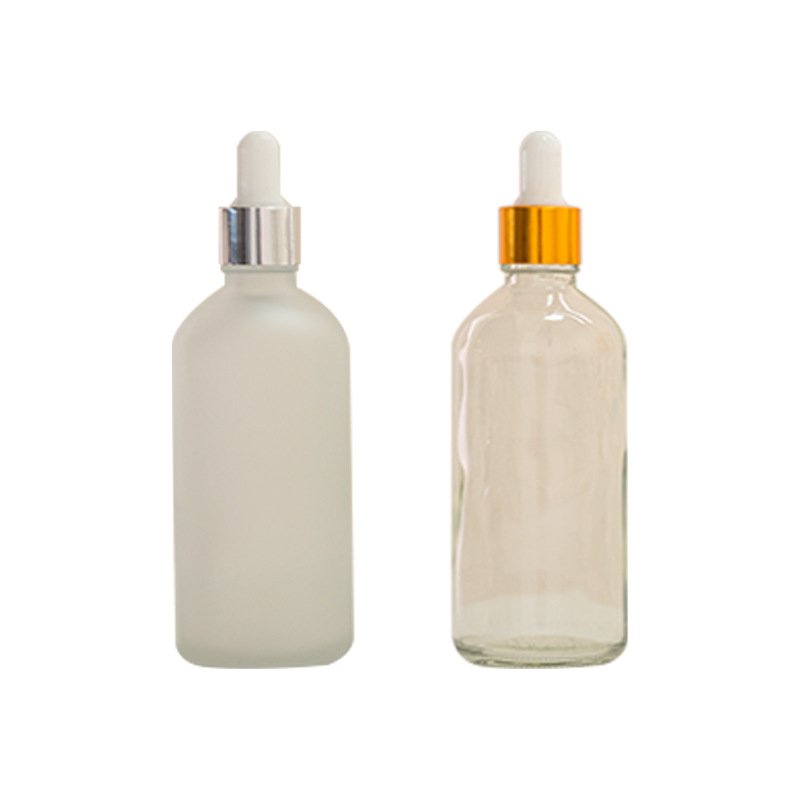
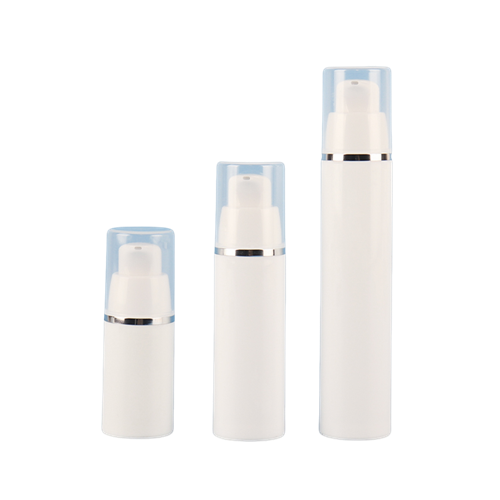
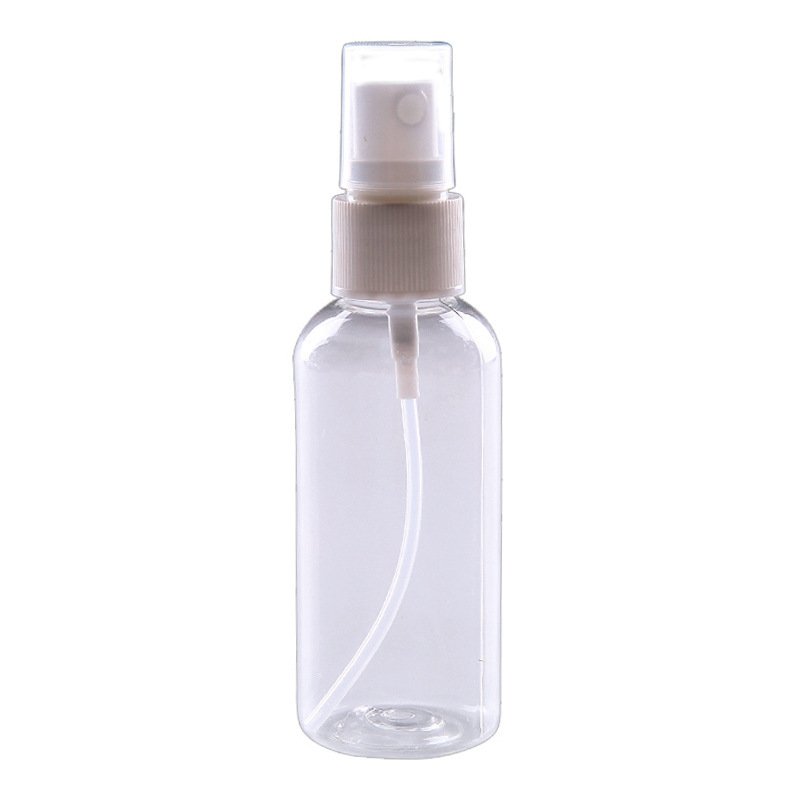
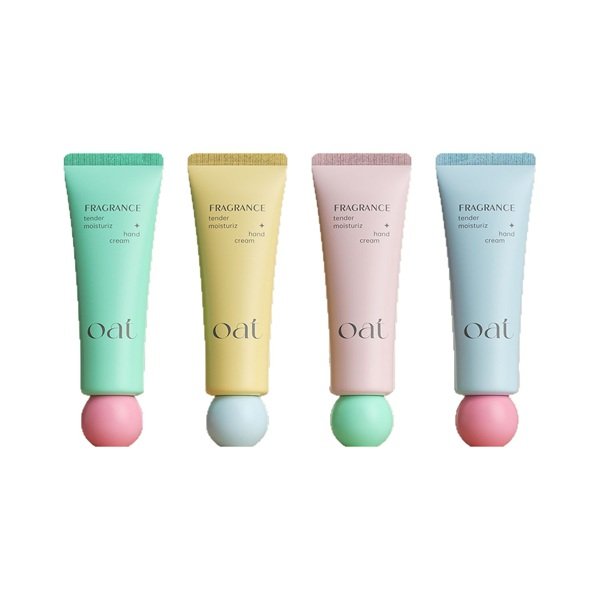
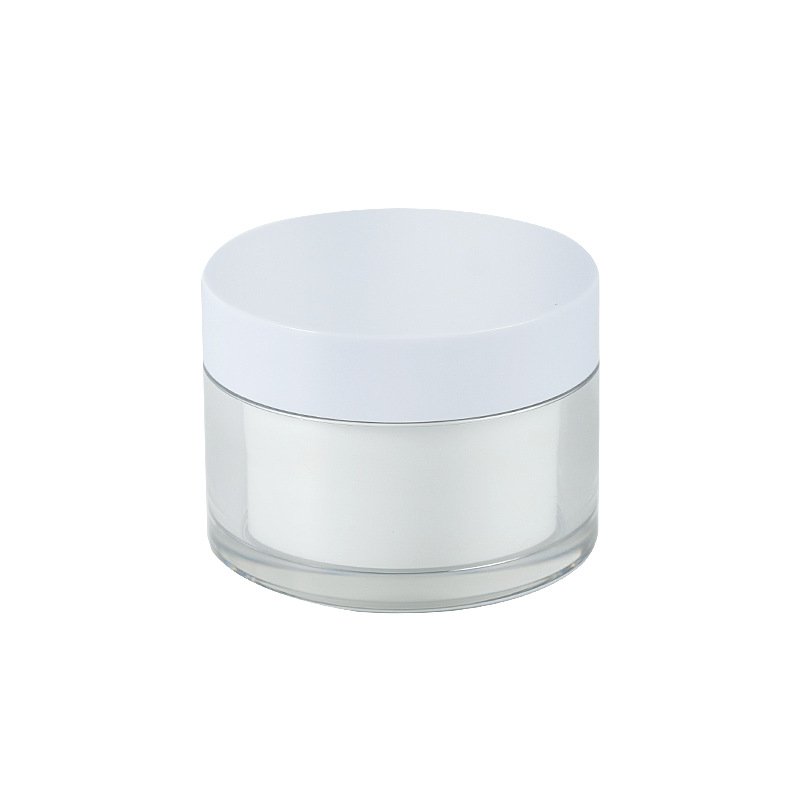
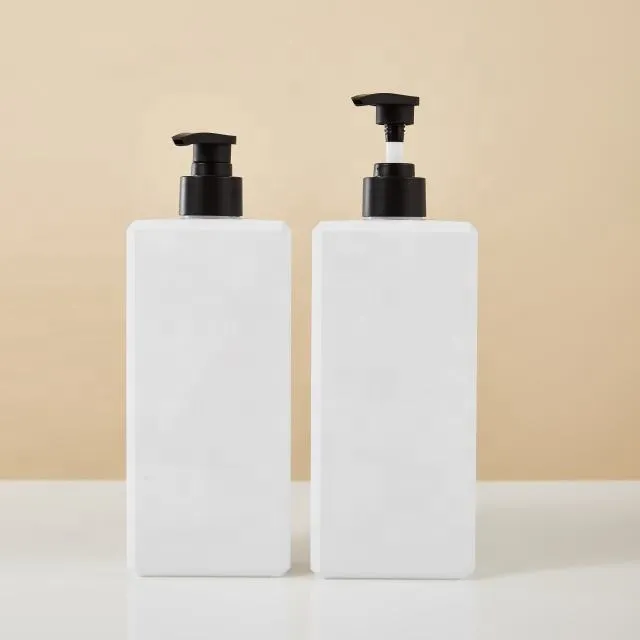
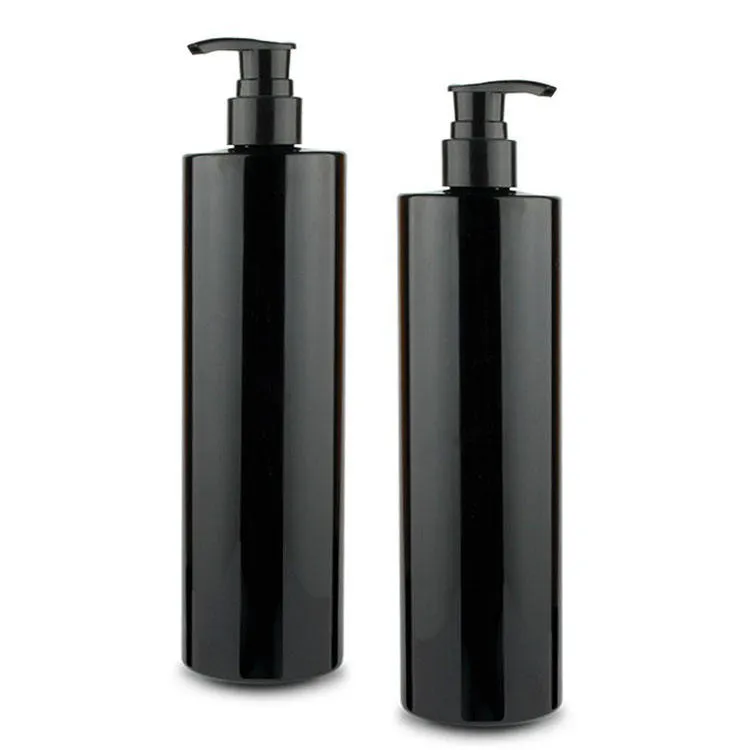
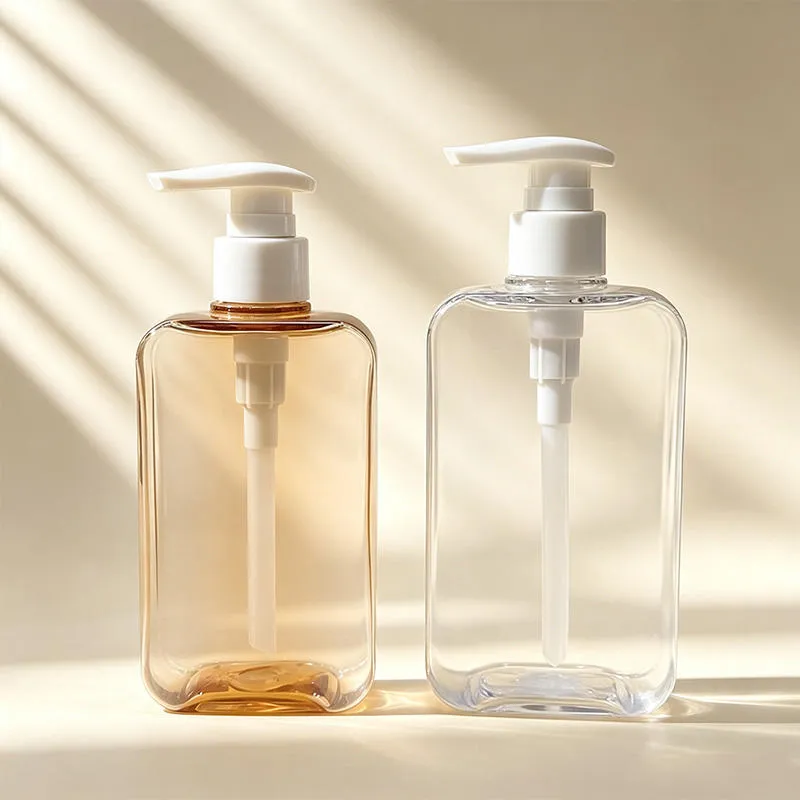
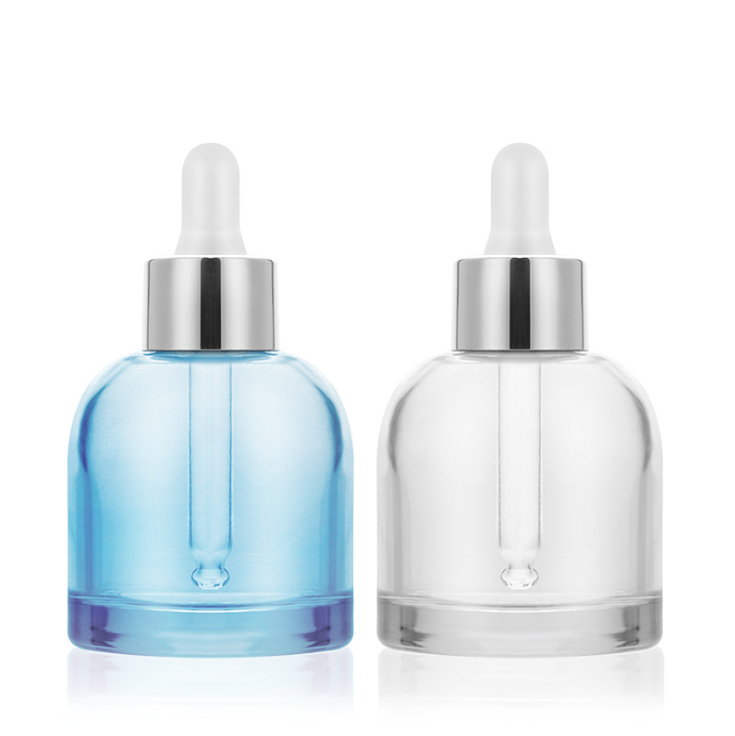
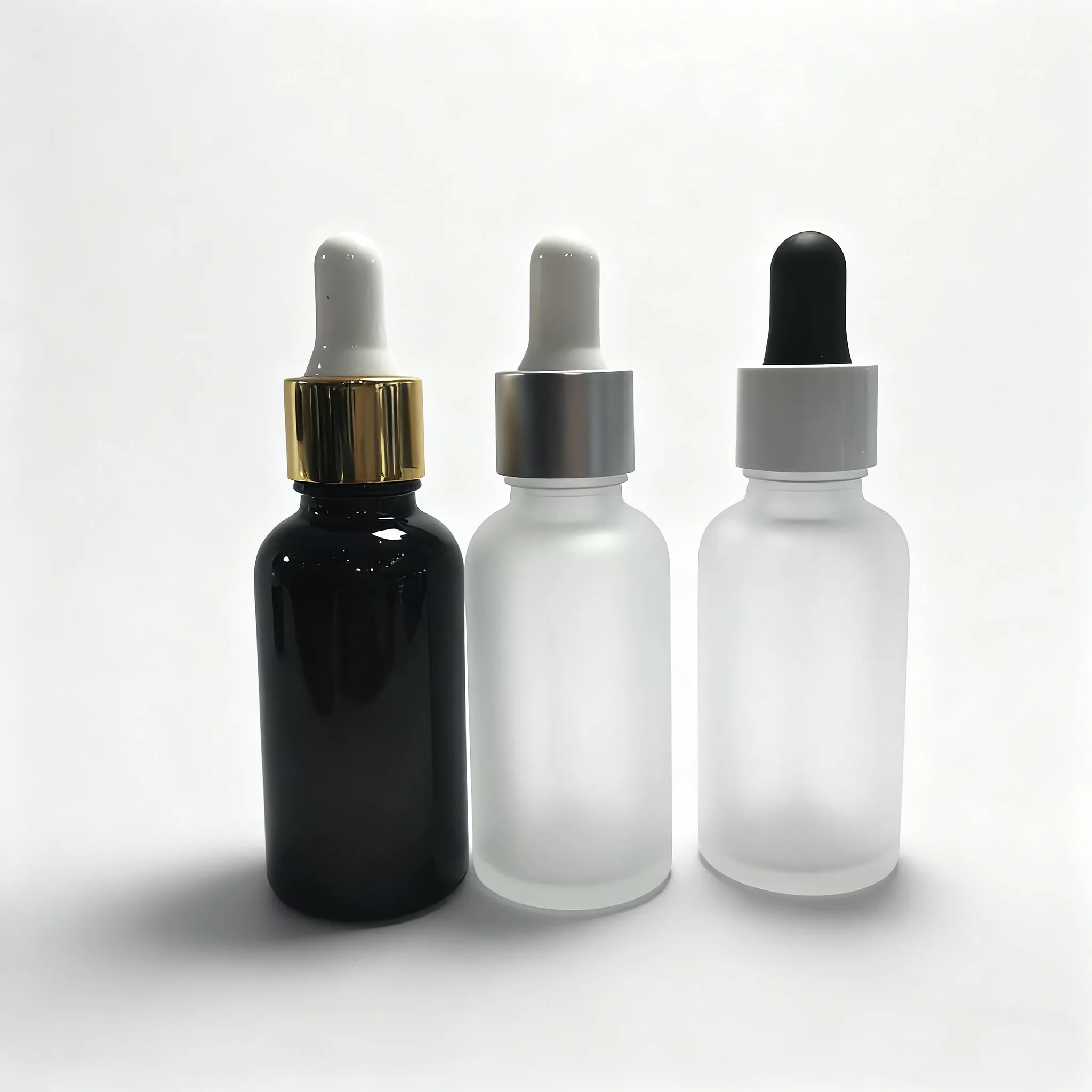
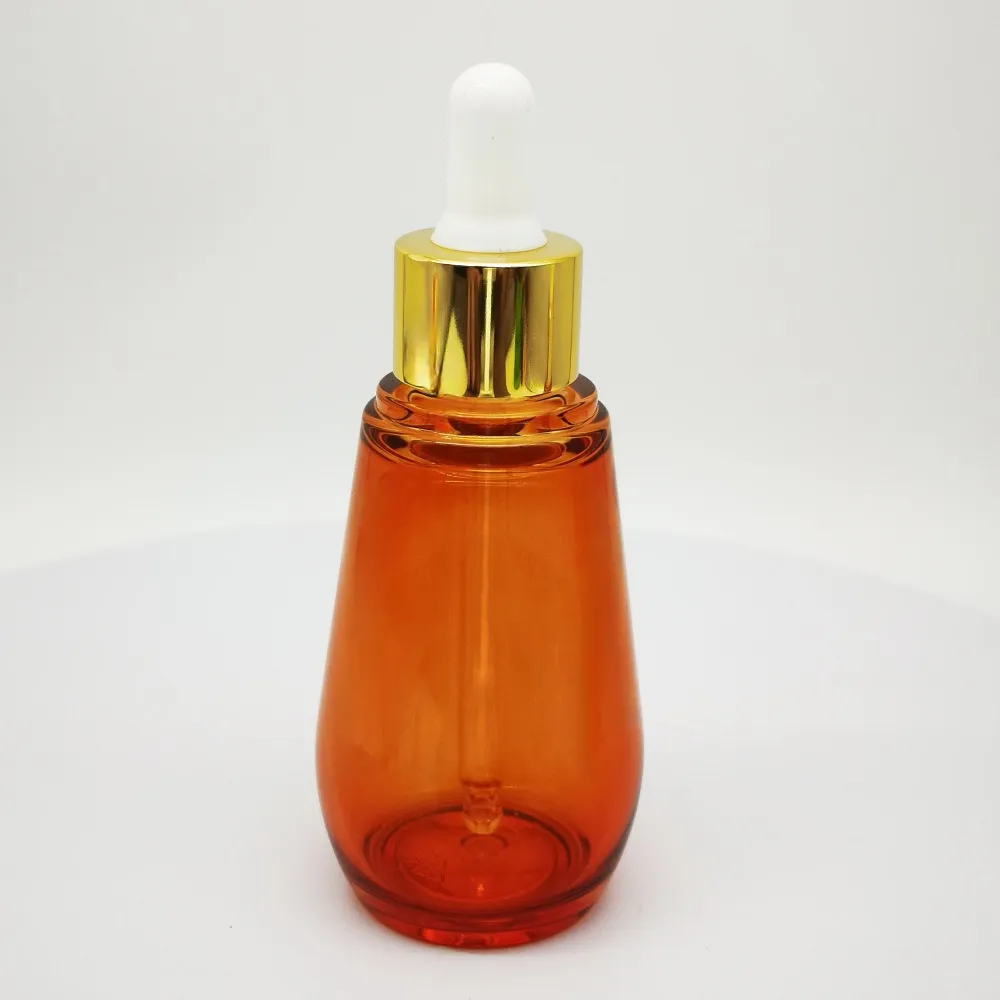
Direct answer: yes, you can buy perfume bottles directly from a factory, but it is economical only when your order can support the factory’s production runs and your team can control the specification. If you cannot meet the MOQ, the safest solution is usually an existing stock mold, fewer colors and capacities, standard pumps and caps, or a distributor that holds real inventory—not forcing a factory to make an uneconomic “custom” run. Approve the filled bottle, pump, cap, decoration and transit pack as one system before mass production.
The lowest bottle quotation is not necessarily the lowest-cost purchase. A perfume pack may involve a glass former, decorator, pump producer, cap factory, assembler and export packer. “Factory direct” can therefore mean buying from the glass plant only, or buying through a packaging manufacturer or integrator that controls the complete set. The right route depends on order volume, design ownership, technical resources and how much coordination risk you are prepared to carry.
In this guide
- Is factory direct right for you?
- What factory direct really means
- Stock vs semi-custom vs custom
- What to do below MOQ
- The complete RFQ specification
- How to verify a manufacturer
- China buying process
- Samples, testing and quality
- Compare quotations correctly
- Boyu Packaging example
- Common problems and fixes
- FAQ
Should You Buy Perfume Bottles Directly From a Factory?
Factory-direct purchasing is a channel choice, not a quality certificate. It works well when the buyer has a stable forecast, a controlled specification and enough time to approve samples and production. It is less attractive when demand is unproven, the order contains many small SKUs, or the buyer expects the supplier to hold inventory without a written forecast or commitment.
| Buying route | Best fit | Main advantage | Main risk |
|---|---|---|---|
| Glass factory direct | Large, stable volumes and a buyer able to source the rest of the pack | Direct control of glass mold, forming and furnace allocation | Buyer must coordinate pump, cap, decoration, assembly and failures between suppliers |
| Packaging manufacturer/integrator | Brands wanting one accountable party for the full set | Coordinated bottle, pump, collar, cap, decoration and export packing | Some processes may be subcontracted; process ownership must be disclosed |
| Stockist/distributor | Small launches, urgent replenishment and mixed small quantities | Lower practical quantity and inventory availability | Higher unit price, less traceability and possible lot-to-lot changes |
| Local packaging supplier | Buyers prioritizing local support, shorter transport and easier returns | Simpler communication and service | The product may still originate overseas, with an added margin |
Choose factory direct when you can describe the product in controlled drawings and limit samples, have a realistic annual demand, can pay for tooling or decoration setup where required, and can inspect or authorize a third party to inspect. Choose stock distribution when you are testing the market, need only a few hundred pieces, require several colors in tiny quantities, or have no capacity to manage international quality claims.
The decisive question
Do you need the lowest repeatable total cost for a stable specification, or the lowest cash commitment for an uncertain launch? A factory is optimized for the first. A stockist is often better at the second.
What “Factory Direct” Really Means for Perfume Packaging
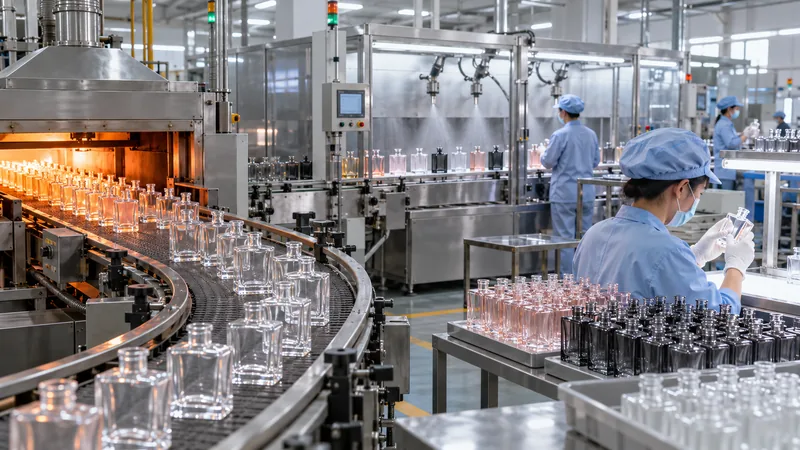
A complete perfume package rarely comes from one machine or even one production site. The glass bottle is formed and annealed; coating, metallization, frosting, printing or hot stamping may be performed in another workshop; the spray pump contains several parts and materials; the cap may be plastic, metal, wood or a multi-piece assembly; and final packing may occur after all components converge.
A capable supplier does not need to own every process. It does need to identify which legal entity makes and invoices the goods, which site controls each critical process, how approved samples and drawings are transferred, how incoming components are inspected, and who owns a corrective action when two individually “in-spec” parts do not work together.
Ask these four ownership questions
- Who forms and anneals the glass? Record the plant, mold reference and any planned alternate site.
- Who makes the pump and cap? Request manufacturer and component references, not only photographs.
- Who performs decoration and final assembly? Identify coating, printing, hot-stamping, crimping or collar-fitting operations.
- Who releases the finished set? One party must check fit, appearance, function, count and transport pack against the approved standard.
This distinction matters during a claim. If a pump leaks because the bottle finish, gasket and crimp setting interact, three separate “component passed” reports do not solve the problem. Your purchase order should appoint one supplier to deliver and warrant the assembled configuration you approved.
Stock, Semi-Custom or Fully Custom Perfume Bottles?
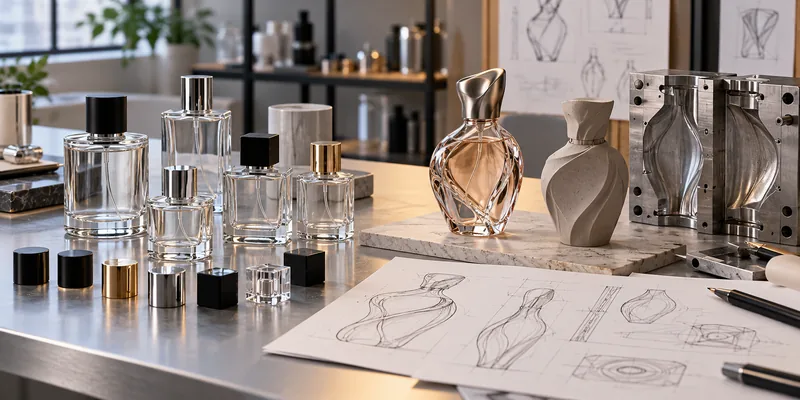
“Stock” does not always mean finished goods are sitting in a warehouse. It may mean the mold already exists and can be scheduled without new glass tooling. Ask whether the quoted quantity is physically available, scheduled for a shared run, or made to order from an existing mold.
| Route | What changes | Advantages | Costs and risks | Best use |
|---|---|---|---|---|
| Stock/common bottle | Existing glass mold, standard neck and available closure family; label or minimal decoration | Fastest qualification, no new glass mold, easiest reordering | Limited shape exclusivity; claimed stock can sell out; closure or decoration MOQ may still apply | Market tests, small brands, fast launches and travel sizes |
| Semi-custom | Existing bottle plus custom color, printing, label, cap or coordinated box | Distinctive shelf presence without new bottle tooling | Every decoration/component can create a separate MOQ, setup and lead time | Growing brands with validated identity but controlled capital |
| Fully custom | New bottle geometry and possibly custom cap, collar and decoration system | Maximum design ownership and brand differentiation | Tooling, prototypes, longer development, higher validation burden and larger inventory exposure | Established demand, strategic launches and long product life |
For material choices and perfume-contact considerations, use Boyu’s separate guide to perfume packaging materials. For most alcohol-based fine fragrances, glass is the default because it offers strong barrier performance and premium presentation, but the complete system still needs formula testing: gaskets, pump materials, decorative coatings and adhesives may be more vulnerable than the glass.
Write tooling ownership before paying
A custom mold agreement should state who owns the design and tooling, where the tool is stored, maintenance responsibility, expected tool life or refurbishment triggers, whether the supplier may use it for other customers, the conditions for transfer, and what happens if the factory closes or the relationship ends. “Tooling fee paid” does not by itself answer any of these questions.
What If You Cannot Meet the Manufacturer’s MOQ?
First, ask which MOQ is blocking the order. Glass forming, custom color, printing, pump color, cap production, insert trays and cartons may each have a different economical batch. A supplier saying “the MOQ is 10,000” is not enough; request a line-by-line MOQ for every customized element. Boyu’s guide to why packaging colors, sizes and components have separate MOQs explains this structure in more detail.
Seven practical ways to lower the entry quantity
- Use an existing bottle mold. Keep the glass clear or use a regularly produced color and create brand distinction through a label, carton or standard decoration.
- Reduce SKU fragmentation. Launch one bottle size, one pump color and one cap before dividing demand across multiple fragrances, colors or capacities. Different fragrance formulas can share the same qualified pack if artwork and regulatory controls allow.
- Standardize hidden components. A custom cap may be visible, but a unique pump color or collar finish may add little consumer value while creating another MOQ.
- Buy undecorated bottles and decorate locally. This can work when a competent local labeler or printer accepts a smaller run. Qualify adhesion, scuffing and alcohol resistance after the final local process; do not assume decoration is merely cosmetic.
- Use a distributor or verified stockist. Pay a higher unit price in exchange for lower inventory and faster availability. Ask for lot identity and confirmation that the future reorder will be the same bottle and neck finish.
- Request a paid pilot or engineering run. Some suppliers will make a smaller non-economic run for qualification at a higher price. Treat this as development, not as proof that the same quantity will be available for every reorder.
- Delay the private mold. Launch with a semi-custom common bottle, validate sell-through, then transfer the proven pump, finish and decoration learning into a proprietary design.
Do not rely on “combined MOQ” without a written production plan
A supplier may be able to combine artwork or fragrance variants if the physical bottle, color and process are identical. It may not be able to combine different capacities, bottle colors or cap constructions. Ask what is produced in one run, what changes between SKUs and which setup cost applies to each change.
Build a Complete RFQ: The Bottle Is Only One Line
Two suppliers cannot be compared unless they quote the same deliverable. Send one controlled request for quotation with a component bill of materials, drawings or measurable requirements, artwork and intended use. At minimum, define the following.
| Item | What the RFQ should state | Failure prevented |
|---|---|---|
| Glass bottle | Supplier model/mold number, nominal and brimful capacity, weight target/tolerance, critical dimensions, finish drawing, appearance limit sample and annealing requirement | Wrong capacity, unstable filling level, poor fit, unexpected glass variation |
| Spray pump | Pump reference, attachment method, nominal output and test method, spray pattern, gasket/materials, actuator and collar finish | Leakage, poor atomization, formula incompatibility, inconsistent appearance |
| Dip tube | Material, finished length measured by an agreed method, cut style and installed orientation | High residual product, tube curling, blocked intake or inconsistent assembly |
| Cap | Part reference, material, color/finish, internal fitment, retention or removal-force method, orientation and scratch limit | Loose cap, actuator activation in transit, cosmetic damage, logo misalignment |
| Decoration | Pantone or approved master, gloss/matte target, print position/tolerance, ink/coating system, adhesion and resistance tests | Color mismatch, peeling print, scuffing, inconsistent registration |
| Export packing | Piece orientation, divider/tray, bagging, carton count, labels, gross weight limits, pallet pattern and moisture protection | Glass-on-glass damage, count errors, crushed cartons and receiving delays |
| Commercial terms | Order quantity per SKU, permitted over/under delivery, spare components, sample/tooling charges, currency, Incoterm with named place, payment stages and target dates | False quote comparisons, surprise charges, unusable partial deliveries |
A neck finish name is useful, but the exact bottle and pump drawings should govern. CETIE publishes standardized references for packaging finishes, including plug-pump finishes, yet component suppliers may use variants or proprietary details. Never approve a pump solely because both parties use the same family name.
How to Find and Verify a Suitable Perfume Bottle Manufacturer
Build a shortlist from manufacturers’ product pages, industry exhibitions, referrals, import records where lawful, B2B directories and sourcing agents. Search results are lead sources, not due diligence. Verify the legal and technical entity before paying.
Eight checks that produce useful evidence
- Legal identity: match the business license, bank beneficiary, contract seller and invoice issuer. Ask for a written explanation if an export company invoices for a different plant.
- Process map: list owned and subcontracted operations. Request the address and control method for every critical outside process.
- Relevant experience: inspect comparable perfume bottles, attachment systems and decorations—not unrelated jars or beverage glass.
- Measurement capability: ask to see how capacity, weight, finish dimensions, pump output, leakage, cap retention, decoration adhesion and appearance are checked.
- Traceability: confirm how production date, line, mold section, decoration batch and component lots can be linked to cartons.
- Change control: prohibit unapproved changes to glass composition, colorant, pump/gasket source, coating, ink, cap material, manufacturing site or tooling.
- Capacity and schedule: request a milestone plan and capacity evidence for your actual delivery window, including decoration and assembly—not an annual capacity headline.
- Claim response: agree on evidence preservation, containment, replacement/credit process, root-cause timing and responsibility for consequential rework.
Red flags
- The supplier will not provide a drawing or stable component references.
- Its bank beneficiary changes to an unrelated personal or third-party account without verifiable reason.
- Every customization has the same MOQ and lead time, regardless of process.
- The “production sample” is a hand-decorated prototype with no stated difference from mass production.
- It promises compatibility without receiving the actual formula or defining a test.
- It refuses inspection, withholds packing details or pressures full payment before agreed evidence.
Step-by-Step: Buying Perfume Bottles Directly From a Chinese Factory
1. Define the commercial and technical brief
State target market, launch date, order quantity by SKU, forecast, nominal fill, bottle style, target weight, neck/attachment preference, pump output, cap concept, decoration, filling method, carton configuration and target Incoterm. Share the formula for compatibility work under appropriate confidentiality controls. If the formula cannot be disclosed, provide the supplier with actual filled test units and define who owns the risk.
2. Shortlist by process fit, not gallery size
A supplier showing thousands of renderings is not necessarily able to run your chosen design. Ask for available mold lists, real sample photos, finish drawings and the production path. For an initial review, Boyu’s perfume packaging category provides a starting point for bottle and component discussions, while its custom fragrance packaging page explains a coordinated-package approach.
3. Issue the same RFQ to every candidate
Require the glass-only price and the complete-set price, each with component references, decoration, packing, MOQ, sample/tooling charges, lead-time definition, validity, tax treatment and Incoterm with named place. A quote marked “FOB China” is incomplete; name the port. A DDP quote should identify what taxes, duties and destination services are included and who acts as importer of record.
4. Qualify the supplier and sample hierarchy
Separate catalog samples, engineering prototypes, decorated samples, production-line samples and signed limit samples. Each answers a different question. A catalog sample proves general form; it does not prove your color, pump, ink or production route. Mark every approved sample with version, date, supplier part references and purpose.
5. Test the actual complete pack
Test with the market formula, intended fill volume, filling process and closure/crimp settings. Include orientation and accelerated storage where scientifically justified, leakage, evaporation/mass change, odor and color observation, pump output/spray pattern, actuation, dip-tube behavior, decoration resistance, cap fit and transport simulation. Boyu’s packaging compatibility test protocol provides a framework, but the brand or responsible product owner must approve a product-specific plan.
6. Run a filling and crimping trial
Confirm conveyor handling, filling nozzle clearance, fill-height appearance, pump insertion, crimp-head/tool compatibility, collar seating, cap application, coding and carton packing. A package that works by hand can still jam, tilt, scratch or leak on an automated line. Record machine settings used for the approved trial.
7. Freeze the golden sample, drawings and quality agreement
The purchase order should reference the latest drawings, bill of materials, artwork, approved samples, defect catalogue, test methods, sampling plan, packaging specification and change-control requirements. Define critical, major and minor defects. ISO 2859-1 can provide an attributes-sampling framework, but the parties still have to agree inspection level, acceptance criteria and disposition rules.
8. Control production milestones
Use a schedule covering material readiness, glass run, annealing/release, decoration, component arrival, assembly, final inspection, packing and shipment. Request pre-production approval for custom colors or artwork, first-off checks at startup, in-process records and final lot evidence. Do not wait for a final inspection to discover that a color master or pump source changed.
9. Inspect before the balance payment and shipment
The inspection lot must be complete and packed as agreed. Inspect identity, quantity, appearance, dimensions, functional assembly, decoration, cap/pump fit, carton marks and packing protection. If the result fails, quarantine the lot, define sorting/rework, repeat inspection after correction and preserve evidence. Do not accept a verbal promise that defects can be solved after arrival.
10. Ship, receive and close the learning loop
Choose the Incoterm after deciding who can competently arrange export, insurance, freight, customs and delivery. ICC Incoterms 2020 defines specific cost, task and risk allocations; it does not replace the quality agreement or payment terms. Boyu’s separate guide explains the operational details of importing perfume bottles from China. On arrival, inspect before releasing the lot to production and feed results into the next order.
Empty bottles and filled perfume are different transport cases
Empty clean packaging is not the same shipment as alcohol-based filled perfume. Filled perfumery products may fall under dangerous-goods transport rules depending on composition, concentration, quantity, packing and mode. Use a qualified dangerous-goods professional and current carrier rules; do not reuse an empty-bottle freight plan for filled product.
Quality Control: Approve a System, Not a Pretty Sample
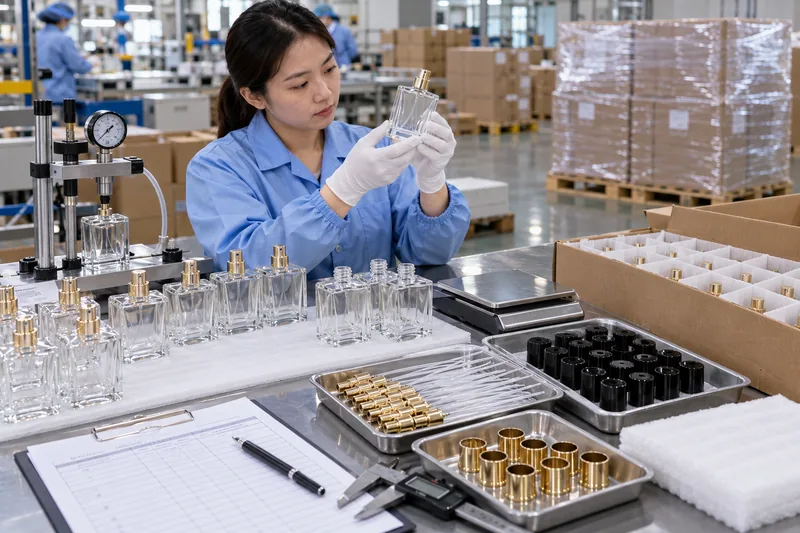
The buyer should define measurable acceptance criteria before the order. “Good quality” and “luxury finish” cannot be inspected consistently. Use drawings for dimensions, a signed physical master and limit samples for visual features, and written methods for function.
| Control stage | Minimum evidence | Approval gate |
|---|---|---|
| Design | Controlled component drawings, artwork, bill of materials, formula and filling requirements | No tooling or custom production before design review |
| Prototype/sample | Versioned samples and a statement of how they differ from mass production | No mass production before signed approval |
| Qualification | Compatibility, functional, filling/crimping and transport test records | No commercial launch before acceptance criteria pass |
| Production | First-off and in-process checks, lot traceability, approved color/appearance references | Stop and investigate drift, do not blend questionable lots silently |
| Release | Final inspection report, quantity, functional checks and packing evidence | Shipment authorization and balance payment per contract |
For defects, separate safety/function from appearance. Cracks, sharp edges, leakage and unusable attachment geometry are not equivalent to a small visual seed or faint mold seam. Define the viewing distance, lighting, viewing time and cosmetic zones so inspectors in different locations can reach similar decisions.
How to Compare Factory Quotations Without Buying the Wrong Thing
Normalize every quote into total landed cost per usable saleable unit. Include the bottle, pump, collar, cap, dip tube, decoration, label or box, trays/dividers, export cartons, tooling amortization, samples, testing, inspection, domestic China transport, freight, insurance, duties/taxes where applicable, customs services, breakage allowance and expected rejection/rework.
Total landed cost per usable unit = (all purchase and delivery costs + expected quality/rework cost) ÷ expected usable units received.
A heavier bottle may cost more to form, pack and freight. A cheaper pump may increase leakage or customer complaints. A custom cap can dominate tooling and assembly cost. A very low FOB price may exclude the closure, decoration, dividers or destination charges. Ask candidates to complete the same quote template instead of comparing their marketing proposals.
Payment risk controls
Tie payment stages to objective milestones appropriate to the relationship: confirmed order and drawings, approved tooling/prototype, approved production sample, completed inspection and shipping documents. Verify any bank change through a known contact using a separate channel. The exact split is commercial negotiation; there is no universally safe percentage.
Example: A Factory-Direct Project With Boyu Packaging
A useful way to approach Boyu Packaging is to begin with the finished system rather than asking, “How much is a 50 ml bottle?” Boyu’s public fragrance-packaging pages show coordinated glass bottles, pumps and caps and identify 30 ml, 50 ml and 100 ml as core capacities on its focused page, with other sizes reviewed according to mold availability. That is a starting point, not a substitute for a current written quotation for your exact SKU.
A practical Boyu inquiry sequence
- Send a one-page brief: target capacity, forecast, bottle style, perfume type, pump/attachment, cap, decoration, market, fill line, target date and Incoterm.
- Request two routes: an existing-mold, standard-component route and a semi-custom or fully custom route. This makes the cost of differentiation visible.
- Ask for the component matrix: exact bottle, pump, gasket, collar, dip tube and cap references; production location; MOQ; available colors; and lead time for each line.
- Buy representative samples: confirm which are stock references and which represent the intended production and decoration process.
- Run compatibility and line trials: use your formula, fill volume and crimp/application settings. Document changes after the trial.
- Approve the controlled set: drawings, artwork, golden sample, defect limits, tests, packing and change-control terms.
- Release production in gates: pre-production color/artwork, first-off evidence, in-process status, final inspection and shipment authorization.
If your quantity is below the economic run, ask Boyu to identify an existing bottle-and-pump combination and simplify visible customization rather than weakening the technical standard. If the product succeeds, the same qualified interface can support a later custom cap or bottle development. Use the Boyu Packaging contact page to send a specification-led inquiry.
What Boyu—or any supplier—must still confirm
Current mold and stock status, MOQ by component and process, sample type, actual manufacturing sites, production schedule, quality criteria, Incoterm, packing, payment, tooling ownership and change control. Website information helps screening; the signed specification and purchase contract control the order.
Common Factory-Direct Problems and How to Solve Them
| Problem | Likely cause | Prevention | Corrective action |
|---|---|---|---|
| Quote rises after sample approval | Initial quote excluded pump, cap, decoration, packing, tax or setup | Quote a controlled BOM and Incoterm with named place | Rebid the same specification; do not compare incomplete totals |
| “Stock” bottle is unavailable | Existing mold was mistaken for physical inventory | Request dated inventory evidence and reservation terms | Use an agreed substitute only after fit and appearance reapproval |
| Pump leaks or sprays poorly | Finish, gasket, crimp, formula, pump or dip tube interaction | Qualify the exact assembled system and filling/crimp settings | Quarantine, isolate variables with controlled trials and requalify the corrected set |
| Mass color differs from sample | Hand sample, substrate difference, coating thickness or uncontrolled color standard | Approve production-line first-off samples and a viewing method | Sort to agreed limits; investigate process before rework or remake |
| Printing rubs off | Surface preparation, ink/cure, formula splash or transport abrasion | Define adhesion, alcohol/product resistance and rub tests on production samples | Contain; establish failure mode before over-varnishing, stripping or remaking |
| Bottle and cap arrive at different times | Separate component schedules and no complete-set milestone | Use one critical-path plan and ship only complete approved sets unless agreed | Protect completed components; prioritize bottleneck and revise fill plan transparently |
| High breakage on arrival | Weak dividers, glass contact, carton/pallet failure or rough handling | Approve export pack and transport simulation; document container loading | Photograph before unloading, preserve cartons, segregate damage and follow claim procedure |
| Reorder differs from first lot | Uncontrolled source, resin/ink/coating, site, tool repair or sample drift | Freeze references and require written pre-approval of changes | Hold new lot, compare traceability and approved master, then assess requalification |
A 100-Point Supplier Scorecard
Weight the decision before reviewing final prices so commercial excitement does not override risk. A practical starting score is:
- 25 points — technical fit: relevant bottle, finish, pump, cap and decoration capability.
- 20 points — quality system: drawings, methods, traceability, defect limits, records and corrective action.
- 15 points — formula and line qualification support: samples, compatibility work and pilot-trial response.
- 15 points — delivery and capacity: realistic component-level plan and evidence for the required window.
- 10 points — commercial transparency: normalized BOM price, MOQ, payment, tooling and over/under-delivery terms.
- 10 points — export execution: packing, documents, Incoterm competence and communication.
- 5 points — total landed cost: compare only after mandatory technical and quality thresholds pass.
Set disqualifiers separately: unverifiable identity, refusal of inspection, unauthorized substitutions, counterfeit certificates, unsafe defects or inability to identify critical sources should not be “offset” by a low price.
Frequently Asked Questions
Is buying perfume bottles directly from China always cheaper?
No. It can reduce unit cost at repeatable scale, but tooling, samples, quality control, international freight, duties, breakage, inventory and management time can outweigh the saving on a small launch. Compare total landed cost per usable unit.
What is a typical perfume bottle MOQ?
There is no reliable universal number. MOQ depends on whether the bottle is physically stocked or only uses an existing mold, glass color, furnace/run planning, decoration, pump and cap configuration, and carton quantities. Ask for MOQ by component and process in a current quote.
Can I buy only 100 or 500 custom perfume bottles from a factory?
A new custom glass bottle is usually a poor fit for such a small volume because tooling and production setup must be recovered from very few units. Use an actual in-stock bottle, standard pump and cap, plus a label or small local decoration run. A distributor may be more economical than a factory.
Is a stock bottle the same as a ready-to-ship bottle?
Not necessarily. In supplier language, “stock design” can mean only that an existing mold is available. Confirm physical quantity, lot, component availability, reservation period and ship date in writing.
Should I buy the pump and cap from the same supplier as the bottle?
For most buyers, one accountable supplier for the qualified set reduces interface risk. Large buyers may source components separately if they have drawings, testing, assembly expertise and the leverage to resolve cross-supplier failures.
How many samples should I approve?
There is no universal count. You need enough samples from a representative process to run compatibility, function, appearance, filling/crimping and transport work with meaningful repeats. Keep signed masters and limit samples at both buyer and supplier.
Build the Smallest Qualified Pack That Can Scale
Start with an existing bottle and proven component interface, spend your effort on formula compatibility and production repeatability, and add custom design only where it creates customer value. Send Boyu Packaging your target capacity, quantity, pump, cap, decoration, market and launch date to compare a stock-mold route with a custom route.
Sources and Technical References
- ISO 2859-1:2026 — Sampling procedures for inspection by attributes
- International Chamber of Commerce — Incoterms 2020
- ICC — Incoterms 2020 checklist
- CETIE GME 40.02 — Neck finish for plug pump
- IATA — Dangerous Goods Regulations
- UNECE — UN Model Regulations on the Transport of Dangerous Goods, Rev. 23
Editorial note: Supplier MOQs, stock, tooling charges, component sources, lead times and freight conditions change. Confirm the exact SKU and terms in a dated quotation, specification and purchase contract. This guide concerns packaging procurement and does not replace product regulatory, customs, dangerous-goods or legal advice for a specific shipment.


 English
 Español de Argentina
 Русский
 Italiano
 日本語
 한국어
 العربية
 Français
 Deutsch