Direct answer: when buying PCR packaging, request a dossier that proves four different things: what was promised, where the recycled material came from, which production lots used it, and whether the finished package is safe and functional for your product. At minimum, that means an approved component specification and bill of materials; a recycled-content declaration with the calculation boundary; valid supplier, site and certification records where a scheme is used; resin TDS and batch CoA; purchase, receiving, mixing and production records that connect the PCR resin lot to the finished-pack lot; finished-package inspection and test reports; formula-compatibility evidence; and the correct commercial, customs and transport documents.
Do not accept a generic “PCR certificate,” SDS or laboratory report as proof on its own. A routine test can identify the polymer and measure properties or contaminants, but it normally cannot determine whether identical PET, HDPE or PP molecules came from a consumer bottle or virgin feedstock. PCR percentage is therefore substantiated mainly through a controlled chain of custody and batch records, supported—not replaced—by laboratory and package testing.

Start with three files, not one pile of certificates
PCR sourcing becomes much easier to audit when documents are separated by purpose. A report can be genuine yet irrelevant: an ISO 9001 certificate may show that a site has a quality-management system, for example, but it does not prove that your bottle contains 30% post-consumer resin. Use three linked files:
| File | Question it answers | Core evidence |
|---|---|---|
| 1. Claim and custody | Is the stated post-consumer content real, correctly calculated and traceable to this order? | Claim definition, component weights, recycler/resin source, scope certificate if applicable, transaction or sustainability documents, invoices, receiving records, mass balance or mixing record and finished-lot link. |
| 2. Regulatory and import | Can the importer place and clear the packaging in the intended market? | Market-specific declarations and technical records, substance information, commercial invoice, packing list, transport document, origin or preference documents where applicable, customs data and wood-packaging compliance. |
| 3. Quality and performance | Does the actual production pack meet the agreed specification and work with the actual formula? | Drawings, approved samples, resin and component specifications, batch CoAs, inspection plans, material tests, filled-pack compatibility, function, leakage, decoration and distribution results. |
The files must cross-reference the same legal entities, sites, purchase order, material grades and lot numbers. A technically good bottle with an unsupported environmental claim is a compliance problem; a well-documented resin in a leaking bottle is a product problem. Approval requires both.
Define the PCR claim before requesting quotations
“30% PCR bottle” is incomplete. The RFQ and purchase order should state all of the following:
- Material: for example, PET, HDPE or PP, including the approved resin grade and color masterbatch.
- Source category: post-consumer, pre-consumer or a separately reported mixture. Do not let “recycled” silently substitute for “post-consumer.”
- Percentage and denominator: percentage by mass of the bottle body, one component, total plastic components or the whole pack.
- Included components: bottle, cap, pump, dip tube, overcap, liner, label and decoration, with exclusions stated.
- Custody model: physical segregation, controlled blending or mass balance/attribution. These are not interchangeable claims.
- Calculation period: per batch, product family, manufacturing site/year or another legally permitted basis.
- Destination and claim wording: the countries where the pack will be sold and the exact on-pack or marketing statement.
ISO 14021:2026 treats recycled content as a mass-based proportion and distinguishes physical recycled content from attributed content under mass-balance models. For a mechanically recycled, physically blended bottle, a useful claim might be: “Bottle body contains 30% post-consumer recycled PET by mass; pump, dip tube, overcap and label excluded.” That wording is auditable. “Eco bottle” is not.
Worked example: a 42 g bottle body contains 30% PCR; a 12 g pump and 2 g overcap are virgin plastic.
PCR mass = 42 g × 30% = 12.6 g
PCR share of all three plastic components = 12.6 g ÷ 56 g = 22.5%. “Bottle body contains 30% PCR” may be correct; “the package contains 30% PCR” would overstate this construction.
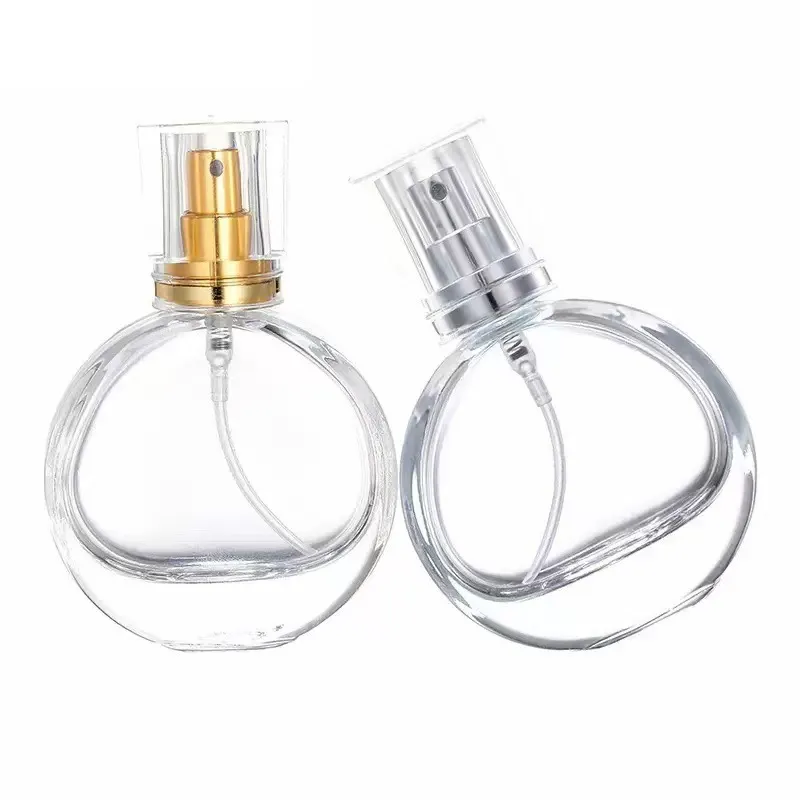
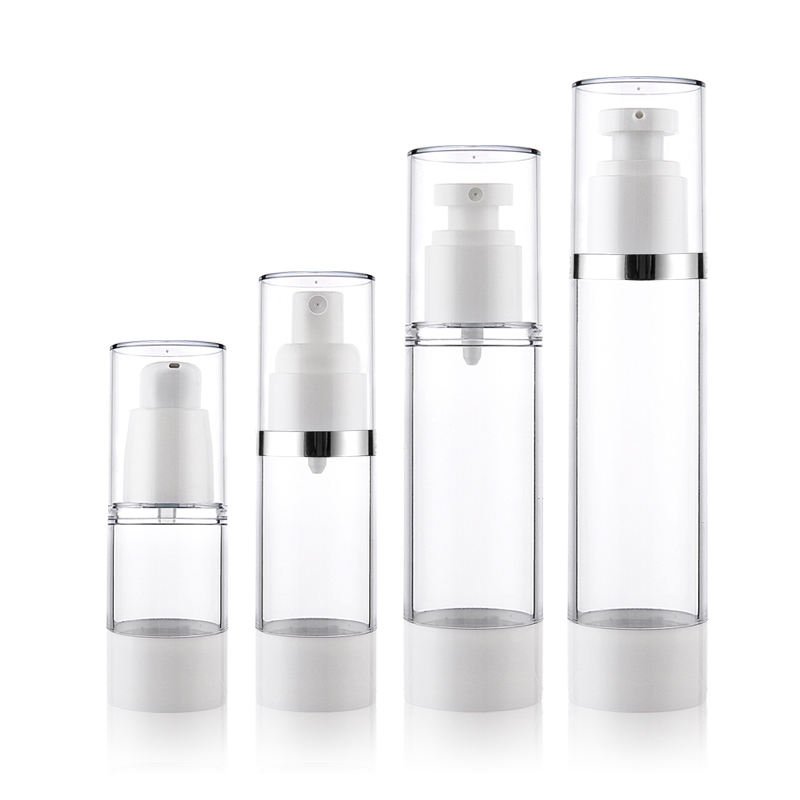
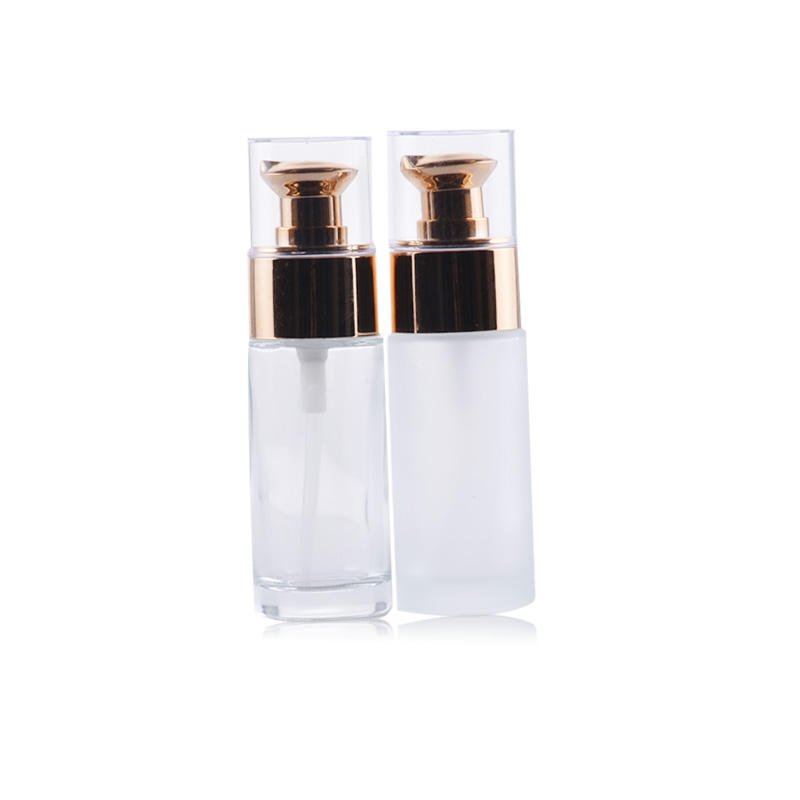
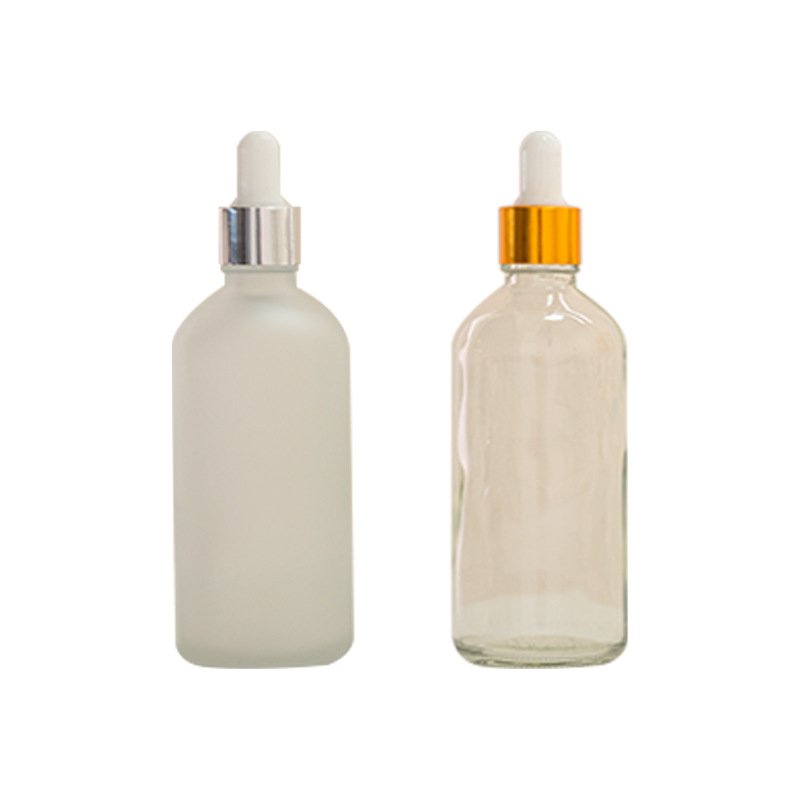
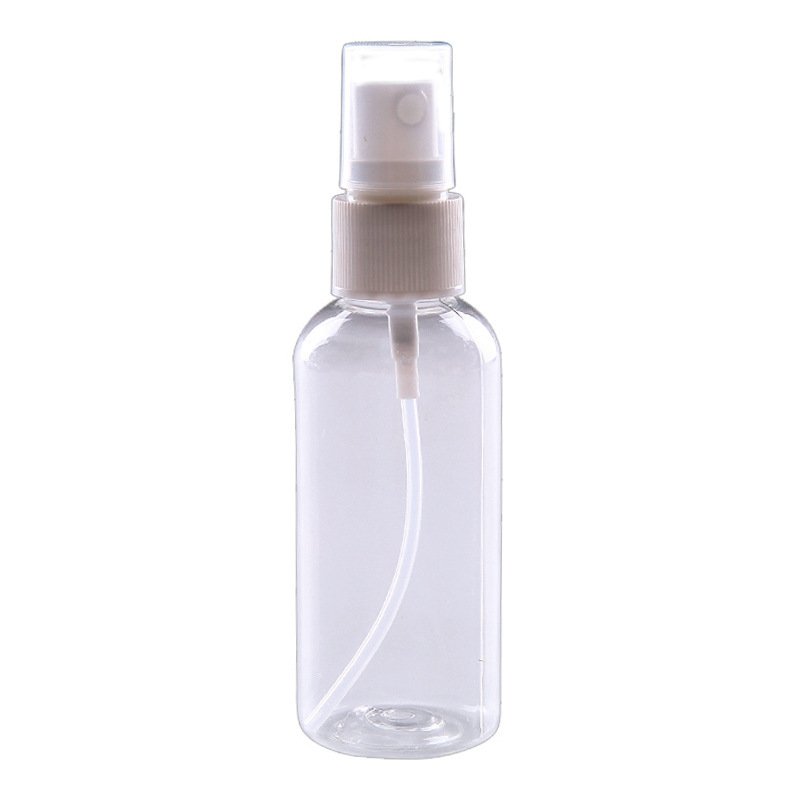
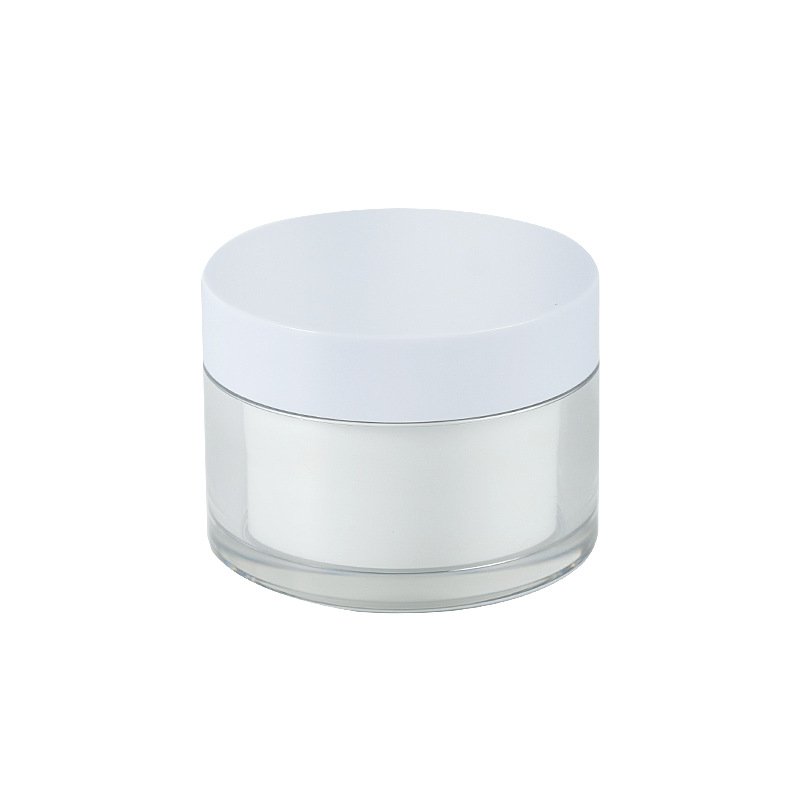
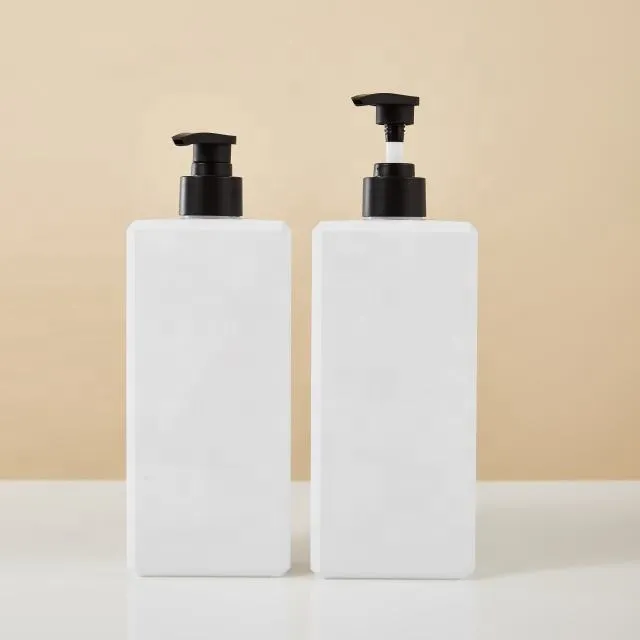
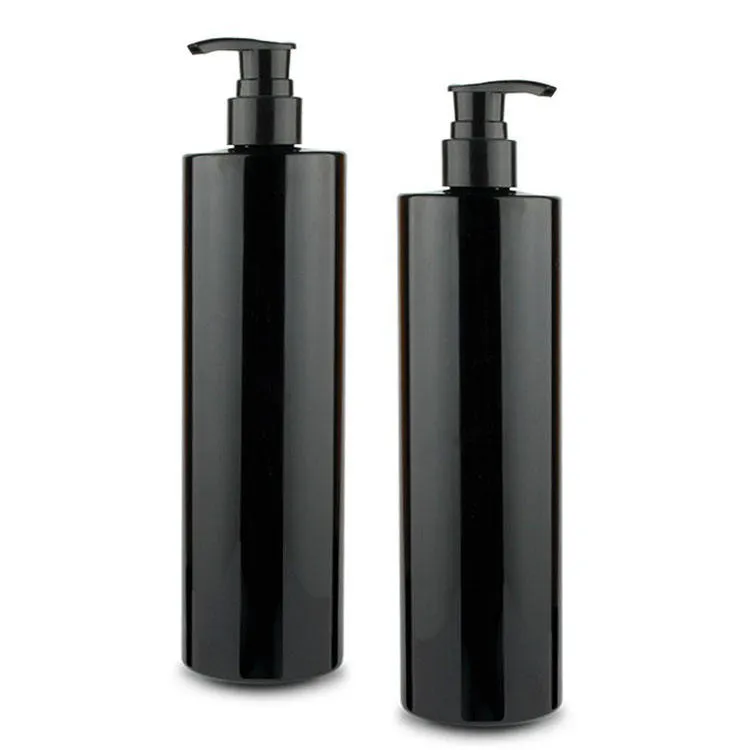
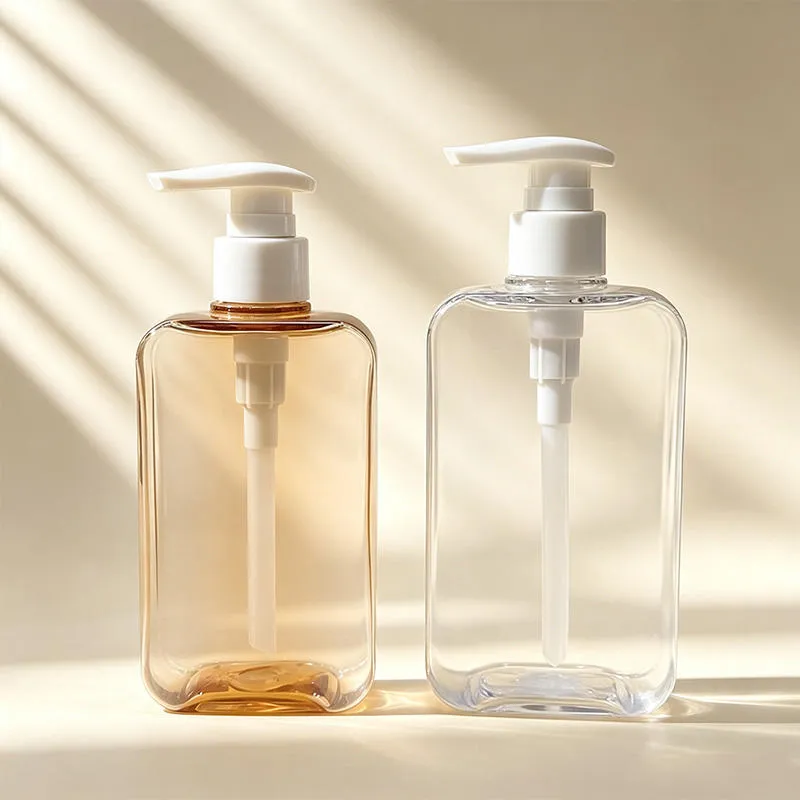
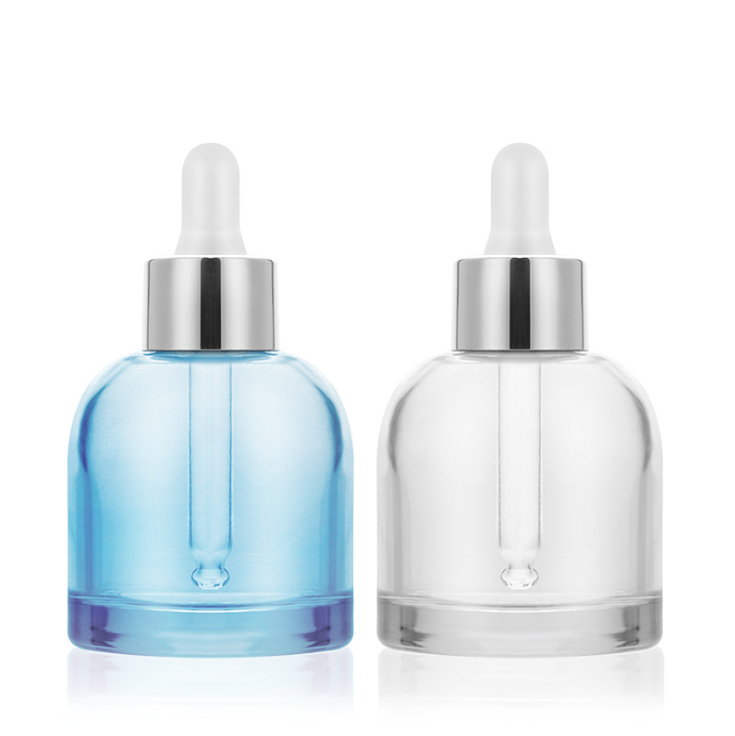
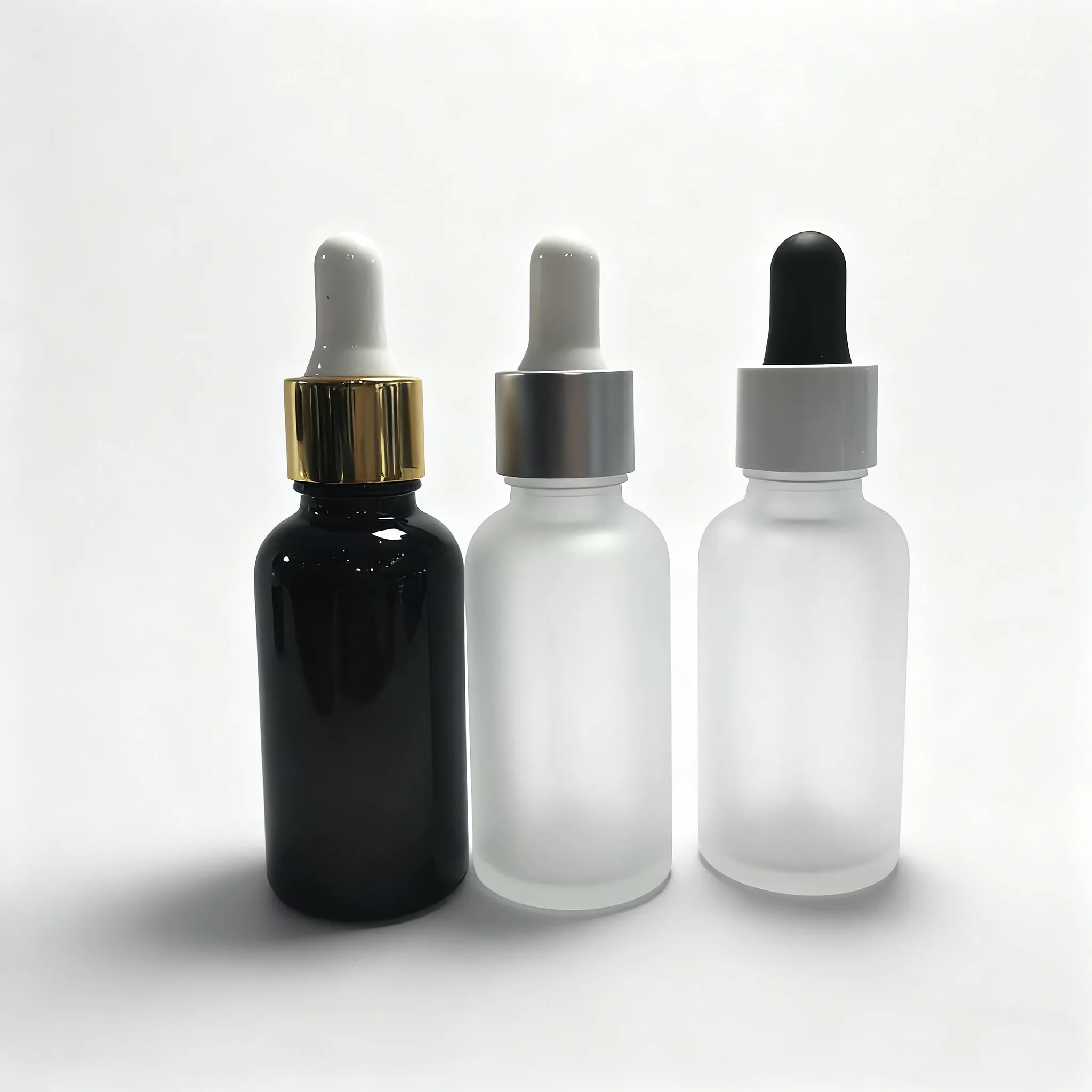
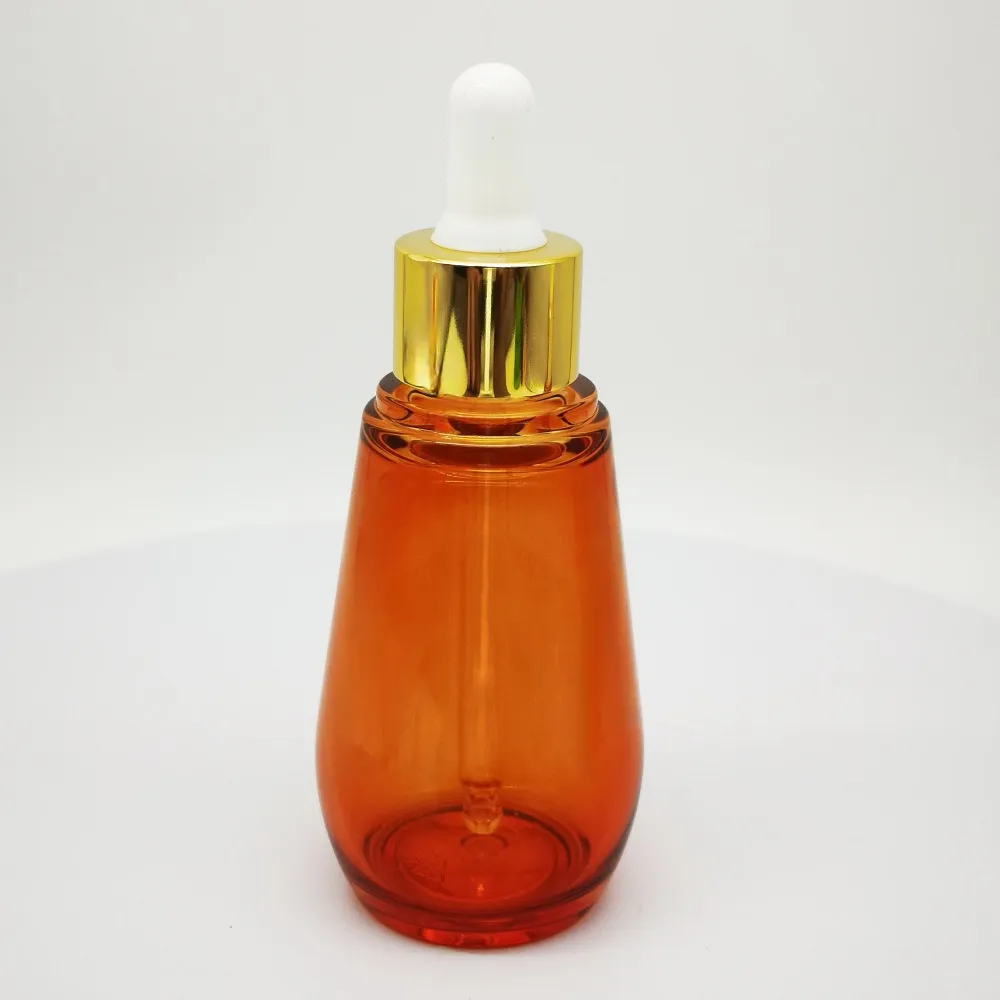
Freeze the intended bottle, closure and decoration before calculating. Boyu’s plastic cosmetic bottle formats illustrate why the body is only one part of the commercial package.
Supplier and factory documents to request from China
First establish who is selling, who is molding, who is decorating and who supplies the PCR resin. “Factory direct” is meaningful only when these roles are named. Request documents in the seller’s legal Chinese name as well as the trading name shown on the website.
Corporate and site qualification
- Business licence and registered legal entity; confirm the address, business scope and unified social credit code through an appropriate Chinese corporate-information source or professional due-diligence provider.
- Bank beneficiary and sales contract entity. A mismatch is not automatically fraud, but it requires a written explanation and approval.
- Manufacturing-site list: molding, assembly, decoration, printing, coating, warehousing and any subcontractors.
- Quality-system certificate, if claimed, checked against the certificate issuer or accreditation database. Verify legal name, site, activities, expiry and certificate status.
- Factory audit report covering incoming-material control, PCR segregation, batch coding, mixing control, regrind rules, equipment, calibration, nonconforming product, traceability, change control, subcontractors and complaint handling.
- Capacity and contingency data for the selected process—not a generic company presentation—including machines, molds/cavities, normal output, bottleneck operations and backup plans.
ISO 9001 or another management-system certificate can support supplier qualification. It is not a PCR-content certificate, a formula-compatibility report or a batch release document.
Product-definition documents
- Signed component drawings with dimensions, tolerances, neck finish, capacity, weight and critical sealing features.
- Complete bill of materials with polymer, PCR percentage, additive/colorant, contact status and supplier/grade for each relevant part.
- Approved color standard under specified lighting, appearance defect standard and signed production-intent golden sample.
- Decoration artwork, ink/coating/adhesive system, cure requirements and adhesion/chemical-resistance criteria.
- Assembly specification: cap or pump application torque, liner/gasket, dip-tube length, actuator lock, induction seal and pack-out.
- Inspection plan showing test method, condition, sample size, frequency, instrument and acceptance limit—not only “pass.”
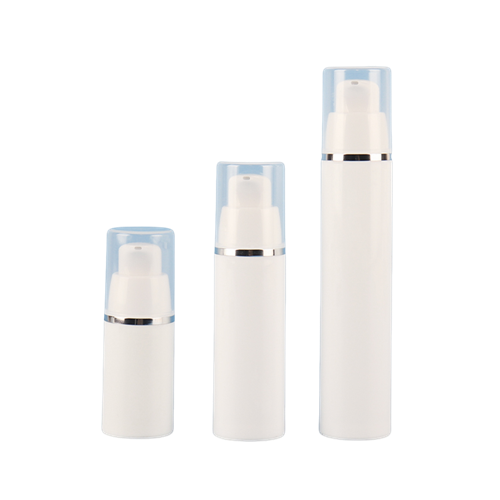
For multi-part packs, review complete skincare packaging systems before approving a bottle-body claim. A pump’s metal spring, elastomers and dip tube may affect function, compatibility and end-of-life claims even if the body is PCR plastic.
The PCR evidence pack: what should connect to each order?
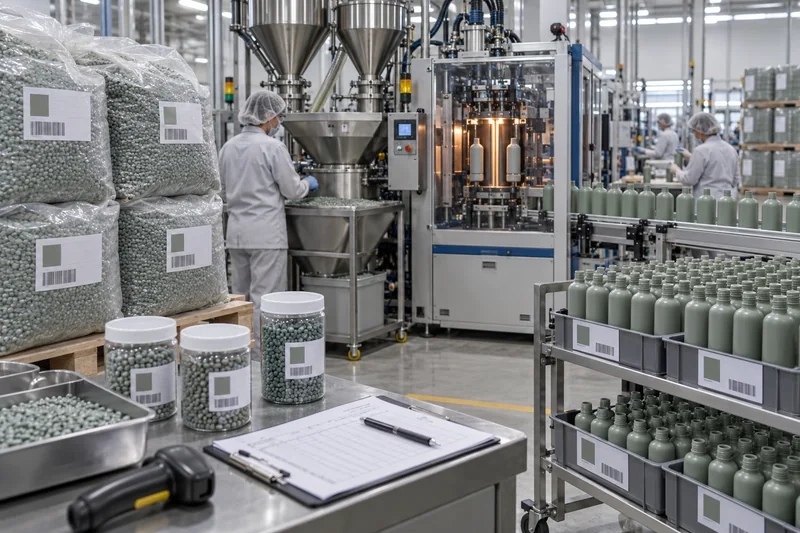
A strong file creates an unbroken path from recycled feedstock to your finished goods. Ask for the following, adjusted to the custody model and commercial confidentiality:
- Recycled-content declaration. It should identify the finished component, resin, post-consumer percentage, calculation basis, excluded parts, custody model, site and responsible signatory.
- Approved PCR resin source. Recycler/compounder identity, country or region of source, resin trade name/grade, post-consumer versus pre-consumer status and intended contact/application restrictions.
- Scheme certificate, where used. Valid scope certificate or equivalent audit record for the correct legal entity, production site, process, material and claim model.
- Transaction-level evidence. Transaction certificate, sustainability declaration, delivery note, invoice or scheme-specific document that links the certified/verified input quantity to the shipment. The exact name depends on the programme.
- Incoming-lot records. Supplier lot, purchase/receiving quantity, date, warehouse location, incoming inspection and resin CoA.
- Mixing or attribution record. PCR and virgin resin quantities, masterbatch/additives, line clearance, batch start/end, yield, scrap, rework and carryover. For mass balance, obtain the required period reconciliation and allocation rules.
- Production record. Manufacturing order, date/shift, machine, mold and cavities, operator or electronic batch record, in-process checks and finished-goods lot code.
- Quantity reconciliation. The claimed recycled output must not exceed eligible recycled input after inventory, conversion loss and scheme rules are applied.
- Retain samples. Sealed resin, natural-color molded chip or component, finished decorated package and lot-linked photographs retained for an agreed period.
RCS/GRS, ISCC PLUS, RecyClass, SCS, UL, TÜV and other programmes serve different markets and accounting models. They are voluntary unless a contract, customer programme or law makes a particular route necessary. Select the scheme after confirming that it covers the polymer, product, site, custody model and claim you intend to make.
How to verify a PCR certificate instead of merely collecting it
Open the certificate yourself; do not rely on a cropped screenshot. Check the following fields against the quotation, PO and factory audit:
| Check | What must match | Typical red flag |
|---|---|---|
| Legal entity | Seller, manufacturer or named certified organization | Certificate belongs to a resin vendor or sister company but is presented as the bottle factory’s. |
| Site | Actual receiving, blending, molding or trading site required by the scheme | Address differs from the audited factory. |
| Scope | Material, process, product category and custody model | Certificate covers textiles, trading or a different polymer—not molded cosmetic packaging. |
| Status and dates | Valid on relevant purchase, production and transaction dates under scheme rules | Expired, suspended, future-dated or unverifiable number. |
| Issuer | Authorized certification body and official database/validation channel | Editable PDF with no database record or issuer contact. |
| Transaction | Product, material, quantity, supplier, buyer, date and document chain | One old transaction certificate is reused for unrelated orders. |
ISO 22095 provides a general chain-of-custody framework, but ISO itself states that the standard cannot support a product claim on its own. The claim still needs a defined characteristic, an applicable programme or method, and evidence showing that your actual material and order meet it.
Which material tests should a PCR buyer request?
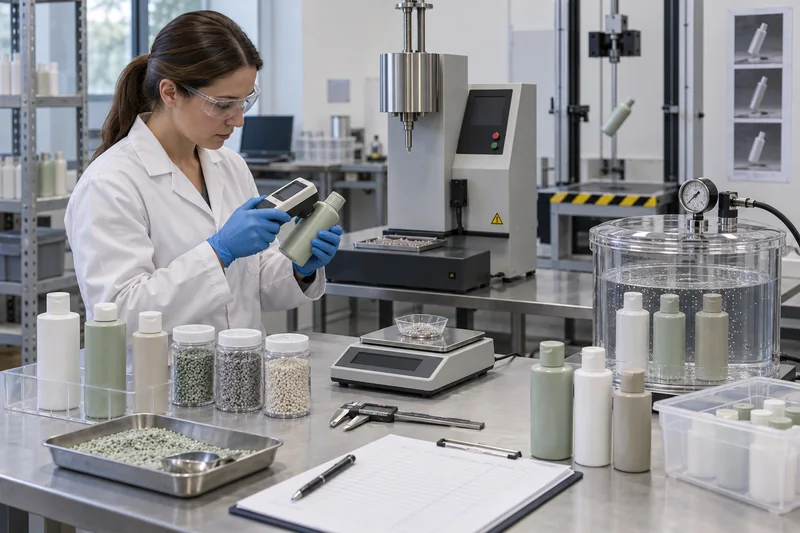
Build the test plan from the polymer, feedstock risk, formula, package function and destination market. A report is useful only when it names the sample, lot, method, conditioning, result, limit and laboratory. The following matrix is a practical starting point:
| Test / record | What it tells you | When to use it | What it does not prove |
|---|---|---|---|
| FTIR polymer identification | Screens the polymer family and obvious mismatches. | New source, suspected substitution, multilayer investigation. | Whether the same polymer is virgin or post-consumer; exact PCR percentage. |
| DSC / thermal analysis | Thermal transitions, crystallinity indicators and possible polymer mixing. | Material qualification or root-cause analysis. | Source history by itself. |
| Melt mass-flow rate | Process-flow consistency and degradation/contamination warning, interpreted for the polymer and process. | Incoming lots and supplier changes; typically an agreed ISO 1133 or ASTM D1238 condition. | Safety, PCR percentage or molding success alone. |
| Intrinsic viscosity for PET | Molecular-weight-related consistency relevant to preform and bottle performance. | rPET grade approval and batch monitoring. | Contaminant safety or exact recycled share. |
| Density, ash/filler and moisture | Composition/process consistency; moisture is especially important for hydrolysis-sensitive PET processing. | Incoming resin control and molding troubleshooting. | General regulatory compliance. |
| Color L*a*b*, haze, black specks and gels | Appearance variation against an approved standard under defined lighting. | Every approved resin or molded lot at a risk-based frequency. | Chemical safety or consumer acceptability without agreed limits. |
| Odor / volatile screening | Off-odor risk; targeted GC-MS or other analysis can investigate identified hazards. | Sensitive formulas, new feedstock, complaints or significant lot change. | A blanket “non-toxic” conclusion. |
| Restricted substances / extractables | Targeted substances and potential migrants selected from materials, additives, feedstock and market risk. | Qualified safety-assessor or regulatory plan; new recycled source; direct-contact or sensitive applications. | Compatibility with every cosmetic formula or every country’s requirements. |
Ask whether the laboratory is competent for the method and matrix; ISO/IEC 17025 accreditation for the relevant scope is stronger than a logo placed on a report. Confirm the report belongs to the same material grade, color and production period. An old test on natural rPET does not automatically cover a new black masterbatch, coating or supplier.
Finished-package tests to approve before shipment
PCR does not change the fundamental rule: qualify the complete production-intent pack with the actual formula and final decoration. It may, however, increase the need to control lot variation, odor, color, specks, process window and stress cracking. Use Boyu’s broader cosmetic bottle testing checklist to develop the full plan; the minimum buyer discussion should cover these groups:
- Identity and appearance: component weight, resin/grade, color under defined lighting, gloss/haze, odor, contamination, black specks, flash, short shot, sink, scratches and decoration.
- Dimensions and capacity: critical neck finish, sealing land, thread, overall dimensions, ovality, wall distribution where relevant, nominal and brimful capacity and fill-line headspace.
- Mechanical performance: top load/compression, squeeze recovery, environmental stress cracking, impact/drop appropriate to the component, closure retention and creep.
- Seal integrity: assembly torque or crimp, inverted/side storage, vacuum or pressure method where appropriate, mass loss and leakage after conditioning. Choose methods from the actual failure risk; Boyu’s guide to cosmetic bottle leak-testing methods explains the differences.
- Dispensing: pump/sprayer priming, dose, consistency, spray pattern, actuation force, re-priming, cycle life, dip-tube performance, drip, lock/overcap and evacuation.
- Decoration: adhesion, cure, dry and wet rub, product/contact chemical resistance, scuffing, tape/cross-cut where appropriate and label performance after humidity/temperature exposure.
- Formula–package compatibility: filled-pack storage at defined real-time and justified accelerated/cycling conditions; inspect both formula and packaging. Follow a documented formula–package compatibility protocol.
- Distribution: final filled pack, retail components, shipper and pallet configuration under the relevant conditioning, vibration, compression, drop and reduced-pressure risks. Select the route using applicable cosmetic packaging drop-test standards, not a copied universal height.
AQL inspection is useful—but it does not prove PCR content
ISO 2859-1:2026 provides acceptance-sampling plans indexed by AQL for lot-by-lot inspection. In the quality agreement, classify defects as critical, major or minor and state the inspection level, AQL, lot definition and disposition rules. Use 100% control where the risk justifies it. Keep destructive test samples and frequencies separate. AQL answers whether an inspected lot is accepted under the agreed sampling plan; it does not certify a declared PCR percentage or guarantee zero defects.
Market-specific records: EU, UK and US examples
European Union
The EU Packaging and Packaging Waste Regulation (EU) 2025/40 generally applies from 12 August 2026. It creates conformity, technical-documentation and recycled-content obligations, with detailed methods and some targets taking effect later. Cosmetic primary packaging is treated as contact-sensitive packaging. A buyer importing from China should determine the economic-operator role, obtain the applicable EU declaration of conformity and technical documentation, and confirm how the recycled-content calculation and evidence meet the final implementing rules for the launch date.
The EU Cosmetics Regulation also requires the cosmetic product safety report to consider relevant characteristics of packaging material, particularly purity and stability. That makes a material declaration and compatibility file relevant, but no supplier certificate replaces the responsible person’s safety assessment. For plastic components that are “articles” under REACH, request Candidate List/SVHC information and, where the threshold and role apply, data needed for Article 33 communication and SCIP obligations. Use risk-based chemical testing to verify declarations.
United Kingdom
For UK Plastic Packaging Tax, plastic packaging components containing less than 30% recycled plastic can be taxable when the business meets the registration conditions. HMRC guidance expects records supporting the weight and recycled proportion; for imported components, evidence may include manufacturer information, standards, quality-assurance audits, invoices and information about the source and proportion of recycled plastic. Keep the evidence in the form and period required by current tax rules. A supplier statement without supporting records may not be enough.
United States
The FTC Green Guides advise marketers to make recycled-content claims only for material recovered or diverted from the waste stream and to qualify partial-content claims—for example, “made from 30% recycled material.” A certification does not remove the advertiser’s obligation to substantiate express and implied claims. State and customer requirements can add more detail, so review every sales market rather than assuming one federal marketing rule is the entire compliance file.
Direct-from-China PCR purchasing workflow
Use gates. Do not pay for mass production and then ask the factory to reconstruct evidence after the bottles are packed.
- Market and claim brief. Confirm destination countries, pack components, formula, PCR type/percentage/boundary, custody model, claim wording and required scheme with regulatory and sustainability teams.
- Supplier prequalification. Verify legal entity, site roles, resin source, existing process capability, certificates and complaint/change-control system. Audit PCR segregation and traceability, not only housekeeping.
- Comparable RFQ. Require virgin and PCR options to quote the same bottle weight, tolerance, color, decoration, closure, test plan, Incoterm and pack-out. Record whether the quotation includes the required batch evidence.
- Material approval. Review resin TDS, batch CoA, source/custody evidence and risk-based chemical data. Approve the exact grade, percentage, masterbatch and suppliers.
- Tooling and pilot trial. Use production-intent PCR resin and final color. Record process window, cavity results, dimensional capability, appearance, odor and functional data. A virgin sample does not approve a PCR run.
- Golden sample and specification. Sign the drawing, defect standard, color tolerance, function criteria, test plan, pack-out and allowed reference samples. “Same as sample” is not enough without measurable limits.
- Compatibility and distribution qualification. Fill the final formula, use all production-intent contact parts and decoration, and complete the risk-based study before commercial release.
- Pre-production meeting. Confirm approved resin lots, mixing ratio, no-substitution rule, line clearance, first-article approval, subcontractors, lot coding, retain samples and document deadlines.
- During-production control. Review incoming-lot records, first article and in-process trends. For high-risk or first orders, arrange an independent during-production inspection that witnesses resin identity and lot flow.
- Pre-shipment release. Reconcile quantities, PCR evidence, CoAs, finished inspection, key tests, cartons, labels and shipping documents. Hold final payment or shipment release until the contracted dossier is complete.
- Receiving control. At destination, inspect seal integrity, transport damage, quantity, lot identity and agreed attributes. Retain samples and close deviations before filling.
Import and shipping documents for PCR packaging from China

Ask your licensed customs broker or importer to determine the tariff classification and destination requirements. The standard shipment file commonly includes:
- Commercial invoice: correct seller/buyer, detailed item description, material, quantity, unit/total value, currency, Incoterm with named place and agreed tariff code information.
- Packing list: SKU and lot mapping, carton/pallet counts, units per carton, net/gross weight, dimensions/volume and shipping marks. Totals must reconcile with invoice and transport records.
- Transport document: bill of lading, sea waybill, air waybill or courier document, with consistent shipper, consignee and cargo data.
- Origin/preference documents: only when applicable and correctly issued; do not request a generic certificate of origin without knowing its purpose.
- Insurance certificate: when required by contract or chosen shipping arrangement.
- Compliance attachments: declarations, test reports, PCR evidence or permits required by the market, customer or customs query.
- ISPM 15 evidence: compliant treatment/marking for regulated solid-wood pallets or dunnage used in international trade; engineered wood and exemptions must be assessed correctly.
Choose an Incoterm with the named place and visibility you need
Write the rule as, for example, “FCA [precise facility], Incoterms 2020,” not simply “FOB China.” The ICC rules allocate delivery, risk, carriage, insurance and export/import clearance duties; they do not define PCR quality, transfer title, set payment, or replace a quality agreement. With DDP, confirm that the seller can lawfully act for import clearance and that the buyer receives entry and tax evidence. A cheap door-to-door quote that hides the importer of record and customs entry can create tax, traceability and enforcement problems.
Put PCR controls in the contract and quality agreement
Documents requested by email are easy to forget. Put the following obligations in the signed specification, PO and quality agreement:
- Exact PCR definition, percentage, component boundary, custody model, source/grade and approved claim wording.
- No substitution of resin, recycler, compounder, masterbatch, additive, molding site, mold, decoration processor, closure, liner or test method without prior written approval.
- Minimum notice period, supporting data and revalidation responsibilities for proposed changes.
- Batch traceability and record-retention period aligned with legal, customer and shelf-life needs.
- Right to verify certificates, conduct audits, witness production and use an independent inspection/laboratory.
- Test methods, conditions, sample sizes, frequencies, specifications, AQL/defect classification and escalation rules.
- Required pre-shipment dossier and the milestone at which it becomes due.
- Nonconformance notification, containment, root-cause/CAPA deadline, replacement/credit/rework allocation, sorting cost, freight and recall cooperation.
- Tool and approved-sample ownership, confidentiality, record access and surviving obligations after supply ends.
Avoid the clause “must comply with all regulations” as the only requirement. It does not identify who performs the safety assessment, which markets apply, what evidence is due or what happens when a resin source changes.
PCR supplier red flags that deserve investigation
- The supplier calls all factory scrap “PCR” or cannot separate post-consumer from pre-consumer content.
- One certificate is offered for every resin, site, percentage and customer order.
- The certificate entity, address or material scope does not match the actual supply chain.
- The seller refuses to identify who molds or decorates the package, even under a confidentiality agreement.
- PCR percentage changes on the quotation, declaration and label artwork, or the denominator is undefined.
- Only SDS/TDS documents are supplied as recycled-content proof.
- A lab report lacks sample identification, method, result units, limits or an intact report number.
- The sample is made from virgin resin, but the factory wants to start PCR mass production without a production-intent pilot.
- The factory promises 100% PCR, perfect clarity, no odor, virgin-grade color and no process change without explaining the qualified feedstock and acceptance window.
- The price is far below comparable virgin/PCR bids while traceability documents are “available after shipment.”
Common PCR purchasing problems and how to solve them
| Problem | Immediate containment | Root-cause evidence | Corrective action |
|---|---|---|---|
| Certificate is invalid or out of scope | Hold the environmental claim and affected stock; do not alter records. | Issuer/database status, entity/site/scope/date, transaction trail and resin purchase records. | Obtain valid order-specific evidence or relabel/restate the claim; requalify the supplier and close the control gap. |
| PCR percentage cannot be reconciled | Segregate lots and freeze shipment/release. | Component weights, input quantities, inventory, scrap/rework, mixing logs, output quantities and claim denominator. | Correct the calculation and claim; repeat production only under witnessed or audited material accounting if necessary. |
| Color, haze, specks or odor varies | Quarantine suspect resin and finished lots; compare retain samples. | Resin lot/CoA, feedstock change, dryer and purge records, contamination, masterbatch, cleaning and process history. | Tighten source and appearance/odor windows; improve segregation, filtration, drying or color strategy; reapprove any new grade. |
| Bottles crack, panel or leak | Stop filling/use; identify affected package and formula lots. | MFR/IV and moisture trends, wall distribution, dimensions, torque, stress cracking, formula interaction, temperature and transport history. | Correct resin grade/process/design/closure; rerun filled-pack and distribution validation. Do not reduce PCR percentage silently. |
| Restricted substance or unknown contaminant is found | Quarantine and notify responsible quality/regulatory teams; assess any filled product. | Confirmatory lab analysis, blank/control, resin/component mapping, feedstock, additives, ink/coating and subcontractor records. | Qualified safety/risk assessment, source removal, specification update and revalidation; determine market notification or disposal with competent advisers. |
| Supplier changed resin or sub-supplier | Place unapproved lots on hold. | Purchase records, site batch logs, CoA differences, certificate scope and production dates. | Run formal change qualification; update documents only after approval; apply contractual remedies for unauthorized change. |
| Customs documents conflict | Contact broker/forwarder before arrival or entry where possible; do not fabricate replacements. | PO, invoice, packing list, weights, tariff description, shipper/consignee and transport document. | Issue controlled amendments through the proper parties; add a pre-departure document reconciliation gate. |
Use a disciplined nonconformance sequence
Contain → preserve evidence → define affected lots → confirm the failure → assess product/claim/import risk → identify root cause → approve correction and corrective action → verify effectiveness. Preserve unopened samples, photographs, records and transport conditions. A supplier’s offer to “replace it next time” is not a root-cause investigation.
PCR packaging RFQ and pre-shipment checklist
Copy these questions into your RFQ:
- Which component contains PCR, which polymer/grade is used, and what post-consumer percentage by mass is guaranteed?
- Is the claim physical content or attributed mass balance? What calculation boundary and period apply?
- Who is the recycler/compounder, who molds each component, and which operations are subcontracted?
- Which certification or verification scheme covers the exact entity, site, process, polymer and model? Provide the validation link/number.
- Which transaction, purchase, receiving, mixing and production records will accompany this order?
- Provide TDS, current batch CoA and risk-based substance information for resin, masterbatch, ink, coating, adhesive, gasket and other relevant parts.
- What appearance, odor, MFR/IV, moisture, contamination and functional limits are controlled for PCR?
- Which tests are performed on resin, components, assembled packs and filled packs; by whom, how often and to what acceptance criteria?
- How are PCR, virgin material, purge and regrind segregated? What rework is allowed in our order?
- What lot code connects resin through molding, decoration, assembly and shipping cartons?
- Which changes require our written approval and revalidation?
- When will the complete dossier be delivered, and what payment/shipment gate depends on acceptance?
Before final balance or shipment release, check that every filename and report references the current project rather than a generic sample. Confirm quantities, lots and dates across the CoA, inspection report, PCR evidence, packing list and invoice. If the factory cannot explain the chain in a short screen-share or audit walkthrough, the file is not ready.
What should a good PCR supplier be able to prove?
A reliable supplier does not promise that PCR behaves exactly like virgin resin. It shows a controlled source, an honest variability window, a repeatable process and an evidence chain that survives a buyer audit. The factory should be able to:
- explain the claim and its calculation in one page;
- trace a selected finished carton backward to molding and resin lots;
- show which certificates apply and which do not;
- produce trend data and retains, not only a single perfect sample;
- state realistic color, odor and process limitations;
- notify changes before use; and
- respond to a nonconformance with containment, evidence and verified CAPA.
Prepare a decision-ready PCR brief
Send the formula type, pack format, destination markets, component-level PCR target, claim wording, annual volume, decoration and launch schedule. Boyu Packaging can help review bottle and dispensing options and prepare a sample/test brief; final claim, safety and regulatory approval remain with the brand’s qualified teams.
Frequently asked questions
Is an SDS proof of PCR content?
No. An SDS communicates hazard and safe-handling information for a substance or mixture. It may identify the polymer or additives, but it normally does not prove post-consumer origin, percentage or use in a specific finished lot.
Can a laboratory determine the exact PCR percentage in a finished bottle?
Usually not for mechanically recycled plastic blended with virgin material of the same polymer. A lab can test identity, thermal/rheological properties, contaminants and performance. Exact source percentage generally relies on chain-of-custody and material-accounting evidence. Ask the proposed lab to state the method’s validated capability and uncertainty before commissioning a “PCR percentage test.”
Are GRS or RCS certificates mandatory for PCR cosmetic bottles?
Not universally. They are voluntary third-party standards and may be required by a customer programme or chosen claim route. Confirm that the current scheme covers the material, entity, site, process and product. Other audited systems may be more appropriate for plastic packaging or mass-balance feedstock.
Should every PCR resin lot receive third-party testing?
Not automatically. Use risk, history and contract requirements. New sources, major changes, sensitive formulas and serious complaints justify more independent work. Mature approved sources may use supplier CoA plus periodic verification and trend review. Batch custody records still remain necessary.
Can I approve the package using water instead of the real cosmetic formula?
Water can help screen leakage or dispensing, but it cannot approve compatibility for a formula containing surfactants, alcohol, fragrance, oils, acids, salts, preservatives or active ingredients. Use the final or scientifically representative formula in the complete production-intent pack.
When should the buyer pay the final balance?
Set the commercial milestone in the contract. For a first or high-risk order, a sensible release gate is acceptance of agreed pre-shipment inspection, key tests and the complete PCR/shipping dossier—not simply a photo of packed cartons. Align this with supplier negotiation and applicable payment risk.
Sources and further reading
Regulations, standards and programme rules change. These primary or scheme-owner sources were checked on 5 October 2026; verify the current version for the target market and project.
- US Federal Trade Commission — Environmental Claims: Summary of the Green Guides
- ISO 14021:2026 — Environmental statements and programmes for products
- ISO 22095:2020 — Chain of custody: general terminology and models
- Textile Exchange — Recycled Claim Standard and Global Recycled Standard
- ISCC — ISCC PLUS certification
- Regulation (EU) 2025/40 on packaging and packaging waste
- Regulation (EC) No 1223/2009 on cosmetic products
- European Chemicals Agency — Candidate List substances in articles
- HM Revenue & Customs — Plastic Packaging Tax records and accounts
- ISO 2859-1:2026 — AQL-indexed sampling for lot-by-lot inspection
- European Commission Access2Markets — Customs clearance documents and procedures
- US Customs and Border Protection — Commercial invoice requirements
- International Chamber of Commerce — Incoterms 2020 Q&A
- International Plant Protection Convention — ISPM 15 wood packaging standard


 English
 Español de Argentina
 Русский
 Italiano
 日本語
 한국어
 العربية
 Français
 Deutsch