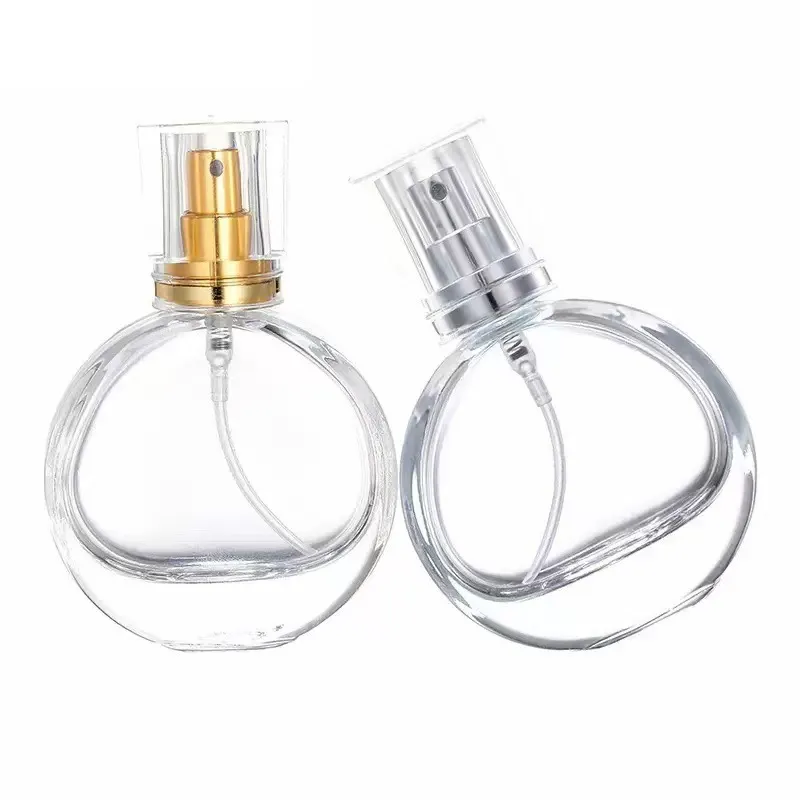
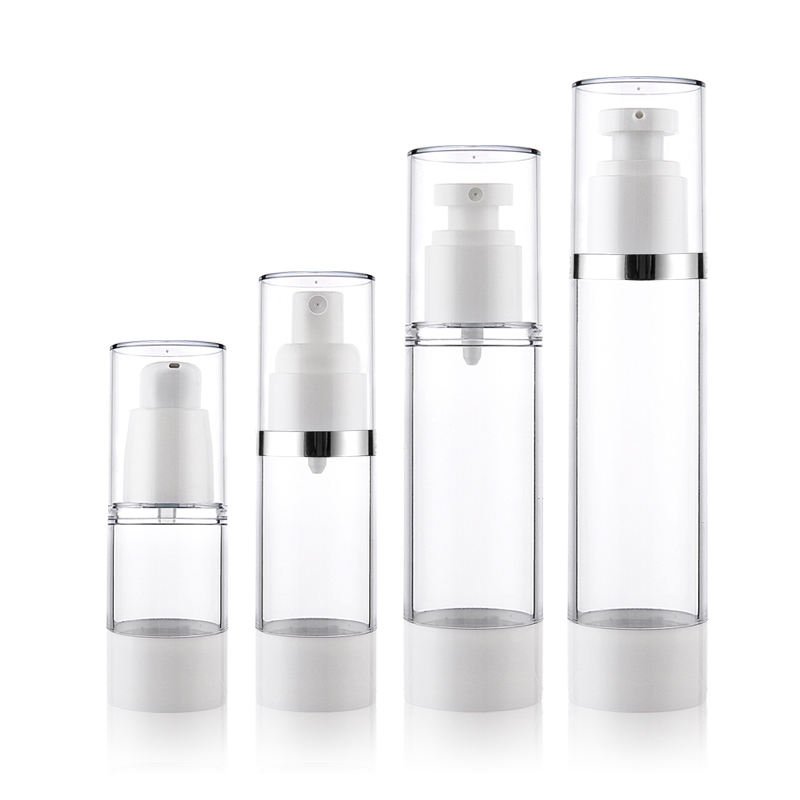
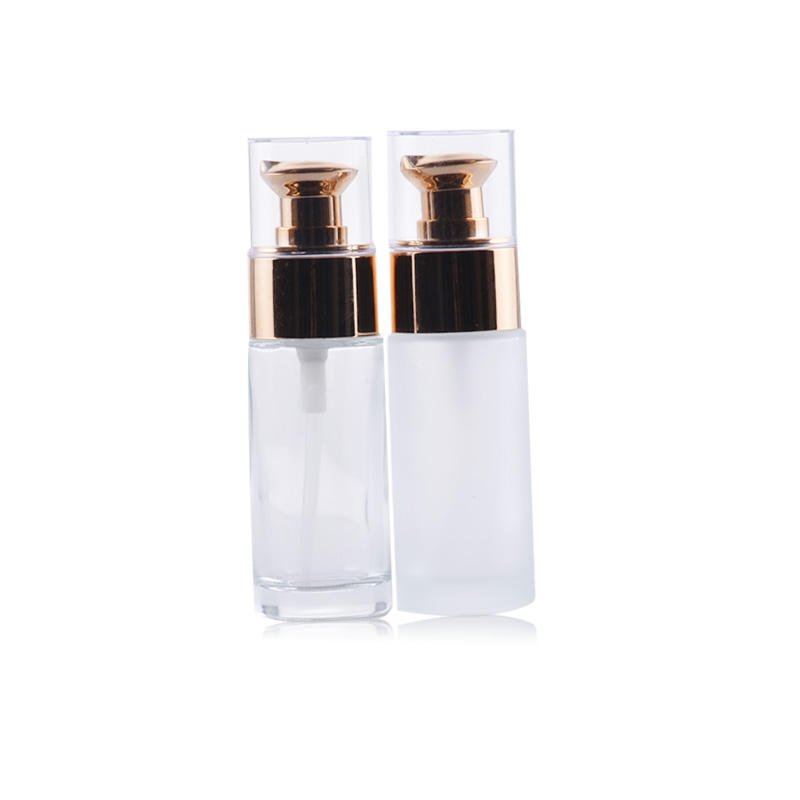
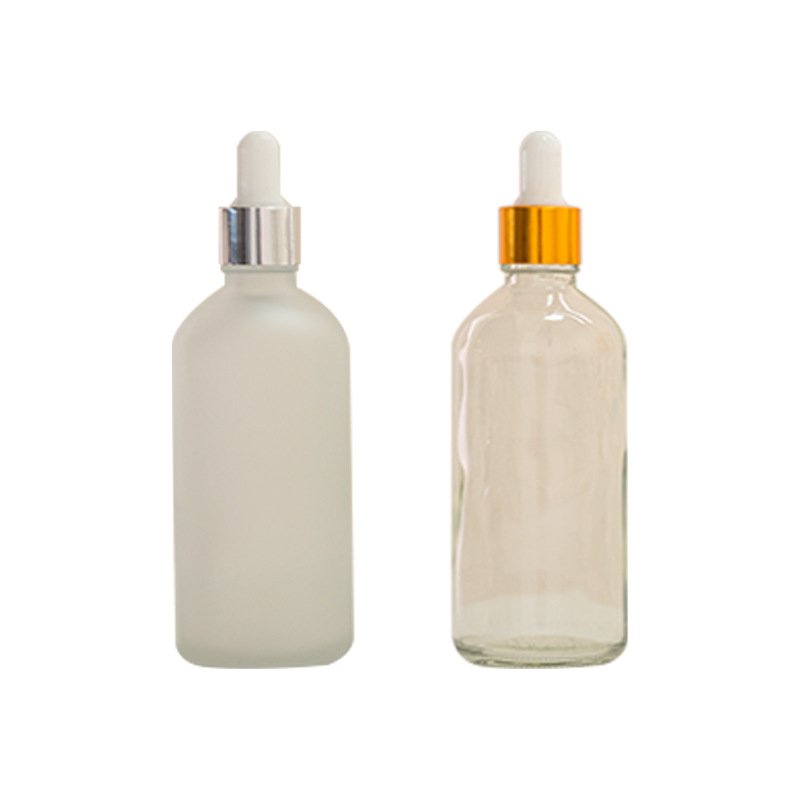
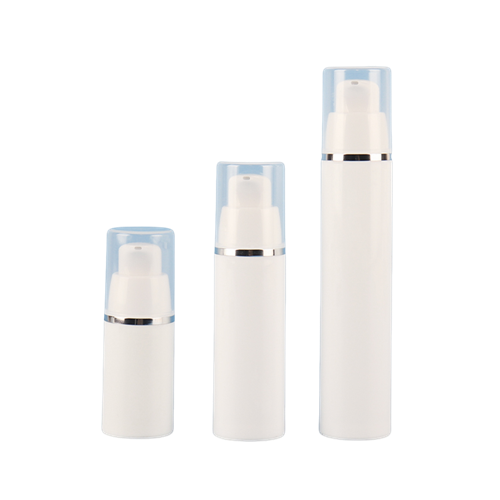
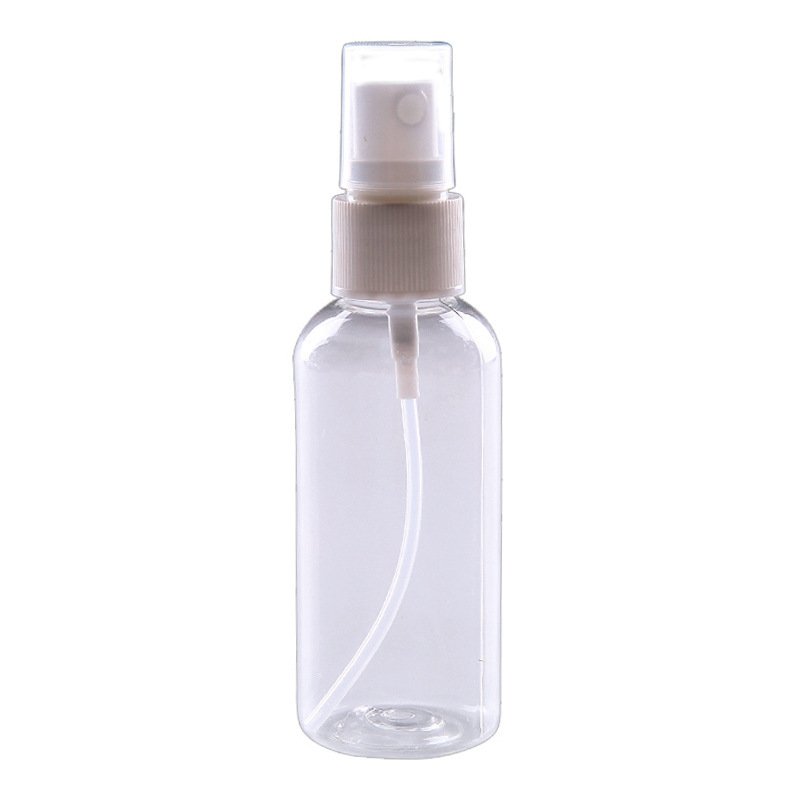
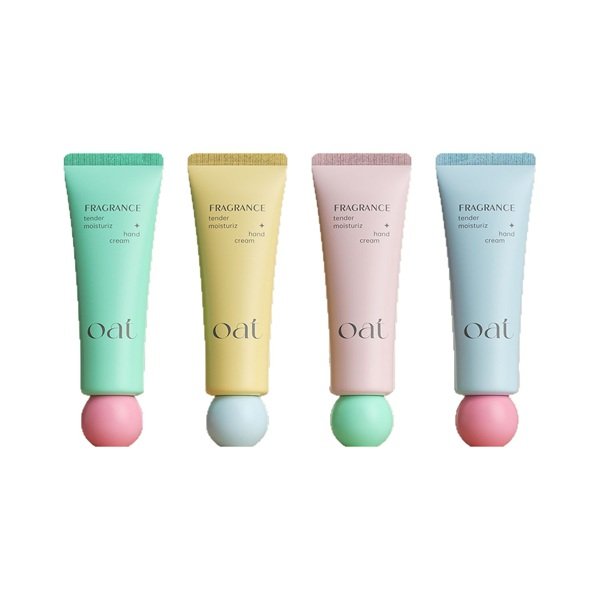
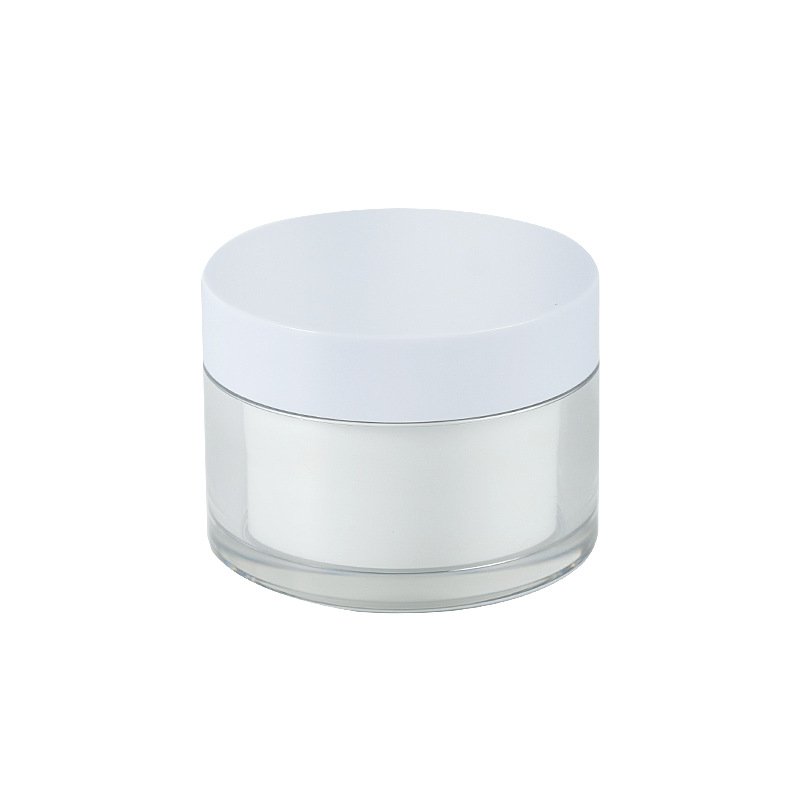
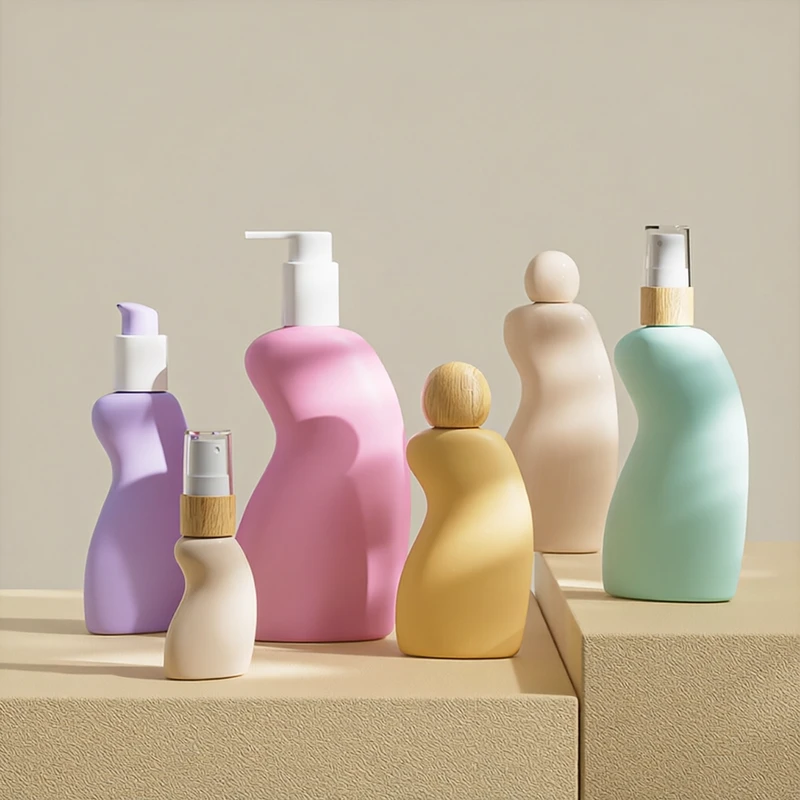
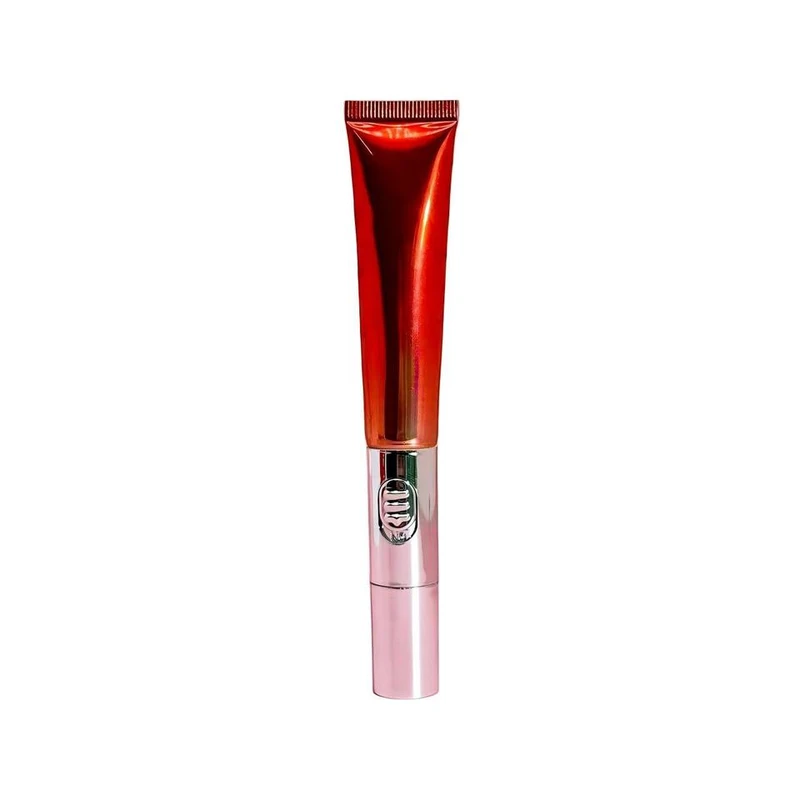
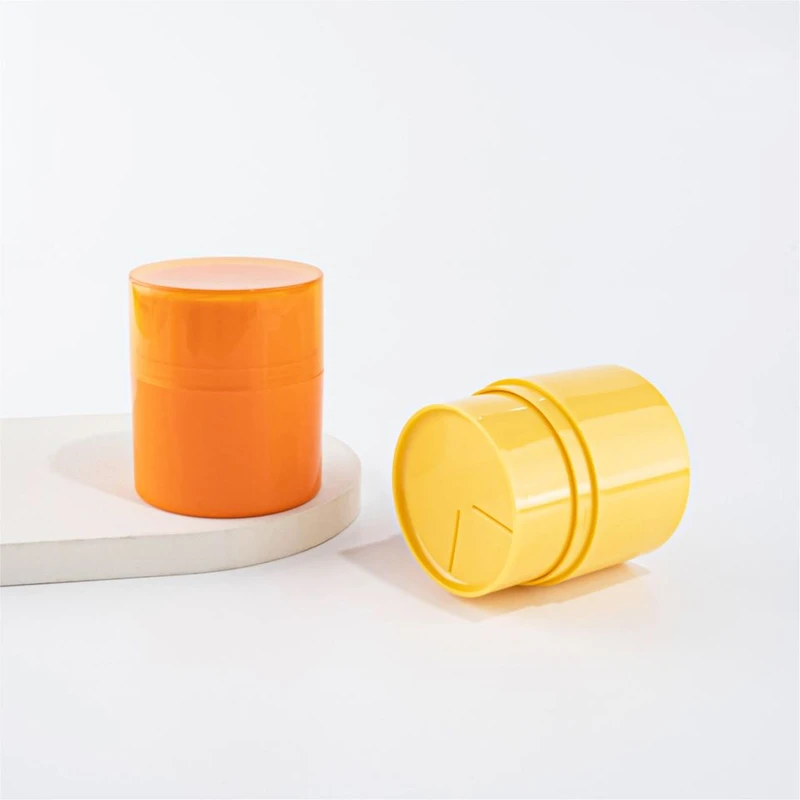
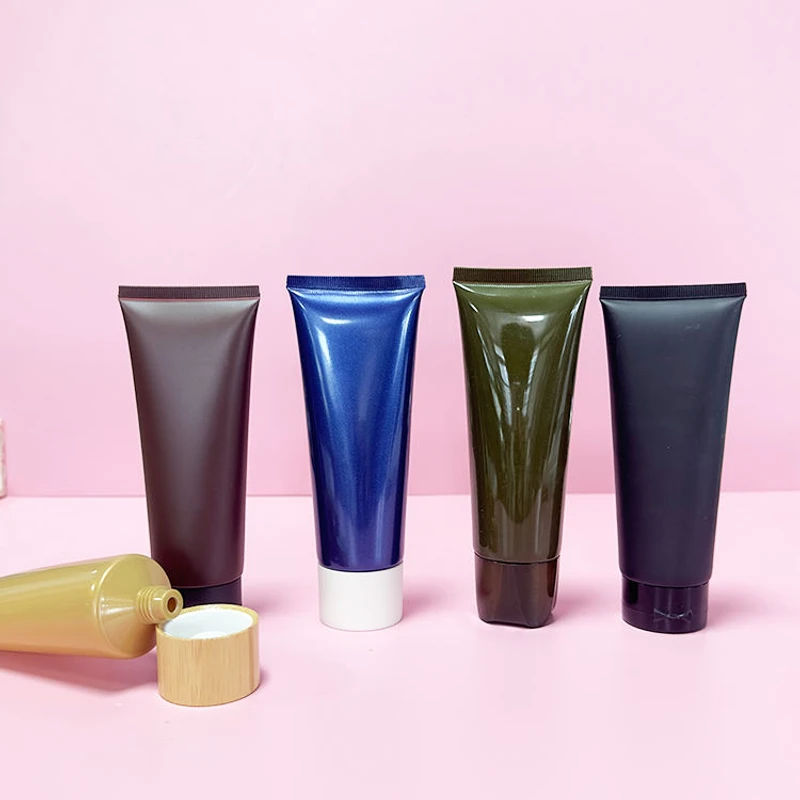
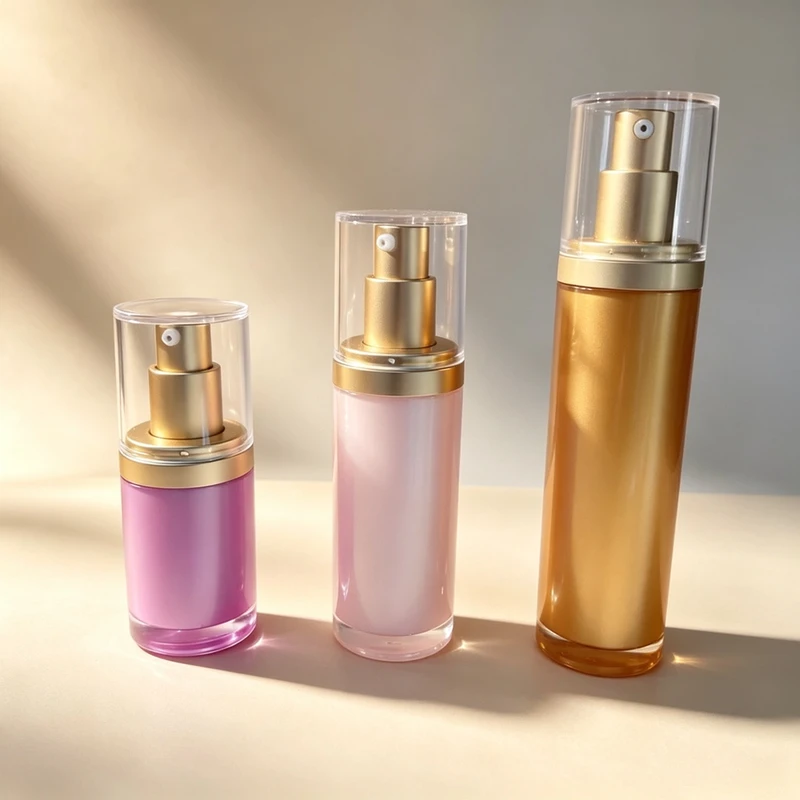
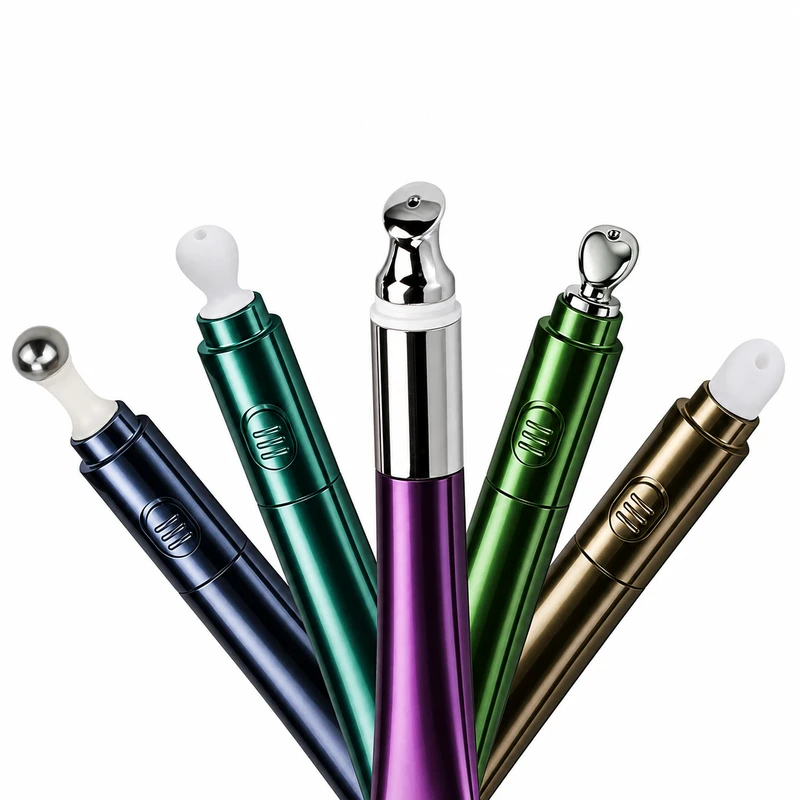
Direct answer: A useful shampoo bottle design template is a specification, not just a silhouette. Start with the shampoo formula, user, sales channel and filling line; then choose a stable bottle, compatible resin, controlled-dispensing closure, readable decoration and distribution-ready pack. The 2026 directions worth testing are restrained graphics, purposeful tactile cues, right-sized lightweighting and convenient refill systems—not a claim that every brand needs a custom mold. The concepts below are design prompts, not production-ready Boyu models.
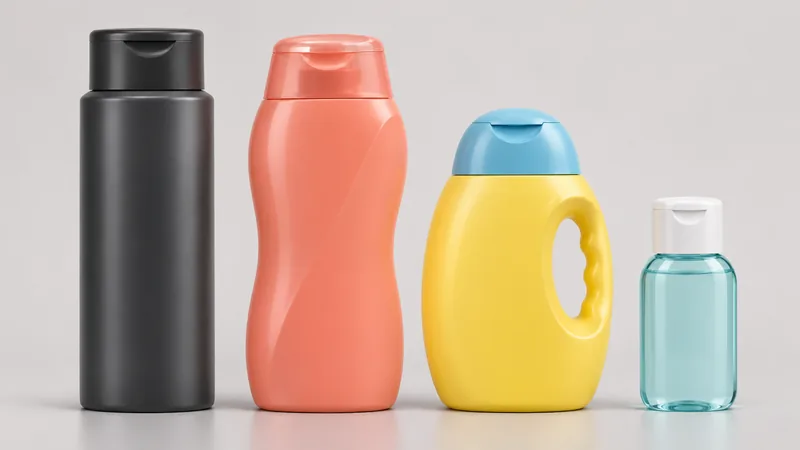
Which shampoo bottle design directions matter in 2026?
Recent packaging research points toward cleaner visual systems, refill convenience and material transparency. Mintel emphasizes function-led simplicity and the practical friction of refill systems; Aptar stresses that custom primary packaging must combine brand storytelling with mechanical engineering. These are cross-beauty observations, not evidence that a particular shampoo shape is best-selling. Translate a trend into a measurable brief: shelf recognition, grip with wet hands, refill ease, resin choice, or reduced material without a drop in performance.
A good 2026 design can be quiet or expressive. What matters is a coherent family system: shampoo and conditioner should be distinguishable by shape, cap position, color contrast or tactile features, not color alone. Avoid treating gender as a technical specification. The men’s and women’s examples below describe possible market positions; user testing may overturn them.
Six shampoo bottle design templates to brief a factory
1. Men’s grooming: controlled, easy-grip retail bottle
Concept: a 250–500 mL flat-sided or softly cylindrical bottle, clear product hierarchy and low-gloss color. A broad shoulder or shallow side grip can improve wet-hand handling; a flat label panel protects legibility. Specify a flip-top when one-handed, upside-down shower use matters, or a lockable pump for a larger counter-top format. Dark color is a visual option, not proof of “men’s performance.” Test whether it hides low-fill visibility and scuffs.
2. Salon or beauty retail: distinctive but repeatable
Concept: a coordinated 300–500 mL family with a soft shoulder, a stable base, generous label area and a closure shared across SKUs. A translucent PET body can reveal the formula; an opaque HDPE body can simplify color consistency and protect light-sensitive contents when validated. Avoid assuming the consumer is female because of a curve or palette. Premium cues should not compromise fill-line handling or make the cap hard to grip.
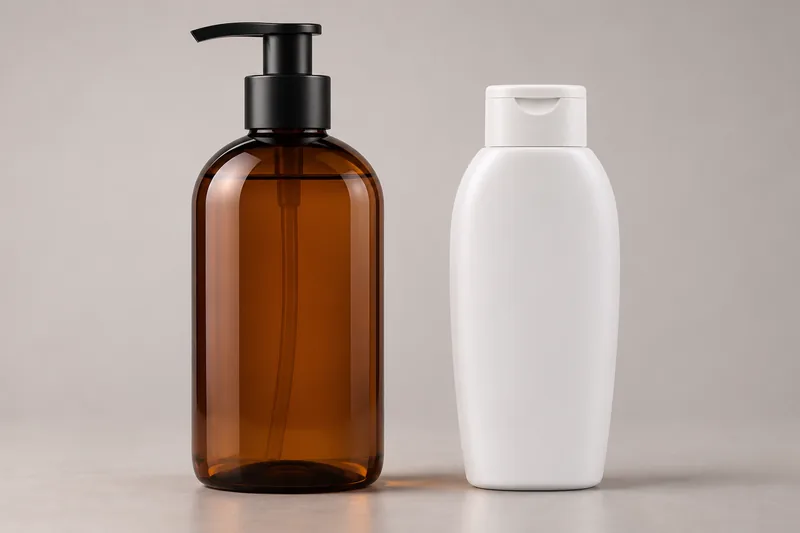
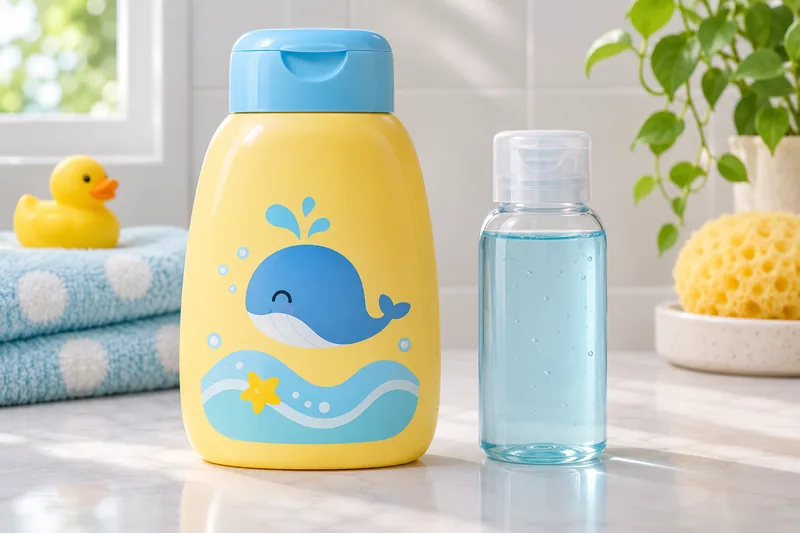
3. Children’s shampoo: adult-controlled, child-friendly
Concept: rounded corners, a broad stable base, slip-resistant handling and a closure that a caregiver can operate with wet hands. A playful graphic is optional; avoid detachable small decorative pieces and confirm the package’s actual regulatory classification in each market. “For children” does not automatically mean a child-resistant closure is legally required. Conversely, an easy flip-top is not child-resistant. If the formula contains a regulated hazardous ingredient, obtain market-specific advice and test the required closure.
4. Travel: compact and leak-conscious
Concept: 50–100 mL nominal fill with a secure cap, controlled orifice, rounded travel-friendly outline and enough headspace for the filling specification. For US carry-on liquids, TSA’s general rule is a container of 3.4 fl oz/100 mL or less; the label’s fill volume does not make an oversized bottle compliant. Test cap retention and leakage after temperature and pressure changes, and specify whether the item ships filled or empty.
5. Premium versus value: spend where users feel it
Premium brief: consider a refined closure, deliberate weight and tactile finish, but validate coating durability, pump output and refill economics. Value brief: start with a proven mold, simple color, one decoration method and a common closure. Lower unit cost should come from fewer operations and better line efficiency, not a weak base, poor seal or unreadable label. Ask for a full-system quotation: bottle, closure, decoration, testing, carton and tooling.
6. Refill program: design the system, not only the bottle
A refillable hero bottle needs a repeatable opening, durable graphics, cleaning instructions, and a refill pack that people can use without spilling. Do not call it “sustainable” solely because it can be reopened. Evaluate material and transport impacts, expected reuse cycles, consumer participation and the local recovery route. A refill pouch and bottle may require separate compatibility and sealing checks.
What must a bottle template specify beyond shape?
Formula and material: PET offers clarity and good shape definition; HDPE offers toughness and squeeze response; PP is common in caps and pump components. PCR content is a project-specific grade and supply question, not a blanket compatibility guarantee. Test the final formula and all contact parts, as detailed in Boyu’s packaging compatibility testing guide.
Capacity and geometry: state nominal fill, brimful capacity, height, width/depth, neck finish, base footprint, target weight and tolerance. A 300 mL fill cannot be selected from a 300 mL brimful bottle without headspace and filling checks. Flat faces aid labels but can panel under pressure changes; sharp corners can complicate material distribution and transit protection.
Dispensing: match the formula viscosity and consumer dose to the orifice or pump. Specify pump output, priming, dip-tube reach and lock position where applicable. For thick conditioner, do not assume the same pump selected for thin shampoo will dispense reliably. Boyu’s shampoo bottle category is a starting point for real stock formats.
Safety and use: check sharp edges, wet grip, cap retention, accidental dispensing, label readability and the ability to empty the pack. For export, the finished cosmetic’s responsible business must verify applicable market labeling and safety requirements; a bottle supplier cannot certify the entire formula by choosing a resin.
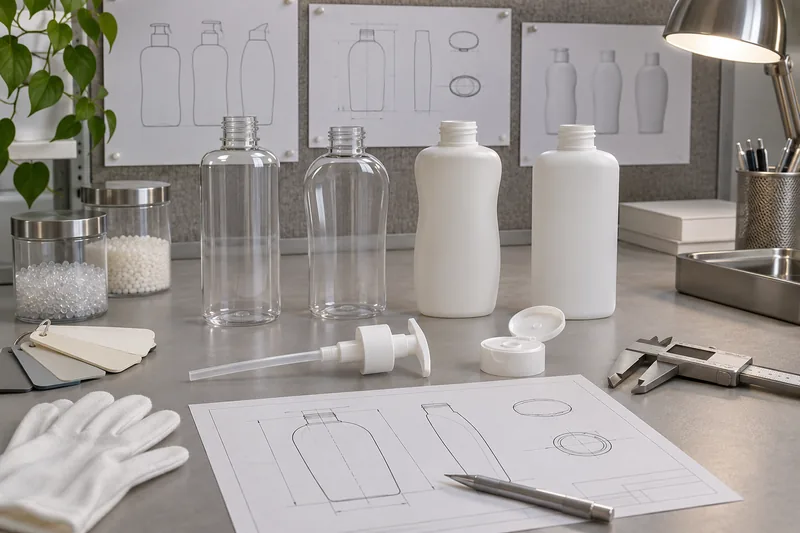
From design brief to factory-made bottle
- Brief: define target user, formula, nominal fill, price position, market, channel, quantity per SKU and filler constraints.
- Route choice: compare an existing mold plus decoration with a new mold. Ask which body, cap and pump operations are in-house or sourced.
- 2D/3D engineering: lock neck, base, wall distribution, label panel, pallet footprint, mold parting and demolding feasibility.
- Prototype and sample: use a visual prototype for shape; approve production-intent samples for dimensions, closure fit and finish.
- Validation: run actual-formula compatibility, filled-pack leakage, drop/distribution, cap or pump function, decoration resistance and filling-line trials against written acceptance criteria.
- Tooling and production: approve first articles, control cavities, resin/color lots and decoration settings; inspect before packing and shipment.
- Reorder control: retain the approved drawing, master sample and change log. Revalidate material, pump or subcontractor changes before substitution.
Boyu’s separate shampoo bottle manufacturing guide explains PET and HDPE forming in greater depth. For this design project, the crucial handoff is a written, testable specification from designer to moldmaker, bottle line, decorator and filler.
A one-page shampoo bottle design brief
Send a manufacturer: formula type and viscosity range; target user and channel; nominal fill and desired size; reference silhouette; candidate resin/PCR direction; cap/pump type and target dose; label/artwork area; color/finish; estimated quantity by size and color; filling-line equipment; destination market; transport route; test and acceptance requirements; launch date. Mark every unmeasured value “to confirm,” not “standard.”
Frequently asked questions
Can I use these images as factory-ready templates?
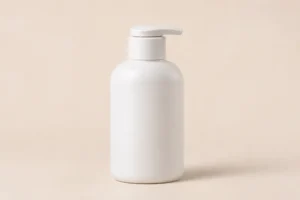
No. They illustrate possible design directions. A mold quotation requires dimensioned drawings, parting/draft review, target weight, neck finish and closure specification.
Can one bottle serve shampoo and conditioner?
Often the body family can be shared, but the closure or pump may need to change for viscosity and dispensing. Validate each filled product separately and make the two products distinguishable in the shower.
Which is best: PET or HDPE?
Neither wins universally. PET suits a clear, rigid presentation; HDPE suits an opaque, tougher or squeezable direction. Formula, finish, weight, cost, filling and recycling system determine the choice.
 English
 Español de Argentina
 Русский
 Italiano
 日本語
 한국어
 العربية
 Français
 Deutsch