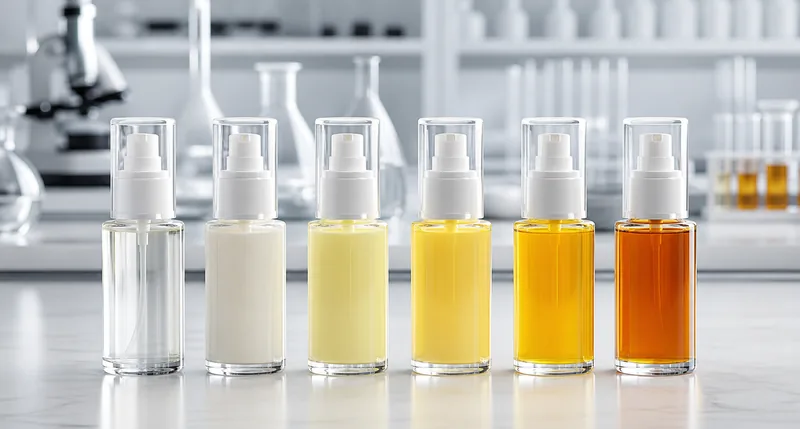
Direct answer: A cosmetic usually discolors because ingredients are oxidizing, reacting to light or heat, shifting with pH, interacting with trace metals, degrading together, or supporting microbial growth. Packaging can accelerate or reveal the change when it admits oxygen/light, loses volatile components, releases migrants, adsorbs ingredients or exposes the formula to reactive pump and seal materials. Color alone cannot identify the cause. Compare the marketed package with an inert control under controlled light, oxygen and temperature conditions.
Some color drift is only aesthetic; other discoloration signals loss of active content, preservative problems, contamination or new degradation products. A brand should quarantine affected stock until it knows which case applies and whether safety, efficacy or specifications have changed.
The main reasons cosmetic formulas change color
| Mechanism | Typical clues | What confirms it |
|---|---|---|
| Oxidation | Progressive yellow, orange or brown shift; faster with air, heat or headspace | Active/oxidation-product assay; oxygen and antioxidant comparisons |
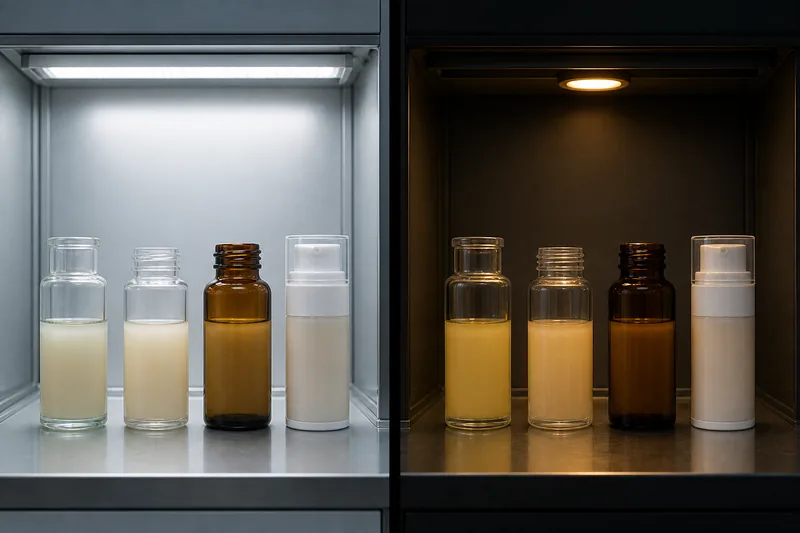
| Photodegradation | Clear package or light-exposed side changes faster | Controlled light/dark study in identical formula and pack |
| pH-driven reaction | Color follows pH drift or appears after ingredient addition | Time-course pH plus analytical and buffered comparisons |
| Trace metal catalysis | Batch- or equipment-dependent oxidation; localized contact effects | Metal analysis, process review and chelator trial |
| Ingredient interaction | Change appears only in complete formula, often accelerated by heat | Component omission/addition study and chemical analysis |
| Microbial contamination | Color with odor, gas, pH, viscosity, separation or visible growth changes | Validated microbial examination—not visual judgment |
| Packaging interaction | Different rates by pack, orientation or contact surface | Inert control, component study and migration/extractables investigation |
Oxidation and oxygen exposure
Oxygen may enter during manufacture and filling, remain dissolved in the bulk, occupy package headspace, enter during consumer use or permeate through the package over time. Antioxidants can slow particular pathways, but they are consumed and must be selected for the formula phase and mechanism. Retinol is a documented example of an ingredient sensitive to oxygen, light, heat and heavy metals.
Light and heat
Light can directly break down photosensitive molecules or generate reactive species through photosensitizers. Heat usually increases reaction rates and can also alter emulsion structure, volatile content and package permeability. Amber, tinted or opaque packaging may help only if its spectral protection matches the sensitive wavelength and stability data demonstrate the benefit.
pH, metal ions and ingredient reactions
Botanical polyphenols, fragrances, reducing sugars, amines, colorants and active ingredients may change color as pH or redox conditions change. Trace iron or copper from water, raw materials, equipment or components can catalyze oxidation. Measure rather than assume: “natural ingredient browning” is not a sufficient investigation.
Microbial growth
Microorganisms may alter pigment, odor, pH, gas and texture, but contaminated cosmetics can also look normal. FDA identifies ineffective preservation, inadequate packaging, poor storage and consumer use among contamination routes. Unexpected color plus odor, swelling, gas or separation warrants immediate quarantine and microbiological testing.
How the bottle can change the formula
The primary pack affects the formula through barrier performance and contact chemistry. Polymer walls, closures and pumps differ in oxygen/water-vapor transmission. Volatile loss can concentrate the formula or shift solvent balance. Small substances can migrate from materials, coatings, adhesives or seals; formula ingredients can also sorb into polymer and change concentration.
Metal springs, pigments, liners, elastomers and dip tubes may create localized reactions. Orientation matters: inverted storage keeps formula against the closure. Surface-area-to-fill ratio, headspace and package size can change the rate, so a passed large bottle does not automatically qualify a small one.
A 2024 peer-reviewed consumer-formulation investigation found discoloration arose from both spontaneous degradation and interaction of degradants and salicylic acid with the package interior. That result illustrates why “formula fault” and “packaging fault” are often a false either/or choice.
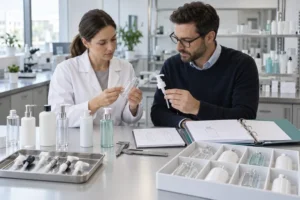
A root-cause study that separates formula from package
- Quarantine and document. Record lot, age, storage, distribution, opening history, photographs and instrument color values if available.
- Check retains and bulk. Determine whether the change began before filling, affects one component lot or appears only after packaging.
- Run an inert control. Fill the same batch into suitable inert glass alongside the market package.
- Factor the main stresses. Compare light/dark, air/reduced-headspace, ambient/elevated/cold and upright/inverted conditions.
- Test complete components. Include bottle, pump, spring, gasket, liner, dip tube, decoration and filling process.
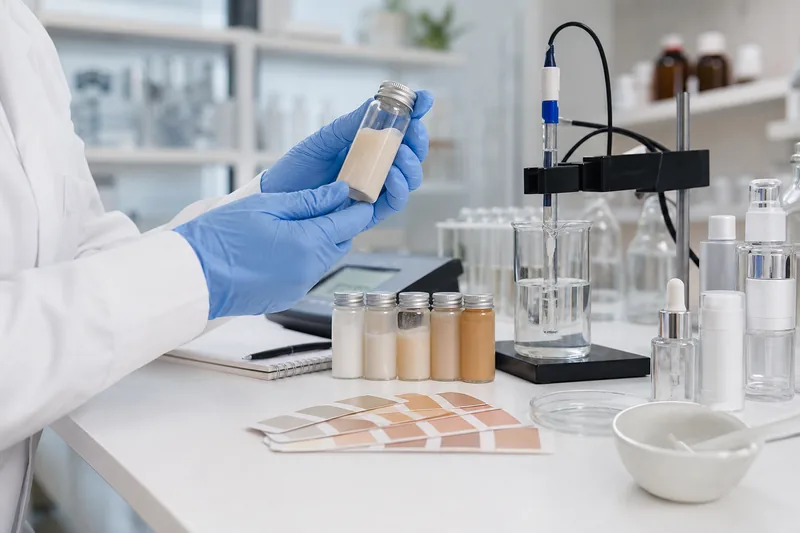
- Measure the formula. Track objective color values, pH, viscosity, odor, mass, active content, preservative or oxidation markers as relevant.
- Assess microbiology. Use validated methods and review preservation efficacy when contamination is plausible.
- Escalate analytically. Chromatography, spectroscopy, metal analysis or migration work may be needed to identify products of change.
| Observed pattern | Most useful next comparison |
|---|---|
| Glass control and market pack change equally | Investigate intrinsic formula, processing, raw materials and storage first |
| Only market pack changes | Investigate barrier, migration, adsorption and contact components |
| Only light-exposed samples change | Quantify photostability and compare spectral protection |
| Inverted samples change faster | Focus on closure, liner, gasket, pump and seal contact |
| Opened simulation changes faster | Focus on repeated air exchange, contamination and consumer-use design |
| All high-temperature samples change | Determine whether heat accelerates a market-relevant pathway or creates an artifact |
When discoloration is a safety or quality warning
Do not tell consumers that a change is harmless without evidence. Stop distribution or use and investigate when color exceeds the product specification; the odor, pH, viscosity or appearance also changes; the pack swells, leaks or corrodes; active or preservative content may be affected; microbial growth is possible; or the cause is unknown.
A slight, anticipated color change can be acceptable only when the manufacturer has data showing the product remains safe, effective for its claims and within justified specifications throughout use. Consumer instructions cannot replace a stable design.
How to prevent discoloration
- control oxygen during bulk holding and filling where justified; minimize unsuitable headspace and repeated air exchange;
- select antioxidants and chelators based on the actual degradation pathway and formula phase;
- control pH, raw-material variability, water quality and contact with processing metals;
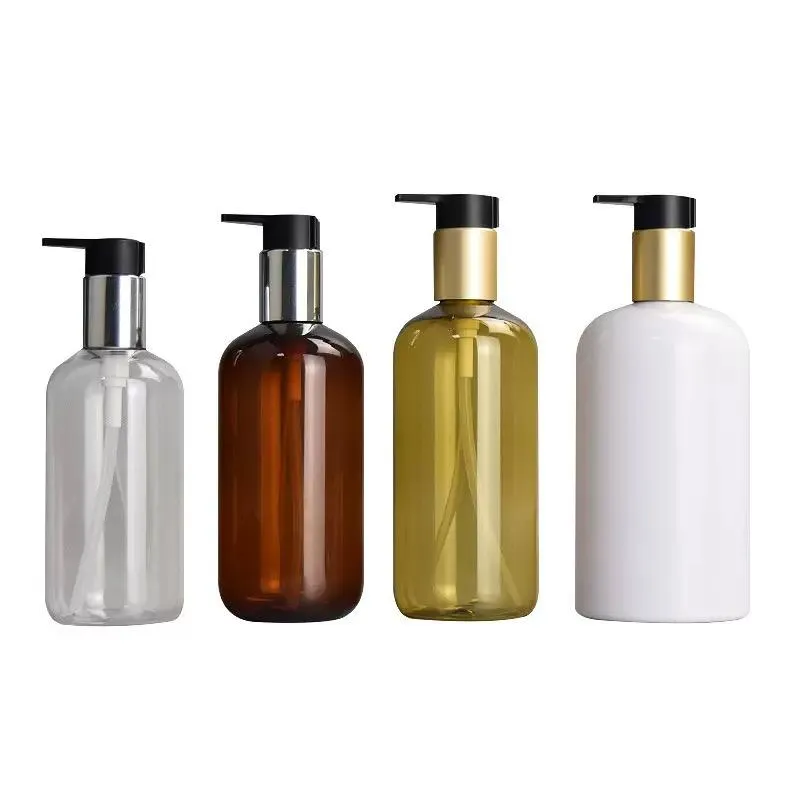
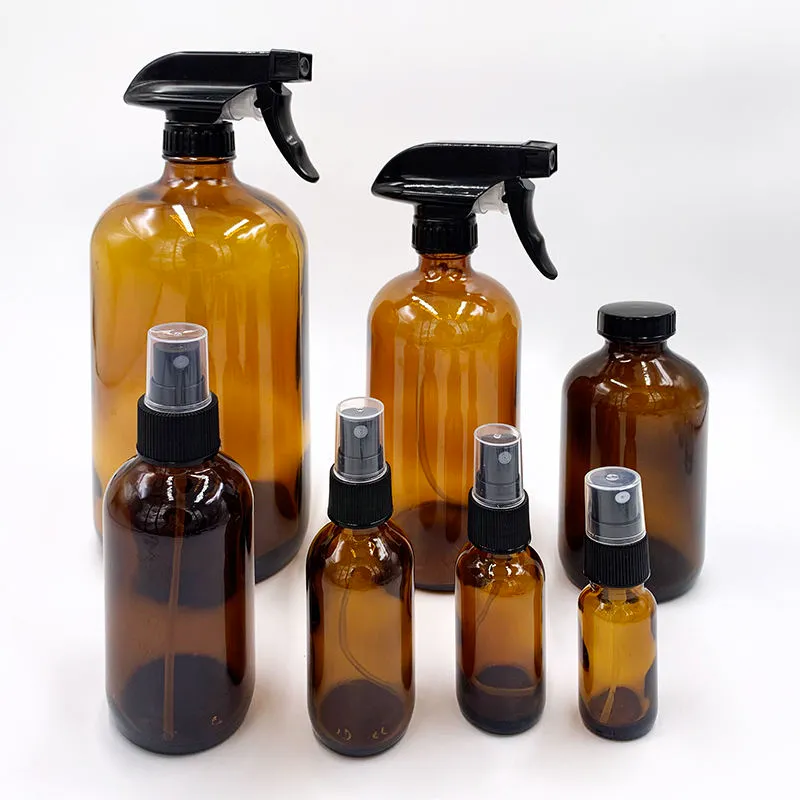
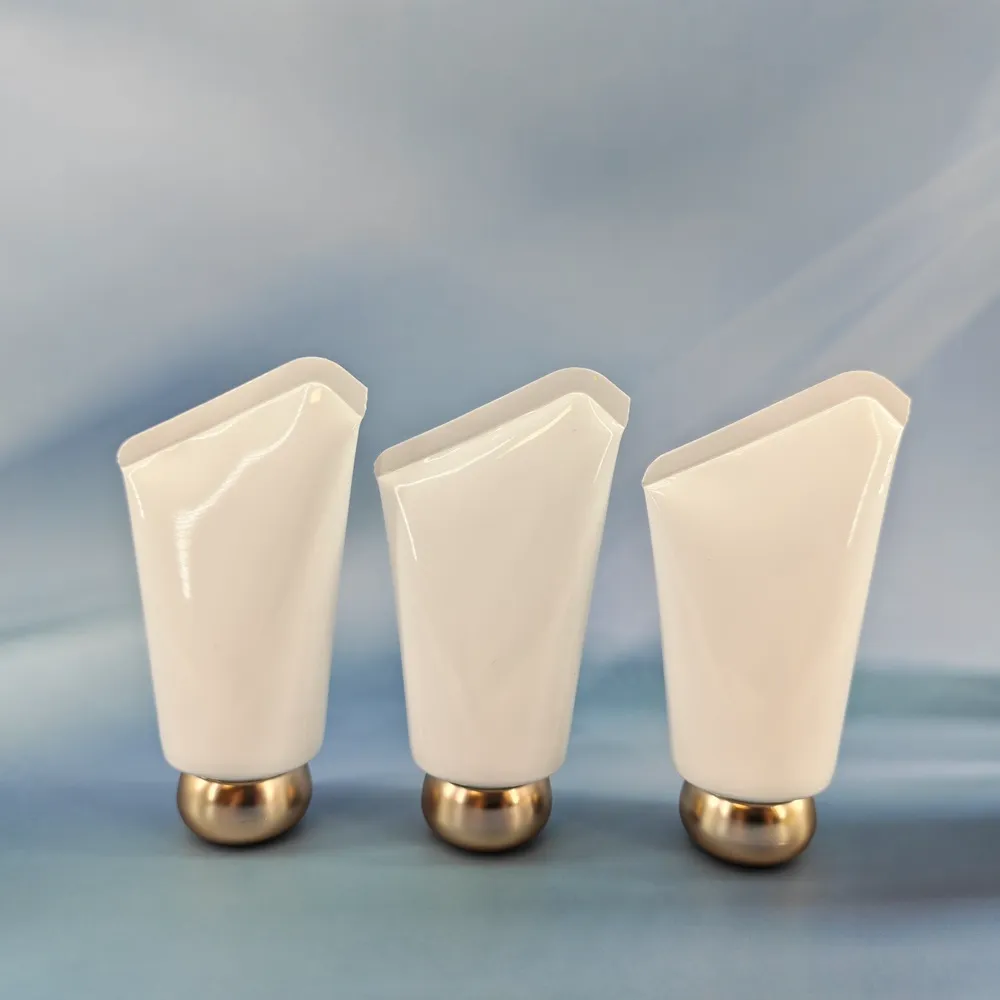
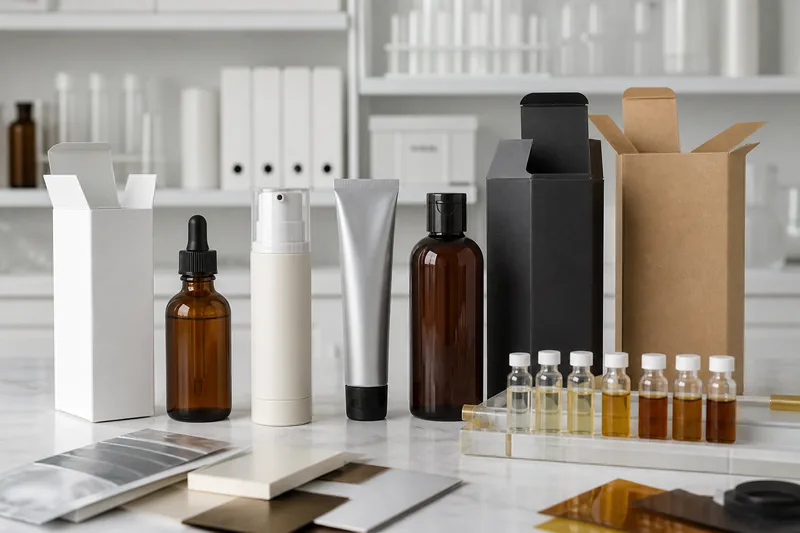
- choose amber, opaque, coated, tube or reduced-air-exchange structures using comparative stability data;
- qualify oxygen/moisture barrier, seals and all wetted pump components—not only the bottle resin;
- validate preservative protection and microbiological quality for foreseeable use;
- test the final decorated package under accelerated, real-time, light, orientation and distribution conditions;
- apply change control when formula, supplier, resin, colorant, closure, decoration or filling process changes.
Packaging questions to include in the RFQ
- What are the bottle and all product-contact component materials?
- What barrier data exist for the proposed wall, closure and assembled system?
- Is the metal spring isolated, and what are the gasket/liner materials?
- Which colorants, coatings, adhesives and recycled-content grades are used?
- Can production-intent samples be supplied for inert-control compatibility studies?
- What dimensions, torque/crimp and leak criteria define an acceptable assembly?
- How will component or supplier changes be communicated?
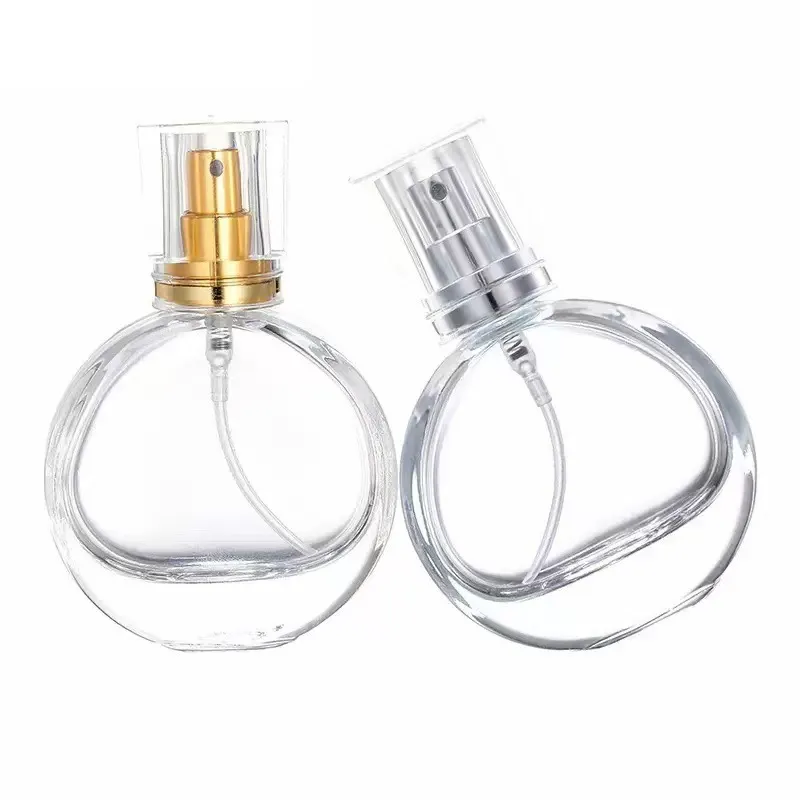
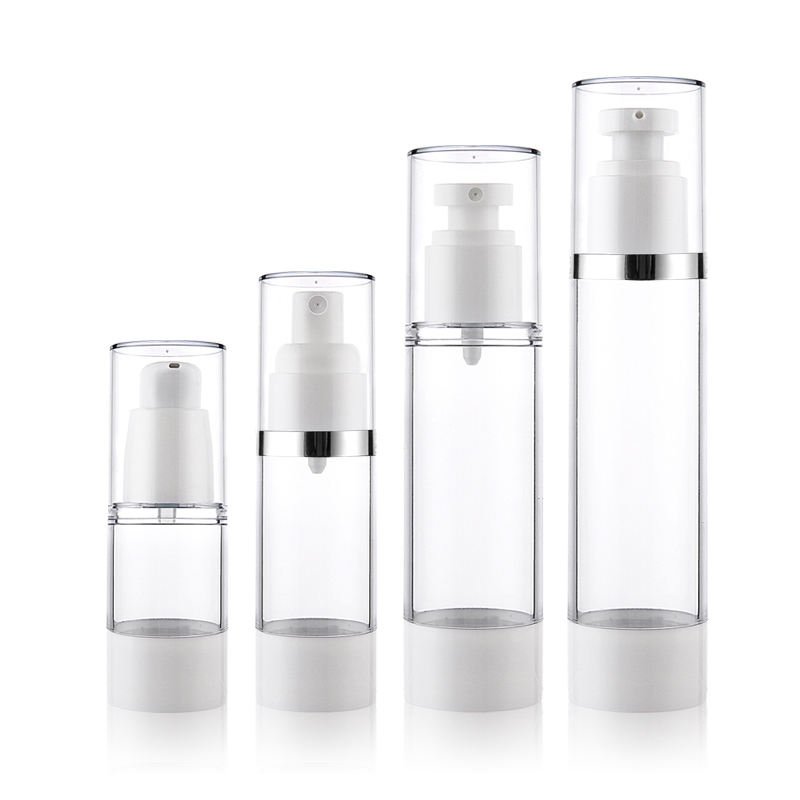
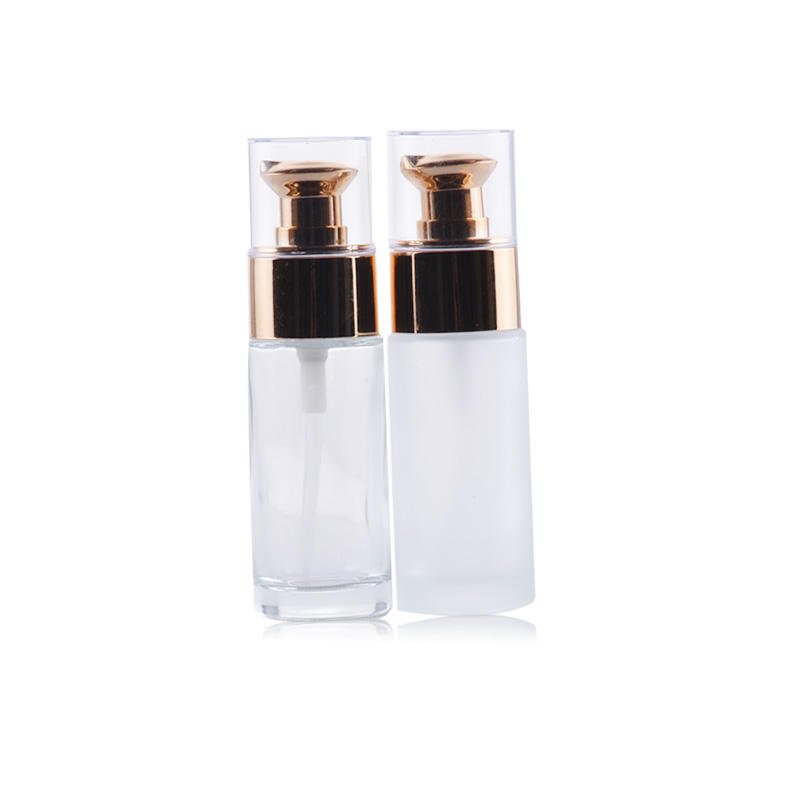
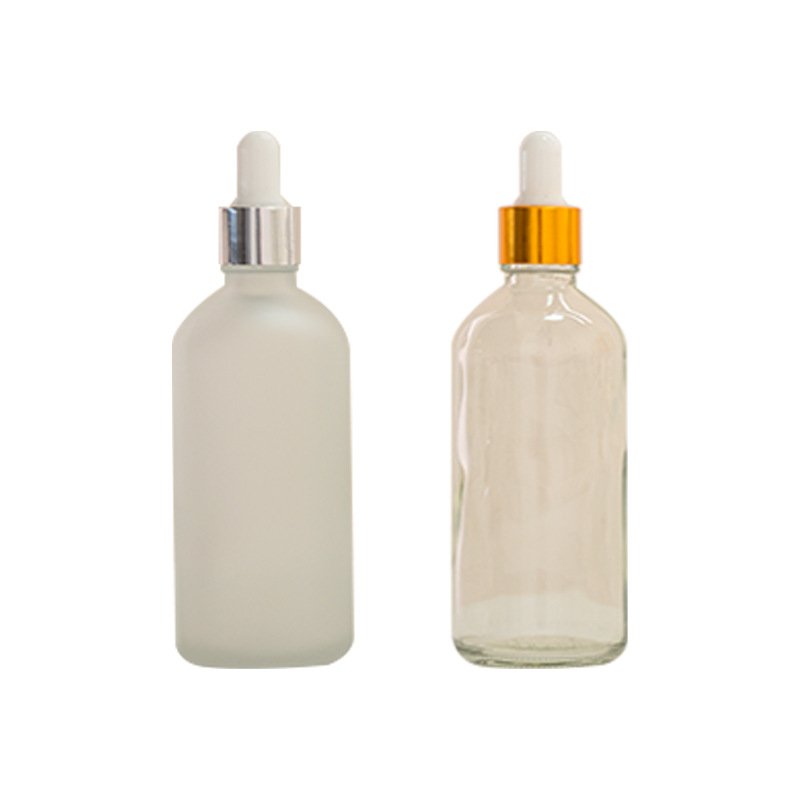
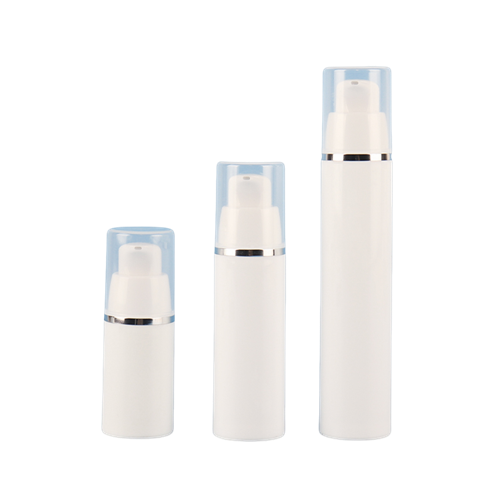
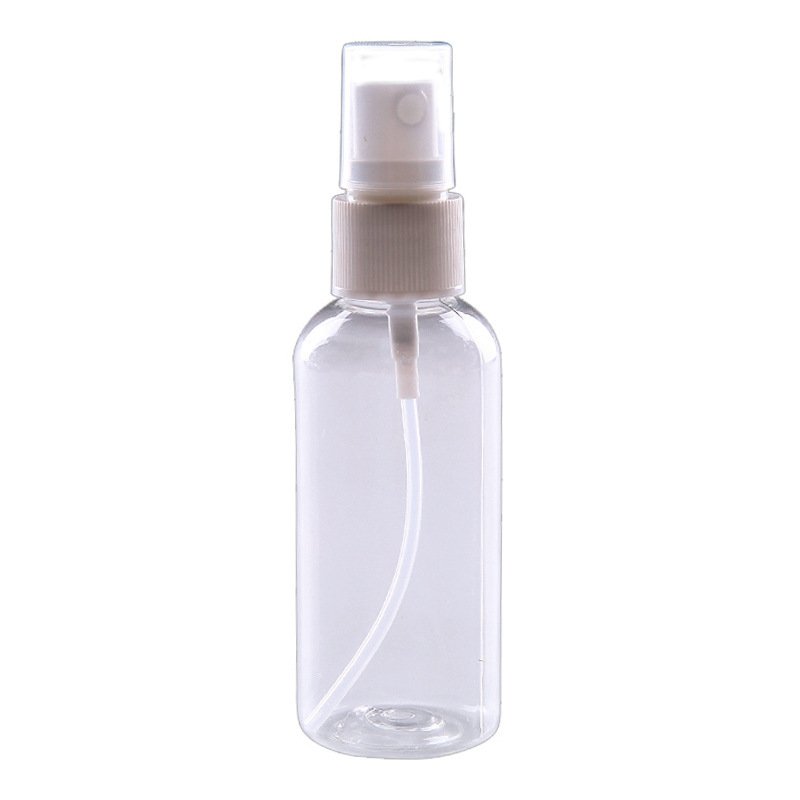
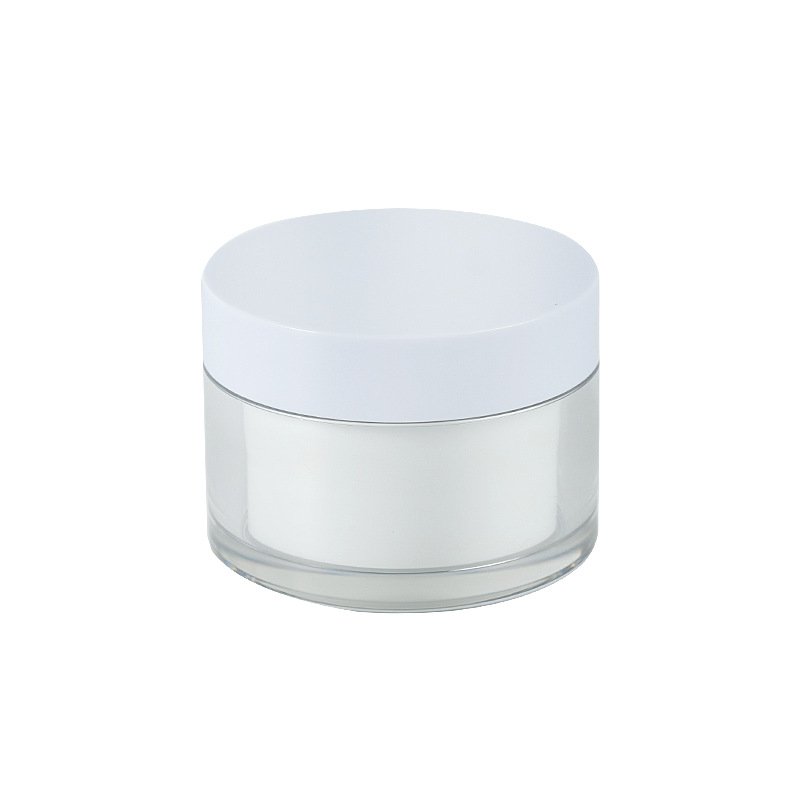
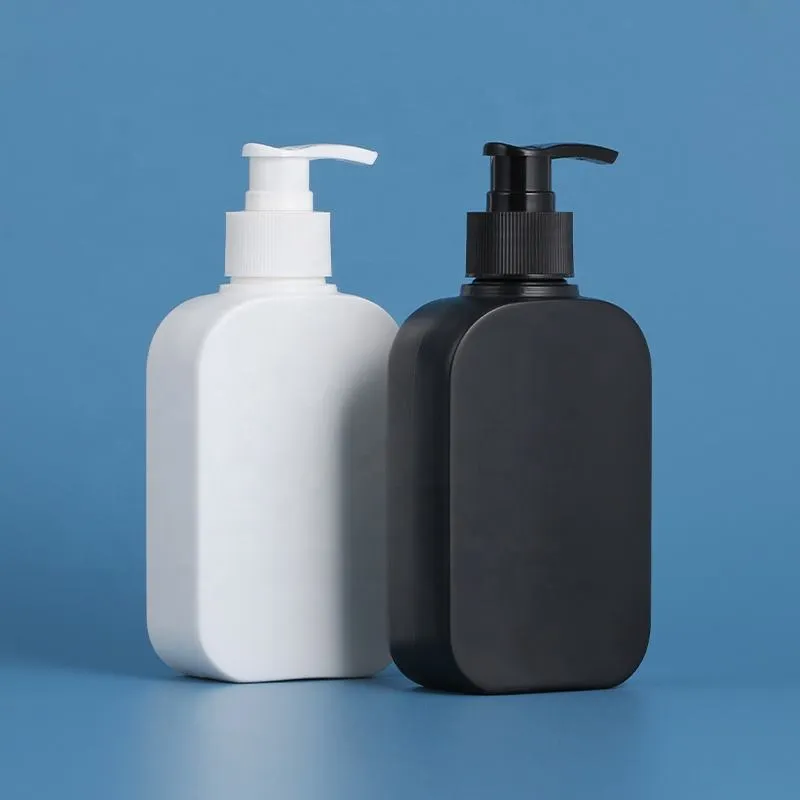
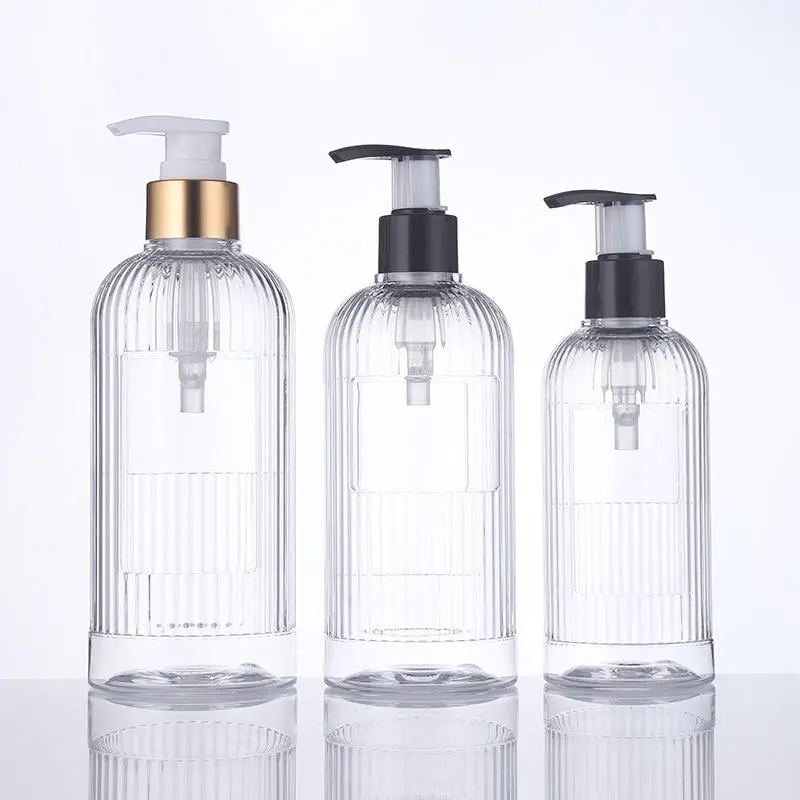
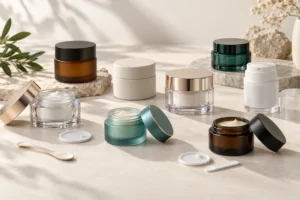
Relevant Boyu starting points include airless pump bottles, broader skincare packaging and plastic cosmetic bottles. No format should be claimed to prevent discoloration until tested with the intended formula.
Frequently asked questions
Why did my clear serum turn yellow?
Oxidation or light-driven degradation is common, but pH drift, ingredient reactions, metals, microbes and packaging interaction are also possible. Compare retains, inert glass and market packaging and test relevant chemistry before assigning a cause.
Does brown vitamin C serum mean oxidation?
Darkening can be consistent with degradation of an ascorbic-acid system, but color alone cannot quantify remaining active or establish safety. Follow the manufacturer’s specification and investigate with an appropriate assay.
Will an airless bottle stop discoloration?
Not necessarily. It can reduce repeated air exchange, but initial dissolved oxygen, headspace, light, material permeability, seals, formula chemistry and manufacturing still matter. Comparative stability must demonstrate the benefit.
Is amber glass always the best solution?
No. Amber glass may improve protection over relevant wavelengths and provides a strong bottle-wall barrier, but the closure and formula remain important. Opaque packaging, tubes or other barrier systems may perform better for a particular product.
Sources
- US FDA — Microbiological Safety and Cosmetics.
- European Commission Decision 2013/674/EU — Cosmetic Product Safety Report guidelines.
- ISO/TR 18811:2018 — Guidelines on cosmetic stability testing.
- Peer-reviewed NMR investigation of formulation and packaging-related discoloration.
- Peer-reviewed review of retinoid stability in topical products.
- Peer-reviewed study of retinol stability under light and air.
 English
  Español de Argentina
  Русский
  Italiano
  日本語
日本語  한국어
한국어  العربية
  Français
  Deutsch