Hair care packaging has to do more than look attractive. It must dispense products ranging from thin scalp tonics to dense masks, survive repeated handling with wet hands, protect fragrance and active ingredients, and arrive without leaking through an international supply chain. The best bottle is therefore chosen from the formula outward—not from a catalog image alone.
What Does Hair Care Packaging Need to Do?
A packaging specification should begin with the formula, route to market and use environment. Shampoo and conditioner bottles are repeatedly exposed to water, surfactants, heat and accidental drops. Salon packs may be pumped hundreds of times, while travel sizes face pressure changes and rough handling. Hair oils may attack seals or soften certain plastics; hair dyes can contain reactive ingredients that must remain separated.
Before selecting a pack, define six measurable requirements:
- Formula compatibility: no swelling, cracking, discoloration, odor loss, paneling or migration during the intended shelf life.
- Dispensing: the closure must deliver the required dose without clogging, dripping or excessive force.
- Wet-use safety: the bottle should be easy to grip, identify and open in a shower.
- Barrier protection: light, oxygen, moisture and fragrance loss must be controlled where relevant.
- Distribution strength: the filled pack should withstand leakage, drop, vibration, stacking and temperature testing.
- Regulatory communication: leave sufficient label area for identity, net contents, ingredients, directions, warnings and responsible-party information required in the target market.
Best Packaging by Hair Care Product
| Product | Preferred pack | Common capacity | Key requirement |
|---|---|---|---|
| Everyday shampoo | PET or HDPE bottle; pump, disc-top or flip-top | 250–500 ml retail; larger salon/refill formats | Surfactant compatibility, grip and reliable dispensing |
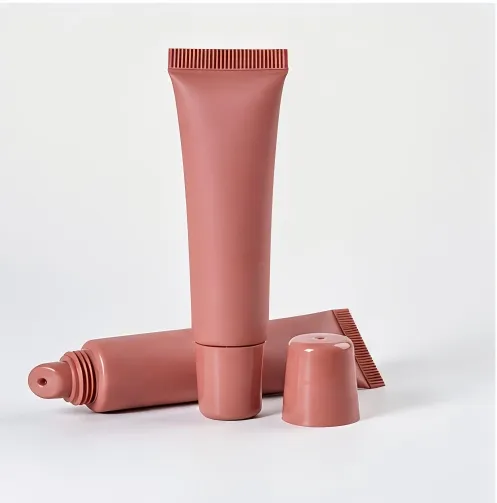
| Conditioner | Squeezable HDPE/LDPE bottle or tube; wide-orifice flip-top | 200–500 ml | High-viscosity evacuation without excessive squeeze force |
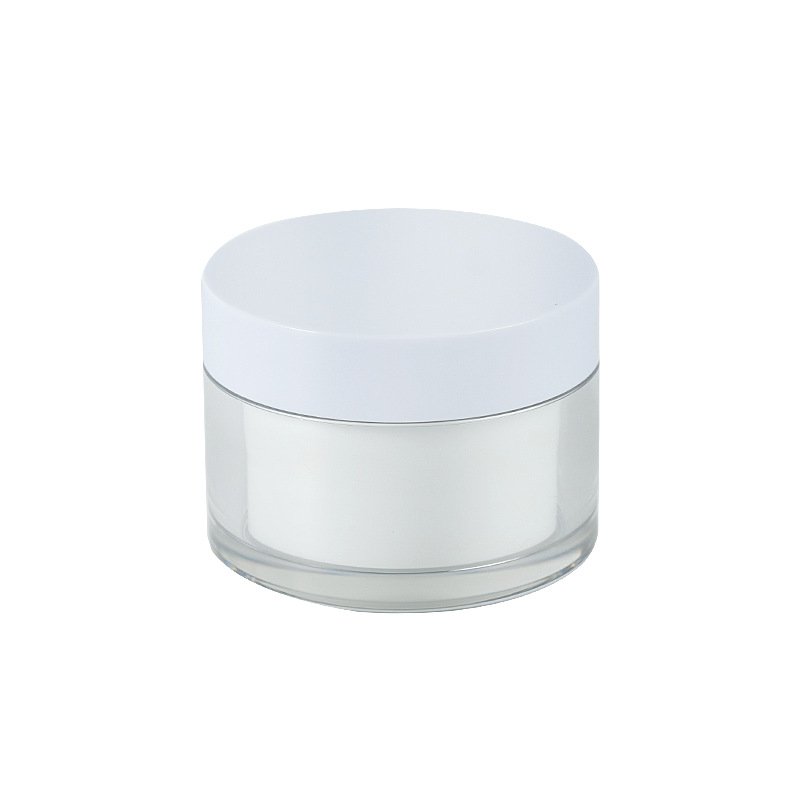
| Hair mask/butter | PP/PET jar with liner or inner lid; large tube for cleaner use | 150–300 ml | Wide access, seal integrity and reduced water contamination |
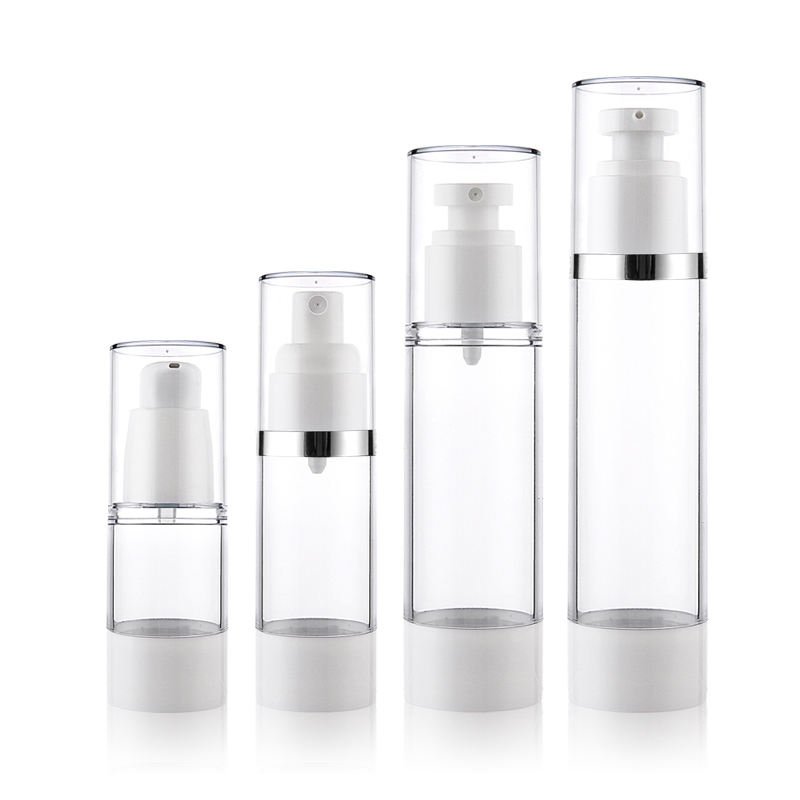
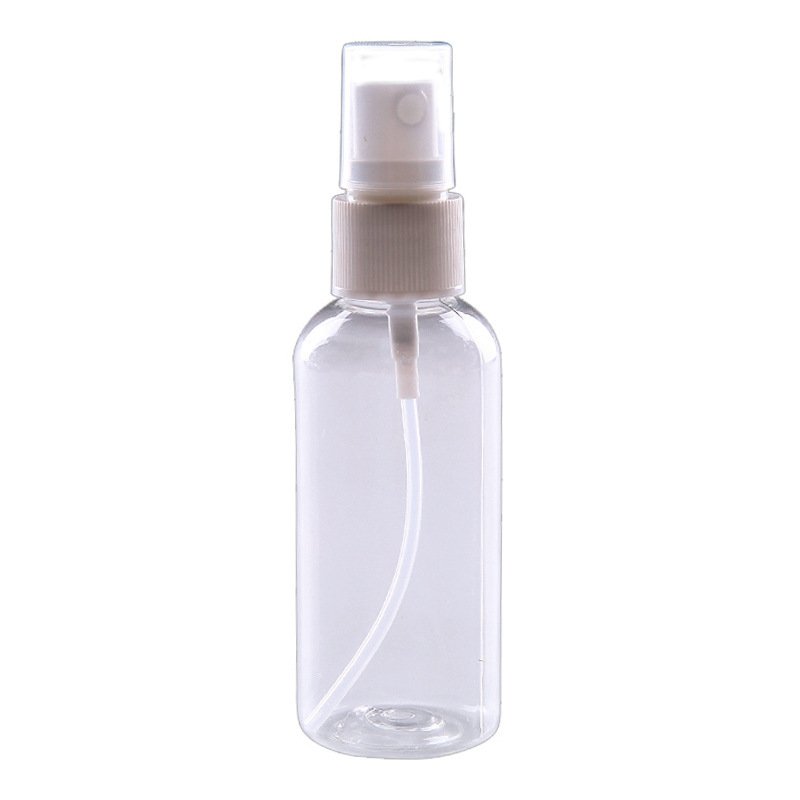
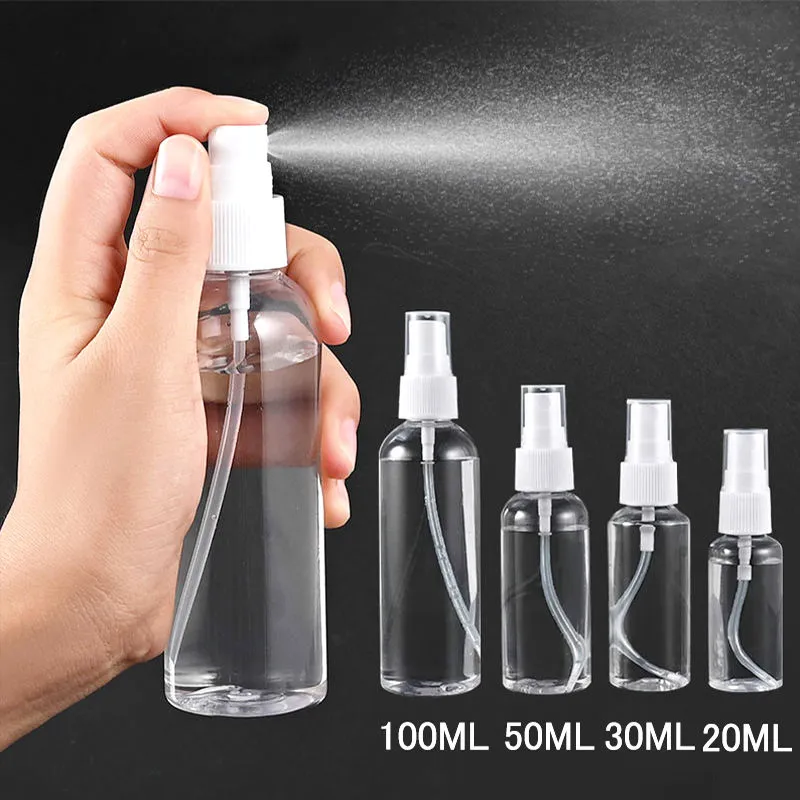
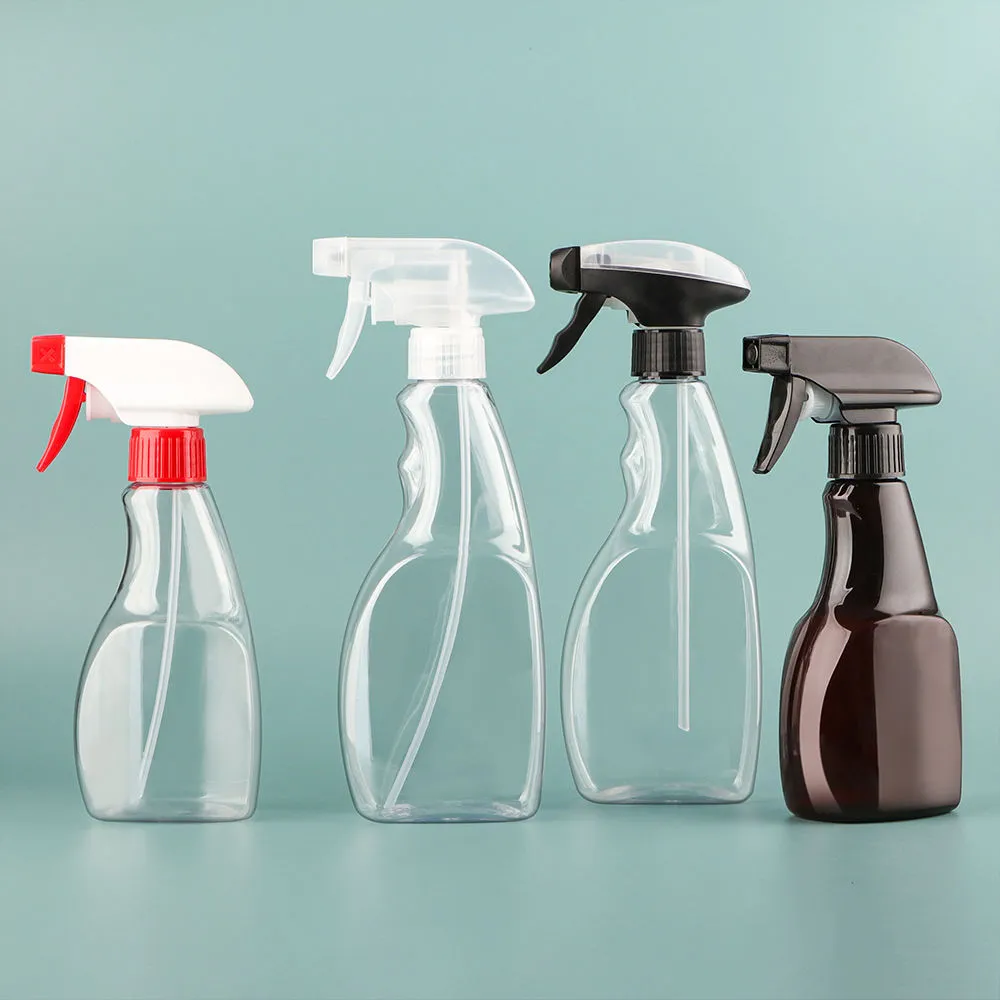
| Leave-in spray/scalp tonic | PET/HDPE spray bottle or treatment nozzle | 50–250 ml | Spray pattern, priming, clog resistance and targeted application |
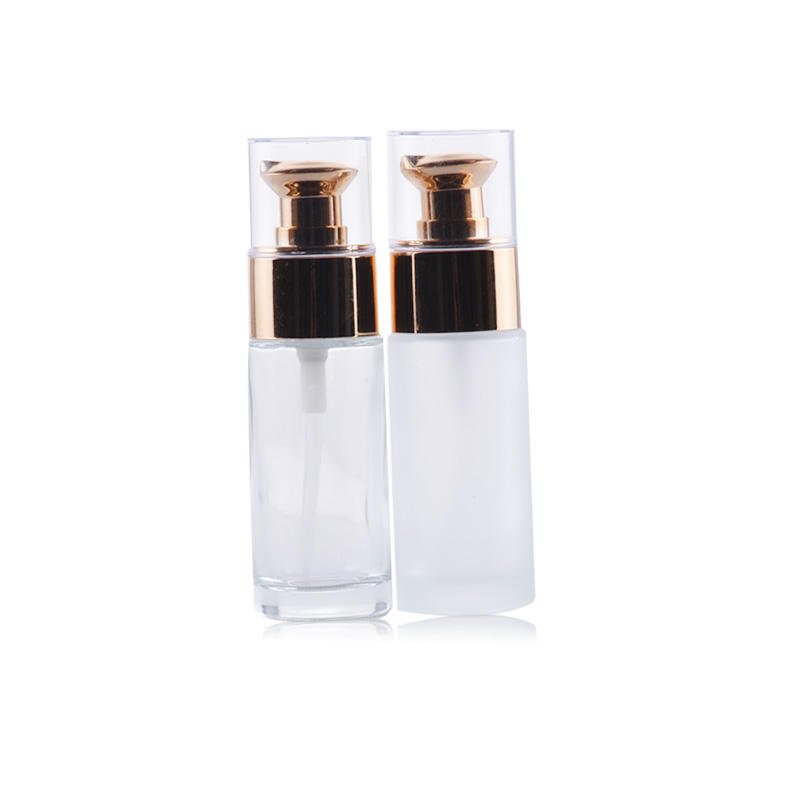
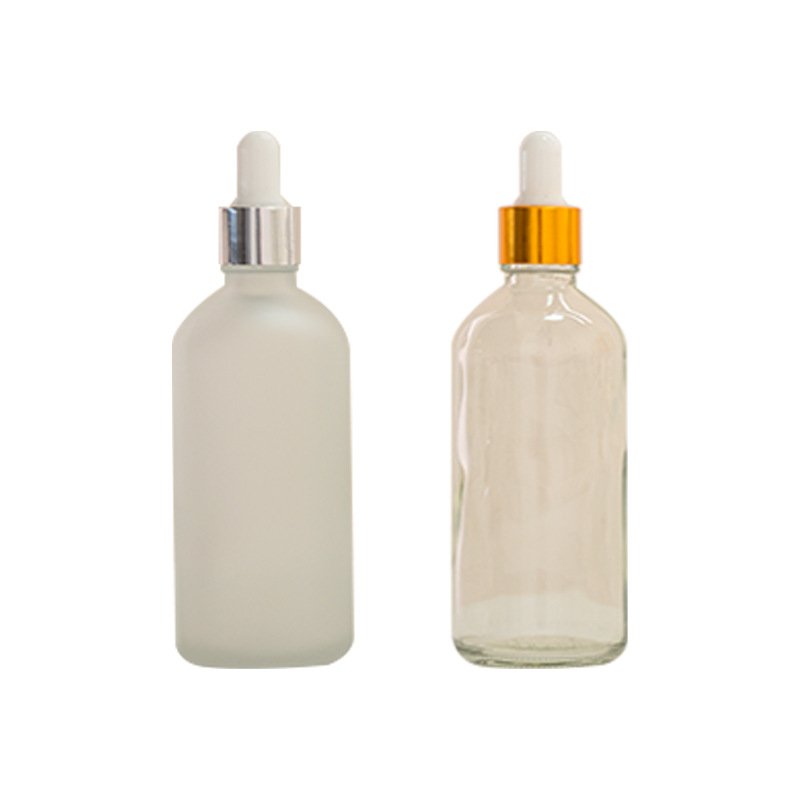
| Hair oil/serum | Glass or compatible PET/PETG; treatment pump, dropper or reducer | 30–100 ml | Controlled small dose, seal compatibility and light protection |
| Oxidative hair dye | Separate colorant tube/bottle and developer bottle; mixing bottle or tray | Kit-specific | Chemical resistance, separation, warning space and tamper evidence |
Capacity is a merchandising decision as well as a technical one. Travel and trial packs commonly sit between 30 and 100 ml; core retail bottles often use 250–500 ml; salon and refill formats can be much larger. Confirm local net-content conventions and shelf dimensions before locking the bottle.
Choosing the Right Packaging Material
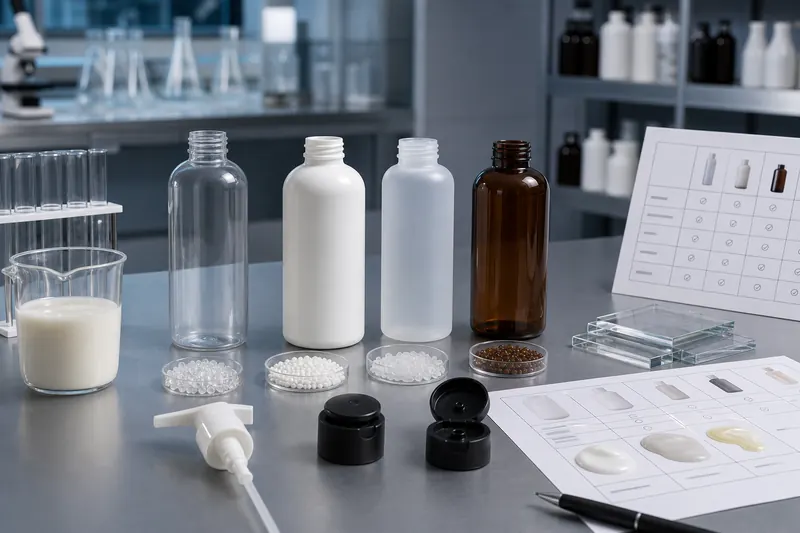
PET: clear, rigid and shelf-friendly
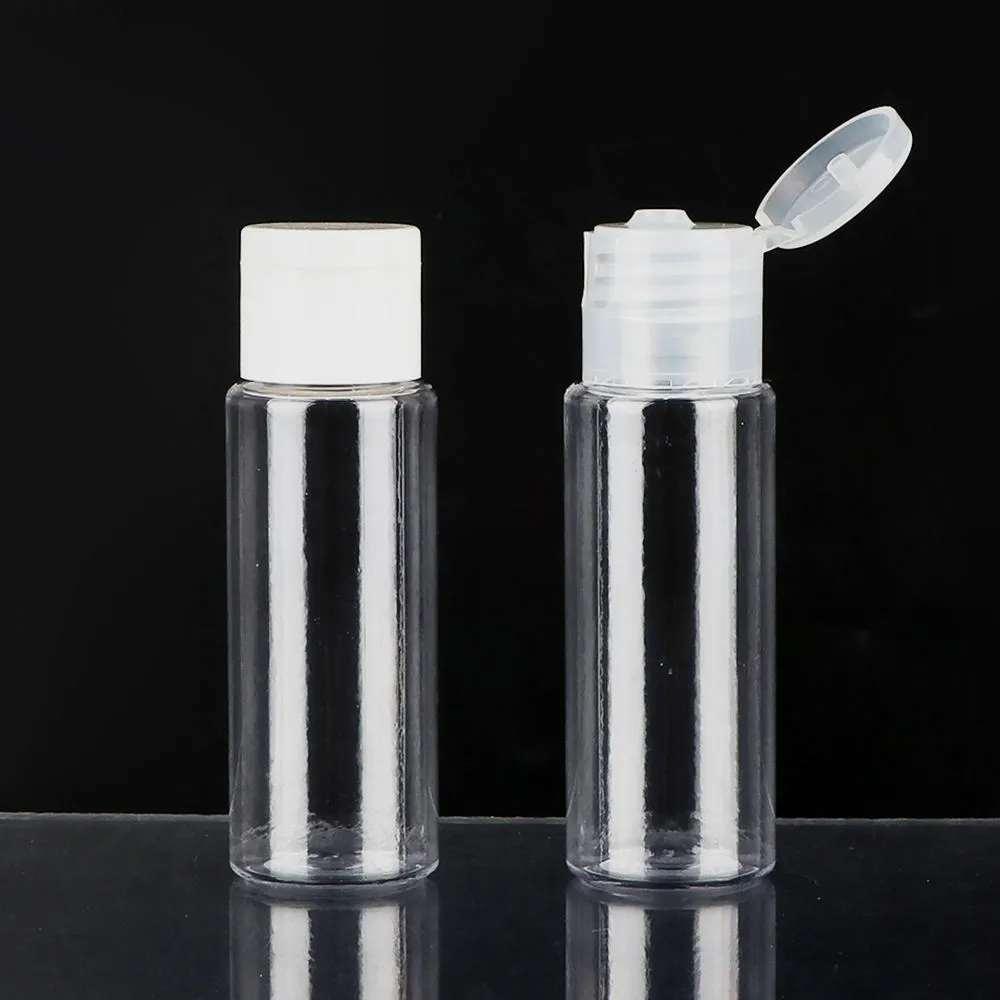
PET offers clarity, good stiffness and strong decoration options. It works well for many shampoos, leave-in products and visible-color formulations. It is less squeezable than polyethylene, so dense conditioner needs a suitable wall thickness, inverted bottle or pump. Hot-fill conditions and aggressive essential-oil or solvent systems require compatibility testing.
HDPE and LDPE: durable and squeezable
HDPE is a practical choice for shower bottles because it resists impact and hides product discoloration. LDPE and softer HDPE structures improve squeeze recovery for viscous conditioner. Their opacity limits product visibility, and fragrance or oil retention should be checked with real-time or accelerated aging.
PP: useful for jars, caps and mono-material thinking
PP is widely used for jars, caps, plugs and pump components. It tolerates living hinges in flip-tops and can support a more recyclable mono-material design when the bottle and closure platform are compatible. Cosmetic surface expectations and shrinkage must be managed during molding.
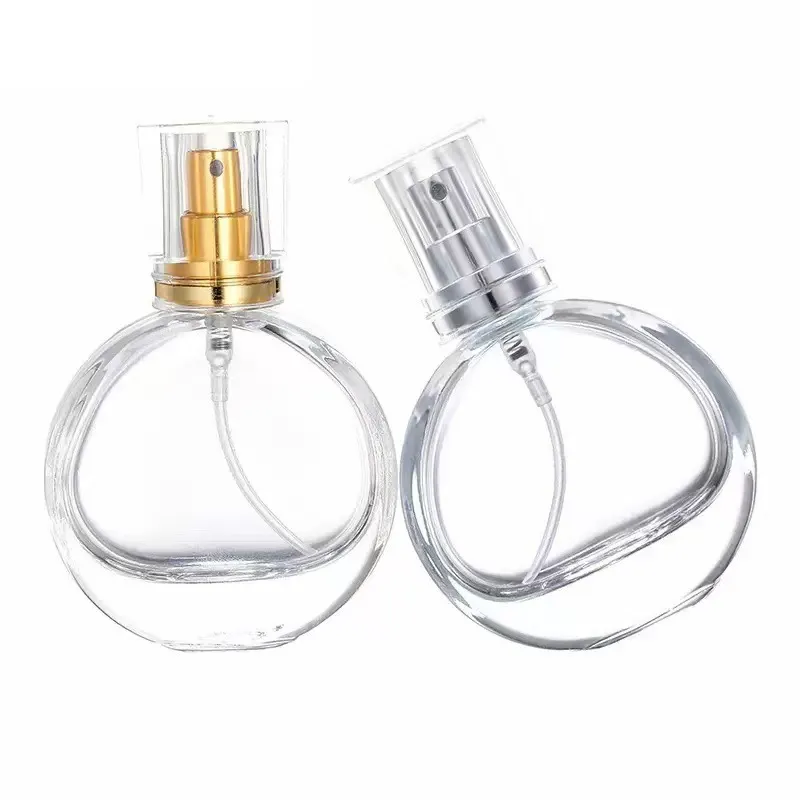
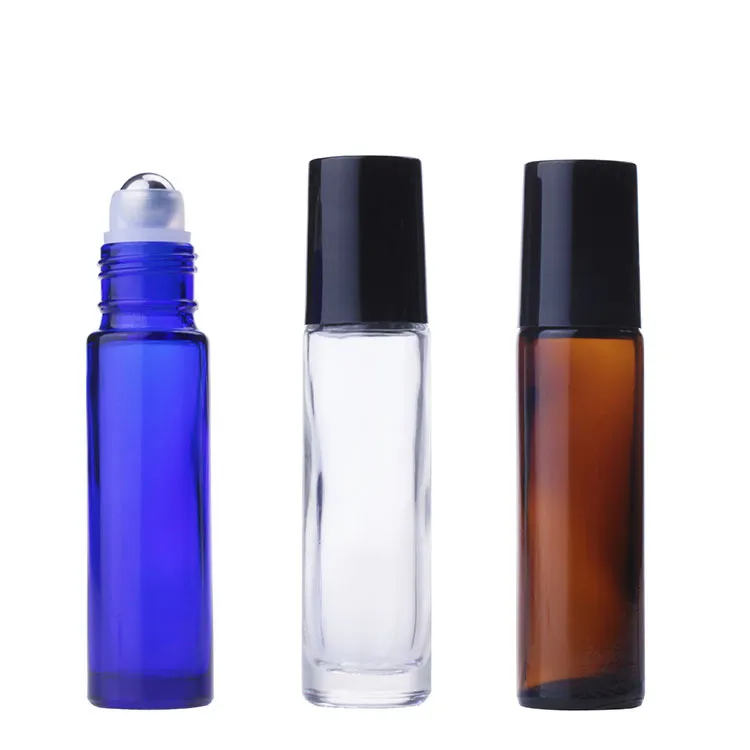
Glass is useful for concentrated hair oils and premium treatments because it provides a strong barrier and a substantial feel. It is heavy and breakable, making it less suitable for large shower packs. Amber or opaque packs can help light-sensitive formulas, but the finished formulation—not the ingredient list alone—should determine the barrier requirement.
Browse Boyu’s plastic cosmetic bottles, custom shampoo and conditioner bottles, and glass cosmetic packaging to compare existing platforms before considering a custom mold.
Shampoo, Conditioner and Hair Dye Need Different Closures
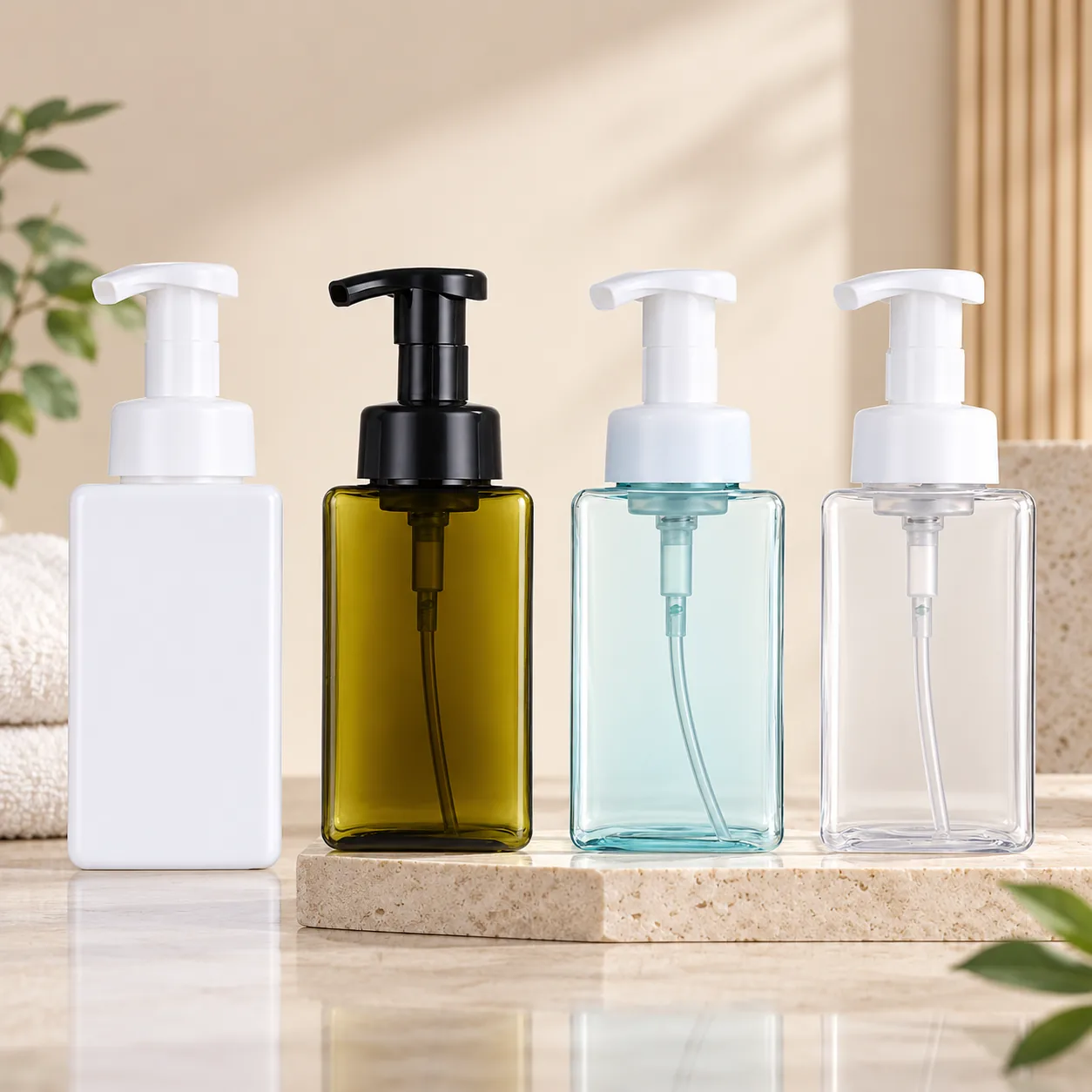
A shampoo pump should match the formula’s viscosity, particulates and target dose. A locking head is valuable for e-commerce and salon storage, but the lock must remain intuitive. Disc-top and flip-top caps are compact and economical, provided the orifice is large enough and the hinge survives repeated use.
Conditioners often fail at the closure rather than the bottle. A small orifice makes users squeeze too hard; a weak valve drips when stored cap-down. Test cold-condition viscosity as well as room-temperature flow. For masks, an inner lid or liner helps protect the product, but brands should still tell consumers to use dry hands or a spatula.
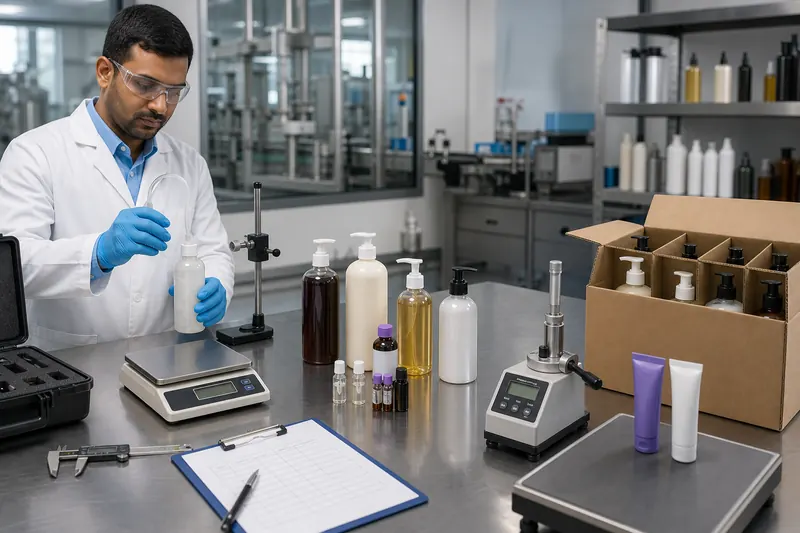
Hair dye packaging requires more caution. Oxidative colorant and developer should remain separated until the instructed mixing step. The supplier must test each component against the actual formula, confirm venting or pressure requirements where applicable, and provide enough space for use instructions, allergy warnings and traceability. Never assume a standard shampoo bottle is suitable for a dye system.
Convenience in the Shower, Salon and E-commerce Box
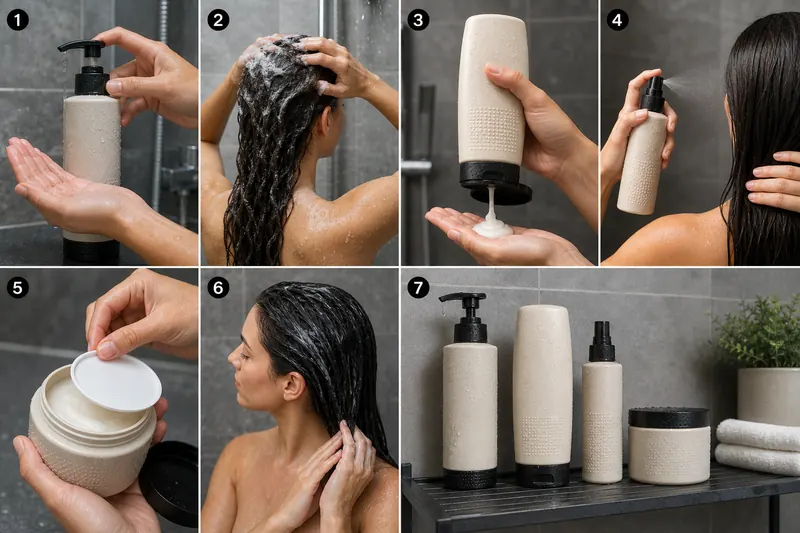
- Wet-hand grip: use an oval waist, textured panel or controlled matte finish instead of a slippery, over-wide cylinder.
- Easy product identification: differentiate shampoo and conditioner with color, shape, tactile cues or clearly contrasting labels.
- Stable storage: choose a broad base for pumps and a closure designed for intentional cap-down storage when high evacuation is needed.
- One-hand dispensing: salon pumps need adequate stroke length, output consistency and bottle stability.
- Travel security: add a lock, clip, overcap or induction/pressure seal where the distribution risk justifies it.
- Product evacuation: match dip-tube length, bottle shoulder and base geometry so consumers are not left with unusable product.
Store filled hair products tightly closed, upright unless the pack is designed for inverted storage, and away from excessive heat, freezing conditions and direct sunlight. Keep shower packs out of standing water. Warehouses should follow the finished-product manufacturer’s validated temperature and stacking limits rather than a generic rule.
A Packaging Brief for a Hair Care Manufacturer
For a hair care manufacturer such as Salty Mane Beauty, a useful packaging RFQ would not simply request “a premium shampoo bottle.” It would specify the complete product family, formula viscosity, fill temperature, target dose, retail and salon capacities, decoration area, wet-use ergonomics, transport channel, sustainability goals and required validation tests.
A coordinated family might use the same neck finish and visual language across shampoo, conditioner and treatment products while changing the dispensing system by formula. That improves brand recognition and may reduce component complexity. However, the manufacturer should approve each bottle-and-closure combination with its actual bulk formula. The Salty Mane Beauty link is included as an industry example; project-specific packaging requirements should be confirmed directly with that company.
Tests to Complete Before Mass Production
- Compatibility aging: inspect weight loss, odor, color, viscosity, stress cracking, swelling and seal performance.
- Leak and vacuum/pressure checks: test upright, inverted and side orientations at relevant temperatures.
- Dispensing study: record priming strokes, dose, spray pattern, residual product and clogging over repeated cycles.
- Closure torque and retention: define application and removal limits; verify flip-top and hinge durability.
- Drop and transit testing: test filled packs, retail cartons and master cartons—not empty bottles alone.
- Decoration resistance: check ink, coating and label adhesion after water, formula, abrasion and humidity exposure.
- Line trial: confirm filling, capping, labeling and packing on the intended equipment.
For procurement teams, the approval sample should include the bottle, closure, gasket or liner, decoration and actual formula. Record dimensions, color tolerances, pump output, torque, visual defect limits and sampling plan. Learn more in Boyu’s guide to choosing a cosmetic packaging manufacturer.
Frequently Asked Questions
What is the best plastic for a shampoo bottle?
PET and HDPE are the most common starting points. PET provides clarity and stiffness; HDPE provides impact resistance and some squeeze. The final choice depends on formula compatibility, filling conditions, decoration, transport and recycling goals.
Should conditioner use a pump or squeeze bottle?
Medium-viscosity conditioner may work with a properly specified lotion pump. Very thick conditioner is often easier to evacuate from an inverted squeeze bottle, wide-orifice tube or jar. Test at the lowest expected use temperature.
Can hair oil be packed in plastic?
Yes, if the resin, colorant and closure seals pass compatibility testing with the finished formula. Glass offers excellent barrier properties, but compatible PET or other engineered plastic can reduce weight and breakage.
How can shampoo packaging be made more sustainable?
Reduce material first, avoid unnecessary mixed components, consider PCR where performance allows, use compatible mono-material systems, improve product evacuation and validate refill formats with a realistic reuse model. Do not make recycling claims without market-specific evidence.
What causes shampoo pumps to fail?
Common causes include a locked actuator, blocked dip tube, incompatible spring or gasket, incorrect dip-tube length, poor priming, high viscosity and formula crystallization. See Boyu’s shampoo pump troubleshooting guide.
Do hair care bottles need tamper evidence?
Requirements vary by product, channel and market. E-commerce and professional kits often benefit from seals, clips or shrink bands, but the design must be validated and labeling reviewed for the target jurisdiction.
Develop a Hair Care Packaging Brief with Boyu
Send your formula type, viscosity, target capacity, annual forecast, preferred closure, decoration and sales channel. Boyu Packaging can help compare existing shampoo-bottle platforms with custom components and plan the tests needed before production.
Technical note: Packaging recommendations are general engineering guidance. Final materials, closures, tests and label content must be approved against the finished formula and the regulations of each destination market.


 English
  Español de Argentina
  Русский
  Italiano
  日本語
日本語  한국어
한국어  العربية
  Français
  Deutsch