Short answer: a custom cosmetic bottle mold may cost a few thousand dollars for a simple, limited-life or single-component tool, while a complete multi-part dispensing package can exceed $100,000. The useful question is not “What is the cheapest mold?” but “What tooling package will make a stable, saleable container at my forecast volume?”
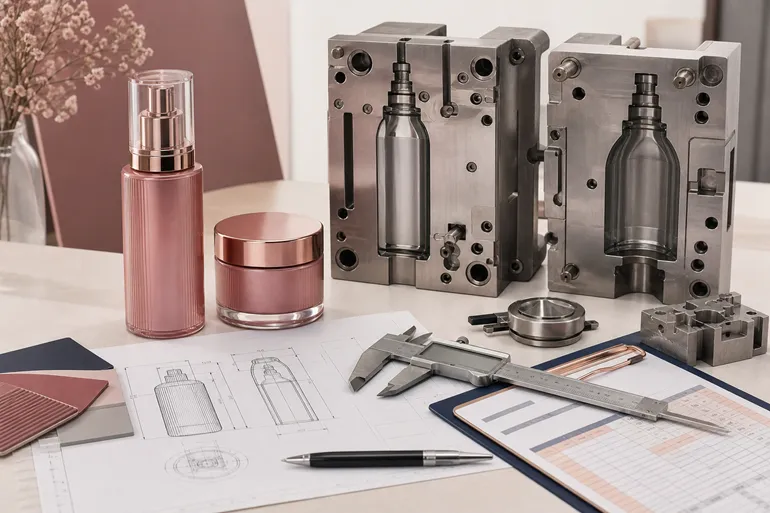
Typical Custom Cosmetic Packaging Mold Costs
| Tooling type | Broad range | Main cost drivers |
|---|---|---|
| Prototype, test mold or replaceable insert | $1,500–$5,000+ | Limited life, one cavity, simplified finish |
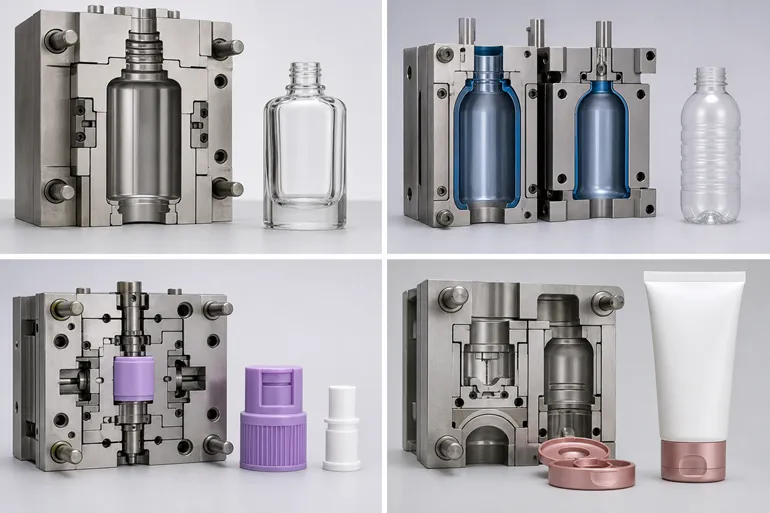
| Custom glass bottle mold set | $5,000–$25,000+ | Geometry, neck finish, mold-set configuration, embossing |
| PET or HDPE bottle blow mold | Several thousand to low five figures | Cavities, handles, cooling, preform or neck tooling |
| Injection mold for cap, jar or outer component | $7,000–$40,000+ | Cavities, slides, threads, steel, runner and finish |
| Pump actuator or functional component | $15,000–$20,000+ per mold | Tight tolerances, moving features and assembly fit |
| Complete custom airless/dispensing system | $25,000–$100,000+ total | Separate tools for bottle, piston, pump, collar and overcap |
A low quote may cover only the bottle-body tool. It can exclude the cap, actuator, inner cup, piston, decoration fixtures, gauges, sample freight and corrections. Ask suppliers to itemize the complete tool list.
Why Quotes for the Same Concept Differ
Component count and cavity count
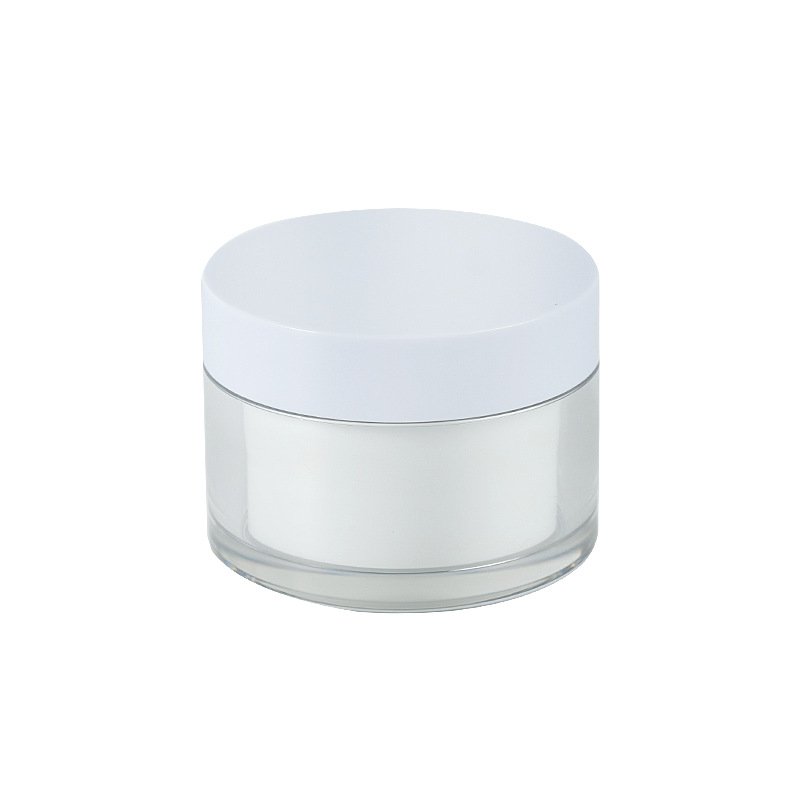
A simple blow-molded bottle with a standard pump may need only a custom body mold. A double-wall jar needs separate tools for the outer jar, inner cup, lid and liner. A proprietary airless pack contains several precision parts. More cavities raise the initial tooling bill but can reduce conversion cost and increase output.
Mold material, expected life and runner design
Aluminum or softer steel may suit prototypes. Hardened production steel, replaceable wear inserts and a well-designed hot runner cost more but can provide longer life, less waste and better repeatability. Ask for the steel grade, expected shots and maintenance requirements in writing.
Surface quality and tolerances
Transparent PETG, thick-wall jars and metallized components reveal flow marks, scratches and parting-line mismatch. Optical polishing, texture control and dimensional validation add engineering hours. A beautiful rendering does not guarantee a manufacturable pack.
How Material Changes the Tooling Package
Glass bottles
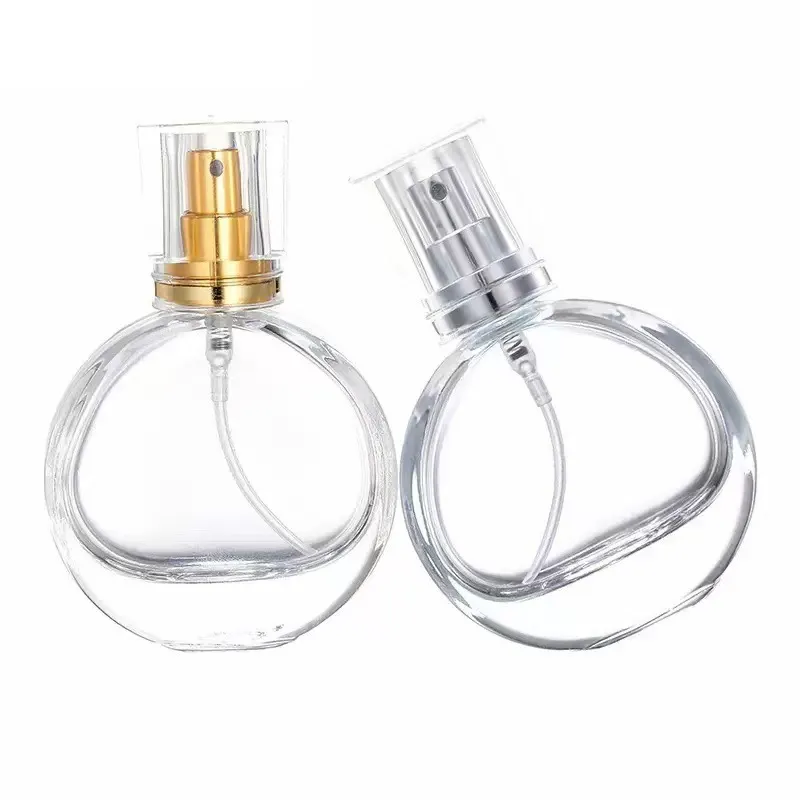
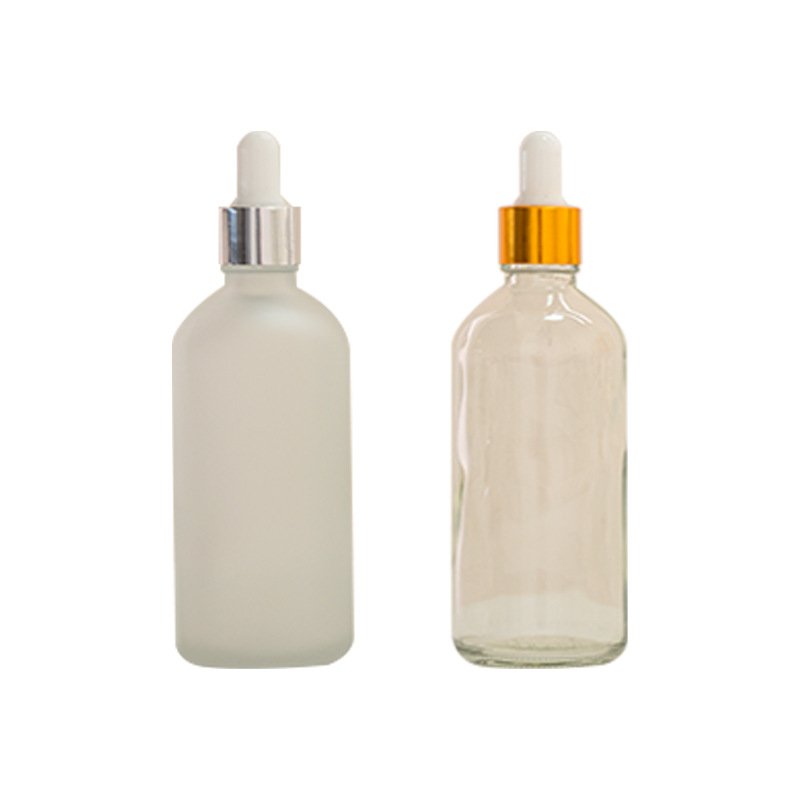
Glass tooling is normally a set that can include blank molds, blow molds, neck rings and bottom plates. Weight distribution, verticality, annealing behavior and neck accuracy affect the bottle. A new capacity, neck finish or major silhouette usually needs new tooling; a small logo may sometimes use an insert. Review Boyu’s cosmetic glass packaging and perfume packaging before selecting a custom route.
PET, PETG, HDPE and LDPE bottles
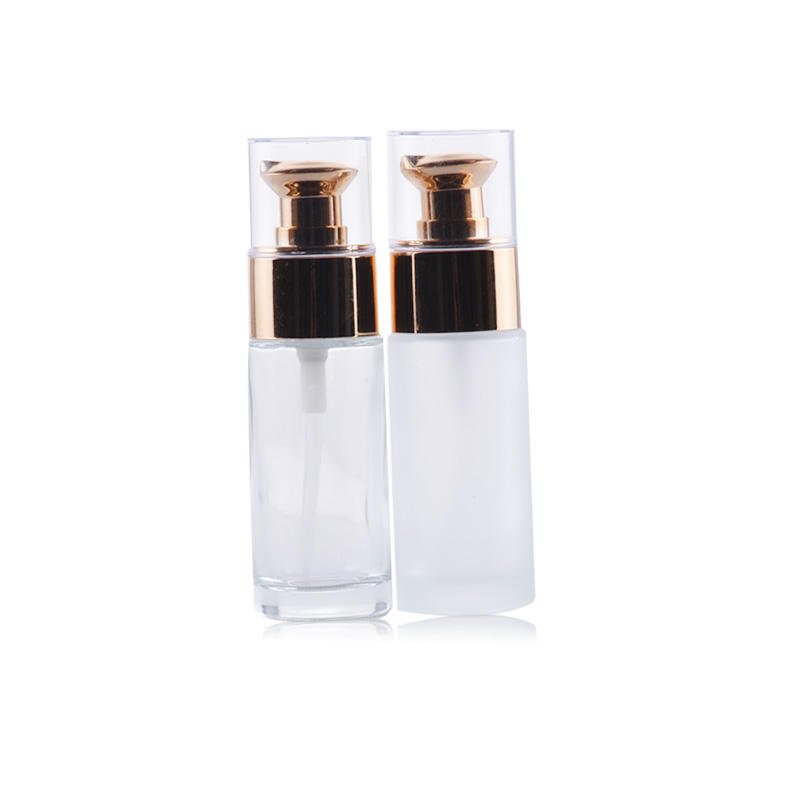
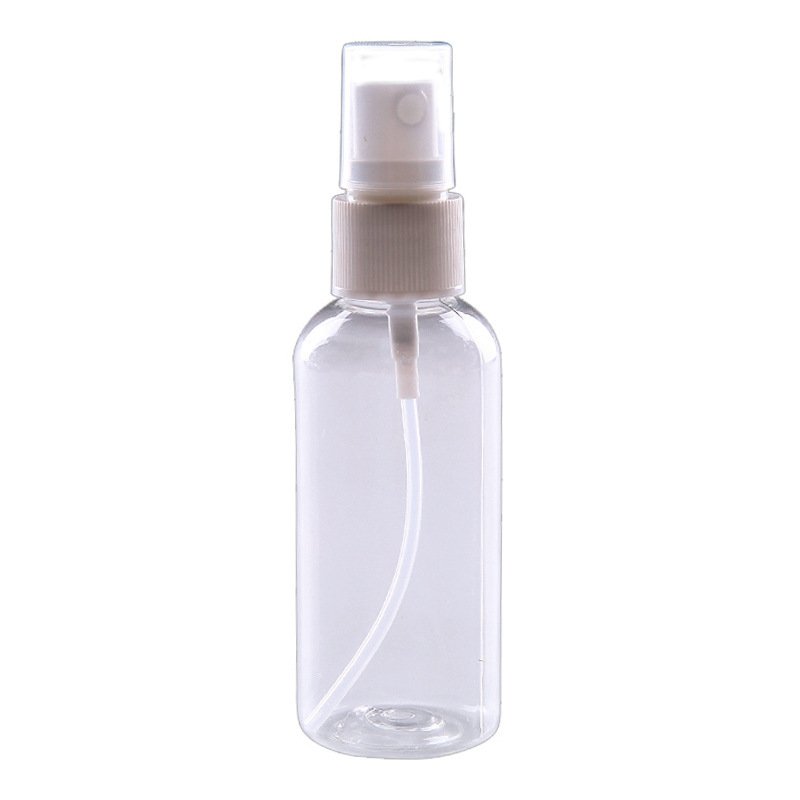
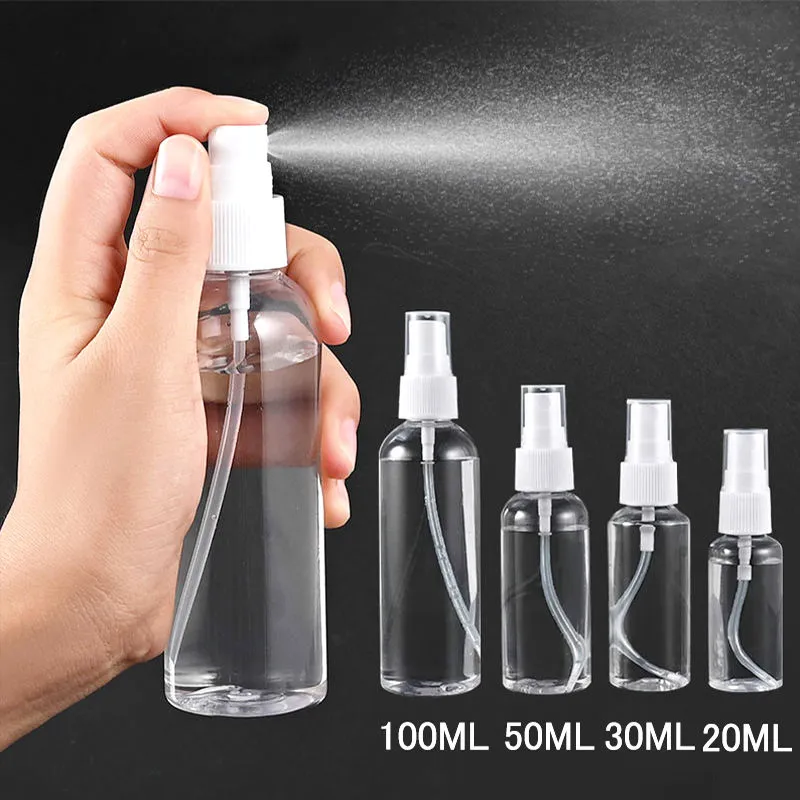
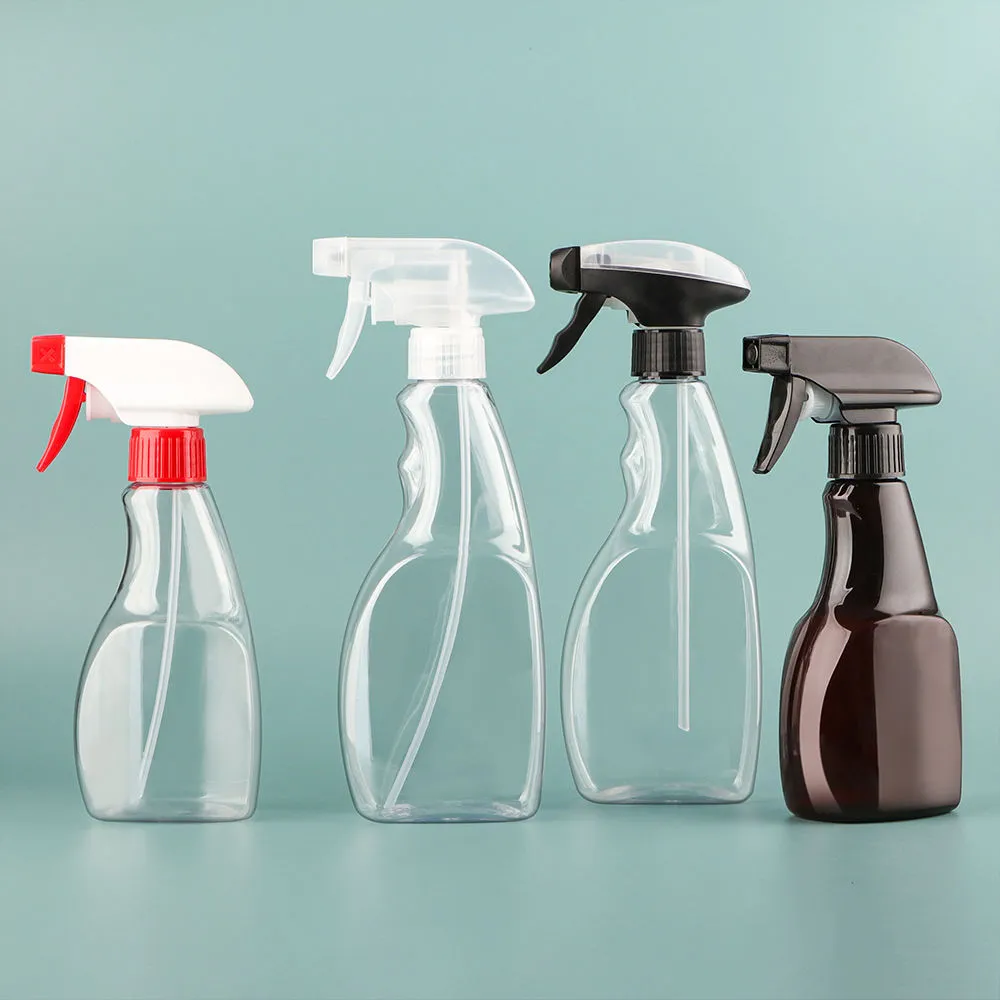
PET bottles are often stretch-blow molded from preforms. Keeping an existing neck finish and preform platform can avoid an extra preform tool. HDPE and LDPE are commonly extrusion-blow molded; handles and sharp transitions complicate wall distribution. PETG or rigid transparent parts may be injection molded and need more polishing. Compare existing plastic cosmetic bottles first.
PP, ABS, pumps and airless systems
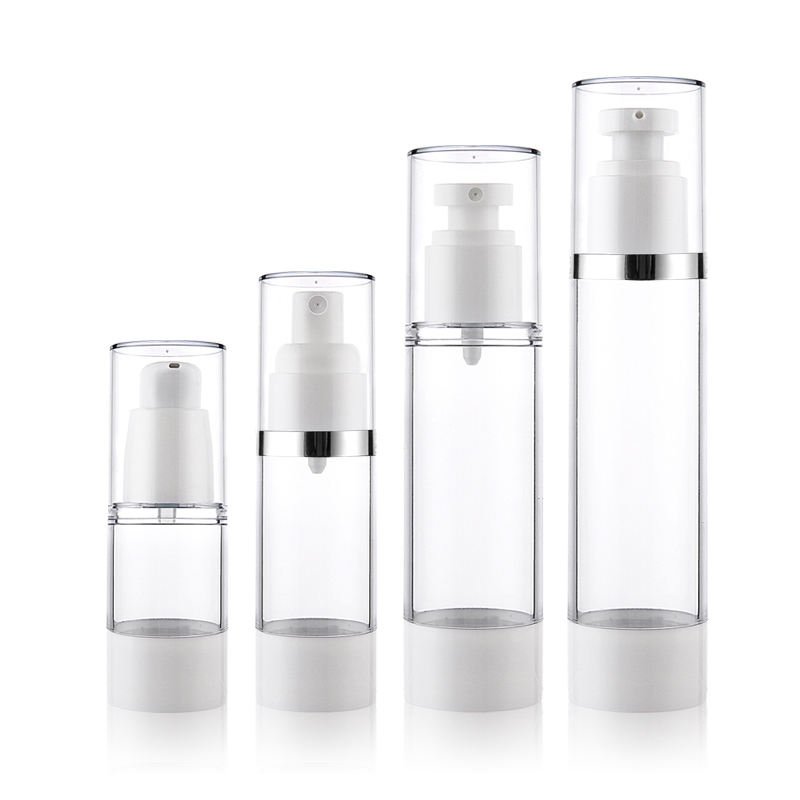
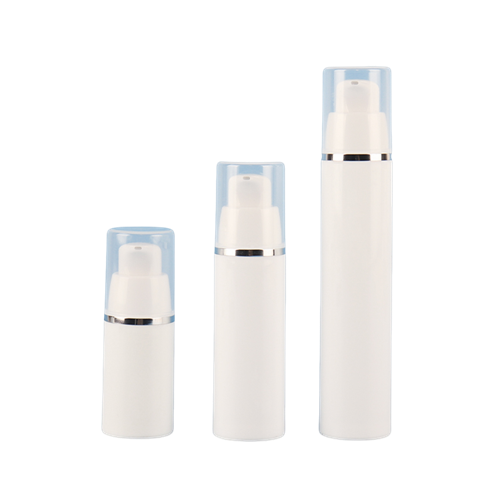
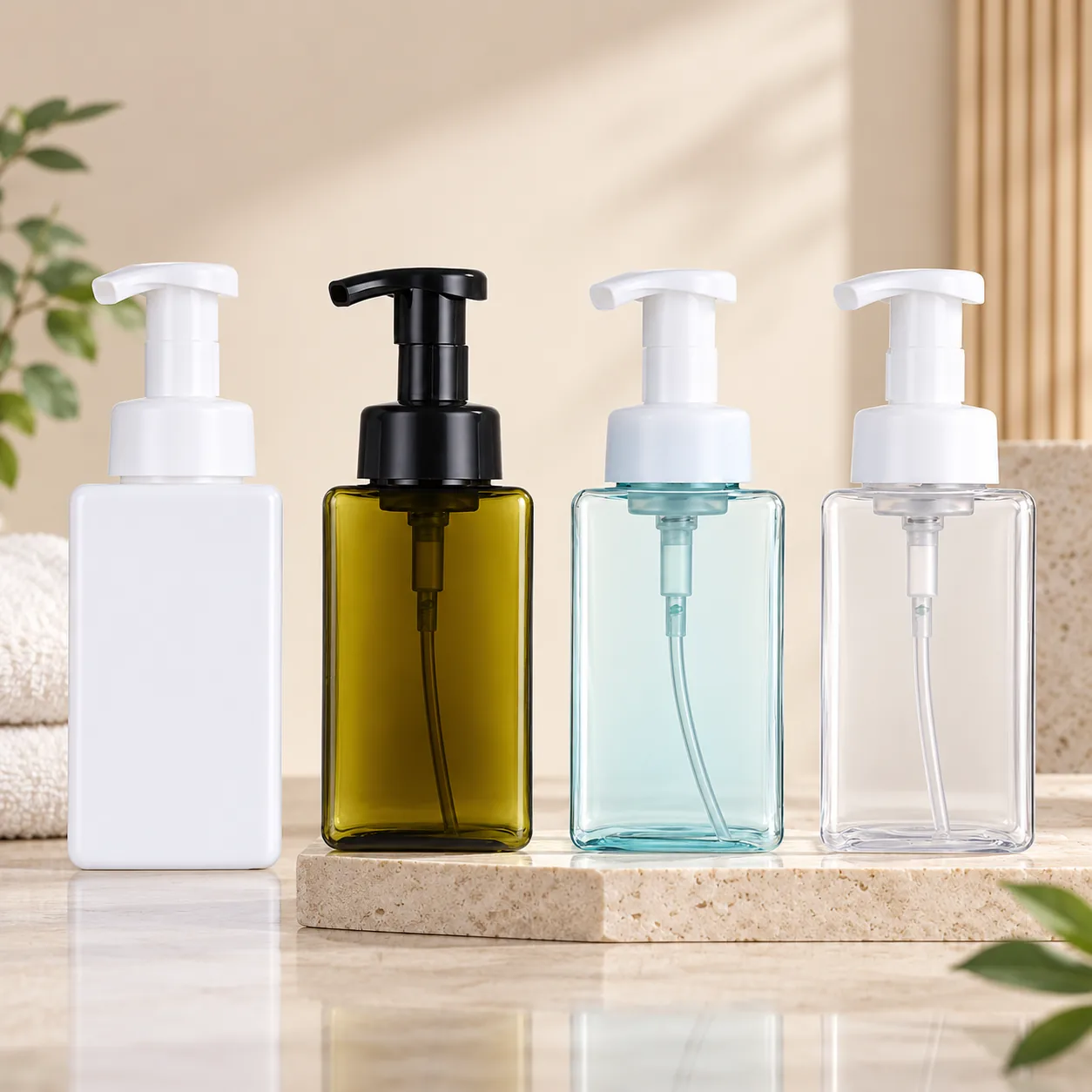
Injection-molded caps and jars may require slides or lifters for threads, snap beads and undercuts. Double-wall construction requires multiple tools. Airless systems depend on tolerance stack-up across the bottle, piston, engine, collar and actuator. Customizing only an outer bottle or actuator costs less than developing a complete engine. Compare standard airless pump bottles before commissioning a proprietary mechanism.
What a Complete Mold Quote Should Include
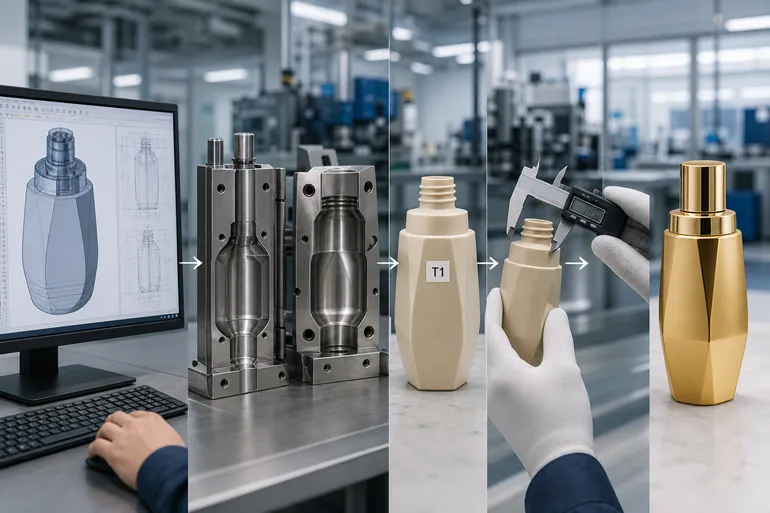
- 3D design review and design-for-manufacturing feedback
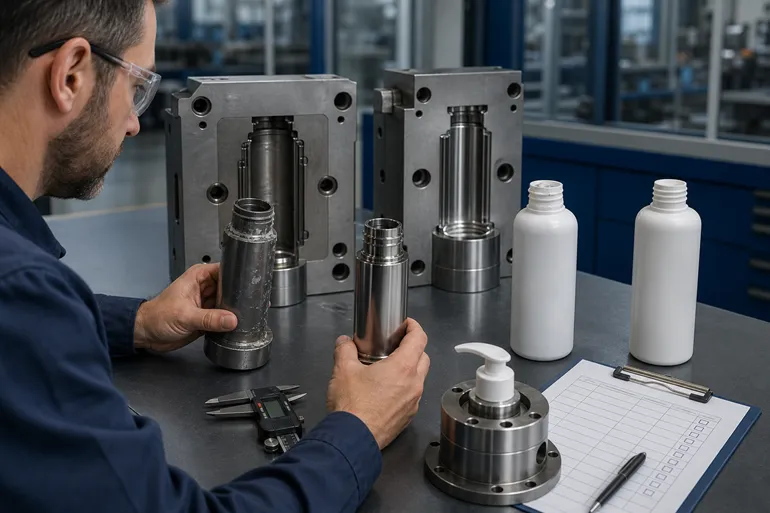
- Every mold, insert, production fixture and inspection gauge
- Steel grade, cavity count, runner type and expected tool life
- T0/T1 samples and the number of included correction rounds
- Polish, texture, engraving and parting-line standards
- Measurement report, functional test plan and approved limit sample
- Ownership, exclusivity, storage, maintenance and transfer terms
- Decoration screens, stamping dies, assembly jigs and tooling freight
Freeze capacity, fill line, overflow volume, neck finish, pump dosage, decoration area, formula-contact material and target tests before cutting steel.
When Do You Need a New Mold?
A full remake is commonly required when the capacity, neck finish, opening, silhouette or production process changes beyond the range of existing inserts. It may also be necessary when the original tool is worn beyond tolerance, cannot run on the selected machine, cannot meet output, or has structural defects that venting, polishing, cooling changes or new inserts cannot solve.
When repair or modification may be enough
- Only a removable logo plate or cavity insert changes.
- A core, neck ring, gate insert, slider or wear plate can be replaced.
- The surface needs re-polishing or re-texturing.
- Minor flash, venting or cooling problems can be corrected.
- The container stays unchanged and only decoration artwork changes.
How Buyers Should Evaluate Mold Cost
For illustration, a $20,000 tooling package equals $2.00 per unit at 10,000 units, $0.20 at 100,000 units and $0.04 at 500,000 units. This is math, not a quote. Include trial scrap, future inserts, maintenance and the risk of a design revision.
Risks to Control Before Paying a Deposit
- Unclear ownership: document who owns the mold, where it stays and whether it is exclusive.
- Incomplete scope: identify every package component and required tool.
- No acceptance standard: approve drawings, tolerances, tests and a signed golden sample.
- Formula incompatibility: test contact materials, seals and dispensing with the actual formula.
- Supplier lock-in: define transfer rights and which drawings and records will be supplied.
- Poor payment terms: tie milestones to design approval, trials, corrections and acceptance.
- Untested logistics: validate filled-pack leakage, drop resistance, torque and transit packaging.
For more sourcing guidance, read how to choose a cosmetic packaging manufacturer and stock packaging vs. custom mold packaging.
A Practical Custom Mold Development Process
- Define the brief: market, annual forecast, formula, capacity, price position and launch date.
- Select a dispensing platform: standard pump, sprayer, dropper, airless engine or custom mechanism.
- Complete DFM: finalize walls, draft, threads, seals, parting line and decoration zones.
- Prototype: review scale, grip, assembly and appearance before production tooling.
- Trial the tool: inspect T0/T1 samples against approved drawings.
- Test the full pack: compatibility, leakage, dosage, drop, torque and decoration adhesion.
- Approve a golden sample: record dimensional, visual and functional limits.
- Maintain the mold: log cycles, cleaning, repairs, storage and spare-part changes.
Frequently Asked Questions
What is the average custom cosmetic bottle mold cost?
There is no dependable single average. A simple body tool or insert may be in the low thousands; a multi-component premium or airless system can reach tens of thousands or more. Compare like-for-like tooling lists.
Does the customer own the mold after paying?
Not automatically. Ownership, exclusive use, storage and transfer rights must be written into the agreement.
Can the mold fee be refunded?
Some programs credit tooling after agreed order volumes, but it is not an industry rule. Treat any rebate as a negotiated contract term.
How long does a mold last?
Life depends on tool material, resin, cavities, cycle conditions, maintenance and tolerance. Ask for expected shots and a preventive-maintenance plan.
Should a startup choose custom tooling?
Usually only when distinctive shape or function is central to the brand and the forecast can absorb the risk. Stock packaging with custom color, print and closure is often safer for validation.
Request a Tooling Feasibility Review
Send Boyu Packaging your capacity, material, annual forecast, formula type, closure and reference drawing. Our team can compare a stock-platform customization with a fully custom mold and identify which components actually need tooling.
Editorial note: Cost ranges are general market-planning references compiled from packaging supplier and tooling-industry examples available in 2026. Actual quotations require approved drawings and technical review.


 English
  Español de Argentina
  Русский
  Italiano
  日本語
日本語  한국어
한국어  العربية
  Français
  Deutsch