How Many Perfume Bottles Are Made in Paris Each Year? Full Industry Breakdown, Sizes, Usage & Market Insights (France Perfume Packaging Report)
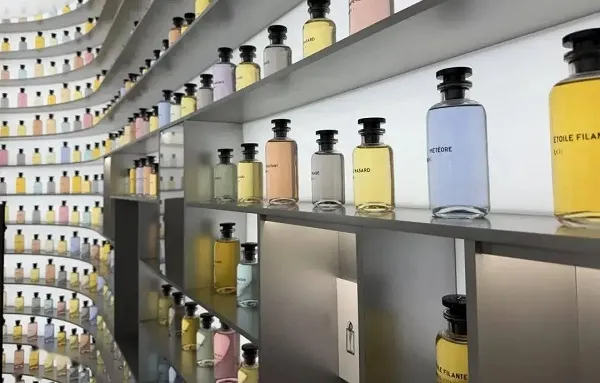
Overview: Perfume Production in Paris & France
When people ask “how many perfume bottles are made in Paris each year,” the honest answer is:
👉 There is no single official number for Paris alone, but we can estimate using France-wide data (since Paris is the design hub, while production is spread across regions like Normandy, Chartres, and Grasse).
📊 Key Industry Data
- France produces ~1.8 billion perfume units annually
- Global perfume bottle production: ~12 billion units/year
- France accounts for a significant share of luxury perfume packaging
- Major factories (e.g., L’Oréal plants) can produce up to 200 million units/year per site
👉 Estimated Paris-related share (design + brand HQ influence):
- Paris-driven brands account for 30–50% of French perfume output
- That equals roughly:
👉 500 million – 900 million perfume bottles annually tied to Paris brands
🏭 Production Breakdown by Bottle Size
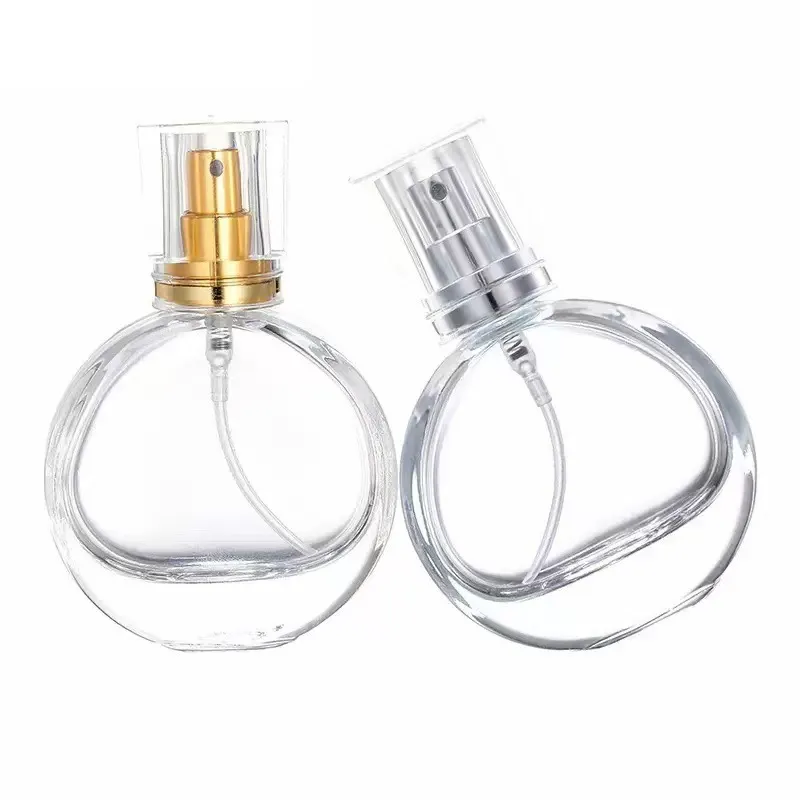
Perfume bottles are typically produced in standardized capacities. Based on manufacturing trends and retail demand:
| Size | Share of Production | Estimated Units (France) | Typical Use |
|---|---|---|---|
| 10–15ml | 10–15% | 180–270 million | Travel, testers |
| 25–30ml | 20% | ~360 million | Entry-level luxury |
| 50ml | 35% (most popular) | ~630 million | Core retail size |
| 100ml | 25% | ~450 million | Premium/luxury buyers |
| 200ml+ | 5% | ~90 million | Gift sets, collectors |
👉 Key insight:
- 50ml is the global “sweet spot” (balance of price + usability)
- Smaller sizes are growing due to Gen Z “multi-fragrance usage” trends
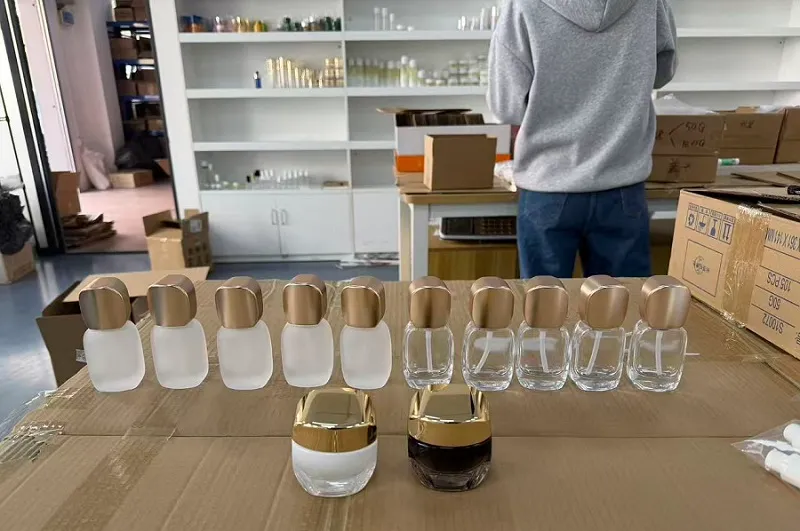
🧴 What Are These Bottles Used For?
Perfume bottles are not just containers—they are a major part of product value.
1. Retail Sales (Primary Use)
- ~70–80% of bottles go directly to retail
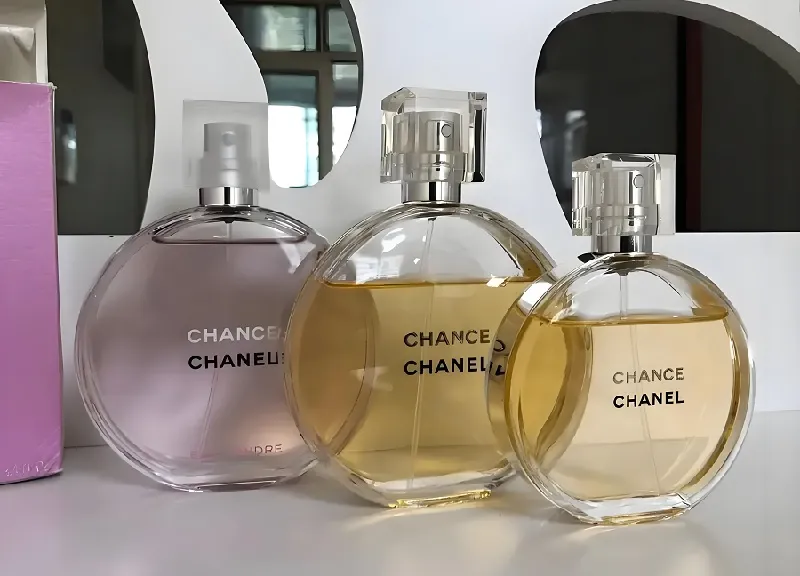
- Includes luxury brands like Chanel, Dior, YSL
2. Travel & Mini Sizes
- Increasing demand from:
- Airlines
- Duty-free stores
- Subscription boxes
3. Sampling & Marketing
- Millions of mini spray bottles (1–5ml) used for:
- Promotions
- Influencer campaigns
4. Gift Sets & Limited Editions
- High-end packaging (engraved, custom shapes)
- Often higher cost than the perfume liquid itself
💰 Where the Bottles Go (Consumption Breakdown)
Based on industry structure:
🌍 Export vs Domestic
- ~70–80% exported globally
- Key markets:
- USA
- China
- Middle East
- Europe
🧾 Usage Lifecycle
Out of 1.8 billion bottles:
- ~1.5 billion sold to consumers
- ~200 million used for testers & samples
- ~100 million lost/damaged/waste in logistics
🏗️ Material Breakdown of Perfume Bottles
| Material | Share | Why Used |
|---|---|---|
| Glass | 80–85% | Luxury, recyclable, premium feel |
| Plastic (PET/PP) | 10–15% | Low-cost, travel-friendly |
| Metal / Aluminum | 3–5% | Aerosol perfumes |
| Crystal / Special glass | <2% | Ultra-luxury |
👉 Glass dominates because:
- Better chemical stability
- Higher perceived value
- Sustainability (70% recyclable globally)
🏭 Key Manufacturing Structure (France)
France’s perfume bottle ecosystem is highly specialized:
🔹 Design (Paris)
- Branding
- Bottle concept
- Luxury aesthetics
🔹 Production (Other regions)
- Glass molding
- Decoration (spray, metallization, printing)
🔹 Filling & Assembly
- Automated filling lines
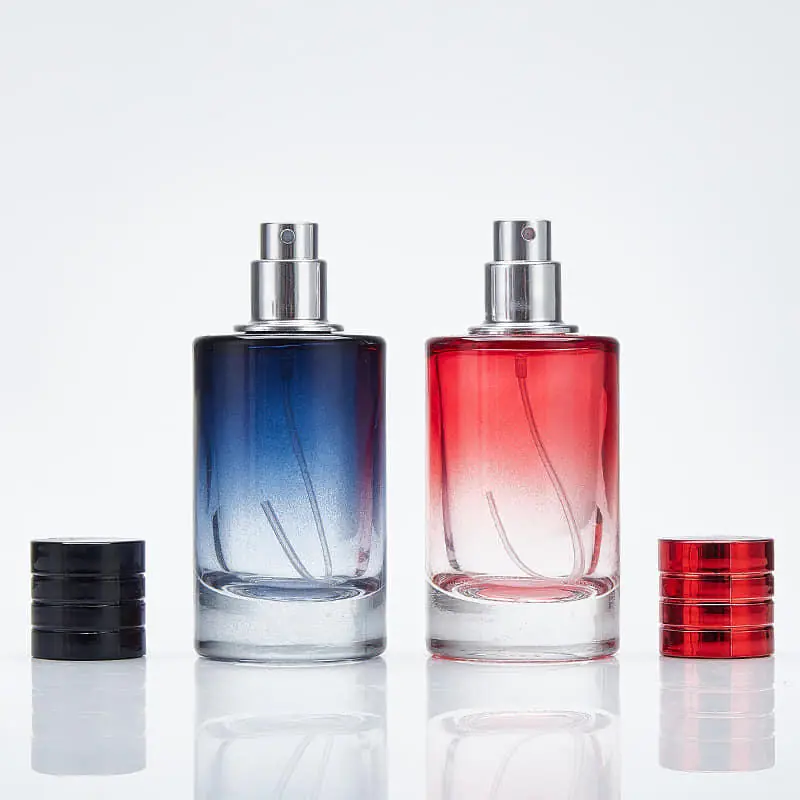
- Multi-size production (25ml / 50ml / 100ml)
⏱️ Production Cycle (Typical)
| Stage | Time |
|---|---|
| Design & 3D concept | 1–2 weeks |
| Mold development | 20–30 days |
| Sample production | 7–15 days |
| Mass production | 30–45 days |
👉 Total: ~45–75 days
⚠️ Industry Insight (Very Important)
From real-world cost structures:
Packaging often costs more than the perfume liquid itself
- Bottle + cap + pump: $5–20
- Liquid: sometimes only $2–10 (industry insight)
👉 This explains why:
- Brands invest heavily in bottle design
- Packaging = brand identity
📈 Trends Driving Growth
1. “Fragrance Wardrobe” Trend
- Consumers own multiple perfumes
- Drives demand for smaller bottles
2. Sustainability
- Refillable bottles
- Lightweight glass
- Eco-packaging
3. Customization
- Unique shapes
- Magnetic caps
- Luxury finishing
✅ Final Conclusion
- France produces ~1.8 billion perfume units yearly
- Paris influences hundreds of millions of those bottles
- 50ml and 100ml dominate production
- Packaging is a core value driver, not just a container
👉 If you are in packaging or sourcing:
Perfume bottles are a design-driven, high-margin, branding product — not just packaging.
 English
  Español de Argentina
  Русский
  Italiano
  日本語
日本語  한국어
한국어  العربية
  Français
  Deutsch