If you have any questions, please feel free to contact us by leaving a message.
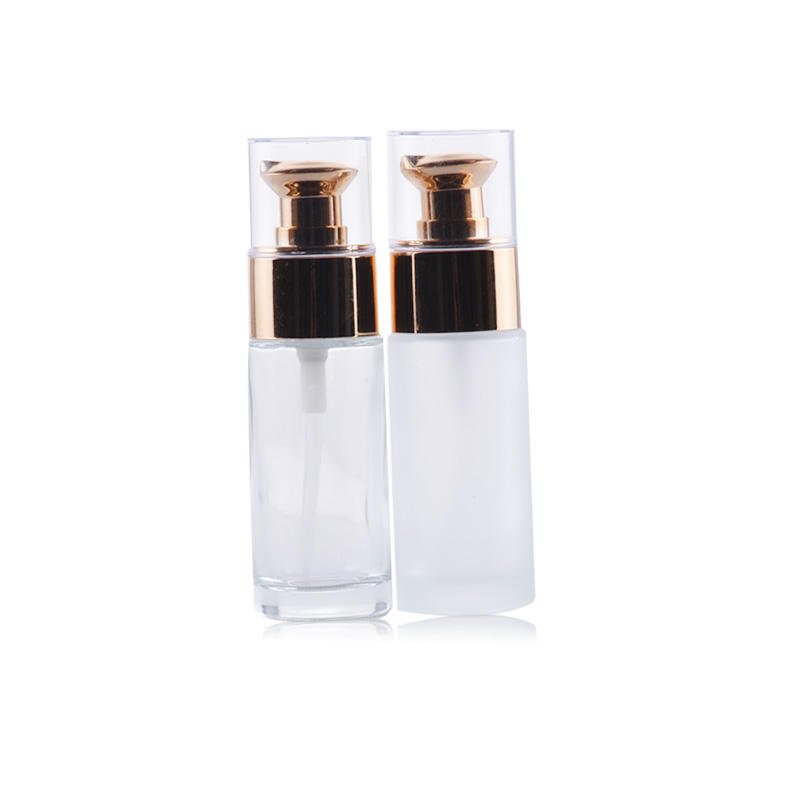
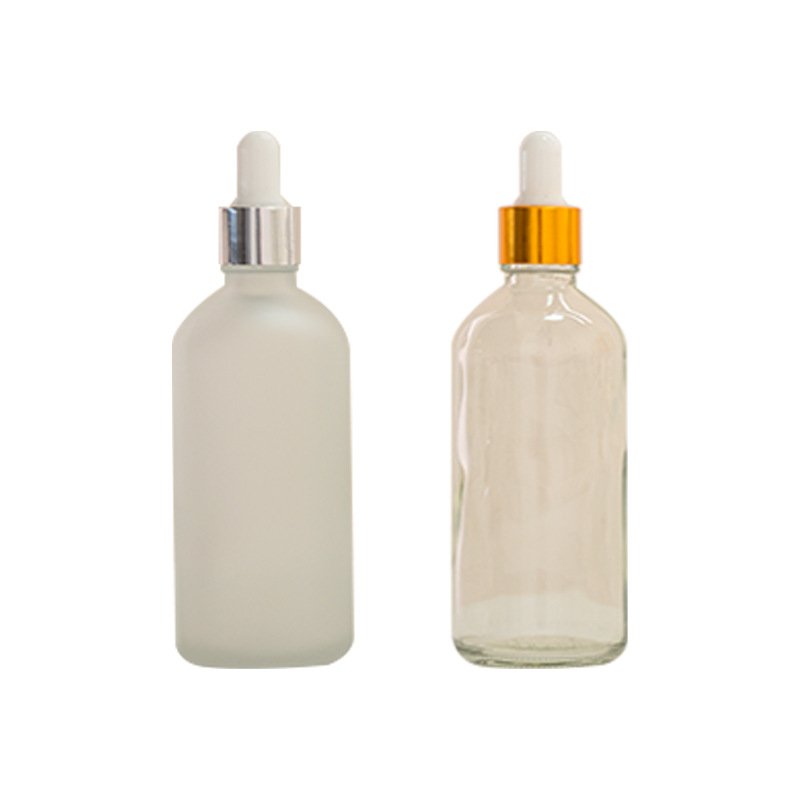
Direct answer: For most low-viscosity facial toners, the best practical package is a PET or glass bottle with a controlled-flow reducer, treatment pump or well-matched fine-mist sprayer. PET is the balanced choice for lightweight daily use; glass suits premium or light-sensitive positioning; HDPE suits opaque, impact-resistant packs. Choose the dispenser from how the toner is […]
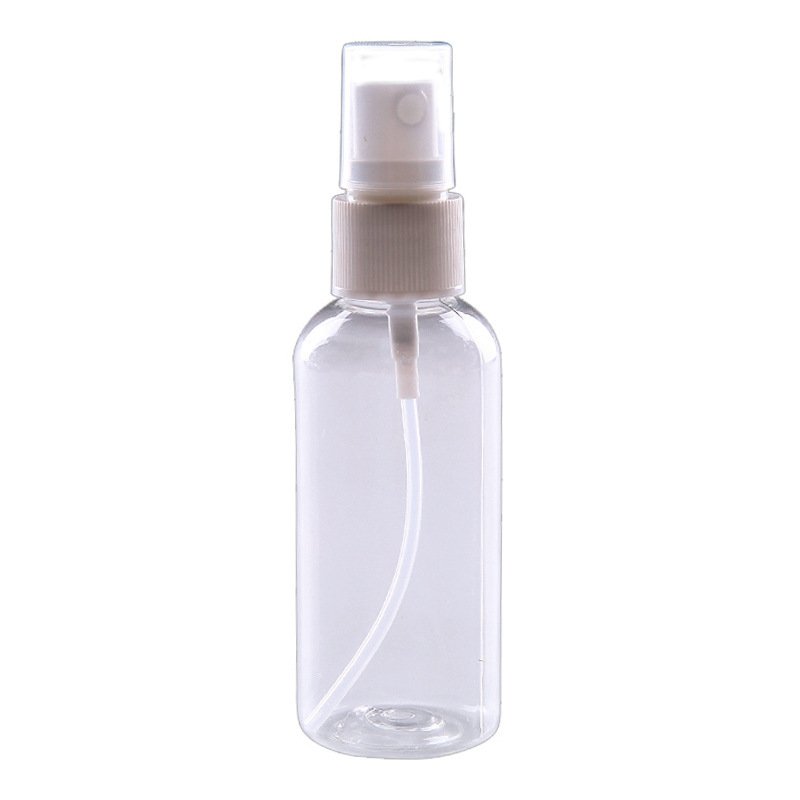
Direct answer: For most non-aerosol, alcohol-based body sprays, a compatible PET bottle with a high-quality fine-mist sprayer is the best practical starting point: it is lightweight, impact resistant, transparent and economical. Choose glass when premium feel and a strong fragrance barrier outweigh weight and breakage risk; choose HDPE when opacity and rugged handling matter more […]
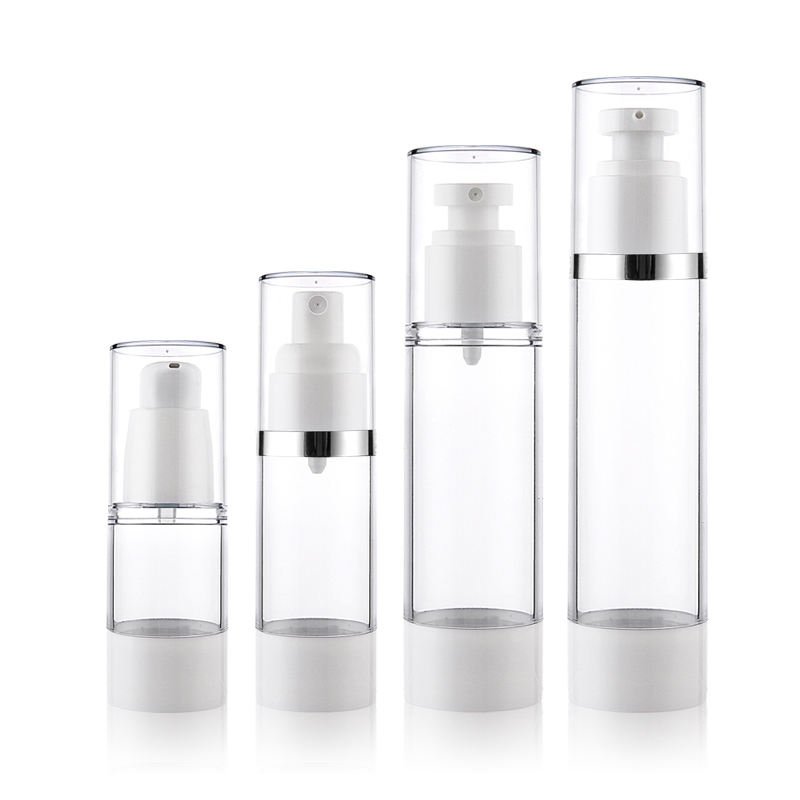
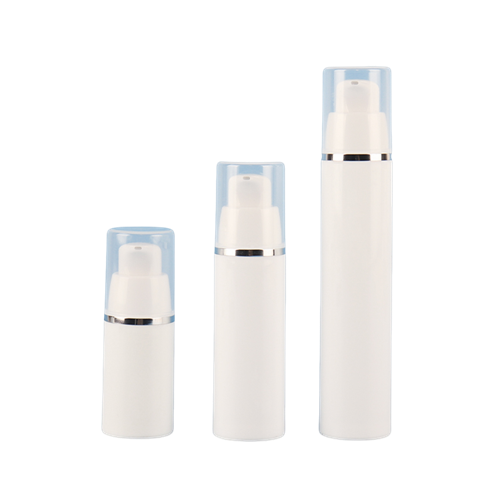
Direct answer: Retinol is usually better packaged in an opaque, well-validated airless pump than in a conventional wide-mouth jar. Retinol is vulnerable to light and oxidation, and an airless system limits repeated air exchange while dispensing without fingers entering the product. However, “airless” does not mean oxygen-free: initial headspace, package permeability, pump design, light transmission […]
Direct answer: Choose a cosmetic paper box and bag manufacturer by verifying the exact processes it controls, approving production-representative samples, agreeing measurable quality limits, and comparing landed cost on the same specification. Do not select from a portfolio, certificate PDF, unit price, or minimum order quantity alone. A supplier that makes excellent folding cartons may […]
Direct answer: The principal free-fall methods for cosmetic transport packages are ASTM D5276 and ISO 2248. For a complete parcel-delivery simulation, ISTA 3A is commonly considered for packaged products up to 70 kg (150 lb); ASTM D4169 provides distribution-cycle test sequences, while ASTM D7386 addresses single-parcel shipments. None creates one universal cosmetic-package drop height. The […]
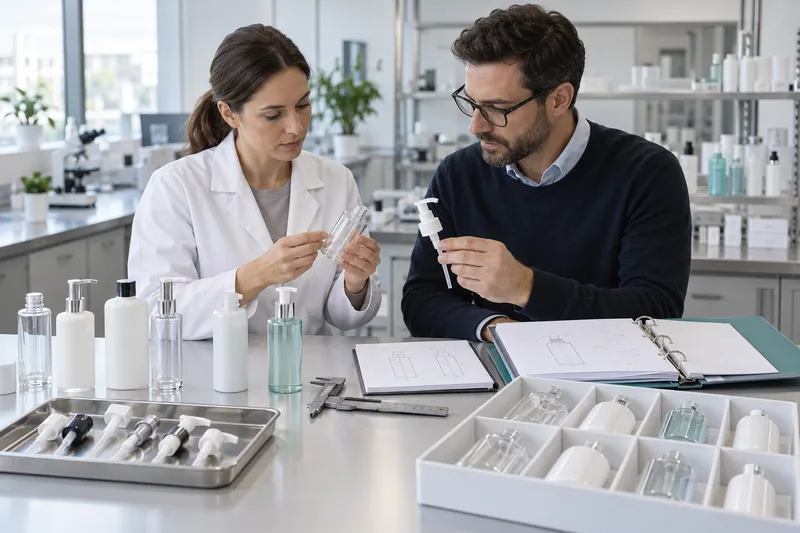
Short answer: there is no single, universal list of tests that every cosmetic bottle must pass. A defensible launch programme normally covers specification and appearance, bottle–closure fit and torque, leak integrity, formula–package compatibility and stability, dispensing performance, mechanical strength, distribution testing, and label or decoration durability. Material migration, barrier, light-protection, child-resistant, tamper-evident or pressure tests […]
Direct answer: The most useful cosmetic bottle leak testing methods are inverted or side storage, vacuum immersion/bubble observation, pressure or vacuum decay, gravimetric mass-loss testing, and filled-pack distribution simulation. They are not interchangeable. Use a visual method to locate gross leaks, a validated quantitative method to measure the smallest commercially important leak, and filled-formula ageing […]
Direct answer: A standard lotion pump commonly dispenses about 0.5 to 2.0 mL per complete stroke. Compact treatment pumps and airless skincare pumps may deliver roughly 0.07–0.5 mL, while high-output personal-care pumps can deliver 2.0–3.5 mL or more. The only reliable figure for your product is the pump’s specified nominal output verified with the actual […]
To test cosmetic packaging compatibility, fill production-representative packages with the final formula, store them under defined real-time and accelerated conditions, and compare them with suitable controls at scheduled intervals. Check both sides of the interaction: whether the formula changes the package and whether the package changes the formula. Approval should cover appearance, odor, weight loss, […]
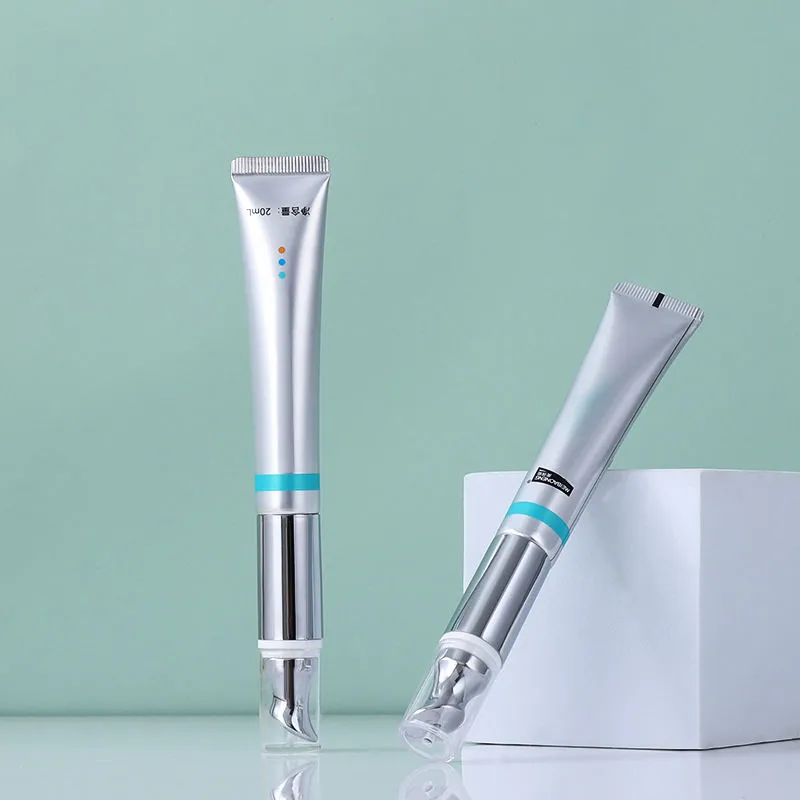
ABL vs PBL Cosmetic Tubes: How to Choose the Right Barrier Structure Short answer: Choose ABL when the formula needs a strong light, oxygen and moisture barrier and an opaque metallic layer is acceptable. Choose PBL when the pack needs good barrier performance, a smooth resilient body and a structure that can be designed closer […]
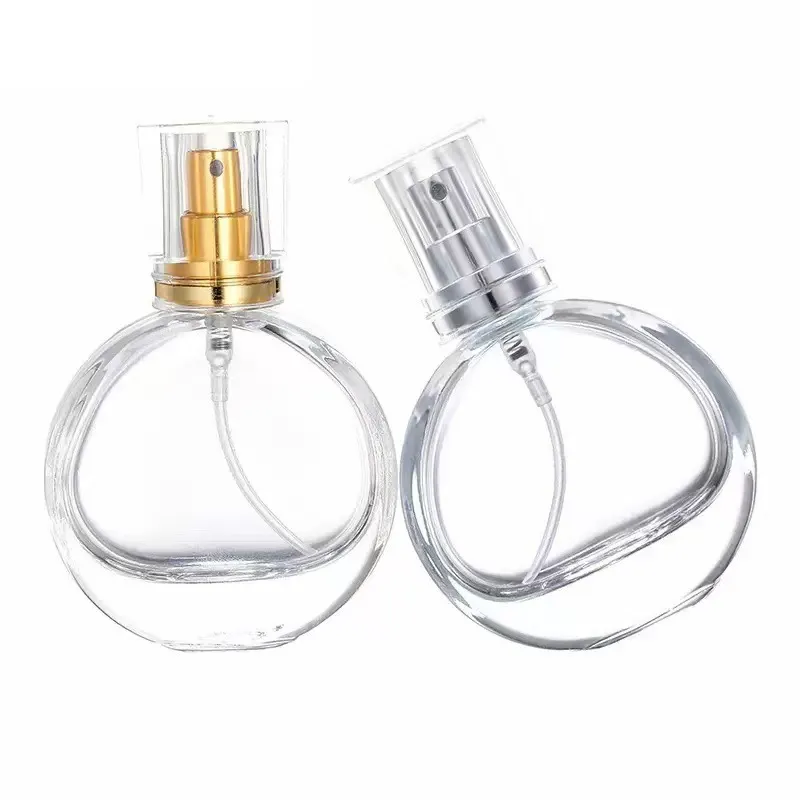
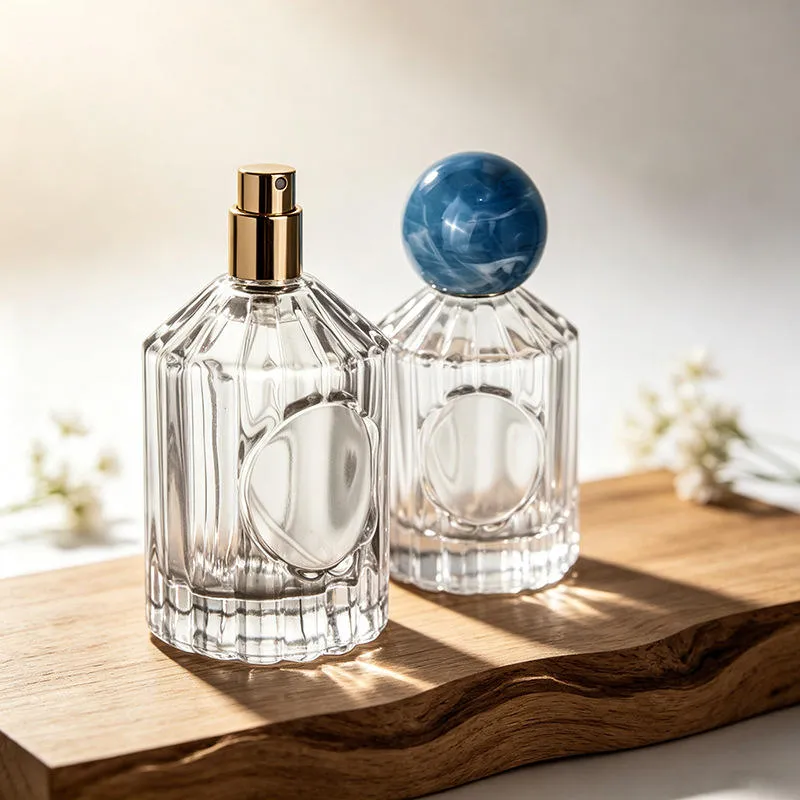
Direct answer: The main perfume bottle types are fine-mist atomizers, refillable spray bottles, splash bottles, rollerball bottles, sample vials, miniature bottles and refill containers. Glass is the usual material for retail fragrance because it provides a strong barrier and broad formula compatibility. PET and aluminum are used mainly for lightweight travel, sampling and refill systems. […]
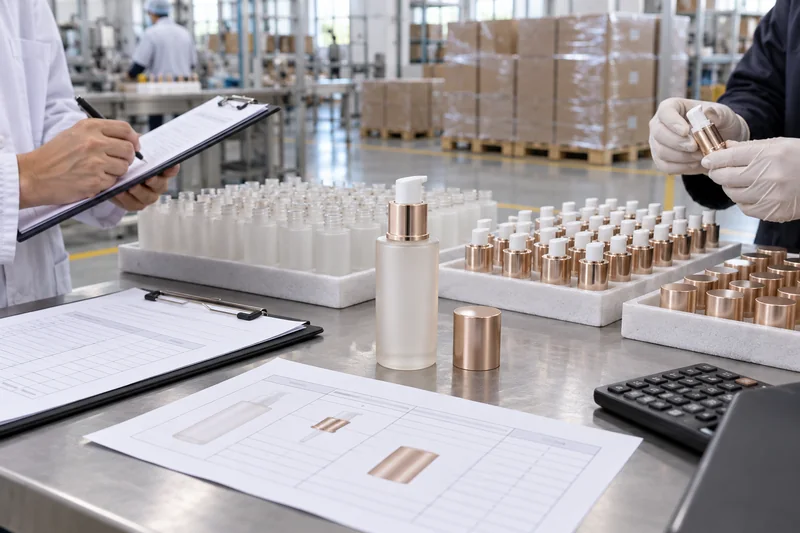
Direct answer: A reliable Chinese perfume bottle manufacturer should be able to identify which processes it performs, provide traceable drawings and samples, control glass forming and annealing, match the bottle with the pump and cap, document decoration and inspection results, and reproduce an approved standard in mass production. ISO 9001 certification can support confidence in […]
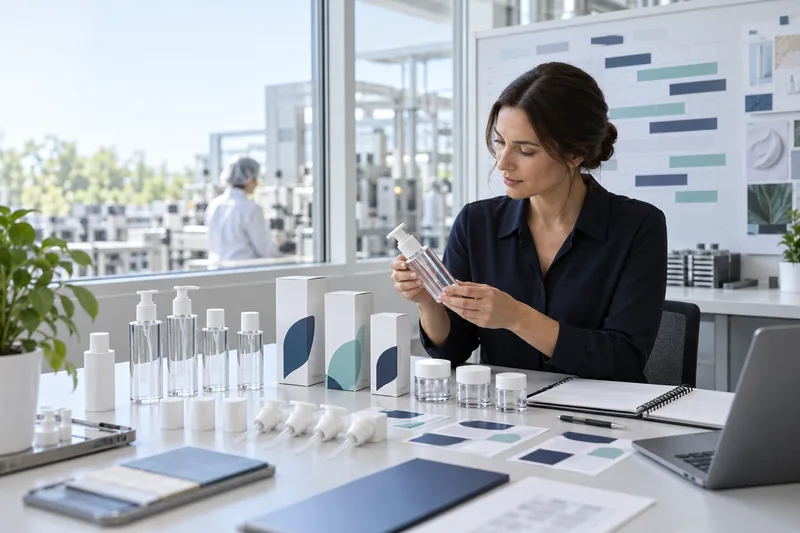
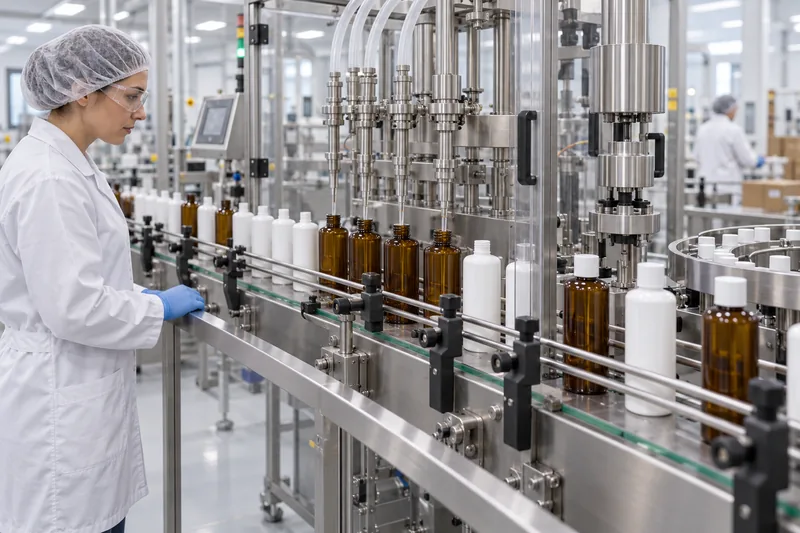
Short answer: Choose a plastic cosmetic bottle or tube manufacturer by verifying what it actually makes, whether its equipment matches your package, how it controls materials and critical dimensions, and whether it can reproduce an approved sample in mass production. A certificate, quotation, factory video, or low price is useful evidence, but none is sufficient […]
WhatsApp us