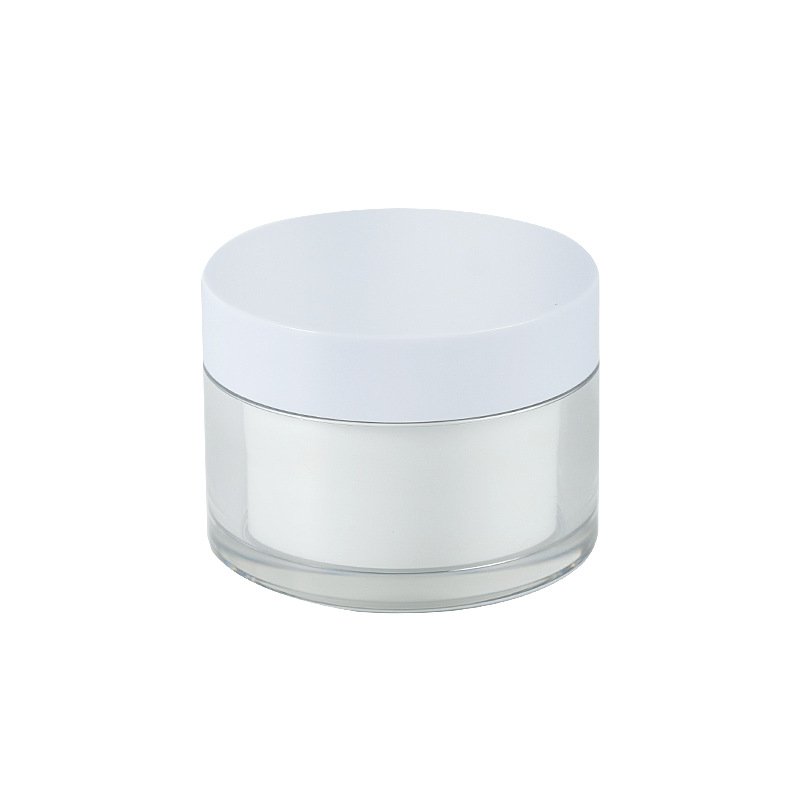
BOYU PACKAGING · RECYCLED-CONTENT PACKAGING
PCR Cosmetic Packaging Manufacturer
Develop bottles, jars and tubes around your formula, your brand and a documented recycled-content target. Compare materials, dispensing systems and production options before approving the claim on the label.
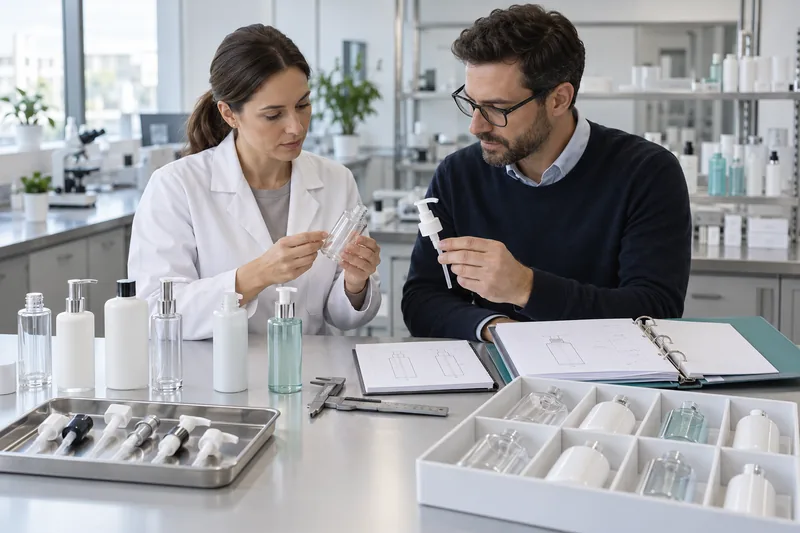
Choose an existing format or discuss custom tooling, colors and direct decoration. Define PCR content by component, approve physical samples and qualify the filled pack for its intended market.
Project essentials: selected mold · component-level PCR target · traceable resin · compatibility testing · market-specific artwork
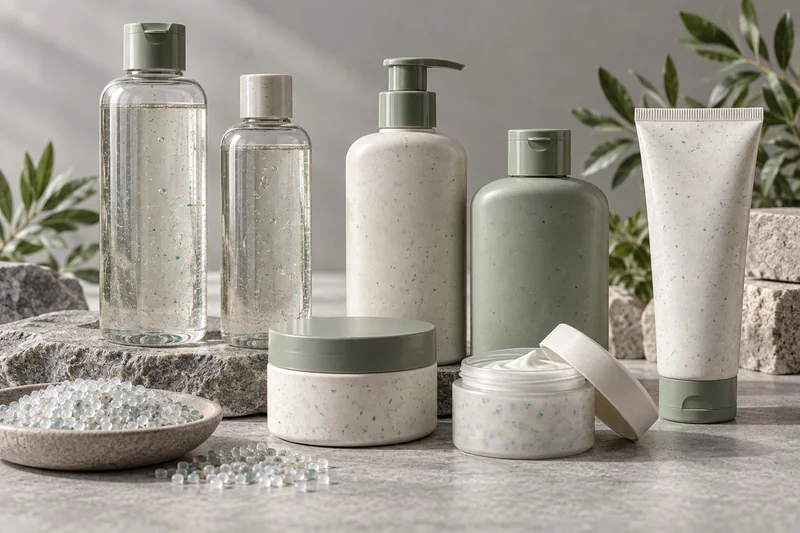
Specify the Package Before You Specify the PCR Percentage
PCR means post-consumer recycled material: material recovered after its intended consumer use and processed into feedstock for another product. It describes the origin of the material, not a separate polymer. An rPET bottle, rHDPE bottle and rPP jar therefore need different tooling, processing and performance specifications.
Start with the product formula, dispensing experience and sales market. Then agree the recycled-content target for each component. A 50% PCR bottle body with a virgin pump must not be described as a 50% PCR complete pack without checking the mass calculation. Our PCR cosmetic packaging guide explains the terminology behind a technically complete sourcing brief.
For skincare and facial care
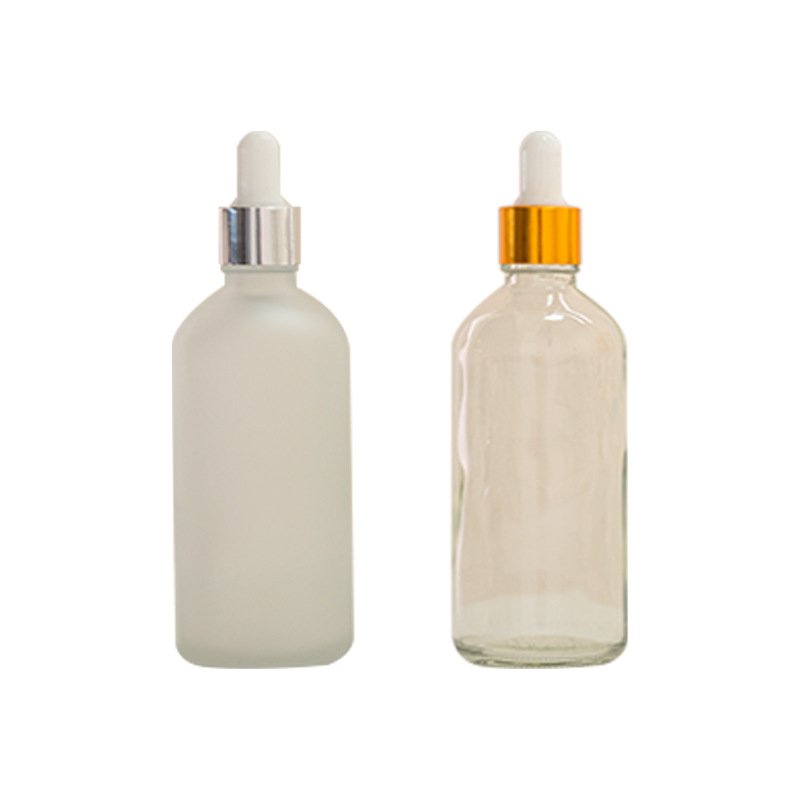
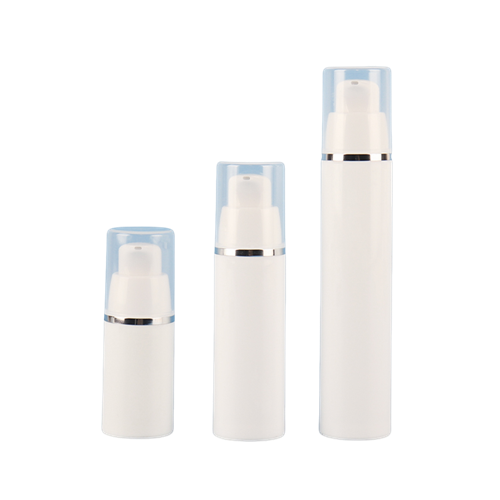
Review small bottles, airless formats and jars for serum, toner, moisturizer and masks. Formula compatibility, dispensing repeatability and a controlled odor profile are central approval points.
For hair and body care
Squeeze and pump bottles can suit shampoo, conditioner, body wash and lotion. Evaluate wet-hand grip, drop resistance, pump output and the stability of a partially empty bottle.
For retail and hospitality
Coordinate size families and refill formats, but approve every bottle/closure combination. A shared appearance does not mean identical wall distribution, dose or transport performance.
PCR Packaging Options to Elevate Your Brand Image
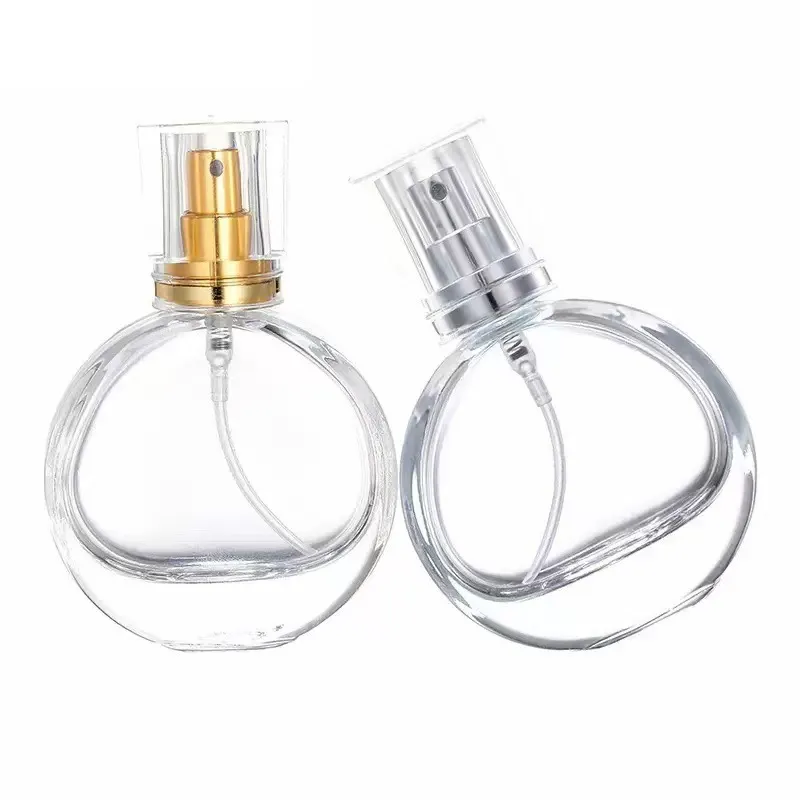
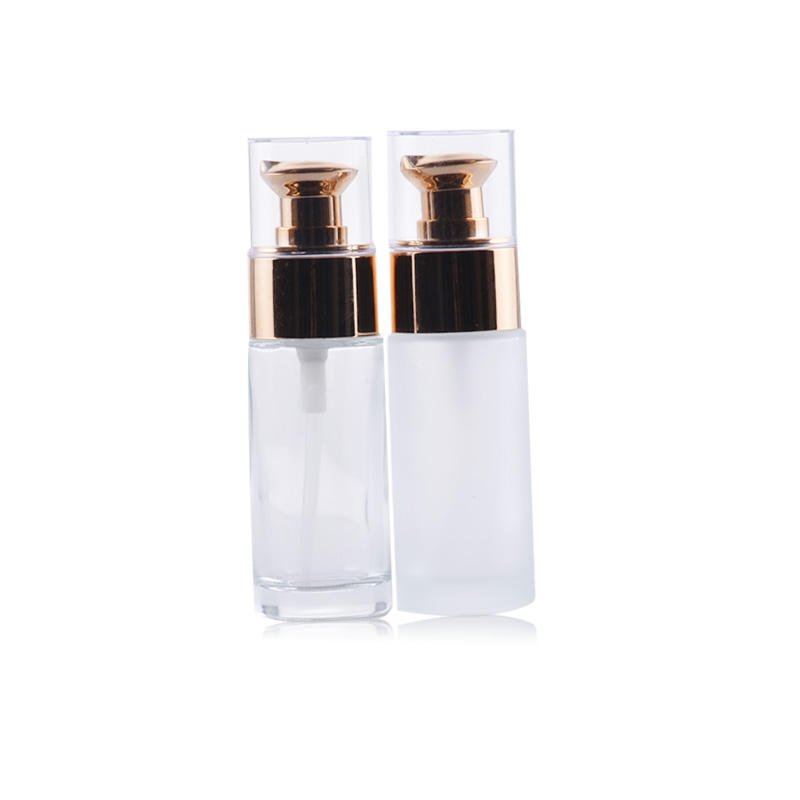
Explore 12 cosmetic packaging formats to strengthen your brand image. View plastic cosmetic bottle formats →
These live catalog designs are starting points for a PCR project. Confirm recycled-content availability, component coverage, percentage and supporting documents for each selected model; inclusion here is not a claim that every model is supplied with certified PCR as standard.
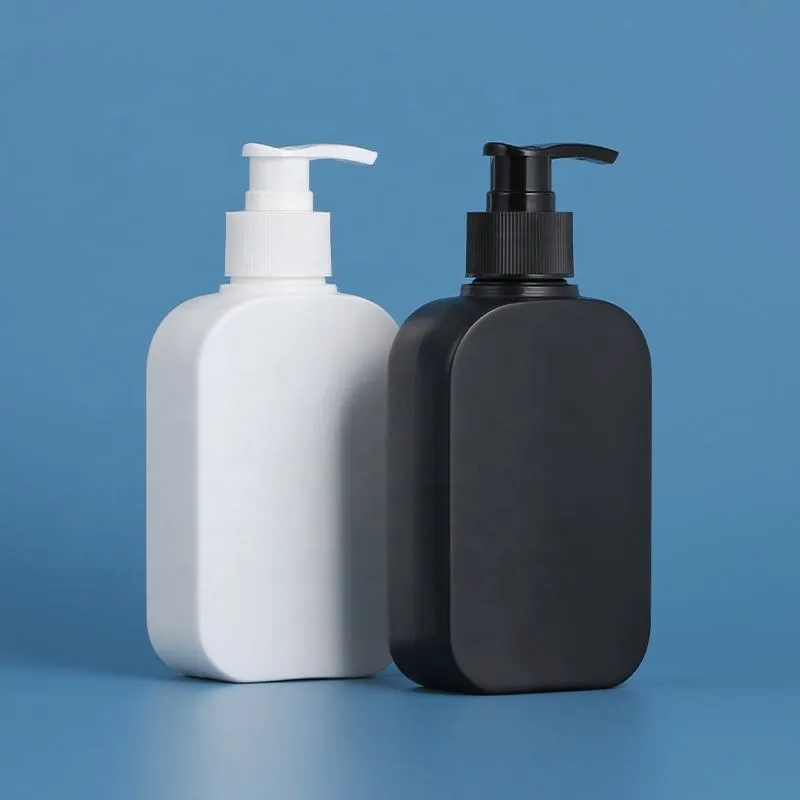
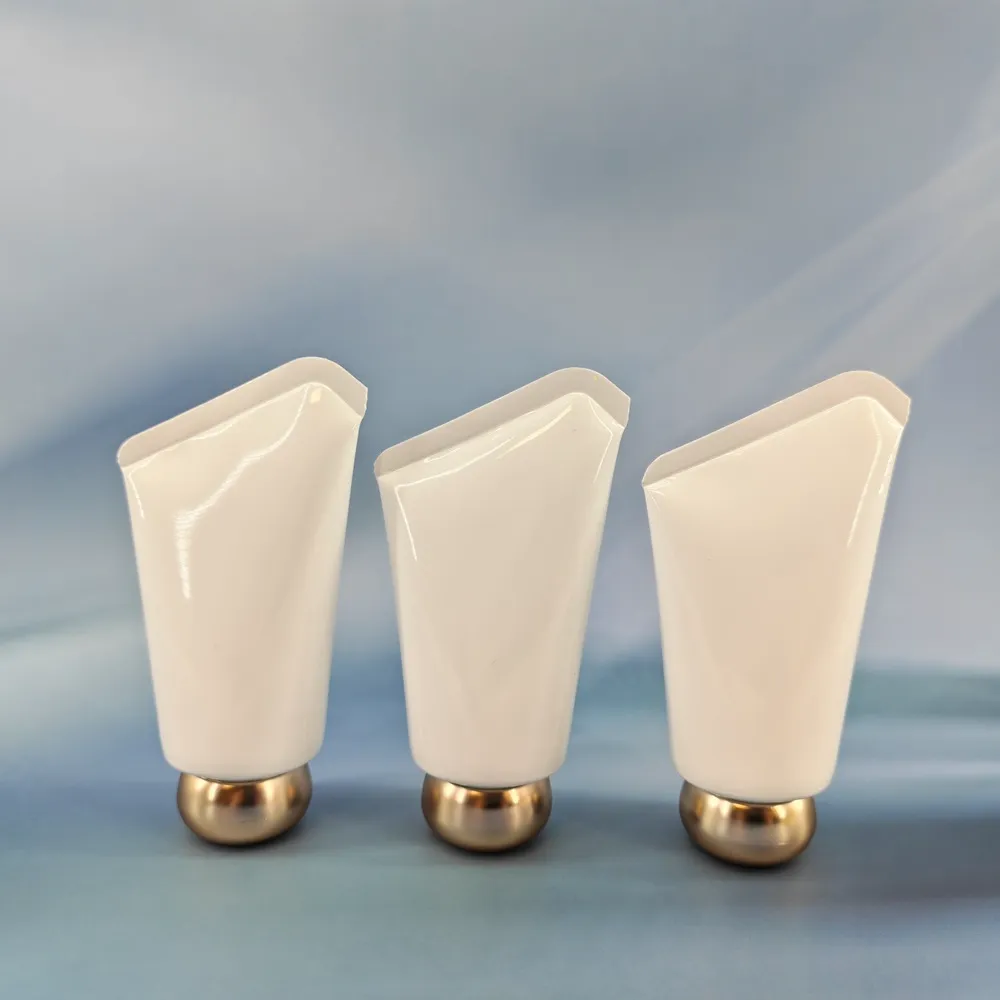
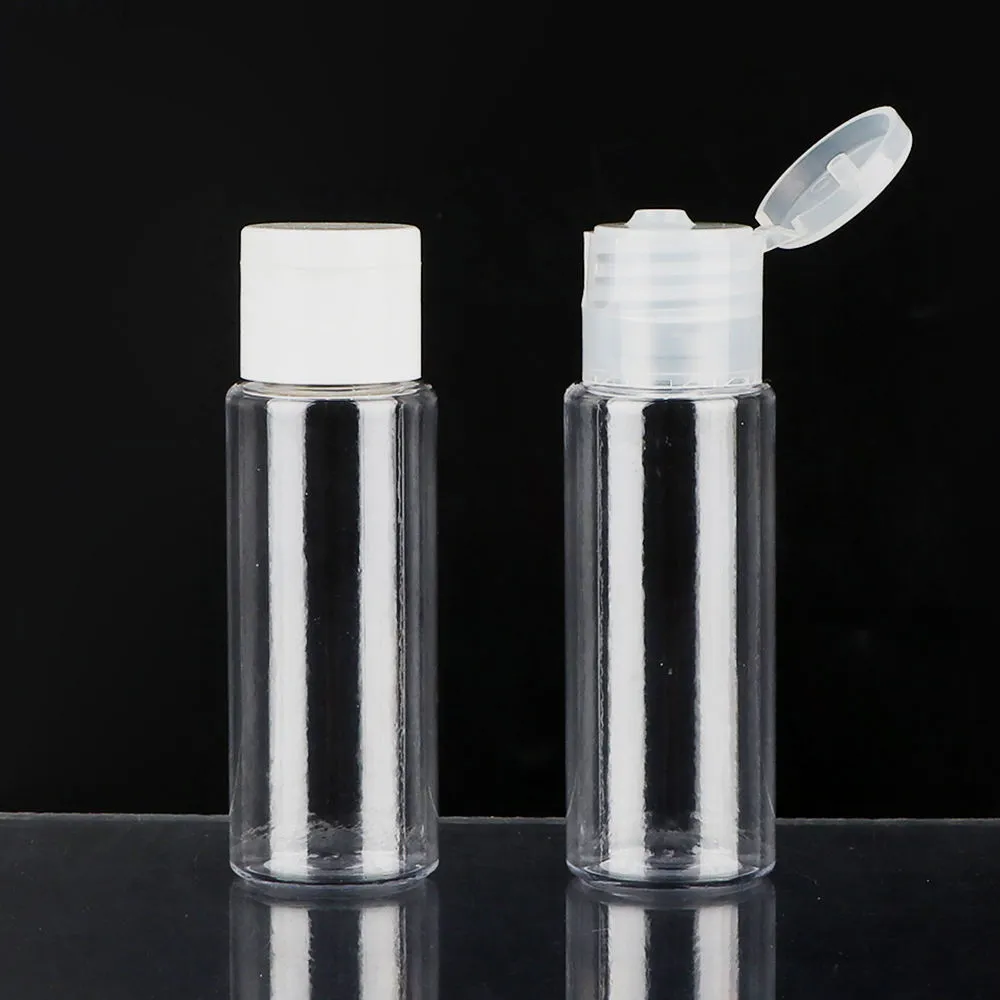
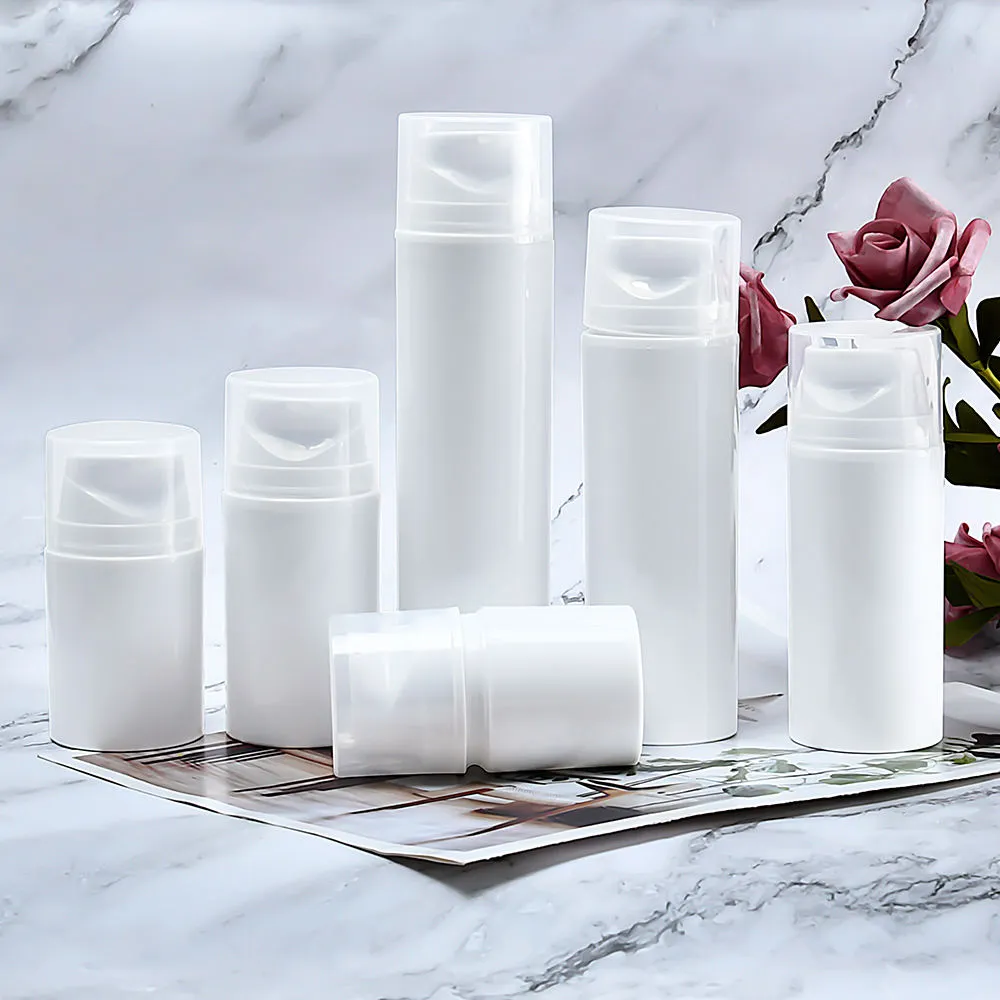
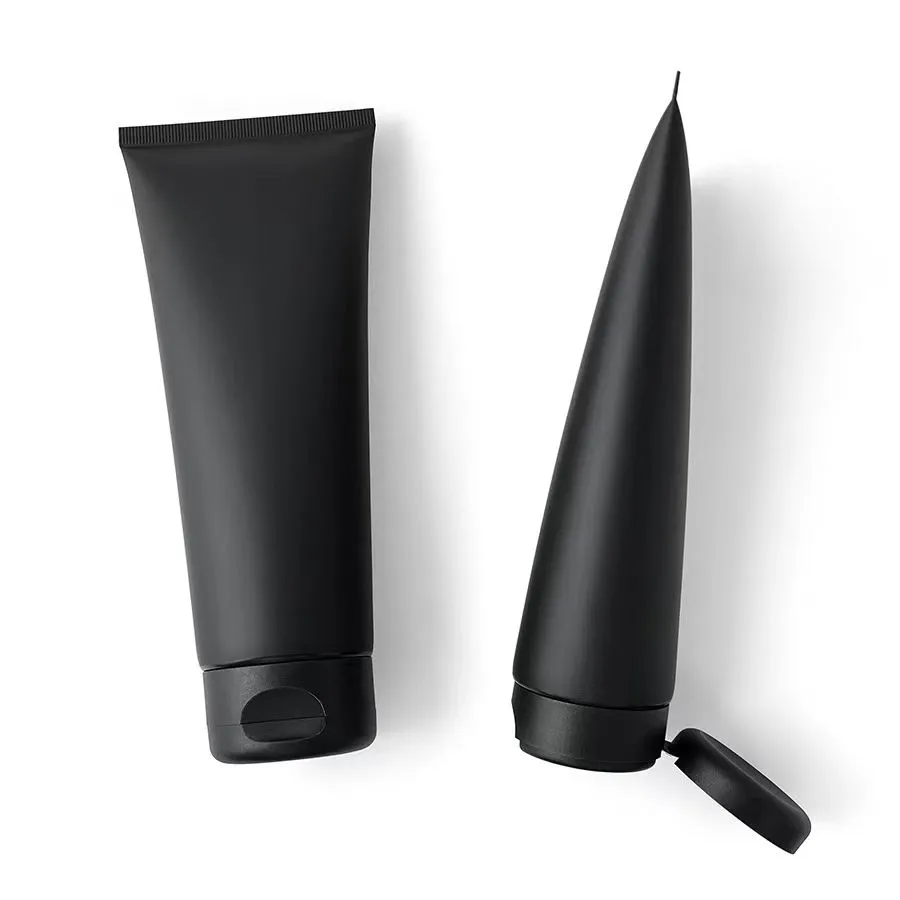
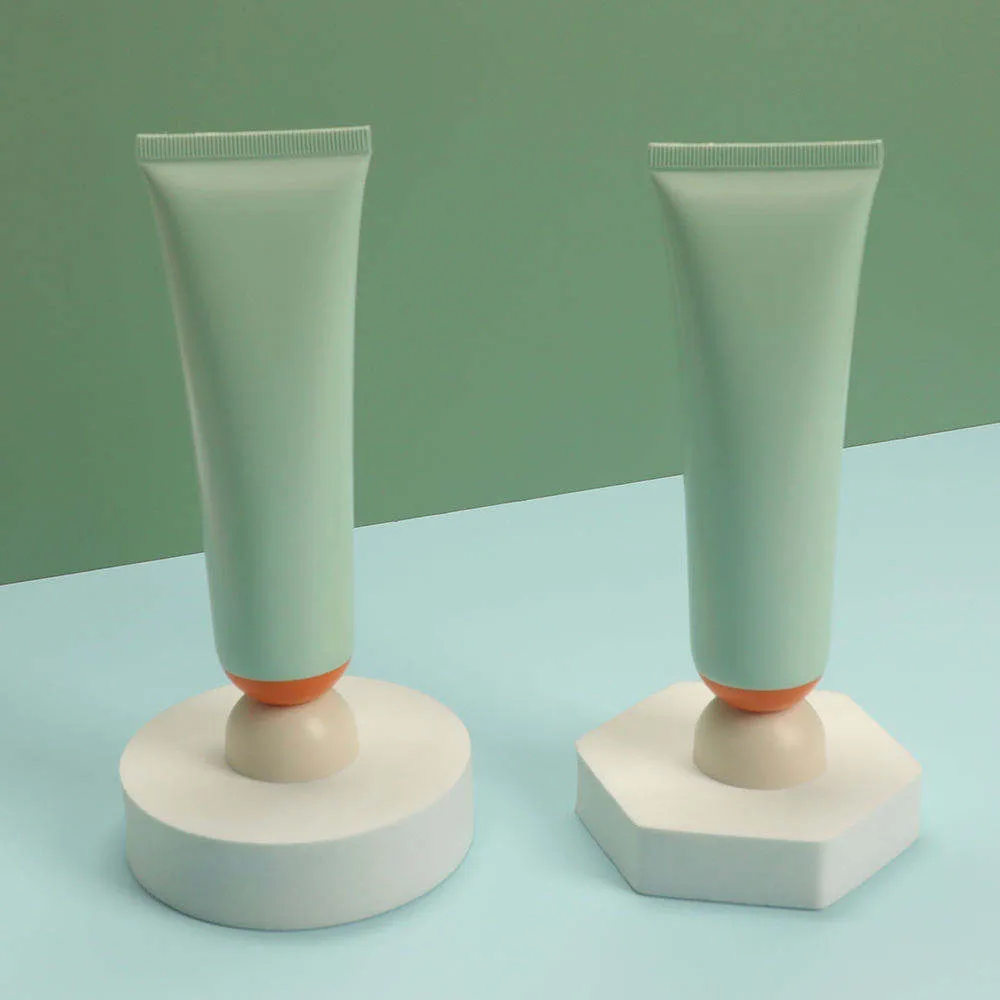
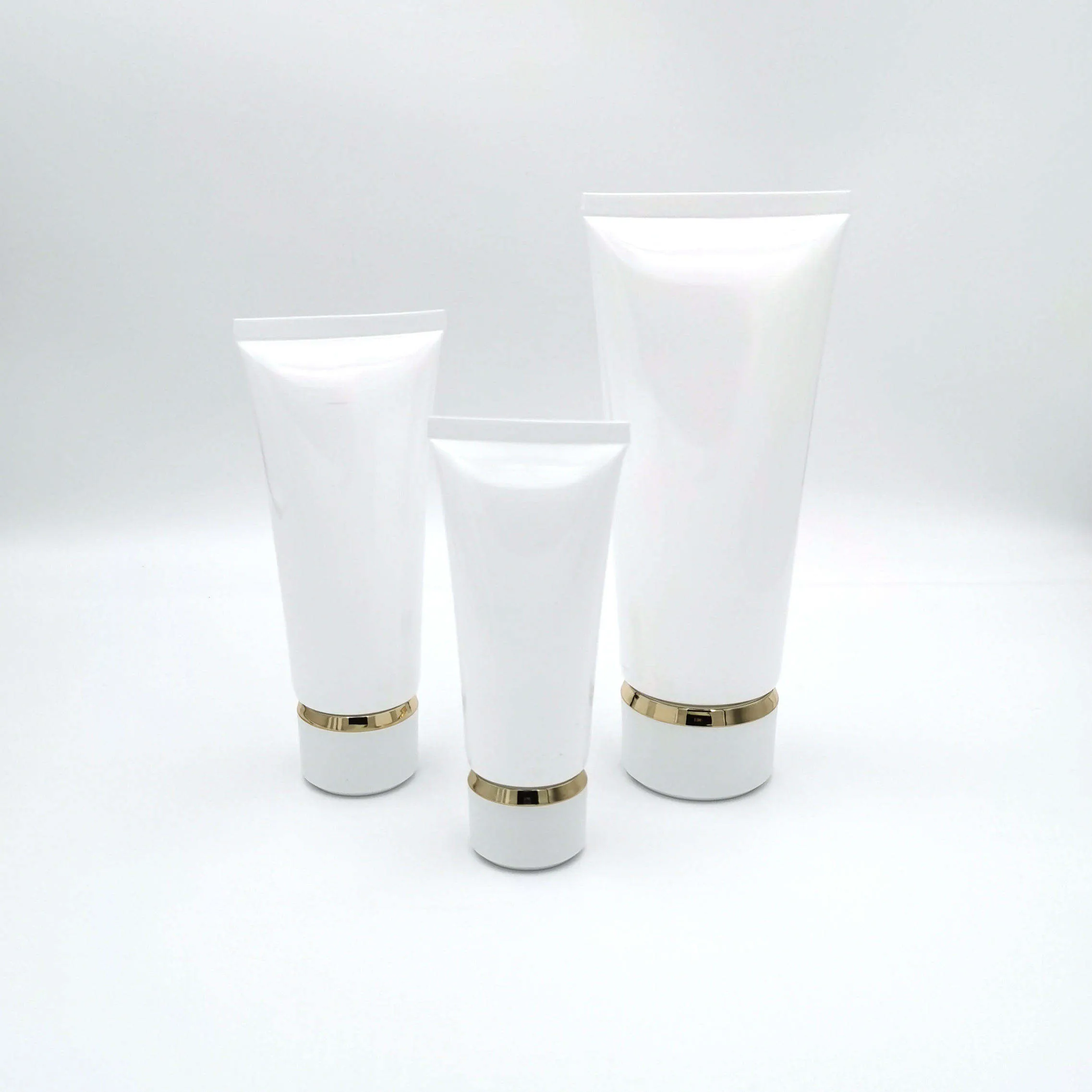
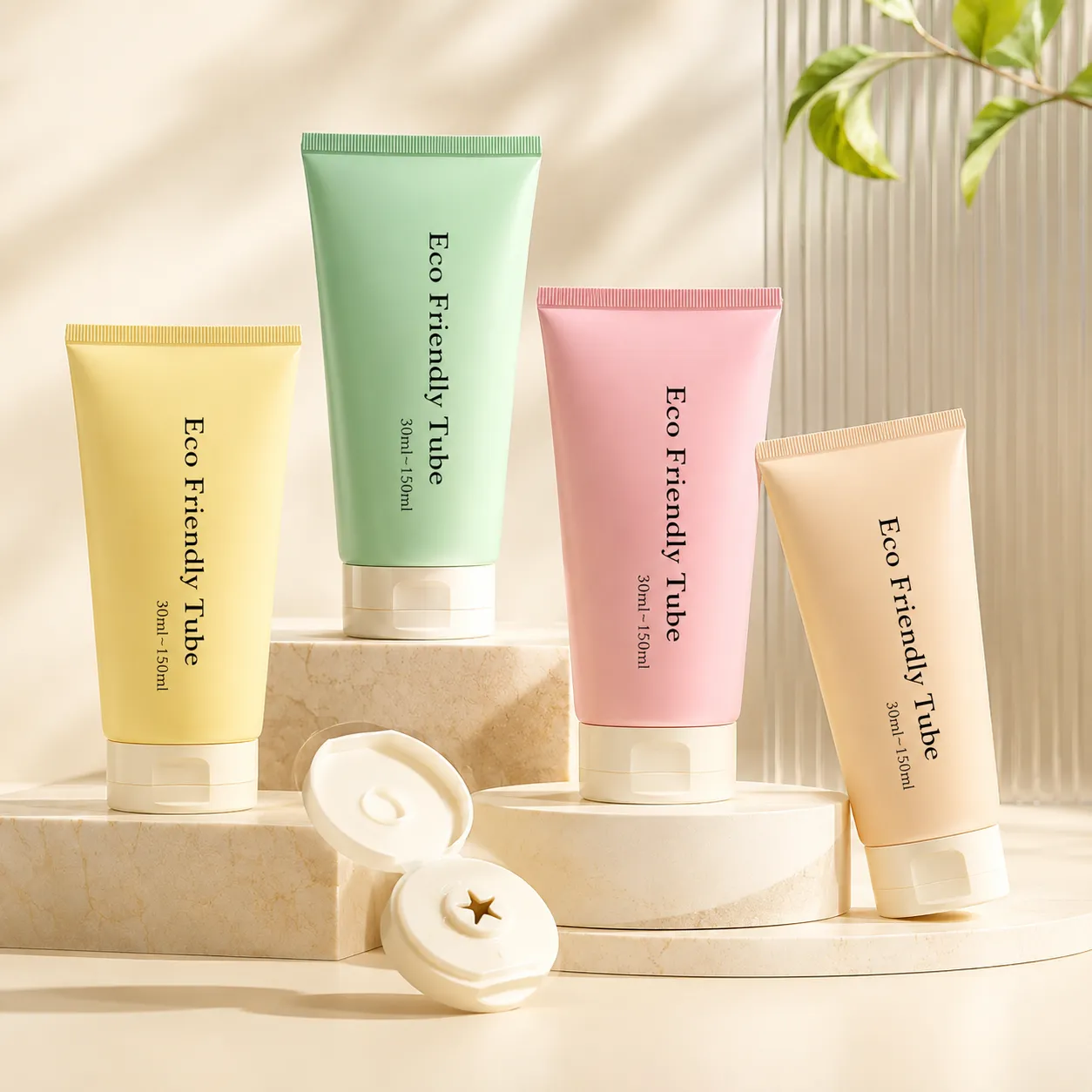
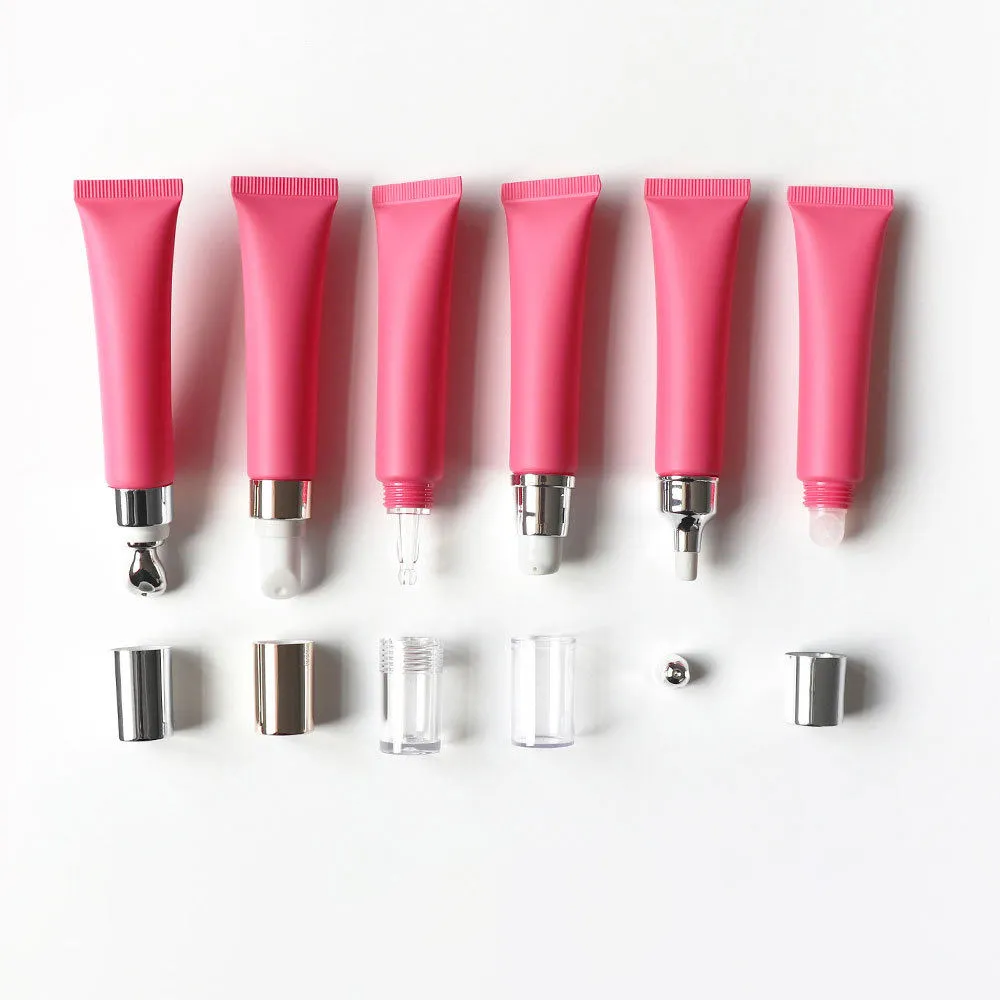
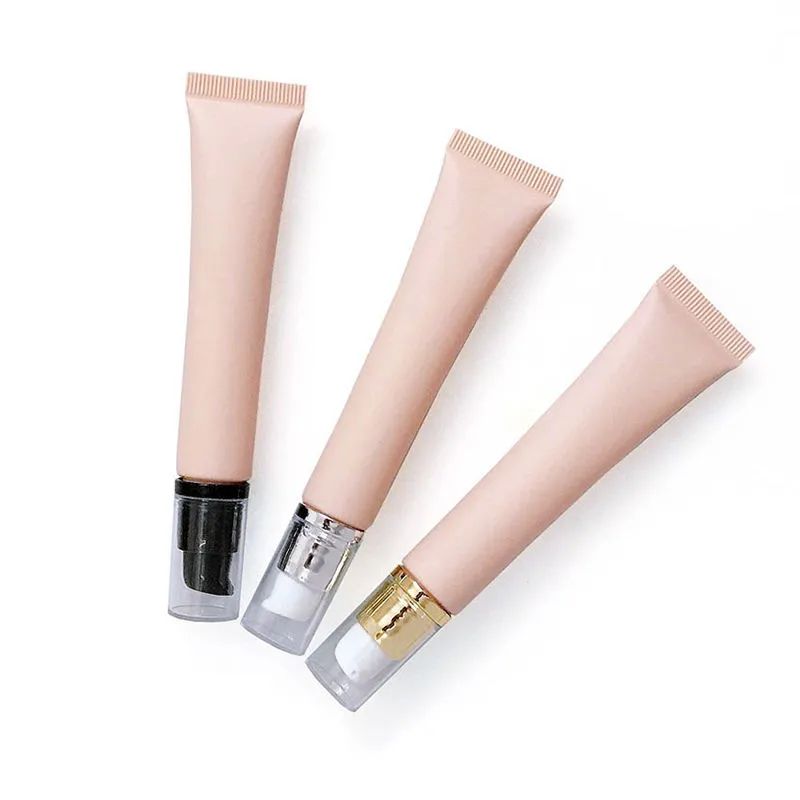
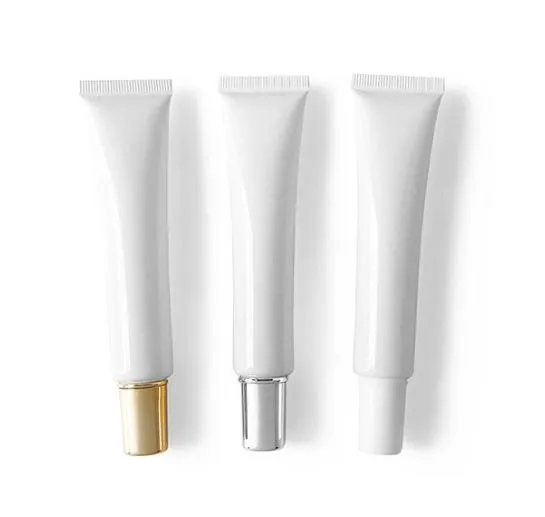

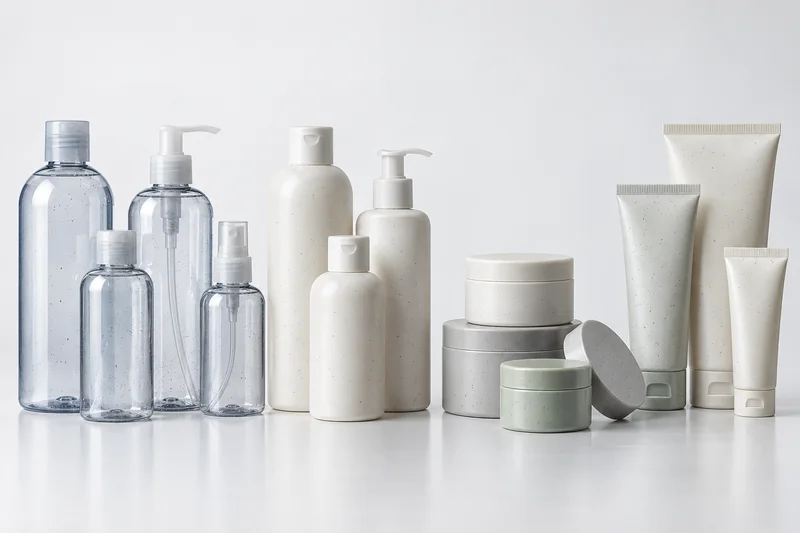
Mainstream PCR Cosmetic Packaging Formats
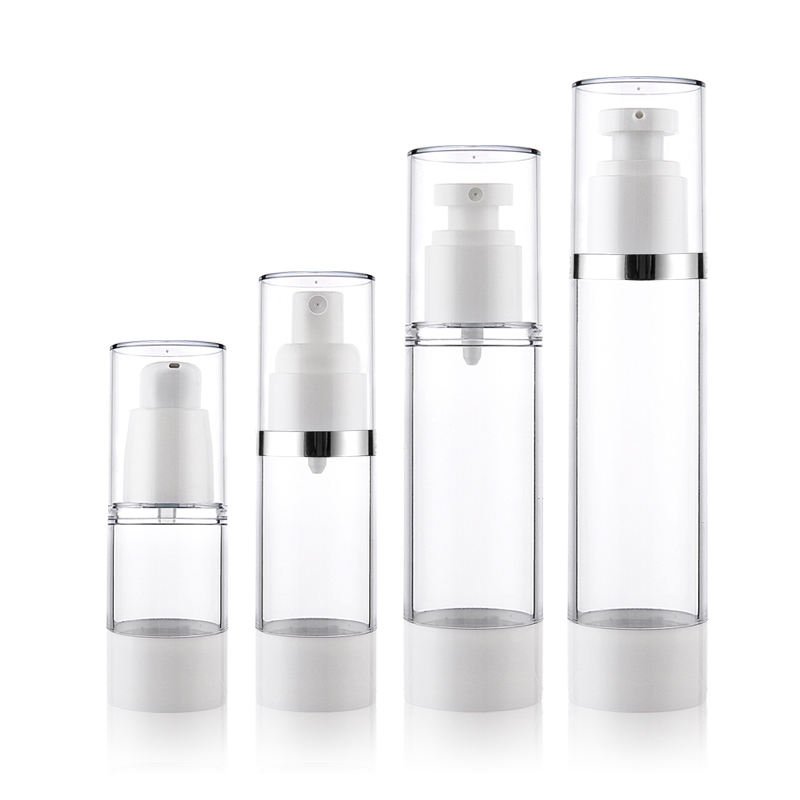
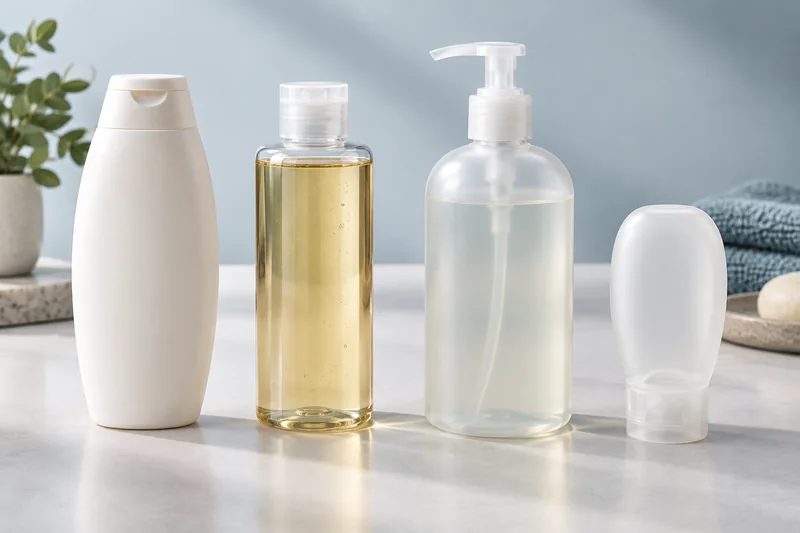
Compare airless pump bottles, cream jars and cosmetic squeeze tubes when selecting the format. Availability of PCR in a body does not establish availability in its shoulder, piston, cap or pump.
rPET, rHDPE, rPP and rPE: Material Comparison
No polymer name proves cosmetic-contact suitability for every formulation. For essential oils, high-alcohol liquids, reactive actives or fragranced products, assess the whole filled package and any relevant migration, extractables or odor risk with your formulation team.
PCR Content, Recyclability and Refillability Are Different Claims
Recycled content
A material-origin claim. Identify post-consumer versus pre-consumer feedstock, the percentage by mass and whether the claim covers the bottle, a layer, or the complete pack.
Recyclability
An end-of-life claim. Collection, sorting, material compatibility, decoration and the intended sales market all matter. A resin code alone is insufficient.
Refillability
A system and durability claim. A removable cap is not proof of a safe refill program; cleaning, repeated closure cycles, contamination and actual refill access need evaluation.
Calculation example: a 20g bottle body containing 50% PCR contributes 10g of PCR. With a 5g virgin cap, the 25g empty package contains 40% PCR by mass, before any additional pump, liner or decoration is included. This is an illustrative calculation, not a Boyu product specification. Agree the denominator and component scope before writing artwork.
Ask for the source classification, resin grade, batch records and mass accounting. An RCS or GRS scope certificate alone does not prove that your exact shipment contains the declared post-consumer percentage. Pre-consumer recycled content and factory rework must not be relabeled as PCR.
Mainstream Capacities and How to Choose a Practical Size
These are common development ranges, not a stock guarantee. The best dimensions are those that fit the filling line, shelf, shipping carton and customer’s hand. Approve a drawing stating body width/diameter, overall capped height, neck finish, fill line, brimful volume and decoration area. There is no universal diameter or height for a 100ml PCR bottle.
Empty Weight and Wall Thickness: What Buyers Should Specify
Exact grams and millimeters are confirmed from the selected mold drawing and approved sample. For example, reducing a 50% PCR body from 20g to 16g would reduce its virgin resin from 10g to 8g, but the lighter design still needs qualification. This arithmetic does not establish a carbon-footprint claim. Carton gross weight must never be substituted for the bottle’s net weight.
Caps, Pumps and Airless Systems
Flip-top and disc-top caps
A plug or sealing surface closes the outlet; threads or snap features secure the cap to the neck. Simple dispensing can reduce component count. Test hinge life, opening force and leakage after repeated use.
Conventional lotion pumps
Pressing the actuator moves a piston and changes chamber pressure; valves direct product outward, while spring return draws product through the dip tube. Prime count, dose consistency and formula viscosity matter.
Airless dispensing
A piston or other airless mechanism compensates for withdrawn product without a conventional dip tube. Match formula flow, filling method and piston travel; do not describe ordinary lotion pumps as airless.
A PCR body can be paired with components that contain no PCR. Ask which parts contact the formula and whether metal is exposed in that path. An “all-plastic” pump still needs its polymer mix and local recycling compatibility assessed. Use the bottle neck-finish guide to align drawings; a matching nominal diameter alone does not guarantee a seal.
Factory Manufacturing: From Qualified PCR Resin to Empty Packaging
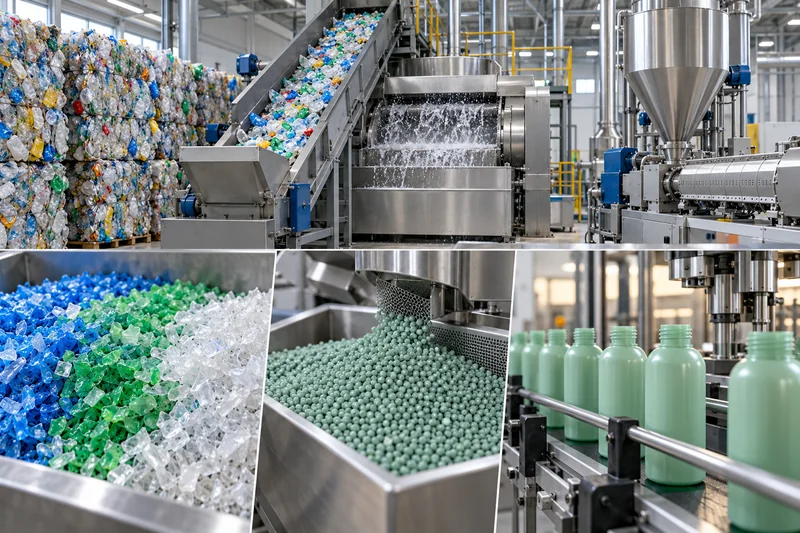
1. Define and qualify the feedstock
Specify polymer, PCR origin, target ratio, color, odor and relevant processing properties. Review the resin supplier’s records and agree which components receive recycled material.
2. Recycle and prepare the resin
Upstream mechanical recycling generally involves sorting, washing, size reduction and melt filtration/pellet preparation. The converter receives qualified resin; this does not imply Boyu owns every upstream recycling operation.
3. Blend and condition
Control batch identity, dosing and approved color masterbatch. Apply resin-specific conditioning; PET moisture control is particularly relevant to processing quality. Unapproved substitutions require change review.
4. Form the selected format
PET bottles generally use preform molding followed by stretch blow molding; HDPE bottles commonly use extrusion blow molding. PP jars/caps use appropriate injection tooling, while PE tube bodies follow extrusion and shoulder assembly routes.
5. Decorate and assemble
Apply the approved print or finish, inspect adhesion and color, and assemble the correct cap/pump/liner. Tube tails remain for the filler to seal unless a different supply arrangement is agreed.
6. Inspect, pack and release
Check drawings, appearance and functional results against the signed specification. Keep lot traceability through packing and issue agreed inspection evidence before dispatch.
Ask the quotation to identify the direct manufacturer and any sourced components or subcontracted decoration. Empty-pack manufacture is separate from formula filling, finished-product stability qualification and the filler’s closure or tube-seal process.
What Can Be Customized?
Color matching uses a physical reference or agreed Pantone target followed by a signed sample. A screen rendering is not a production color standard. Keep resin source, recycled ratio and decoration specification controlled on repeat orders.
Custom Production Workflow and Lead-Time Gates
1. Send the buyer brief
Provide formula category, target markets, capacity, reference dimensions, dispensing route, PCR target by component, quantity and launch date.
2. Select molds and quote
Compare existing options first. Separate body, closure, decoration, packing and any tooling; identify outsourced parts and documentation scope.
3. Approve drawings and artwork
Confirm grams, wall targets, neck interface, print area and claim wording. Changes after approval may affect tooling, samples and delivery.
4. Sample and qualify
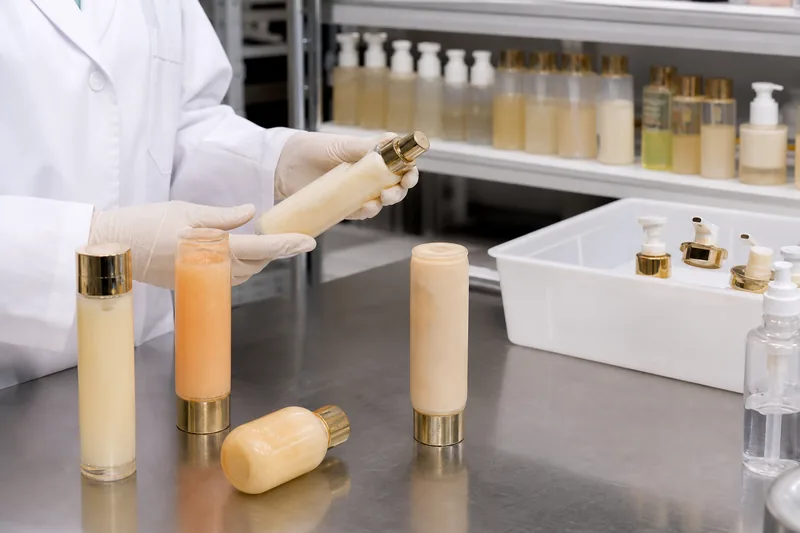
Approve appearance samples and functional samples separately. Use the real formula for compatibility and filled-pack tests; decorative samples do not establish shelf life.
5. Release and monitor production
Start the agreed production schedule after specification/sample approval and deposit. Record incoming resin lots, molding checks and functional sampling.
6. Inspect and dispatch
Complete the release checklist, approve pack-out and shipping documents, then arrange transport. Keep production and transit times separate.
Planning references: customized appearance samples commonly take 7–15 days after confirmation; normal mass production is often planned around 30–45 days after final approval and deposit. New tooling, special PCR grades, laboratory work, sourced components and holidays can extend these periods. Obtain an order-specific milestone schedule; compatibility testing may require a separate timeline.
Quality Control for PCR Cosmetic Packaging
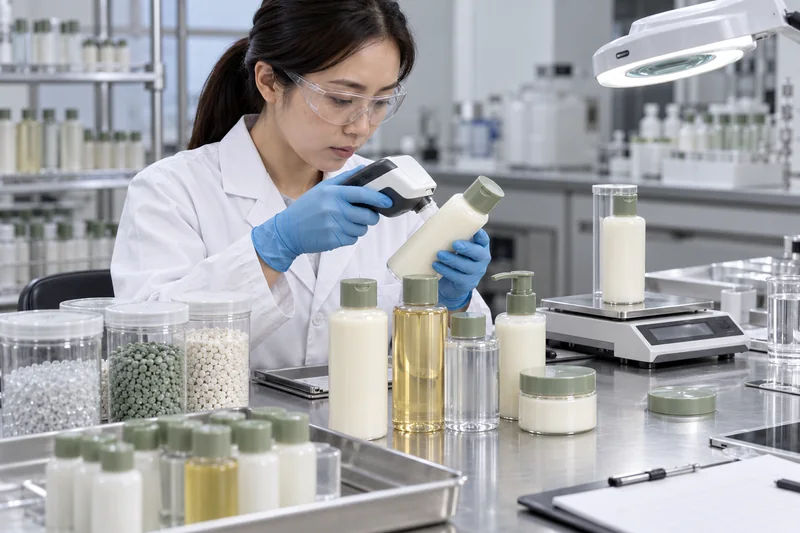
Define critical, major and minor defects, sampling method and acceptance limits in writing. Do not assume a universal “zero-leak certificate” covers every fill and transit condition. Our guide to cosmetic packaging quality agreements helps structure the approval and change-control record.
How to Prevent Leakage and Formula Problems
Leak control begins at the bottle/closure interface. Verify the neck finish, sealing land, cap engagement and gasket before changing application torque. Excessive tightening can damage components; inadequate tightening can leave the seal incomplete. Pumps also need correct dip-tube length, secure locks or clips, and a transport configuration that prevents accidental actuation.
Evaluate actual filled samples upright, inverted and on their sides under conditions representative of storage and distribution. Inspect after temperature exposure and the agreed transport sequence, not only immediately after assembly. Tube projects need the filler’s seal settings, cleanliness of the sealing area and seal-integrity checks included in the plan.
For compatibility, look for swelling, stress cracking, loss of odor or color stability, formula changes, seal deterioration and dispensing changes over time. Testing should use the finished decorated pack and actual formulation. Review packaging compatibility test planning before setting a launch date. A recycled-resin certificate does not replace these tests.
Common PCR Packaging Problems and Practical Solutions
Country and Market Requirements: What to Check Before Ordering
Regulatory reference date: 7 October 2026. The following covers major export markets, not every country or every product classification. Packaging law, producer responsibility, recycled-content evidence, cosmetic-product safety and environmental artwork claims are separate checks. Assign responsibilities to the brand, importer and packaging supplier before approving artwork.
For EU planning, Article 7 distinguishes contact-sensitive PET, contact-sensitive non-PET and other packaging. Its stated 2030 levels include 30%, 10% and 35% respectively, subject to definitions, exclusions and timing provisions. Confirm the applicable category and calculation method; these are not interchangeable purchase specifications.
A Recyclability Review Must Cover the Complete Design
Choose a defined recycling route
Assess PET, HDPE or PP packaging against guidance relevant to the market, such as RecyClass and PET-specific EPBP guidance. A technically compatible resin is only one part of the assessment.
Evaluate every attached part
Review pumps, springs, liners, labels, sleeves, adhesives, pigments and barrier layers. Avoid assuming that a mono-material body makes a multi-component dispenser mono-material.
Check size, sorting and claims
Small packs, large sleeves and certain colors can affect capture or identification. Verify local collection and sorting conditions before claiming that consumers can recycle the pack.
A recycling triangle identifies material; it is not a recycling guarantee. ISO 14021:2026 addresses self-declared environmental claims, not a universal product approval. RCS/GRS address recycled-content chain of custody within their scope; they do not establish formula compatibility or local recyclability. [S11]
Which Documents Should a PCR Buyer Request?
Ask for current, order-relevant documents and confirm the issuing organization, site and scope. Certifications shown on a general supplier website should not be treated as evidence for an unrelated model or production partner.
Product Examples and Application Scenarios
Published product example: PCR PE tube
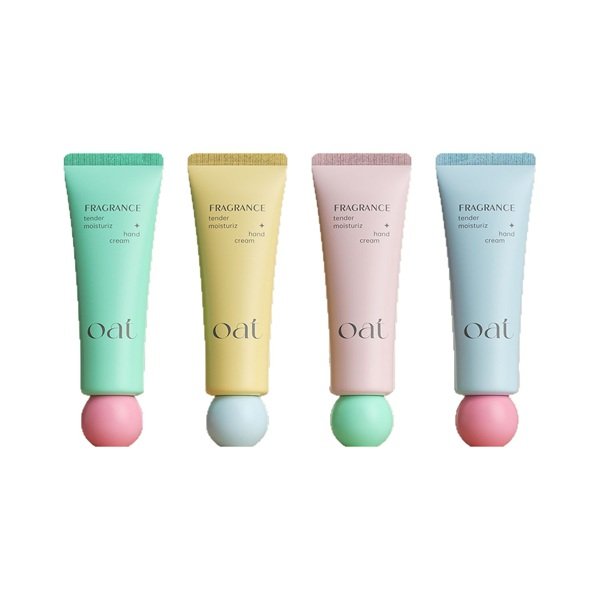
Boyu lists a 50/100ml PCR PE cosmetic tube with a slim flip-top cap. This is a relevant starting point for portable skincare. Confirm the selected model’s PCR ratio, layer construction, cap material and final seal process. A catalog listing is not evidence of a completed customer qualification.
Illustrative application: 150ml facial toner
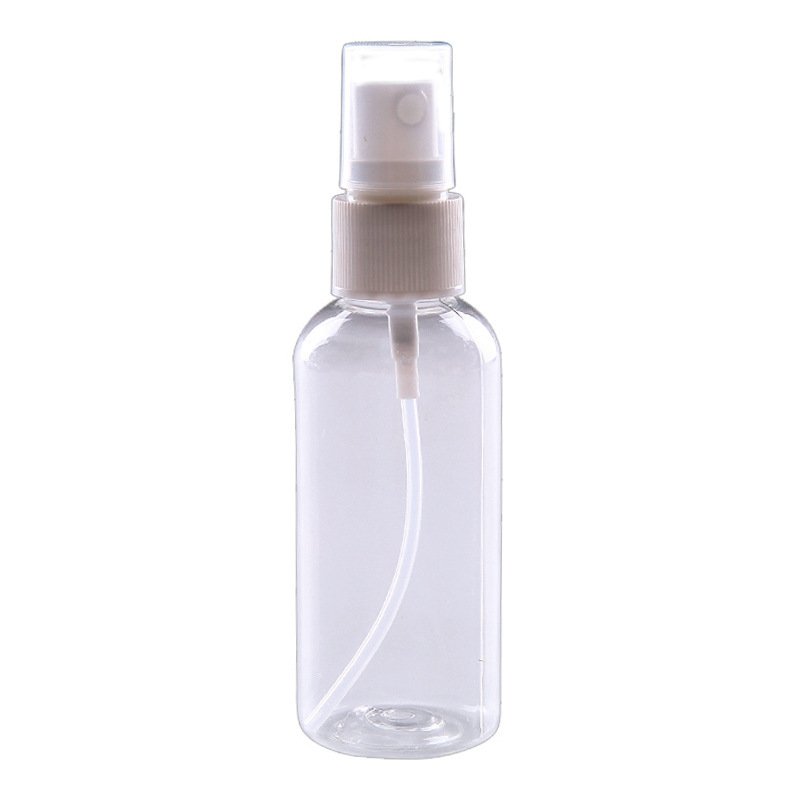
An rPET bottle may suit a brand that wants visible contents. Compare acceptable tint and haze, then choose a dispensing cap or sprayer based on viscosity and use. Approval would require formula compatibility, leak tests and substantiated body-specific PCR claims.
Illustrative application: 300ml body wash
An rHDPE body with an appropriate closure may suit wet-use handling. Review squeeze recovery or pump stability, label adhesion and filled-pack drops. This is a proposed development scenario, not a reported customer order or measured result.
MOQ, Pricing, Packing and Repeat Orders
The standard Boyu planning MOQ is 10,000 pieces per design, subject to model and project confirmation. PCR grade sourcing, color, artwork and component suppliers can create separate minimums. Ask whether a combined order can share a resin/color batch; do not assume that different sizes or printed designs share one MOQ.
Request a comparison using the same capacity, weight, components and decoration: virgin reference, proposed PCR ratio and any higher-PCR alternative. Price drivers include qualified feedstock, cosmetic appearance requirements, rejects, tooling, decoration, testing and packing. PCR is not automatically cheaper than virgin resin.
For export, agree carton count, dimensions, net/gross weights and protection for printed surfaces. Confirm the Incoterm, named place or port, included handling and transit assumptions in the quotation. On repeat orders, keep reference samples and require approval before changing resin source, recycled ratio, mold, color or dispenser. For a defect claim, retain lot labels, quantities, photographs and failed samples for investigation.
PCR Cosmetic Packaging FAQ
Can the entire cosmetic package be 100% PCR?
Only when every claimed component and the accounting boundary support that statement. A 100% PCR bottle body does not make its pump, cap, liner or decoration 100% PCR. Confirm feasibility and documentation for each part.
Is PCR packaging automatically recyclable?
No. PCR describes material origin. Recyclability depends on the full design, collection and sorting systems, recycling compatibility and the market where the pack is sold.
Which material is best for PCR skincare packaging?
Start with the formula and dispensing format. rPET can suit rigid bottles with visible contents, rHDPE can suit squeezable wash bottles, rPP can suit jars and caps, and recycled PE can suit tubes. Approve the exact grade and finished package.
Can PCR bottles match a white or pastel brand color?
Possibly, but recycled base color can affect the result. Approve a physical color standard and realistic variation limits after trials with the intended resin and PCR ratio.
Will PCR material change the smell of my product?
Odor risk depends on the feedstock and processing. Compare empty resin-derived parts, decoration and filled samples, and include sensory and appropriate analytical checks in qualification.
Can PCR packaging be used with oils or alcohol?
Suitability must be established for the actual formulation, resin grade, seals and dispenser. No generic PCR percentage establishes compatibility with all oils or alcohol-containing formulas.
What capacities and dimensions can I order?
Discuss the common development ranges shown on this page, then select an available mold. Final capacity, diameter, height, weight and wall thickness are confirmed on the approved drawing.
Do heavier PCR bottles perform better?
Not necessarily. Geometry, minimum wall distribution, resin properties and the closure interface matter. Compare drop, top-load, leakage and dispensing results for the proposed designs.
Do I need a new mold?
An existing mold may be suitable when its shape, neck and capacity fit the brief. Structural changes can require new tooling; color or artwork customization alone does not automatically require a new body mold.
What is the MOQ?
The standard planning MOQ is 10,000 pieces per design, subject to project confirmation. Resin, color, artwork and component minimums should be stated separately in the quotation.
How long does production take?
Appearance samples commonly require 7–15 days after confirmation and normal mass production is often planned around 30–45 days after approval and deposit. Tooling, testing, special materials and sourced components can extend the schedule.
Does a GRS certificate prove that my package is safe and recyclable?
No. Check certification scope and order-specific traceability for recycled content. Cosmetic compatibility and recycling claims require separate evidence.
Can the same PCR packaging be sold worldwide?
A common physical design may be feasible, but labeling, producer responsibility, recycled-content rules and recycling infrastructure differ. Review each destination before approving the final pack.
What information is needed for an accurate quotation?
Send the formula category, sales markets, capacity, reference dimensions, component list, PCR target by component, colors, artwork, order quantities, test requirements and delivery destination.
Build a PCR Specification Your Team Can Approve
Send your product category and formula considerations; target sales countries; nominal and commercial fill; preferred format and dimensions; PCR target for each component; color and decoration reference; quantity by size/color/artwork; sample and test requirements; filling method; and required delivery date and destination.
We can review relevant catalog options and prepare an itemized project proposal. Ask the quotation to distinguish confirmed specifications from items still awaiting resin, mold or component validation.
Related Packaging Guides
Standards and Evidence Notes
The market overview draws on the following primary agency and standards sources, reviewed on 7 October 2026. Check their current editions and destination-specific implementation before production artwork is approved. References describe external frameworks; they do not claim that Boyu or every listed product holds these certifications.
[S1] European Commission: Packaging waste / PPWR; Regulation (EU) 2025/40, Article 7
[S2] ZSVR: LUCID registration responsibilities
[S3] Citeo: Info-tri and membership responsibilities
[S4] HMRC: Work out which packaging is subject to Plastic Packaging Tax
[S5] FTC: Environmental Claims—Summary of Green Guides; CalRecycle: SB 343 recycling labels
[S5b] CalRecycle: current recycling-label enforcement notice
[S6] Environment and Climate Change Canada: Federal Plastics Registry
[S7] Japan Ministry of the Environment: Plastic Resource Circulation design system
[S8] Korea Environment Corporation: packaging material/structure assessment
[S9] APCO: Australasian Recycling Label program guidance
[S10] SAMR: GB 23350-2021 standard record
[S11] ISO 14021:2026 environmental self-declared claims
[S11b] Textile Exchange: RCS/GRS; RecyClass design guidelines; EPBP PET guidelines
 English
 Español de Argentina
 Русский
 Italiano
 日本語
 한국어
 العربية
 Français
 Deutsch