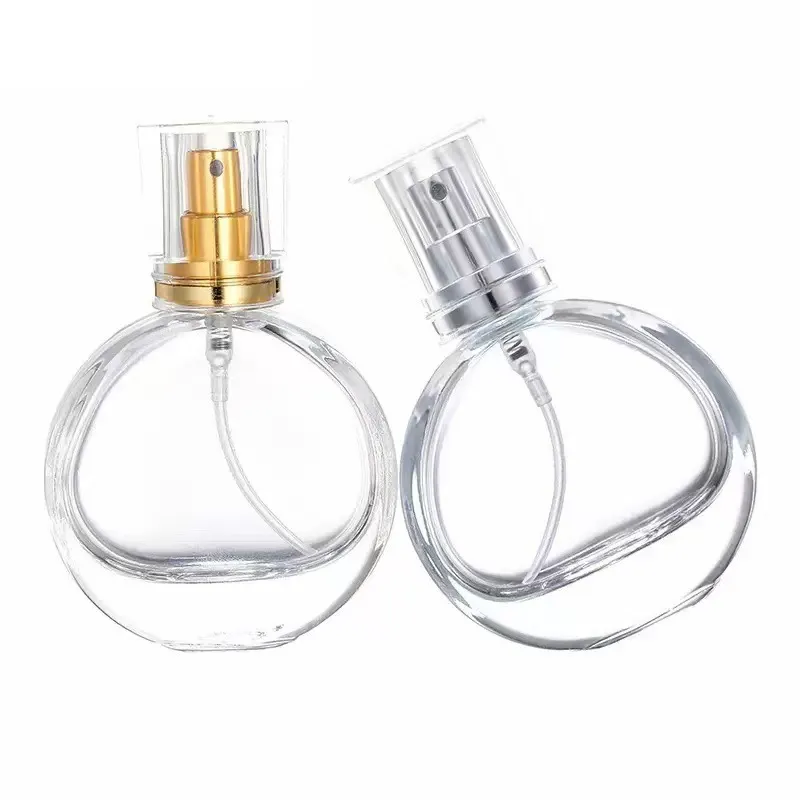
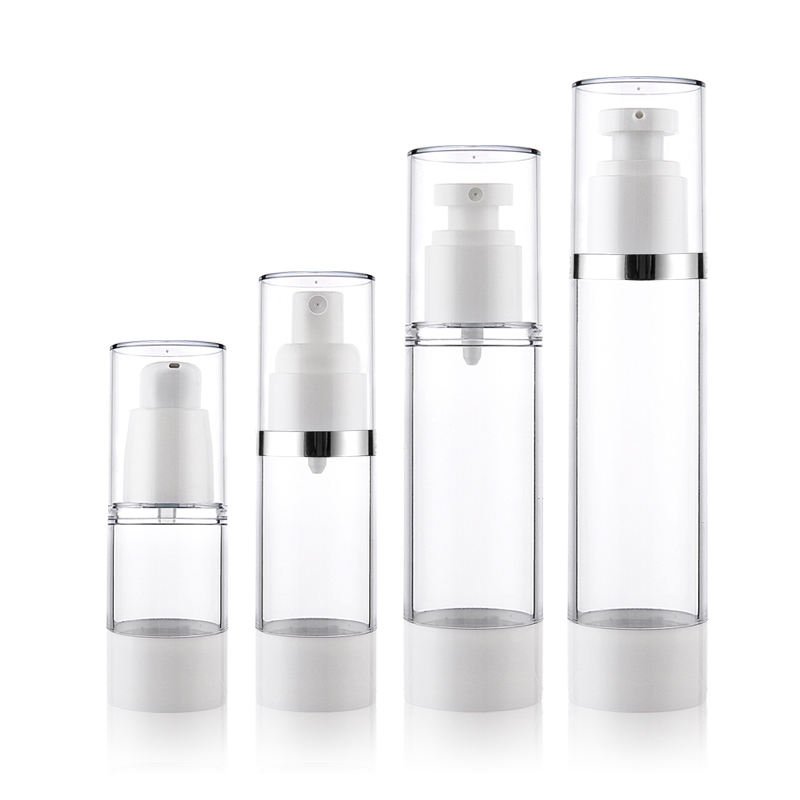
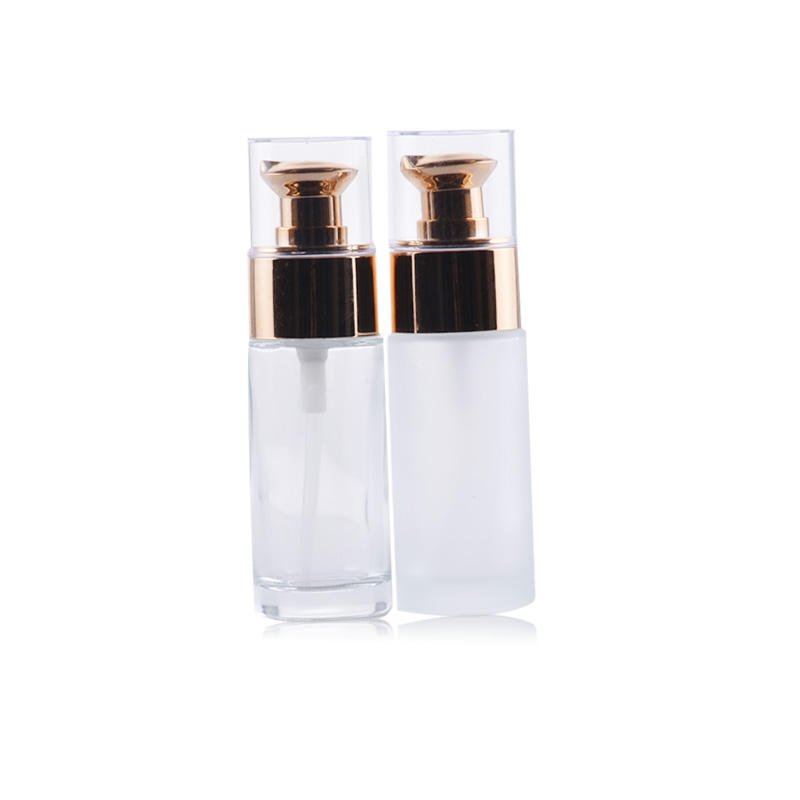
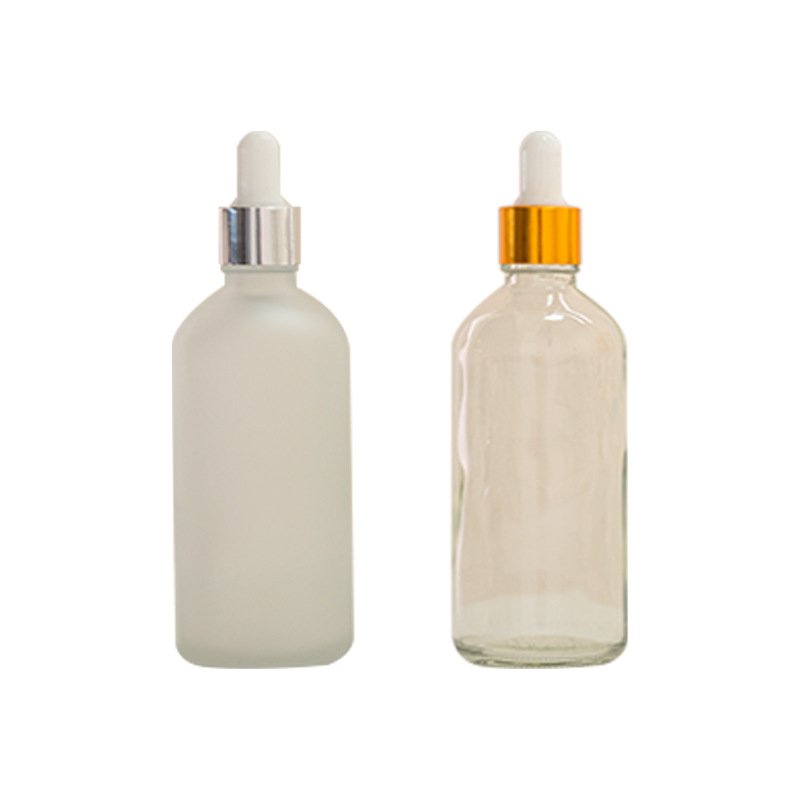
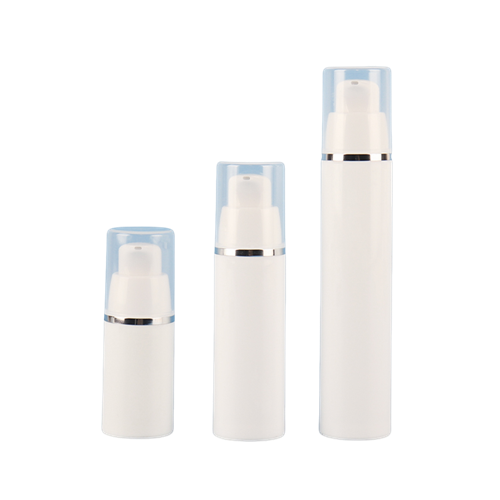
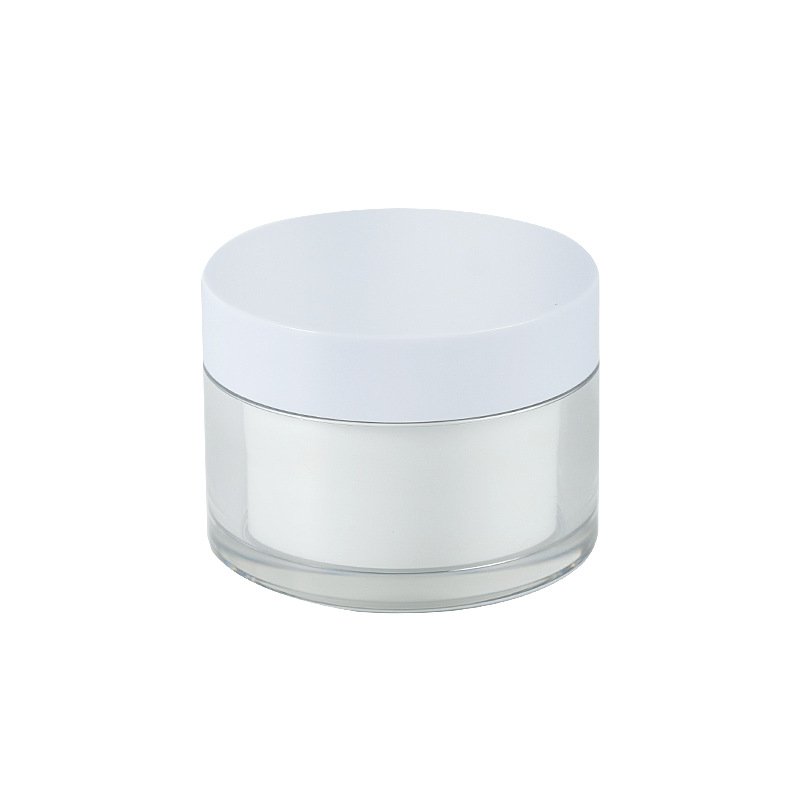
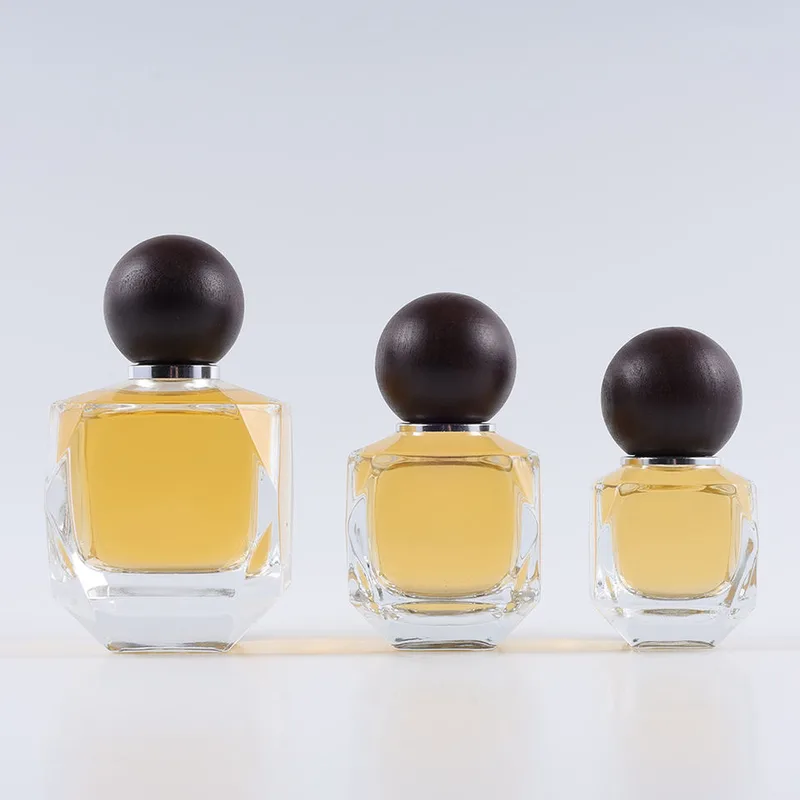
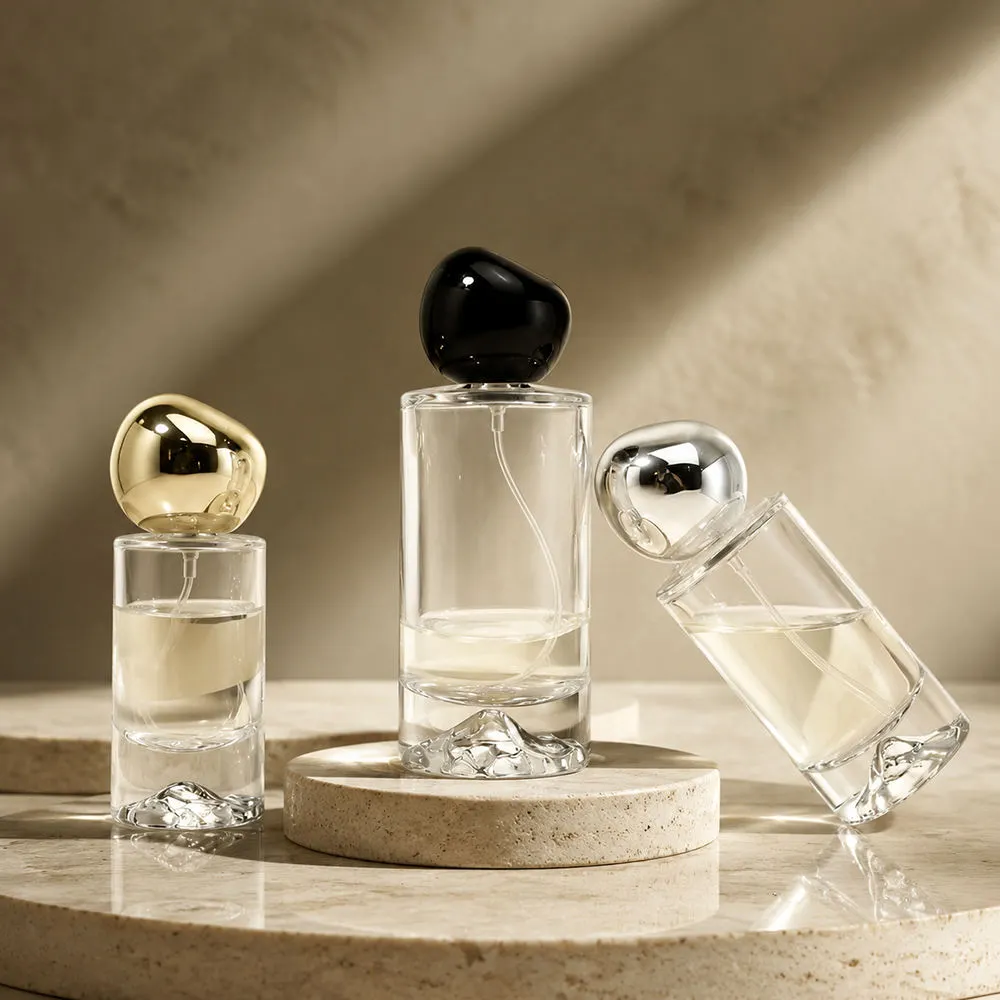
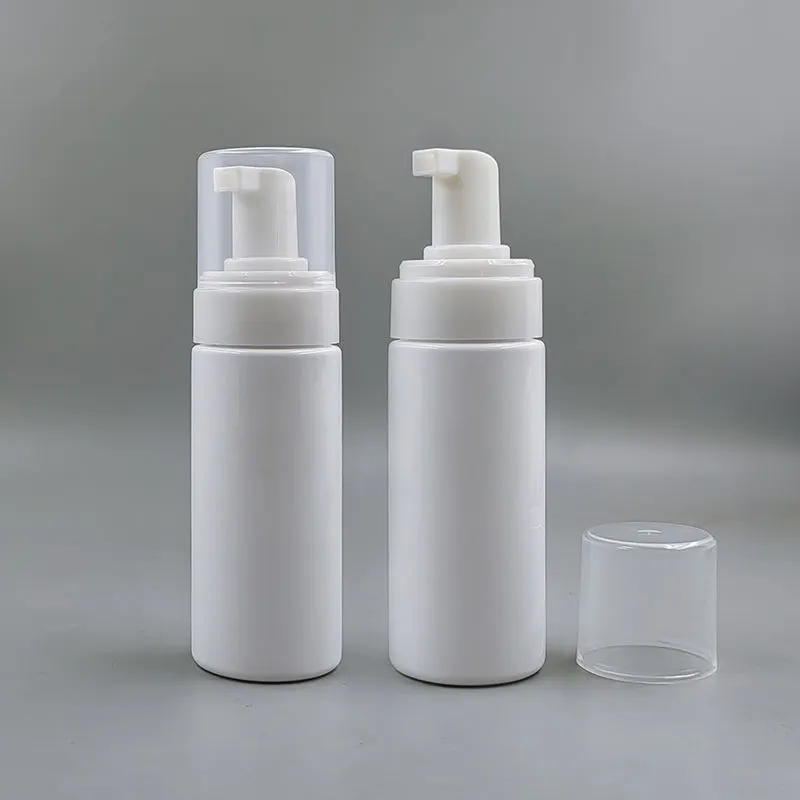
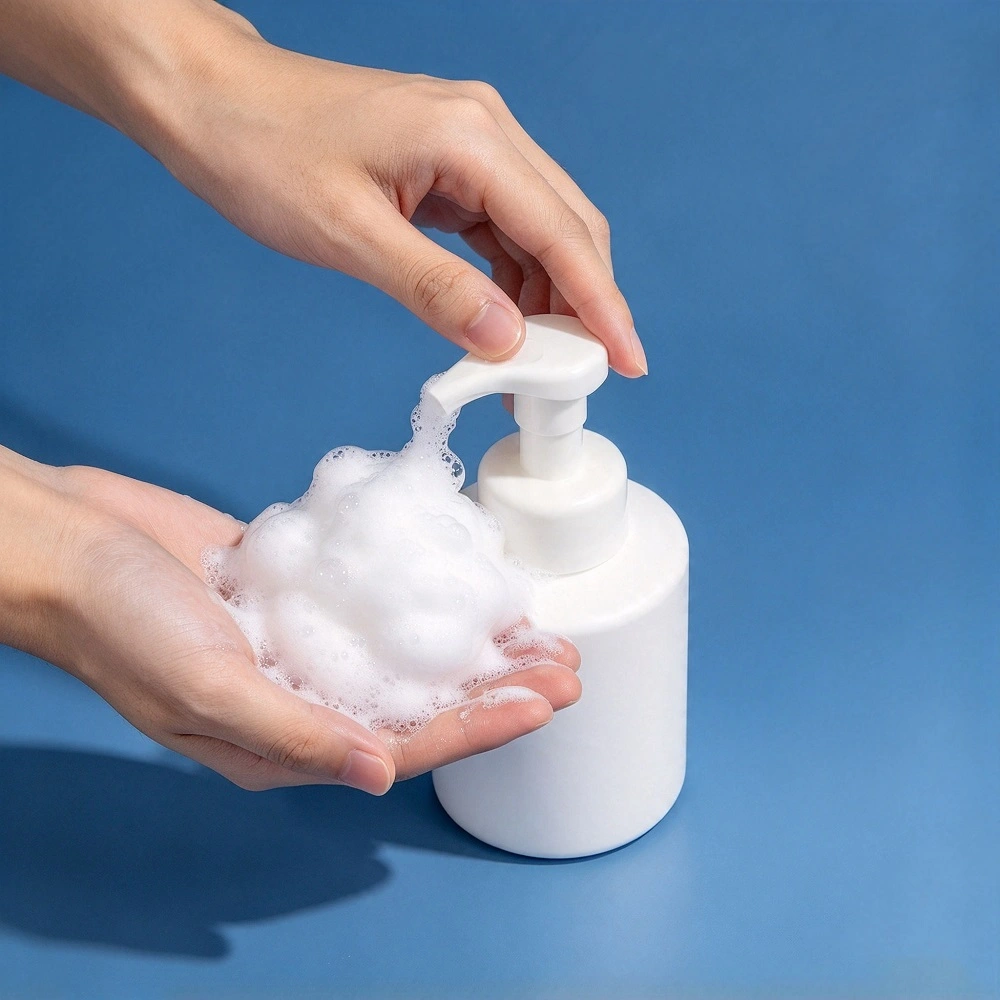
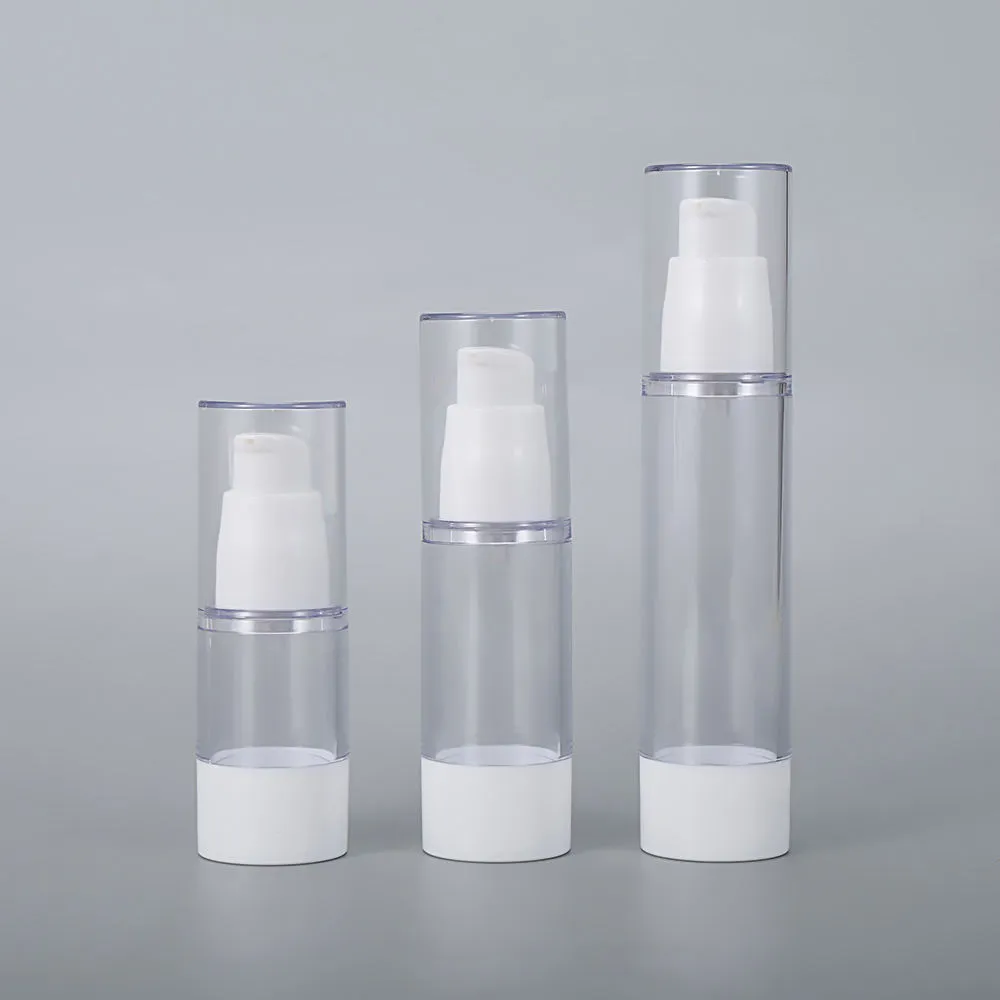
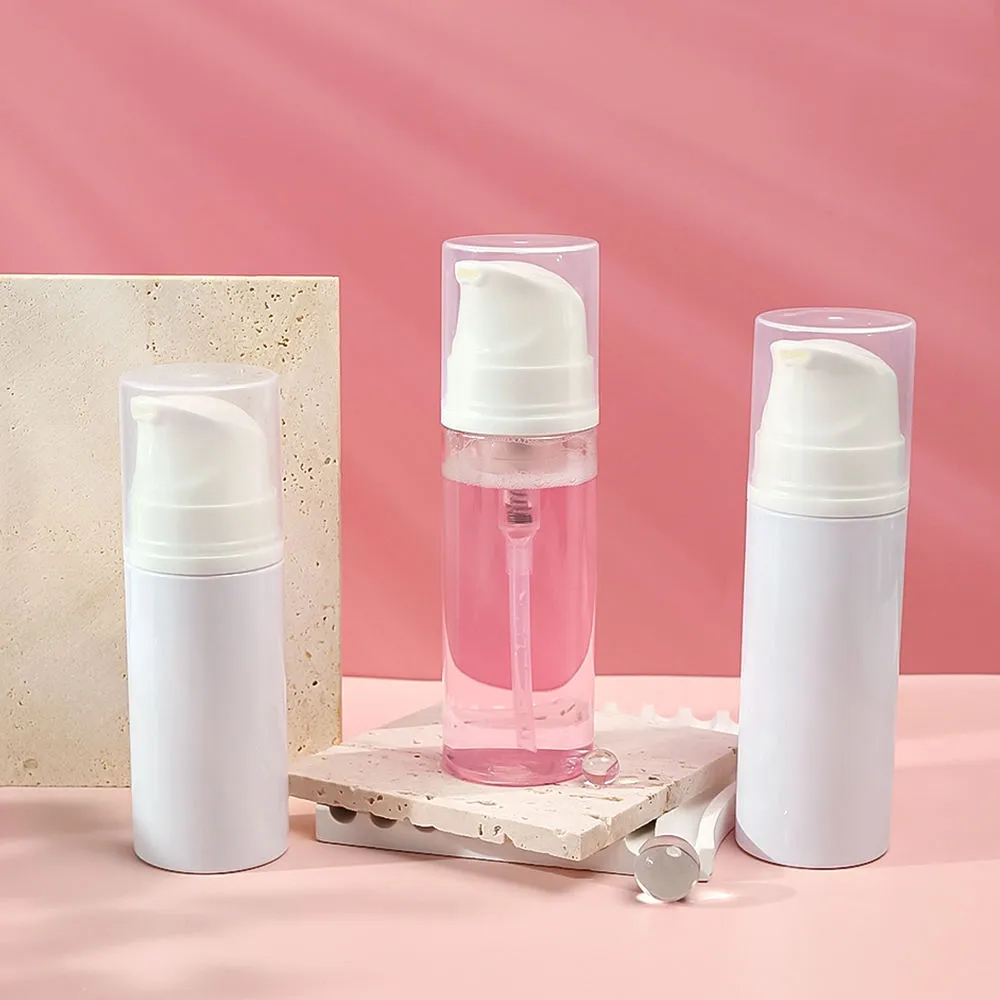
Direct answer: perfume bottle design is a stage-gated engineering and brand process, not simply drawing an attractive shape. The team must define the fragrance, target user, nominal fill, brimful capacity, bottle footprint, glass weight and local wall distribution, neck finish, pump, cap, decoration, label space, filling line and transport pack before releasing production tooling. A render can approve appearance; only production-intent glass, components, decoration and filled-pack tests can approve mass production.
This guide is for fragrance founders, packaging developers, designers and buyers who need a bottle that can be manufactured repeatedly. It explains how to convert a brand idea into controlled drawings and samples, why the fragrance itself matters, how luxury and minimalist design systems differ, and which 2026 trends are useful rather than decorative noise.

What Perfume Bottle Design Actually Includes
Perfume bottle design translates four things into one manufactured object: the fragrance experience, brand identity, user interaction and industrial constraints. The visible silhouette is only one layer. The design is incomplete until the bottle works with the fragrance, pump, cap, label, carton, filling equipment and intended distribution environment.
A useful way to divide the work is:
- Brand design: the idea, emotion, recognition cues, price position, collection architecture and visual language.
- Industrial design: shape, proportion, grip, stability, cap interaction, refill behavior and how the object feels in use.
- Packaging engineering: capacity, glass distribution, neck finish, component fits, tolerances, filling-line handling and transport protection.
- Graphic and decoration design: color, coating, label, screen print, hot stamp, embossing and the space required for legal information.
- Production design: mold construction, parting lines, draft and release, inspection datums, cavity consistency, decoration fixtures and repeat-order controls.
The Perfume Bottle Design Process: 10 Stage Gates
The stages below are sequential, but teams often loop back after feasibility reviews or testing. The important control is that each stage has a deliverable and an approval owner.
| Gate | Work completed | Approval evidence | Do not proceed until |
|---|---|---|---|
| 1. Business brief | Market, price position, quantity forecast, target cost, launch date and channels | Signed project brief | The commercial boundaries are realistic |
| 2. Product brief | Fragrance type, color, nominal fill, use pattern, shelf life and markets | Formula/package risk list | The actual product requirements are known |
| 3. Design strategy | Audience, brand codes, collection logic, luxury language and use context | Design principles and mood direction | Choices can be judged against a common strategy |
| 4. Concept routes | Several silhouettes, component families and decoration routes | Shortlist with trade-offs | The team has not committed to one untested idea too early |
| 5. Feasibility | Capacity, footprint, neck, glass distribution, mold release, decoration and line review | Factory feasibility report and revised CAD | Critical risks have a design response |
| 6. Prototype | 3D model, physical form model, cap/hand interaction and carton fit | Versioned prototype approval | Proportion and usability work at physical scale |
| 7. Tooling | Trial mold and component tools, ownership and maintenance terms | Released tool drawings | The design baseline is frozen |
| 8. Trial glass | Dimensions, capacity, weight, local walls, appearance, annealing and component fit | Bare-bottle report and signed samples | The actual glass meets the agreed specification |
| 9. Decorated pack | Color, print, coating, pump, cap, filled compatibility, line and transport trials | Golden and limit samples; test records | The complete system passes defined criteria |
| 10. Production release | Cavity approval, first-off inspection, packing specification and change control | Controlled production standard | Mass production can be compared with the approved baseline |
The related Boyu guide to the glass perfume bottle manufacturing process explains what happens after design release—batching, forming, annealing, inspection and decoration. This article stays upstream: it defines what the factory must make and how it will be approved.
Should the Bottle Be Designed Around the Fragrance?
Yes. The fragrance influences material compatibility, light protection, headspace, pump selection, dose, visibility and the story the bottle communicates. Designing before the formula is stable is possible, but it creates assumptions that must be recorded and retested when the formula changes.
| Fragrance/product variable | Design consequence | Evidence to obtain |
|---|---|---|
| Hydroalcoholic fine fragrance | Pump gasket, dip tube, collar coating, print and adhesive must tolerate formula contact or vapor exposure | Filled compatibility, leakage, mass change and spray tests |
| Oil-based perfume | Viscosity and application may favor a roller, dropper or qualified pump rather than a standard fine-mist assumption | Dose/application trials with the actual oil |
| Colored or light-sensitive formula | Clear glass may expose color changes; tinted glass, coating, carton or controlled display may be evaluated | Stability study in the intended package and light conditions |
| High-value concentrate | Dose consistency, priming, drips, evaporation and residual product become more commercially important | Pump output distribution and evacuation/residual assessment |
| Fragrance family and concept | Color, translucency, form and tactility can reinforce the story, but should not override function or stereotype the customer | Target-user concept testing and production samples under retail lighting |
Compatibility is a system question. Glass may remain stable while a gasket swells, a dip tube stiffens, a metal finish discolors, ink loses adhesion or a glued decorative part fails. Use Boyu’s full cosmetic packaging compatibility protocol as a planning reference, then write product-specific conditions, durations, orientations and acceptance criteria.
Capacity, Bottle Size, Glass Weight and Wall Thickness
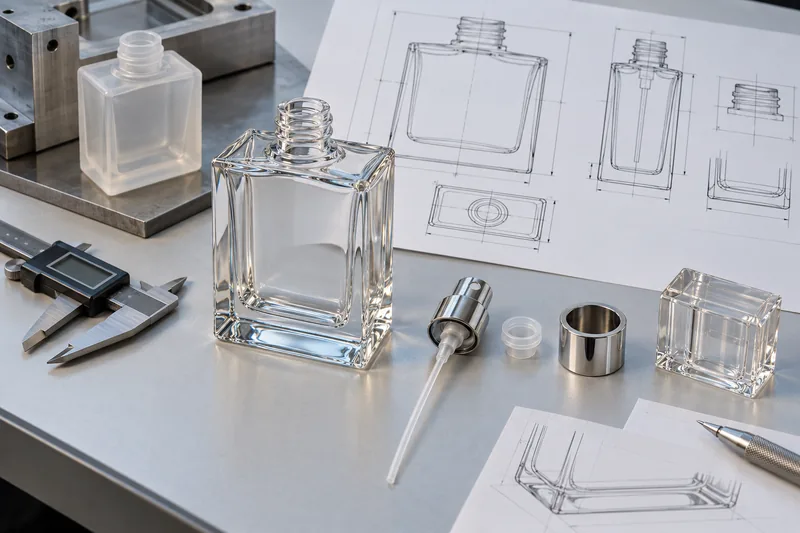
These four variables are connected but not interchangeable. A 50 ml commercial fill does not define the bottle’s external size, empty-glass weight or local wall thickness. Two 50 ml bottles can have very different bases, shoulders, footprints and mass.
Nominal fill, brimful capacity and headspace
The nominal fill is the quantity sold to the customer. Brimful capacity is the internal volume when the container is filled to the brim under a defined method. The difference is not simply “spare space”: it must accommodate the intended fill level, pump insertion/displacement, normal process variation and product behavior without making the bottle look underfilled or causing overflow.
ISO 8106:2004 provides a gravimetric method for determining glass-container capacity and checking it against specification limits. The selected brimful range and fill-height appearance are project specifications. Boyu’s article on brimful capacity versus nominal capacity explains the calculation in greater detail.
Total glass weight is not a wall-thickness specification
A weight target controls the total glass mass, not where the glass goes. A bottle can meet its gram target yet have a weak shoulder, uneven heel or excessive decorative base. Conversely, a lighter bottle can perform well when geometry, glass distribution, annealing and transport protection are engineered together.
Define empty-glass weight and tolerance separately from minimum/local wall measurements at named sections: body panels, corners, shoulder, heel, base and finish. Use a drawing or section diagram to identify measurement locations. Do not copy a universal online thickness range into a purchase order; the safe, manufacturable values depend on geometry, process, use and validated performance.
External dimensions control more than shelf appearance
- Footprint and center of gravity affect stability on conveyors, vanities and retail testers.
- Overall height affects carton efficiency, filling-line clearances, case count and shelf fit.
- Grip width and edge radii affect one-handed use, especially with wet or smaller hands.
- Decoration panels need sufficient flatness or controlled curvature for the chosen print, label or foil process.
- A family of sizes must look related without simply scaling every dimension; neck, cap and wall constraints may not scale proportionally.
For a format-specific example, Boyu’s 50 ml perfume bottle engineering guide separates commercial fill, brimful capacity, component weight, glass weight and local wall controls.
Design the Neck, Pump, Dip Tube, Cap and Filling Line Together
The neck finish is a functional interface, not a small detail to add after the silhouette. It influences sealing, pump attachment, collar appearance, cap geometry, refillability and the filler’s assembly equipment. CETIE publishes geometry documents for glass flacons, including pump finishes, and a crimping guide for aluminium-ferrule pumps. Those references do not eliminate qualification: the exact bottle, pump, gasket and crimping setting must still be tested together.
A safer component lock order
- Define the fragrance, application and target dose.
- Select a pump family and gasket/material route that can be qualified with the formula.
- Freeze the bottle finish drawing and attachment method with the pump supplier.
- Design the collar and cap around actuator clearance, retention, alignment and transport protection.
- Set dip-tube material, measurement method, finished length, cut and orientation using the actual bottle interior.
- Validate filling, insertion, crimping or torque, cap application and coding on the intended line.
A cap can be visually beautiful yet fail in use by wobbling, rubbing the collar, activating the pump during transport or requiring excessive removal force. Specify the interaction, not only the material and color.
How to Design for Different People, Ages and Gender Identities
Start with behavior and context, not clichés. “Women like curves” or “men prefer black rectangles” is too broad to guide a durable product. Fragrance users may interpret familiar gender codes, but niche and unisex brands often build identity around mood, place, material, craft or memory instead. Test the concept with the actual market rather than treating demographic labels as a design formula.
A recent small study of one perfume brand found age-related differences in packaging perception but no significant difference between the gender groups it sampled. That result is useful as a warning against assumptions, not a universal conclusion. Another body of design research shows that fragrance packaging actively constructs gender meaning; it does not merely reflect fixed preferences.
| Audience/use context | Design priorities | What to test |
|---|---|---|
| Discovery and first purchase | Small format, clear scent identification, safe cap, easy trial and coherent link to full size | Legibility, leakage, dose, unboxing and format recognition |
| Niche/DTC buyer | Distinctive one-second silhouette or detail, thumbnail clarity, storytelling and shipping resilience | Mobile imagery, user-generated-content angles and parcel tests |
| Prestige gifting | Tactile reveal, cap experience, stable presentation and controlled decoration | Opening sequence, scratches, fingerprints, insert retention and retail lighting |
| Broad unisex collection | Neutral core architecture with scent differentiation by color, label or one component | Cross-market interpretation and collection navigation |
| Users with reduced grip or vision | Manageable width, non-slip contact, clear orientation, readable contrast and reasonable cap force | Observed one-handed opening, spraying and identification—not only surveys |
Age can affect grip, reading distance, style references and shopping channel, but chronological age alone is a poor design brief. Segment by behavior: collector versus daily user, gift buyer versus self-purchaser, travel versus vanity use, online discovery versus department-store trial, and price sensitivity versus material interest.
Luxury and Minimalist Perfume Bottle Design Are Not Opposites
A minimalist bottle can be luxurious, and an expressive bottle can look cheap. The useful comparison is between restrained luxury, which concentrates value in proportion and execution, and expressive luxury, which concentrates value in sculptural form, materials and controlled ornament.
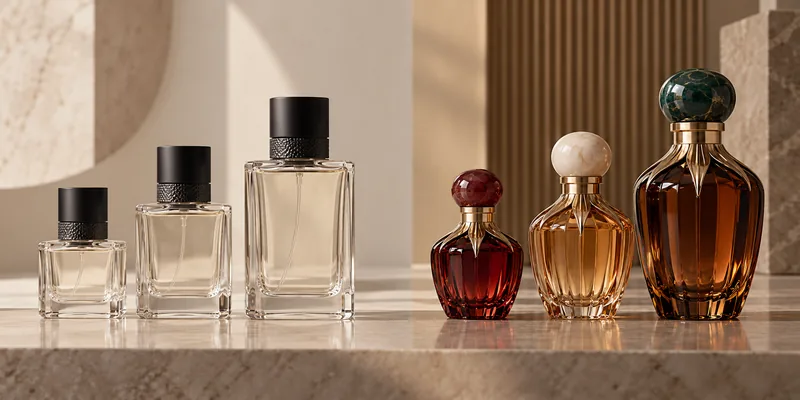
| Design dimension | Restrained/minimalist luxury | Expressive/sculptural luxury |
|---|---|---|
| Identity | One recognizable proportion, shoulder, label or cap detail | Silhouette, facets, relief, cap object or material combination |
| Glass | Clear geometry, controlled radii, clean base and high execution | Complex sections, deep relief, asymmetric or multi-face reflections |
| Decoration | Small print, subtle contrast, selective tactile finish | Layered color, foil, metallization, accessories or strong surface treatment |
| Production risk | Minimalism exposes small alignment, glass and print defects | Complex molds, decoration registration, assembly and higher part count |
| Best fit | Modern niche, apothecary, unisex, architecture-led and collection systems | Collector, gifting, couture, cultural storytelling and signature hero launches |
A 2025 study of 23 perfume bottle samples found that refined surface treatments such as cut patterns and glossy finishes were associated with stronger luxury ratings in that study. This does not make ornament mandatory. It shows that visible execution cues can shape luxury perception; a minimalist design therefore has to make precision, proportion, tactility and material quality legible.
Color, Graphics and Decoration Must Be Designed for the Surface
Choose the decoration after reviewing the substrate, curvature, handling, formula exposure, retail lighting and transport abrasion. A computer rendering cannot predict exact glass refraction, color over a filled bottle, print opacity or how a metallic finish behaves across a shoulder.
- Screen printing suits controlled logos and text where the screen can contact and register on the bottle. Curvature, ink system, curing and layer sequence define feasibility.
- Hot stamping adds selective metallic contrast but needs a suitable surface, tooling access and abrasion evaluation.
- Coating or lacquering can unify a stock bottle family and create opacity, translucency or gradients; color, cure, adhesion and formula resistance need physical standards.
- Frosting or etching changes light diffusion and touch, but can make fingerprints, scratches or shade variation more visible.
- Embossed/debossed glass makes identity permanent but locks detail into the mold and can affect glass distribution, release and inspection.
- Labels offer flexibility and regulatory space, yet require compatible adhesive, surface energy, radius and wet/oily handling tests.
For process-specific controls, see Boyu’s guide to silk-screen printing on glass and plastic bottles. Approve decoration on production-intent glass and with the actual filled product nearby; spilled alcohol and repeated handling may expose weaknesses that an empty display sample does not.
From Design Sample to Mass Production: What Each Sample Proves
The word “sample” is dangerously vague. A white 3D print, hand-decorated bottle and first bottle from a production cavity are different evidence. Name each level in the approval record.
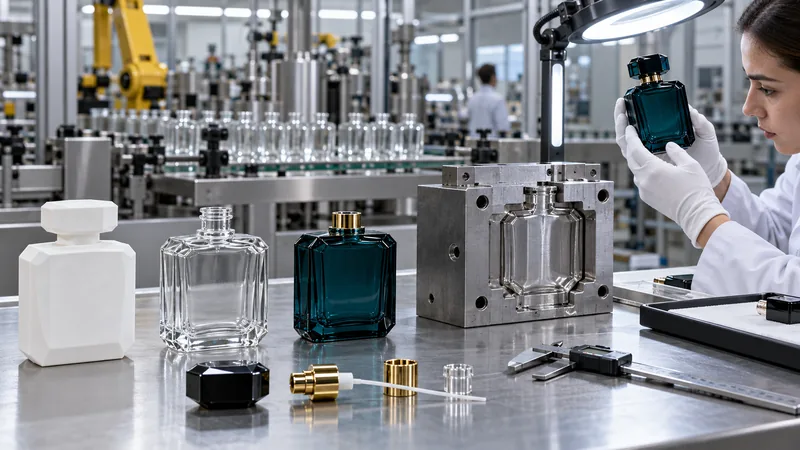
| Sample level | What it can approve | What it cannot approve | Record to keep |
|---|---|---|---|
| Digital render | Design direction, color relationships and presentation | Grip, weight, glass optics, fit, print color or manufacturability | Versioned image and assumptions |
| 3D/appearance prototype | Scale, proportion, grip, shelf presence, cap envelope and carton concept | Glass distribution, true capacity, sealing, annealing or mass decoration | Prototype revision and review notes |
| Trial-mold glass | Actual shape, capacity, weight, local walls, finish and component fit | All-cavity variation and stable decoration production | Dimensional/capacity report and signed bare bottle |
| Decorated sample | Physical color, gloss, artwork scale, location and process sequence | Batch consistency if it is hand-made or uses a different line | Golden and limit samples under defined lighting |
| Production first-off/pilot | Cavity, line, component, decoration, packing and filling-process performance | Future lots after an unapproved material, site, tool or process change | Released standard, test data and change-control baseline |
Transfer the design through controlled documents
Before the order, freeze the 2D drawing, CAD revision, bill of materials, finish/neck drawing, artwork, physical color master, golden and limit samples, test plan, defect catalogue, packing specification and approved manufacturing sites. Any later change to glass composition, weight target, pump/gasket, cap material, coating, ink, factory, mold repair or packing needs documented review.
Factory Design Example: Working With Boyu Packaging
Boyu Packaging’s public fragrance pages present both existing-mold and custom-silhouette routes, plus coordinated pumps, collars, caps and decoration. Treat these as the start of a project discussion; exact mold availability, quantity, tooling, timing, component source and acceptance criteria must be confirmed in the quotation and approved specification.
Ask Boyu to develop two routes
- Existing-mold route: select from the perfume packaging collection, then create identity through a qualified cap, coating, print, label and carton. This usually reduces tooling risk and makes proportions easier to validate quickly.
- Custom-mold route: use the same commercial and technical brief to design a proprietary silhouette. Require feasibility, prototype, tooling scope, ownership, trial glass, cavity approval and a written transfer to production.
Compare both routes against the same criteria: brand recognition, formula compatibility, usability, glass mass, decoration robustness, filling-line fit, packaging cube, tooling exposure, MOQ by component, reordering and total landed cost. Boyu’s custom fragrance packaging page shows the coordinated-package scope; it should not replace the project drawing or test plan.
For a family that includes discovery sizes, the miniature is not a scaled-down full-size bottle. Review the available neck, pump, label area, grip and glass distribution separately. Boyu’s mini perfume bottle format guide provides a useful starting point for 3 ml, 6 ml and 8 ml discussions.
Perfume Bottle Design Trends for 2026
Trends are evidence of current market direction, not instructions to copy a look. A strong design selects the trend that reinforces its product strategy and can still be reproduced after the launch campaign ends.
| 2026 direction | What it means in design | Engineering question | Misuse to avoid |
|---|---|---|---|
| Refill as a system | The keeper bottle, refill pack, neck, opening action, instructions and retail availability are designed together | Can users refill safely and repeatedly without leaks, damage or confusing steps? | Calling a removable pump “refillable” without an actual refill route |
| Lightweight premium glass | Luxury shifts from sheer mass to precise geometry, tactile detail, optics and component quality | Where can mass be reduced while preserving stability, protection and appearance? | Reducing grams without controlling local glass distribution |
| Quiet luxury | One signature proportion, texture or component replaces many decorative effects | Is the signature visible in hand, on shelf and in a mobile thumbnail? | Removing identity until the bottle becomes a generic stock pack |
| Controlled sculptural design | Facets, fluting, relief and architectural forms create a collectible object | Can the mold release, glass distribution, decoration and packing remain repeatable? | Treating a render as proof that the glass can be made |
| Modular bottle families | A shared architecture uses color, label or cap changes to identify scents and sizes | Which components can truly be common without compromising proportion or function? | Assuming every capacity can use the same cap, wall and scaling ratio |
| PCR glass and material honesty | Recycled content, fewer unnecessary parts and visible material character enter the brand story | What appearance range, availability and evidence can the supplier support? | Making unsupported recycled-content or recyclability claims |
| Digital-first tactility | Texture, edge light, silhouette and color need to read both physically and on camera | Does the feature survive photography, compression, studio lighting and production variation? | Adding a fragile finish only because it looks dramatic in a render |
At Luxe Pack Monaco 2026, industry reporting highlighted refillability, distinctive/recycled materials, new decoration approaches, lower environmental impact and changing supply chains. Current glassmaker examples also combine refill systems, lighter glass, PCR glass and high-precision decoration. These examples demonstrate technical directions, not a universal definition of good design.
2026 Standards and Regulatory Constraints Designers Should Know
There is no single global “perfume bottle design standard.” A real project combines market law, industry geometry documents, test methods and buyer-supplier specifications. Do not confuse these categories.
| Reference type | What it covers | Design implication |
|---|---|---|
| EU Cosmetics Regulation 1223/2009, Article 19 | Required container/packaging information, including visible and legible labelling and nominal content | Reserve a viable label/print area and verify market-language layout before freezing curvature or decoration |
| EU PPWR 2025/40 | Packaging sustainability, labelling, reuse/refill and waste rules; applies from 12 August 2026, with provisions taking effect on different dates | Design teams should document materials and anticipate minimization/recyclability requirements; Article 10 weight/volume minimization applies from 1 January 2030 |
| CETIE flaconnage documents | Pump neck-finish geometry and recommended crimping practice | Use the applicable finish drawing and validate the exact pump/gasket/bottle/crimp combination |
| ISO 8106:2004 | Gravimetric capacity determination for glass containers | Define capacity limits and use an agreed method rather than visual fill guesses |
| ISO 9008:1991 and ISO 9009:1991 | Bottle verticality; height and finish non-parallelism test methods | Useful for line stability, cap alignment and dimensional inspection when the buyer sets limits |
| ISO 7459:2004 | Thermal shock resistance/endurance test methods for glass containers | Use when the filling, decoration, storage or distribution risk justifies it; the standard provides a method, not your acceptance limit |
What to Put in a Perfume Bottle Factory Design Brief
A factory can start with a sketch, reference or mood board, but it cannot quote or engineer reliably without boundaries. Send this minimum information:
- Business: target markets, retail price position, quantity by SKU, annual forecast, launch date, budget and intended Incoterm.
- Product: fragrance type, formula status, color, light sensitivity if known, nominal fill, use orientation and target shelf life.
- Audience: use occasion, channel, price expectation, accessibility needs and the brand cues to express or avoid.
- Bottle: stock or custom route, target capacity, external envelope, footprint, approximate weight objective, finish/neck, refill concept and collection sizes.
- Components: pump output/spray expectation, gasket constraints, collar, cap material and operation, dip-tube requirements and source responsibilities.
- Decoration: vector artwork, color references, finish, print/label area, legal copy envelope and durability tests.
- Operations: filler, machine constraints, crimping or torque equipment, coding, carton/insert, parcel or pallet distribution and inspection plan.
- Ownership: CAD, artwork, mold, cap tooling, samples, exclusivity, maintenance, storage and transfer terms.
For the initial Boyu review, send the brief together with three references: what you like, what you dislike and what must be unique. Request an existing-mold route and a custom route so the team can compare brand value against tooling, MOQ and schedule. Use the Boyu Packaging project enquiry page for a specification-led discussion.
Common Perfume Bottle Design Failures
| Failure | Why it happens | Design correction |
|---|---|---|
| The render looks better than the bottle | Rendering ignores glass distribution, mold seams, real refraction, coating and print limits | Review physical prototype, trial glass and decorated production-intent sample separately |
| 50 ml does not look full | Brimful capacity, pump displacement and fill-height target were not defined | Approve capacity range and filled appearance using the actual pump |
| Heavy bottle still breaks | Total mass hides thin local regions, stress or weak transport protection | Control local glass, annealing, critical geometry and complete-pack transport performance |
| Cap rubs or wobbles | Cap, collar, actuator and bottle tolerances were designed independently | Create a tolerance/clearance stack and test assembled production parts |
| Minimalist bottle looks generic | Decoration was removed without defining a signature proportion, touchpoint or graphic system | Concentrate identity in one repeatable feature visible across sizes and channels |
| Complex shape cannot run on the line | Conveyor contact, fill-head clearance, orientation and crimp fixtures were checked too late | Include the filler in feasibility and run a pilot before the full order |
| Refill claim disappoints users | Bottle can open, but no practical refill, instruction, sealing or retail system exists | Design and validate the complete refill journey before using the claim |
Frequently Asked Questions
What information is needed to start a perfume bottle design?
Start with the target market and price, nominal fill, quantity forecast, fragrance type, desired use, approximate external size, pump/closure preference, visual references, decoration, launch date and target cost. A factory can refine dimensions after feasibility, but it should not guess the commercial boundaries.
Is a heavier perfume bottle automatically more luxurious?
No. Weight can create a substantial hand-feel, but luxury perception also depends on proportion, glass clarity, local distribution, cap fit, pump action, decoration and brand context. Excess mass can increase material and freight without improving performance.
What is the correct perfume bottle wall thickness?
There is no universal number. The correct specification depends on capacity, shape, corners, shoulder, base, glass process, filling, distribution and performance tests. Specify local minimums at drawing-defined points and validate the selected design rather than copying a generic range.
Should a new brand use a stock or custom bottle?
Use an existing mold when demand, formula or brand architecture is still being validated. Create differentiation with a qualified cap, color, print, label and carton. A private mold becomes more rational when the silhouette is strategically important and the brand can support tooling, validation, MOQ and inventory.
Can a 3D render approve the final design?
It can approve visual direction, not the final production package. Physical prototypes are needed for proportion and grip; trial glass for capacity and geometry; decorated samples for color and artwork; and production-intent filled packs for compatibility, line and transport approval.
How should a unisex perfume bottle be designed?
Avoid simply removing color or decoration. Build identity around the fragrance story, material, geometry, typography, tactility and use context. Test with the intended users across markets because “neutral” cues are culturally interpreted, not universal.
Sources and Technical References
- ISO 8106:2004 — Glass containers: determination of capacity by gravimetric method
- ISO 9008:1991 — Glass bottles: verticality test method
- ISO 9009:1991 — Height and finish non-parallelism test methods
- ISO 7459:2004 — Thermal shock resistance and endurance test methods
- CETIE GME 40.02 — Neck finish for plug pump
- CETIE Guide No. 12 — Recommendation for flaconnage crimping
- European Commission — Regulation (EC) No 1223/2009 on cosmetic products
- EUR-Lex — Regulation (EU) 2025/40 on packaging and packaging waste
- Japan Society of Kansei Engineering — Design features of perfume bottles that enhance a sense of luxury
- Journal of Indonesian Economy and Research — Demographic differences in perfume packaging preferences
- Design and Culture — Gender-by-design and perfume packaging
- Premium Beauty News — High-end packaging trends at Luxe Pack Monaco 2026
- Verescence — 2025–2026 sustainability and eco-design report
Editorial note: standards provide methods or geometry references, not universal product limits. Regulations vary by market and implementation date. Final dimensions, weight, local wall limits, tolerances, materials, decoration, tests, tooling, quantity and timing must be agreed for the selected bottle and current production route.

 English
 Español de Argentina
 Русский
 Italiano
 日本語
 한국어
 العربية
 Français
 Deutsch