Custom bottle-and-pump systems engineered around your formula, consumer dose, filling line, premium finish and distribution route. Source coordinated bodies, pumps, locks, decoration and cartons under one approved specification.
Main capacities: 30ml to 500ml lotion pump bottles for facial skincare, body lotion, hair care, hand wash, spa, hotel and retail collections.
Luxury options: PET, HDPE, PP, PETG and glass bodies; matte, coating, screen print, hot stamp, metallic pump accents and private molds.
Project starting point: Existing bottle-pump platforms or custom development, with a standard MOQ of 10,000 pieces per design.
Luxury Lotion Pump Bottles Built as a Complete Dispensing System
A luxury lotion pump package must do more than look premium. The bottle, neck finish, gasket or sealing land, pump engine, actuator, dip tube, lock, decoration and secondary packing must work together with the actual formula and filling process. A visually attractive bottle that loses prime, drips, panels, cracks or leaks after transport is not a qualified package.
Boyu Packaging supports stock-platform selection and OEM/ODM development for skincare, body care, hair care, hand wash, hotel amenities and private-label collections. Buyers can combine clear, opaque or colored bottles with coordinated pump finishes, direct decoration and custom cartons while keeping technical approval tied to one controlled bill of materials.
Luxury, not cosmetic-only
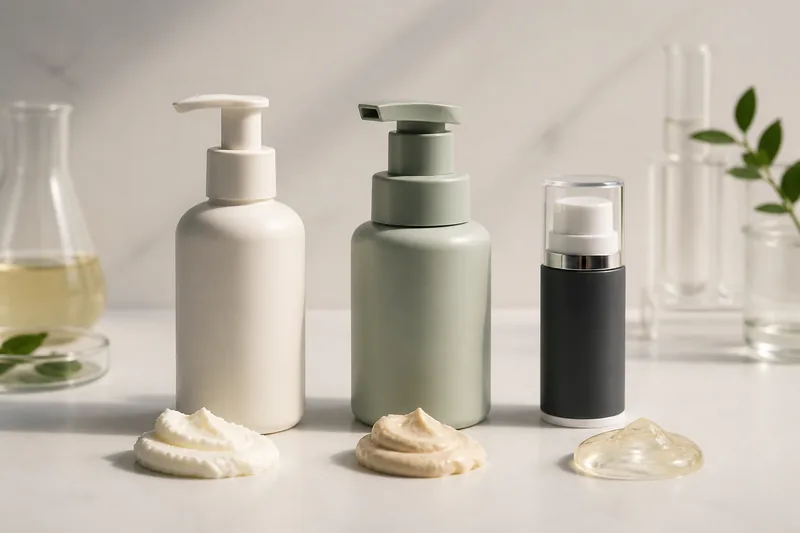
Premium value can come from proportion, wall depth, controlled color, soft-touch or matte finish, metallic accents, clean print registration and coordinated pump/cap geometry.
10,000 pieces per design
The standard starting MOQ is 10,000 pieces for each capacity, color and decoration version. A special pump color, plated component or private mold may require a different quantity.
Formula-led qualification
Pump output, inlet, dip tube, valve, seal and bottle venting are selected around product behavior, not only around a catalogue photo.
Latest Luxury Lotion Pump Bottle Designs
Explore Boyu Packaging’s latest 12 lotion pump bottle options for skincare, body care and personal care brands. View the Lotion Bottle Collection →
Use this checklist when requesting quotations. Every figure must belong to the selected bottle and pump; do not copy carton gross weight, shipping dimensions or another capacity into the product specification.
Specification field
What should be confirmed
Capacity
Nominal fill and overflow capacity in ml; required headspace and maximum process fill.
Assembled dimensions
Height with pump locked/open as relevant, body diameter or width/depth, base footprint and actuator overhang.
Neck finish
Controlled thread/snap geometry, sealing land, opening and pump compatibility drawing—not only a nominal 24/410-style label.
Bottle weight
Net bottle grams and tolerance; complete empty-pack grams including pump/cap when freight or premium hand feel matters.
Wall thickness
Minimum local millimeters at drawing-defined shoulder, sidewall, corners and base; inner/outer layers separately for double-wall packs.
Target output, tolerance, priming strokes, actuation force, return time, lock type, cut-off/drip behavior and cycle requirement.
Dip tube
Material, internal diameter, length, cut style, curvature and bottom clearance for the exact bottle.
Decoration
Pantone or physical color standard, gloss/matte level, print/foil/coating area, registration and adhesion/rub requirements.
Packing and logistics
Quantity per carton, internal protection, pallet requirement, shipping marks, destination, Incoterm and distribution route.
Main Capacities and Commercial Positioning
Capacity range
Typical application
Procurement considerations
30–50ml
Facial lotion, serum, treatment, travel or premium set.
Small footprint; match a lower dose and confirm label/decorating area.
60–120ml
Facial moisturizer, sunscreen, styling treatment and retail skincare.
Strong luxury sweet spot; check hand comfort, pump output and shelf/carton height.
150–200ml
Body lotion, cleanser, conditioner and daily personal care.
Balance retail value with evacuation, pump dose and e-commerce protection.
250–300ml
Family skincare, shampoo, conditioner, hand wash and hotel use.
Higher center of gravity; verify base stability and top-load during pump actuation.
400–500ml
Family, salon, spa and back-bar products.
Pump leverage, lock protection, dip-tube reach, carton compression and freight efficiency become more important.
Coordinated series
Matching 50/100/200ml or 100/300/500ml family.
Each capacity still needs its own drawing, test approval and normally its own MOQ.
Bottle Weight and Wall Thickness
There is no responsible universal bottle weight or wall thickness for a capacity. A lightweight single-wall PP or HDPE bottle, a rigid PET bottle, a heavy glass pack and a double-wall luxury bottle can all hold a similar volume while using completely different structures.
How to specify grams
Confirm the selected model’s net bottle weight and tolerance, then request the complete empty-pack weight with pump, cap and decorative collar. Separate shipping carton gross weight from product weight.
How to specify wall thickness
Use drawing-defined measurement locations and local minimum values. For oval or rectangular bottles, examine narrow sides, corners, shoulder and base. For double-wall packs, report the product chamber and decorative shell separately.
Control
Unit / evidence
Why buyers need it
Bottle body mass
g with target and tolerance by model
Cost comparison, freight planning, line handling and process consistency.
Complete empty pack
g including bottle, pump, overcap/lock and collar
True unit mass and premium hand-feel comparison.
Minimum local wall
mm at controlled body locations
Detects weak panels, corners, shoulder transitions and base regions.
Section weight / wall map
g or mm by bottle region/cavity
Shows material distribution that total weight alone cannot prove.
Neck and sealing land
dimension and gauge report
Supports pump fit, seal compression and closure application.
Top-load and panel behavior
defined force/conditioning method
Checks stability during filling, packing, storage and pump use.
Main Bottle and Pump Materials
Material
Typical use
Advantages
Validate before approval
PET
Clear or colored lotion bottle body.
High clarity, gloss, good stiffness-to-weight ratio and a precise preform-molded neck.
Formula/fragrance compatibility, heat exposure, stress cracking, paneling, wall distribution and decoration adhesion.
HDPE
Opaque, tough or squeezable body; large personal-care formats.
Impact resistance, chemical resistance and EBM shape flexibility.
Pinch-off/flash, local wall distribution, color, odor, stiffness and environmental stress cracking.
PP
Bottle in selected systems; common pump, actuator, closure and airless components.
Useful chemical/thermal behavior and hinge/fatigue performance.
Bottle process capability, shrinkage, low-temperature impact, formula contact and actual recyclability of the complete pack.
PETG
Clear premium body or decorative outer shell.
Optical clarity, design freedom and substantial shelf presence.
Chemical compatibility, heat, scratch/stress behavior and local recycling acceptance.
Glass
Premium lotion, serum, hand wash and spa bottle.
Weight, clarity, barrier and luxury perception.
Breakage, decoration, neck/pump fit, impact, freight, coating and filled-product compatibility.
ABS / AS / PMMA
Pump collar, actuator, cap or luxury outer decorative layer.
Rigid molding detail, plating/coating options and optical depth.
Formula contact, brittleness/scratching, finish durability and multi-material recovery claims.
PCR PET / HDPE / PP
Bottle or selected components where qualified material is permitted.
Reduces virgin-resin demand and supports recycled-content targets.
PCR percentage/source, documentation, odor/color variation, contaminants, performance and destination-market requirements.
A matching thread can still leak or dispense poorly if the sealing land, gasket, dip tube, venting, output and application setting are wrong. Approve the pump and bottle as one package, with a component code and revision for every critical part.
For a dip-tube lotion pump, calculate tube length from the assembled neck and bottle geometry. The tube should reach the low collection zone without sealing flat against the base, curling excessively or being so short that product is stranded.
Pump variable
What to approve
Failure if ignored
Output per stroke
Target and measured range with formula density/method.
Under-dose, excessive product, inconsistent consumer use or misleading dose claims.
Prime and recovery
Maximum strokes to first/full dose and return time at realistic temperature/cadence.
Empty strokes, shrinking rapid doses or slow actuator return.
Cut-off and suck-back
Drip/string visual limit after a full stroke.
Messy nozzle, cap contamination and poor premium perception.
Lock / overcap
Lock-up, lock-down or clip design and shipping orientation.
Accidental actuation or leakage in parcel/retail distribution.
Spring and ball location
Document whether metal enters the product path.
Unexpected formula contact, corrosion or inaccurate “metal-free pathway” claims.
Dip tube
ID, length, cut, curve and bottom clearance.
Poor suction, blocked inlet, high residual heel or intermittent output.
Factory Manufacturing Process for Lotion Pump Bottles
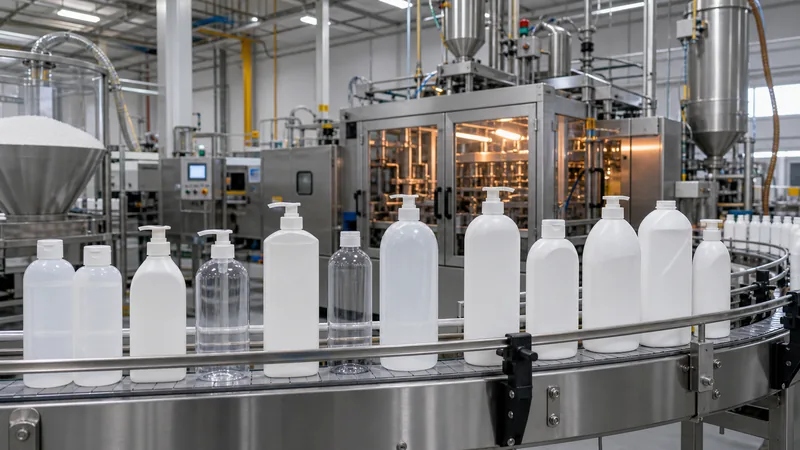
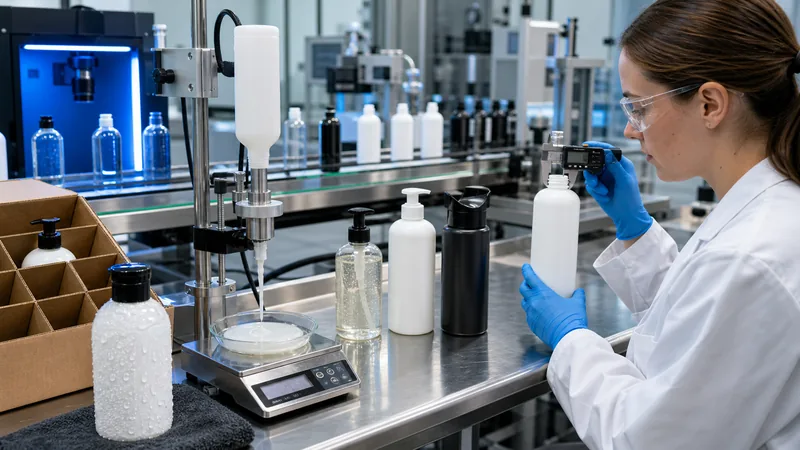
Boyu website production illustration. PET and HDPE use different blow-molding routes; the final process plan follows the selected material and bottle geometry.
Production follows controlled gates
PET bodies typically begin with injection-molded preforms and are reheated, stretched and blown into a cooled bottle mold. HDPE bodies are commonly extrusion blow molded from a programmed parison, then cooled and deflashed. PP bottles may use a route supported by the selected supplier and design, while pump components are normally injection molded and assembled in controlled sequences.
The bottle factory controls resin, color, machine recipe, mold cavity, neck finish, weight and wall distribution. Pump production adds molded engine parts, valves, actuator, closure, gasket, spring/ball and dip tube. Decoration and packing are released only after first-piece approval.
For a detailed manufacturing reference, review Boyu’s plastic bottle production guide; the PET/HDPE manufacturing principles also apply to many lotion bottle bodies.
1 · Material release
Confirm resin grade, color masterbatch, PCR requirement and approved component lots. Quarantine material that does not match the bill of materials.
2 · Bottle molding
Produce PET preforms/bottles or HDPE/PP bodies under a controlled machine recipe; identify machine, mold and cavity where practical.
3 · Trim and condition
Deflash EBM bottles where required, protect the neck/sealing land, remove loose contamination and allow parts to stabilize before measurement.
4 · Pump molding and assembly
Mold pump parts, assemble valves/springs/seals/actuators, cut dip tubes and perform defined in-process functional checks.
5 · Decoration
Apply resin color, coating, screen print, hot stamp, label, sleeve or metallized effects after artwork and first-piece approval.
6 · Final inspection and packing
Inspect appearance, dimensions, component fit and agreed function, then pack with pump locks and decorated surfaces protected.
How to Customize Luxury Lotion Pump Bottles
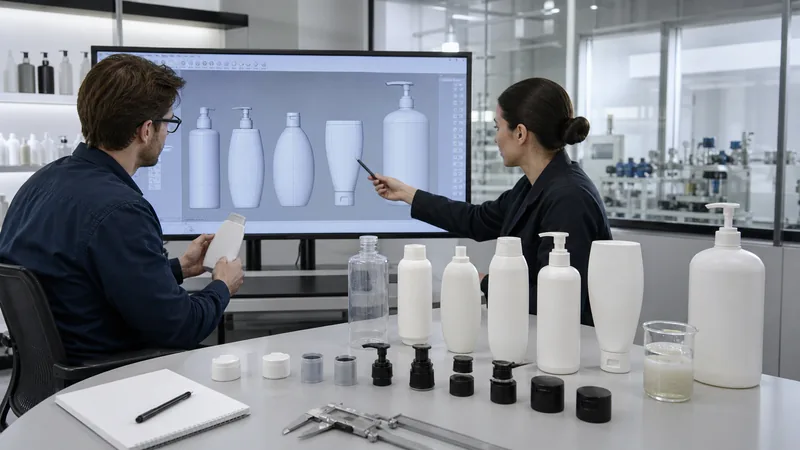
Customization can begin with an existing mold or progress through 2D/3D engineering, prototype review, production tooling and filled-pack validation.
Use stock platforms strategically
The lowest-risk route is often an existing bottle and proven pump family with custom color, finish, logo and secondary packaging. It reduces structural tooling exposure and lets the buyer spend development time on formula compatibility, decoration and shelf presentation.
A private mold is appropriate when proprietary geometry, grip, shelf blocking, pack efficiency or a coordinated family justifies the investment. Changing only an outer decorative shell usually carries less functional risk than redesigning the neck, pump engine or sealing interface.
Custom service
Available directions
Approval evidence
Bottle color
Transparent tint, opaque masterbatch, amber/green/black/white, pastel or project-specific Pantone direction.
Approved resin/coating sample under agreed lighting and tolerance.
Surface finish
Gloss, matte, frosted effect, soft-touch, gradient, metallic or selective coating where technically suitable.
Decorated sample plus adhesion, rub, scratch, spill and compatibility checks.
Logo / graphics
Silk screen, hot stamping, UV/digital printing, label, shrink sleeve, decal or combination process.
Artwork proof, print area/datum, registration tolerance and signed sample.
Pump appearance
Pump and actuator color, smooth/ribbed collar, plated or metallized accents, lock direction and overcap.
Matched component codes, color/finish sample and function test.
Structure / mold
Round, oval, square, rounded rectangle, custom shoulder/base, luxury outer shell or full private mold.
Revision-controlled 2D/3D, DFM, tooling agreement and production-intent samples.
Secondary packaging
Bulk carton, individual bag, divider, white/color box, gift set, insert, pallet and shipping marks.
Pack-out drawing/sample and distribution validation for the actual route.
OEM / ODM Project Approval Workflow
1 · Define the brief
Capacity, formula/rheology, use dose, annual forecast, order quantity per design, destination markets, filling line, distribution and launch date.
2 · Select architecture
Choose stock or custom body, material, neck, atmospheric/treatment/airless pump, lock, dip tube and required product-contact pathway.
Review shape, grip, color, finish, logo, pump feel, lock direction and fit before committing to decorated mass production.
5 · Test the real formula
Fill production-intent packages and test prime, output, force, recovery, leakage, compatibility, residual product and shipping pack.
6 · Golden sample
Sign the physical standard, defect examples, inspection plan, color/artwork reference and measurable acceptance criteria.
7 · Mass production
Release materials, molding, pump assembly, decoration and packing under controlled revisions and in-process checks.
8 · Shipment and reorders
Complete outgoing inspection, retain traceable samples/records and reconfirm changes before repeat production.
How to Prevent Lotion Pump Bottle Leakage
“Leak-proof” is not a responsible universal promise. Leakage depends on the complete package, formula, filling, closure application, storage orientation, temperature, pressure and distribution route. Define the failure that matters and select a test capable of finding it.
1. Match the controlled neck and pump interface. 2. Protect the sealing land and gasket from contamination or damage. 3. Apply the closure at a validated torque or snap setting. 4. Cut the dip tube for the actual bottle. 5. Validate the real formula, fill and headspace. 6. Protect the actuator during distribution.
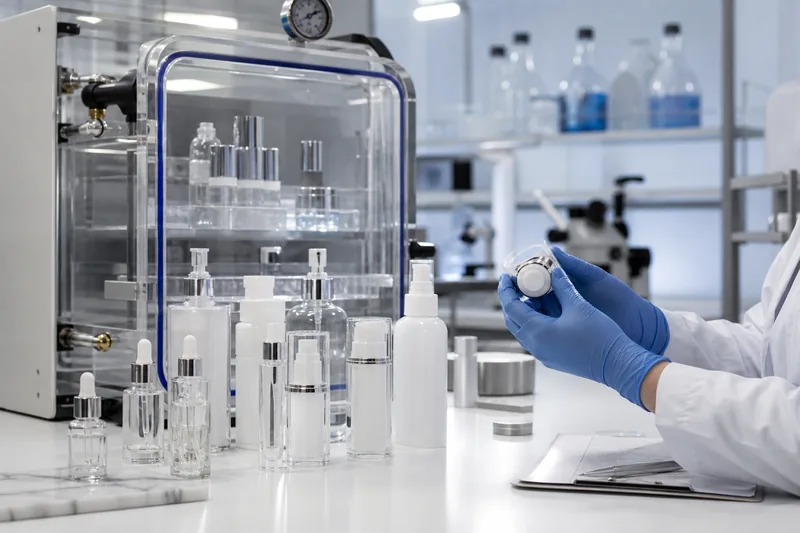
A vacuum or bubble test can locate some gross paths in rigid empty packages, while filled upright/inverted/side storage reveals wetting and compatibility effects. Pressure/vacuum decay, mass loss and distribution simulation answer different questions; one passing screen does not prove performance in every condition.
Compare actuator/engine options and assess repeated dose cut-off with the real formula.
Leak during shipping
Unlocked head, closure back-off, pressure/temperature change, carton compression or impact.
Use lock/overcap protection and validate the complete filled pack-out for pallet or parcel distribution.
Bottle panels inward
Replacement-air venting restricted while product is removed.
Review vent path, closure fit, wall stiffness and repeated-cycle behavior.
Crack after ageing
Formula attack, molded-in stress, thin corner/shoulder, heat or impact.
Test exact resin/color/wall structure with aged formula and relevant mechanical challenges.
Loss of prime / air shots
Suction leak, valve fault, short/restricted dip tube, formula aeration or insufficient chamber refill.
Check seal integrity, tube geometry, recovery time, temperature and pumpability across pack life.
Quality Control From Resin to Shipment
The control plan should connect material, machine, mold cavity, pump lot, decoration batch and packed shipment to measurable acceptance criteria.
Process control plus final inspection
Final sampling cannot replace stable molding, pump assembly and decoration processes. Production begins with released materials and an approved first-off sample; in-line checks detect drift, while offline dimensional and functional tests confirm the complete package.
Use a signed golden sample, controlled drawing, component material map, artwork proof, defect catalogue and agreed sampling plan. Assign 100% checks only where equipment and risk justify them, and distinguish cosmetic, major and critical defects.
Formula Compatibility and Pump Performance Validation
Water is useful for setup and gross screening but does not reproduce a lotion’s viscosity, yield stress, surface tension, fragrance, oils, solvents, particles or long-term polymer interaction. Test production-intent bottles, pumps, seals, dip tubes and decoration with the final formula and intended fill process.
Conditioning plan
Define formula version, fill temperature, headspace, upright/inverted/side orientation, room/cold/elevated conditions and observation intervals.
Dispensing plan
Record strokes to first and stable dose, output by mass, actuator force, return time, cut-off/stringing, rapid cadence and restart after storage.
Pack-life plan
Check start, middle and near-empty performance, dip-tube pickup, residual heel, leakage, odor/color, swelling, cracking and decoration change.
Change control
Repeat relevant work after changes to formula, fragrance, resin/PCR, color, pump/gasket, dip tube, mold/cavity, decoration, fill settings or shipping pack.
Sampling, Production and Delivery Timeline
Lead time begins after the required technical and commercial inputs are approved—not when the first inquiry is sent. Artwork revisions, special pump colors, plated components, formula testing and private molds create separate schedule gates.
1 · Specification and quotation
Usually the fastest stage when capacity, formula, quantity per design, material, pump, decoration, packing and destination are complete.
2 · Samples and artwork
Existing samples can be prepared first; customized appearance samples commonly require about 7–15 days after specifications, artwork and fees are confirmed.
3 · Formula validation
Timing follows the brand’s compatibility/stability plan. It may run in parallel with some design work but must finish before final package release.
4 · Mass production
A typical custom production reference is about 30–45 days after approved sample, final specification and deposit; special components or large quantities can change it.
5 · Inspection and packing
Reserve time for final function/appearance inspection, corrective sorting if needed, packing, palletizing and third-party inspection when requested.
6 · Freight
Express, air or sea transit is quoted separately. Confirm port/airport, Incoterm, destination charges, customs documents and delivery appointment requirements.
MOQ, Pricing and Buyer Cost Control
MOQ structure
Standard starting MOQ: 10,000 pieces per design. Treat each capacity, body color, pump color and artwork version as a separate SKU unless a written production plan confirms otherwise.
What changes price
Bottle resin and weight, glass or double-wall structure, pump engine/finish, custom color, decoration passes, private tooling, individual packing, inspection and order quantity.
Quote comparison
Compare the same bottle construction, pump output/pathway, decoration, packing, defect standard and Incoterm. A lightweight PET pack and heavy glass pack are not equivalent quotes.
Sample policy
Stock samples may be provided for preliminary review; freight is normally paid by the buyer. Decorated or structural samples involve setup, tooling or sample charges.
Questions Professional Lotion Bottle Buyers Should Ask
Buyer question
What a useful supplier answer should include
Will this pump work with our lotion?
A request for formula/rheology data and a production-intent trial covering prime, dose, force, recovery, cut-off, leakage and end-of-pack use.
What are the exact grams and wall thickness?
Selected-model drawing, target/tolerance, measurement locations, complete-pack mass and production sample report.
Is the pump metal-free?
A component-level product pathway map identifying spring/ball location, not a marketing phrase based on appearance.
How is leakage controlled?
Neck/pump drawings, sealing concept, application setting and defined empty/filled/transport tests with acceptance rules.
Can we use our Pantone color?
Applicable material/finish route, physical sample, lighting and tolerance; explanation of batch variation and metamerism.
Can one MOQ cover several designs?
A clear MOQ per capacity/color/artwork and any allowed split based on common bottle and pump production.
Approval checklist, material/pump availability, production slots, decoration, QC, inspection, packing and freight booking milestones.
How are quality claims handled?
Batch traceability, evidence requirements, containment, root-cause/corrective-action process and contract-based remedy.
Sustainability, PCR and Refill Claims
A recyclable resin does not automatically make a complete pump package recyclable. The pump may contain multiple polymers, a metal spring or ball, labels, adhesives, coatings and residual product. Evaluate the bottle, dispenser and decoration against the collection and recycling system in each target market.
PCR options
Specify PCR percentage, source/documentation, color and odor limits, formula-contact suitability and change-control rules. Revalidate when source or percentage changes.
Lightweighting
Reduce grams only after wall distribution, grip, top-load, pumping stability, line handling, leakage and distribution remain acceptable.
All-plastic pumps
A pump designed without metal in the product pathway or with an all-plastic architecture can support particular design goals, but still requires material and local-recycling assessment.
Refill systems
Define consumer opening, cleaning, drying, refill hygiene, closure durability, repeated cycles and instructions. A removable pump alone does not establish a safe refill claim.
Luxury Lotion Pump Bottle Questions & Answers
What is the standard MOQ for custom lotion pump bottles?
The standard starting MOQ is 10,000 pieces per design. Capacity, bottle color, pump color and artwork versions are normally reviewed as separate SKUs; a special component may require more.
Which capacities are most common?
Common ranges include 30–50ml for treatment or travel, 60–120ml for facial and premium skincare, 150–200ml for retail body care, and 250–500ml for family, salon, hotel or hand-wash formats.
What materials can be used?
Depending on the model, bottle options may include PET, HDPE, PP, PETG or glass, with pump components commonly using PP and other controlled polymers, seals and optional metal elements.
How much does a lotion pump bottle weigh?
There is no fixed value by capacity. Request the selected bottle body grams, tolerance and complete empty-pack weight including pump, cap or decorative collar.
What wall thickness should I request?
Use model- and location-specific minimum thickness values at the shoulder, wall, corner and base. Weight alone cannot prove balanced walls.
How do you prevent leakage?
Match controlled bottle and pump interfaces, protect the seal, control torque or snap assembly, validate the real formula/fill and test the final pack in relevant orientations and distribution conditions.
Can a lotion pump handle thick cream?
Some purpose-designed pumps can, but no universal viscosity limit applies. Test formula rheology, prime, refill, force, dose, stringing and residual product at relevant temperatures.
What pump output is available?
Output depends on the selected engine. Define the consumer dose first, then approve measured output and tolerance with the actual formula rather than relying only on a nominal catalogue value.
Can the pump color match the bottle?
Yes, subject to material, molding and finish feasibility. Resin color, coating or metallic decoration may be used, and bottle/pump parts require a signed physical color standard.
What logo decoration is available?
Options may include silk-screen printing, hot stamping, UV/digital printing, labels, shrink sleeves, decals and combined processes depending on the bottle material and geometry.
Can you make a private mold?
Yes after design and feasibility review. Approve 2D/3D data, DFM, tool scope and ownership, trial stages, revisions and production-intent validation before tooling.
How long does sampling take?
Customized appearance samples commonly take about 7–15 days after specifications, artwork and sample arrangements are confirmed. Structural tooling and formula validation follow separate schedules.
How long does mass production take?
A typical reference is about 30–45 days after final sample/specification approval and deposit. Quantity, color, decoration, pump availability, tests and holidays can change the confirmed schedule.
Can multiple artworks share one 10,000-piece MOQ?
Not automatically. MOQ applies per design. A split may be possible only when the same bottle, pump, color and production setup are shared and the written quotation confirms the arrangement.
Do you provide free samples?
Stock samples may be provided for preliminary evaluation, while the buyer normally covers international freight. Customized color, printing or structural samples can require setup or sample fees.
What information is needed for a quotation?
Send capacity, quantity per design, formula category and viscosity/rheology, target pump dose, bottle/pump material and color, lock, decoration artwork, packing, destination and delivery term.
Request a Wholesale Lotion Pump Bottle Quotation
Send your capacity, quantity per design, formula behavior, target dose, preferred bottle material/shape, pump and lock style, color/finish, logo artwork, packing, destination and launch date. Boyu can compare existing models first and identify where private tooling or additional validation is justified.
Commercial brief
Capacity • quantity per SKU • annual forecast • decoration • destination • delivery date • Incoterm
Technical brief
Formula/rheology • density • target dose • neck/pump • lock • grams/walls • filling • leak and compatibility plan
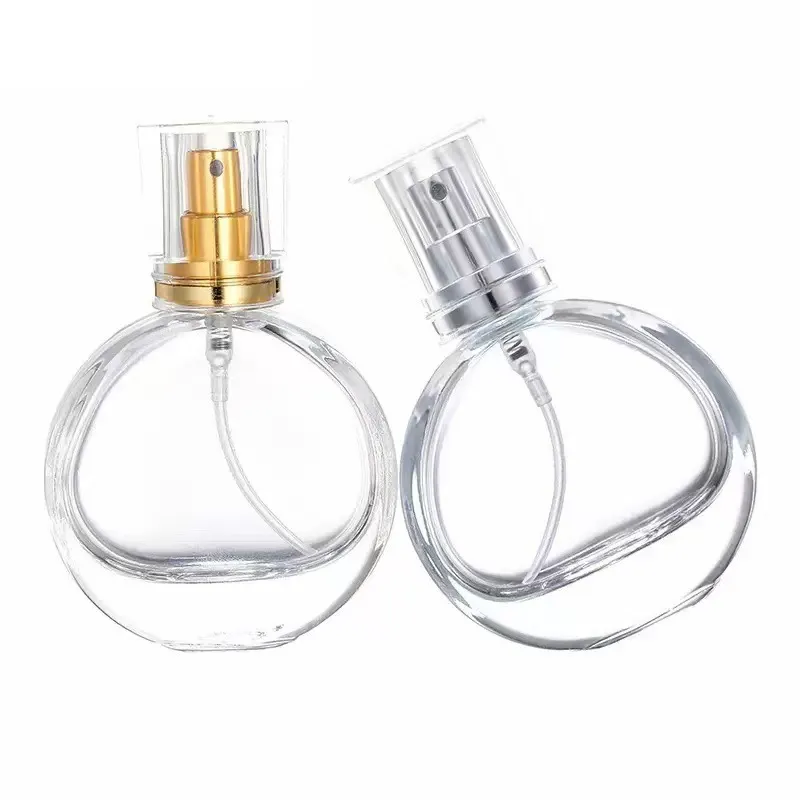
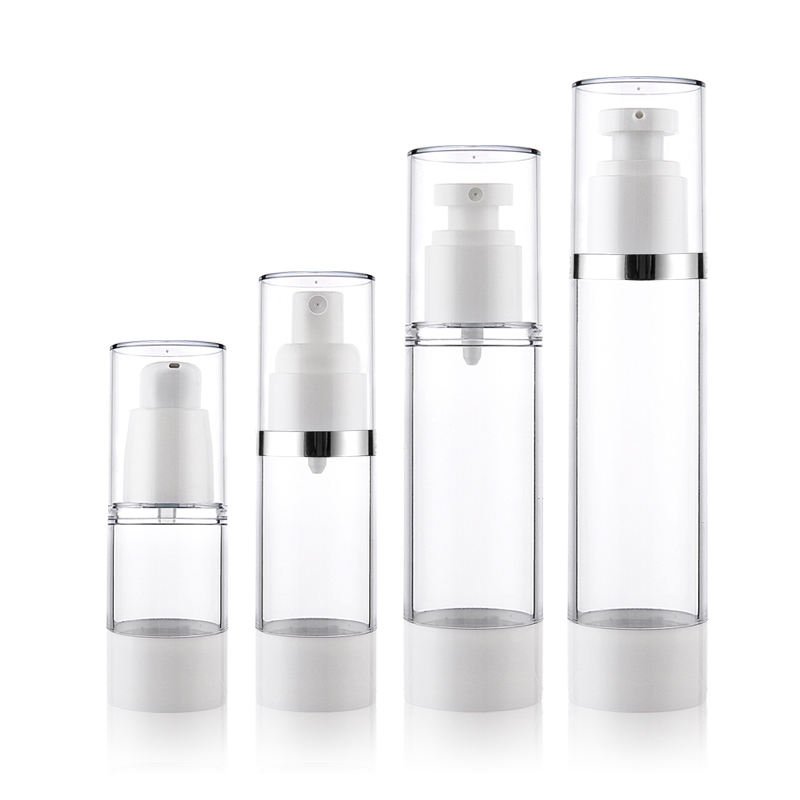
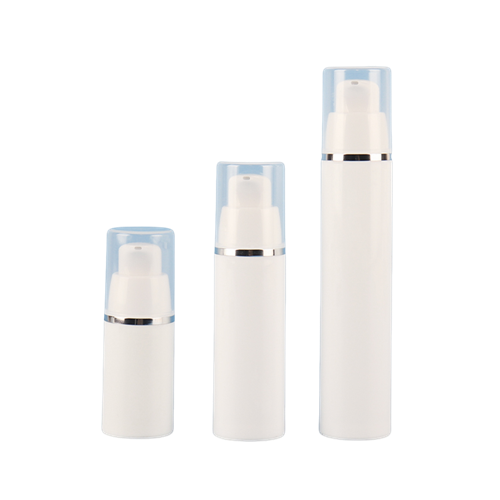
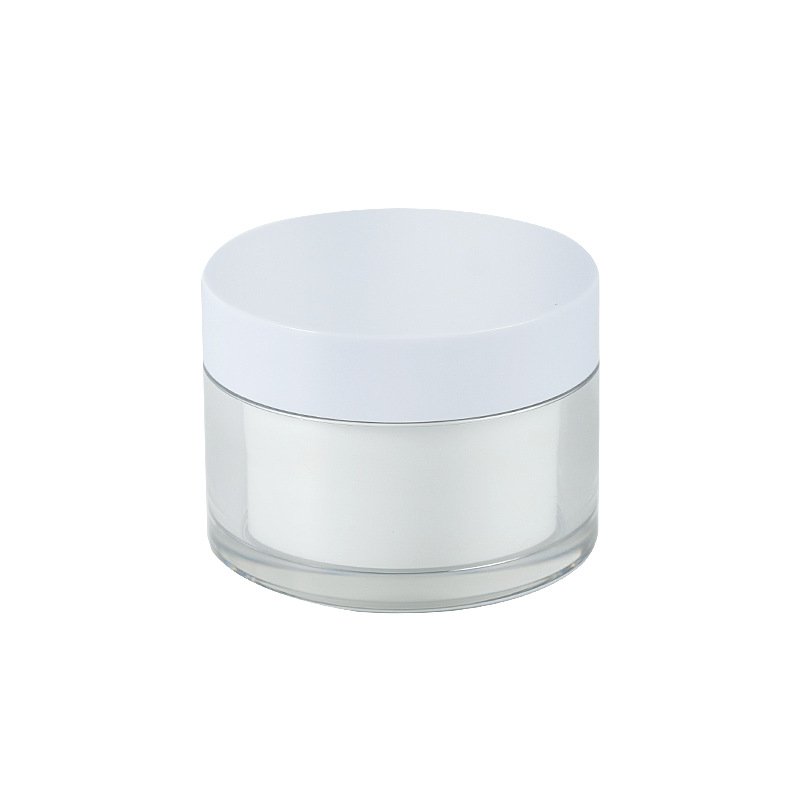
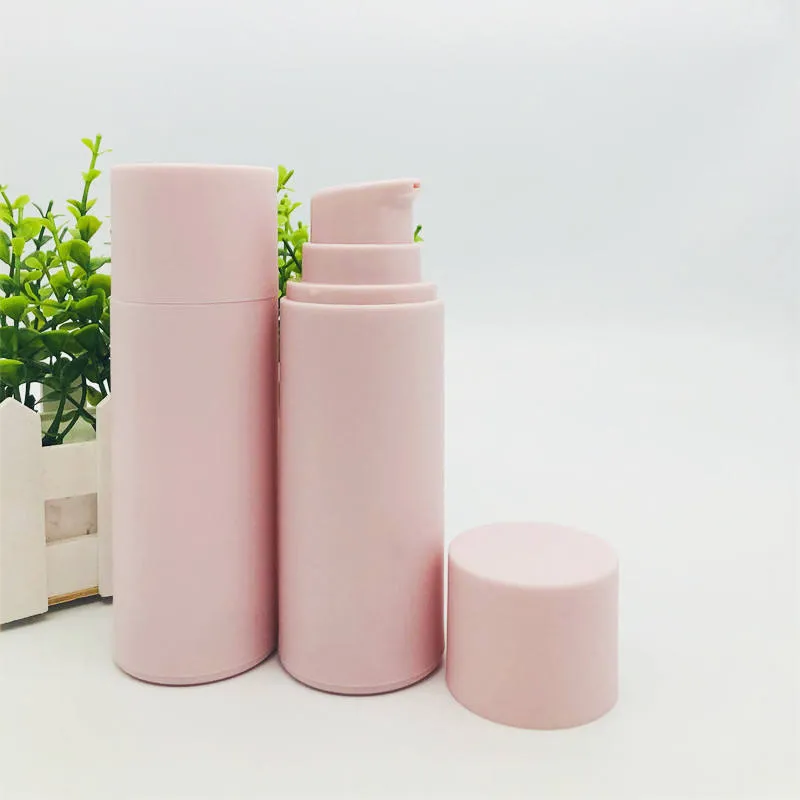
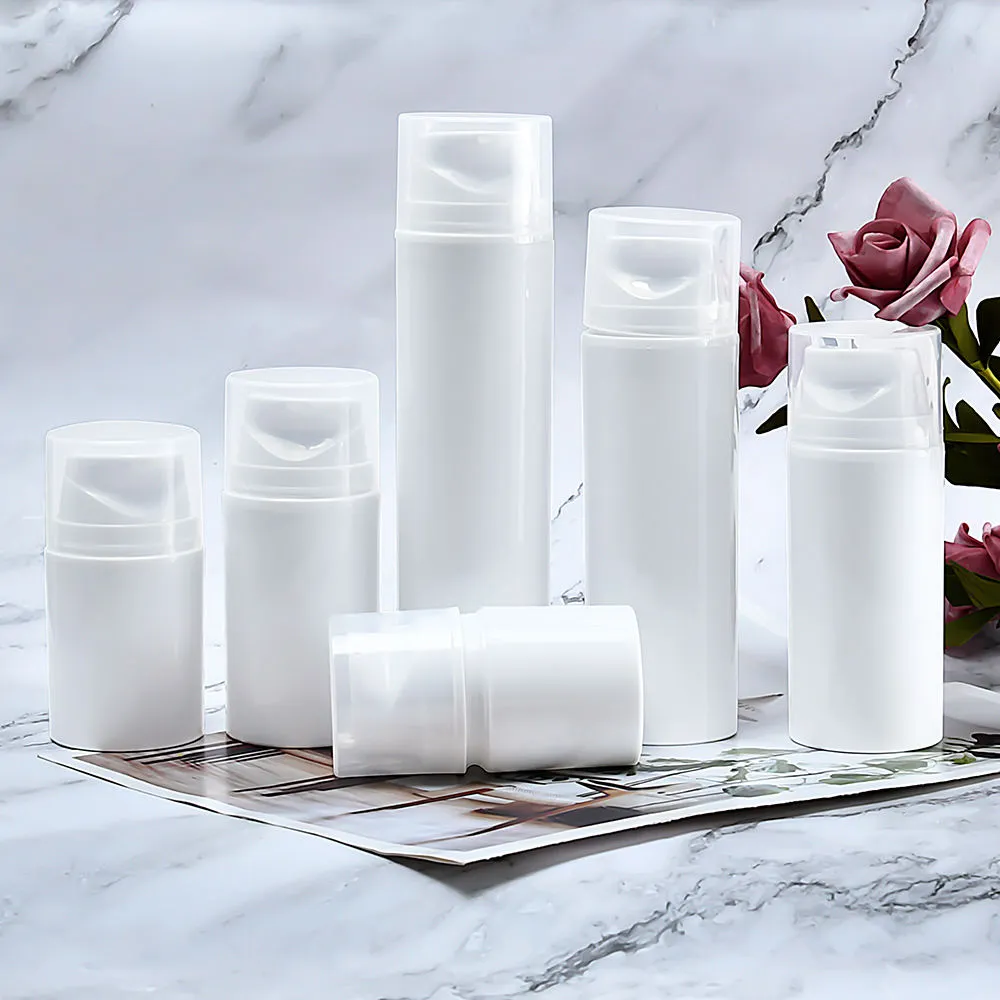 Custom PP White Airless Lotion Pump Bottles for Skincare 30–150ml
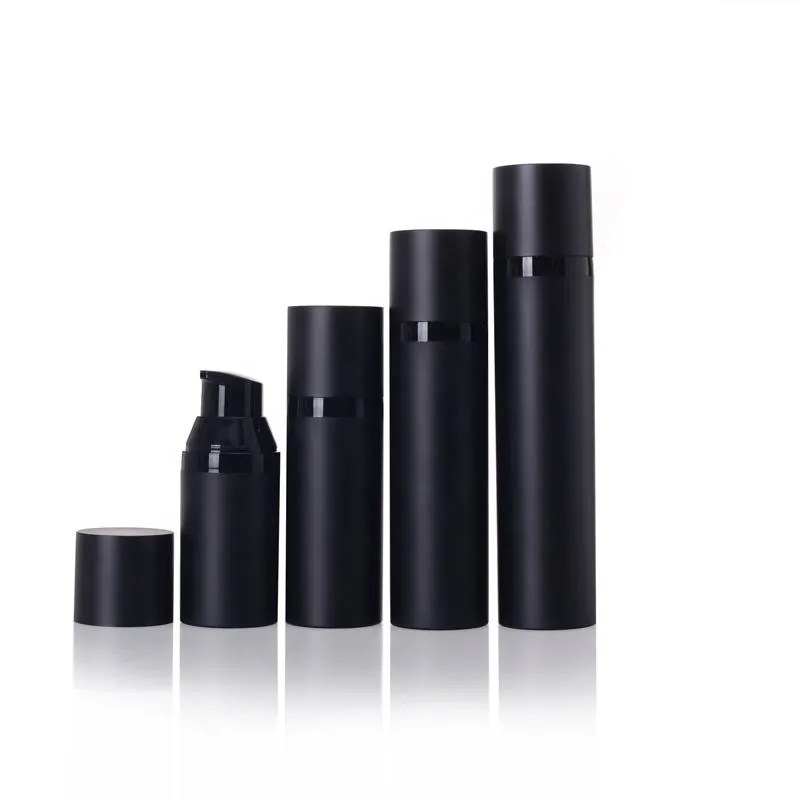 Custom Black Round Airless Pump Lotion Bottle 30-100ml
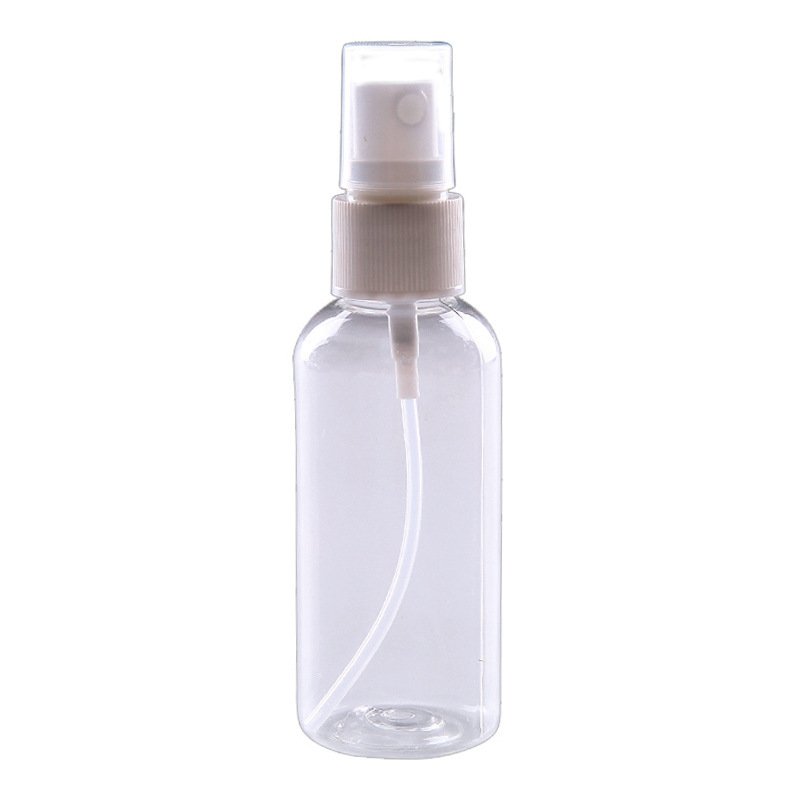
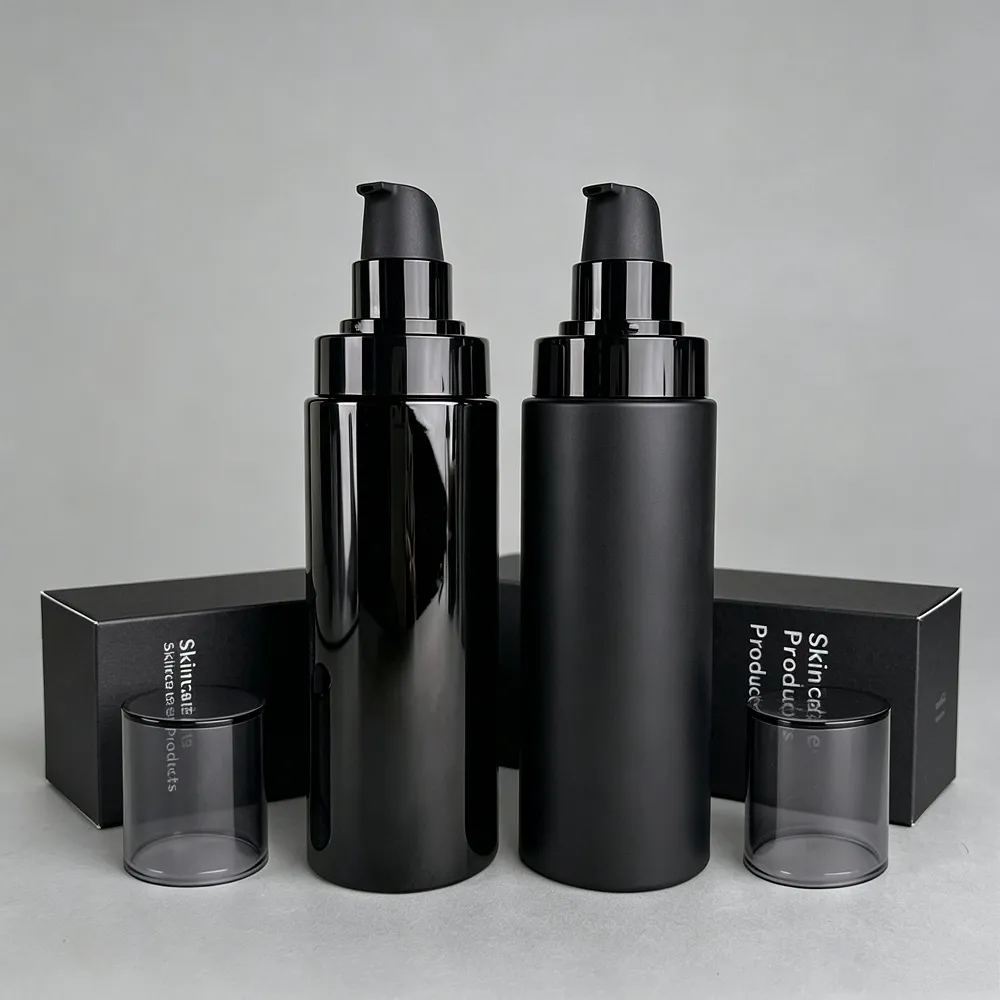 Custom PET Black White Amber Cosmetic Spray Lotion Pump Bottle 100–200ml
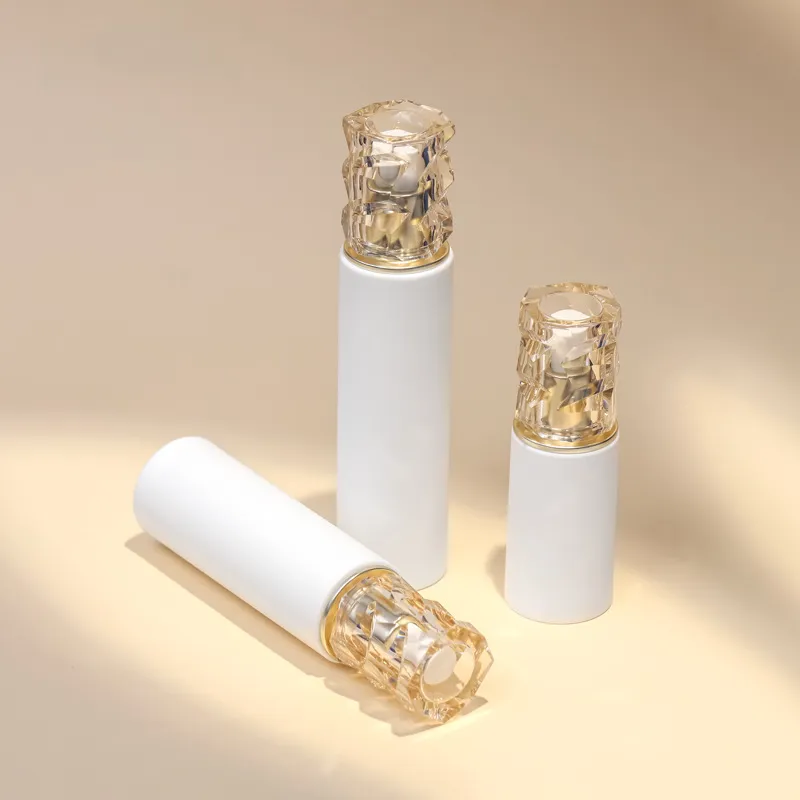 Custom Lotion Press Vacuum Pump Bottle 30-120ml
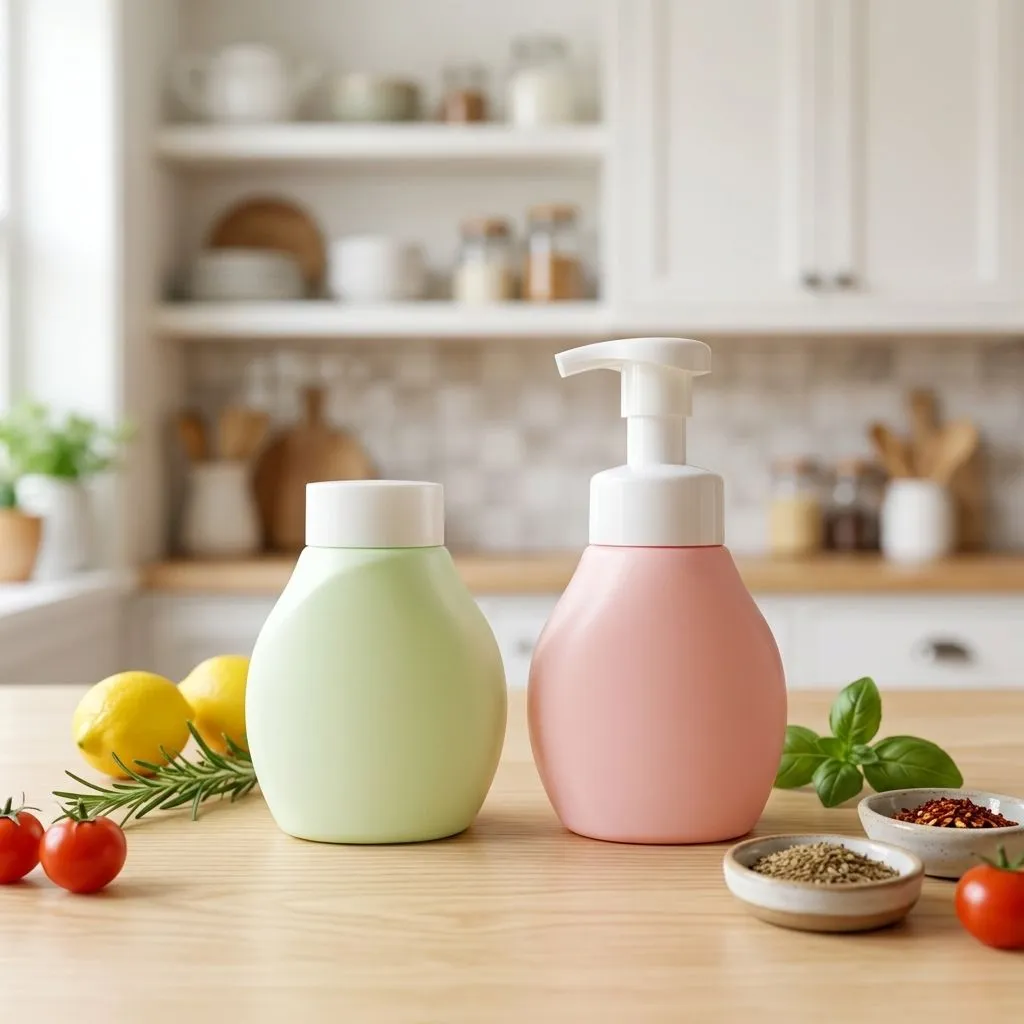 Custom Color Foam Pump PE Hand Wash Bottles 300ml
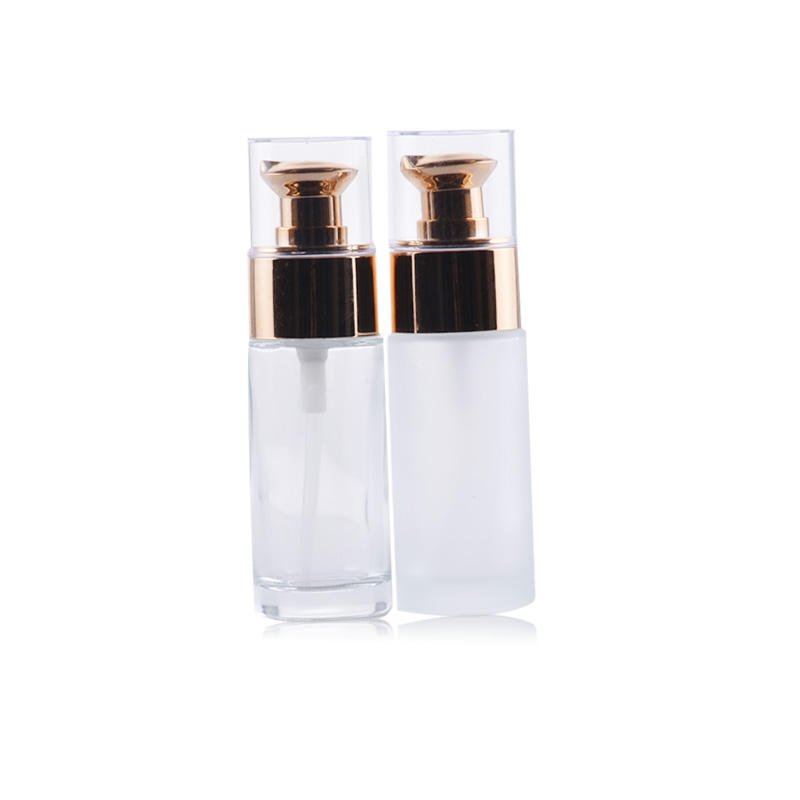
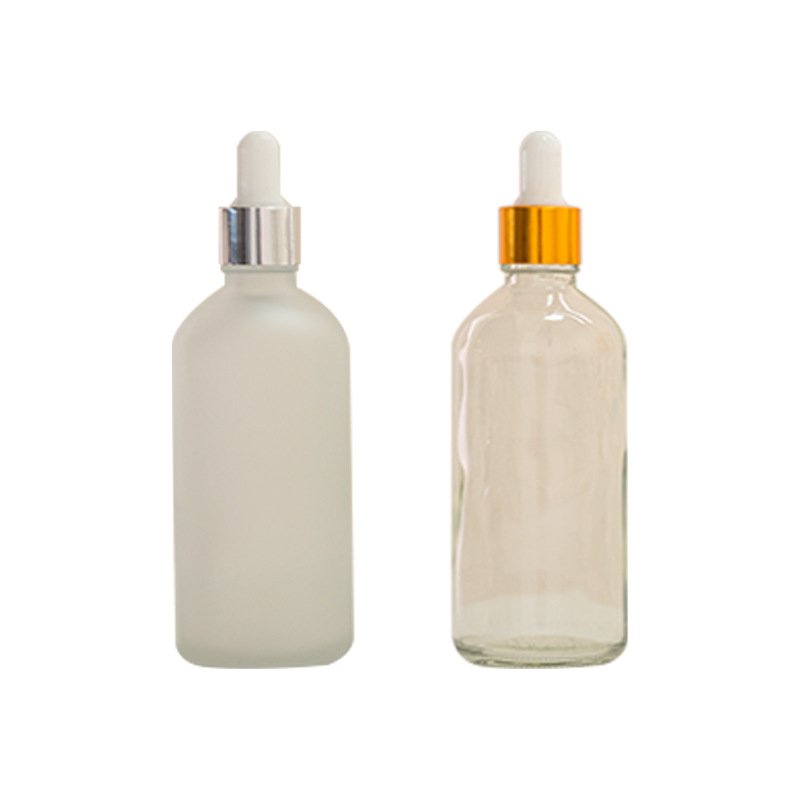
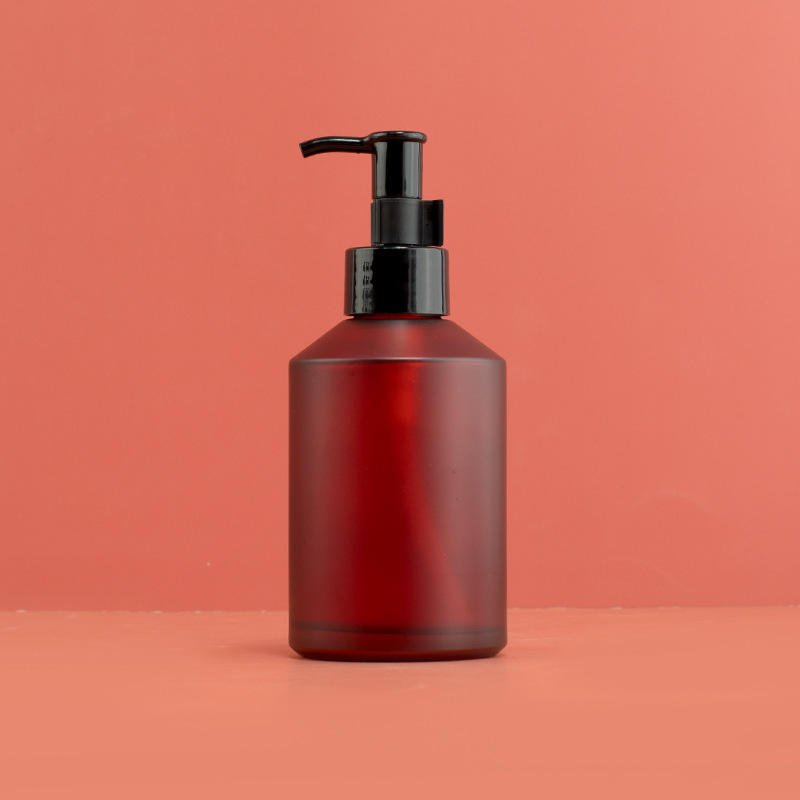 Pressing Empty Glass Essential Oil Lotion Pump Bottle 60-300ml
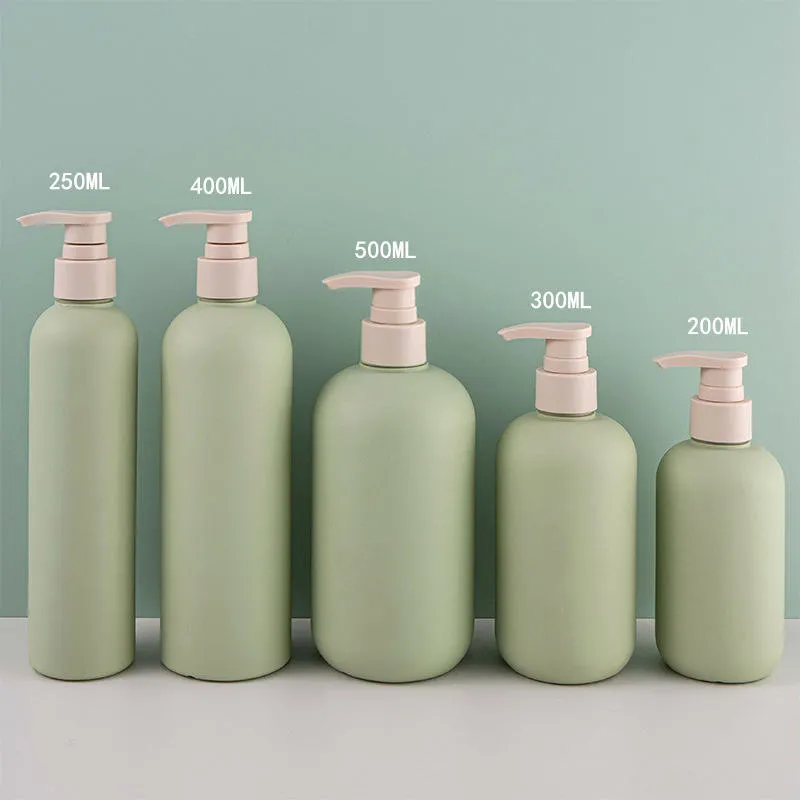 Custom logo Green Plastic HDPE Lotion Bottles for Shampoo Body Wash 200/300/500ml
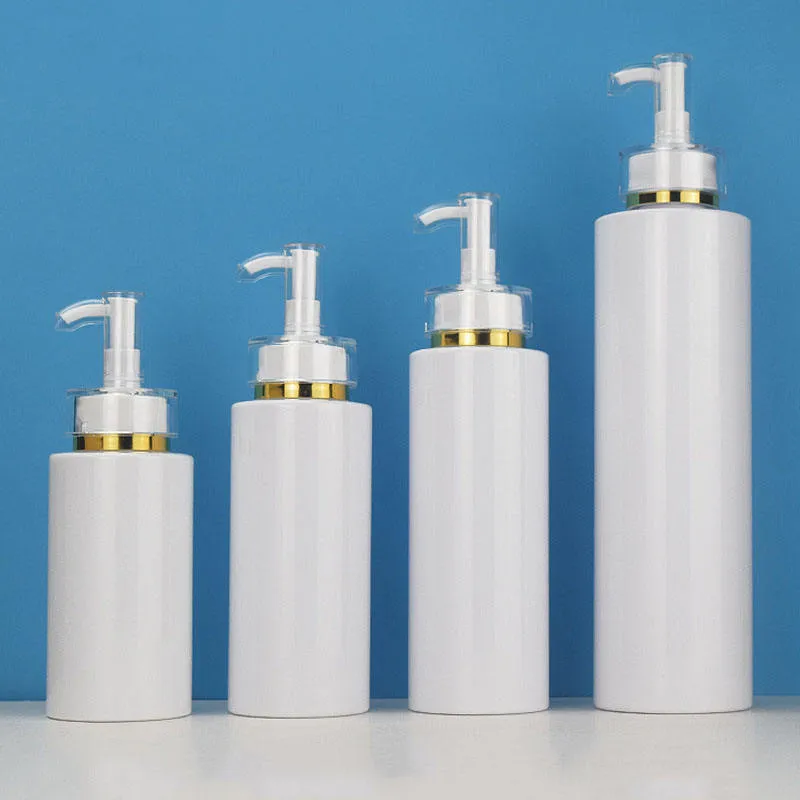 Luxury PET Empty Body Lotion Bottle Round White Push Pump 200ml 300ml 500ml
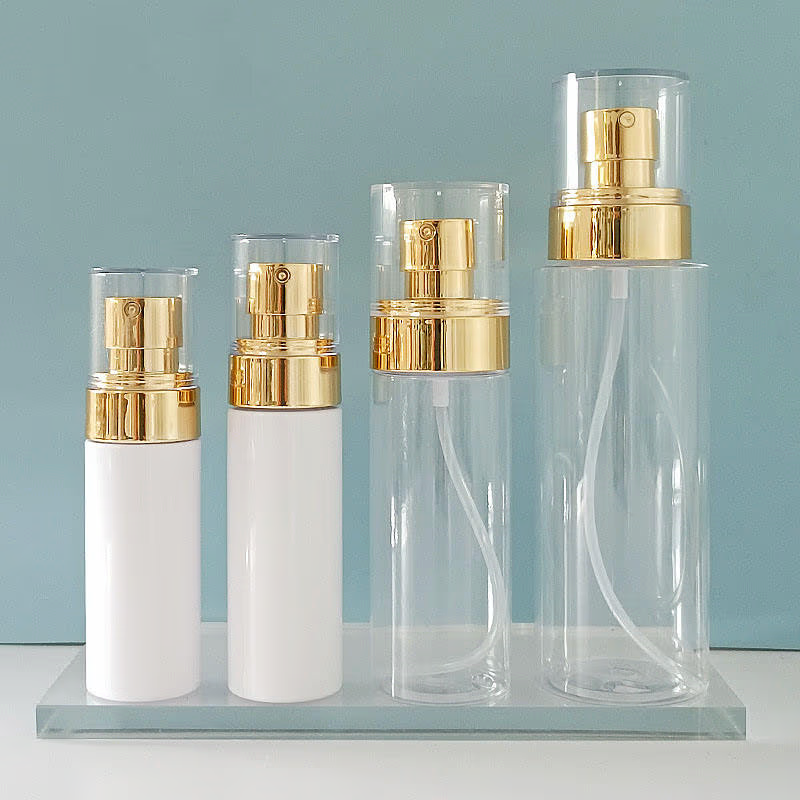 White PET Plastic Lotion Pump Bottle Double-Layer Sprayed Gold-Plated Cap 60-200ml
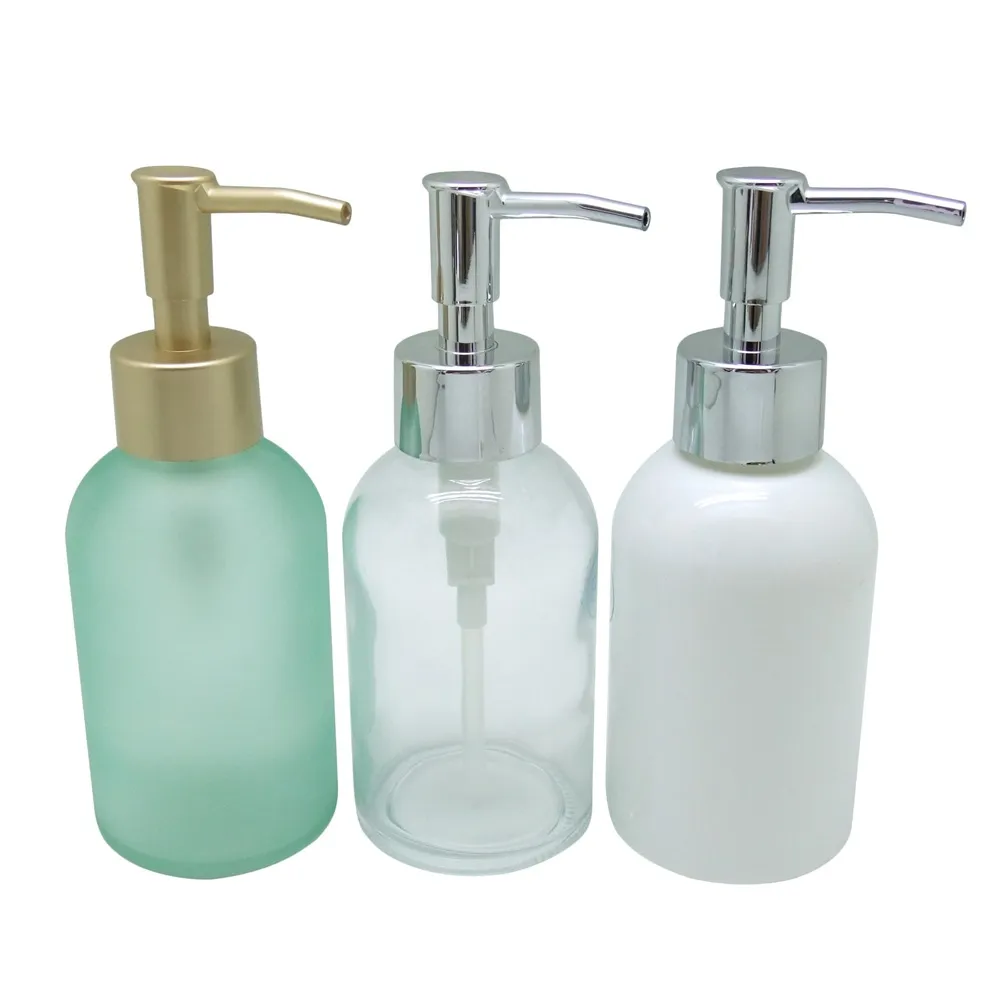 Green Glass Hand Wash Liquid Soap Lotion Pumps Bottles 200ml
 Striped Classic Cylindrical Glass Hand Sanitizer Bottle for Hotels 400ml
 English
 Español de Argentina
 Русский
 Italiano
 日本語
 한국어
 العربية
 Français
 Deutsch