Direct answer: Plan about 8–12 weeks for the main accelerated cosmetic packaging compatibility study, with observations at baseline and several intermediate points. Use a shorter 1–4 week screen only to reject obvious failures. Continue real-time monitoring in the final package through the claimed shelf life—often 12, 24 or 36 months depending on the brand’s justified claim. There is no universal regulatory duration: the protocol must match the formula, package, markets, storage, transport and risk.
The accelerated phase can support a development or launch decision, but it does not prove that eight weeks equals a fixed number of months. ISO/TR 18811:2018 expressly leaves conditions, methods, specifications and criteria to the manufacturer because cosmetics vary too widely for one standard schedule.
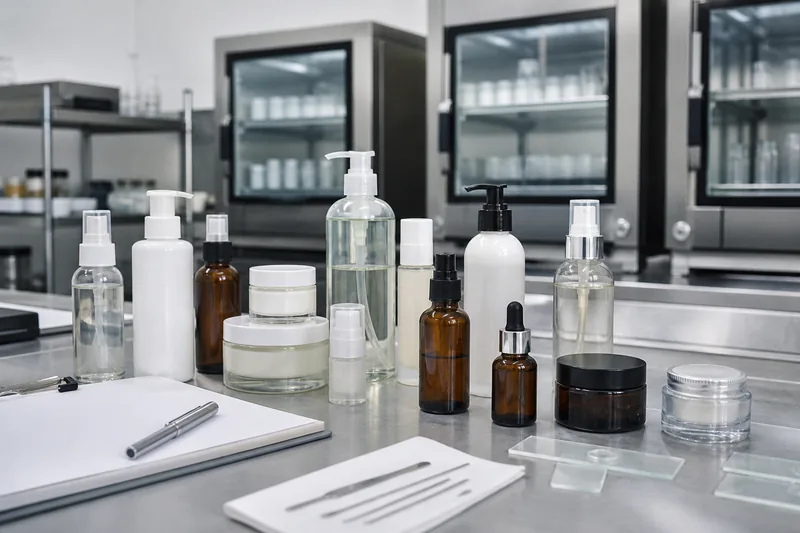
A practical compatibility-testing timeline
| Stage | Practical duration | Purpose | Decision it supports |
|---|---|---|---|
| Material/closure screen | 1–4 weeks | Expose major swelling, cracking, corrosion, leakage, discoloration or pump failure | Eliminate weak candidates; not shelf-life approval |
| Main accelerated study | 8–12 weeks as a common development starting point | Compare final-pack candidates under justified elevated, ambient, cold and other conditions | Select/qualify a package with defined evidence |
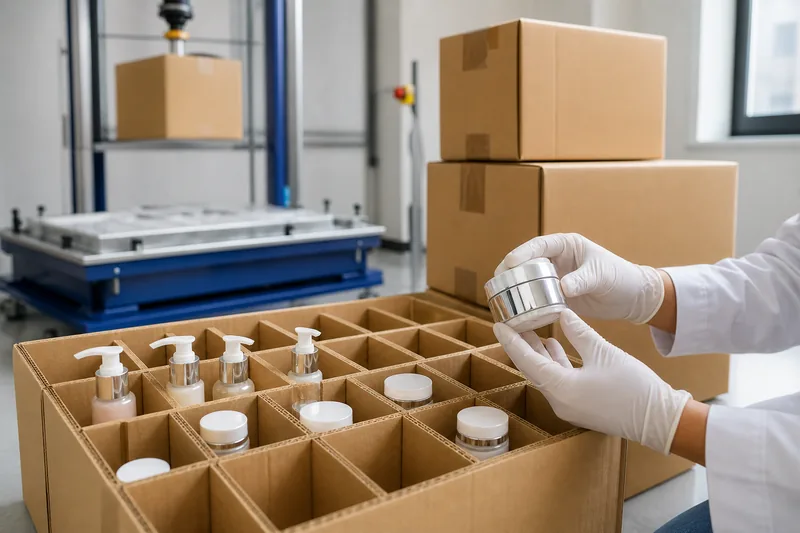
| Transport simulation | Days to several weeks, scheduled around conditioned samples | Evaluate drop, vibration, compression and temperature-route risks | Approve retail plus shipping configuration |
| Real-time monitoring | Through claimed shelf life | Confirm behavior under representative storage | Support and maintain the shelf-life rationale |
| In-use evaluation | Representative use period | Assess repeated actuation/opening, contamination exposure and evacuation | Support period-after-opening and consumer performance |
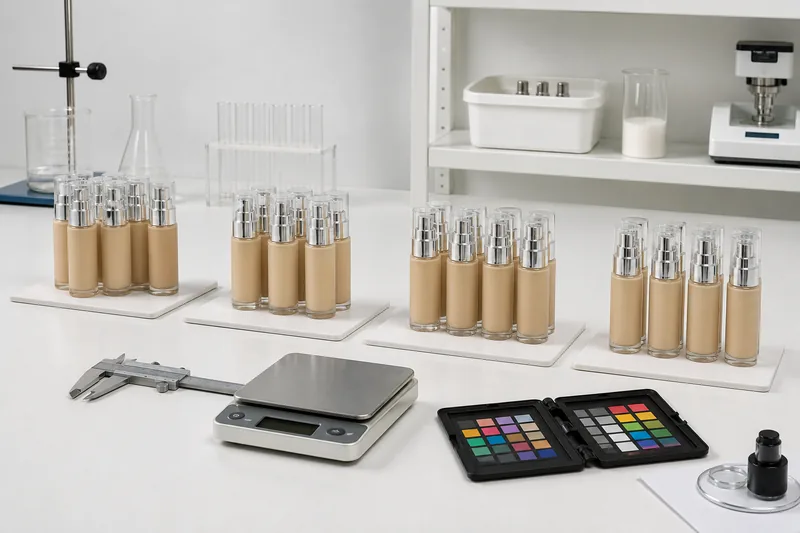
Useful accelerated checkpoints are baseline, early inspection, midpoint and endpoint—for example weeks 0, 2, 4, 8 and 12. The exact cadence should capture expected failure kinetics. Volatile, aggressive or historically unstable systems deserve closer early observations.
Why there is no universal number of weeks
Duration follows risk. A simple anhydrous balm in a familiar jar is not equivalent to a low-pH exfoliant in a decorated pump, a fragrance-rich oil in PET, or an oxygen-sensitive serum in airless packaging. Failure may come from the formula, bottle wall, gasket, spring, dip tube, liner, adhesive, ink or coating.
EU cosmetic safety-report guidance calls for stability under reasonably foreseeable storage conditions and recognizes interactions, barrier properties and migration between formula and primary package. It recommends comparing intended packaging with inert containers so investigators can distinguish formula aging from package-driven change. Cosmetics Europe likewise advises using material identical to the marketed package, appropriate controls and relevant orientations.
Design a study that produces interpretable evidence
- Use production-intent formula and components. Include the intended resin or glass, colorant, liner, gasket, pump, dip tube, decoration and assembly process.
- Add an inert control. A suitable glass control helps show whether a change originates in the formulation or package.
- Test relevant orientations. Upright storage reflects the shelf; inverted and side storage challenge the closure and expose different contact surfaces.
- Choose justified conditions. Include representative ambient storage, elevated temperature, cold exposure and light only where relevant. Consider temperature cycling for routes that experience repeated changes.
- Define sample count and acceptance criteria first. Ensure enough untouched units remain at every timepoint and condition.
- Run functional and distribution tests. Compatibility is more than visual stability; pumps, seals and decorations must still work after aging and transit.
If a product will use several package materials, closure systems or significantly different sizes, evaluate each meaningful configuration. Cosmetics Europe notes that the smallest package in a size range can be useful to study because its surface-area-to-product relationship may be more demanding.
What to inspect at every timepoint
Formula measurements
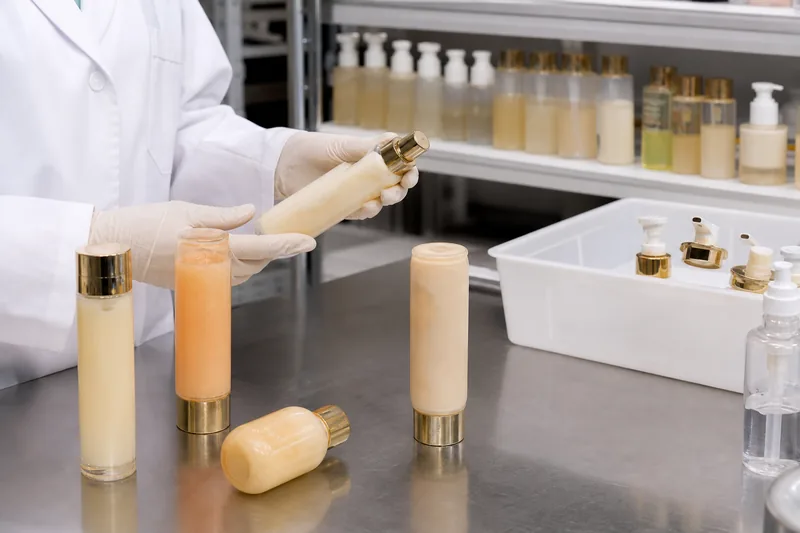
Record appearance, color, odor, pH, viscosity/rheology, separation, precipitation and mass change. Add assay, preservative content, oxidation markers or other chemistry when relevant. Compare results with the control and predefined specifications.
Package measurements
Check cracking, crazing, swelling, shrinkage, paneling, discoloration, corrosion, delamination, seal condition, torque/crimp retention and leakage. Examine product-contact components separately when disassembly is informative.
Functional measurements
Measure pump output, priming, actuator force, spray plume, clogging, dribble, dose repeatability and evacuation. For jars and caps, assess thread engagement, liner compression and consumer opening. Test decoration for adhesion, rub resistance and formula staining.
When 12 weeks is not enough
Extend or redesign the study when results are borderline, variable or still trending at the planned endpoint; when a high-risk formula contains fragrance oils, solvents, strong acids/alkalis or volatile components; when the package uses novel resin, PCR, coating or adhesive; or when shelf life, climate and distribution are unusually demanding.
Also repeat relevant work after material supplier changes, resin or colorant changes, pump substitutions, new decoration, revised formula, different manufacturing/filling conditions or a package-size change that alters contact ratio or headspace. A passed historic combination is useful prior knowledge, not approval for a materially different system.
Can a product launch before real-time testing ends?
A business may make a risk-based launch decision using a justified body of accelerated, compatibility, microbiological, functional and distribution evidence while real-time monitoring continues. That is not the same as saying accelerated testing proves the full shelf life. The responsible company must substantiate safety and quality for its markets and maintain a documented rationale.
The US FDA does not prescribe one cosmetic shelf life, but states that manufacturers are responsible for determining it. FDA also notes that companies use different temperature and humidity exposures to evaluate how long products remain safe and usable. Products regulated as drugs as well as cosmetics are subject to separate drug stability obligations.
What brands should give the packaging supplier
- full formula or confidential compatibility profile, including pH, viscosity, solvents, fragrance and actives;
- claimed shelf life, period after opening, markets and expected storage/transport extremes;
- complete package bill of materials and production-intent samples;
- fill volume, headspace, filling temperature, closure torque/crimp and orientation;
- test conditions, timepoints, methods, sample quantities and acceptance limits;
- change-control requirements and who owns investigation and retesting.
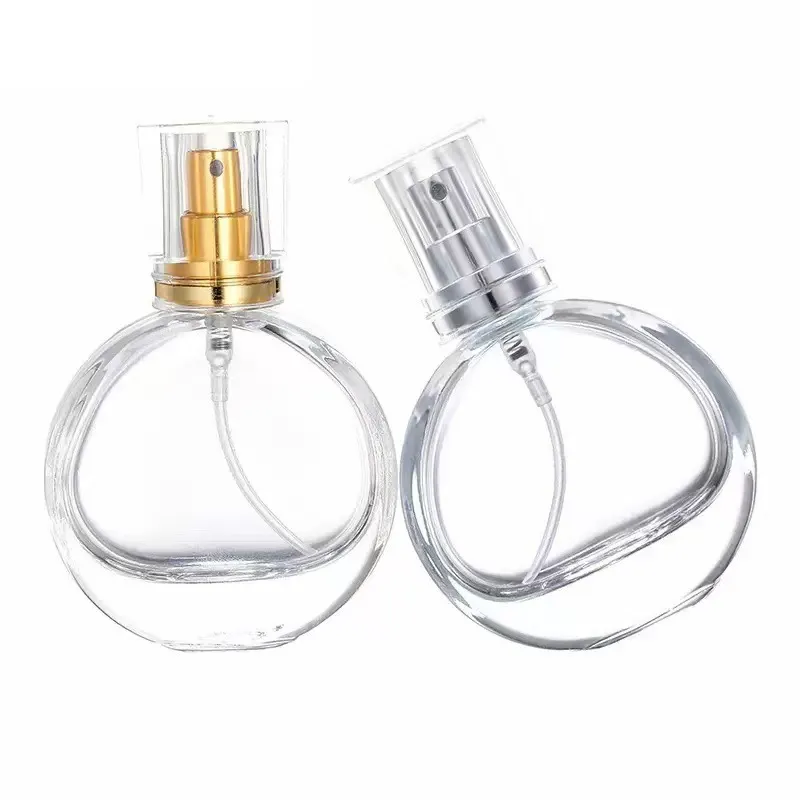
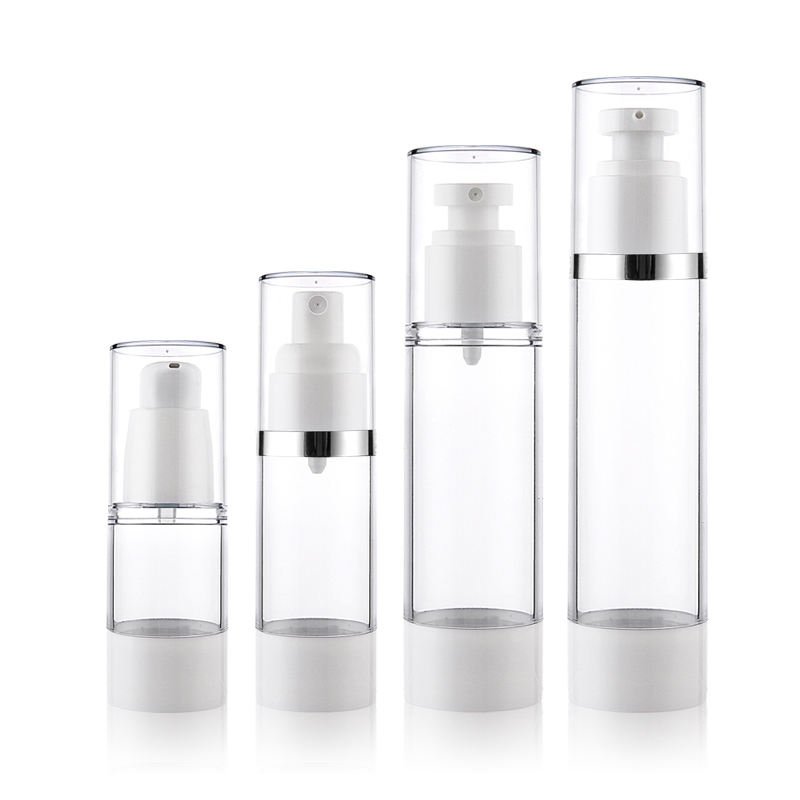
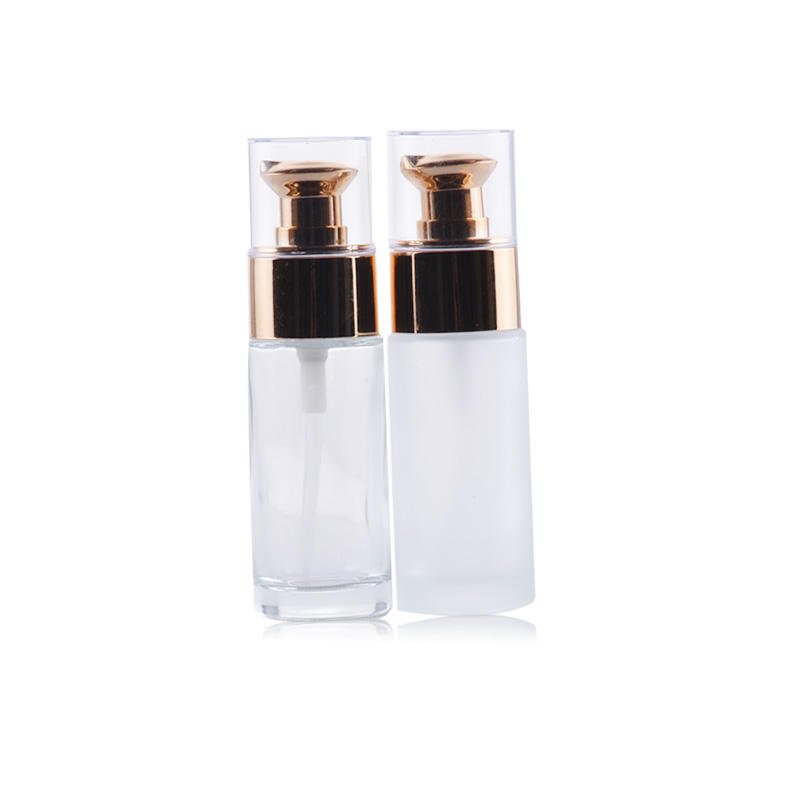
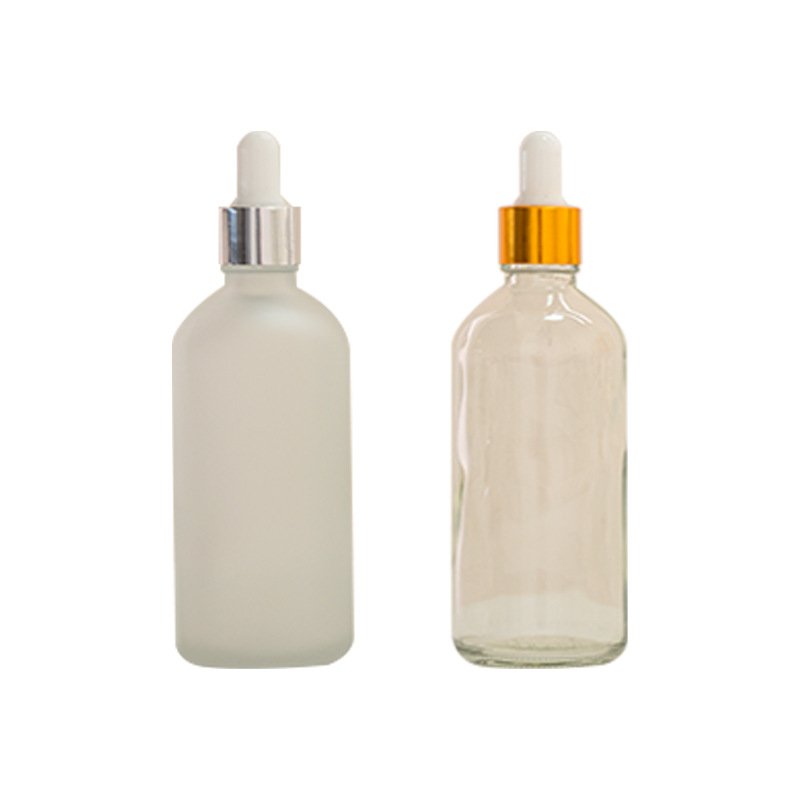
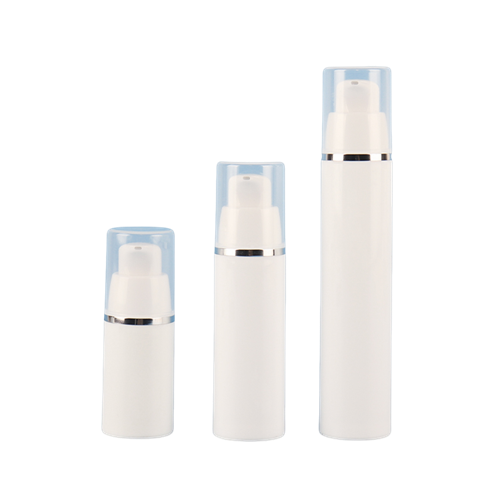
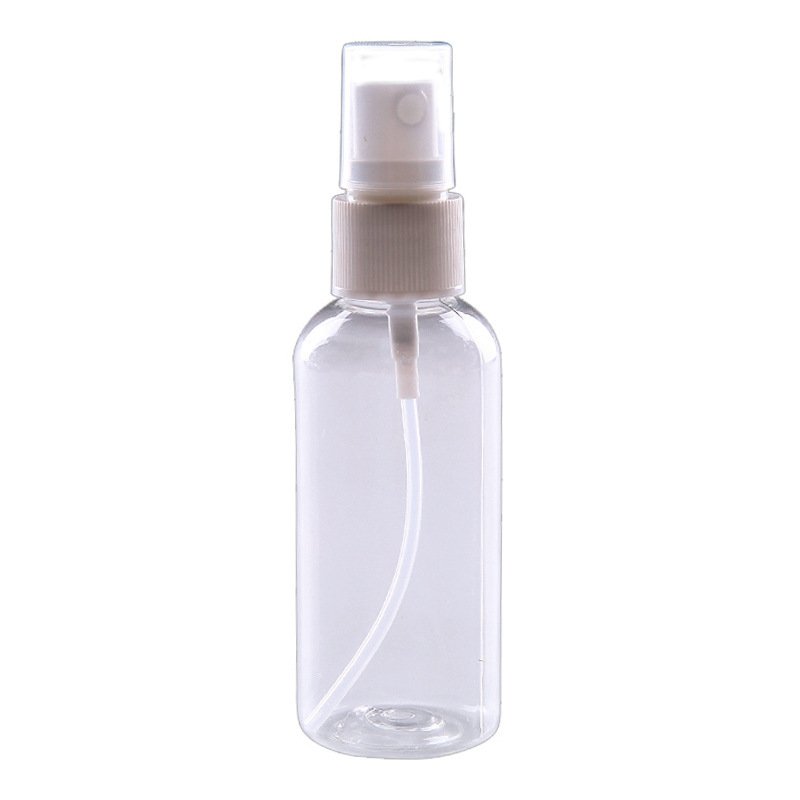
Boyu buyers can shortlist candidates from verified skincare packaging, airless pump bottles and plastic cosmetic bottles. Suitability should be approved with the exact formula and finished assembly.
Frequently asked questions
Is four weeks enough?
Four weeks can identify obvious incompatibility and support candidate screening, but it is usually weak as the sole basis for package and shelf-life approval. Continue a fuller accelerated program and real-time monitoring.
Does 12 weeks prove a three-year shelf life?
No—not automatically. Temperature does not accelerate every failure mechanism at the same rate. Twelve weeks is a useful development window only when conditions, endpoints and predictive rationale are scientifically justified and supported by real-time data.
Should compatibility use the final decorated package?
Yes, as early as feasible. Inks, coatings, labels, adhesives, metalization and assembly processes may contact product or change after drips, humidity, heat and handling.
Why store samples inverted?
Inversion maintains contact with the closure, liner, gasket and pump interfaces, which can expose swelling, corrosion or leakage that upright storage misses. It complements rather than replaces normal-orientation testing.
Sources
- ISO/TR 18811:2018 — Guidelines on the stability testing of cosmetic products.
- Cosmetics Europe — Guidelines on Stability Testing of Cosmetic Products.
- European Commission Decision 2013/674/EU — Cosmetic Product Safety Report guidelines.
- US FDA — Shelf Life and Expiration Dating of Cosmetics.
- US FDA — Cosmetic GMP Guidelines/Inspection Checklist.

 English
  Español de Argentina
  Русский
  Italiano
  日本語
日本語  한국어
한국어  العربية
  Français
  Deutsch