Travel Size Shampoo and Lotion Bottles Manufacturer
Compact custom packaging for travel retail, hotel amenities, trial kits, gyms, spas and personal-care brands—engineered around formula flow, closure security, filling and distribution.
Main capacities: 5ml to 100ml mini shampoo, conditioner, lotion, cleanser and body-wash bottles; other molds available.
Main materials: PET, HDPE, LDPE/PE, PP, PETG and qualified PCR-containing options.
Closure choices: Flip-top, disc-top, screw cap, mini lotion pump, treatment pump and selected airless systems.
Travel-Size Shampoo and Lotion Bottles Built for Real Use
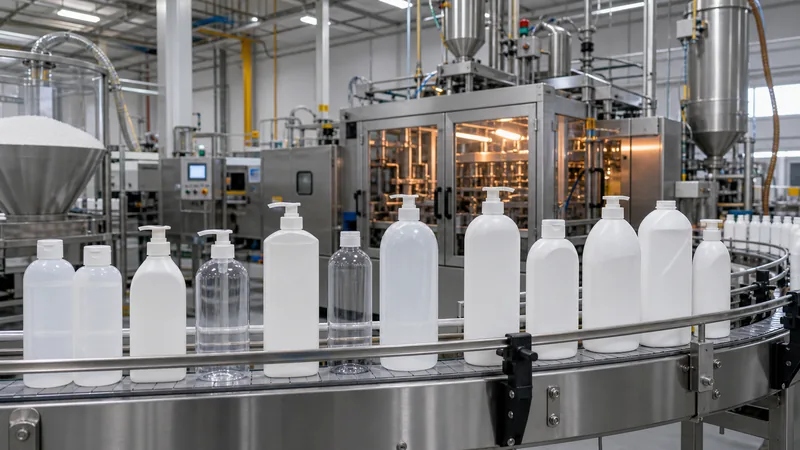
Boyu Packaging supplies compact bottles, closures, mini pumps and coordinated travel sets for shampoo, conditioner, body wash, lotion, hand care, facial cleanser and hotel amenities. A travel pack must survive filling, cap application, luggage pressure, temperature changes and repeated wet-hand use while still dispensing the formula cleanly. We therefore qualify the bottle, closure, formula and secondary pack as one system.
5–100ml focus
Common programs include 5–15ml samples, 20–30ml miniatures, 40–60ml travel packs and 75–100ml extended-use sizes, subject to available molds.
10,000 pieces per design
Standard custom MOQ is 10,000 pieces for each bottle/closure/color/artwork configuration. Special pump colors or private molds may have separate minimums.
Formula-led selection
Shampoo, conditioner and lotion can need different orifice sizes, squeeze force or pump engines. One attractive bottle does not automatically fit every formula.
What “Travel Size” Should Mean in a Purchase Specification
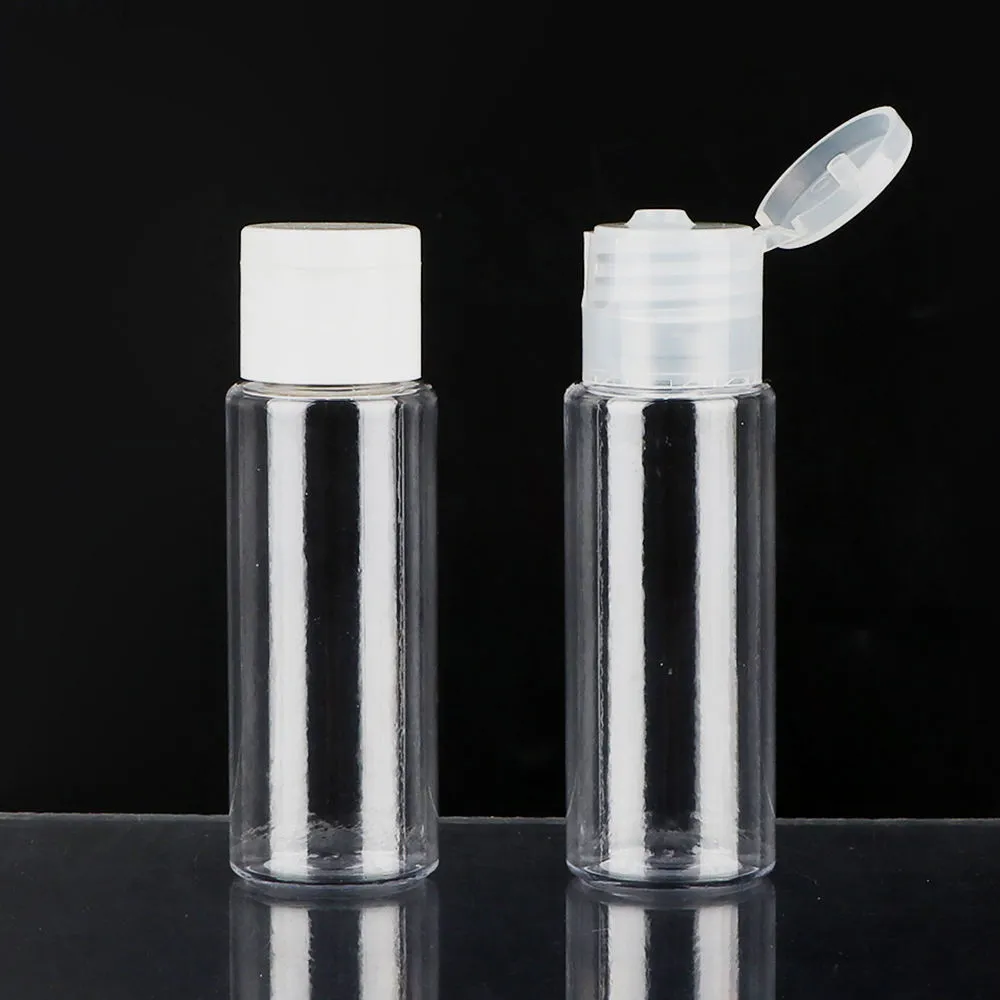
Boyu BY-T30 is a compact 30ml PET bottle platform for travel, hotel, trial and personal-care kits. Final dimensions, neck, grams and wall distribution are confirmed from the selected drawing.
Capacity alone is not enough
Record nominal capacity, brimful capacity and intended fill separately. A “30ml bottle” should not automatically be filled to the shoulder or brim; headspace may be needed for filling accuracy, formula expansion, cap insertion and distribution conditions.
Airline cabin-liquid limits and security procedures differ by country, airport and itinerary and can change. A bottle at or below a familiar capacity threshold does not itself guarantee passenger acceptance. Brands should verify current rules in each sales market and avoid making universal travel-compliance claims from volume alone.
Term
Meaning
Purchasing control
Nominal capacity
Commercial size used to describe the product.
Confirm how it relates to the intended label claim and fill volume.
Brimful capacity
Volume when filled to the top under a stated method.
Use the selected model drawing or measured sample; do not use as the normal fill.
Commercial fill
Formula volume placed on the filling line.
Set fill tolerance, density/mass conversion and headspace.
Travel format
Compact package designed for portability or trial use.
Define destination rules, leakage, lock/cap, pack-out and consumer instructions.
Hotel amenity
Guest-use pack often optimized for cost, line efficiency and controlled dose.
Closure choice should follow formula viscosity, intended dose, wet-hand use, one-handed convenience and travel leakage risk.
Bottle and closure are one dispensing package
A flip-top or disc-top cap keeps the pack compact and economical, but the hinge, land seal, plug, orifice and opening force must match the formula and user. A screw cap is simple and robust but may be less convenient in the shower. A mini pump improves controlled dosing yet adds height, moving parts and accidental-actuation risk.
For pump formats, approve neck finish, gasket, output, lock, actuator, dip-tube length and venting. For squeeze bottles, approve bottle stiffness, panel recovery, cap orifice and cut-off. Conditioner and thick lotion often need a larger flow path than low-viscosity shampoo.
Closure type
Best-fit situations
Buyer checks
Flip-top cap
Compact shampoo, body wash, cleanser and lotion packs.
Hinge life, opening force, plug seal, orifice, snap closure, residue and inverted leakage.
Disc-top cap
One-handed liquid or medium-viscosity personal care.
A coordinated range may use flip-tops for shampoo/body wash, a larger orifice for conditioner and a mini pump or airless option for lotion. Keep the bottle silhouette, color and decoration language consistent while approving each closure/formula pair separately.
For hotel and sample programs, calculate cost per usable dose, filling-line speed and leakage risk—not only bottle unit price. A slightly higher-performing cap can reduce rework, kit contamination and customer complaints.
Main Bottle Materials
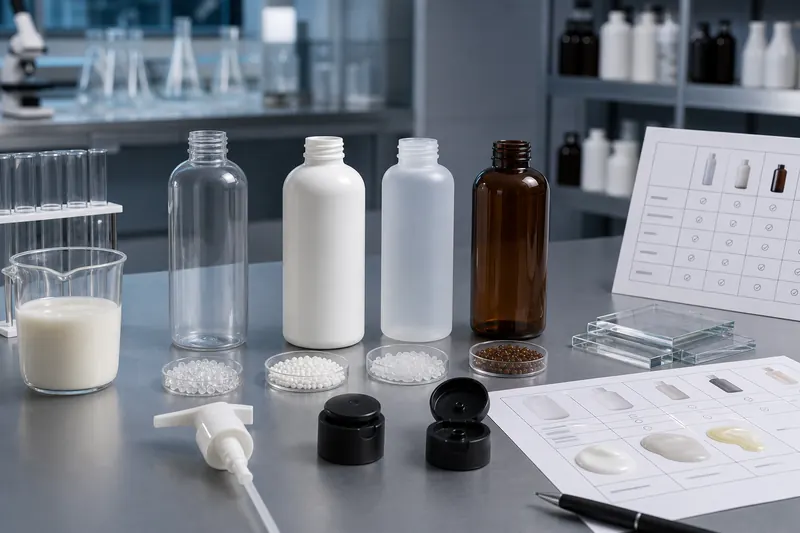
PET, HDPE, PE and PP offer different clarity, squeeze, chemical, barrier and decoration characteristics. The final formula must be tested in the selected package.
Select resin from performance and positioning
Clear PET provides shelf visibility and a crisp retail appearance. HDPE is tough and well suited to opaque squeeze bottles. LDPE/PE offers softer squeeze behavior for some mini packs. PP is used for caps, pump components and selected bottles. PETG can provide premium clarity or thicker visual walls in specialized designs.
PCR can support material-reduction goals, but source and percentage can change color, odor, clarity and mechanical behavior. Define PCR content, documentation, formula-contact suitability and change control, then revalidate when the PCR source or proportion changes.
Material
Strengths
Limitations / buyer checks
PET
Clarity, stiffness, good decoration and broad bottle shapes.
Stress cracking, hot-fill/heat, aggressive formulas, drop and panel recovery.
HDPE
Impact resistance, opaque color, squeeze and chemical performance for many formulas.
Permeation, paneling, surface decoration/label adhesion and color variation.
LDPE / PE
Softer squeeze and good flexibility for compact dispensing bottles.
Lower rigidity/clarity, dimensional recovery and cap-neck stability.
PP
Chemical resistance and common use in closures/pumps; selected bottle formats.
Appearance, stiffness, shrinkage and exact manufacturing route.
PETG
Premium clarity and thick-wall appearance for selected cosmetic bottles.
Weight, cost, formula resistance, heat and end-market recyclability.
PCR blends
Potential reduction in virgin-resin use.
Color/odor variability, documentation, mechanical properties and compatibility must be controlled.
Bottle Weight and Wall Thickness
A 30ml capacity does not determine one bottle weight or wall thickness. The final values depend on resin, preform or parison, neck, shape, shoulder, base, decoration and performance target. Boyu confirms grams and wall distribution from the selected mold drawing and production-intent samples.
How to specify grams
Request bottle-only net weight with target and tolerance. Then record the complete empty-pack weight with cap/pump and tube. Do not use carton gross weight as the unit weight.
Where to measure walls
Define shoulder, front/back panels, narrow sides, corners, heel and base locations. Local minimum values reveal weak areas that an average thickness can hide.
What lightweighting changes
Lower grams can reduce resin and freight, but may increase paneling, deformation, cap instability, stress, squeeze inconsistency or hot-storage distortion.
How to approve production
Use calibrated weight and wall gauges, identify cavities, compare to the signed drawing/sample and investigate trends before dimensions reach rejection limits.
Construction
Control approach
Common risk
PET stretch-blown bottle
Preform grams, heating/stretch-blow recipe, local wall map, neck and base.
Thin shoulder/corners, haze, base distortion or poor top load.
HDPE/PE extrusion-blown bottle
Programmed parison, trimmed neck/flash, grams, wall map and squeeze recovery.
Uneven walls, pinch-off weakness, oval neck or paneling.
PP or specialty bottle
Model-specific molding route, shrinkage, grams and critical dimensions.
Fit variation, stiffness mismatch and closure leakage.
Double-wall / airless
Functional inner chamber and decorative shell recorded separately.
Outer appearance may hide piston-bore, vent or sealing problems.
Factory Manufacturing Process
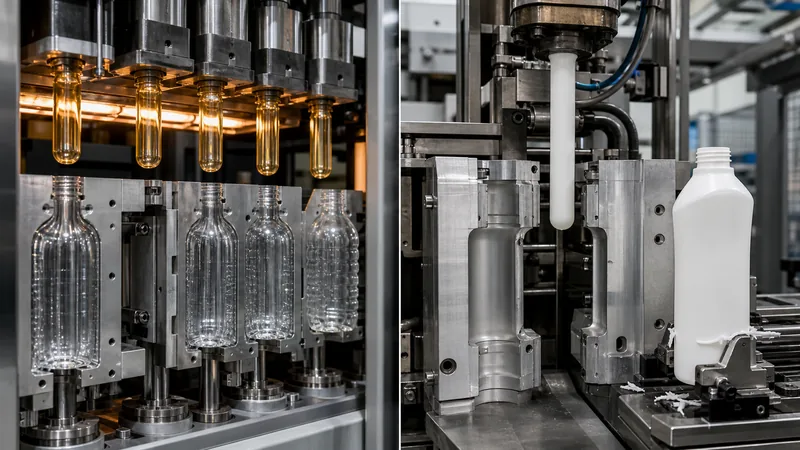
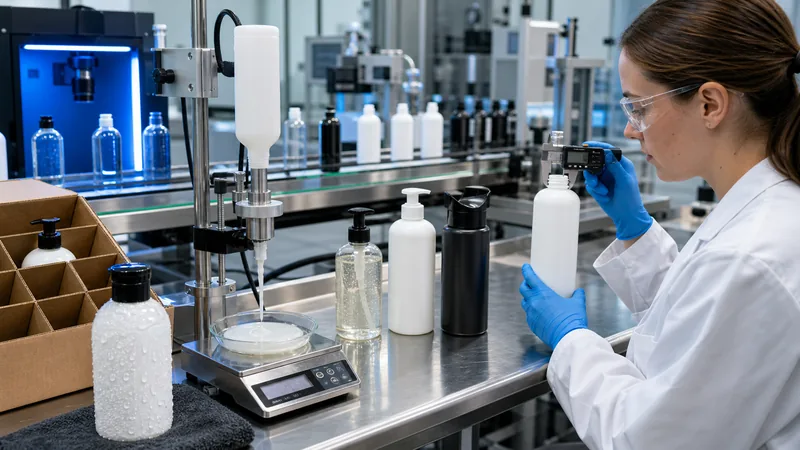
Boyu’s production illustration covers development, molding, decoration, closure matching, inspection and packing for personal-care bottles.PET commonly uses preform stretch blow molding; HDPE and many PE formats commonly use extrusion blow molding. Tooling and machine controls are not interchangeable.
1 · Requirement review
Confirm formula, capacity/fill, use scenario, resin, closure, dose/orifice, grams/walls, color, artwork, packing and destination.
2 · Design and DFM
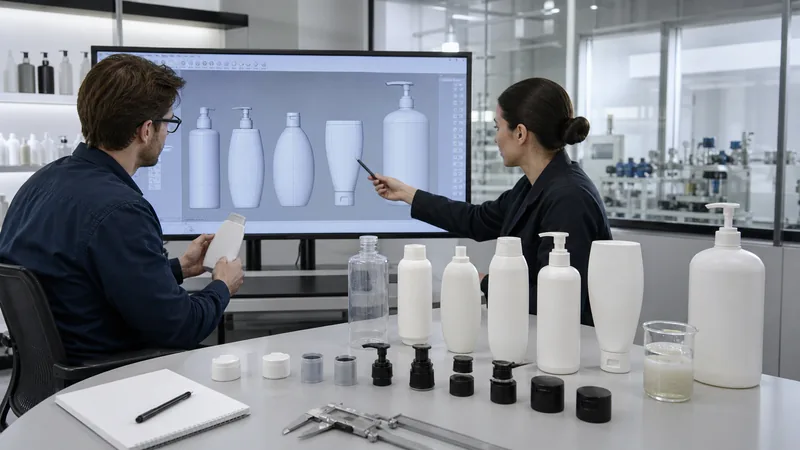
Select an existing model or create 2D/3D data; check neck, mold route, labeling, stability, line fit and pack density.
Control preform or parison, process recipe, mold cavity, cooling, bottle weight, wall distribution, neck and appearance.
5 · Closure / pump assembly
Mold and assemble caps or pumps; control hinge, plug, gasket, valve, actuator, lock and dip tube.
6 · Decoration and packing
Approve first-piece color/print, run adhesion checks, complete function/leak inspection and protect surfaces in shipment.
Color, Logo, Closure and Mold Customization
Customization can start from a stock bottle and coordinated closure or progress through private 2D/3D design, tooling trials and filled-package validation.
Use the lowest-risk level of customization
For most travel launches, an existing bottle platform with custom resin color, cap color, logo and kit box reduces tooling exposure and shortens technical approval. Private tooling is appropriate when the silhouette, grip, dose, pack density or brand architecture justifies extra development.
Provide editable vector artwork, Pantone references, print dimensions, viewing side and finish boundaries. For tactile or metallic effects, approve physical samples under the intended lighting rather than relying only on screen colors.
Resin vs coating, masterbatch, physical standard, tolerance, rub and formula exposure.
Cap / pump
Matched or contrasting molded color, matte/gloss, metallic shell, lock, clip or overcap.
Component code, neck/seal, color sample, opening/actuation and travel protection.
Logo
Screen print, hot stamp, suitable UV/digital print, label or sleeve.
Vector artwork, size/position, registration, ink/foil, adhesion and scuff standard.
Structure
Round, oval, flat, square, custom shoulder/base, multi-chamber or private mold.
2D/3D, DFM, tooling scope/ownership, T1 correction and golden sample.
Travel kit
Color box, pouch, tray, insert, multiple-bottle set and barcode/retail labeling.
Dieline, pack sequence, scuff/leak containment, count and distribution test.
How to Prevent Leakage in Travel Bottles
Leak qualification should use the final formula, commercial fill, closure application and defined temperature/orientation—not an empty bottle alone.
Identify the real leakage path
Flip-top leakage can start at the bottle-neck seal, thread/snap fit, plug-to-orifice contact, hinge/lid engagement or product residue across the land. Pump leakage can come from the neck gasket, incorrect torque, valve/actuator, lock, dip tube, vent path or pressure changes.
The bottle can also deform under heat or luggage compression and reduce sealing force. Match bottle stiffness and wall distribution to the closure. Control cap installation and keep sealing surfaces free from shampoo or lotion before closing.
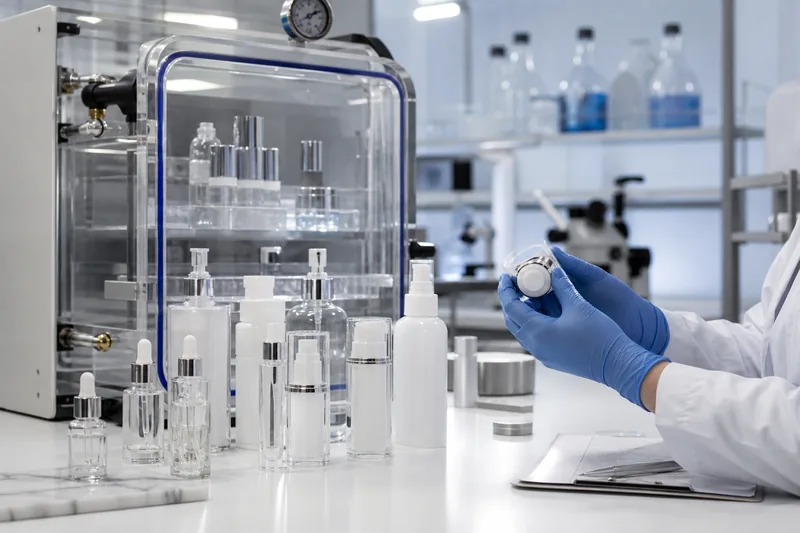
A robust plan can combine upright, inverted and side storage, temperature cycling, vacuum or low-pressure exposure where appropriate, drop/vibration and packed distribution simulation. Define duration, sample size and acceptance before testing.
Leak risk
Preventive control
Verification
Neck / cap mismatch
Approve bottle-neck and closure drawings, sealing land, plug/gasket and exact part codes.
Dimensional fit, cap seating, torque/snap and filled orientation test.
Cross-threading or low torque
Define capping equipment, alignment and application range.
Line sampling, removal/retention checks and neck wetness inspection.
Flip-top opens in luggage
Control latch engagement and opening force; add shrink band, label or secondary restraint if required.
Cap-cycle and packed vibration/drop tests.
Pump accidental actuation
Use lock, clip, overcap or carton insert and confirm lock orientation.
Transport simulation and post-test activation inspection.
Formula attacks materials
Test resin, gasket, tube, valve, ink/coating and adhesive with final formula.
Aged compatibility at intended temperatures plus leak/function checks.
Bottle panels or expands
Validate wall stiffness, venting, fill/headspace and thermal route.
Hot/cold storage, pressure change and post-conditioning dimensions.
Quality-Control Process From Resin to Shipment
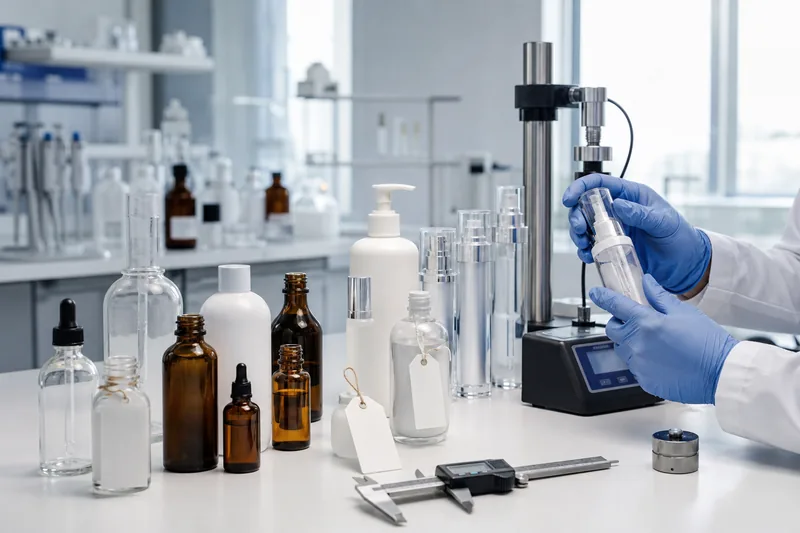
Dimensions, appearance, closure fit, dispensing and packaging checks are linked to the approved drawing and golden sample.The quality plan combines dimensional, closure, dispensing, compatibility and filled-package tests instead of relying on appearance inspection alone.
Quality gate
Typical checks
Release decision
Incoming material
Resin/grade, PCR documentation, color masterbatch, cap/pump components, gasket, tube and decoration materials.
Approved source, lot identity and incoming conformity.
Bottle first piece
Weight, capacity, height/diameter, neck, wall distribution, base, squeeze/recovery and appearance.
Machine/mold setup approved before continuous output.
Closure / pump
Part presence, seal/plug, hinge, snap/thread, output/orifice, lock, gasket and tube.
Assembly setup released against component drawing.
Decoration
Color, print position, registration, adhesion, rub, coating and foil finish.
First decorated sample plus signed limit range.
Filled function
Opening, squeeze/dispensing, prime/output, cut-off, residual product, leak and compatibility.
Written method, sample size and pass/fail criteria.
Final / packing
AQL where agreed, count, cleanliness, individual protection, carton, labels, marks and pallet.
Inspection report, retained samples and shipment release.
Formula Compatibility and Dispensing Quality
Water is useful for gross leakage screening, but it does not reproduce shampoo surfactants, conditioner polymers, lotion oils, fragrance, solvents, preservatives, salts, particles or long-term interaction. Test production-intent bottle, closure, gasket, tube and decoration with the final formula and intended filling process.
Performance characteristic
How to test
Why buyers care
Squeeze / flow
Defined temperature, bottle orientation, force, orifice and dose or travel.
Consumer effort, controlled output and product waste.
Pump prime / output
Count dry-prime strokes; weigh multiple doses and report mean/range.
First-use experience and dosing consistency.
Cut-off / stringing
Observe outlet after repeated doses with the real formula.
Mess, cap contamination and perceived quality.
Bottle recovery
Repeat squeeze cycles and measure panel return/shape.
Shelf appearance, air return and continued dispensing.
Chemical compatibility
Aged filled storage at relevant temperatures and orientations.
Swelling, cracking, softening, discoloration, odor, mass change and leakage.
Decoration resistance
Formula/contact wipe, rub, tape adhesion and aging as specified.
Logo/color durability inside wet travel bags and bathrooms.
Travel-Specific Quality Requirements
Compact without fragile features
Avoid unnecessary projections that snag or receive concentrated impact. Check cap/pump height, base stability and fit inside kits.
Wet-hand usability
Evaluate grip, opening force, one-handed use, label/coating slip and readable product identification in bathroom conditions.
Closure protection
A flip-top latch, pump lock, overcap, clip, tamper band or tray may be needed according to channel and formula risk.
Low residual product
Match shoulder/base geometry, bottle flexibility, dip tube and consumer orientation so a small pack does not strand a high percentage of formula.
Set identification
Use controlled colors, labels or symbols to distinguish shampoo, conditioner, wash and lotion while maintaining one visual family.
Scuff and decoration control
Travel kits create bottle-to-bottle contact. Test dividers, sleeves, coatings, print and metallic finishes after vibration and handling.
Secondary Packing and Distribution
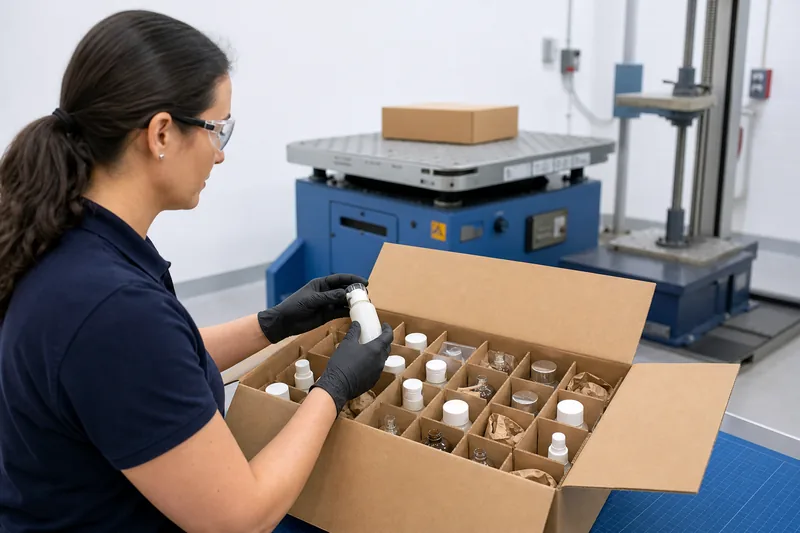
Dividers keep bottles separated while the packed-carton inspection checks orientation, closure protection, scuff risk and shipment readiness.
The carton is part of leakage control
Specify bottle orientation, divider or tray, individual bag/box, pump lock direction, carton count, pallet pattern and stack height. A bulk carton that protects an undecorated bottle may still scuff a matte coating, hot stamp or metallized pump.
For e-commerce or airline/hotel kits, review the complete retail pack rather than the bottle alone. If one unit leaks, an insert or sealed pouch can limit contamination of the remaining components. Distribution testing should match the actual shipper, fill weight and route.
Sampling, Production and Delivery Timeline
1 · Specification and quotation
Confirm capacity, formula, resin, closure, color/logo, quantity per SKU, pack-out, destination and quality plan.
2 · Existing samples
Review available bottle/closure combinations for hand feel, size, fit and preliminary formula dispensing.
3 · Customized samples
Customized color or artwork samples commonly require about 7–15 days after specifications, artwork and charges are confirmed.
4 · Compatibility validation
Timing follows the buyer’s formula and stability protocol. This can run alongside design work but must finish before final package release.
5 · Mass production
Typical custom production is about 30–45 days after golden-sample/specification approval and deposit; special components or tooling add time.
6 · Inspection and freight
Reserve time for final or third-party inspection, corrective sorting, packing, export booking and sea/air/express delivery.
MOQ, Pricing and Buyer Cost Control
MOQ by configuration
Standard MOQ is 10,000 pieces per design. Confirm each capacity, bottle color, cap/pump color and artwork as a separate SKU unless the quotation allows a split.
What changes unit price
Resin and bottle grams, closure/pump structure, custom color, decoration passes, private mold, individual packaging, inspection and total quantity.
Compare equivalent quotes
Match capacity/fill, material, grams/walls, neck, closure seal, pump output, decoration, quality standard, carton and Incoterm.
Samples and freight
Existing samples may be offered for evaluation; buyer usually pays courier. Custom colors, print, prototypes and tooling have separate charges.
Questions Professional Buyers Should Ask
Buyer question
A strong supplier answer should include
Is this bottle suitable for our shampoo or lotion?
Formula review and filled tests for flow/prime, dose, cut-off, leakage, compatibility, residual product and temperature.
Are the grams and walls verified?
Selected-model drawing, net bottle weight/tolerance, local wall locations, critical dimensions and sample measurements.
Can the cap open in luggage?
Latch/opening-force requirement, cap cycles, secondary restraint and packed vibration/drop evidence.
What is the actual usable fill?
Nominal and brimful capacity, commercial fill, headspace, density/fill tolerance and insert or tube displacement.
Can shampoo and lotion share one bottle?
Yes only if each formula is separately qualified with an appropriate closure/orifice/pump and bottle stiffness.
Can one MOQ cover a travel set?
Written MOQ for each bottle, closure, color and artwork plus allowed common-component or print splits.
A small bottle is not automatically low-impact. Evaluate material grams, usable doses, product waste, component count, pack density, refill cycles and end-market collection together. A durable refillable pack can perform poorly if consumers cannot clean and dry it or if the cap loses sealing force after repeated use.
PCR specification
Define percentage, source/documentation, color/odor limits, formula-contact suitability and change approval.
Refill validation
Set cleaning, drying, hygiene, refill opening, cap/insert durability, label life and maximum intended cycles.
Mono-material direction
A bottle and cap from related polymers may simplify design, but pumps, liners, labels, adhesives and coatings still require assessment.
Lightweighting
Reduce grams only after wall distribution, closure fit, squeeze, drop, leakage, filling and distribution remain acceptable.
Travel-Size Shampoo and Lotion Bottle Questions & Answers
What capacities are available for travel-size shampoo and lotion bottles?
Common options include 5–15ml samples, 20ml, 30ml, 40ml, 50ml, 60ml, 75ml and 100ml. Exact availability depends on the selected bottle and closure.
What is the MOQ?
The standard custom MOQ is 10,000 pieces per design. Different capacities, colors, closures or artworks may be separate configurations.
Is the BY-T30 bottle really 30ml?
Its nominal capacity is 30ml. Brimful capacity, commercial fill, height, diameter, neck, grams and walls should be confirmed from the approved drawing and sample.
Which material is best for mini shampoo bottles?
PET suits clear retail presentation; HDPE and PE suit many opaque squeeze formats; PP and PETG serve selected structures. Final choice depends on formula and use.
Can the same bottle hold shampoo and lotion?
Potentially, but each formula may need a different orifice or pump and must pass separate dispensing, leakage and compatibility tests.
How do you prevent travel bottles from leaking?
Match bottle and closure drawings, control sealing surfaces and cap/pump application, validate formula compatibility, protect the closure and test filled packs under travel conditions.
Are 100ml bottles always allowed in cabin baggage?
No universal promise should be made. Rules vary by country, airport, airline, container presentation and itinerary; verify current official requirements in each target market.
What is the bottle weight in grams?
Weight is mold- and material-specific. Request bottle-only grams and tolerance plus complete empty-pack weight; do not use carton shipping weight.
What is the wall thickness?
It must be measured at defined points on the selected model. Capacity alone does not establish one reliable wall-thickness figure.
Can bottle and cap colors be customized?
Yes, subject to resin, finish and MOQ. Approve Pantone or a physical standard, tolerance, light source and signed limit sample.
Which logo methods are available?
Screen print, hot stamp, suitable UV/digital printing, labels and sleeves are available depending on material, shape and durability requirements.
Can you make a private mold?
Yes after design and feasibility review. The project requires 2D/3D, DFM, tool scope/ownership, trials, corrections and production qualification.
How long do customized samples take?
Customized appearance samples commonly require about 7–15 days after specifications, artwork, color standard and sample charges are confirmed.
How long does mass production take?
A typical reference is about 30–45 days after final sample/specification approval and deposit. Quantity, decoration, component availability and holidays can change it.
How are pumps protected during shipment?
Use a lock, clip, overcap, shrink band, tray or carton restraint appropriate to the pump and channel, then verify it with packed distribution tests.
What should we send for a quotation?
Send formula/application, capacity/fill, quantity per SKU, material, closure, color/logo, grams/walls if critical, packing, destination, Incoterm and required date.
Request a Travel Bottle Quotation
Send the formula type, target capacity and fill, quantity per design, bottle material/shape, preferred closure or pump, color/logo, kit configuration, packing, destination and launch date. Boyu can first compare existing molds—including the 30ml BY-T30—and identify where a different closure, additional testing or private tooling is justified.
Commercial brief
Capacity • quantity per SKU • annual forecast • colors/artworks • travel set • packing • destination • Incoterm • required date
Technical brief
Formula • bottle/resin • neck/closure • orifice/output • grams/walls • fill/headspace • leakage • compatibility • distribution plan
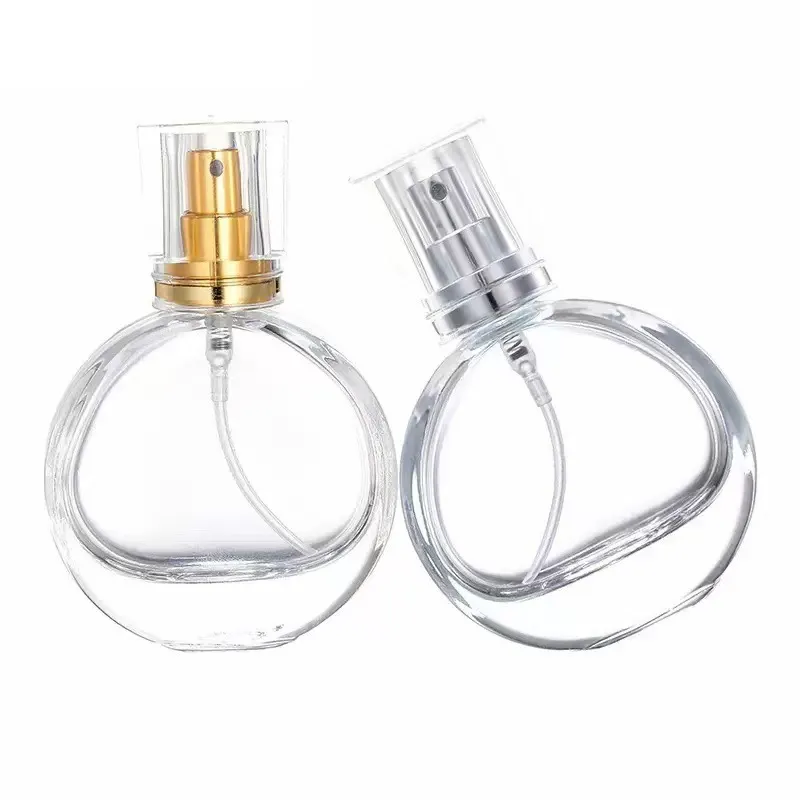
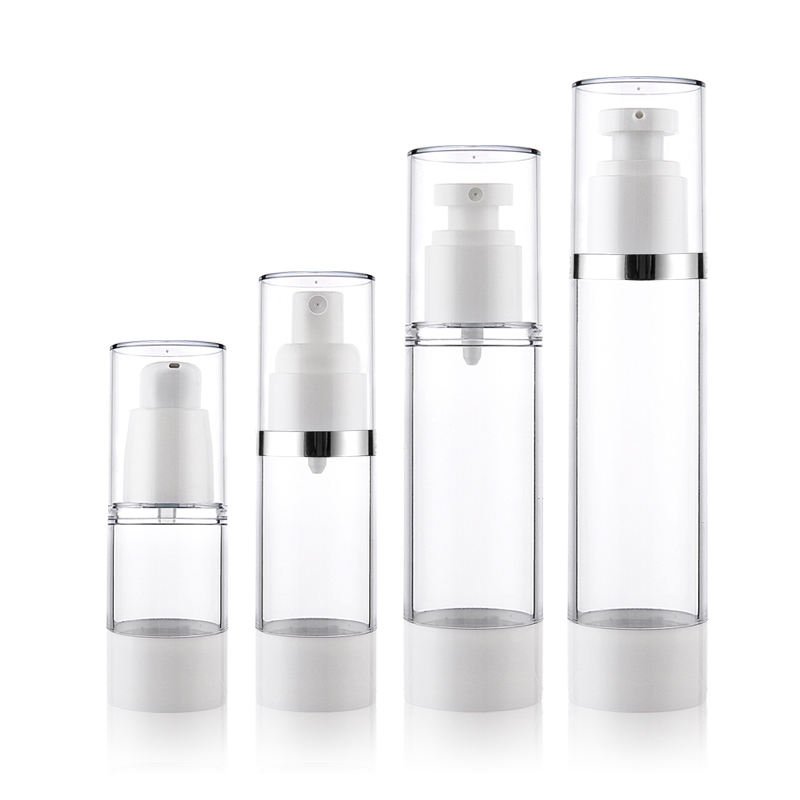
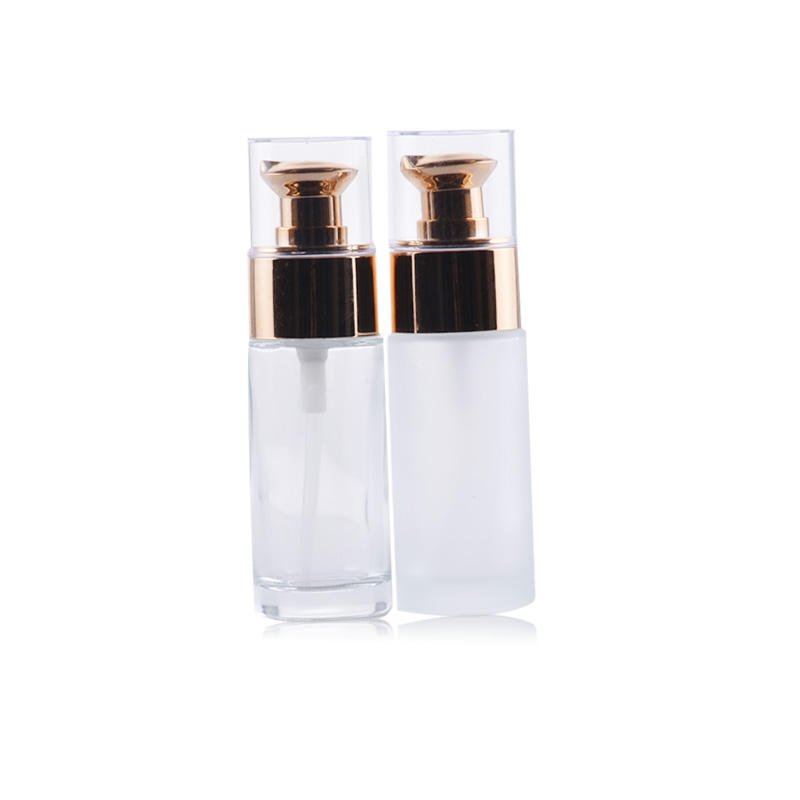
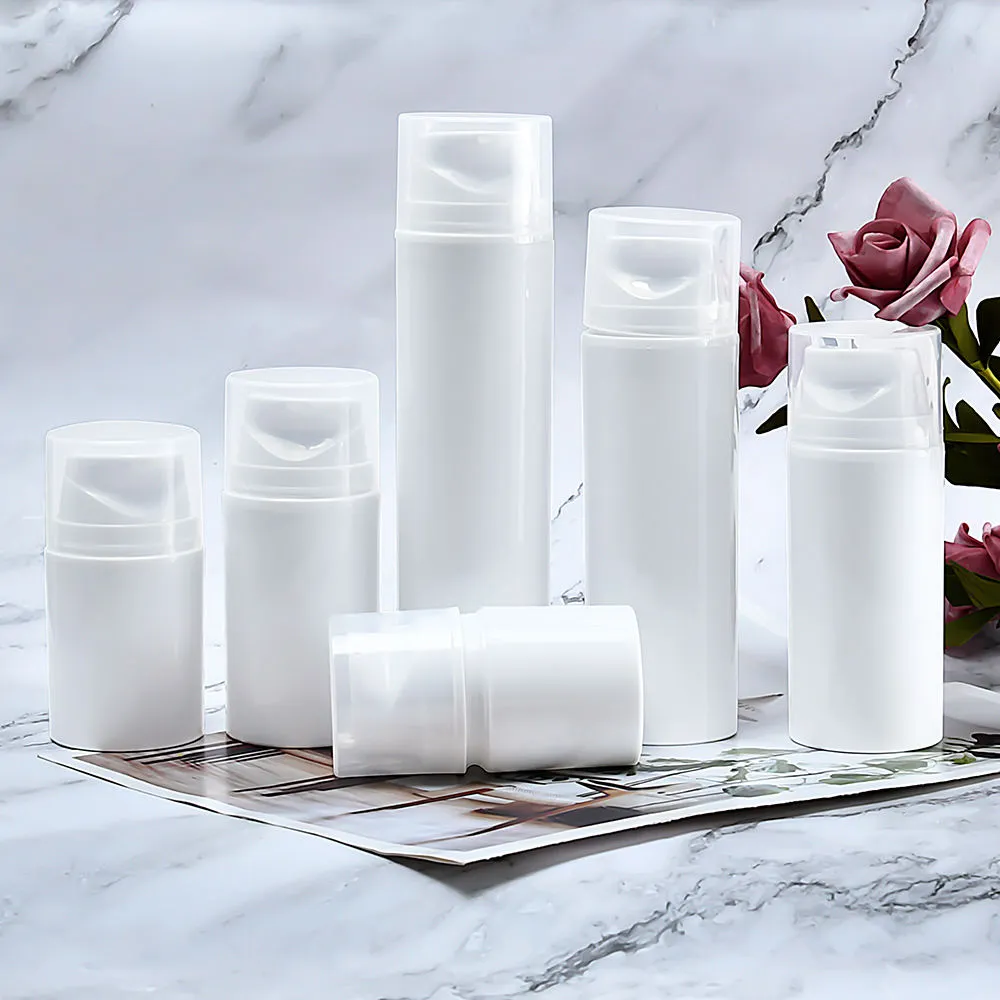 Custom PP White Airless Lotion Pump Bottles for Skincare 30–150ml
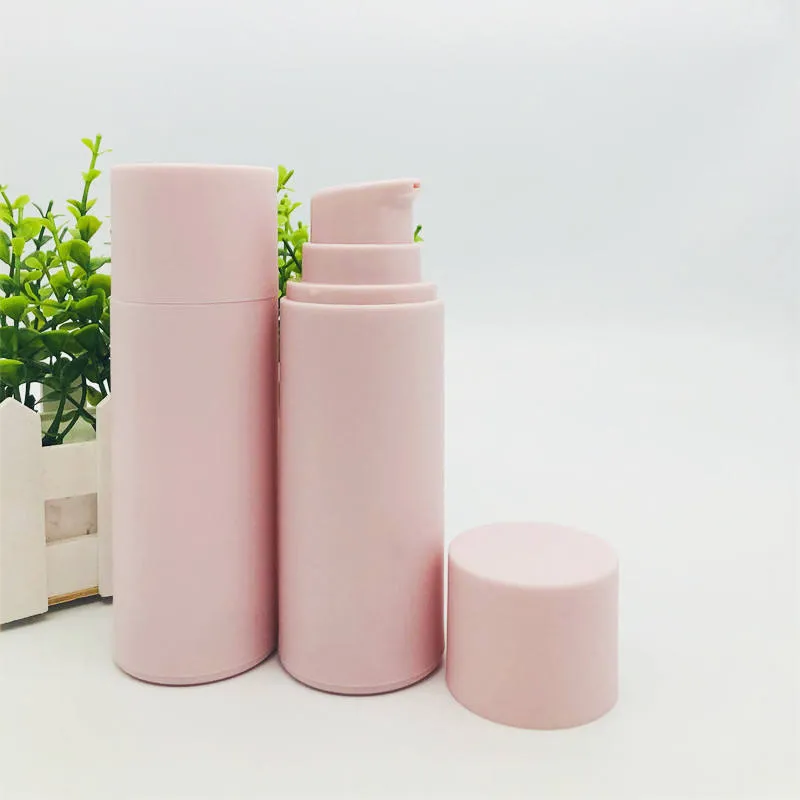 Custom Luxury PP Matte Pink Lotion Pump Bottle 30-120ml
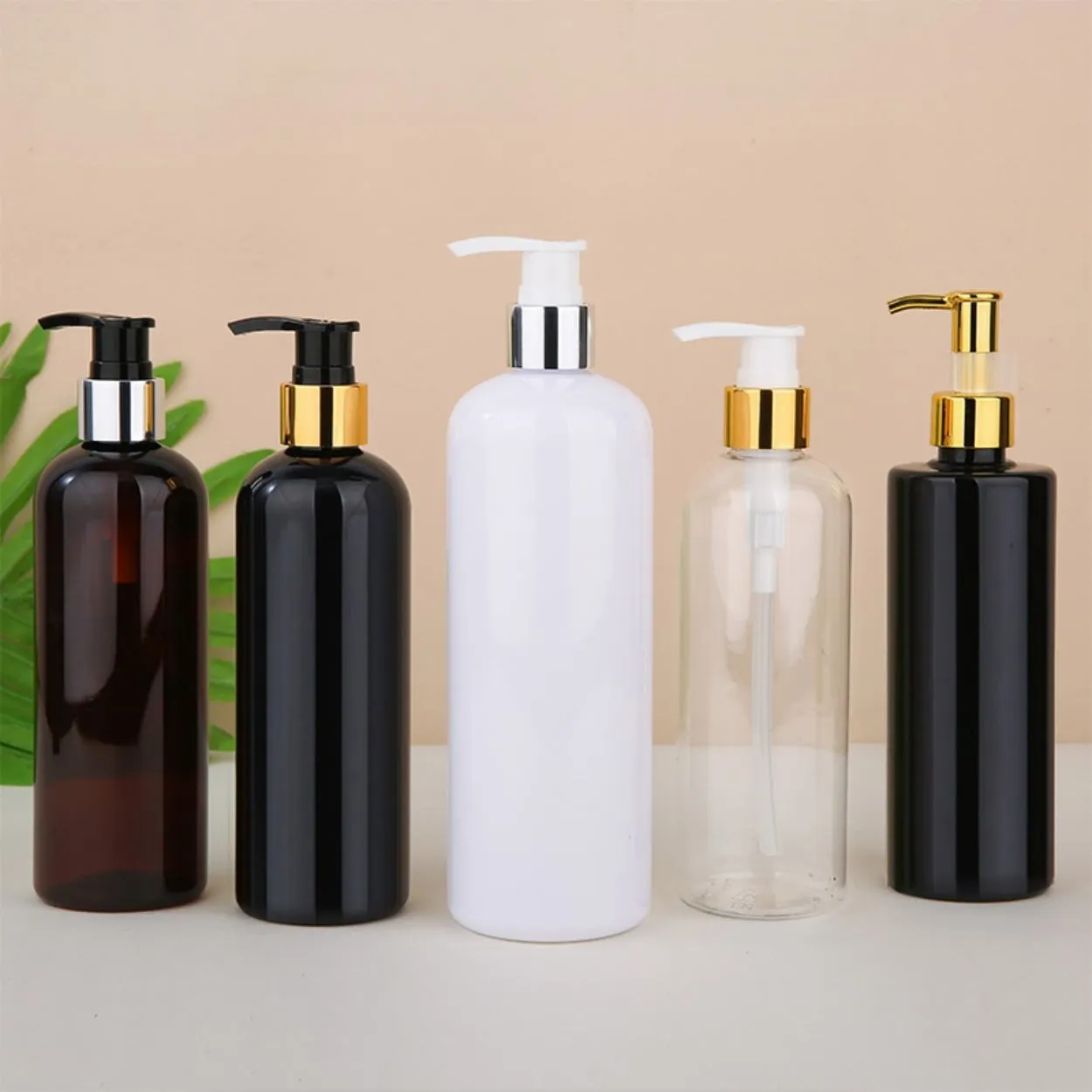 Plastic Gold Disc Cap Press Pump Shampoo Bottles 150/250/300ml
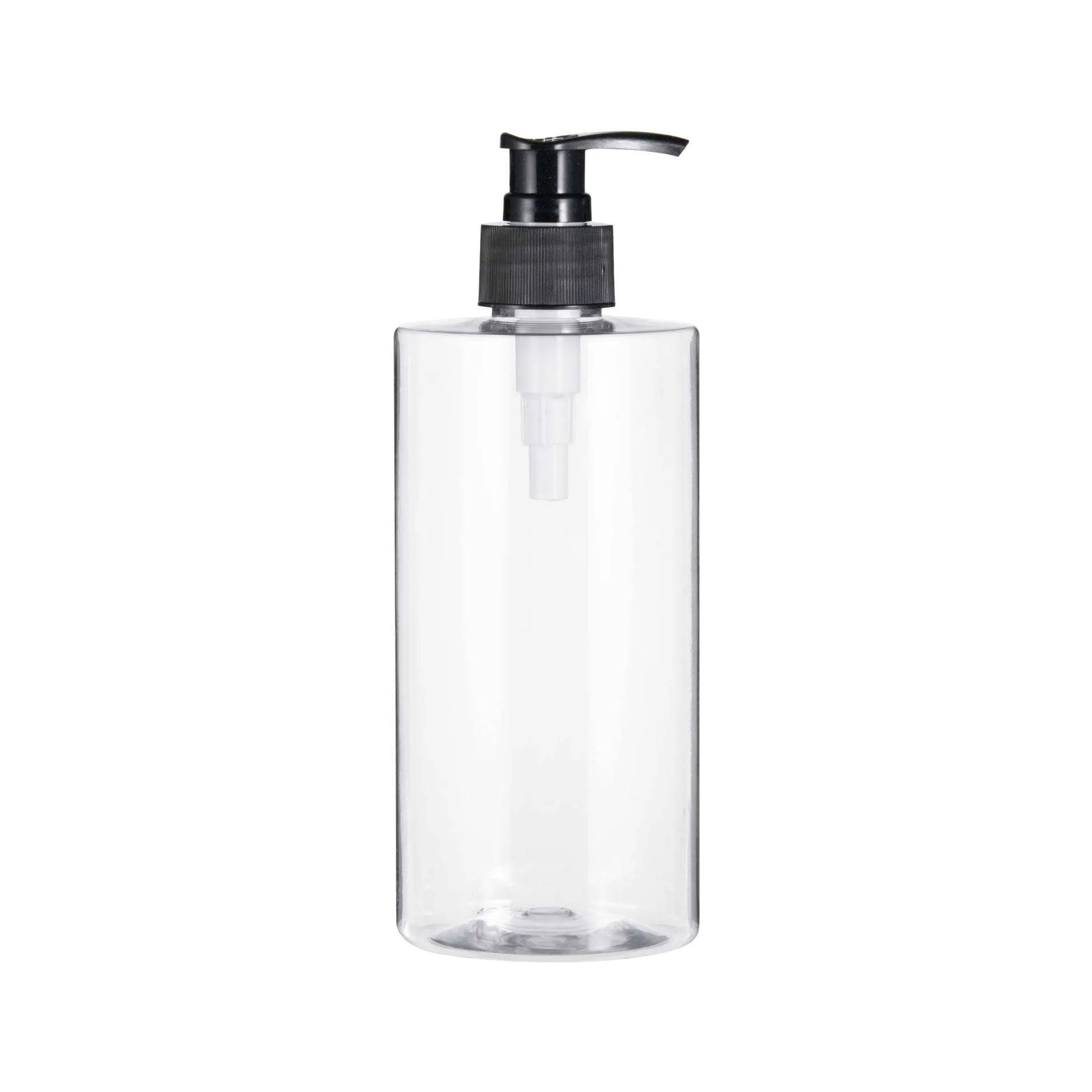 Custom Flat-Shoulder PET Shampoo Bottle with Pump 500ml
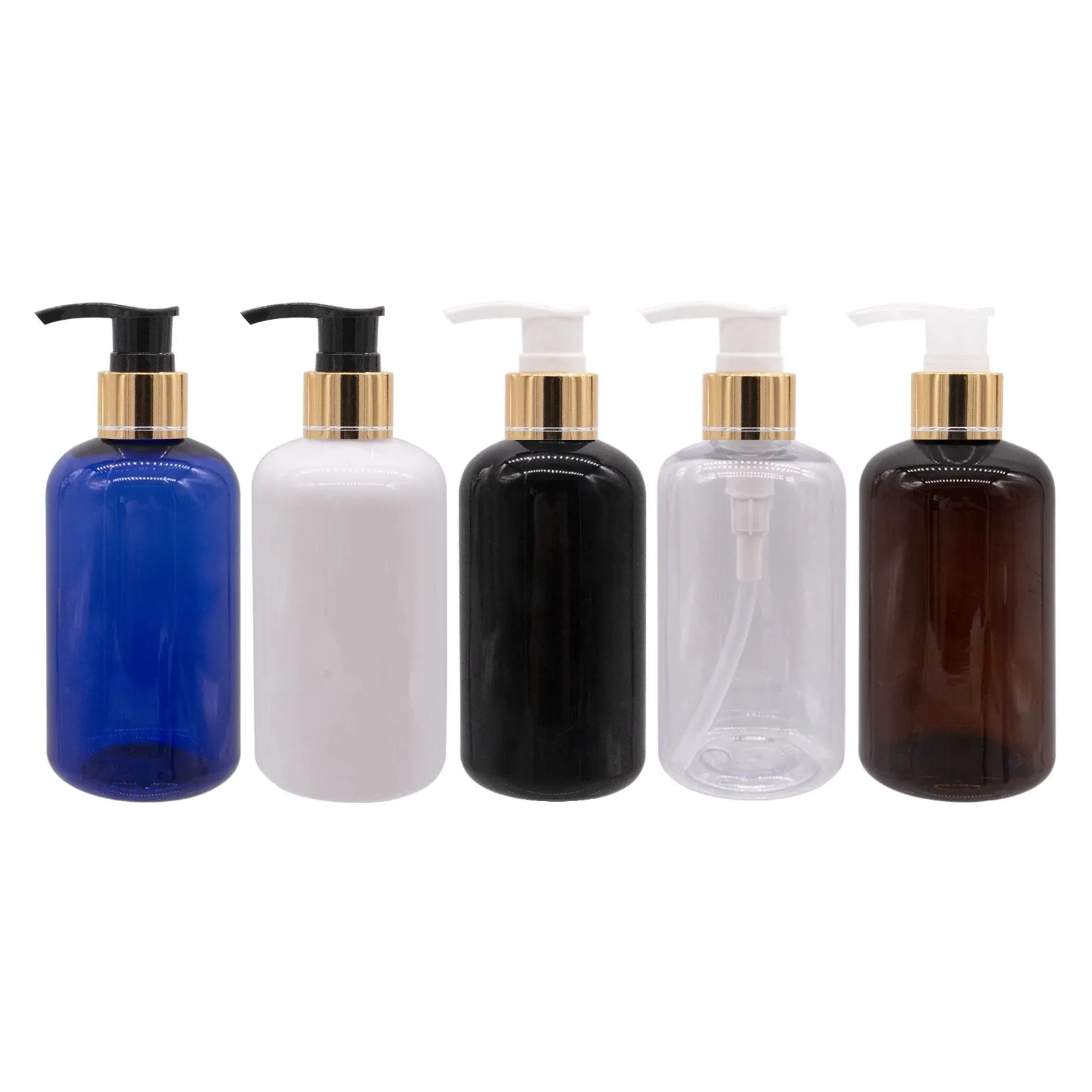 Luxury PET Shampoo Pump Bottles for Hand Sanitizer and Hair Conditioner 300/500ml
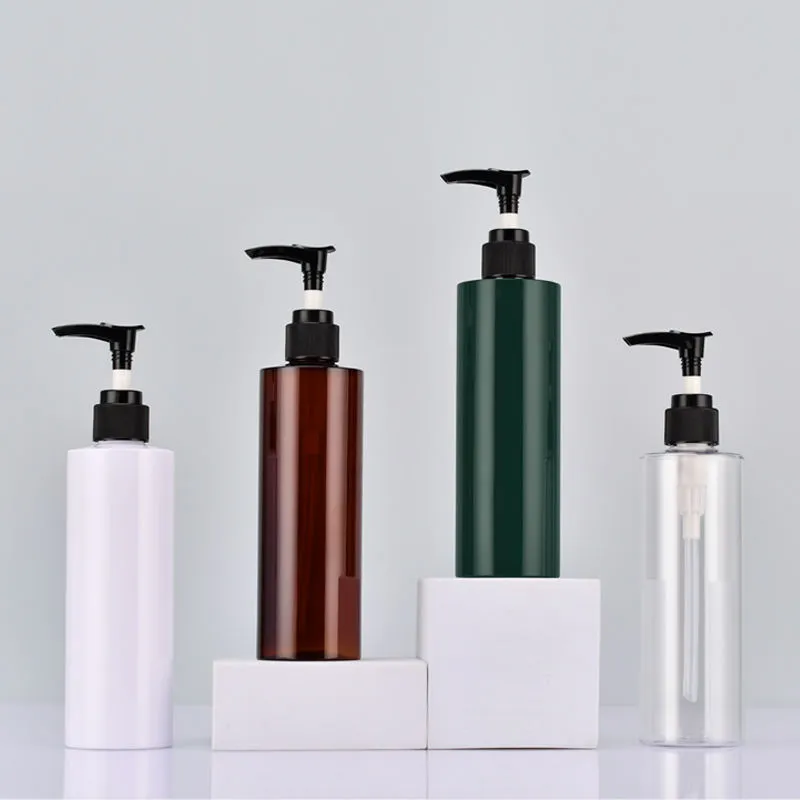 Custom PET Plastic Shampoo Bottles Amber Green for Clear with Pump 250ml
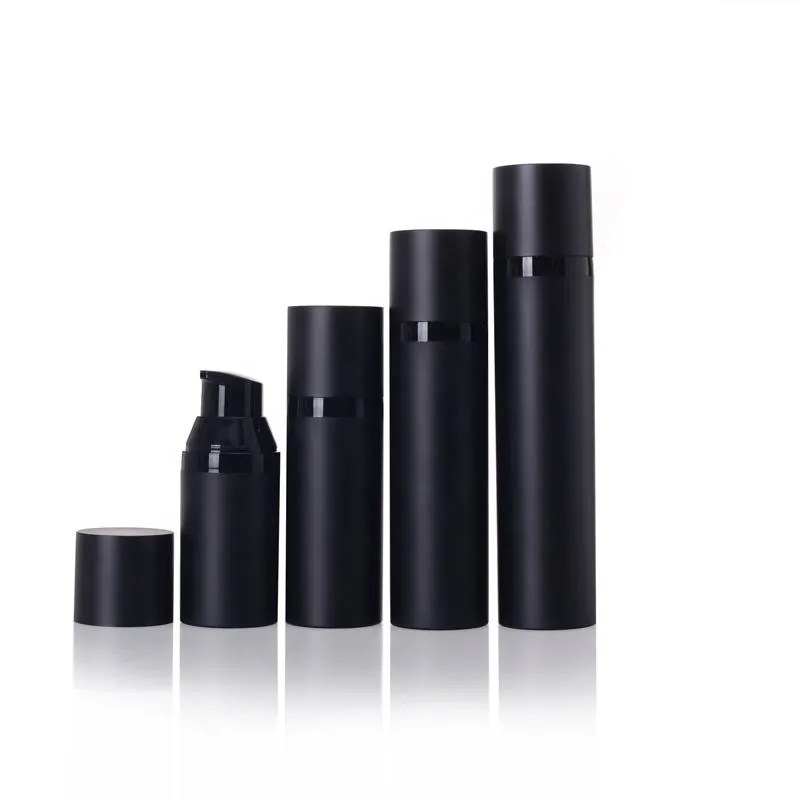 Custom Black Round Airless Pump Lotion Bottle 30-100ml
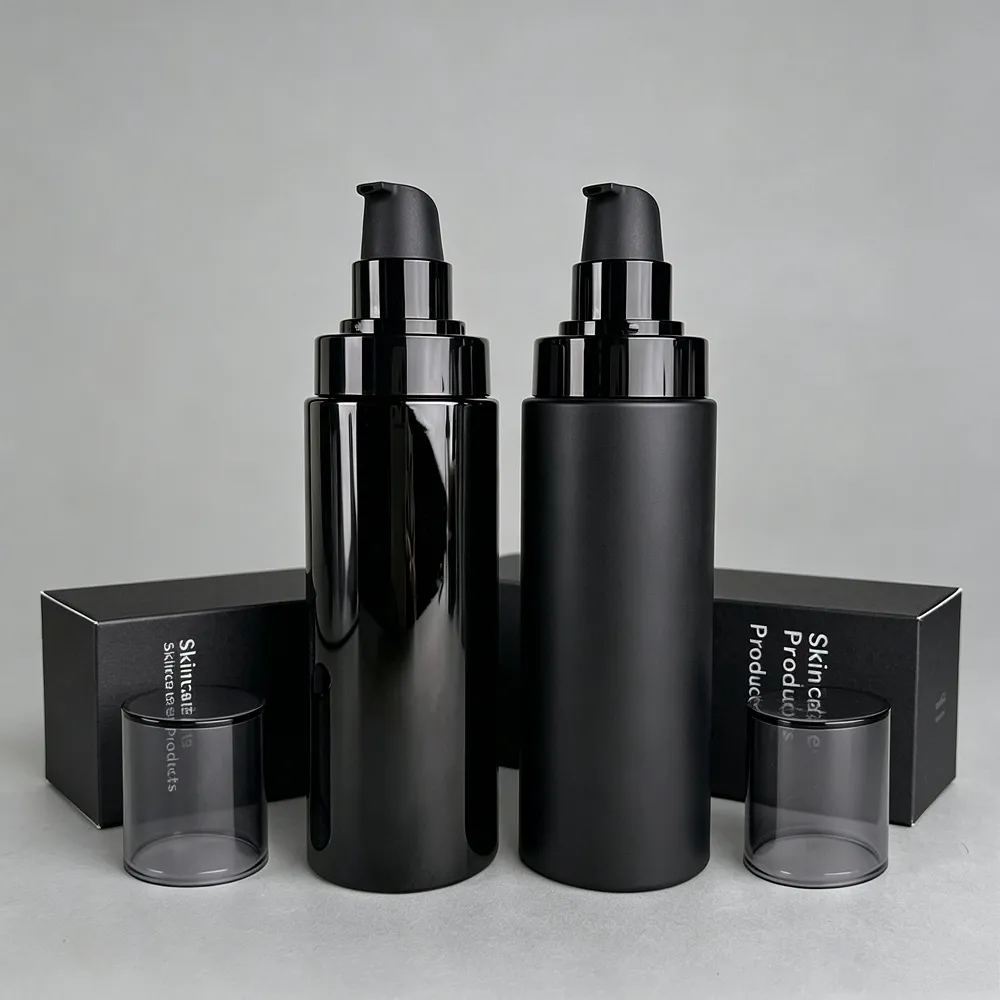 Custom PET Black White Amber Cosmetic Spray Lotion Pump Bottle 100–200ml
 Luxury Square Plastic Lotion Shampoo Pump Bottle 500ml
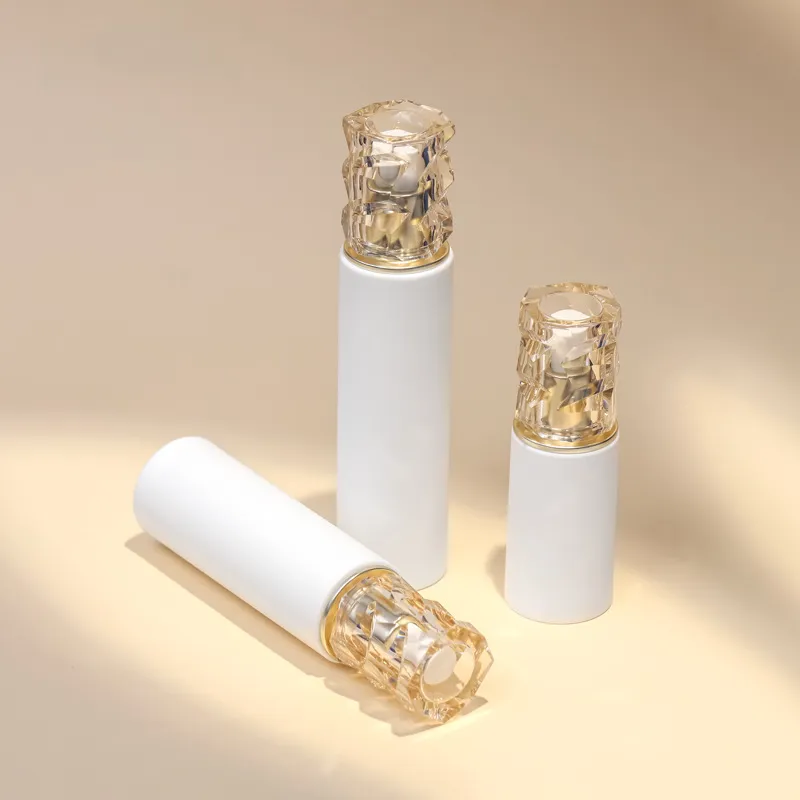 Custom Lotion Press Vacuum Pump Bottle 30-120ml
 Customized Square Men’s Shampoo Pump Bottles 300ml

 English
 Español de Argentina
 Русский
 Italiano
 日本語
 한국어
 العربية
 Français
 Deutsch