

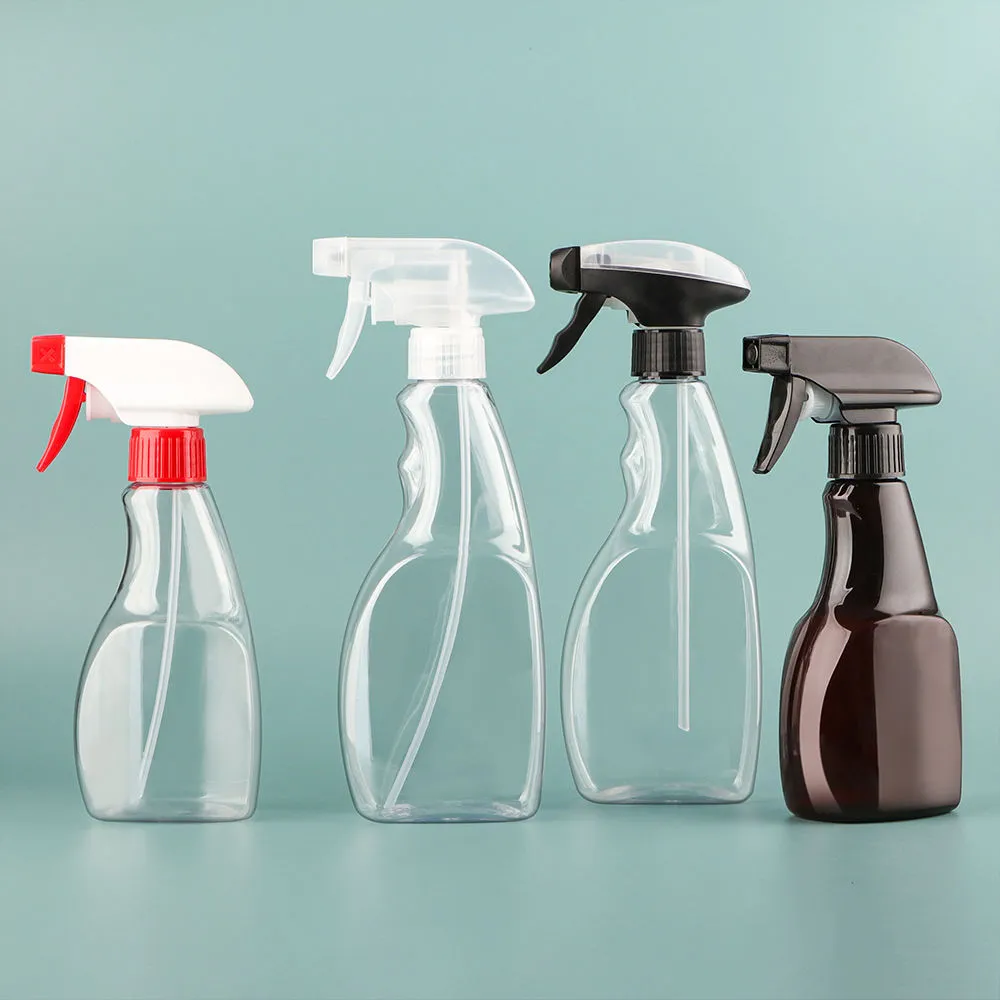
Direct answer: for most ready-to-use, water-based cleaning chemicals, the best starting package is a stable 500–750 mL extrusion-blown HDPE bottle with a matched 28/400 or 28/410 industrial trigger, an adjustable spray/stream or foaming nozzle, a secure lock and wetted components verified against the actual formula. That is a starting specification—not proof of compatibility.
There is no universal chemical sprayer. Bleach, strong acid, caustic cleaner, hydrocarbon solvent and pesticide may require different bottle resins, gaskets, springs, valves and safety features. Select and test the filled package as one system; never rely on the words “chemical resistant” alone.

Best Chemical Sprayer by Formula Family
Start with the finished mixture at its use concentration, not a broad label such as “acid” or “solvent.” Concentration, temperature, exposure time, surfactants, fragrance, dissolved salts and contaminants can change compatibility. An SDS is essential for hazards and handling, but it is not normally a complete packaging-compatibility certificate.
| Chemical/use | Bottle starting point | Sprayer starting point | Critical failure to check |
|---|---|---|---|
| Neutral or mildly alkaline water-based cleaner | HDPE is a robust default; PET may be considered when clarity matters | Standard or pre-compression trigger, roughly 0.7–1.3 mL per stroke as a model-selection range | Stress cracking, fragrance interaction, vent leakage and label damage |
| Sodium-hypochlorite bleach cleaner | Opaque or natural HDPE commonly begins the screen | Bleach-qualified trigger with compatible liquid path; minimise exposed metal in the product path | Seal degradation, spring corrosion, gas/pressure change, colour loss and output drift |
| Acidic descaler | HDPE or another supplier-rated resin after formula review | Acid-duty trigger; foam or controlled coarse spray where the product directions require reduced airborne mist | Elastomer swelling, metal attack, leakage at the gasket and hazardous fine mist |
| Strong alkaline degreaser | HDPE is often screened first | Alkali-rated trigger; EPDM may be a candidate for some aqueous caustic systems, never an automatic choice | Piston-cup drag, seal set, trigger sticking and bottle paneling |
| Hydrocarbon, citrus or other solvent-rich product | No generic default; consider a specifically rated barrier bottle, compatible metal or glass only after hazard and drop review | Solvent-rated engine; FKM may be a candidate for some fluids but is not universally suitable | Permeation, swelling, softening, flammability and unsafe aerosolisation |
| Pesticide or biocide | Use the package approved for the registered product and distribution route | Application-specific nozzle, lock and any required child-resistant feature | Off-label transfer, wrong dose, drift, refill/reuse violation and transport non-compliance |
Which Sprayer Type Is Best?
Industrial trigger: best all-round format for ready-to-use chemicals
A trigger provides a practical balance of output, control and one-handed use. Verified current manufacturer examples range from Aptar’s compact 0.7 cc TS to Silgan trigger platforms at approximately 1.0–1.6 mL per stroke. Those figures describe specific models, not an industry tolerance. Select output by target area, required wetness, operator fatigue and exposure risk.
Pre-compression trigger: better pattern control and reduced dribble
A pre-compression engine builds pressure before the valve opens, which can give a more defined pattern and a cleaner cut-off than a simple low-cost trigger. It is useful where even coverage matters, but a fine plume is not automatically safer. If the label warns against breathing mist, use the nozzle form and work method specified for that chemical.
Foamer: useful when dwell and visible coverage matter
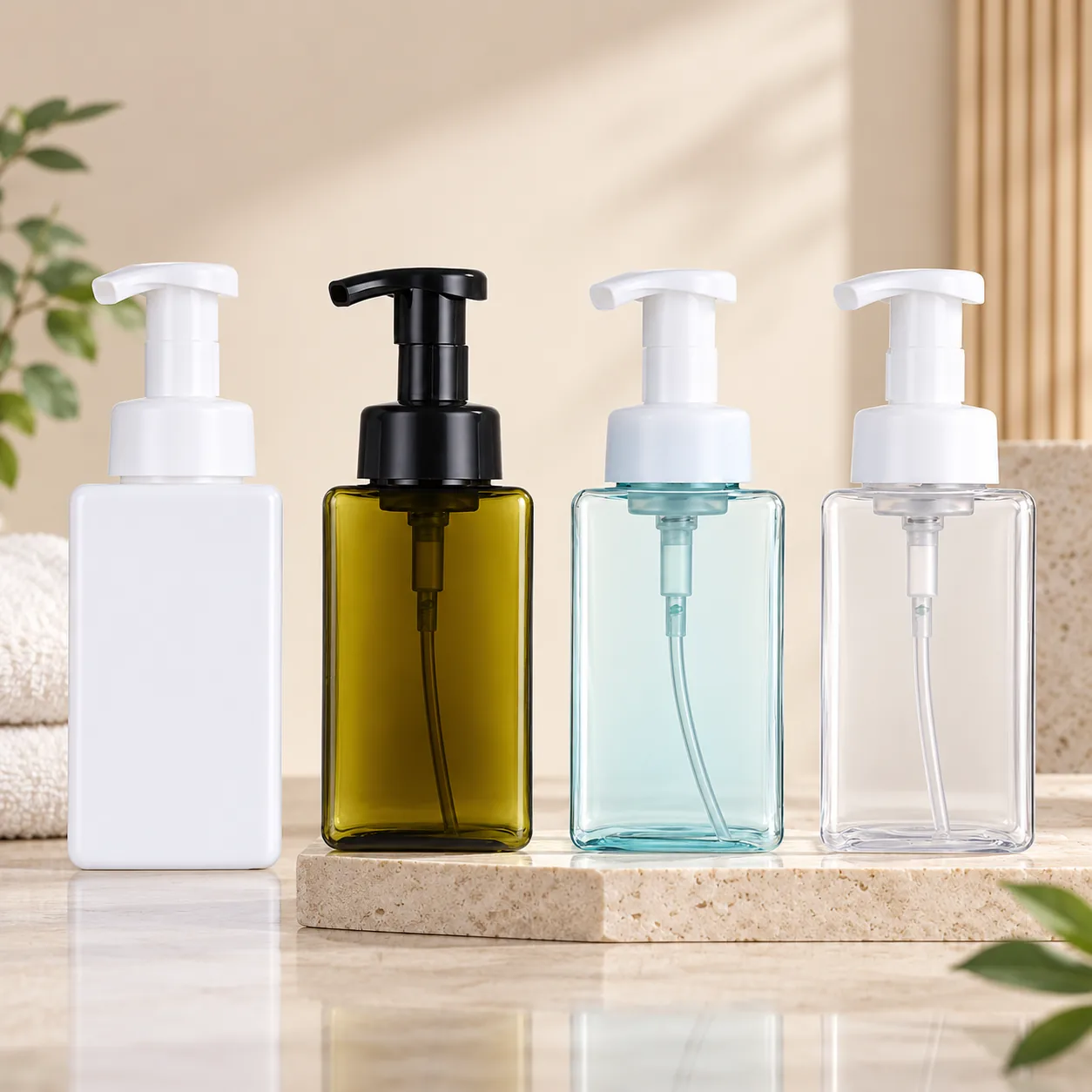
A foaming nozzle mixes air into a suitable surfactant formula, creating a visible deposit with less fine airborne mist than a fine-mist actuator. It can suit bathroom cleaners, degreasers and vertical surfaces, provided the formula is foamable and the finished pattern is validated. A foamer cannot make an incompatible formula safe.
Compression sprayer: for larger areas, only with pressure safeguards
A pump-up sprayer stores pressure and reduces repeated trigger effort. Choose a chemical-rated tank, hose, wand, nozzle, seals and a functioning pressure-relief device. Capacity, working pressure and seal set are model-specific. Do not substitute a garden sprayer for an aggressive industrial formulation without written compatibility data.
Finger fine-mist pump: only for small-dose, low-viscosity products
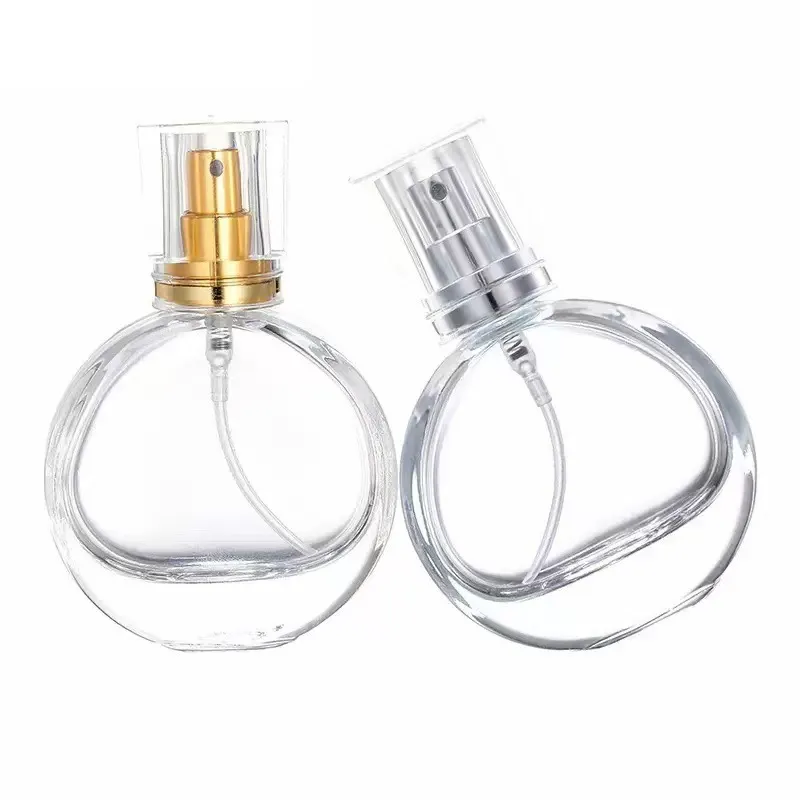
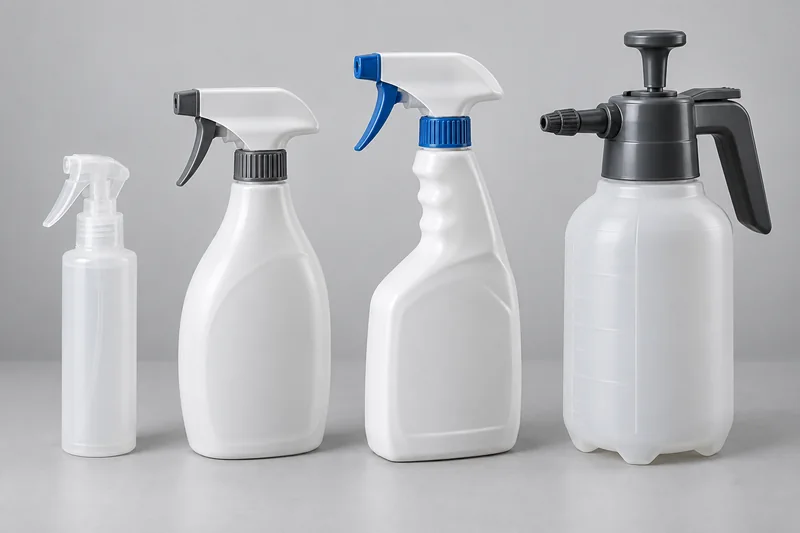
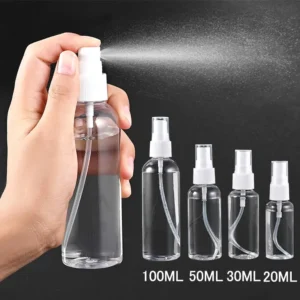
A 20/410, 24/410 or similar fine-mist pump may suit a compatible low-viscosity technical spray in a small bottle, but it delivers much less per stroke and produces more respirable mist than a coarse trigger pattern. For 24/410 systems, Boyu’s 24/410 spray-bottle guide explains why the bottle and pump must be verified as a pair.
Best Bottle Material for Chemical Sprayers
HDPE: the most useful screening material, not a universal answer
Extrusion-blown high-density polyethylene is tough, lightweight, naturally translucent-to-opaque and available in ergonomic shapes. It tolerates many aqueous acids, alkalis and cleaners, which is why it is the normal first screen for chemical trigger bottles. It can still lose product by permeation, environmental stress cracking, swelling or paneling, especially with solvents, surfactants, fragrances, elevated temperature or long exposure.
PET: use when clarity and stiffness are valuable
PET gives high clarity, a crisp shelf appearance and useful rigidity for many water-based products. It is not a blanket substitute for HDPE: alkaline or solvent-rich formulas can create compatibility or stress-cracking concerns, and a stiff bottle may show vacuum paneling if the trigger vent does not admit air correctly. Treat transparent appearance as a design benefit, not chemical evidence.
PP, barrier bottles, glass and metal solve narrower problems
Polypropylene is common in trigger bodies, actuators and closures and may be used for selected bottles. Barrier-treated or multilayer bottles can reduce permeation for specific solvents, but introduce sourcing, recyclability and regulatory questions that need market-specific review. Glass or compatible metal may provide stronger barrier performance, but breakage, weight, corrosion, coating and safe-use risks can outweigh that advantage in a hand sprayer.
Thermo Fisher’s chemical-resistance guide illustrates why a resin chart is only a screening tool: ratings vary by named chemical, concentration and temperature, and the manufacturer explicitly recommends testing under the actual conditions. The same principle applies to commercial packaging.
Capacity and Bottle Shape: 250 mL to 1 L
| Nominal capacity | Best-fit use | Engineering trade-off |
|---|---|---|
| 100–250 mL | Samples, field kits, spot application and concentrated products used sparingly | Less label area and a higher closure-to-bottle cost ratio |
| 500 mL / 16–17 fl oz | Most ready-to-use household, automotive and institutional chemicals | Strong balance of grip, label area and filled weight |
| 750 mL | Professional cleaning where refill frequency matters | Filled weight and trigger reach become more important |
| 1 L / approximately 32 fl oz | High-use professional or industrial products | Requires a stable base, strong grip, higher drop margin and suitable case packing |
Nominal capacity is not brimful capacity. The package needs formula-specific headspace for filling variation, thermal expansion, trigger displacement and transport orientation. Put nominal fill, target fill mass, brimful volume and minimum headspace on separate drawing or filling-line specifications.
Choose shape around grip, stability and label communication
- Oval or trigger-style bottle: broad label panels and a natural orientation for the hand; common for 500–750 mL retail cleaners.
- Round cylinder: simpler orientation on filling lines and useful pressure symmetry, but it may rotate in the hand.
- Rectangular bottle: efficient case and shelf footprint; corners and recessed panels need careful wall-distribution and drop review.
- Grip-neck or finger recess: improves control on a heavy bottle, but deep geometry can thin the parison and complicate labelling.
How Much Wall Thickness and Bottle Weight Are Enough?
No single millimetre or gram value is safe for every chemical bottle. Extrusion blow moulding distributes the parison over the shoulder, panels, corners, pinch-off and base, so local thickness varies. A heavy bottle can still fail at one thin corner; a well-designed lighter bottle can pass the intended duty. Specify performance and critical local minima, then control overall weight as a process indicator.
Current commercial data shows the design dependence. ALPLA lists a 500 mL PET 28/410 spray bottle at 32 g. Nexus Packaging lists a different 500 mL HDPE 28/410 trigger bottle at 38 g ±2 g. These are real model examples—not recommended targets and not a material comparison. Their geometry, manufacturing route and validation differ.
Approve a wall map, not an average
Ask for thickness readings at the finish support ring, shoulder transition, front and back label panels, sidewalls, grip recess, lower corners, base ring and pinch-off. State the measurement method and conditioning. Record target bottle weight plus tolerance, but reject parts that miss a drawing-defined local minimum even when total weight passes.
Release weight only after performance is proven
Use filled drop, top-load/column-crush, dimensional, leak and compatibility data to establish the acceptable weight window. ASTM D2463 evaluates the combined effects of material, design and processing on water-filled blow-moulded containers; it does not replace a product-specific drop protocol for a corrosive or solvent-containing fill. ASTM D2659 likewise measures column-crush behavior under defined conditions and warns against over-generalising the result.
Which Neck Finish: 28/400 or 28/410?
A 28 mm continuous-thread finish is the dominant starting point for many trigger bottles. Current Aptar and Silgan models are offered in 28/400 and/or 28/410. The first number identifies the nominal neck diameter; the second identifies the finish series. 28/400 and 28/410 are not interchangeable simply because both say 28.
Match the bottle drawing, closure drawing, gasket position, thread engagement and sealing land. A trigger that screws on can still have inadequate gasket compression, poor removal torque or a visible gap. Qualify the exact supplier bottle and sprayer combination at the specified application torque; do not buy them independently by thread label alone.
When a smaller or non-removable finish makes sense
A 24/410 fine-mist finish suits smaller, low-output compatible products. A ratchet, lock-neck or non-removable trigger can discourage removal and help a safety strategy, but it does not automatically satisfy a child-resistant regulation. Use a tested child-resistant package when the filled product’s classification requires one.
Specify the Complete Sprayer Engine
List every wetted material
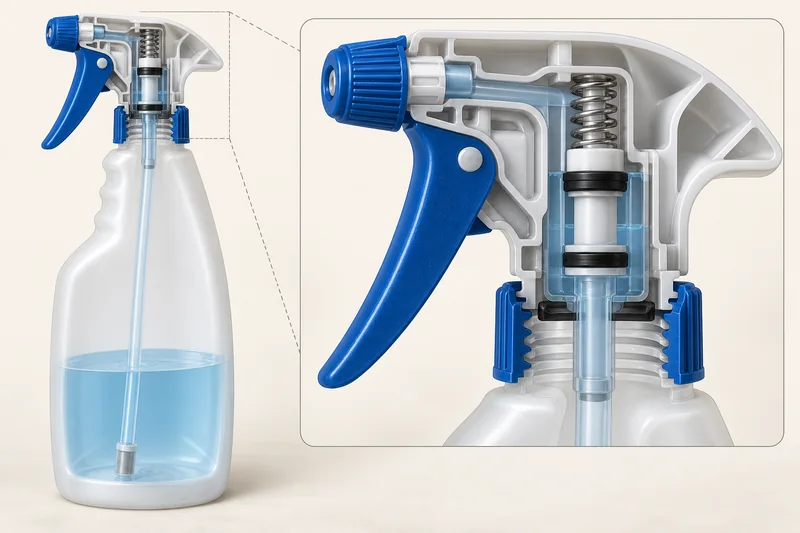
The bill of materials should identify the pump body, piston or piston cup, valve, gasket, ball, spring, nozzle insert, dip tube and any filter. “PP trigger with Viton seal” is incomplete: FKM is a family of compounds, and the product may also contact polyethylene, acetal, stainless steel or other elastomers. Parker’s O-ring handbook shows compatibility must be checked by both fluid and exact seal compound.
Define output and pattern under one reproducible test
- Output per stroke: state mL/stroke, fluid density, actuation rate, sample size, number of discarded prime strokes and acceptance tolerance.
- Pattern: state spray distance, target surface, cone or fan width, large-droplet/streaming limits and start/end quality.
- Spray/stream adjustment: verify the nozzle cannot enter an unintended leak position and the user can read or feel the setting.
- Foam: define deposit width, collapse time and drainage on the intended vertical or horizontal surface.
ASTM D4041 notes that the same actuator can produce different patterns with liquids having different physical properties. Water-only approval cannot establish the pattern of a surfactant-rich, viscous or solvent-containing chemical.
Venting, dip tube and filter affect both safety and emptying
A vented trigger replaces dispensed liquid with air so a rigid bottle does not collapse. The vent must resist weeping in side and inverted storage. Dip-tube inside diameter, length, cut angle, stiffness, curvature and bottom clearance affect prime, restriction and residual product. A filter can block debris but may also starve a viscous or particle-containing product.
For dip-tube calculation and troubleshooting, use Boyu’s dip-tube length method and spray-pattern fault guide. Re-test after any tube, gasket, spring or resin change.
Validation Plan Before Production
Approve production-intent bottles, sprayers, labels and filled formula from representative lots. Establish pass/fail limits before testing; otherwise a slight colour shift, weight loss or output change becomes a subjective debate after tooling and inventory are committed.
- Compatibility ageing: store upright, side and inverted at intended and justified accelerated temperatures. Examine swelling, softening, cracking, colour, odour, mass change, paneling, seal set, corrosion and trigger function.
- Permeation: track filled-package mass over time against controls. ASTM D2684 warns against extrapolating beyond tested conditions without supporting data.
- Leakage and torque: test after filling, storage, thermal cycling, vibration and drop. ASTM D5094 is useful for comparing gross leakage of threaded liquid packages, but it is not a hazardous-material transport approval.
- Dispenser performance: measure strokes to prime, output, spray pattern, actuation force, restart after ageing, dip-tube retention and residual product. ASTM F02.30 lists current practices for these variables.
- Mechanical strength: run filled drops on base, side, shoulder/closure and vulnerable corners; assess top load, case stack and e-commerce parcel conditions appropriate to distribution.
- Decoration and label: inspect adhesion, legibility, chemical rub resistance and migration of colour or coating. Hazard information must remain readable.
- Pilot filling: confirm fill accuracy, foaming, headspace, capping torque, trigger orientation, line handling, case packing and pallet stability.

Compliance Is Determined by the Filled Chemical
United States workplace and consumer packages
OSHA’s Hazard Communication Standard requires workplace containers of hazardous chemicals to be labelled, tagged or marked with prescribed or alternative hazard information. The narrow exception is a portable container intended only for the immediate use of the employee who transfers the chemical. A bottle stored for later use needs compliant workplace identification.
Certain household substances fall under the US Poison Prevention Packaging Act and 16 CFR Part 1700. CPSC explains that required special packaging must be child-resistant and senior-friendly, remain effective through product life and not be defeated by interaction with the contents. A simple ON/OFF nozzle is not equivalent to a tested child-resistant system.
European Union CLP packaging
ECHA states that packaging for a hazardous substance or mixture must prevent unintended escape, be strong and resistant to damage by the contents, and allow replaceable fastenings to be repeatedly reclosed without leakage. Certain consumer hazards trigger child-resistant fastenings and/or tactile warnings. Packaging must also avoid designs that attract children or resemble food, feed, medicines or cosmetics in a misleading way.
Pesticides and dangerous-goods transport
EPA pesticide-container rules and label directions govern reuse, cleaning and handling. Do not transfer a pesticide into a generic spray bottle or contradict the registered label. For transport, first classify the filled product and route. A UN performance mark is relevant only where dangerous-goods rules require a specification package; PHMSA also stresses following the package manufacturer’s closure instructions. A retail trigger bottle is not automatically UN-rated because its resin is thick or “industrial.”
How to Use a Chemical Sprayer Correctly
- Identify the product: use the original or correctly labelled approved container. Read the label and SDS before handling.
- Inspect the package: reject a cracked, swollen, softened, leaking or badly discoloured bottle and a sticky, corroded or damaged trigger.
- Use specified controls: ventilation, gloves, eye/face protection and respiratory protection must follow the product risk assessment—not a generic article.
- Set the nozzle deliberately: point away from people, unlock only at the work area and use the least airborne pattern that achieves the labelled application.
- Prime toward the target: the first strokes may contain air. Do not prime into open space or toward the face.
- Relock and store: wipe external residue as permitted, close the nozzle, keep the label visible and store under the product’s stated conditions.
Cleaning and reuse require product-specific instructions
Do not automatically rinse with water: some chemicals react with water, and pesticide labels may prescribe specific container handling. Never combine residues from different chemicals. Dedicate reusable workplace sprayers to one compatible product family, identify them clearly and follow the chemical supplier’s decontamination and disposal instructions.
Retire rather than repair a degraded chemical package
Loss of prime, a stream instead of spray, leakage under the shroud, bottle paneling and a stiff trigger can indicate blockage, seal attack, vent failure or incompatible components. For a low-hazard, labelled product, follow the supplier’s replacement procedure. Do not dismantle a contaminated sprayer or improvise seals for a hazardous chemical. Boyu’s spray-bottle failure guide covers mechanical diagnosis; the chemical label and site safety procedure still control.
RFQ Checklist for a Chemical Spray Bottle Supplier
- Finished formula, use concentration, density, viscosity, pH, volatile content, particles, temperature range and confidential compatibility review route
- Hazard classification, target countries, workplace/consumer use, pesticide status and dangerous-goods transport classification
- Nominal fill, brimful capacity, headspace, bottle resin/grade, colour, PCR content and required barrier
- Bottle drawing, target gram weight and tolerance, local minimum wall map, finish dimensions and critical panel/base dimensions
- 28/400 or 28/410 sprayer drawing, exact wetted-material list, output tolerance, spray/foam pattern, nozzle lock, vent and child-resistant requirement
- Dip-tube material, inside/outside diameter, length, cut, filter, bottom clearance and use-angle target
- Application torque window, leakage orientation, compatibility protocol, drop/top-load plan, output/prime sample size and ageing acceptance criteria
- Label substrate/adhesive, hazard-panel area, tactile warning if applicable, lot coding, case pack, pallet and actuator protection
- Change control for resin, colour, recycled content, mould cavity, seal, spring, valve, tube and subcontractor
Use Boyu’s spray-bottle range as a format starting point. Final chemical suitability must be established for the selected bottle, sprayer and formula; a product-page material description is not approval for an undisclosed chemical.
Frequently Asked Questions
Is HDPE the best plastic for chemical spray bottles?
HDPE is the best first material to screen for many water-based household and industrial chemicals because it is tough and broadly resistant. It is not universal. Solvents, surfactants, temperature and long storage can cause permeation, swelling or stress cracking, so the complete filled package needs compatibility testing.
Is EPDM or FKM better for a chemical sprayer?
Neither is universally better. EPDM is often considered for aqueous and alkaline systems; FKM is often considered for oils, fuels and some solvents. Exact compound, chemical, concentration and temperature control the result. Request the seal compound and check it against the finished formulation.
How many grams should a 500 mL chemical spray bottle weigh?
There is no universal target. Published commercial examples include a 32 g PET 500 mL bottle and a 38 g ±2 g HDPE 500 mL bottle, but those numbers belong to those designs. Set a weight range only after the chosen geometry and local wall distribution pass filled drop, top load, leakage and compatibility tests.
What wall thickness should an HDPE chemical bottle have?
Specify model-specific local minimums, not one average wall thickness. The shoulder, grip recess, lower corners and base pinch-off often control failure. Approve a wall map and weight tolerance together, then prove the package under the actual filled-product and distribution tests.
Can I use a standard trigger bottle for bleach?
Use only a bottle-and-trigger system specifically qualified for the bleach formulation and concentration. A standard trigger may contain a spring, ball, seal or vent material that degrades. Test output, leakage, corrosion, pressure change and package appearance over the intended shelf life.
Can chemical spray bottles be reused?
Only when the product label, workplace procedure and package design permit it. Dedicate the bottle to one compatible product, retain required identification and follow approved cleaning and inspection instructions. Do not reuse a pesticide or hazardous consumer package contrary to its label.
Sources
- US Occupational Safety and Health Administration: 29 CFR 1910.1200 Hazard Communication.
- US Consumer Product Safety Commission: Special Packaging (PPPA) FAQs.
- European Chemicals Agency: CLP labelling and packaging.
- European Chemicals Agency: child-resistant fastenings and tactile warnings.
- US Environmental Protection Agency: pesticide containers.
- US PHMSA: Unpacking Packaging Codes.
- ASTM Subcommittee F02.30 on Mechanical Dispensers.
- ASTM D2463-23: Drop Impact Resistance of Blow-Molded Thermoplastic Containers.
- ASTM D2659-16(2023): Column Crush Properties of Blown Thermoplastic Containers.
- ASTM D2684: Permeability of Thermoplastic Containers to Packaged Reagents or Products.
- ASTM D5094/D5094M: Gross Leakage of Liquids from Containers with Threaded Closures.
- Thermo Scientific Nalgene: Plastic Labware Chemical Resistance Reference Guide.
- Parker O-Ring Handbook ORD 5700.
- Silgan Dispensing: Mixor HP and MP trigger sprayers.
- Silgan Dispensing: SP05 R trigger sprayer.
- Aptar: TS trigger spray pump.
- ALPLA: 500 mL PET spray bottle 28/410 specification.
- Nexus Packaging: 500 mL 38 g HDPE trigger bottle specification.

 English
  Español de Argentina
  Русский
  Italiano
  日本語
日本語  한국어
한국어  العربية
  Français
  Deutsch