
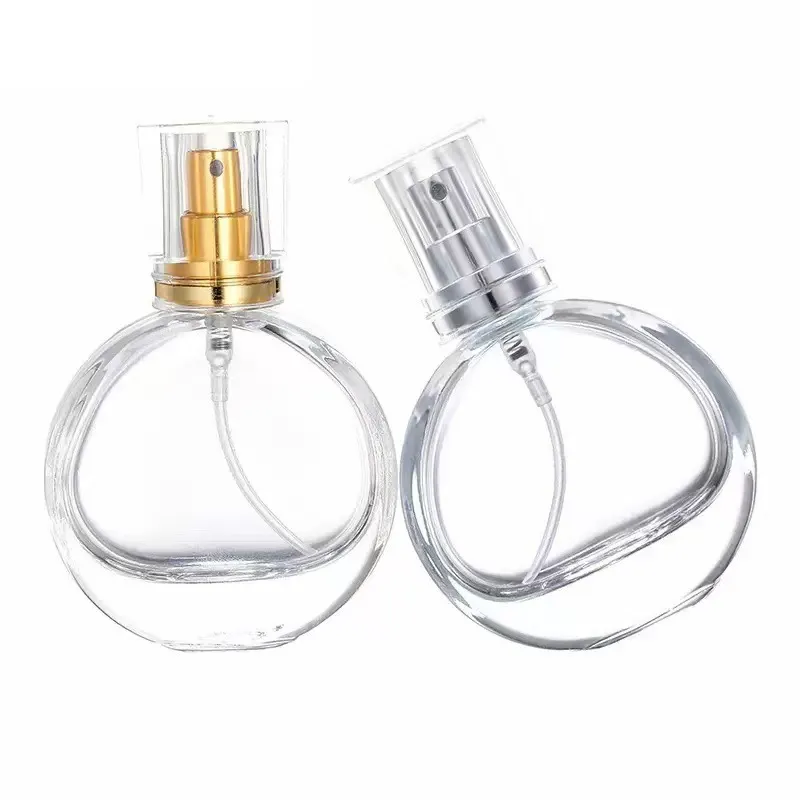
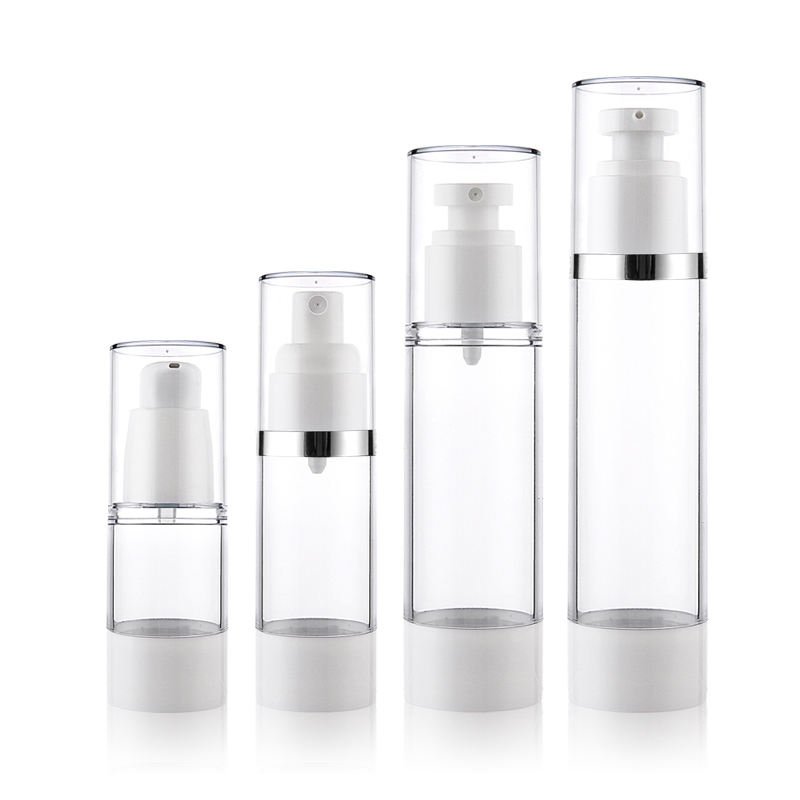
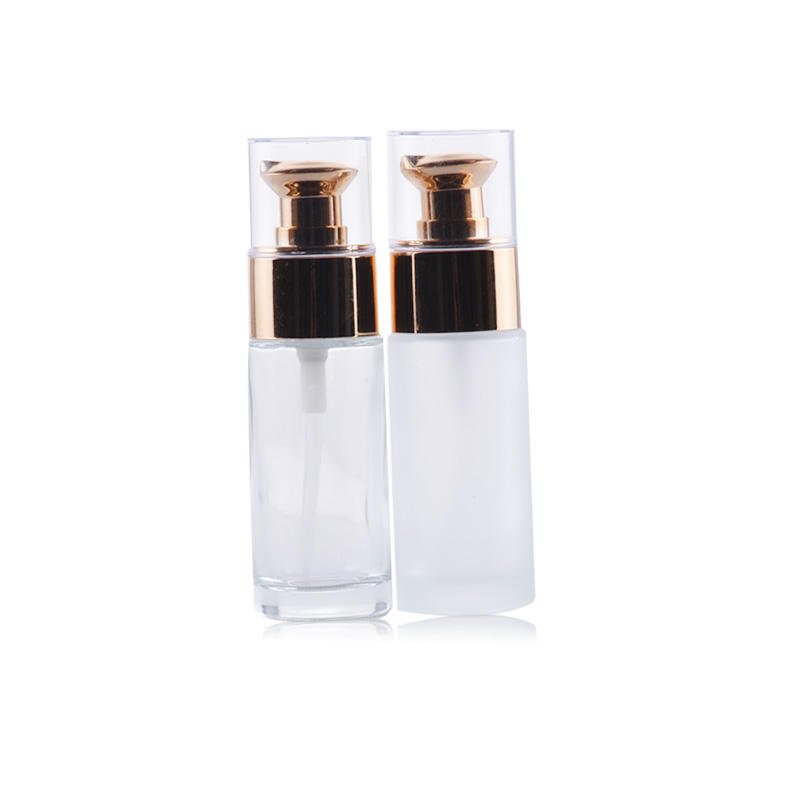
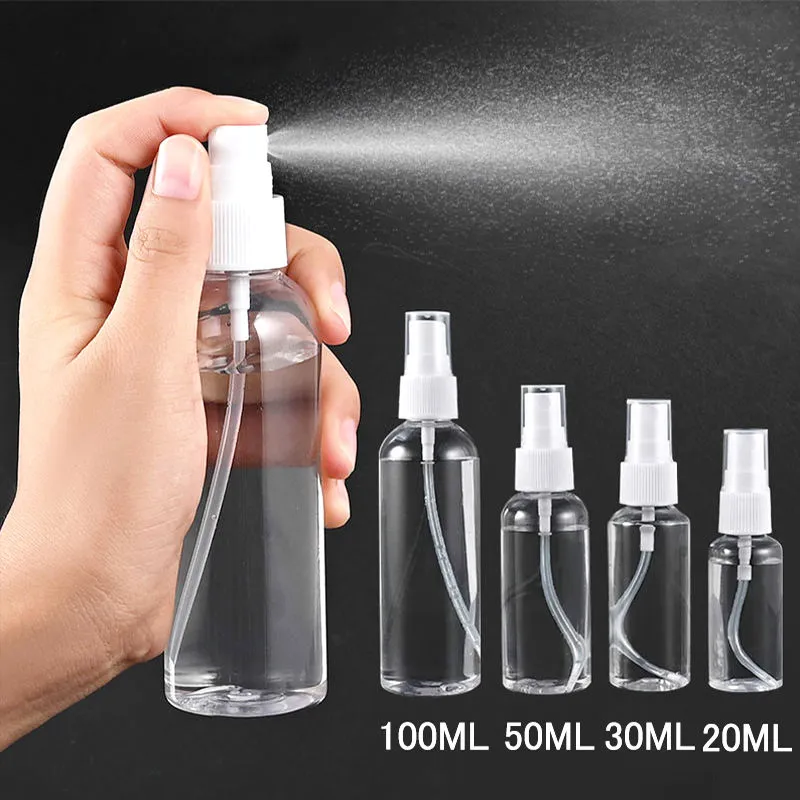
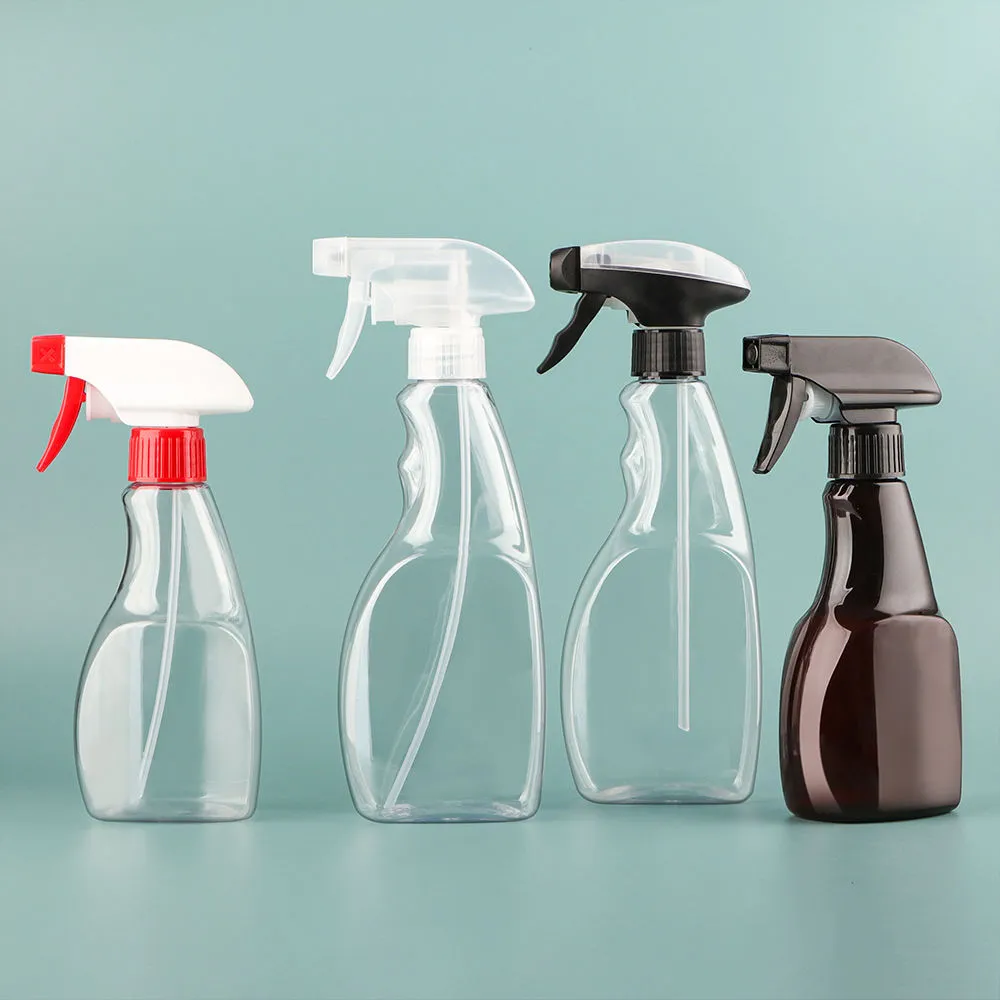
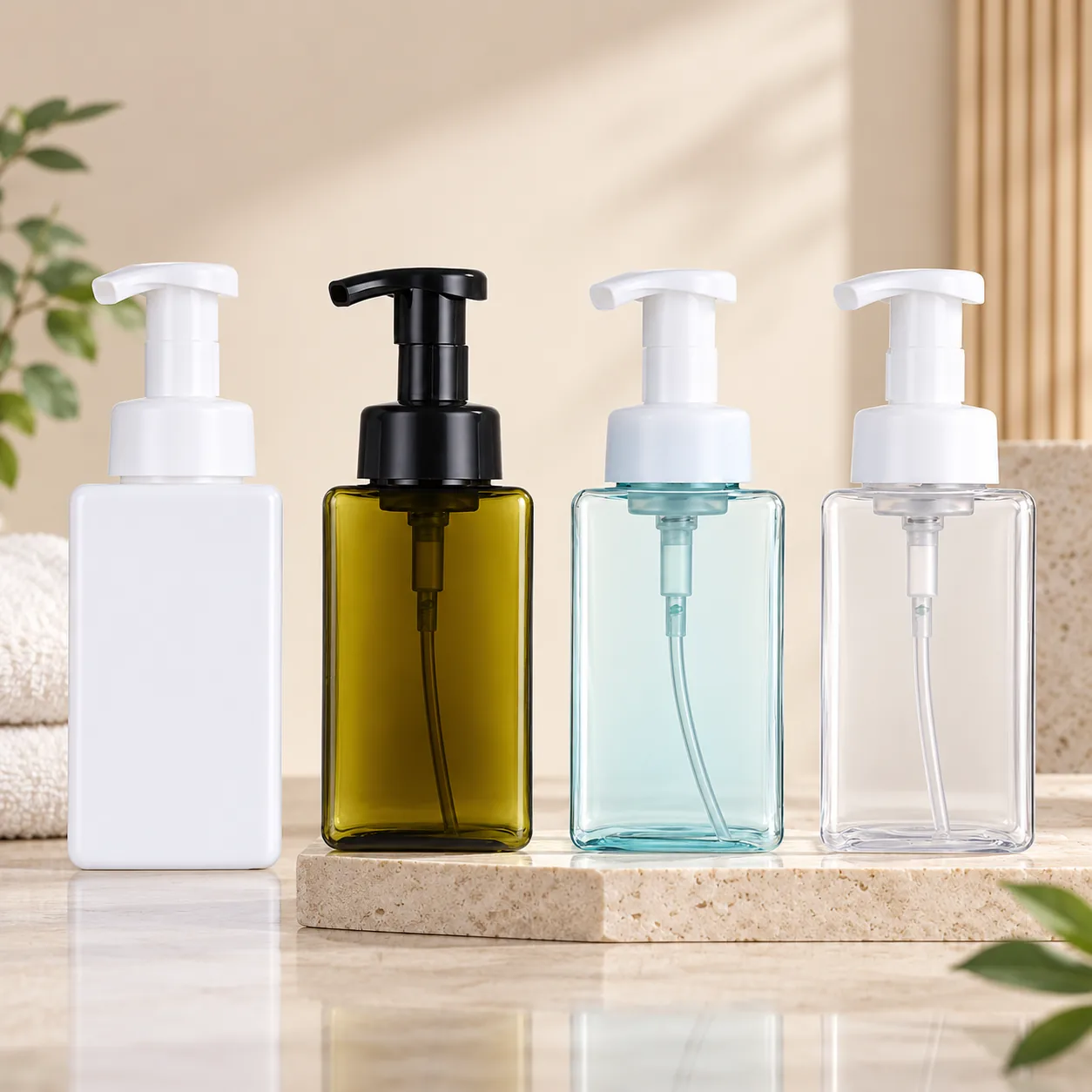
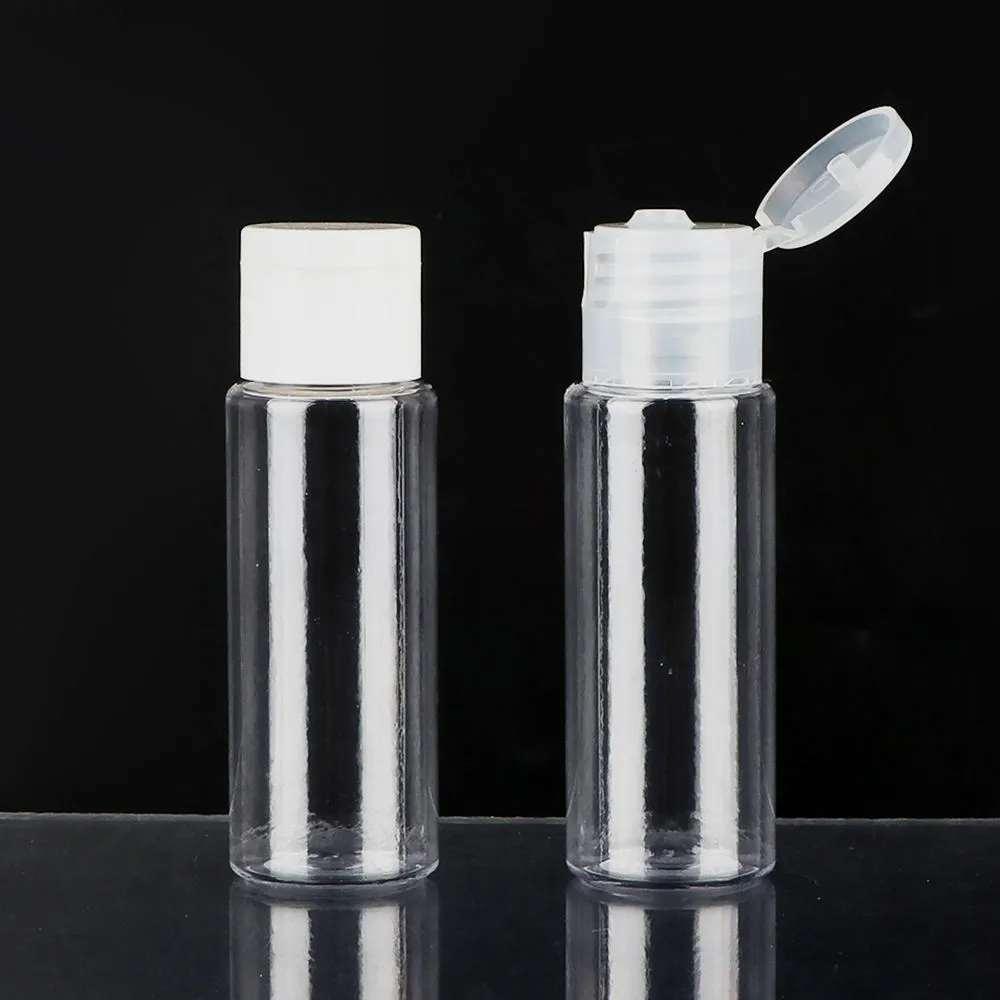
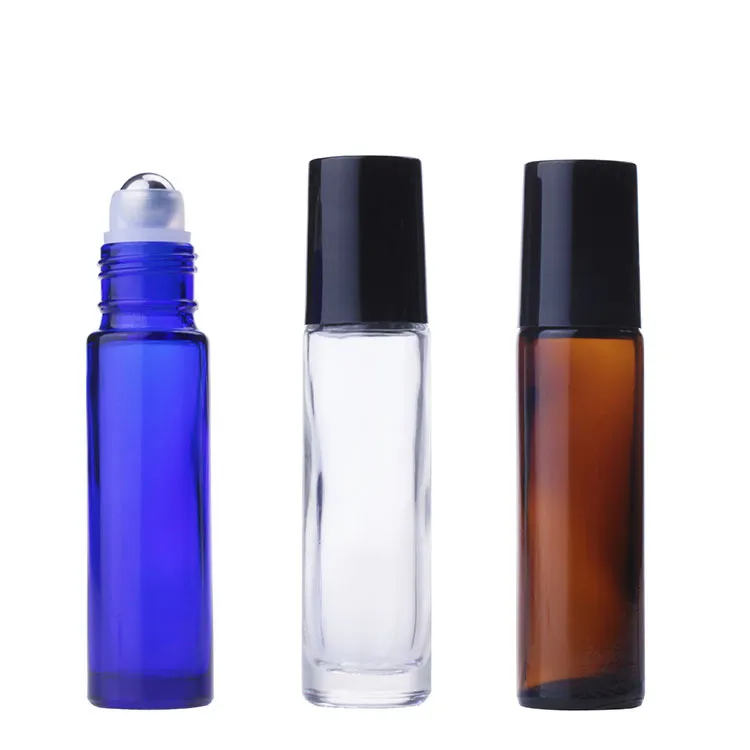
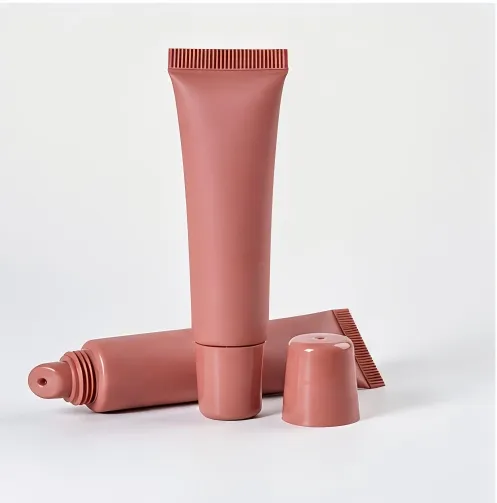
Direct answer: the main body-lotion packages are dip-tube pump bottles, airless piston bottles, squeeze bottles with flip-top or disc-top closures, inverted “tottle” bottles, treatment-pump bottles, tubes and glass pump bottles. Jars are an adjacent option for body butter rather than a bottle type. Fine-mist and foamer packs work only for formulas deliberately engineered to spray or foam.
For a conventional 200–500 mL body lotion, a PET or HDPE bottle with a qualified lotion pump is usually the most practical starting point. An airless pack is often better for a smaller, higher-value or oxidation-sensitive formula; an inverted squeeze pack is often better for a very rich lotion that a pump cannot evacuate reliably. No material or mechanism is automatically “best”: the winning pack is the one that passes filled-product, dispensing, leakage, handling and distribution tests with the actual formula.
Decision scope: this guide is for personal-care brands, packaging engineers, contract fillers and import buyers selecting an empty primary package. Dimensions below are design-screen values, not standards or quotations. Technical sources and public examples were reviewed 13 September 2026.
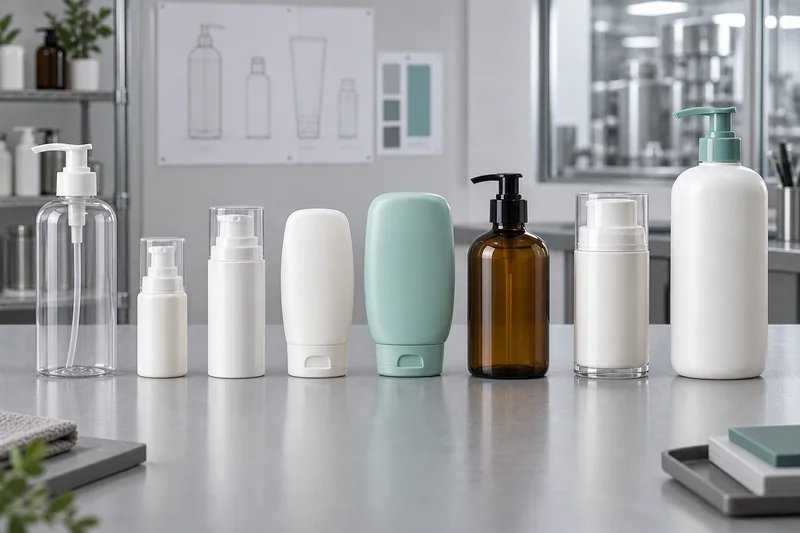
Body Lotion Bottle Types at a Glance
| Package | Best fit | Main advantage | Main qualification risk |
|---|---|---|---|
| Dip-tube lotion pump | Everyday body lotion, 200–500 mL | Convenient one-handed, repeatable dispensing | Poor prime, wrong output, tube geometry or leakage |
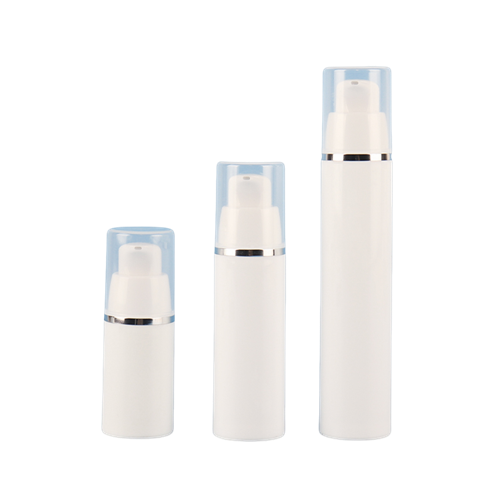
| Airless piston bottle | Sensitive or premium lotion, often 30–150 mL | Reduces routine air intake and can improve evacuation | Piston bypass, filling compatibility and stalled dispensing |
| Squeeze + flip-top/disc-top | Flowable lotion, value and travel ranges | Few parts, low dispensing complexity | Orifice dribble, panel recovery and cap sealing |
| Inverted “tottle” | Rich lotions and better end-of-use access | Gravity keeps product near the closure | Closure seal, standing stability and unintended flow |
| Treatment pump | Hand lotion or concentrated body treatment | Smaller, controlled dose | Too many strokes for whole-body use |
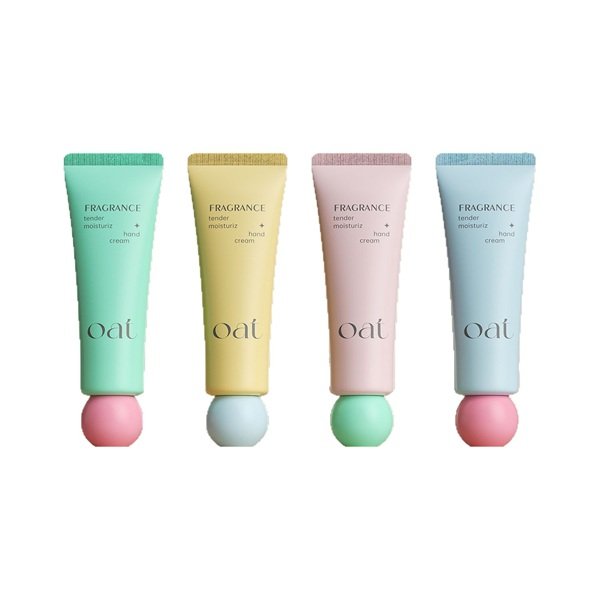
| Cosmetic tube | Portable or rich formulas, 30–250 mL | Squeezable, light and good product access | Seal integrity, decoration and panel feel |
| Glass pump bottle | Premium positioning and formulas suited to glass | High rigidity and strong material barrier | Breakage, weight, finish tolerances and pump/gasket fit |
The Main Types, Classified by How Lotion Leaves the Pack
Classifying by appearance is unreliable. A clear cylindrical bottle could use a standard dip-tube pump, a treatment pump or an airless system, and each behaves differently. Start with the dispensing pathway.
1. Standard dip-tube pump bottle
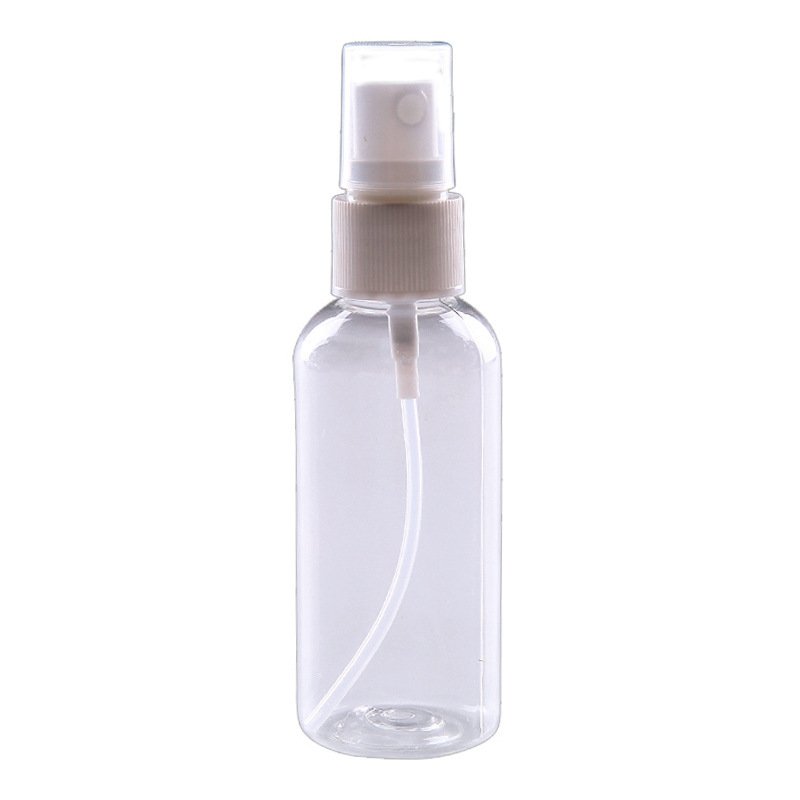
Pressing the actuator drives a small piston and check valves; the pump draws product through a tube from the bottle bottom. This is the familiar choice for bathroom, family and salon lotion. It supports generous doses and lets the user operate the pack with one hand. Its performance depends on the complete system: pump engine, spring/path materials, gasket, neck finish, tube inner diameter, tube cut and formula rheology.
Choose it when the lotion can reprime after pauses and can travel through the dip tube at expected cold and hot temperatures. A bottle that works with water is not qualified for lotion. If viscosity is high, the wrong valve, narrow pathway or overly long tube can cause slow recovery, incomplete strokes or lost prime.
2. Airless piston or bag-on-valve-style cosmetic pack
In a common piston airless pack, product is above a follower piston. Dispensing creates a pressure difference that moves the piston upward, so a conventional dip tube is unnecessary. This can reduce routine air replacement inside the product chamber and can improve evacuation. It does not make the product sterile, hermetically sealed or completely untouched by oxygen.
Airless is useful when protection, controlled dosing and premium presentation justify the extra parts and assembly. Verify the minimum fill, headspace/filling method, piston seal, compatibility, priming, upright and side dispensing, and evacuation. Very viscous, aerated or particle-containing formulas can still fail in an unsuitable airless engine.
3. Squeeze bottle with flip-top or disc-top
The user deforms the bottle and pushes lotion through a controlled orifice. A PE/HDPE construction is common because the body must flex and recover, although the exact resin and blend are supplier-specific. The format removes a pump engine and dip tube, which simplifies the bill of materials.
The orifice must balance flow and shut-off: too small requires excessive squeeze force; too large can dispense a surge or leak in an inverted pack. Test panel recovery, closure hinge life, opening force, residue around the orifice, accidental discharge in a bag and product flow after cold storage.
4. Inverted bottle or “tottle”
A tottle stands on its closure, combining bottle rigidity with tube-like squeeze behaviour. Gravity keeps lotion at the dispensing end, helping access rich formulas and the last portion. The base/closure needs a stable footprint, controlled opening and strong seal because product continuously loads the closure. It is not automatically less leaky than an upright pack.
5. Treatment pump, jar, tube, mist and foamer
Treatment pumps deliver smaller doses suited to hand lotion, body serum or targeted treatment. Official commercial examples span roughly 0.13–0.50 mL for treatment/cosmetic pumps, while larger personal-care pumps are available around 1.2–2 mL. These examples demonstrate the range; they are not universal categories or guaranteed outputs with every formula.
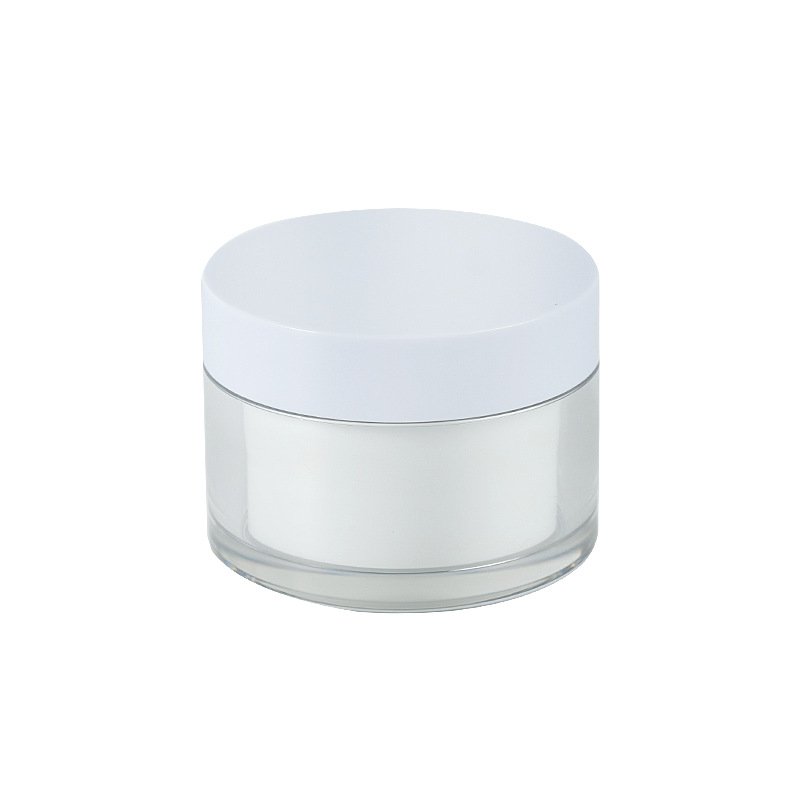
A jar is sensible for a body butter that cannot pass a practical pump pathway, but the brand must consider finger contact and closure use. A tube is useful for portability and evacuation. A fine-mist sprayer belongs only with a genuinely fluid body milk or mist. A foamer requires a low-viscosity formulation designed to mix with air; putting normal body lotion into a foamer is a specification error.
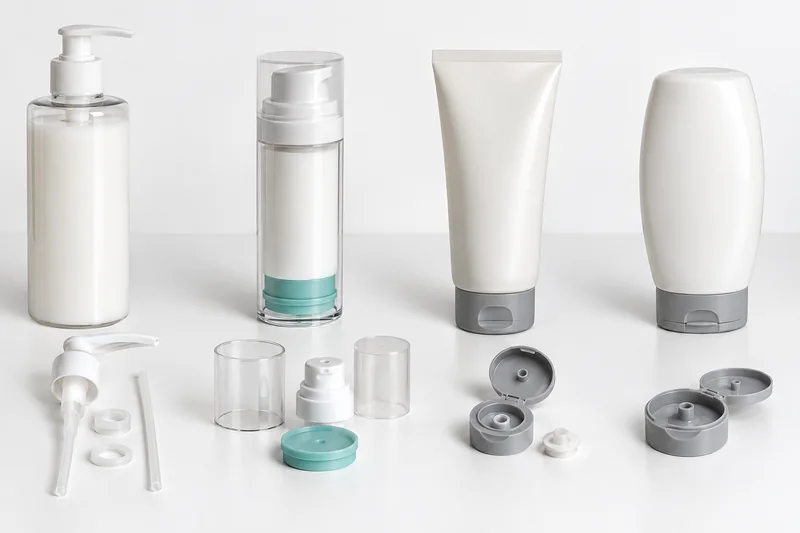
Which Bottle Material Is Best for Body Lotion?
| Material | Useful properties | Watch-outs | Typical role |
|---|---|---|---|
| PET | Clear, stiff, lightweight; strong shelf visibility | Light exposure, stress cracking, permeation and formula interaction still require testing | Clear everyday pump bottles |
| HDPE | Tough, usually opaque/translucent, good impact behaviour and some squeeze | Paneling, environmental stress cracking, odour/permeation and decoration adhesion | Family, bath and salon packs |
| LDPE/PE blends | Flexible and squeezable | Shape retention, barrier and stiffness vary with grade/blend | Squeeze bottles and tubes |
| PP | Useful for molded pump, closure and airless components; generally opaque | Complete contact-path BOM matters more than the outer-body label | Airless packs, pumps, closures and some bottles |
| PETG, AS/SAN or acrylic-style shells | Thick-wall clarity and premium appearance | Higher mass, multiple parts and recycling-stream compatibility; outer shell may not contact formula | Premium double-wall designs |
| Glass | Rigid, premium and a strong material barrier | Heavy and breakable; pump, gasket, coating and neck tolerances remain critical | Premium or spa positioning |
PCR is not a separate performance class; it is recycled content within a resin system. Specify PCR percentage and source/traceability, then agree colour variation, odour, contamination controls, mechanical performance and regulatory documentation. A recycling symbol also does not prove that the assembled pump bottle will be accepted by every local collection system.
Selection rule: request the complete formula-contact bill of materials. A “PP airless bottle” may still contain other polymers, elastomers, a spring or a non-PP inner container. Compatibility belongs to the whole pack, not the marketing name.
Capacity, Diameter and Height: Practical Design Ranges
Capacity answers how much product is sold; it does not determine the bottle envelope. The same nominal volume can be tall and narrow, short and wide, oval or rectangular. Diameter affects grip, shelf stability, filling-line handling, label panel, shipper count and carton cube.
| Nominal capacity | Common use | Illustrative round-equivalent diameter | Design concern |
|---|---|---|---|
| 30–75 mL | Travel, hand lotion, concentrated treatment | About 30–45 mm | Small base, label readability, dose-to-pack ratio |
| 100–200 mL | Personal retail and travel | About 40–55 mm | Grip, overcap and shelf footprint |
| 200–300 mL | Core everyday body lotion | About 48–65 mm | Pump reach, base stability and label panel |
| 400–500 mL | Family and salon | About 65–80 mm | Wet-hand grip, pump leverage and drop load |
| 750–1,000 mL | Professional, hospitality or refill | About 75–100+ mm | Top load, full-pack weight, handling and dispenser stability |
Public stocked-pack examples show the variability. One 236 mL HDPE cylinder is 51 mm in diameter with a 0.5 mL pump; another 236 mL HDPE pack is about 48.1 mm in diameter with a 2 mL pump. A 16 oz HDPE Boston round example is 78 mm in diameter with a 4 cc pump. These are real product combinations, not recommendations: capacity, diameter and dose must be selected independently.
How Thick Should a Lotion Bottle Be?
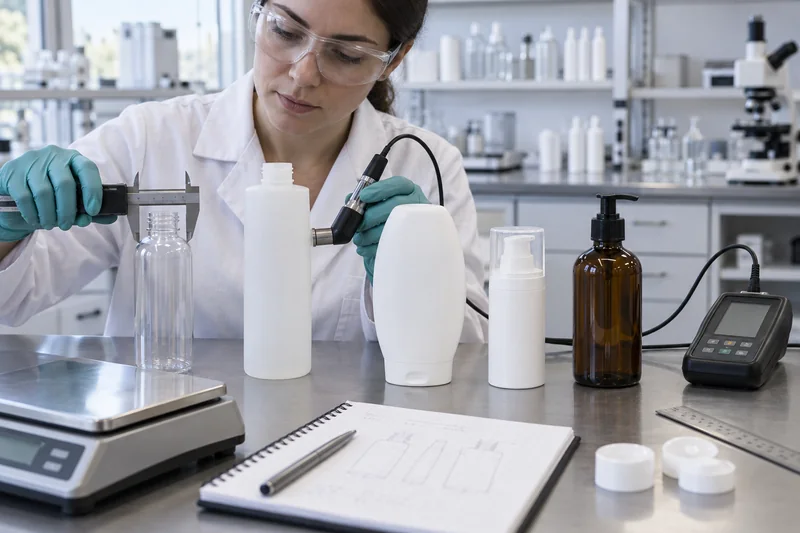
There is no universal minimum wall thickness for a body-lotion bottle. A blow-molded bottle does not have one uniform wall: material stretches around the shoulder and corners, moves through the sidewall and collects differently at the base or extrusion-blow pinch-off. Quoting one average thickness can hide a dangerously thin local area.
A useful drawing and control plan specify bottle mass plus critical minimum-wall locations, dimensional limits and performance tests. Measure shoulder transition, label panel, corners, base bearing surface and pinch-off where applicable. Then verify top load, squeeze feel/panel recovery, full-pack drop, leakage and decoration. Increasing grams can improve stiffness or appearance, but poor material distribution can still leave a weak corner; more resin is not a substitute for process control.
Which Bottle Shape Works Best?
- Cylinder or cosmo round: efficient to mold and label, visually neutral and easy to rotate on many lines. A narrow base can become unstable under a long pump head.
- Boston round: rounded shoulder and familiar apothecary/personal-care look. Check label-panel height and pump proportions.
- Oval: easier wet-hand grip and wider front display panel for a similar shelf depth, but orientation matters on the filling and labeling line.
- Square or rectangular: strong shelf blocking and potentially efficient case packing. Corners are wall-distribution and impact-risk areas; decoration and orientation need control.
- Inverted/tottle: improves access to rich lotion but transfers sealing risk to the closure.
- Double-wall or thick-wall silhouette: creates a premium visual mass, but the outer wall may add material without improving formula protection.
The best shape must also fit the consumer’s hand, retail shelf, e-commerce shipper, filler’s guides and labeler. Send the contract filler a dimensioned drawing and physical samples before freezing artwork or mold steel.
How to Match the Pump, Neck Finish and Dose
A designation such as 24/410 describes a nominal neck diameter and thread series. It does not state pump output, gasket material, dip-tube size or whether two components seal together. Match the supplier drawings and test the assembled, filled pack; visual fit is not proof of sealing.
Start the output decision from the use dose:
Target amount per application ÷ desired full strokes = target output per stroke
For example, if research supports roughly 3 mL for a use occasion and the desired experience is two full strokes, screen pumps near 1.5 mL per stroke—then measure the actual filled formula. Nominal output is not the final result: density, yield stress, temperature, actuation speed, tube geometry and incomplete consumer strokes all change delivered mass.
Also specify lock style (up-lock, down-lock or clip), actuator width, one-hand force, metal-free product pathway if required, gasket/contact materials, dip-tube cut and length, priming limit, recovery, output tolerance and evacuation. Use Boyu’s detailed guides for choosing pump output and calculating dip-tube length.
What Is the Best Body Lotion Bottle for Each Use?
| Use case | Strong starting candidate | Reason | Do not skip |
|---|---|---|---|
| Everyday 200–500 mL lotion | PET or HDPE + standard lotion pump | Familiar use, broad stock options and efficient dose | Cold dispensing, prime/recovery, tube and leakage |
| Sensitive premium lotion | Qualified airless pack or protected opaque pump pack | Reduced routine air intake or light exposure | Real-time/accelerated compatibility and evacuation |
| Rich lotion/body butter | Wide-path pump, inverted squeeze, tube or jar | Matches high yield stress and improves access | Evacuation, orifice mess, consumer force |
| Travel | 30–100 mL squeeze/tube or locking pump with overcap | Compact and protected from accidental actuation | Actual transport rules, lock retention and bag leakage |
| Salon/hospitality | 500–1,000 mL HDPE/PET + robust high-output pump | Durability and fewer refills | Tip stability, actuation life and tamper/refill policy |
| E-commerce/refill system | Durable reusable dispenser + compatible refill format | Can reduce repeated dispenser use if consumers refill correctly | Ship testing, hygiene instructions and full-system impact assessment |
What Makes a Body Lotion Bottle “Qualified”?
A qualified bottle is not merely attractive, leak-free when empty or supplied by an ISO-certified factory. It is an approved filled-package system that meets a written specification and remains fit for its intended life, use, route and market.
1. Identity, construction and workmanship
- Approved drawing, revision, bill of materials, colour standard and signed golden sample.
- Resin/component traceability, cleanliness and agreed limits for odour, contamination, flash, black specks, scratches, sink, bubbles and deformation.
- Bottle weight, brimful/nominal capacity, overall dimensions, neck finish and critical wall distribution within agreed tolerances.
2. Closure and dispensing performance
- Application/removal torque or retention, gasket compression and component pull-off resistance.
- Prime strokes, actual output by mass/volume, output consistency, actuation force, recovery, dose cut-off and cycle life.
- Correct tube length/cut or airless piston travel; agreed residual/evacuation performance.
ASTM F02.30 maintains active mechanical-dispenser practices for these measurements, including priming, compatibility, dip-tube and component retention, output per stroke, peak actuation force and dip-tube length. The methods provide a common way to measure; buyer and supplier still need product-specific acceptance limits.
3. Filled-product integrity and compatibility
- Upright, inverted/side and pressure/temperature leakage protocols relevant to the pack and route.
- Compatibility/stability with production-equivalent formula at intended and accelerated conditions: colour, odour, viscosity, mass loss, swelling, cracking, corrosion, clogging, seal change and dose drift.
- Filled-pack drop, compression/top load and transport simulation selected for the actual distribution system.
The U.S. FDA does not prescribe one universal test list for every cosmetic; the responsible company must substantiate safety with scientifically sound evidence. In the EU, the cosmetic safety framework treats relevant direct-contact packaging characteristics and package–formula–environment interaction as part of the safety assessment. A generic material declaration cannot replace a study with the commercial formula.
4. Decoration, line and market readiness
- Print/label adhesion, rub and chemical resistance after filled-product ageing—not only on a new empty bottle.
- Filling-line trial for unscrambling, filling, capping, torque, labeling, coding and vision inspection at realistic speed.
- Required nominal-content and product labelling space for the target market; cosmetics and drug/cosmetic products may follow different rules.
- Lot code, change control, retained samples, nonconformance handling and release records.

How standards should be used
ISO 22716 provides cosmetics GMP guidance for production, control, storage and shipment; it does not prescribe one lotion-bottle wall thickness or pump output. ISO 2859-family attribute sampling helps decide how to sample and accept lots; an AQL plan is not a product-quality certificate and does not promise zero defects. ISTA 3A is a general simulation option for qualifying parcel-delivery packs up to 70 kg, but use the procedure that matches the real route and shipping unit.
Buyer Checklist: What to Put in the RFQ
- Formula profile: viscosity/rheology at relevant temperatures, pH, oils, fragrance, solvents, particles and light/oxygen sensitivity; share enough under NDA for meaningful screening.
- Consumer dose: target amount per use, desired strokes/squeeze and evacuation target.
- Pack architecture: bottle/airless/tottle/tube, nominal and brimful capacity, resin and PCR target, colour and formula-contact BOM.
- Dimensions: maximum height with pump locked/open, diameter/width/depth, neck finish, bottle weight, critical walls and fill level.
- Dispenser: output, pathway, lock, actuator, gasket, tube length/cut, priming, force, recovery and cycle life.
- Decoration: label/print/coating artwork, colour tolerances, adhesion/rub requirements and restricted substances.
- Operations: filling temperature and method, line speed, torque, labeler and case pack.
- Distribution: e-commerce/retail/pallet route, climate, orientation and transport protocol.
- Quality plan: drawings, golden samples, test methods, numeric limits, sampling, traceability, change notification and defect responsibility.
- Commercial scope: quantity by SKU, forecast, MOQ, lead time, tooling ownership, packing, Incoterm and spare components.
Boyu Packaging supplies plastic, glass and airless lotion packaging. Its published starting MOQ is 5,000 pieces for plastic lotion bottles and 10,000 for glass, subject to design, material and decoration. Treat those as starting points; request a project-specific drawing, sample and quotation.
Before placing the production order, run the packaging compatibility study, define leak-test methods, select the relevant drop and distribution tests, and use the wider cosmetic-bottle test plan.
Frequently Asked Questions
Is PET or HDPE better for body lotion?
PET is the usual starting point when high clarity and stiffness matter; HDPE is attractive for toughness, opacity and some squeeze. Neither is universally more compatible. Test the commercial formula, colour/decorations and full closure system over the intended shelf life.
What is the most common size for body lotion?
There is no global standard size, but 200–300 mL is a common core retail range and 400–500 mL is common for family/salon use. Choose capacity from usage rate, price architecture, shelf life after opening, shipping weight and local net-content rules.
Is an airless bottle always better than a pump bottle?
No. Airless can reduce routine air intake and improve evacuation, but adds components and its own failure modes. A robust dip-tube pump may be simpler and more economical for a stable everyday lotion. Compare both using the filled formula and consumer-dose target.
Can thick body butter go in a lotion pump?
Only if a wide-path pump can prime, recover and evacuate it at the lowest expected temperature without excessive force. Otherwise an inverted squeeze pack, tube or jar is safer. Viscosity alone is not enough; yield stress, thixotropy, particles and air entrainment also matter.
What bottle diameter should I specify?
Start from grip, shelf, label, filling-line and shipper constraints, not capacity alone. Use the ranges in this guide only for screening, then approve a dimensioned supplier drawing and production-equivalent line samples.
How do I know the bottle wall is thick enough?
Control bottle weight and minimum wall at mapped critical points, then prove performance with top-load, squeeze/panel, filled-drop, leakage and line tests. A single average-wall number cannot describe a shaped blow-molded bottle.
Does an AQL inspection mean every bottle is defect-free?
No. Attribute sampling is a defined lot-acceptance decision based on a sample. It does not inspect every unit and cannot replace compatibility, dispensing or distribution qualification. Critical defects and performance tests need explicit treatment in the quality agreement.
Need a Body Lotion Bottle Specification, Not Just a Catalogue?
Send Boyu Packaging your formula profile, target dose, capacity, material/appearance, market, quantity and filling-line limits. The team can narrow stock or custom options and prepare drawings and samples for your qualification program.
Sources and Technical References
- ASTM F02.30 — Mechanical Dispensers.
- ISTA — Test Procedures.
- ISO 28590:2017 — Introduction to ISO 2859 attribute sampling.
- ISO 22716:2007 — Cosmetics GMP guidelines.
- Regulation (EC) No 1223/2009 on cosmetic products.
- Commission Implementing Decision 2013/674/EU.
- U.S. FDA — Product Testing of Cosmetics and Summary of Cosmetics Labeling Requirements.
- Aptar Future dispensing pump, GSA pump, Satine cosmetic pump and PAV dispenser.
- Berlin Packaging — 8 oz HDPE pump-bottle example.
- SKS — 8 oz HDPE cylinder example and 16 oz HDPE Boston round example.
- PET Resin Association — Consumer Guide to Plastic Recycling Codes.
Technical note: supplier examples demonstrate available constructions and dimensions; they are not universal standards or endorsements. Regulations, product classifications and test editions can change. Confirm the current requirements with the responsible safety assessor, test laboratory, filler and target-market adviser.


 English
  Español de Argentina
  Русский
  Italiano
  日本語
日本語  한국어
한국어  العربية
  Français
  Deutsch