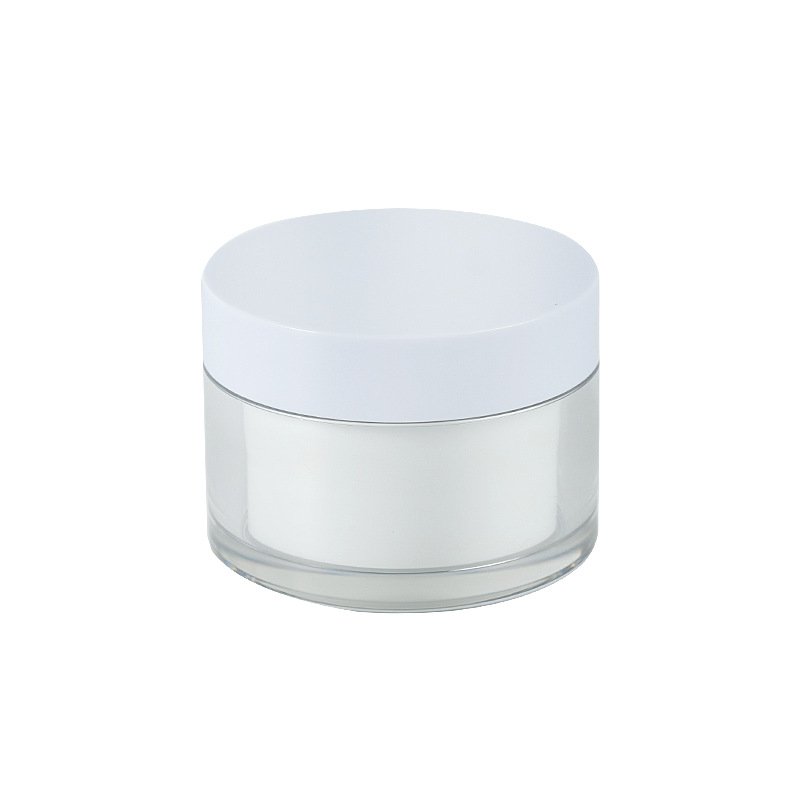
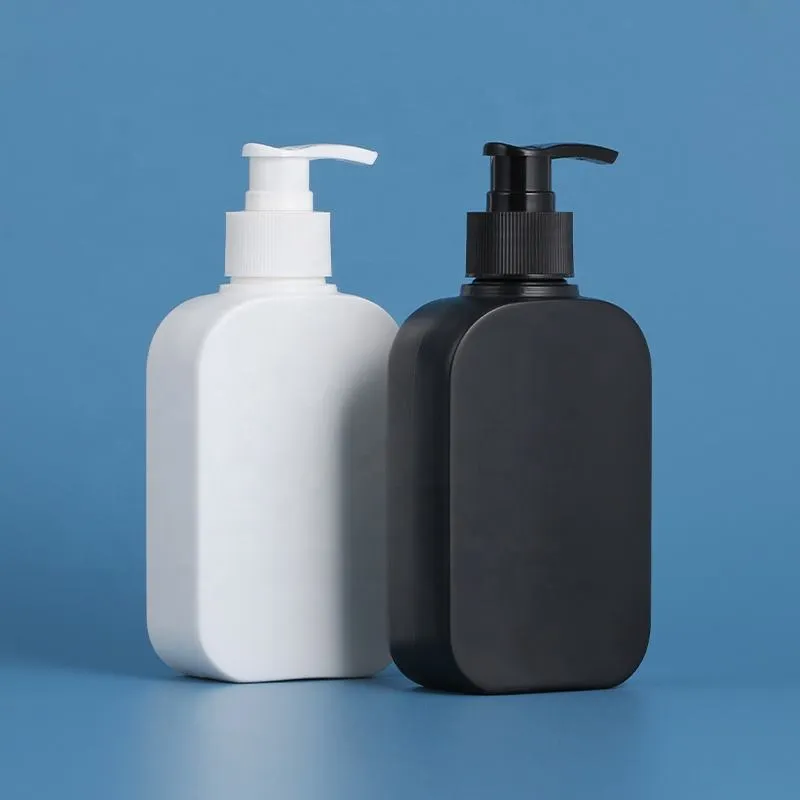
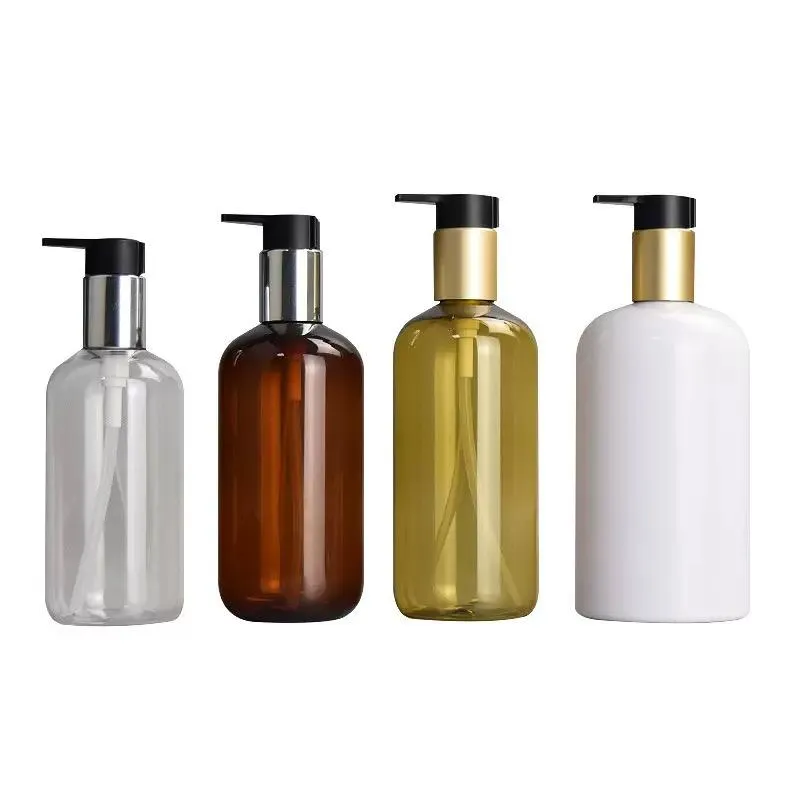
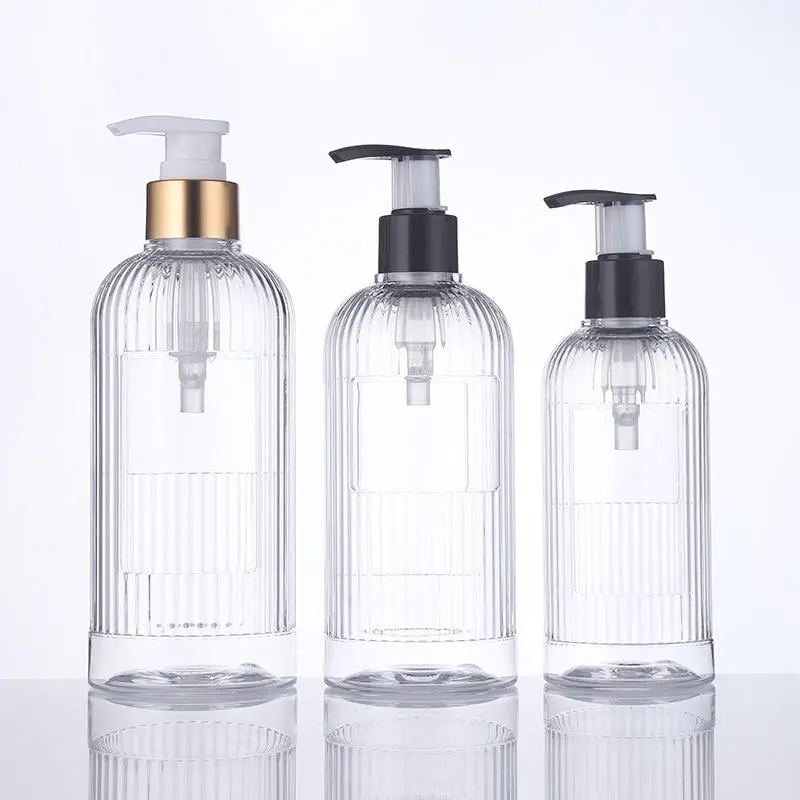
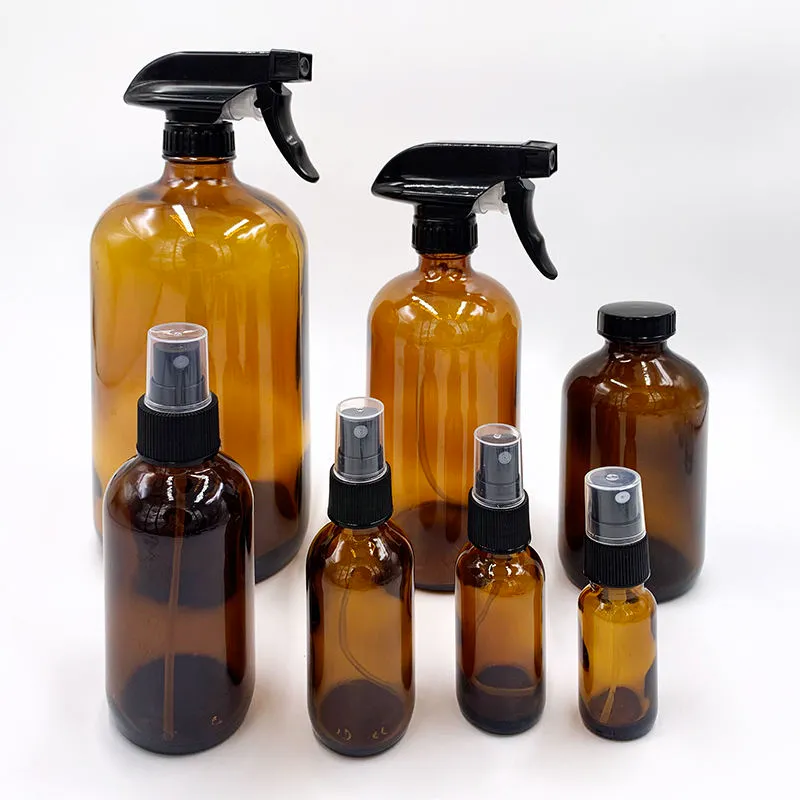
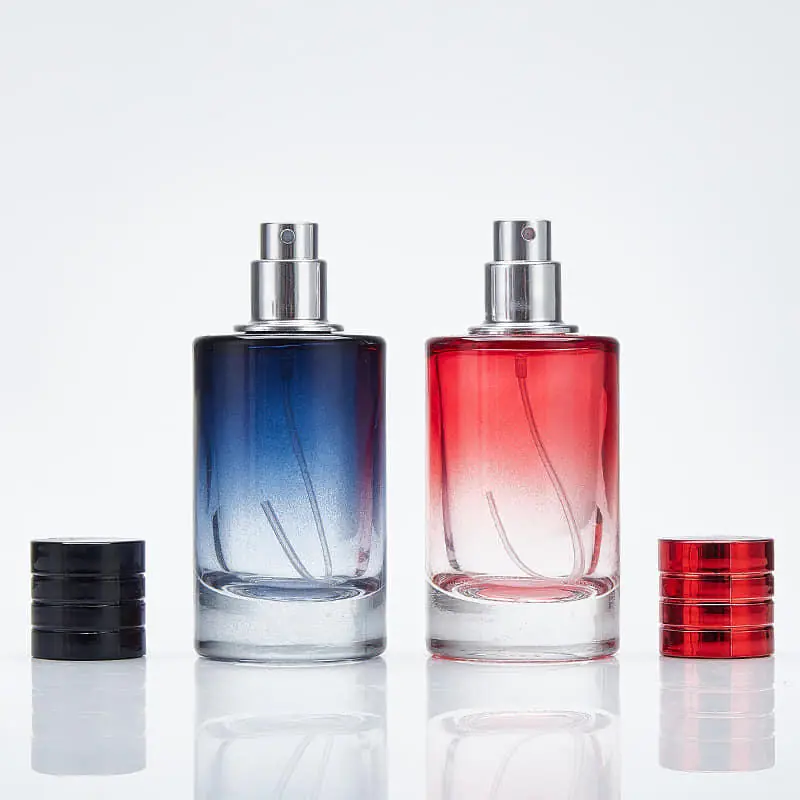
Direct answer: to import perfume bottles from China reliably, first freeze a complete packaging specification—not just a bottle photo—then compare quotations on the same bill of materials, verify the legal supplier and actual production sites, approve a production-representative sample, put measurable quality and delivery gates in the purchase contract, inspect before the final balance and book freight and customs clearance before the cargo is ready.
The most important distinction is what you are importing. This guide covers empty perfume bottles, pumps, collars, caps and cartons. Filled alcohol-based perfume can be regulated as dangerous goods depending on its formulation and transport classification, so it needs a different carrier, documentation and compliance plan.
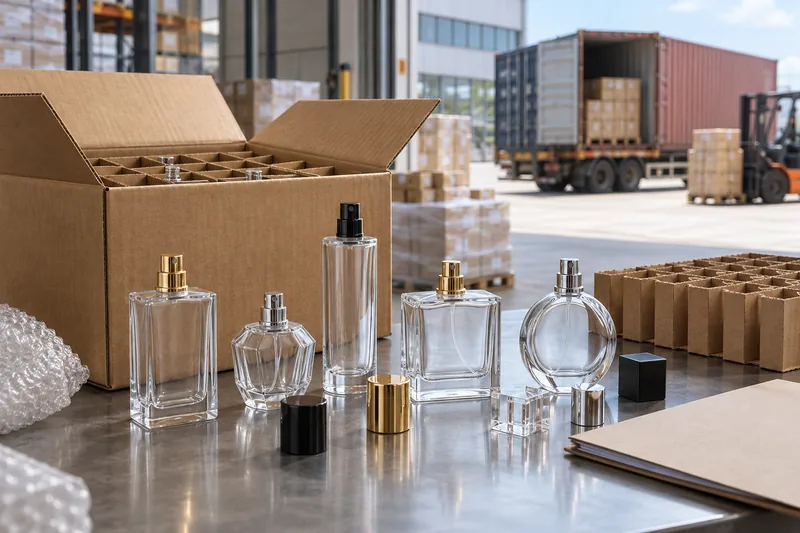
The 12-Step Process for Importing Perfume Bottles from China
- Define the pack and destination. Specify the bottle, atomizer, gasket, collar, cap, decoration, individual carton, shipper carton, filling method, destination country and annual demand.
- Check import responsibility early. Decide who will be importer of record, confirm whether an EORI or local registration is needed, and ask a broker to review the proposed product description and classification before ordering.
- Build a qualified supplier list. Use multiple discovery channels, then screen legal identity, process ownership, subcontractors, export experience and financial/payment consistency.
- Issue one controlled RFQ. Give every candidate the same specification, forecast, quality requirements, delivery location and quotation template.
- Normalize the offers. Separate recurring component cost, decoration, assembly, export packing, testing, inspection, tooling, freight and duties. A low bottle price can hide expensive pumps, colour minimums or weak packing.
- Sample in stages. Use stock samples to assess general capability, decorated samples to approve appearance and engineering samples to verify the actual bottle–pump–cap system.
- Verify the business and production route. Audit on site or remotely, confirm who manufactures each component and ensure the payment beneficiary matches the contracted legal entity or is formally explained.
- Sign a specification-led contract. Attach drawings, colour standards, artwork, approved samples, test methods, defect rules, inspection rights, tooling ownership, change control, delivery milestones and remedies.
- Release production only after approval. A deposit should follow agreement on the technical file and commercial terms; custom moulding should not begin from a rendering alone.
- Control the critical path. Track moulds, bottle production, annealing, decoration, purchased closures, assembly, conditioning, inspection and vessel/flight booking as separate dependencies.
- Inspect before final payment and shipment. Use risk-based in-process and pre-shipment checks, including quantity, appearance, dimensions, function, leakage, decoration and export packing.
- Clear, receive and close the order. Match invoice, packing list and transport documents; record arrival condition; quarantine suspect cartons; and close claims using agreed evidence and time limits.
Define Exactly What You Are Buying Before Contacting Suppliers
“50 mL luxury perfume bottle with gold sprayer” is not an adequate purchasing specification. Two suppliers can quote that phrase while offering different glass weights, neck finishes, pumps, gaskets, coatings, cap constructions and packing. The result is a price comparison with no technical equivalence.
Specify the complete dispensing system
Your controlled bill of materials should identify every part: glass bottle, pump or crimp atomizer, dip tube, gasket, collar, cap, decorative sleeve or insert, label, individual folding carton, insert, master carton and pallet. State whether components will be shipped assembled or separately and who is responsible for fit.
For the bottle, record nominal fill, brimful capacity, fill point, glass weight tolerance, external dimensions, base stability, neck drawing and critical neck dimensions. For the atomizer, define the neck interface, actuator, spray output range, spray pattern, prime performance, leakage requirement, dip-tube material and cut geometry. For the cap, define retention or pull-off requirement, alignment, surface finish and any inner fitment.
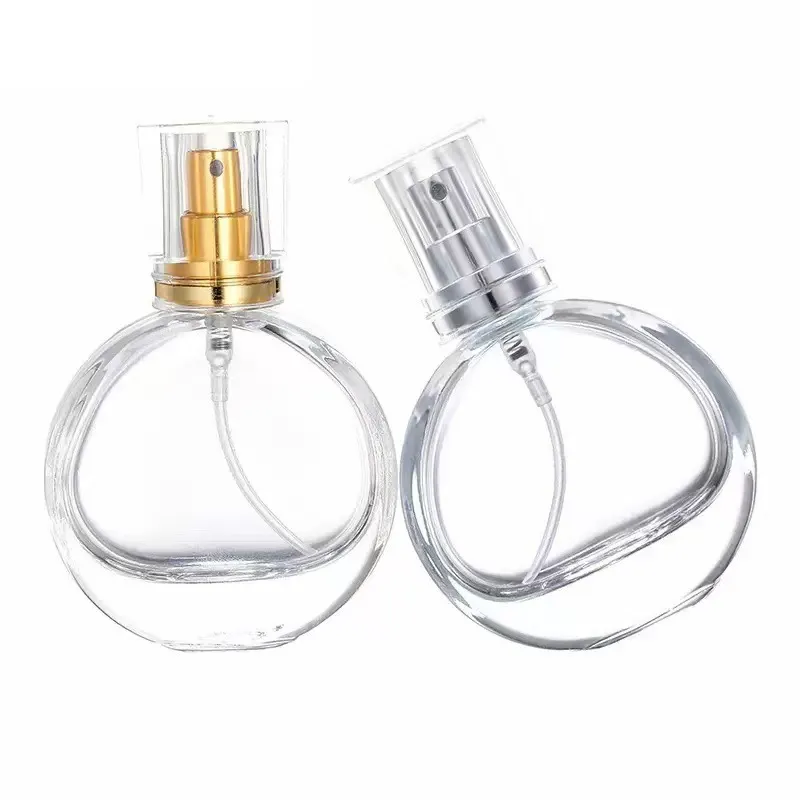
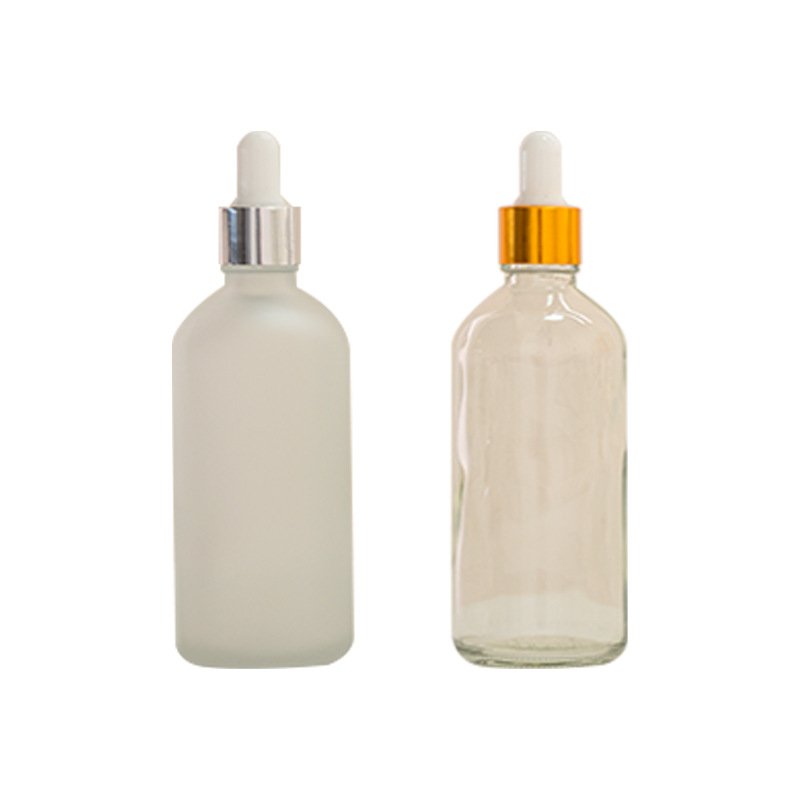
Do not approve a bottle and pump independently. A compatible system is a controlled combination. Boyu’s glass perfume bottle range is useful for shortlisting shapes, while its complete perfume packaging options show why bottle, pump, collar and cap should be evaluated together.
Define appearance with measurable references
Use artwork files, Pantone or another agreed colour reference, gloss or matte targets where measurable, decoration position tolerances, registration limits and an approved physical sample. For handmade or process-sensitive effects such as heavy bases, gradient spraying, metallisation, hot stamping and frosting, add boundary samples that show the maximum acceptable and minimum acceptable appearance. One perfect “golden sample” does not define normal variation on both sides.
Include filling-line and formula requirements
Tell the supplier whether the closure will be crimped, screwed, snapped or pressed; the crimping or capping equipment; conveyor handling points; fill temperature; line speed; and inspection method. Provide the actual fragrance or a technically suitable test liquid for compatibility work under a controlled agreement. Alcohol and fragrance oils can affect gaskets, dip tubes, coatings, adhesives and printed decoration. Refer to Boyu’s guide to packaging compatibility testing when building the protocol.
Separate forecast, order quantity and component MOQ
A perfume pack rarely has one true MOQ. The bottle may be available from stock, while a custom colour, pump finish, cap insert or printed carton has its own production minimum. Ask for the MOQ and price break for each component and process, plus the minimum quantity per colour and artwork. Also ask whether excess decorated components must be purchased, stored or scrapped.
| Area | Information to provide | Why it changes price or risk |
|---|---|---|
| Bottle | Capacity, dimensions, neck drawing, glass weight/tolerance, shape, stock or custom mould | Determines moulding route, material use, tooling and line suitability |
| Dispenser | Interface, output, pattern, gasket, dip tube, colour/finish, assembly state | Controls function, compatibility, leakage and component MOQ |
| Decoration | Artwork, colour standard, spray area, coating, printing, hot stamp, logo relief | Each pass adds yield loss, setup cost and a possible schedule dependency |
| Secondary pack | Carton board, insert, print, finish, barcode, pack count | Influences breakage protection, cube and retail presentation |
| Quality | CTQs, test methods, sampling, defect classes, limits, records, retained samples | Converts “good quality” into an auditable acceptance decision |
| Commercial | Order quantity, annual forecast, named Incoterm/place, currency, payment, quote validity | Makes landed and cash-flow comparisons possible |
| Delivery | Required arrival date, split-shipment option, destination, pallet rules | Lets the supplier plan backwards from receipt, not merely factory completion |
How to Find and Verify Chinese Perfume Bottle Suppliers
Use marketplaces and search engines for discovery, not final qualification. Add trade-show exhibitor lists, industry referrals, packaging directories and customs/shipment databases where legally available. Build an initial list wide enough to compare capabilities, then narrow it with evidence rather than polished photos.
Screen the legal entity before the product
- Request the Chinese business licence and the company’s Chinese legal name and Unified Social Credit Code.
- Match the quotation, contract, invoice and bank beneficiary. If a Hong Kong or affiliated export company receives payment, document the relationship and responsibility.
- Confirm the registered address, operating address and factory address. They may be different, but the differences must be explainable.
- Ask who owns the bottle mould, who moulds the glass, who decorates, who makes pumps and caps, and who performs final assembly and inspection.
- Verify export experience for your destination and packaging type, but do not accept a customer logo wall as proof.
Audit the process that will make your order
A strong audit follows material and records from receiving through moulding or purchased-component control, annealing, decoration, assembly, inspection, packing and nonconforming-product segregation. Review calibration status, lot traceability, retained samples, rework controls and recent corrective-action examples. If the quoted company does not operate a glass furnace, that does not automatically disqualify it; it means the contract must identify the manufacturing partner and preserve your inspection and traceability rights.

For a deeper site-audit checklist, use Boyu’s perfume bottle manufacturer selection checklist. This guide keeps the audit concise so it can focus on the full import process.
Should You Buy from a Factory or a Trading Company?
“Factory” is not automatically better and “trader” is not automatically worse. Most complete perfume packs use multiple specialised processes. Even a glass manufacturer may buy atomizers, caps, magnets, cartons or decoration services. The relevant question is who controls the critical work, who owns the specification and who is contractually accountable when components do not fit.
| Route | Best fit | Advantages | Risks to control |
|---|---|---|---|
| Direct glass factory | Large, repeat orders with a stable bottle platform and buyer-managed closures/decoration | Direct process access, strong moulding control, potentially efficient at scale | May offer a narrow component range; buyer must integrate pump, cap, carton and decoration |
| Specialist trading company | Small brands comparing many stock designs or mixed categories | Wide catalogue, consolidation, bilingual coordination, potentially lower practical entry quantity | Limited process visibility, supplier substitution, added margin, unclear root-cause ownership |
| Integrated packaging partner | Brands wanting one accountable party for bottle, pump, cap, decoration and packing | System-level fit, consolidated inspection and coordinated timeline | Still may subcontract processes; requires disclosure, traceability and change control |
| Sourcing agent | Buyer needing in-country search, negotiation and inspection support | Local presence and multi-supplier coordination | Fee and commission transparency, conflicts of interest, authority and confidentiality |
Choose a factory when the main process is technically critical, repeat volume justifies direct management and your team can integrate the rest of the pack. Choose a trader or integrated partner when assortment, consolidation and system coordination create more value than direct access to a single process. In either case, insist on factory disclosure for critical components and prohibit unapproved changes.
How to Compare Quotations and Negotiate Without Trading Away Quality
Normalize the quotation first
Create a comparison sheet with one row per bottle, pump, collar, cap, assembly operation, decoration pass, inner pack, shipper carton, pallet, tooling item, sample and test. Record the Incoterm with the exact named place, currency, payment schedule, quotation validity, component MOQ, production loss allowance and expected surplus/shortage policy.
Request at least two logistics views—for example FCA named factory/terminal and FOB named port, or FCA and DAP destination. This exposes what the supplier is actually including. Do not compare an EXW component price with a DDP landed offer as though the difference were supplier margin.
Negotiate the variables that create total value
- Price breaks: ask for tiers tied to realistic order quantities and annual call-offs, not an aspirational volume you cannot commit to.
- MOQ alignment: use a stock bottle with a custom cap or label, combine colours, or hold undecorated components when this genuinely reduces obsolete inventory.
- Payment milestones: connect payments to objective gates such as tooling approval, pre-production sample approval and passed pre-shipment inspection. Avoid assuming a customary percentage protects either party.
- Tooling: state ownership, storage, maintenance, lifetime, modification rights, access to drawings and what happens if the relationship ends.
- Quality remedies: define rework, replacement, credit and urgent airfreight responsibility according to the cause. “Discuss later” has little value after a missed launch.
- Schedule: negotiate milestone dates and evidence, not only a final “lead time.” Include the consequence of late artwork, supplier-caused rework and buyer changes.
- Change control: no resin, gasket, coating, subcontractor, mould, pack count or process change without written approval and requalification where necessary.
Approve three kinds of samples
- Capability sample: an existing item that shows general glass, spray and decoration ability.
- Engineering or fit sample: the proposed bottle, atomizer, collar and cap combination used to verify dimensions, assembly and filling-line interaction.
- Pre-production sample: made with the intended materials, mould, decoration, colours and assembly route. Sign and date retained units held by both sides.
A sample is not a substitute for the specification. It is physical evidence attached to it. Record which characteristics the sample controls and which remain governed by drawings and test limits.
How to Control Perfume Bottle Quality Before Shipment
Quality control should be staged. Waiting for a final random inspection after every bottle has been decorated and packed is expensive because systemic defects are already multiplied. Use incoming checks, first-article approval, in-process checks and pre-shipment release.
| Gate | What to verify | Evidence | Release decision |
|---|---|---|---|
| Incoming components | Pumps, gaskets, caps, inserts, coatings and cartons match approved materials/finish and lot identity | Supplier lot records, dimensional checks, certificates where relevant, retained samples | Accept, quarantine or return before assembly |
| First article | Critical dimensions, bottle stability, capacity, glass appearance, decoration position, fit and spray function | Signed report with drawing revision and photos/data | Written authorisation before mass production |
| In-process | Annealing control, mould seams, neck dimensions, coating cure/adhesion, print registration, crimp or assembly settings | Line inspection records and trend data | Continue, adjust or contain affected time window |
| Pre-shipment | Quantity, identity, appearance, dimensions, fit, output, leakage, cap retention, decoration, barcode/carton and packing | Independent or buyer-approved inspection report | Release, rework/reinspect or reject |
| Distribution pack | Divider strength, bottle contact, vibration/drop/compression protection, pallet pattern and wrap | Approved pack specification and route-appropriate test report | Approve shipping configuration |
Define critical-to-quality characteristics
Typical CTQs include sharp edges or glass contamination, cracks, neck geometry, bottle dimensions, brimful and fill-point capacity, base stability, glass distribution, annealing result, pump fit, leakage, prime strokes, output per stroke, spray pattern, dip-tube reach, cap retention, decoration colour/position/adhesion and pack count. Which are critical, major or minor depends on safety, function, brand requirement and downstream filling.
Use actual gauges and written methods. “No leakage” must specify test liquid, fill level, closure assembly, conditioning, orientation, time, temperature and pass criterion. Boyu’s cosmetic bottle leak-testing methods and overview of tests required for cosmetic bottles can help turn the requirement into a repeatable protocol.

Use AQL sampling correctly
ISO 2859-1:2026 provides acceptance-sampling plans indexed by acceptance quality limit for lot-by-lot inspection. The buyer and supplier still need to agree the lot definition, inspection level, defect classes and AQLs. An AQL plan does not mean “this percentage of defects is allowed in every shipment,” and a passed sample does not prove every unit is defect-free. Safety-critical defects such as glass fragments, sharp hazards or defined leakage failures may warrant zero acceptance in the inspected sample plus process controls, subject to your risk assessment.
Inspect after decoration, but early enough to recover
Schedule the final inspection when the goods are substantially complete and packed, while leaving enough time for correction before the booked cargo cut-off. If a third-party inspector is used, give them the approved drawing, boundary samples, artwork, defect catalogue and test method. A generic checklist cannot infer your acceptance criteria.
How to Protect the Delivery Date
A quoted production lead time is not the same as the time from purchase order to warehouse receipt. The full plan includes technical approval, tooling, sample production, buyer response, raw materials, bottle moulding, cooling/annealing, decoration, purchased pumps/caps, assembly, inspection, rework allowance, export packing, booking, inland transport, terminal cut-off, international transit, customs and final delivery.
Build and monitor the critical path
Ask the supplier for a backward schedule from your required arrival date. Identify the longest dependency—often a custom mould, special cap, decoration or purchased pump—and the last date a decision can be made without moving the launch. Confirm national holidays, maintenance shutdowns and peak shipping periods before the purchase order, not after production.
Use schedule buffers intelligently
A buffer should protect risk, not hide an unrealistic promise. Put time before vessel cut-off for inspection and rework; after arrival for customs variability; and before market launch for receiving inspection and filling-line qualification. For urgent launches, consider an approved split shipment: a smaller air consignment for pilot filling or launch support and the balance by sea. Compare the incremental freight against the cost of delay.
Require an exception report
When a milestone slips, require the cause, affected quantity, containment, recovery owner, revised dates and impact on subsequent tasks. “Production is busy” is not a recovery plan. Do not allow a missed production date to be concealed by skipping conditioning, inspection or protective packing.
Shipping Empty Perfume Bottles: Air, Sea, LCL or FCL?
| Mode | Best use | Main benefit | Main risk/cost |
|---|---|---|---|
| Courier/express | Samples, colour standards, urgent replacement parts | Fast and simple tracking | High cost per unit; dimensional weight; commercial clearance still applies |
| Air freight | Launch quantity, urgent replenishment, high-value low-volume components | Shorter transit and lower inventory time | High chargeable-weight cost; strong outer packing still required |
| Sea LCL | Volume too large for air but below an economical full container | Lower entry volume than FCL | More consolidation handling, possible delay and greater carton-edge/impact exposure |
| Sea FCL | Large repeat orders or fragile loads that can use container space efficiently | Less third-party handling after loading and better load control | Higher shipment commitment, container planning, demurrage/detention exposure |
Design export packing for the route
Perfume bottles fail in transit when glass touches glass, dividers collapse, caps abrade decoration, cartons absorb moisture or pallet loads move. Specify bottle orientation, cell/divider geometry, protective sleeves, carton strength, maximum gross weight, sealing method, pallet pattern, corner boards, stretch wrap and moisture protection appropriate to the route. Test the actual bottle in the actual shipping configuration. ASTM D4169 provides a framework for evaluating shipping units against a sequence of distribution hazards, while ISTA procedures address defined distribution systems. Select a protocol with a packaging engineer or test laboratory rather than applying a random “drop test.”
If raw-wood pallets or dunnage are used, require compliant ISPM 15 treatment and marking for destinations that apply the standard. Qualifying processed wood such as plywood is outside the standard’s regulated raw-wood scope, but confirm destination and carrier rules.

Choose Incoterms deliberately
Write the rule, named place or port and version—for example, “FCA [named terminal], Incoterms 2020.” Incoterms allocate delivery, risk, cost and customs responsibilities; they do not define product quality, payment, title transfer, intellectual property or remedies, so those still belong in the sales contract.
- EXW: gives the buyer extensive pickup and export responsibility. It can be awkward when the overseas buyer cannot practically complete Chinese export formalities.
- FCA: often provides clearer control for containerised or multimodal cargo because the seller can deliver to the named carrier/place and handle export clearance as allocated by the rule.
- FOB: is for sea or inland-waterway transport and is often quoted in China, but do not use it casually for every container movement; compare FCA with your forwarder.
- CIF/CIP: seller arranges carriage and insurance to the named point, but risk transfers at the rule’s defined earlier point. Confirm coverage, exclusions and claim procedure.
- DAP: seller delivers to the named destination; buyer generally handles import clearance and duties/taxes.
- DDP: seller assumes import clearance and duty responsibility under the rule. Before accepting, confirm that the structure is lawful, the declared value/classification are transparent and you will receive compliant entry records. A low opaque DDP price can create importer-of-record and valuation problems.
Customs Clearance: Documents and Country-Specific Checks
Engage a customs broker before placing the purchase order. Give the broker drawings or photos, material composition, component breakdown, intended use, country of origin, price terms and whether parts are shipped assembled or separately. Do not copy an HS code from another seller’s invoice. Classification can change with material, component function, presentation and national tariff detail, and bottle, pump, cap and carton lines may require separate analysis.
Core shipping and customs documents
- Commercial invoice with accurate buyer/seller, currency, Incoterm, product descriptions, quantities, unit/total values and origin.
- Packing list showing cartons, pallet count, net/gross weight, dimensions and component quantities.
- Bill of lading or air waybill consistent with the invoice and packing list.
- Customs declaration data and tariff classifications approved by the importer/broker.
- Country-of-origin marking and supporting origin documentation where applicable.
- Insurance certificate when the transaction or buyer requires it.
- ISPM 15 evidence/marks for regulated wood packaging.
- Test reports or material declarations required by contract, customers or destination rules; these do not replace customs documents.
| Destination | Before shipment | Importer accountability |
|---|---|---|
| United States | Confirm HTSUS classification, valuation, origin marking and any other-agency requirements; for ocean cargo, arrange timely Importer Security Filing data with the responsible filer | CBP states the importer of record remains responsible for entry correctness, duties, taxes and fees even when using a broker |
| European Union | Use Access2Markets for tariff/formality research; confirm EORI, CN/TARIC classification, customs value, VAT/duty treatment and ICS2 ENS data responsibilities | The EU importer and supply-chain filers must ensure accurate customs and advance cargo data; also review current PPWR and national packaging obligations |
| Great Britain | Use the UK Trade Tariff; confirm GB EORI, commodity code, customs value, VAT/duty and declaration representation | The importer should retain the evidence supporting classification, valuation and origin and understand the broker’s representation basis |
| Other markets | Check the national tariff, importer registration, origin marking, packaging/environmental rules and document requirements before production | The local importer should obtain jurisdiction-specific advice; U.S., EU or UK practice cannot simply be copied |
For the EU, Regulation (EU) 2025/40 on packaging and packaging waste began applying on 12 August 2026. Because obligations phase in and interact with national systems, EU brands and importers should review the current regulation, producer-responsibility position and local implementation for their role and packaging—not rely on a supplier’s general “EU compliant” statement.
How to Calculate the True Landed Cost
Use cost per saleable, received unit, not factory unit price. A practical model is:
Landed cost = components + decoration + assembly + export packing + tooling amortisation + inspection/testing + China inland/export charges + international freight + insurance + customs duty/tariffs + broker/filing/port fees + destination delivery + financing/currency cost + expected breakage/reject cost.
Divide by units that can actually be used after transit and receiving inspection. Include the commercial effect of excess component MOQs, spare units, sampling consumption and potential line rejects. A heavier premium bottle may add not only glass cost but carton strength, freight cube/weight, handling, breakage exposure and storage cost.
Does ordering more always reduce cost?
Usually the quoted unit cost falls as fixed setup, mould change, decoration and administration costs spread over more units. Total risk can rise, however, if the design is unproven, demand is uncertain or one component forces excess inventory. Compare at least three realistic order scenarios and include inventory carrying cost, obsolescence, cash tied up and quality exposure. The lowest unit price is not the lowest business cost when the extra stock cannot be sold.
Receiving Inspection, Damage Claims and Reorders
- Photograph the container or delivery vehicle, seal, pallets and visible carton condition before unloading.
- Record shortages, wet cartons, crushing, broken pallets and unusual odour on the carrier receipt where local procedure allows.
- Quarantine damaged or suspect lots; do not mix them into accepted inventory.
- Verify identity, count, lot codes, appearance, key dimensions, assembly and function against the same approved standard used at pre-shipment inspection.
- Open cartons across pallet positions—not only the easiest top cartons—to detect load-position damage.
- Preserve bottles, inner/outer packaging, labels, photos and timestamps for a carrier, insurer or supplier claim.
- Notify all responsible parties within the contractual and transport-document time limits. State quantity affected, defect evidence and requested remedy.
After the first commercial fill, compare actual filling-line rejects and consumer complaints with incoming data. Feed the evidence into the next drawing, limit sample, pack design and inspection plan. A stable reorder should still include lot verification and change confirmation; it is not permission for silent substitutions.
Common Import Mistakes and How to Prevent Them
- Buying from a photo: issue a component-level specification and drawing.
- Comparing unlike quotes: normalize BOM, decoration, packing and Incoterm.
- Treating a platform badge as an audit: verify legal identity, process and subcontractors independently.
- Approving appearance only: test fit, crimp/screw assembly, output, leakage and formula compatibility.
- Letting the supplier choose the customs code alone: the importer and broker must confirm destination classification.
- Paying the final balance before release evidence: align payment with inspection and document gates.
- Booking freight too late: obtain routing and packing requirements before production finishes.
- Using DDP without visibility: establish importer-of-record, valuation and record access before agreeing.
- Skipping distribution testing: qualify the complete packed shipping unit for the real route.
- Calling filled perfume “bottles”: obtain dangerous-goods classification and authorised carriage when product is present.
Frequently Asked Questions
What is the safest way to pay a Chinese perfume bottle supplier?
No payment method removes commercial risk. Verify the beneficiary, use a written contract and connect staged payments to objective deliverables. For a new supplier, avoid sending the full value before production and inspection. Letters of credit, escrow-style marketplace protection or trade-credit insurance may help in suitable transactions, but their terms and documents must match the actual deal.
How many samples should I approve?
Approve enough samples to represent the complete system and meaningful process variation. At minimum, retain matched pre-production sets for buyer and supplier, plus samples for compatibility, filling-line and transport work. A single showroom bottle is not an adequate approval set.
Can I import a small quantity of perfume bottles from China?
Yes, especially from stock ranges, but the practical minimum is constrained by each component and decoration process. Ask for stock bottle, pump and cap combinations, digital labels or simpler decoration, and courier/air/LCL costs. A small order can have a high landed unit cost because testing, clearance and freight minimums do not shrink proportionally.
What is the best Incoterm for perfume bottles from China?
There is no universal best rule. FCA at a clearly named place is often a strong comparison basis for containerised or multimodal cargo because responsibilities are explicit and the buyer can control main carriage. Also price FOB or DAP where appropriate. Choose with your broker/forwarder based on route, importer capability and cost transparency.
Do empty perfume bottles need an SDS?
Ordinary empty glass bottles generally are not classified like flammable perfume, although carriers may request accurate material or commodity information. An SDS becomes relevant to the fragrance formula, coatings, chemicals or other regulated materials. If bottles are filled, obtain the product classification and carrier requirements before booking.
How do I know whether the supplier changed a component?
Require lot traceability, approved material/component codes, retained samples and written change notification. On reorders, compare critical dimensions, fit, spray performance, colour and markings against the approved set. Contractually prohibit unapproved changes to resin, gasket, pump, coating, subcontractor, mould or packing.
How far in advance should I order?
Plan from the required warehouse-receipt date backwards through customs, transit, booking, final inspection, packing, production, decoration, component procurement, samples and tooling. Ask for dated milestones for your exact design; generic online lead-time ranges are not reliable enough for a launch plan.
Sources and Further Reading
- U.S. Customs and Border Protection — Tips for New Importers and Exporters
- U.S. Customs and Border Protection — Importer Security Filing timing and data
- European Commission — Access2Markets My Trade Assistant
- European Commission — Economic Operators Registration and Identification number
- European Commission — Import Control System 2
- European Commission — Packaging and Packaging Waste Regulation
- GOV.UK — Trade Tariff: commodity codes, duty and VAT
- GOV.UK — Who needs an EORI number
- International Chamber of Commerce — Incoterms 2020 resources
- ISO — ISO 2859-1:2026 acceptance sampling by attributes
- ASTM International — ASTM D4169 shipping-unit performance testing
- International Safe Transit Association — Test procedures
- International Plant Protection Convention — ISPM 15 implementation
- UNECE — Dangerous goods table including UN 1266 perfumery products


 English
  Español de Argentina
  Русский
  Italiano
  日本語
日本語  한국어
한국어  العربية
  Français
  Deutsch