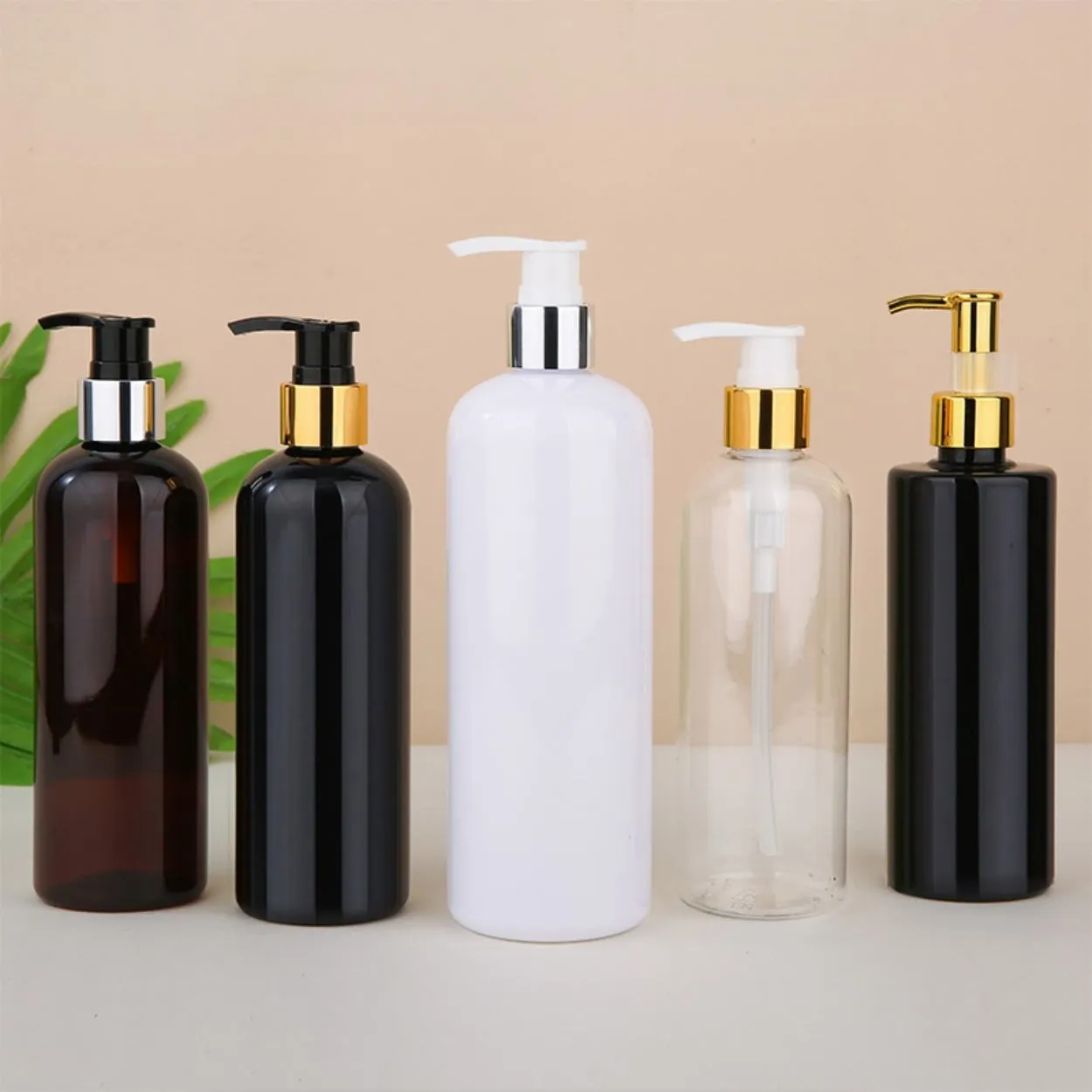
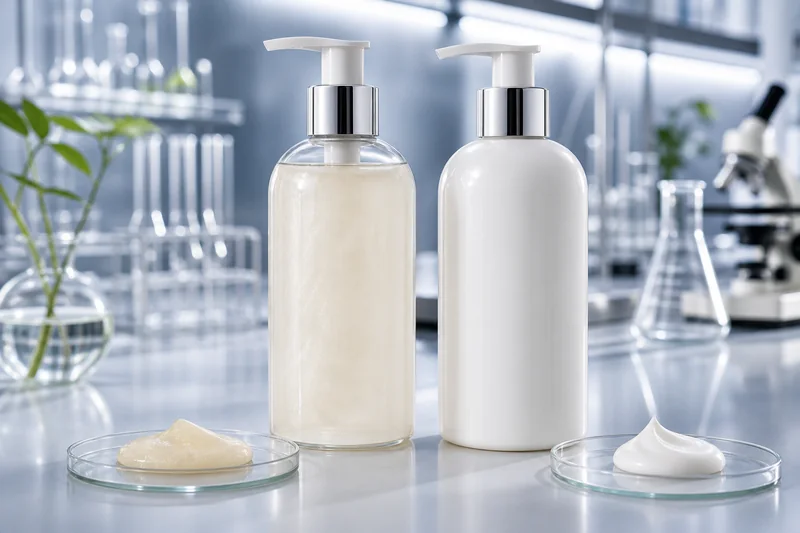
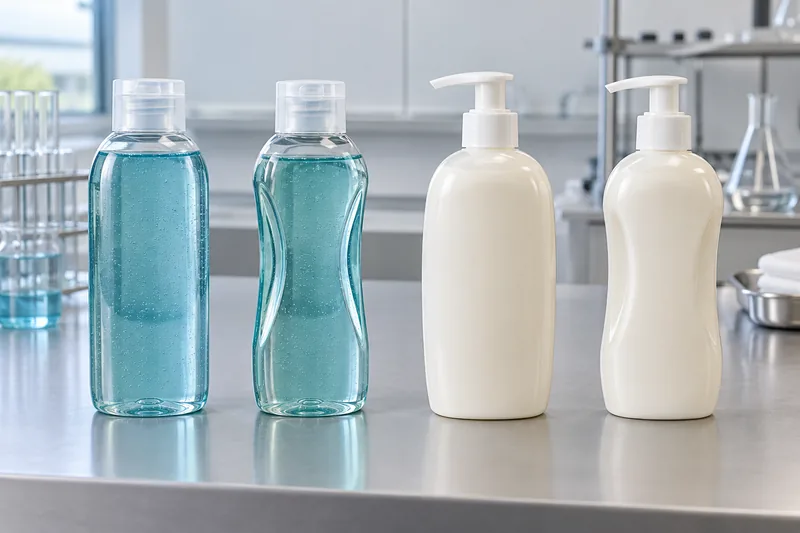
A coordinated bottle range, built around everyday hair care.
Source round shampoo bottles with matched pumps and caps, custom color and branding. Compare materials, capacities and dispensing performance before approving the complete pack.
✓ Round bottle, cap and pump selected together✓ Home, travel, salon and refill program review✓ Custom decoration, sampling and quality checksRequest a Shampoo Bottle Quote →
Custom-order planning: 10,000 pieces per design. Final specifications, sample plan and timing follow project review.
Round Shampoo Bottles: A Practical Starting Point for Hair Care
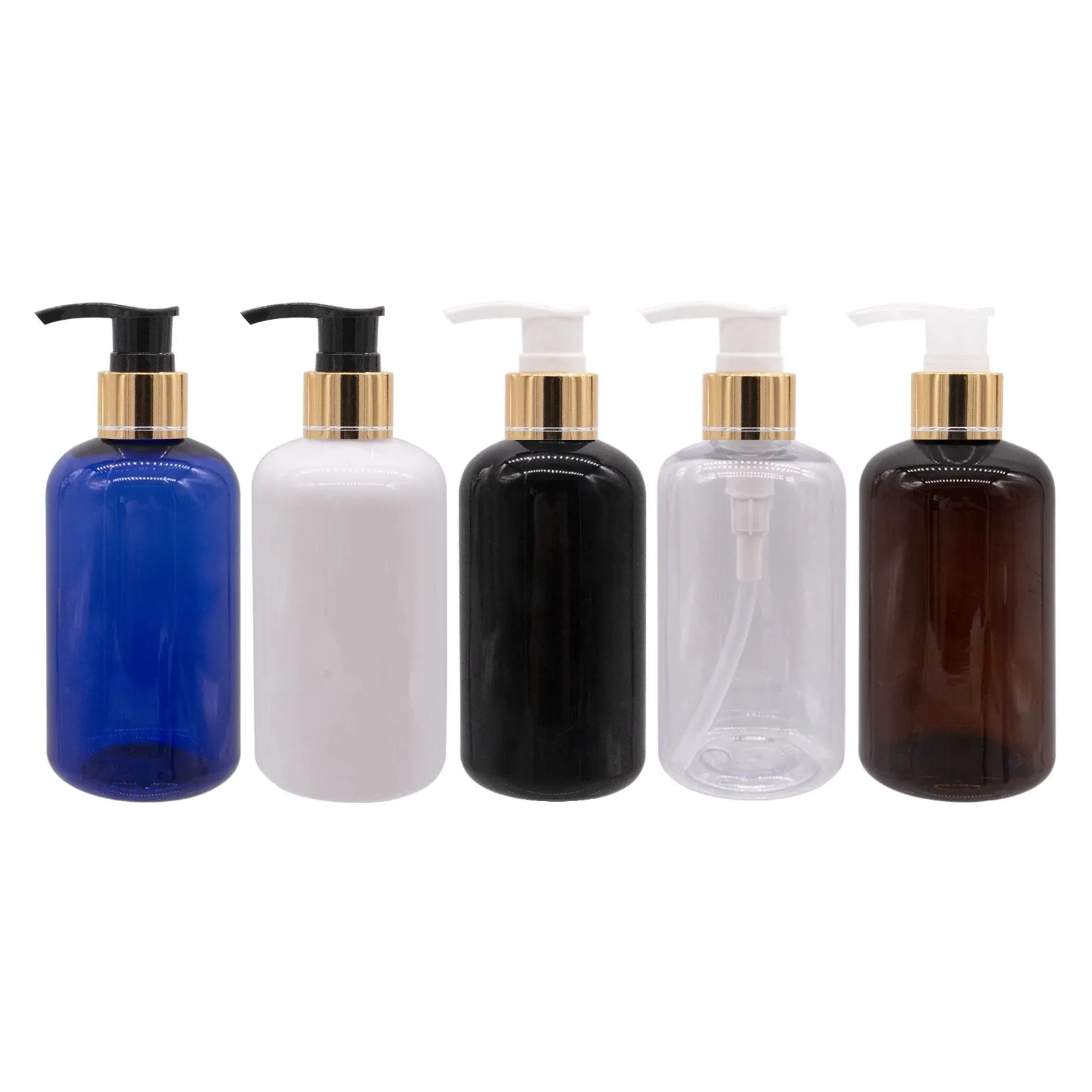
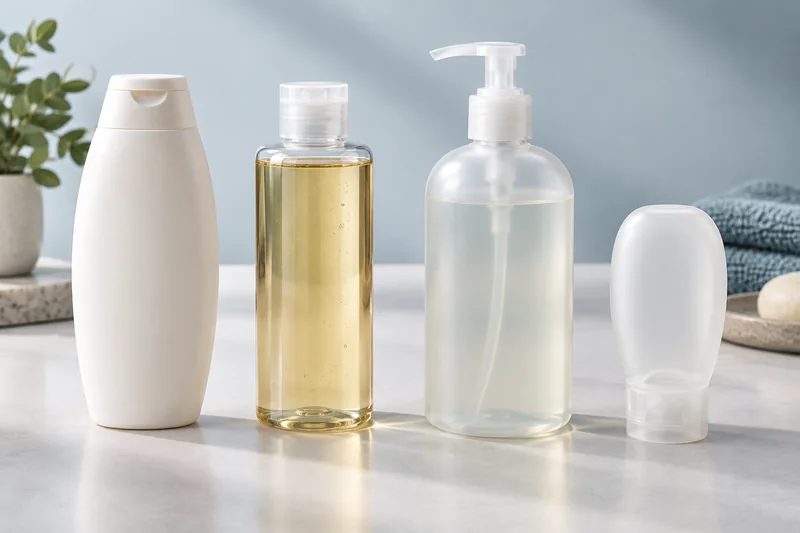
A round shampoo bottle combines a circular body with a shoulder, neck and matched dispensing closure. Boston-round styles use a curved shoulder; straight-cylinder and flatter-shoulder versions create different proportions and label areas. Choose the complete filled package around grip, dispensing effort, shelf space and distribution—not the silhouette alone.
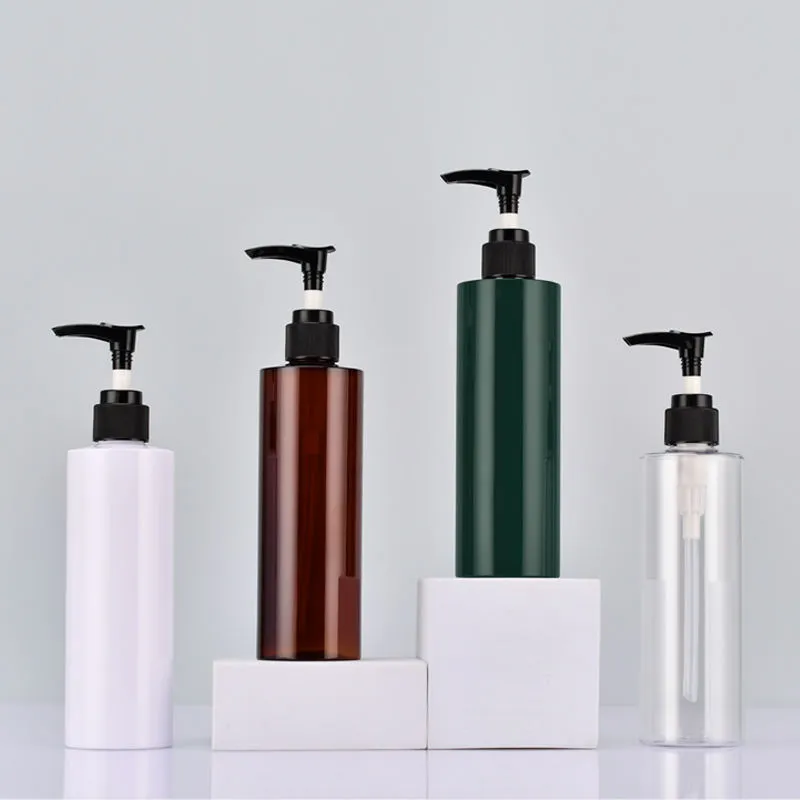
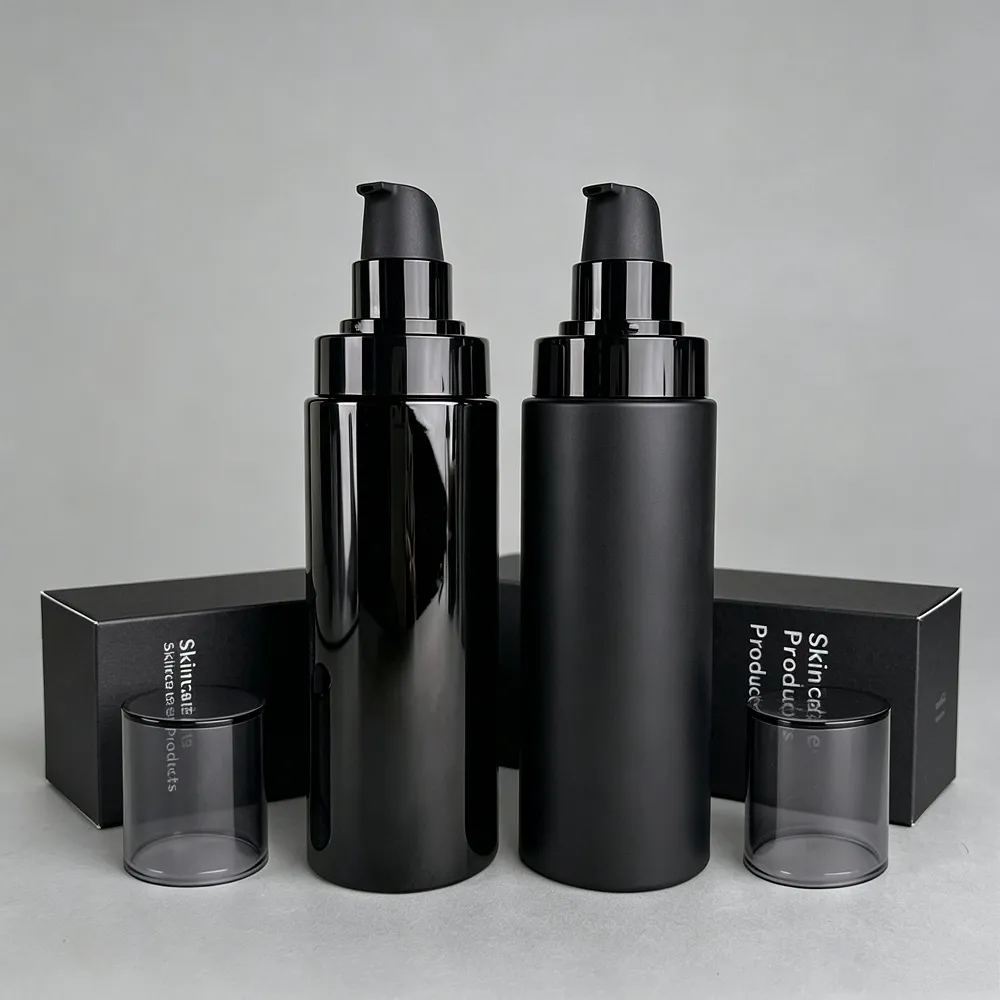
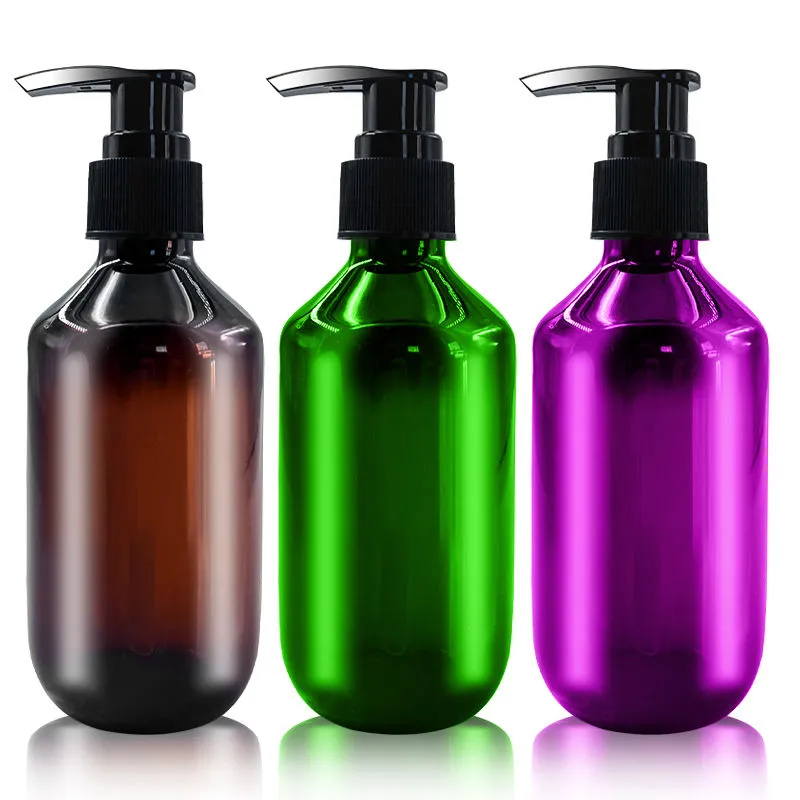
Explore the shampoo bottle collection for available packaging references. A coordinated shampoo and conditioner range can share color and graphic identity while using different outlets or pumps where the formulas require them. The hair care packaging guide gives a broader view of material and dispenser choices.
Retail and private label
Round bodies can support a continuous label area and a familiar handheld form. Confirm the label panel, print seam and artwork orientation on the actual model.
Home and salon
A compatible pump can make one-hand use convenient, provided the filled bottle remains stable and the pump delivers shampoo without excessive force or slow return.
Travel and hospitality
Compact round packs with a suitable dispensing cap can be easier to carry than a projecting pump. Hotel bottles also need operator-specific mounting, refill and tamper requirements.
Round Bottle Designs for Your Shampoo Range
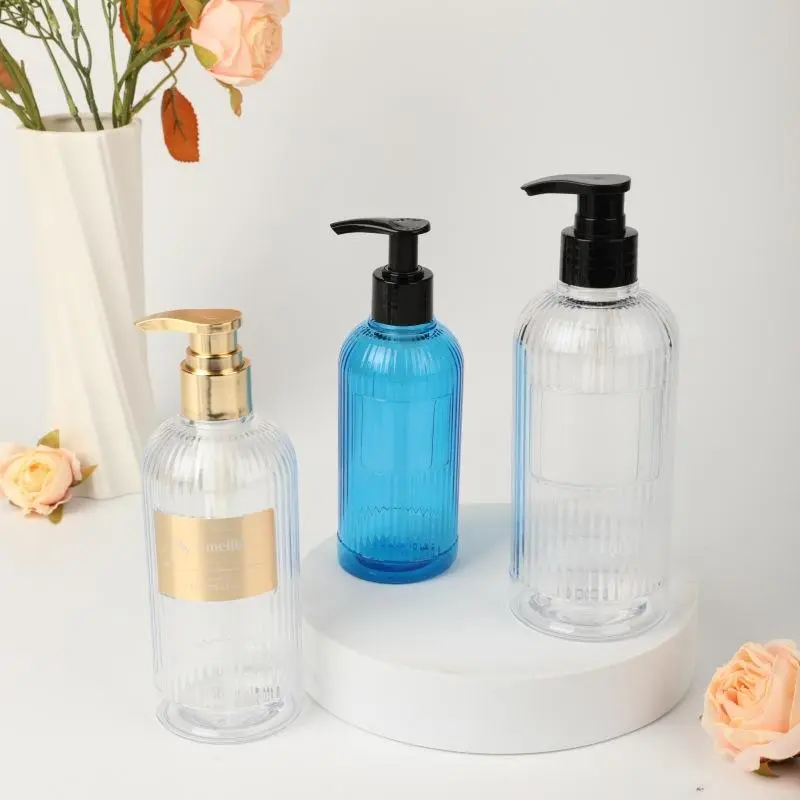
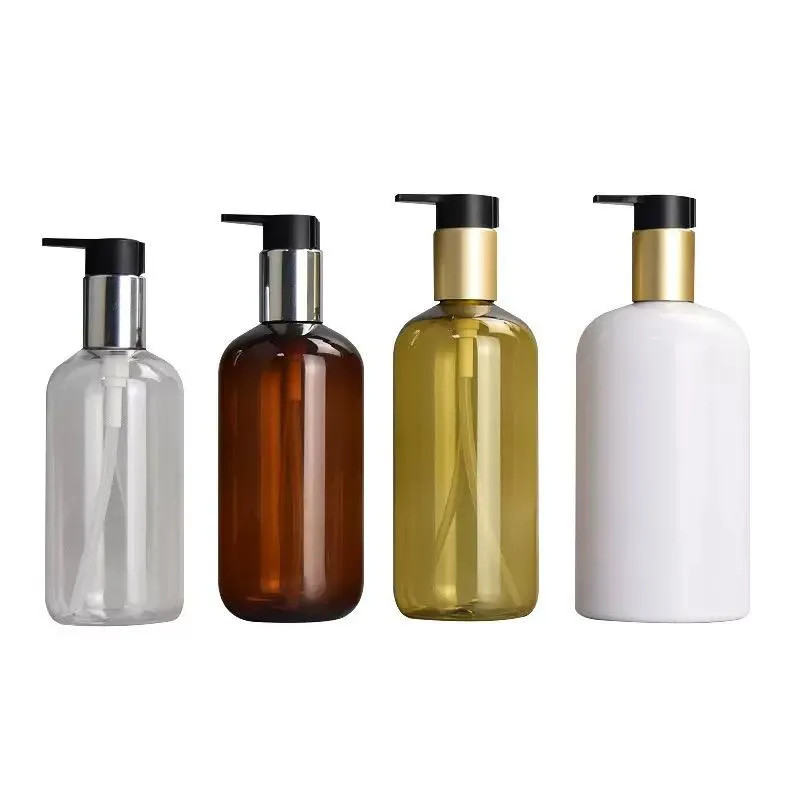
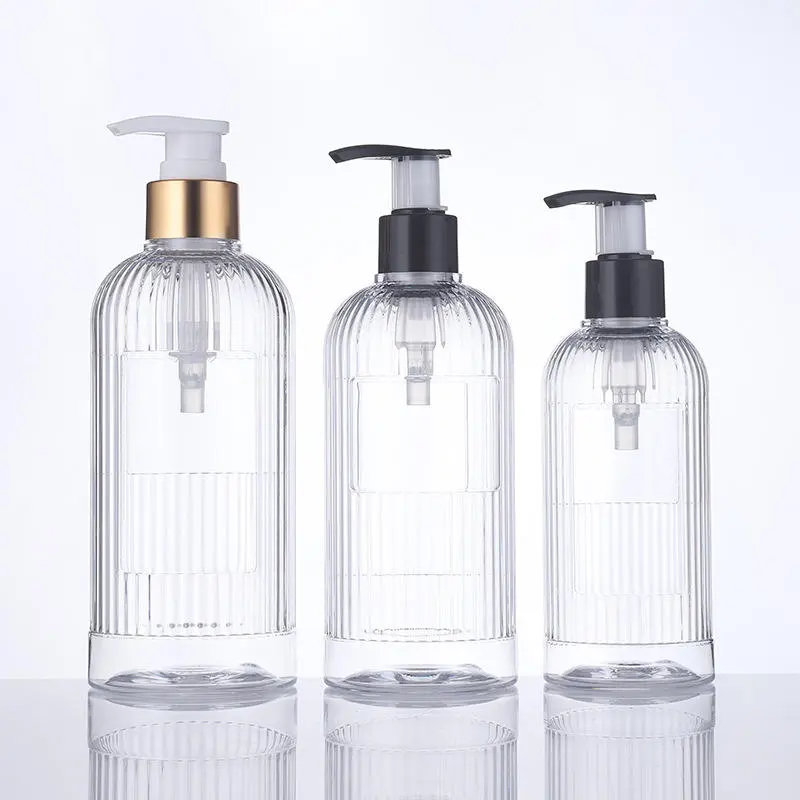
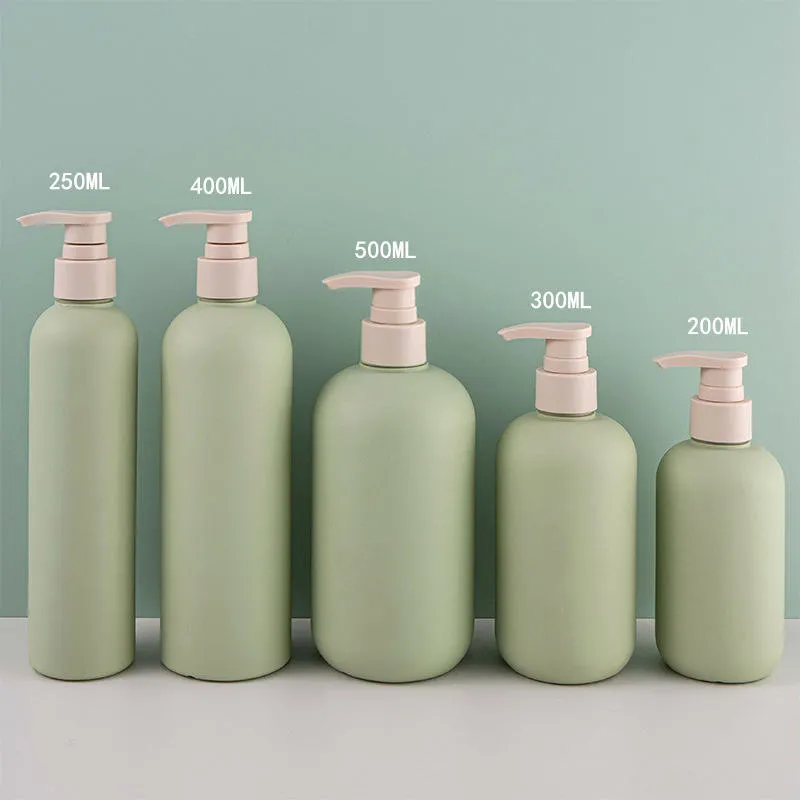
Create a consistent hair care identity with 12 customizable round bottle options spanning PET, PETG, PE/HDPE and PP catalog designs, with pumps or compact dispensing caps. Compare the shampoo bottle designs →
These are empty packaging models. The collection also includes a round PET 100–200ml lotion-pump model as a multiuse development option; its exact catalog title is retained. Approve every selected bottle and dispenser with your shampoo before production.
A circular cross-section is a useful design option, but no shape is automatically the most stable, cheapest or strongest. Compare filled packs of similar usable capacity, material and closure, and use the actual carton layout rather than a shape-only freight assumption.
Shape
Advantages to consider
Tradeoffs / purchasing checks
Round / cylinder
Continuous curved label surface, no sharp body corners and an easy-to-rotate grip. A common visual language for shampoo / conditioner families.
Can roll when laid on its side; wet grip depends on diameter, texture and formula residue. Individual circular footprints can leave packing gaps, depending on arrangement and protection.
Square / rectangular
Defined front and back panels and potentially efficient alignment on a shelf or in a carton.
Corners and edges affect wall distribution, grip and decoration. Equal nominal volume does not guarantee a smaller carton; neck / pump projections and dividers still matter.
Oval / flat
Broad front panel and a shallower profile that may fit a narrow shelf or pouch. Can offer a familiar squeeze form.
Orientation matters on the filling / labeling line. Broad panels may deform if the structure, venting or filling conditions are unsuitable.
Contoured / specialty
Distinctive branding, grip features or a project-specific dispensing posture.
May require tooling, handling changes, artwork limitations and less straightforward packing. Validate costs and performance before selecting.
Round bottle advantages
A useful family silhouette, wraparound graphics and varied shoulder styles. A wider round base can support pump use, while a slimmer body may feel easier to hold; test both with wet hands.
Round bottle limitations
Round does not prevent paneling, leakage or tipping. A tall pump, narrow footprint, thin region or smooth wet surface can cause problems even when the body looks symmetrical.
PET, HDPE, PETG and PP: Choose by Structure and Formula
Specify the actual resin and complete pack rather than using “plastic” as one material. Fragrance, surfactants, oils, preservatives, filling temperature and aging can influence compatibility. Confirm color, stiffness and squeeze recovery on production-intent samples.
Material
Useful attributes
Limits and approval points
PET
Clear presentation and familiar round pump-bottle formats; available color and decoration options by model.
Often selected as a relatively rigid body. Verify wall distribution, drop / top-load performance, formula compatibility and temperature limits for the exact construction.
HDPE / PE
Can support an opaque or translucent body and a squeezable format when the resin / wall design is suitable.
PE grades and blends differ. Check stress cracking, recovery, odor, panel stability and compatibility; do not assume every PE bottle is equally soft.
PETG
Clear, substantial-looking constructions available on selected models.
Not interchangeable with PET. Thick-wall appearance can increase mass; confirm process, actual weight, contact behavior and local recovery options.
PP
Useful for functional caps, hinges and available bottle constructions.
Clarity, stiffness, shrinkage and processing vary. Confirm model, resin and forming route rather than assuming a PP body behaves like its PP cap.
PCR-containing constructions
May incorporate recycled content in a qualified resin / component supply.
Agree percentage, traceability, color / odor variation and performance. PCR content does not prove that the complete bottle-and-pump set is locally recyclable.
One-hand operation and a controllable portion through a selected pump.
Priming, dose, return, actuation force, locking and near-empty pickup. A generic lotion pump is not automatically suitable for shampoo.
Flip-top cap
Portable squeeze packs, family bottles or compact travel formats.
No projecting actuator; convenient direct dispensing on a suitable body.
Hinge life, opening force, plug / outlet seal and flow at cold / aged conditions. A rigid body may be difficult to squeeze.
Disc-top cap
Compact dispensing and controlled pour / squeeze routines.
Simple finger operation and a short cap profile.
Correct closure seating, outlet contamination, opening / closing cycles and possible accidental opening in a pouch.
Screw cap with a designed liner / seal
Transit closure, refill opening or an appropriate pour format.
Can provide a removable closure and a relatively simple assembly.
Complete neck match, seal material and compression. A screw cap does not offer controlled dispensing unless its outlet is designed for that purpose.
Lock, clip or overcap
Project-specific pump transport protection.
Can reduce accidental actuation when properly matched.
A lock is not a universal leak seal. Verify shipment state, re-opening instructions and protective packing.
Compare the pump bottle packaging family when the dispensing assembly is the primary decision. A foaming pump requires a compatible formula and mechanism; it should not be substituted for a conventional shampoo pump by appearance alone.
How a Shampoo Pump Works—and Why Some Pumps Fail
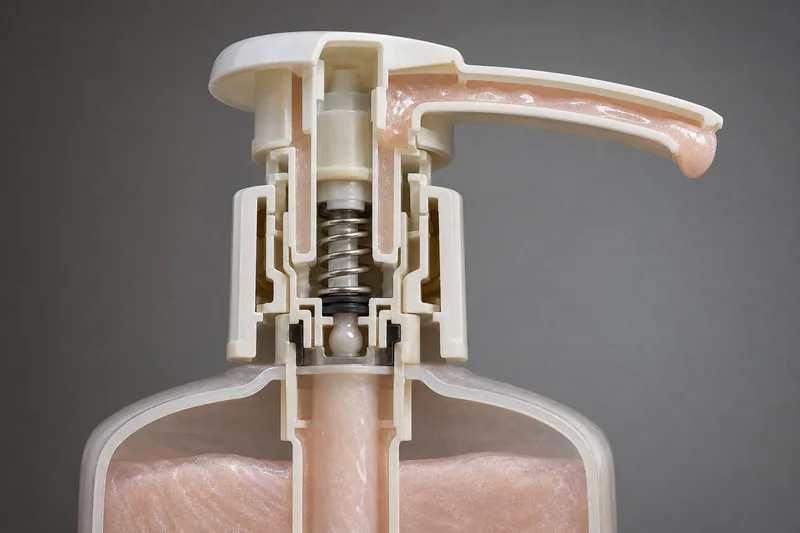
Illustrative pump structure from Boyu’s shampoo-pump guide. The approved supplier drawing defines the ordered mechanism.
A conventional reciprocating pump dispenses from its chamber when the actuator is pressed. On release, the return mechanism draws more product through the inlet and dip tube. Many rigid-bottle systems also need a designed air-return path so the bottle can replace dispensed volume. The actual valve, vent and spring arrangement depends on the pump.
Parameter
What to define
Why it matters
Output per stroke
Target portion and test method with the actual shampoo after priming.
Water-test output may not describe delivery of a thick or aerated shampoo.
Priming and restart
Agreed method, number of operations and storage / use conditions.
A pump can work when freshly filled but lose prime or restart poorly after storage.
Dip-tube length / cut
Match internal depth, base geometry, bend and end clearance.
A short tube leaves residue; an overlong or blocked tube can restrict pickup.
Return and actuation
Finger force, recovery time, wet-hand reach and shampoo flow behavior.
Cold or aged shampoo can change effort and output. A longer spout also changes load and packing requirements.
Vent, seal and lock
Identify intended vent route, closure seal and transport configuration.
Blocked venting can contribute to paneling; an unlocked actuator can dispense in a carton.
Review matching a lotion pump to shampoo and test the production formula. Avoid promising a universal dose, fixed viscosity cutoff or identical performance across shampoo and conditioner.
Common Capacities: Which Size Is Best?
For a standard retail shampoo, compare 250–300ml as a starting size and 400–500ml for a larger home-use pack. Add 50–100ml for a travel companion when the brand brief supports it. Salon sizes can be larger, but the pump portion, filled mass and handling need their own approval.
Capacity range
Likely use
Advantages
Tradeoffs
30–50ml
Samples, short stays and compact trial kits.
Small footprint and low fill quantity per unit; a short cap can be easy to pack.
Limited label space and fewer washes; packaging cost per ml can be higher.
60–100ml
Travel, gym, outdoor trips and discovery sets.
Useful compromise between compactness and repeat use.
Confirm actual number of uses, complete dimensions and secure cap. Check current travel requirements separately.
150–250ml
Compact retail, specialist ranges and smaller household needs.
Manageable filled mass and shelf footprint.
More frequent replacement for high-consumption users; evaluate squeeze / pump effort.
250–300ml
Core retail shampoo / conditioner family.
Balanced daily-use volume, label area and grip on many designs.
Diameter, height and pump reach still vary; nominal volume does not establish usability.
400–500ml
Home and family-use pumps.
More product per pack and fewer replacements.
Heavier filled pack, larger footprint and longer pickup path; stability and packing become more important.
750–1000ml
Salon or high-consumption professional program.
Can suit repeated dispensing at a station.
Larger filled load and carton mass; lifting, pump durability and shelf / bracket fit need review.
These are development ranges, not a claim that every selected mold covers every size. Confirm the actual catalog model, usable fill, neck and closure. A good size is one that fits the expected consumption, price position and use conditions.
Home, Outdoor, Travel and Hospitality Use
Home shower shelf
Compare base stability, wet-hand grip, pump reach and resistance to product / water exposure. The bottle should remain usable as it empties; test full, partly filled and near-empty states.
Gym and outdoor pouch
Prefer a compact, protected closure that can withstand the intended handling. Assess heat / cold exposure with the shampoo team and test packed orientation changes rather than assuming a small bottle cannot leak.
Travel companion
Evaluate a 50–100ml dispensing-cap format against a projecting pump. Include cap height, label durability and pouch space in the decision. No nominal capacity is a universal airline approval.
Salon station
Match pump output to the routine and check repeat-use endurance, refill method and the ability to handle a large filled pack. Shampoo and conditioner may need different pump internals.
Hotel dispenser
Confirm bracket dimensions, locking / tamper features and operator cleaning / refill procedures. A generic round pump bottle is not automatically compatible with a wall-mounted system.
Coordinated hair care family
Use size, cap / pump cues and labels to distinguish shampoo from conditioner. Approve color and decoration across materials using physical standards rather than a digital rendering alone.
Bottle Dimensions, Grams and Wall Thickness
Capacity alone cannot determine height, diameter or empty weight. A squat 300ml body and a tall 300ml cylinder can need different label panels, pumps and cartons. Request measured specifications for the selected mold; do not copy a competitor’s gram value into the order.
Specification
Request from the selected model
Procurement purpose
Usable and brimful volume
Nominal net contents, measured overflow capacity and closed fill level including pump / tube intrusion.
Define headspace and avoid overfill during assembly.
Dimensions
Body diameter, total closed / unlocked height, base footprint, neck finish and label area.
Body grams and an agreed range, separately from the closure.
Compare material use and bottle construction on a consistent basis.
Complete empty-pack mass
Body plus cap / pump, dip tube, gasket, clip / overcap and specified accessories.
Assess handling and unit freight estimates without confusing carton mass with bottle mass.
Wall distribution
Drawing-defined locations and relevant minimums at shoulder, sidewall and base.
Equal total grams can hide weak regions; test top load, squeeze and drop behavior where applicable.
Filled / carton mass
Actual fill mass plus assembly; carton gross mass, units and dimensions listed separately.
Support filling setup and packed distribution / freight comparisons.
Mass conversion: shampoo fill mass = measured fill volume × measured density at the agreed condition. A 300g fill is not automatically 300ml. Exact weight, thickness, dimensions, tolerances and pump output follow the approved drawing and physical sample.
How to Prevent Shampoo and Creamy-Product Leakage
Identify where product escapes: neck seal, cap outlet, pump stem, vent, bottle wall or residue from filling. Shampoo may be gel-like or creamy, and a conditioner can be much thicker; the same bottle-and-pump appearance does not prove suitability for both.
Control
Action
Verification
Match the neck and closure
Compare the complete thread, engagement and intended seal surface; reject flash, damaged rims and cross-threading.
Drawing / dimensional checks followed by filled leakage trials. A matching nominal diameter is insufficient.
Choose the seal material
Identify the actual gasket or plug / land seal and its contact exposure.
Repeat relevant tests after component or formula changes. An empty-pack test alone does not approve the filled product.
A pump lock can prevent actuation without sealing every potential leakage path. Agree test conditions and acceptance criteria for the actual route; avoid a blanket leakproof claim based on shape or a single inverted sample.
Can Round Shampoo Bottles Be Refilled and Reused?
Potentially, if the selected package and refill program are qualified. A removable cap makes access possible, but does not establish an unlimited reuse life. Repeated opening, cleaning, drying, filling and pumping can affect the body, threads, seals, decoration and dispenser.
Refill decision
What to specify / validate
Body and neck durability
Define intended reuse cycles and inspect deformation, cracks, thread wear, grip and stability under the assessed cleaning and handling conditions.
Pump service life
Check repeated actuation, priming / restart, dose, vent behavior, seal condition and residual product; define when to replace the assembly.
Cleaning and drying
Provide a validated method compatible with the actual materials and mechanism. Do not assume boiling, dishwasher use, solvents or soaking are acceptable.
Formula and hygiene control
Assess the refill formula and process with the responsible formula / hygiene team. Avoid topping up old product, mixing formulas or adding water outside validated instructions.
Refill opening / access
Confirm that the chosen neck allows the intended refill without spills or damage; test the funnel / pouch / equipment where used.
Traceability and instructions
Identify approved replacement parts, lot / product identity, refill limits, inspection and disposal criteria. Hospitality programs also need operator procedures.
Refillability and recyclability are separate questions. A thicker body or a metal-looking pump does not by itself prove better environmental performance; evaluate the full material system, actual reuse and local collection conditions.
Factory Manufacturing: Resin to Finished Round Bottle
The route follows the selected resin, geometry and assembly. Confirm the responsible bottle, closure, pump and decoration suppliers in the project plan; empty-pack manufacture is separate from shampoo filling and finished-product release.
Stage
Typical route / operation
Controls to agree
Material preparation
Confirm resin grade, colorant and any PCR specification; prepare material according to the qualified process.
Material identity, traceability, moisture / conditioning where required, and controlled recycled-content blending.
PET body forming
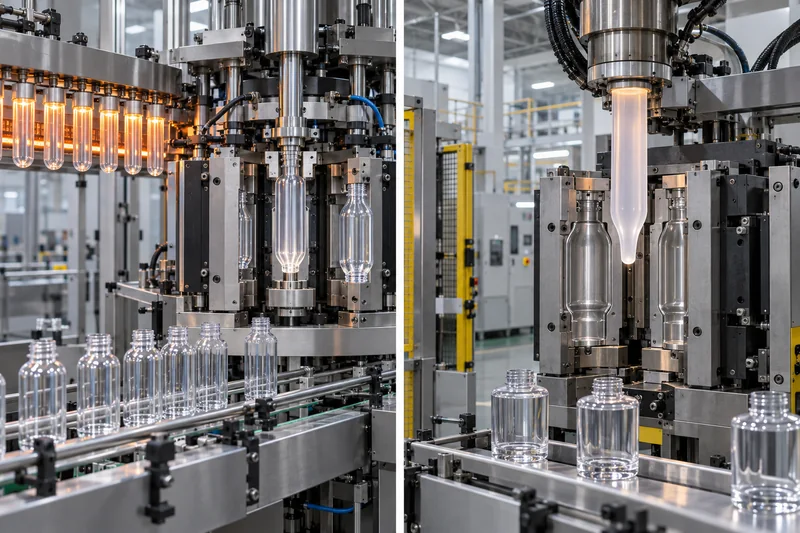
For a qualified injection stretch-blown PET design, mold the preform, condition / reheat as required, then stretch and blow into the round mold. One-stage and two-stage routes differ.
Preform / neck quality, heating and stretching, wall distribution, clarity, base formation and dimensions.
HDPE / PE body forming
Extrusion blow molding is a common route: form a parison, close the mold, blow, cool, trim and finish.
Parison / wall control, pinch-off integrity, flash removal, neck / base condition and leak checks.
PETG / PP alternatives
Use the approved forming route for the specific design and resin; do not apply a PET process automatically to another polymer.
Drawing-defined wall / fit, cooling / shrinkage, material condition and relevant appearance / performance checks.
Caps and pump parts
Mold functional plastic parts; assemble the specified valves, return mechanism, seals, actuator and dip tube.
Dimensions, flash, component identity, tube length, operation, locking and cleanliness.
Decoration
Use available surface preparation, printing, foil, coating, labeling or sleeve processes appropriate to the material.
Registration, physical color / finish reference, cure / adhesion and wet / shampoo exposure resistance.
Assembly and packing
Assemble or pack separately to the agreed filler requirements, identify lots and protect against damage / accidental actuation.
BOM conformity, part count, closure state, clean handling, carton quantity and protective layout.
Process illustration from Boyu’s material guide. Actual equipment and route are confirmed for the selected bottle; this image is not a claim that every resin uses the same process.
What Can Be Customized?
Feature
Options to discuss
Approval / limits
Capacity and proportions
Available round molds; diameter / height / shoulder or new tooling where justified.
Check usable fill, handling, neck, base and drawing feasibility; new shapes or necks may need tooling.
Material, mass and walls
Qualified PET, HDPE / PE, PETG, PP and available PCR constructions.
Approve actual grade, weight range and wall distribution with functional testing.
Body / closure colors
Molded color, translucent / opaque appearance and compatible finishes.
Use Pantone plus a physical standard; define realistic variation across resins, pumps and production lots.
Logo and graphics
Model-compatible screen print, hot stamp, labels and other qualified decoration.
Artwork area, registration, surface treatment, adhesion and resistance to wet rubbing / formula exposure.
Cap / pump / outlet
Available flip / disc tops, screw closures, pump actuator, lock, output and dip tube.
Confirm fit, user effort, delivery and sealing. Cosmetic matching does not approve the dispenser.
Retail / export packing
Dividers, individual cartons, family sets, protective sleeves and packed pump state.
Review scuffing, accidental operation, distribution tests, units per carton and freight volume.
Require physical appearance and functional approval before release. A change to resin, bottle mold, gasket, pump internals, colorant or surface treatment may require requalification even when the finished appearance looks similar.
Custom Order Workflow: Brief, Sampling and Production
1. Define the shampoo brief
Share formula / flow behavior, target fill, use conditions, quantity per SKU, market, filling method, refill expectations and launch schedule.
2. Compare existing designs
Review round styles and one or two alternative shapes where useful. Confirm neck, cap / pump, drawing, label area and packed dimensions before tooling.
3. Sample and qualify
Separate stock appearance samples, decorated samples, fit / function trials and filled formula tests. Tooling iterations and aging tests need their own timeline.
4. Lock the specification
Sign artwork, physical standards, BOM, acceptance criteria, packing and delivery terms; confirm deposit and the production start conditions.
5. Manufacture and inspect
Track resin / component lots and process controls. Resolve deviations or substitutions against the approved specification before release.
6. Pack and dispatch
Review release records, correct quantities, carton data and shipment documents. Retain reference and production samples for repeat orders.
Quality Control for Shampoo Bottles and Dispensers
Stage
What to check
Buyer-visible evidence
Incoming materials / components
Resin / compound identity, PCR specification where ordered, supplier lot and approved component references.
Traceability and conformity to the bill of materials.
Measurement records and route-appropriate body leak, drop, squeeze / recovery or top-load checks.
Cap / pump assembly
Seal fit, cap opening / hinge, locking, dip-tube length, priming, output, return and use cycles.
Results using the agreed mechanism and relevant formula / conditions.
Decoration
Color, print position, adhesion, label edge / seam and resistance to water, wet rubbing and shampoo drips.
Approved physical reference and written appearance / durability acceptance criteria.
Filled qualification
Formula compatibility, leakage, paneling, dispensing after aging and relevant use / transport exposure.
Joint plan and results with the formula team / filler, including controls and deviations.
Final packed inspection
SKU, count, clean handling, protective packing, lot labels and carton dimensions / mass.
Agreed sampling / defect severity, final release report and retained samples.
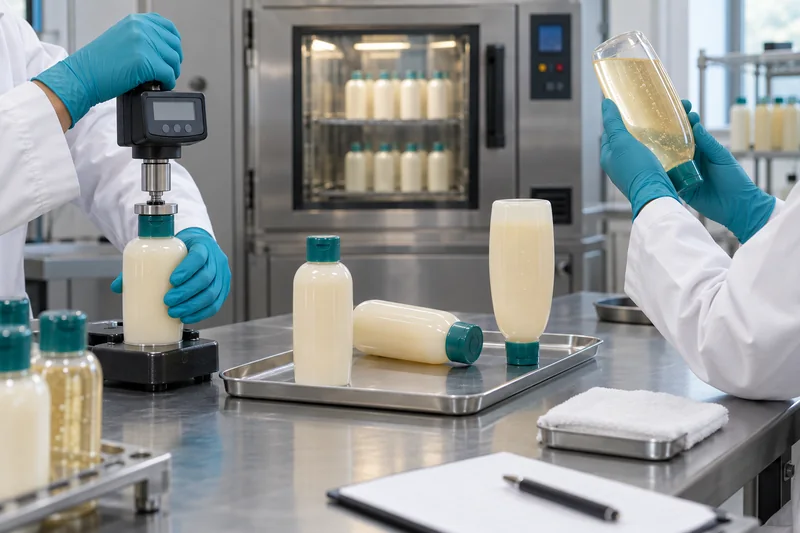
Illustrative shampoo bottle testing scene from Boyu’s material guide. The project specification defines actual tests, sampling and acceptance limits.
Use filled-pack compatibility testing to assess product-contact parts, formula, decoration and closure together. Agree temperatures, times, pressures, handling exposures and acceptance criteria in writing; no single torque, AQL, wall value or drop height applies to every bottle.
Common Production Problems and How to Resolve Them
Observed problem
Distinguish the causes
Action and verification
Bottle panels collapse after filling
Compare fill / cooling history, pressure changes, formula interaction, vent behavior and wall distribution.
Use bottle paneling diagnosis to identify the cause; adjust the relevant structure / process / vent and repeat filled conditioning.
Thin regions, uneven base or poor stability
Measure defined wall locations, base flatness and dimensions; review preform / parison, heating and cooling history.
Correct forming / tooling conditions and verify body performance, base stability and the filled pump pack.
Flash, rough neck or closure mismatch
Inspect the actual part, cavity / mold, trim, threads and sealing surface.
Correct the identified molding / trimming / fit issue; recheck engagement and filled leakage.
Cap / collar leaks
Locate escape path and inspect residue, headspace, seal, cross-threading and retained torque.
Correct the cause rather than simply increasing tightening; repeat filled aging and transport-relevant tests.
Pump will not prime or returns slowly
Check lock, assembly, air leakage, inlet, tube length / blockage and shampoo at cold / aged conditions.
Correct the qualified pump / tube or change dispenser; verify priming, restart, output and near-empty pickup.
Flip / disc cap opens or drips
Inspect plug / outlet fit, hinge / detent, product residue and packed handling.
Correct matched parts / process or protection; repeat opening cycles, clean-use and packed leakage checks.
Body stress cracks or deforms
Compare resin / colorant lots, formula controls, molded stress and temperature exposure.
Contain affected material, establish the cause with the formula team and requalify corrected production samples.
Print rubs off or label lifts
Review substrate preparation, cure / adhesive, application, water / shampoo contact and packing abrasion.
Restore the applicable process and repeat adhesion, wet-rub, drip and packing checks.
Published Models and a Home / Travel Range Example
Round PETG pump family
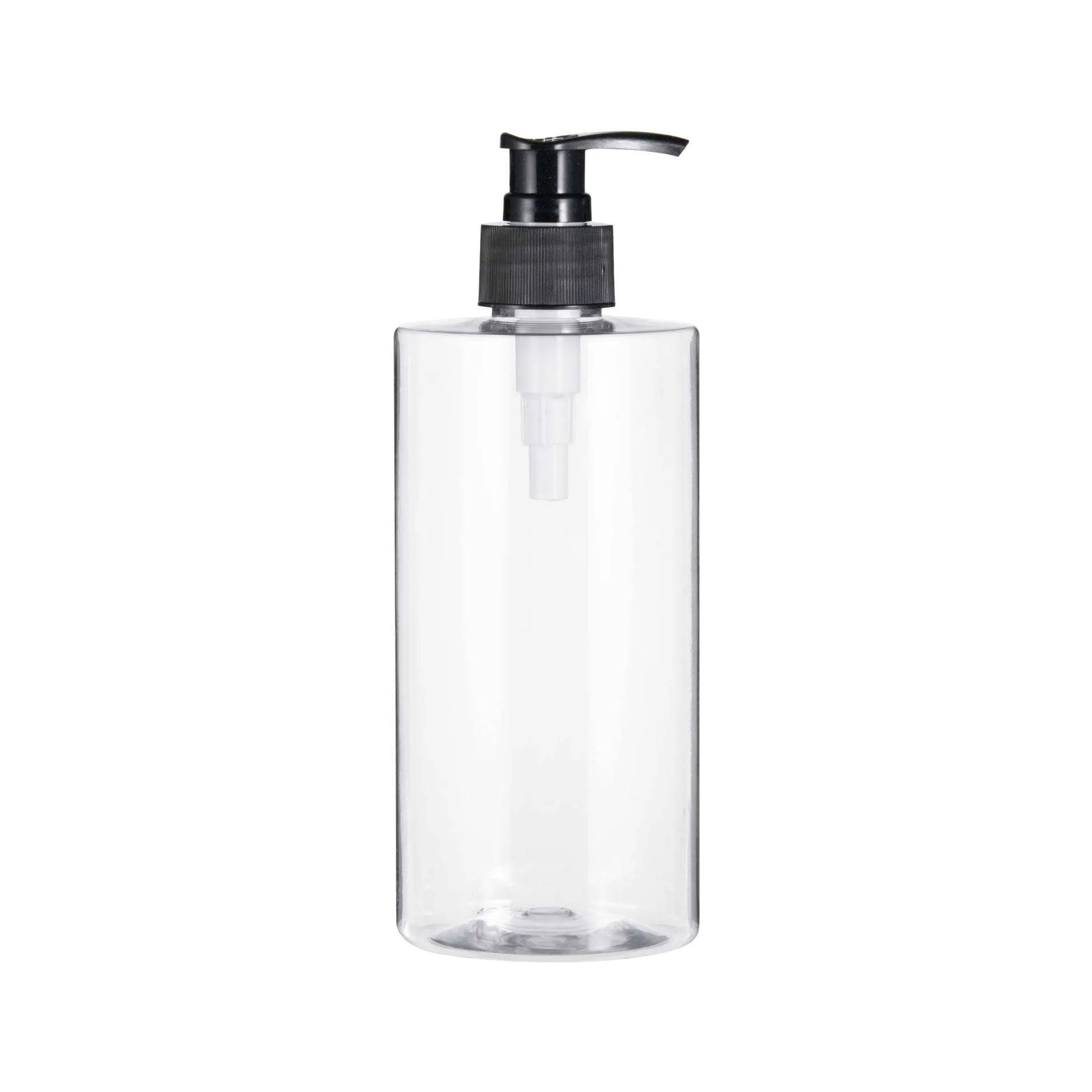
Transparent PETG round shampoo bottles, 200–500ml are a published reference for a clear pump format. Confirm the selected mold, closed dimensions, actual grams, dispenser and operator requirements for any hotel refill program.
Compact dispensing-cap model
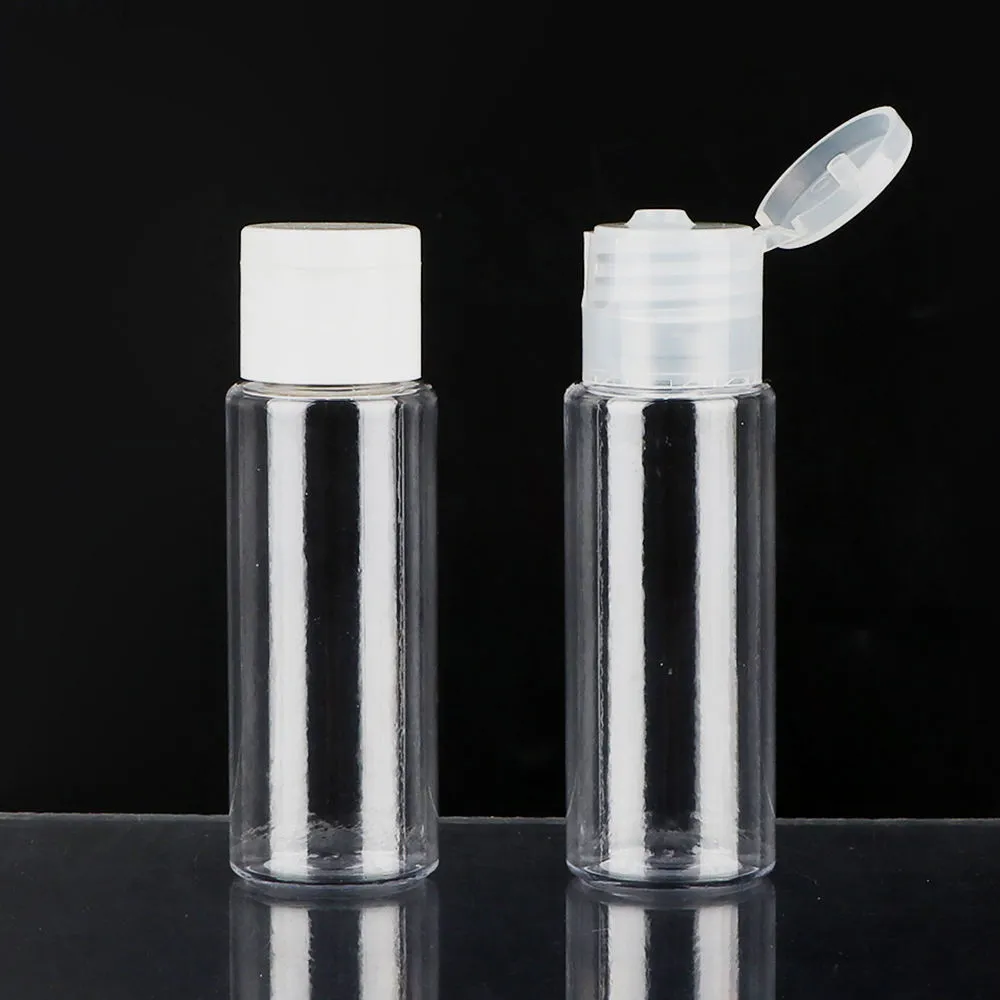
Mini travel shampoo / lotion bottle with flip top, 30ml provides a published compact option. Approve outlet control, hinge / seal, label space and filled handling rather than relying on the product name as proof of leak performance.
Illustrative application example: a hair care brand could compare a 300ml home pump with a 60–100ml round travel bottle. Coordinate color and graphics while selecting each closure independently, then test grip, portion effort, fill / headspace, label durability and packed leakage. This is a proposed development scenario; no delivered customer project or measured performance outcome is implied.
MOQ, Samples, Lead Times and Purchasing Questions
Buyer question
Planning answer / quotation requirement
What is the MOQ?
Standard reference: 10,000 pieces per custom design. Confirm each capacity, color, artwork and cap / pump combination; mixed SKUs do not automatically share one minimum.
How long do samples take?
Customized appearance samples commonly take 7–15 days after confirmation. Stock availability, sample / freight charges, tooling iterations and functional / compatibility testing are confirmed separately.
What is the production lead time?
Normal reference: 30–45 days after final approval and deposit. Tooling, quantity, decoration, components, testing and holidays affect the agreed schedule; transit is additional.
Compare an existing round mold and matched dispenser first. A new neck, shoulder, proprietary shape or special closure can need development; agree cost, ownership, maintenance and approval terms.
Can pumps or caps be replaced?
Qualify exact reference parts against the neck, seal, tube and formula. Same nominal thread diameter does not guarantee interchangeability or equal performance.
What reports or certifications are available?
Identify the actual document and component / material scope needed for the intended market, then confirm availability. Do not assume one factory certificate approves all formulas or refill claims.
How do we compare packing and freight?
Use actual packed units, carton dimensions / gross mass, protection, pump state, destination and delivery terms. Round versus square alone cannot determine shipping cost.
How are repeats and claims handled?
Retain masters / production samples, trace component lots and review changes. Provide SKU, lot, affected quantity, photos, failure location and filling / storage / transport history for a claim.
Round Shampoo Bottle FAQ
What is a round shampoo bottle?
It has a circular body cross-section, with variations such as Boston-round curved shoulders, straight cylinders and flatter shoulders. The material, neck and dispenser determine its actual use.
Is round better than square or oval?
It depends on wet grip, label design, stability, filling / labeling handling and packed dimensions. Compare complete filled packs of similar usable volume; no shape is universally strongest or cheapest to ship.
Which size is best for a retail shampoo?
Compare 250–300ml for a core retail size and 400–500ml for larger home use. Consider 50–100ml for a travel companion, subject to consumption, formula, handling and the actual model.
Should we choose PET or HDPE?
Compare clarity / stiffness against squeeze behavior, formula compatibility, geometry and cost. Confirm actual resin / construction and filled performance; neither is best for every shampoo.
Is PETG the same as PET?
No. Confirm the resin and forming route. PETG constructions can offer a substantial clear appearance but are not automatically equivalent in weight, compatibility or recycling acceptance.
Can a lotion pump dispense shampoo?
Sometimes, after qualification. Test actual shampoo priming, output, force, return, restart and near-empty pickup across relevant temperatures and aging.
Does a locked pump prevent every leak?
No. A lock may prevent actuation while leakage can still occur at another interface. Validate the complete filled pack in its approved transport configuration.
How do we avoid shampoo leaking in a bag?
Approve matched neck / closure / seal, clean filling, headspace, capping and protective packing. Test filled and aged packs under relevant orientation, temperature, pressure and handling conditions.
Can these bottles be refilled?
Potentially within a validated refill program. Assess cleaning / drying, formula hygiene, body / thread durability, pump life, replacement parts and intended reuse cycles.
Can the bottle be cleaned with boiling water?
Do not assume so. Cleaning temperature, chemicals and method must be qualified for the exact body, closure, pump, seals and decoration.
What are the grams and wall thickness of a 300ml bottle?
They depend on the selected mold, resin and route. Request body-only and complete-empty-pack mass plus drawing-defined wall locations and limits; carton gross mass is separate.
Does a 300ml bottle hold 300g of shampoo?
Not automatically. Convert using measured formula density and allow headspace and closure / tube intrusion. Confirm usable fill in the closed production-intent pack.
Why does a filled bottle collapse?
Possible causes include cooling / pressure change, formula interaction, blocked venting and structure / wall distribution. Establish the cause through controlled comparisons before changing the bottle.
Can shampoo and conditioner share a bottle design?
They can share appearance where suitable, but each formula and dispenser needs approval. Conditioner may require a different outlet or pump even when the body is the same.
What can be customized?
Discuss available round molds, capacity / proportions, material and weight targets, colors, graphics / finishes, cap / pump / output and packing. Confirm feasibility and reapprove functional changes.
What are the MOQ and lead times?
Use 10,000 pieces per custom design, 7–15 days for customized appearance samples after confirmation and 30–45 days for normal production after final approval and deposit as planning references. Confirm project-specific factors and transit separately.
What information is needed for a quotation?
Send shampoo type / flow, net fill and density if available, quantity per SKU, reference shape, material and dispenser, size / mass limits, artwork, filling and refill requirements, tests, packing and destination.
Request a Round Shampoo Bottle Quotation
Share your target capacity, shampoo flow behavior, quantity by SKU, preferred material, bottle proportions and cap / pump style. Include output expectations, artwork / colors, dimensions / mass limits, filling conditions, required tests, refill program if any, packing and destination.
A reference pack and production-intent formula help compare an existing round mold with another shape or a tooling route. Confirm the complete component specification so appearance, dispensing, leakage and freight can be assessed together.


 English
 Español de Argentina
 Русский
 Italiano
 日本語
 한국어
 العربية
 Français
 Deutsch