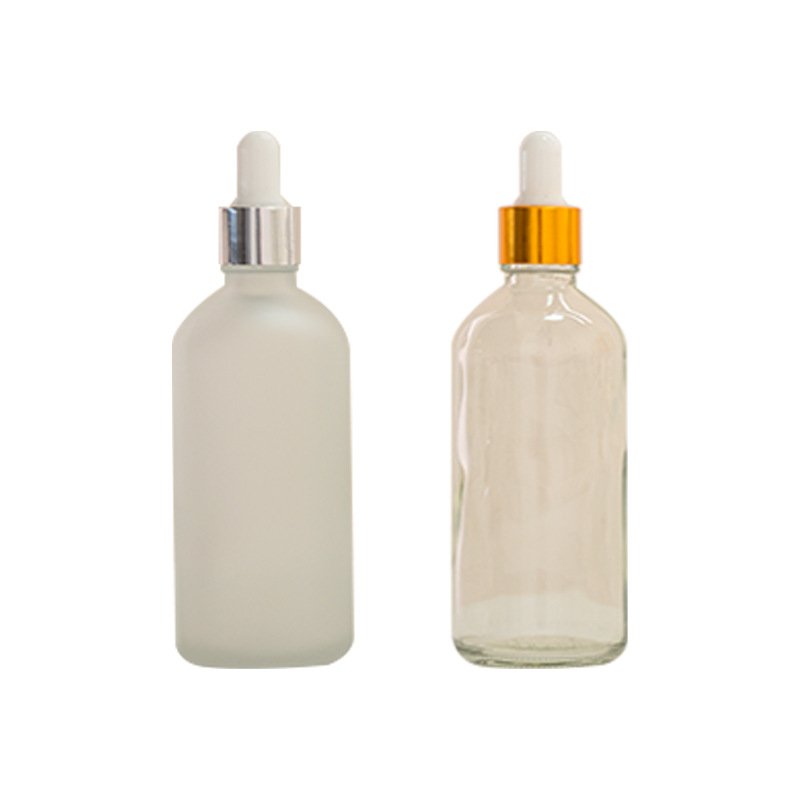
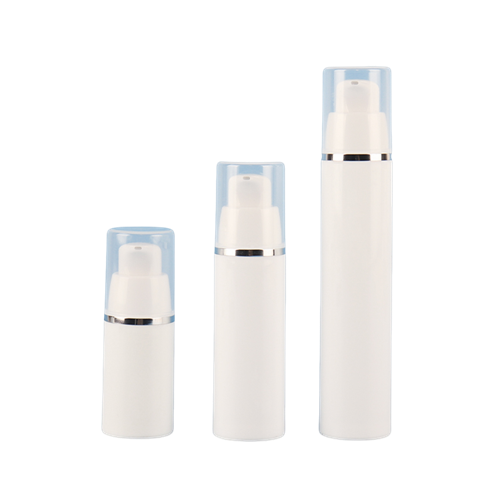
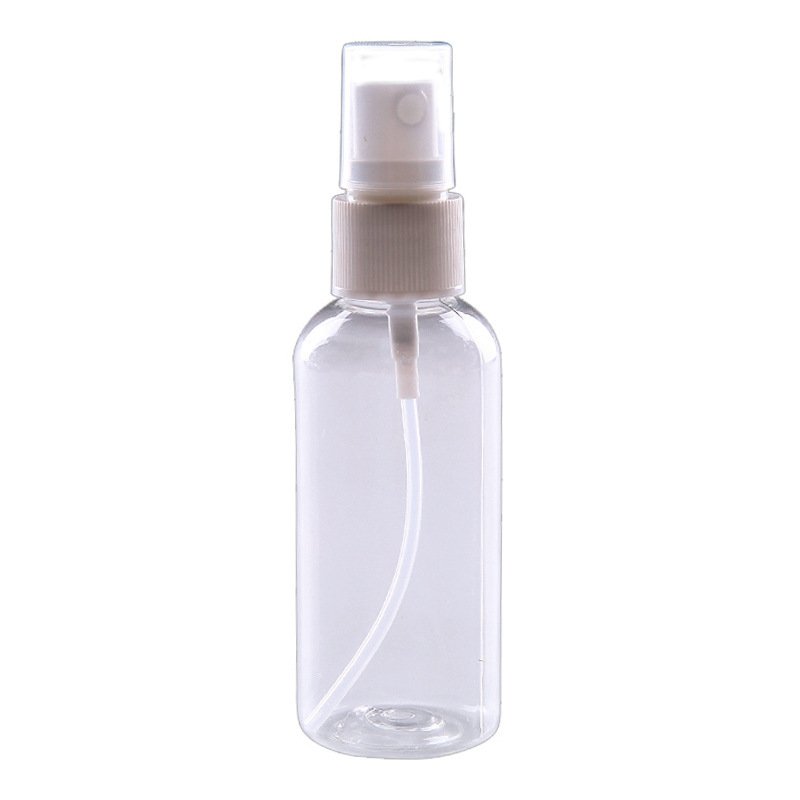
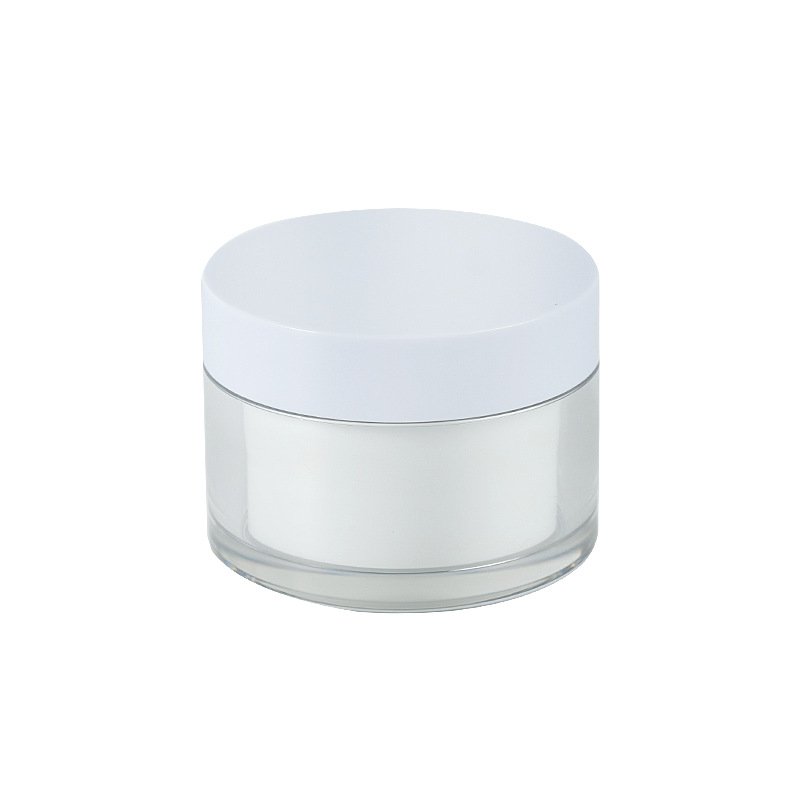

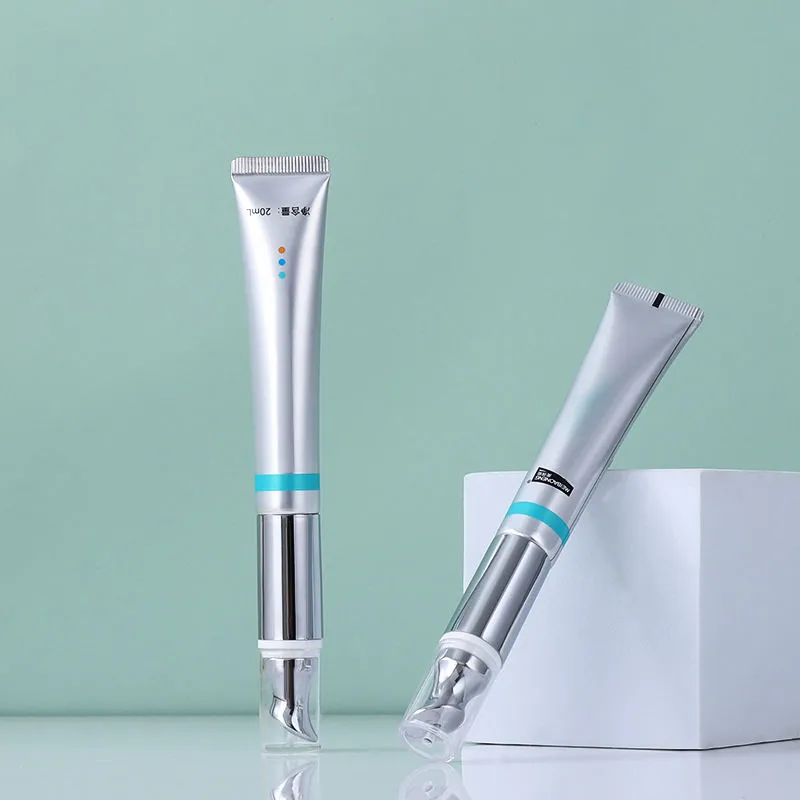
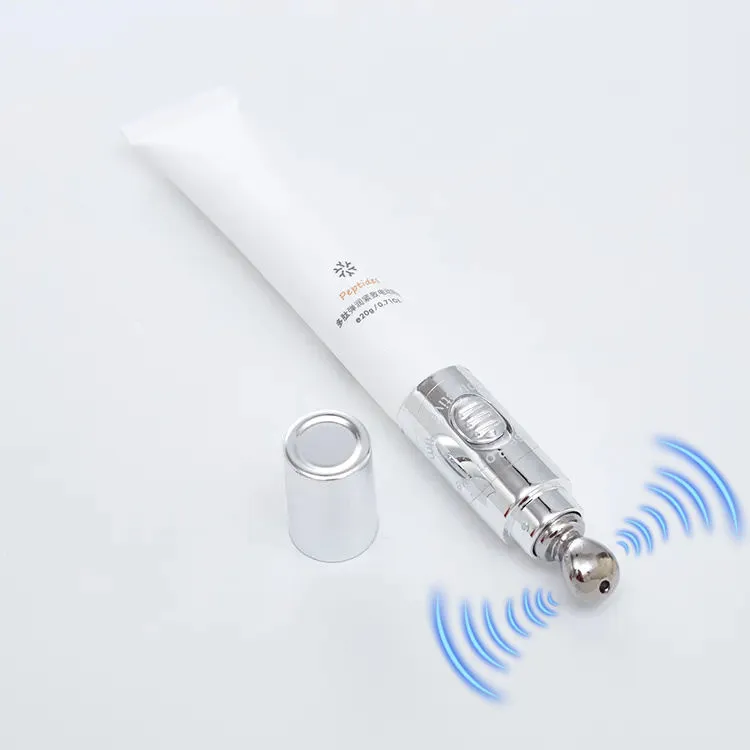
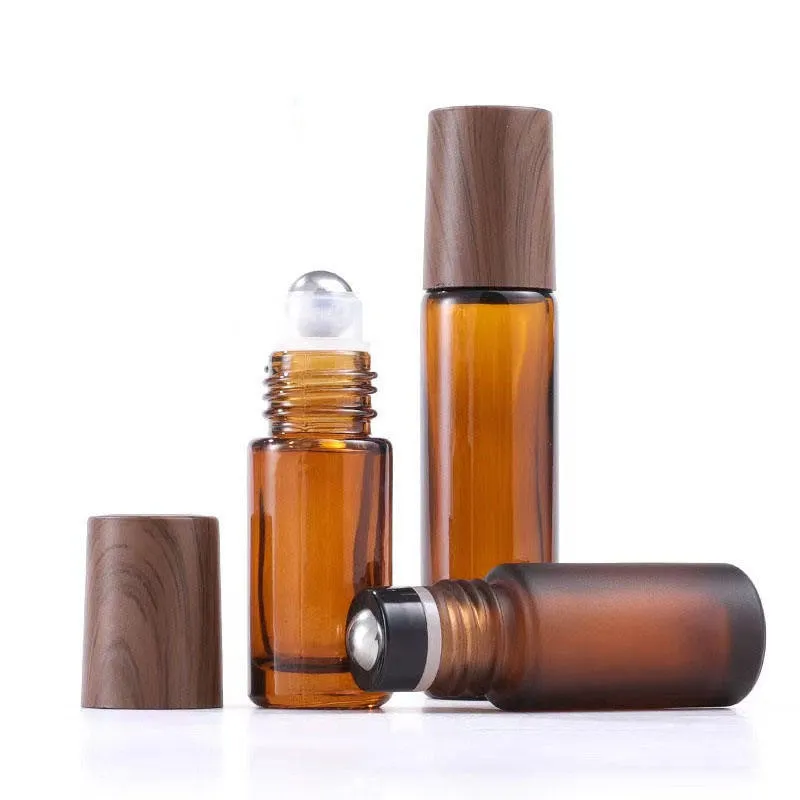
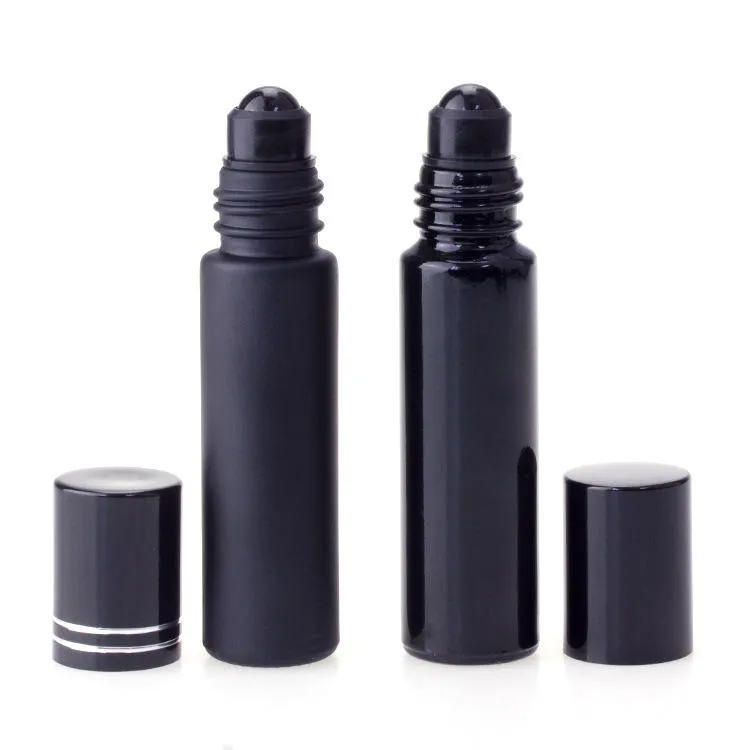
Direct answer: for most high-volume, clear cosmetic bottles, PET is the practical first material to evaluate because it can be lightweight, stiff, clear, economical at scale and accepted by well-established PET bottle recycling systems. PETG is a glycol-modified copolyester used when a brand needs a heavier, glass-like wall, high impact toughness or a shape/process that a selected PETG grade handles better. It commonly costs more per finished pack and conventional PETG can be problematic in the PET recycling stream.
Neither material is universally “better” or automatically compatible with a formula. Chemical resistance varies with the exact resin grade, concentration, temperature, exposure time, bottle stress, closure and decoration. Choose from a production-intent specification, then test the complete filled package—not an empty bottle or a generic resin name.
This guide is for cosmetic brand owners, packaging engineers, formulators, contract fillers and sourcing teams comparing PET vs PETG bottles for skincare, haircare, body care and fragrance-adjacent products.

PET vs PETG bottles: the decision table
| Decision factor | PET bottle | PETG bottle |
|---|---|---|
| Best general fit | Efficient, lightweight, clear bottles for medium- to high-volume haircare, body care and water-based skincare. | Premium, thick-wall, glass-like or highly impact-resistant packs where appearance and geometry justify extra material and conversion cost. |
| Visual character | High clarity and gloss; oriented bottles can look crisp while remaining light. | Excellent clarity; often used with thick bases and walls for a substantial glass-like effect. |
| Mechanical profile | Good stiffness and strength-to-weight when stretch-blow oriented. Thin walls can panel if the design or product system is wrong. | Commonly valued for toughness and impact resistance. Performance is grade-, wall- and process-dependent. |
| Chemical resistance | Good for many cosmetic systems, but not universally compatible. | Not universally superior to PET. Some controlled comparisons show PET performing better against several chemical groups.[1] |
| Typical process | Injection stretch blow molding (ISBM), one-step or two-step, is the common bottle route. | Depends on grade and design: extrusion blow molding, injection blow molding, ISBM or injection molding may be used. |
| Cost tendency | Usually the lower-cost starting point for a lightweight standard bottle at scale. | Often higher resin and finished-pack cost, especially when the design is intentionally heavy or uses a slower process. |
| Recycling fit | Established bottle stream in many markets, subject to colour, labels, closures, additives and local collection. | Conventional PETG may disrupt PET bottle recycling. Exact resin grade and local stream must be checked; some newer copolyesters have limited, conditional compatibility findings. |
| Choose it when… | Weight, scale, familiar processing and end-of-life compatibility lead the brief. | A thick-wall premium form or a grade-specific manufacturing advantage is worth the additional qualification and recovery complexity. |
What PET and PETG actually are
PET: oriented strength in a lightweight bottle
PET is polyethylene terephthalate, a thermoplastic polyester. In a common bottle process, resin is injection-molded into a preform. The conditioned preform is stretched lengthwise and blown radially in a cooled mold. This biaxial orientation is a major reason a thin PET bottle can combine transparency, stiffness, strength and useful barrier performance without the weight of a thick solid wall.[4]
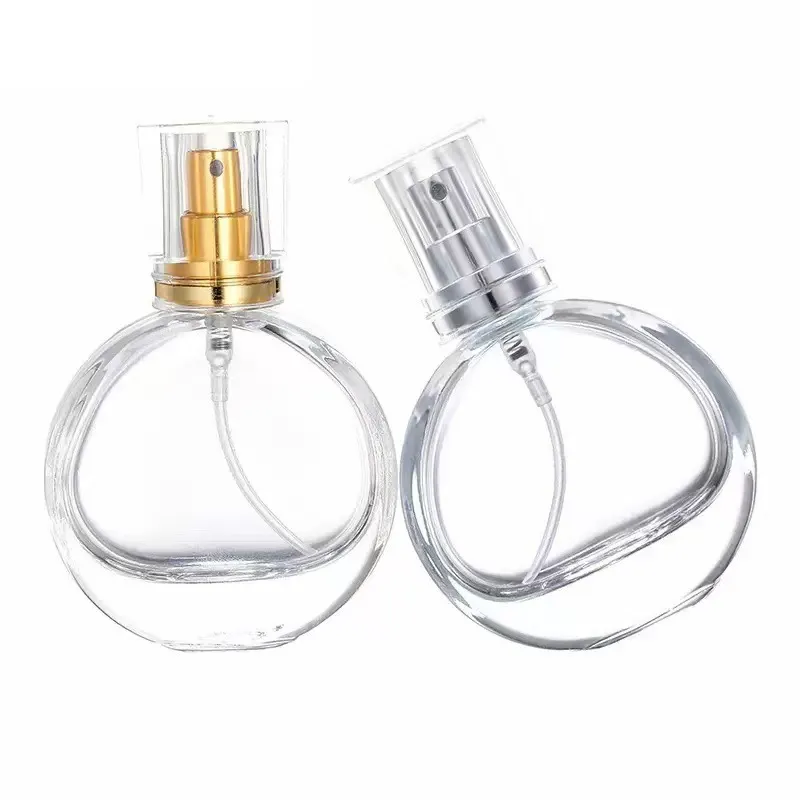
PET is therefore widely used for transparent toner, body wash, shampoo, conditioner, lotion and cleansing products. Boyu’s plastic cosmetic bottle options show the breadth of shapes and dispensing systems available, while a PET shampoo and conditioner bottle family illustrates a typical commercial application.
PETG: a grade-dependent glycol-modified copolyester
PETG is a common commercial name for glycol-modified PET-type copolyester. The comonomer modification suppresses crystallisation and changes how the material processes and performs. It can deliver excellent transparency, toughness and formability, which is why cosmetic brands often use it for thick-wall serum, lotion, hotel amenity and prestige skincare bottles.
The letter “G” does not define one universal recipe. For example, Eastman describes one Eastar grade for extrusion-blown bottles and thick-wall applications, while another modern copolyester grade is designed for ISBM and specific PET-stream compatibility conditions.[3][10] That is why a buyer should not write only “PETG” on a specification and assume the process, heat resistance, chemistry or recyclability is settled.
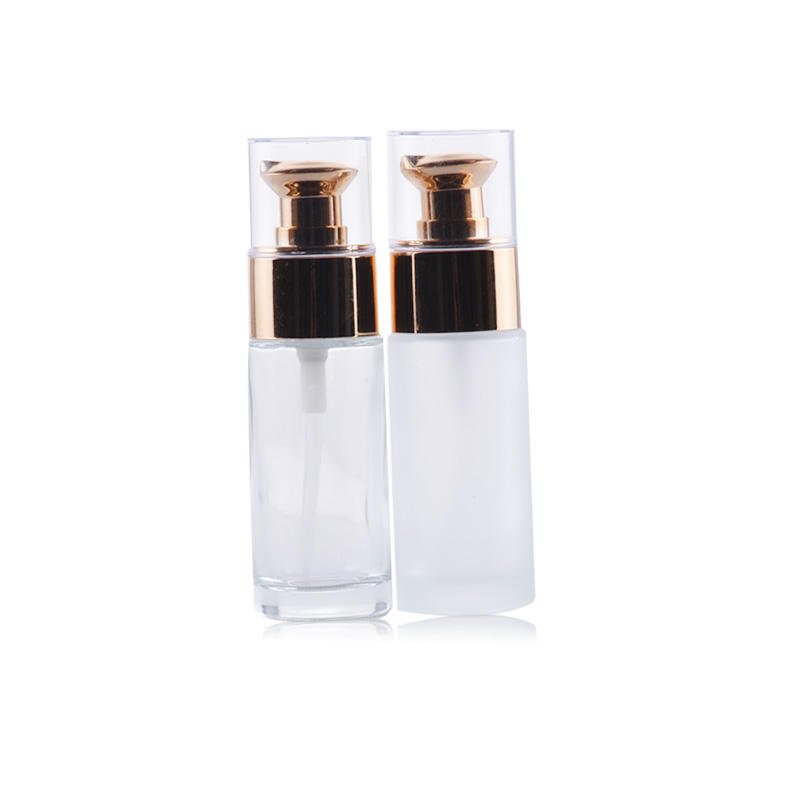
A PETG pump-bottle example shows the thick, substantial visual language often sought for premium or hospitality ranges.
Performance differences that matter in cosmetic packaging
Clarity, wall thickness and perceived value
Both materials can be highly transparent. The visible difference on shelf usually comes from package architecture, not simply the polymer name. A stretch-blown PET bottle is often designed to minimise gram weight while meeting top-load and drop needs. A PETG cosmetic bottle may deliberately use a thick base, heavy wall or squared geometry to imitate glass. That premium feel is real, but so are the added resin, freight weight and production implications.
If a brand wants glass-like optics without glass breakage, compare an actual PETG sample with heavy-wall PET, injection-molded outer shells and cosmetic glass packaging. “Looks premium” should be translated into measurable targets such as bottle weight, base thickness, haze, colour difference, gloss, parting-line visibility and acceptable sink or flow marks.
Stiffness, toughness and drop behaviour
Oriented PET offers an efficient strength-to-weight structure, but an aggressively lightweighted bottle can flex, dent or panel. PETG is often chosen for toughness and impact resistance, yet a thick wall can hide poor gate, weld-line or residual-stress design until the filled pack is dropped or exposed to formula. Neither resin name guarantees the assembled pump will stay locked, the cap will remain sealed, or the label will survive bottle flexing.
Specify performance at pack level: target bottle weight and tolerance, minimum wall distribution in critical zones, top-load, squeeze response, filled drop orientation, closure retention and acceptable cosmetic defects. A heavy bottle is not automatically stronger if its material distribution or gate design is poor.
Heat resistance: never infer hot-fill suitability from the acronym
Heat response is grade-, orientation- and design-dependent. As an example—not a universal PETG value—Eastman reports a glass-transition temperature of 80°C and heat-deflection values of 70°C at 0.455 MPa and 64°C at 1.82 MPa for Eastar 676.[2] A bottle can deform below a resin data-sheet number because it is thin, stressed, capped under load or filled and palletised while hot.
Give the supplier the real maximum formula temperature at filling, closure application time, cooling method, warehouse peak, transport lane and whether the bottle experiences top-load while warm. Approve the complete filled unit at those conditions. If hot filling or sterilisation is required, standard PET or PETG may not be the correct starting point; evaluate a grade and process explicitly designed for the exposure.
Barrier and light protection
Clear walls expose the formula to visible and ultraviolet light. Neither clear PET nor clear PETG should be assumed to protect retinol, some botanical extracts, dyes, fragrances or other oxidation- and light-sensitive systems. Barrier performance also depends on thickness, orientation, surface-area-to-volume ratio, closure seal and storage duration.
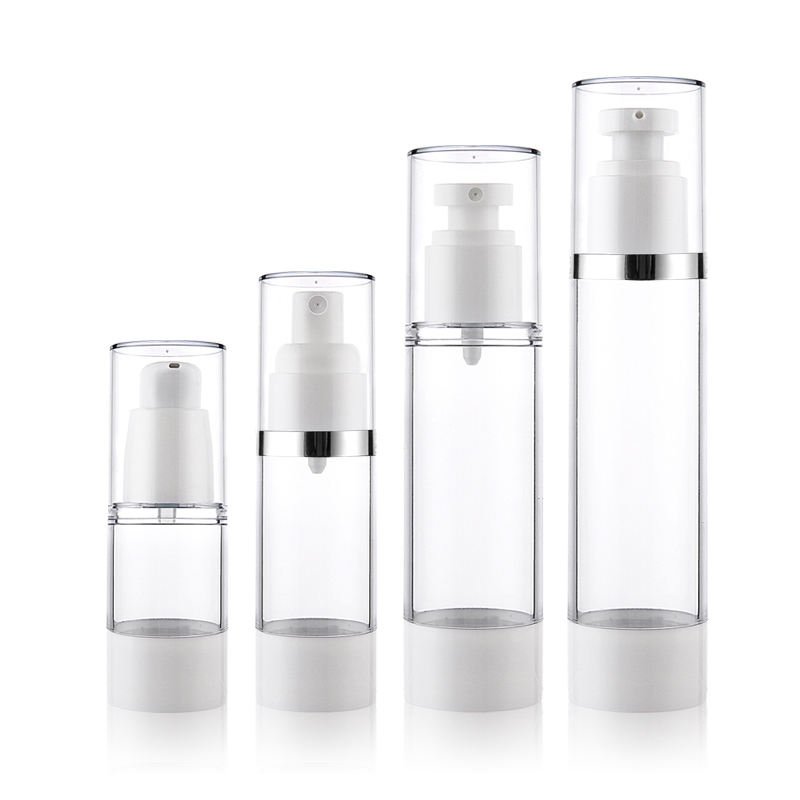
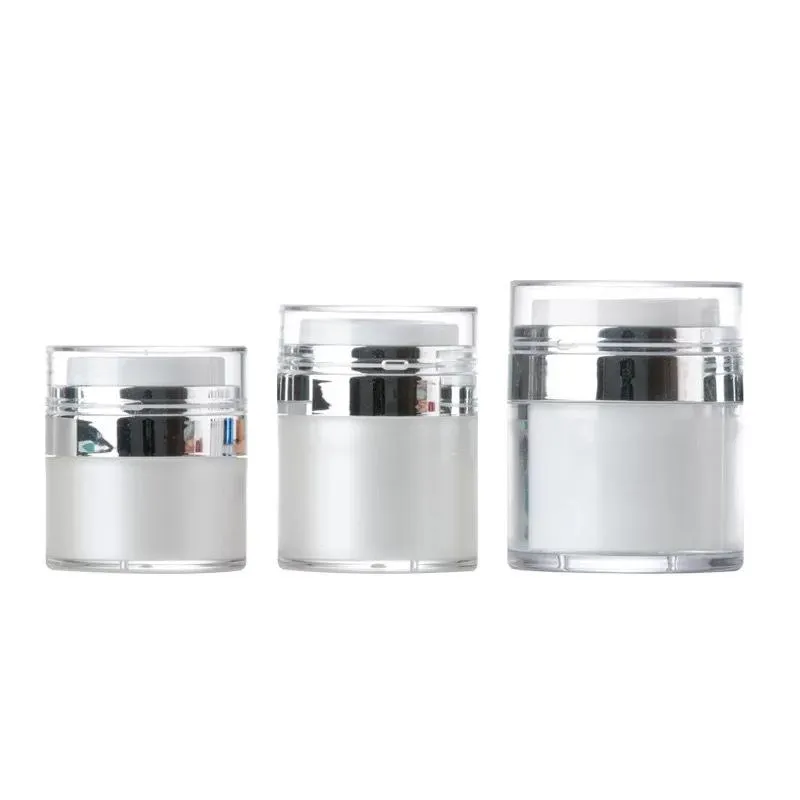
When protection matters, evaluate amber or opaque colour, a UV absorber supported by regulatory and recycling review, a secondary carton, a barrier layer, glass, or an opaque airless system. Boyu’s airless pump bottle range is relevant when limiting repeated air exposure and controlled dispensing are more important than showing the formula.
Chemical resistance: the most common PETG misconception
A frequent internet claim is that PETG is simply “more chemical resistant” than PET. That is too broad. Corning’s controlled PET/PETG bottle comparison warns that compatibility changes with concentration, temperature, exposure time and mechanical load. In its test matrix, PET showed more favourable resistance than PETG for several acids, alcohols, aldehydes, bases, esters and hydrocarbons, while the two materials were similar for some aqueous solutions.[1] Those results apply to the tested bottles and conditions; they are not a substitute for a cosmetic package study.

PET vs PETG bottle manufacturing processes
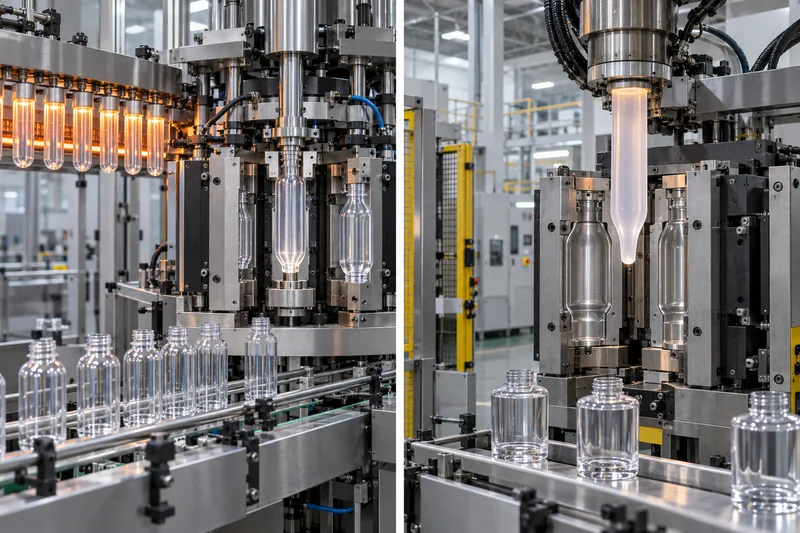
PET: injection stretch blow molding
- Dry and melt the resin. Moisture and thermal history must be controlled to protect material performance and appearance.
- Injection-mold the preform. The neck finish is formed accurately at this stage.
- Condition or reheat the preform. A one-step machine transfers it directly; a two-step route stores and reheats preforms.
- Stretch and blow. A stretch rod extends the preform axially while air expands it radially into the mold.
- Cool, eject and inspect. Weight distribution, base, neck, haze, gate and dimensional performance are checked.
The process is productive and material-efficient, but bottle shape must permit controlled stretch ratios and even wall distribution. A handle, very sharp corner, extreme shoulder or very wide-mouth design may push the project toward another process or material. The broader shampoo bottle manufacturing process explains how blow molding, decoration, assembly and inspection connect.
PETG: select the resin grade and process together
A PETG or copolyester package may be extrusion blow molded, injection blow molded, stretch blow molded or injection molded, depending on the grade and component geometry. Extrusion blow molding can support thick-wall bottle forms and shapes that are not based on a separately injection-molded preform; it usually leaves a pinch-off region that must be well controlled. Injection processes may be used for heavy-wall jars, shells or components with precise detail. Some modified copolyesters are designed specifically for ISBM.[3][10]
Ask the supplier which process is proposed and why. The answer affects mold investment, cavity count, cycle time, seam or gate location, achievable wall distribution, neck accuracy, scrap handling and minimum order quantity.
PET vs PETG bottle price, tooling and MOQ
PET is usually the more economical starting point for a conventional lightweight bottle at commercial scale. PETG often has a higher resin price and is frequently specified in a heavier wall, so the difference can compound. But a statement such as “PETG costs 20% more” is not reliable without a date, region, resin grade, gram weight, process, decoration and order quantity.
A useful should-cost screen
Estimated bottle cost = (resin price per kg × bottle input grams ÷ 1,000 ÷ process yield) + conversion + setup/tool amortisation + decoration + closure/assembly + inspection + packing + supplier margin
Compare finished, approved packages, not resin prices. A 100 mL PET bottle weighing 18 g and a 100 mL thick-wall PETG bottle weighing 45 g are not equivalent products. Even if resin prices were identical, the material contribution would not be. Conversely, a stock PETG bottle with existing tooling may be cheaper for a small premium launch than commissioning a custom PET mold.
Why quotations differ
- Resin grade and colour: virgin, certified PCR, food/contact-status documentation, UV packages and special tints carry different costs and sourcing constraints.
- Gram weight and yield: bottle weight, start-up scrap and trimming or rejected parts matter more than nominal capacity.
- Tooling and cavities: stock molds reduce entry cost; custom geometry, higher cavity count and premium surface finish increase investment.
- Cycle time and secondary work: slower molding, annealing, spraying, metallisation, silk screening, hot stamping and assembly add steps and minimum run quantities.
- Closure system: a bottle quote without the pump, cap, liner, dip tube and torque specification is incomplete.
- Freight: heavy-wall bottles and inefficient nesting increase cost per sellable unit, especially by air.
Boyu’s PET bottle cost model covers the cost structure in more detail. For procurement, request a breakdown showing bottle weight, resin basis, mold status, decoration, closure, master-carton quantity, expected over/under delivery and Incoterm.
Does a larger order always reduce unit cost?
Usually only until the relevant setup and production efficiencies are absorbed. MOQ may apply separately to the bottle resin colour, bottle capacity, pump colour, dip-tube cut, spraying batch and each printed artwork. Combining 20,000 bottles across four colours does not necessarily create one 20,000-piece production run. Ask where the price breaks occur and which component creates each minimum.
Which cosmetics are suitable for PET or PETG?
| Product | Material screening and approval questions |
|---|---|
| Water-based toner or micellar water | Start: lightweight PET for efficiency; PETG when thick-wall optics lead. Verify: alcohol, fragrance, light sensitivity, dispenser output, cap seal, mass loss and clarity. |
| Shampoo, conditioner or body wash | Start: PET for a clear rigid pack; HDPE/PP for opacity or squeeze; PETG for premium/hospitality appearance. Verify: surfactants, viscosity, squeeze force, paneling, pump fit, bathroom drops and label exposure. |
| Lotion or emulsion | Start: PET, PETG, PP or airless according to viscosity, oxidation and evacuation targets. Verify: oil phase, surfactants, pump output, dip-tube recovery, headspace and residual product. |
| Serum | Start: PET/PETG for a compatible stable formula; glass or airless for a sensitive system. Verify: active stability, oxygen/light exposure, formula-contact materials, dosage and decoration. |
| Alcohol-based mist or fragrance product | Start: compare qualified PET, suitable copolyester, glass or another proven system—never select from the acronym alone. Verify: alcohol and fragrance load, stress cracking, permeation, gasket swelling, seal, decoration and shipping obligations. |
| Oil or essential-oil-rich formula | Start: let compatibility lead; glass, suitable HDPE/PP or a qualified polyester system may win. Verify: exact oil blend, sorption, swelling, stress cracking, odour, colour, liner and long-term seal integrity. |
These are screening directions, not approvals. For example, a clear water-rich toner may appear simple but still contain ethanol, solubilised fragrance, acids, botanical extracts or colourants that change the risk. Review suitable skincare packaging formats only after the formula, dispense target and protection needs are defined.
Recyclability, PCR and sustainability trade-offs
PET benefits from established bottle collection and reprocessing infrastructure in many markets. That does not make every PET cosmetic pack recyclable everywhere. Dark colours, large labels, incompatible sleeves, metallic decoration, residual formula, pumps with mixed materials and local collection rules can all reduce recovery.
Conventional amorphous PETG is a concern in the PET bottle stream because it may behave differently during sorting and reprocessing. The European PET Bottle Platform published a non-endorsement decision discouraging PETG bottles and components in the European PET bottle stream.[5] RecyClass likewise treats PETG and non-crystallising highly modified polyesters as limited-compatibility materials unless an approved technology assessment establishes otherwise.[7]
However, “all PETG is unrecyclable” is also too broad. Industry bodies have issued limited or conditional findings for particular newer copolyester grades under defined concentration and design conditions. A supplier saying “recycle code 1” is not enough: obtain the exact resin grade, current third-party assessment, conditions and target-market acceptance. Resin identification is not the same as practical recyclability.
Compare the whole pack, not one claim
- Material intensity: record total pack grams per delivered dose, including pump and overcap.
- Recycled content: qualify appearance, odour, colour, mechanical performance, supply consistency and applicable documentation.
- Design for recycling: evaluate colour, label area and density, adhesive, ink, closure separation and decoration against the target market’s current guidance.[6]
- Product protection: a lighter bottle that shortens shelf life or leaks in distribution is not a successful reduction.
- Residual product: pump evacuation and consumer emptying can materially affect product waste.
For recycled resin decisions, use Boyu’s PCR cosmetic packaging guide as a separate qualification track rather than treating PCR percentage as a marketing-only attribute.
Other cosmetic bottle materials and where they fit
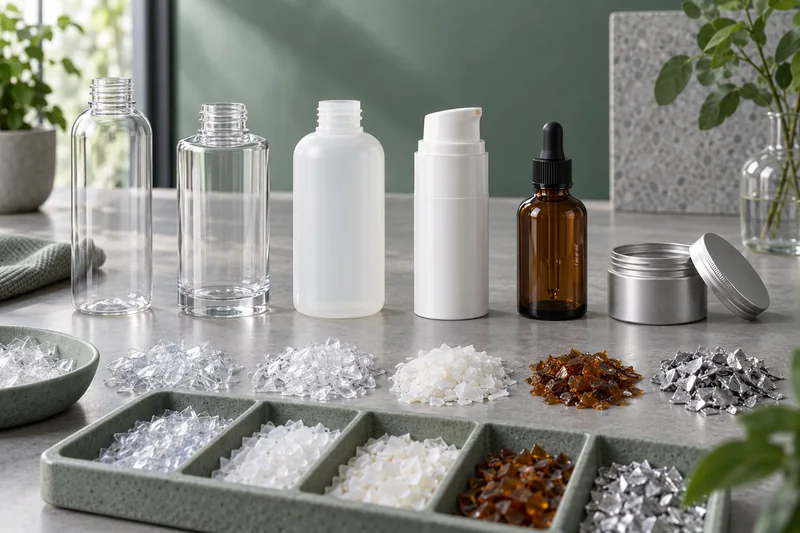
| Material | Why brands use it | Key cautions |
|---|---|---|
| HDPE | Tough, opaque or translucent, squeezable, widely used for shampoo, lotion and chemical-resistant applications. | Lower glass-like clarity; paneling, permeation, decoration adhesion and exact formula compatibility still need evaluation. |
| LDPE | Soft squeeze response for controlled-drop and flexible packs. | Lower stiffness and barrier for some systems; dimensional and label performance require attention. |
| PP | Common for caps, pumps, jars and airless components; useful hinge performance and broad design flexibility. | Usually translucent rather than glass-clear; low surface energy affects printing and labels. |
| Glass | Premium mass, strong gas barrier and broad compatibility for many serums, oils and fragrances. | Breakage, weight, coating, thermal shock, dropper/closure fit and transport carbon/cost. |
| PMMA, SAN or AS | Rigid, high-clarity decorative outer shells for prestige jars and airless packs. | Often not the direct formula-contact component; multi-material separation and chemical stress cracking must be reviewed. |
| Aluminum or tube laminates | Light barrier, collapsibility and differentiated form for creams, gels and concentrated products. | Internal lacquer/liner, denting, seam/seal, spring-back, decoration and recycling system differ by construction. |
How to choose PET, PETG or another material
An eight-step selection framework
- Freeze a representative formula. Record full ingredient system, pH, viscosity, alcohol, fragrance/oil load, active sensitivity and expected changes.
- Define protection. Set oxygen, moisture, light, contamination and shelf-life needs before discussing appearance.
- Define use. Capacity, dose, one-hand use, squeeze or rigid feel, bathroom/travel exposure, child use and residual-product target affect the pack.
- Define the physical lifecycle. Fill temperature, line speed, capping torque, warm stacking, warehouse extremes, transport and consumer storage matter.
- Translate aesthetics into specifications. Set colour, haze, gloss, wall/base appearance, bottle weight, decoration and defect limits.
- Screen complete systems. Compare bottle, pump/cap, liner, dip tube, decoration and label—not isolated bottles.
- Check production economics and recovery. Review stock/custom tooling, MOQ by component, cycle, freight, PCR feasibility and destination-market recycling guidance.
- Test, investigate and approve. Use production-intent samples, pre-agreed criteria and change control. A supplier change in resin grade or converter may require requalification.
Fast screening logic
Start with PET when the brief calls for a clear, rigid, lightweight bottle at scale and the formula is a plausible polyester candidate.
Start with PETG/copolyester when thick-wall glass-like aesthetics, impact toughness or a particular geometry/process is central—and the exact grade, recovery route and formula can be qualified.
Start elsewhere when squeeze feel, opacity, very high barrier, light protection, refill architecture, hot processing or aggressive formula chemistry dominates.
Qualification test plan for a cosmetic bottle
EU cosmetic safety guidance recognises that packaging can affect safety through interaction, barrier performance and migration, and it does not prescribe one universal cosmetic packaging test.[8] In the United States, the manufacturer remains responsible for product safety, including risks from the container.[9] Therefore, the protocol must be risk-based and product-specific.
| Workstream | Evaluation and evidence |
|---|---|
| Incoming dimensions | Evaluate: neck, height, diameter, weight, capacity, wall distribution and closure engagement. Evidence: drawing, gauge plan, cavity data and capability results. |
| Compatibility and stability | Evaluate: stress cracking, haze, swelling, mass, odour, colour, formula stability, migration risk and function across orientations and temperatures. Evidence: time-zero controls, scheduled pulls, retained samples and investigations. |
| Closure and dispense | Evaluate: leakage, torque, seal compression, prime/output, dip tube, spray, gasket/liner and evacuation. Evidence: torque data, leak orientation, dose distribution and residual product. |
| Line trial | Evaluate: unscrambling, guides, filling, foaming, capping, labelling, coding, scuffing and throughput. Evidence: a production-rate trial with production-intent components and recorded settings. |
| Distribution | Evaluate: filled drop, vibration, compression, thermal cycle, pressure/altitude where relevant, decoration and pack-out. Evidence: a route-relevant protocol with agreed failure criteria. |
| Consumer use | Evaluate: wet hands, bathroom drops, repeated pumping, dosage, panel recovery, readability and emptying. Evidence: use simulation and representative-user feedback tied to measurements. |
A defensible cosmetic packaging compatibility protocol includes the final formula, control samples, multiple storage conditions, upright/inverted/side orientations, scheduled inspections and predefined acceptance criteria. Do not compress a multi-month shelf-life risk into a single short hot test without scientific justification.
Failure signals that require investigation
- Radial cracks at the neck, gate or molded stress concentrators.
- New haze, whitening, surface tack, swelling, brittleness or unusual odour.
- Paneling, base deformation or volume change after filling, cooling or altitude exposure.
- Loss of mass, formula colour/odour/potency change, or abnormal headspace pressure.
- Gasket or dip-tube swelling, pump loss of prime, leakage or inconsistent output.
- Ink, spray coating, metallisation or label failure after formula contact and abrasion.
What to put in a PET or PETG bottle RFQ
- Formula type, full compatibility-risk flags, viscosity, pH, alcohol/oil/fragrance level and fill temperature.
- Nominal fill, brimful capacity, required headspace and bottle orientation in use.
- Exact requested resin or performance brief; require supplier disclosure and approval before any resin-grade, PCR, colourant or processing-site change.
- Drawing with neck finish, critical dimensions, gram weight/tolerance, overflow capacity, decoration panel and functional datums.
- Pump/cap, liner/gasket, dip tube, output, applied/removal torque, lock type and colour.
- Aesthetic limit samples for colour, haze, bubbles, gate, seam, sink, scratches and black specks.
- Decoration artwork, colour standard, adhesion/abrasion/chemical-resistance criteria and label construction.
- Annual forecast, launch quantity, order frequency, MOQ by component/colour, tooling ownership and spare-parts expectation.
- Destination markets, packaging/regulatory documentation, recycling design target and any PCR claim.
- Inspection level, functional tests, change-control agreement, retention samples, nonconformance process and delivery tolerance.
Frequently asked questions
Is PETG better than PET for cosmetic bottles?
Not in general. PET is usually preferable for lightweight, scalable clear bottles and has a more established bottle recycling route. PETG can be preferable for thick-wall premium optics, impact toughness or a grade-specific manufacturing need. Formula compatibility and total package performance decide the result.
Is PETG more chemical resistant than PET?
No universal hierarchy exists. Resistance depends on resin grade, formula, concentration, temperature, time and stress. A published controlled comparison found PET more favourable than PETG for several chemical groups, so the actual filled pack must be tested.[1]
Can PET and PETG use the same mold?
Do not assume so. A bottle may require a different resin grade, preform, stretch ratio, temperature profile, venting, shrinkage allowance, wall distribution or even a different molding process. Ask the converter to validate the exact design and tooling route.
Can PETG go into the PET recycling bin?
Conventional PETG can be incompatible with the PET bottle stream, and European guidance has discouraged it. Some specific newer copolyester grades have conditional assessments, but that does not transfer to every PETG bottle. Verify the exact grade, complete pack and local program.
Which material is best for toner, shampoo or lotion?
PET is often a strong first candidate for a clear, rigid, water-based toner or shampoo bottle. PETG may suit a premium thick-wall presentation. Lotion may also favour PP airless, HDPE or another system depending on viscosity, oil phase, oxygen sensitivity and dispensing. Testing the final formula and closure is mandatory.
Why is a PETG bottle usually more expensive?
PETG resin may cost more, and cosmetic PETG designs are often intentionally heavier. The chosen conversion process, cavity count, cycle time, scrap, decoration and freight can further raise cost. Compare finished approved packs at the same specification, not resin names or nominal capacity.
Can PET or PETG hold alcohol, fragrance oils or essential oils?
Possibly, but neither acronym is approval. Alcohol percentage, fragrance/oil composition, storage temperature, molded stress, gasket, dip tube and decoration all influence performance. Use the actual formula in a documented compatibility and distribution program.
Sources and technical references
Accessed October 4, 2026. Supplier data sheets describe particular grades and should not be generalised to all PET or PETG materials.
- Corning, Chemical Resistance Comparison of PET and PETG.
- Eastman, Eastar 676 copolyester product data sheet.
- Eastman, Eastar EB062 copolyester for extrusion-blown bottles.
- British Plastics Federation, Injection stretch blow moulding process.
- European PET Bottle Platform, Test results and technical opinions, including PETG bottle/component decisions.
- European PET Bottle Platform, PET bottle design guidelines.
- RecyClass, Design for recycling guidelines for clear PET bottles.
- European Commission, Implementing Decision 2013/674/EU on cosmetic product safety reports.
- U.S. Food and Drug Administration, FDA authority over cosmetics and manufacturer responsibility.
- Eastman, Eastar EN001 copolyester grade information.



 English
  Español de Argentina
  Русский
  Italiano
  日本語
日本語  한국어
한국어  العربية
  Français
  Deutsch