BOYU PACKAGING · CUSTOM SOAP DISPENSING PACKAGING

Hand Wash Bottle Manufacturer

Custom liquid-soap and foam-pump bottles engineered around your formula, dispensing experience, filling line, brand presentation and international distribution.

Discuss your hand wash bottle project →

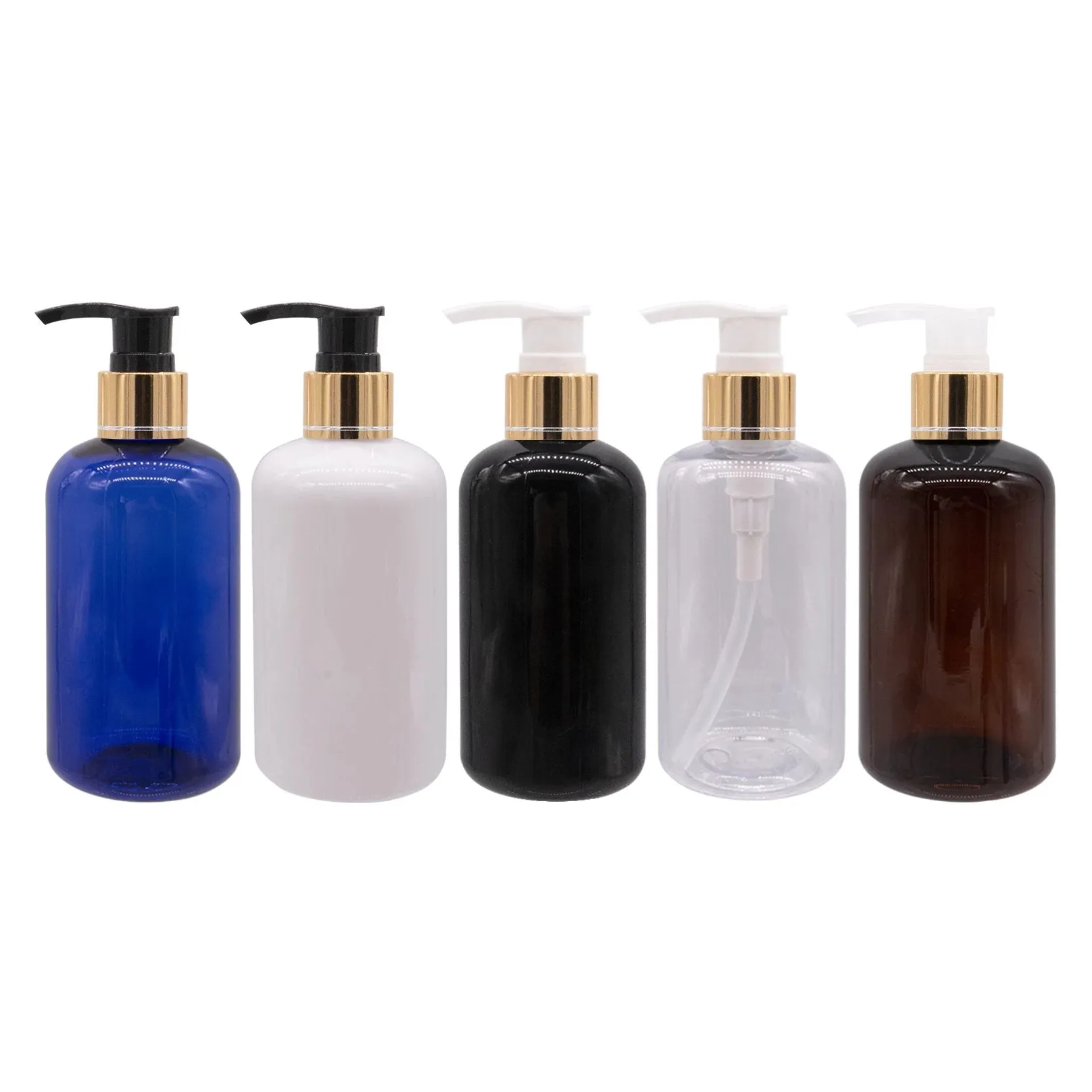
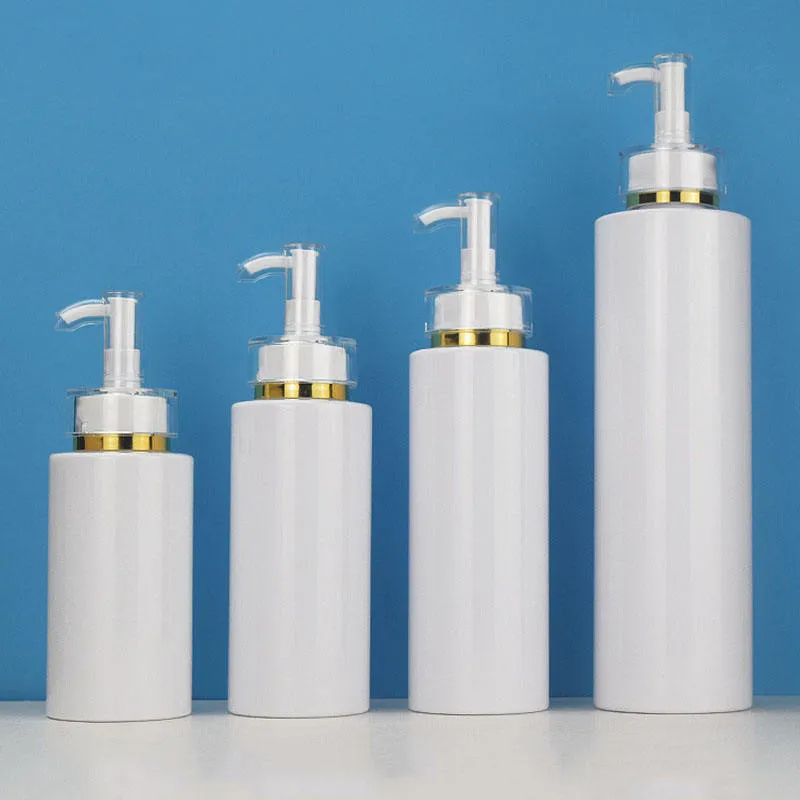
Main capacities: 50ml to 1000ml depending on bottle and pump platform; 250–500ml are common hand-wash formats.

Main materials: PET, HDPE/PE, PP, PETG, glass and qualified PCR-containing options.

Pump choices: Foam pumps for compatible low-viscosity formulas; liquid/lotion pumps for matched liquid and gel hand wash.
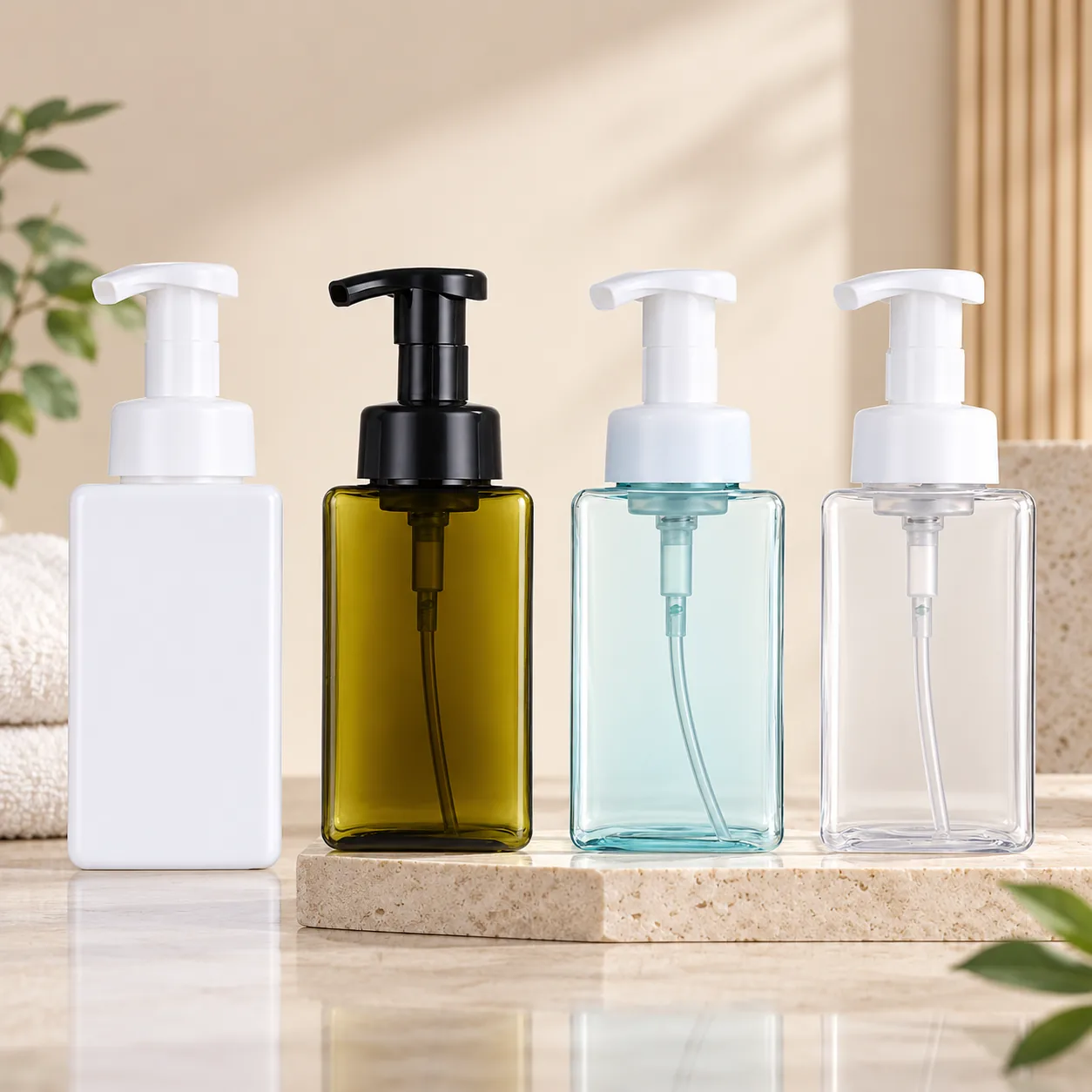
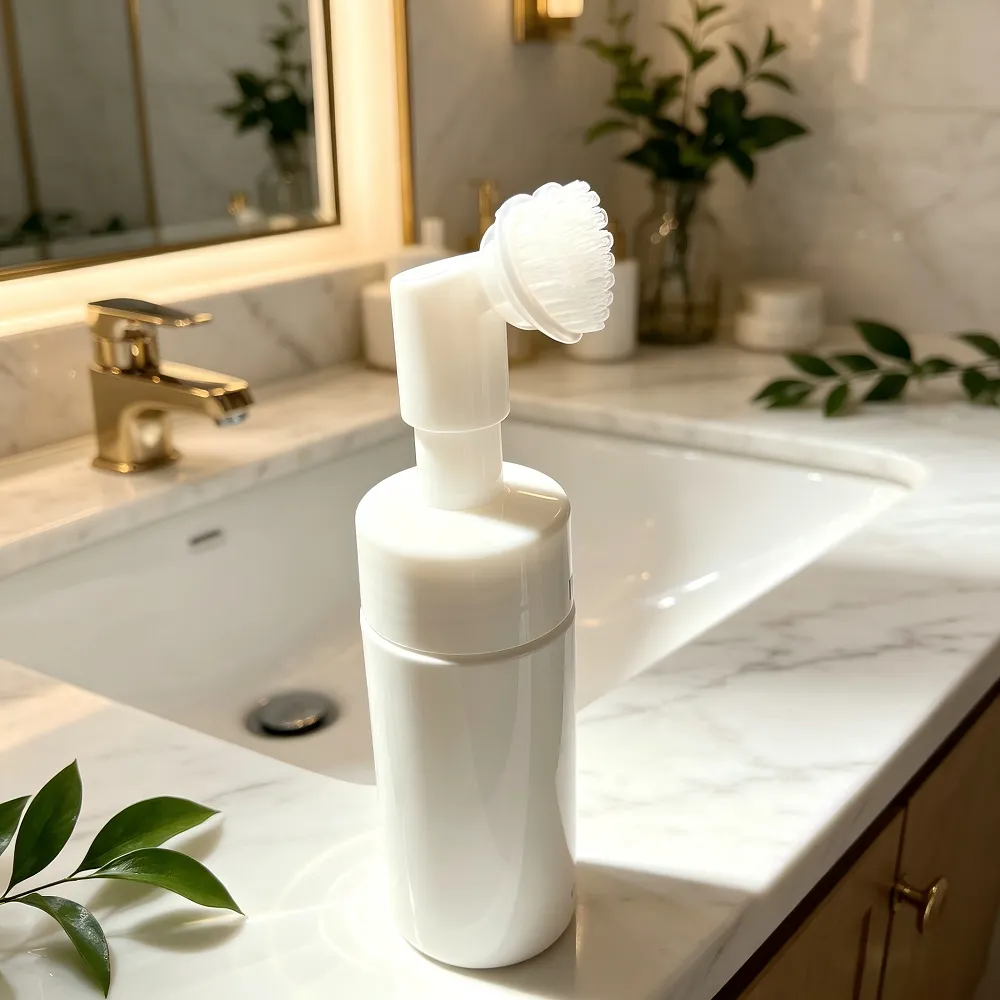
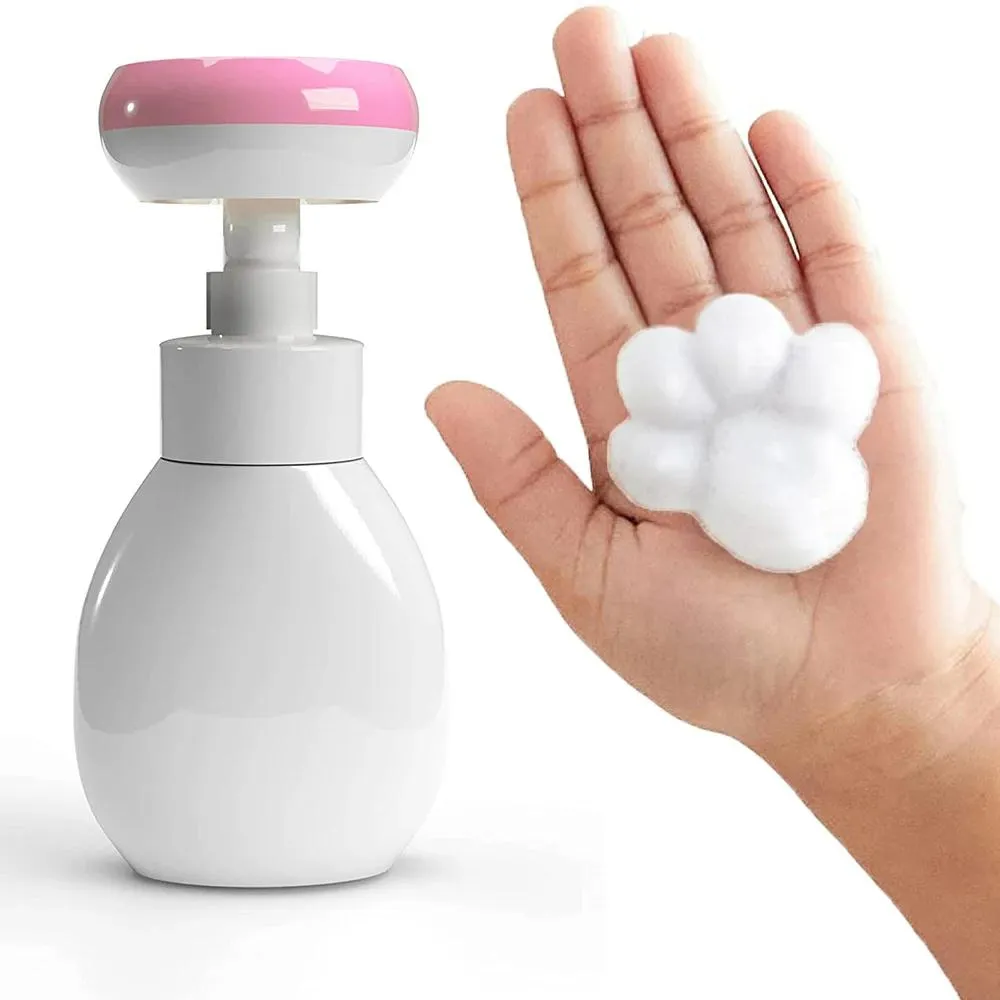
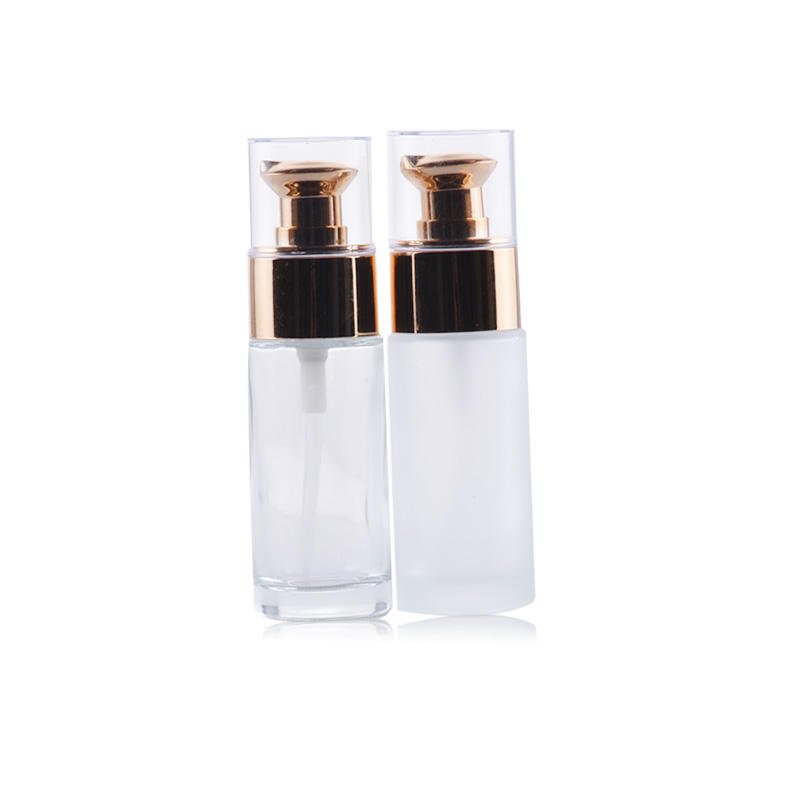
Custom hand wash bottle with foam pump

Hand Wash Packaging Engineered as a Complete System

Boyu Packaging develops plastic and glass hand wash bottles with liquid-soap pumps, foam pumps, dip tubes, closures and coordinated decoration for personal-care brands, household ranges, hotels, restaurants, offices and private-label programs. Reliable performance comes from qualifying the bottle, neck, pump, gasket, dip tube, formula, filling process and shipping pack together—not from choosing an attractive bottle alone.

Liquid or foam dispensing

Choose the pump from formula rheology, intended dose and consumer experience. A liquid-soap pump meters product directly; a foam pump mixes a compatible low-viscosity formula with air.

Standard custom MOQ

A practical reference is 10,000 pieces per design or configuration. Capacity, bottle color, pump color and artwork can create separate production minimums.

OEM / ODM control

Existing molds reduce development risk. Private shapes, embossed branding, special necks or proprietary dispensing structures require drawings, tooling trials and production qualification.

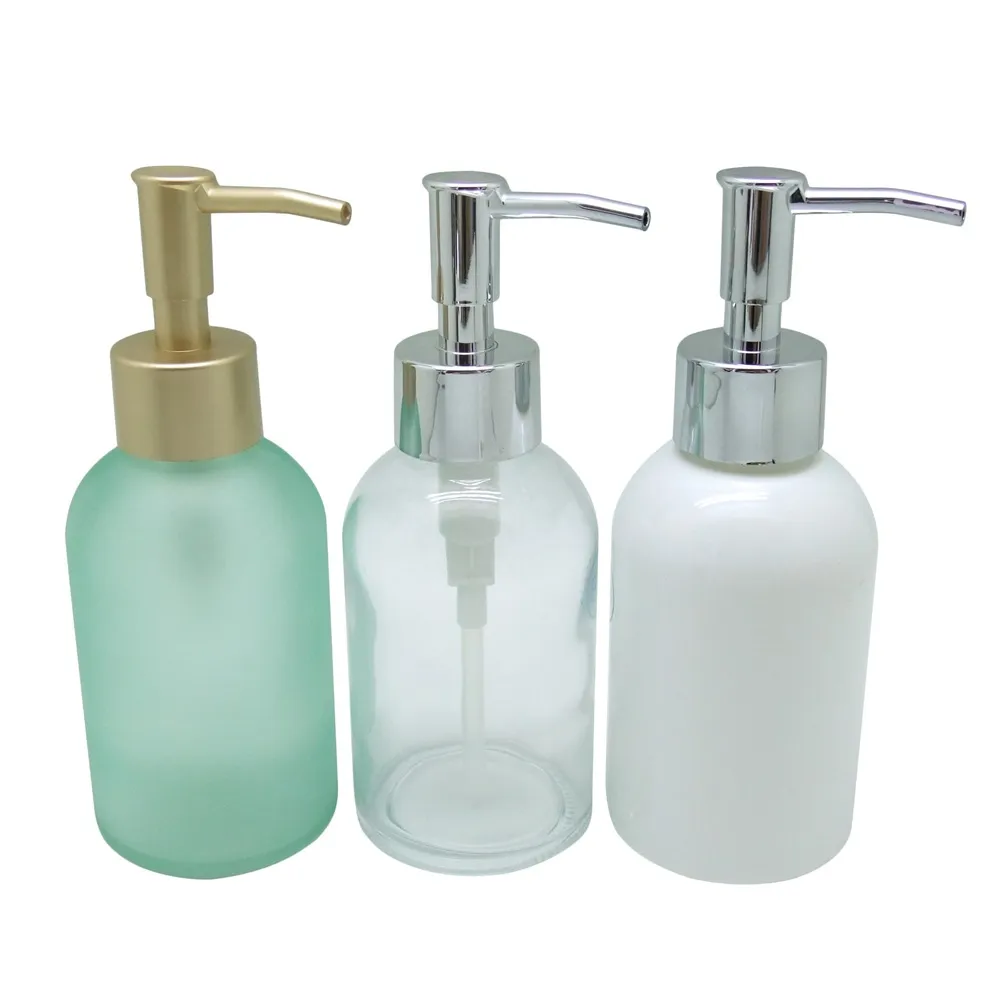
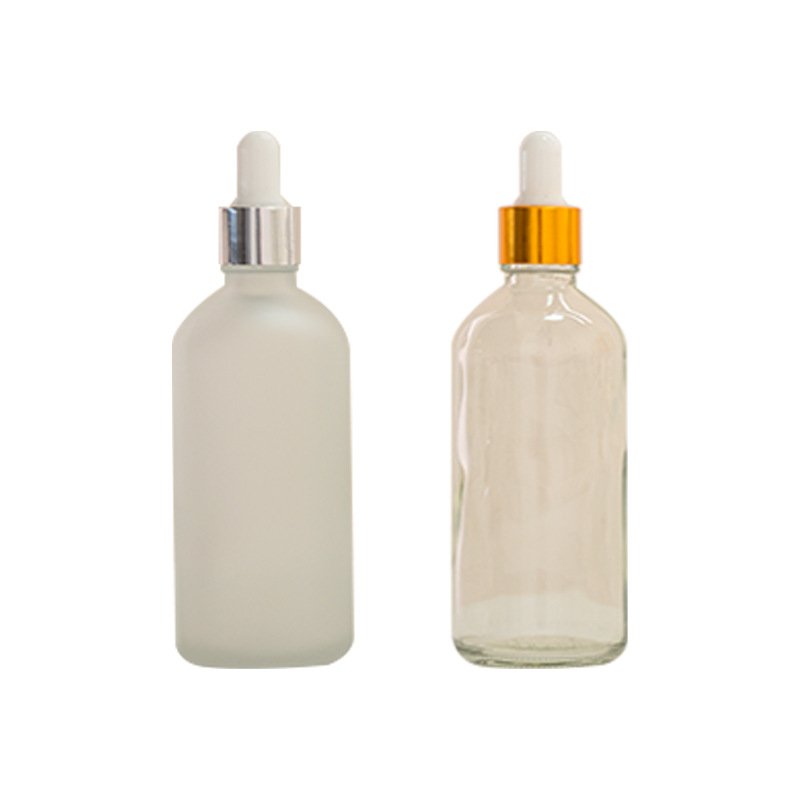
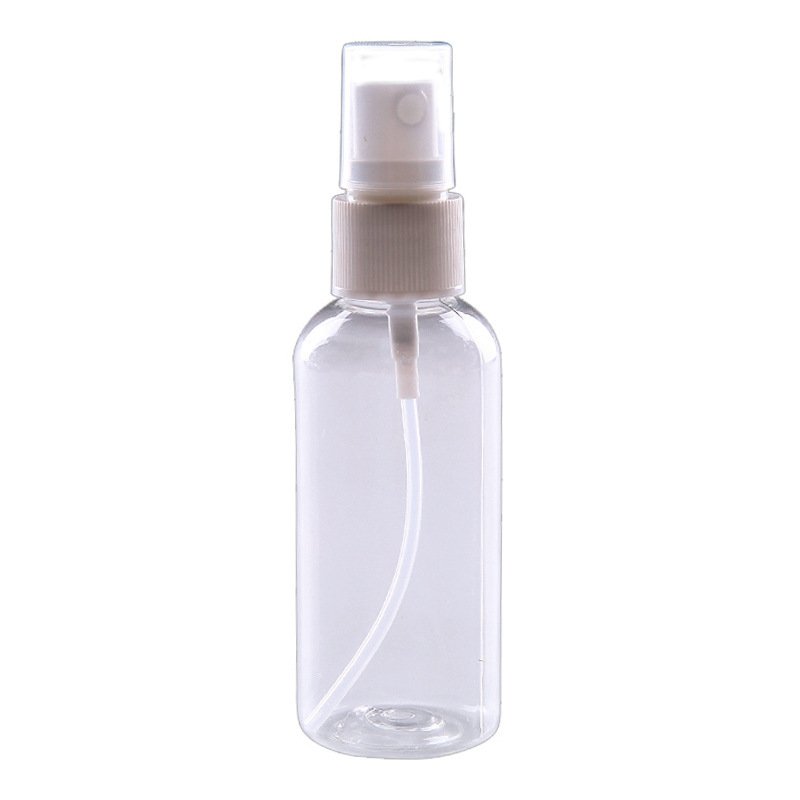
Hand Wash and Soap Dispenser Bottle Designs

Explore 12 hand-wash and soap-dispenser packaging options from Boyu Packaging, created to improve dispensing performance, strengthen shelf presence and elevate your brand image. View the Foam Pump Bottle Collection →
Choose the Dispensing System Before the Bottle Finish
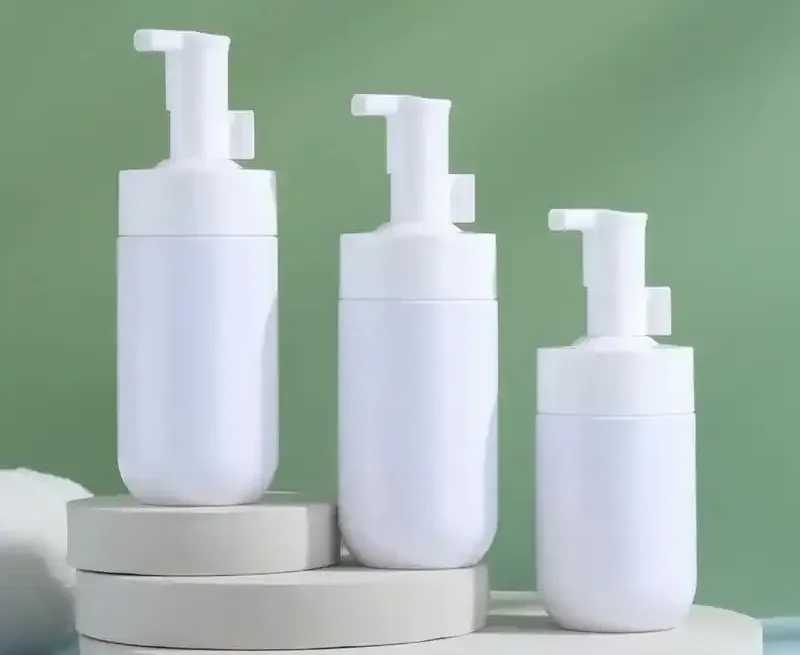
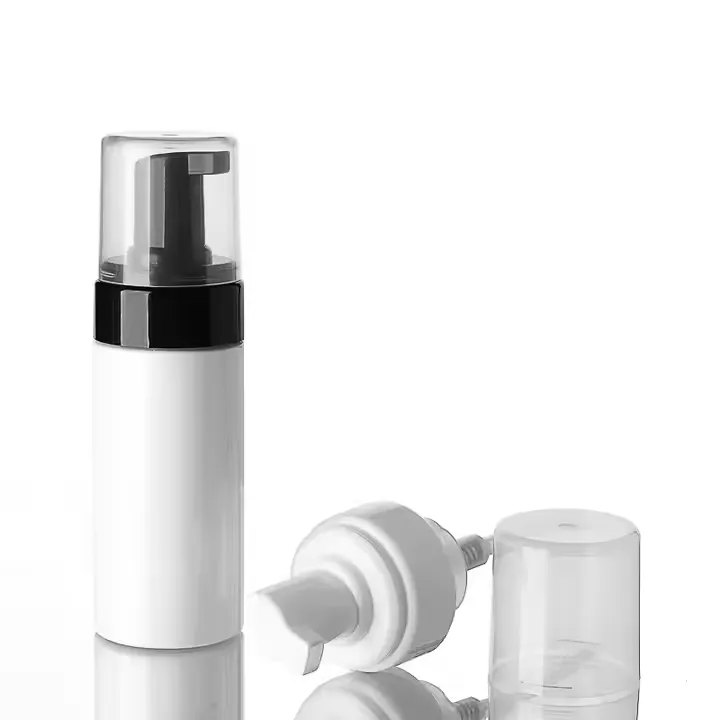
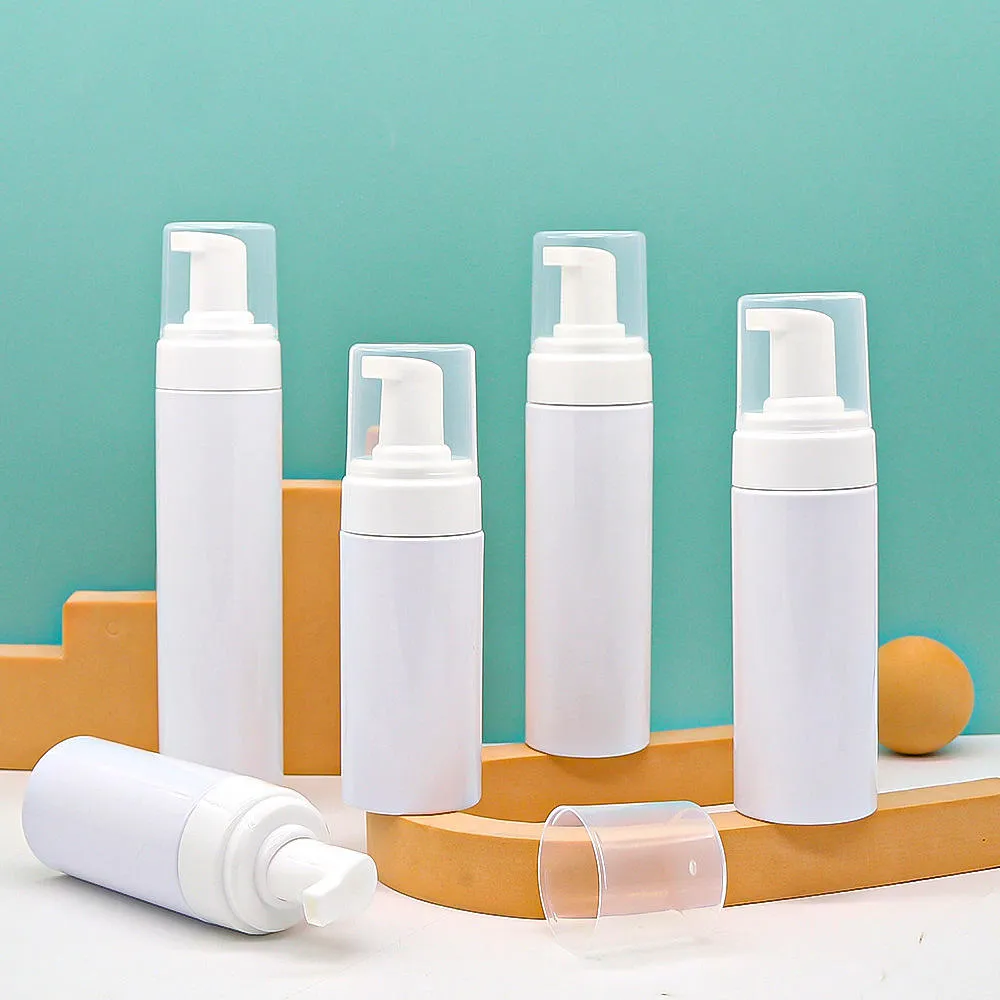
Foam pump bottle for hand wash and personal cleansing products
A foam dispenser is a controlled air-and-liquid mixing system. The formula, air chamber, liquid chamber, mesh, valve and bottle venting must work together.

Start with formula and dose

For standard liquid hand wash, specify viscosity at a stated temperature, target output per stroke, priming limit, actuation force, cut-off and residual product. For foaming hand soap, specify foam density, bubble texture, liquid-to-air behavior, output, recovery, re-prime and resistance to mesh blockage.

A high-end look cannot compensate for poor dosing or leakage. Approve the exact bottle and pump codes, product-contact material map, neck drawing, gasket, dip-tube length, pump lock or overcap and filled-product test plan before mass production.

Foam Pump vs Liquid-Soap Pump

Decision point Foam pump Liquid / lotion pump
Formula Low-viscosity, foam-formulated, generally water-based liquid with a compatible surfactant system. Low to medium or selected higher-viscosity hand wash, gel or lotion, subject to the pump engine and flow path.
Dispensing principle Draws liquid and air into separate chambers, mixes them and passes the mixture through mesh. Meters the liquid through a piston/valve path without intentionally adding air.
Consumer experience Ready-to-spread foam, lighter sensory feel and visible differentiation. Familiar gel or liquid dose with richer product feel and fewer foam-specific components.
Critical tests Foam density, bubble uniformity, liquid/air balance, mesh blockage, prime, return and re-start. Output, prime, actuation force, cut-off/stringing, return, clogging and product evacuation.
Main limitation Thick, oily or particle-rich formulas may not foam or may block the mesh. A narrow engine can struggle with very viscous formulas; excess output can increase waste.
Best buying rule Do not dilute a finished product casually. Ask the formulator to provide a foam-pump-compatible formula and validate it. Send production-intent formula for matched-pump trials and specify performance at relevant temperatures.

Core Hand Wash Bottle Specification

Specification Common project direction What the buyer must approve
Capacity 50–100ml travel; 150–300ml retail; 400–500ml family; 750–1000ml professional/refill formats. Nominal capacity, brimful capacity, intended fill, headspace and mold availability.
Bottle material PET, HDPE/PE, PP, PETG, glass and qualified PCR-containing options. Exact resin or glass specification, color, formula compatibility and market claim documentation.
Pump Foam pump or liquid/lotion pump; model-specific output, neck and lock. Exact engine, gasket, actuator, closure, product-contact path, dip tube and output range.
Weight / wall Selected-model bottle grams and local wall map, not one category-wide value. Target/tolerance, measurement locations, cavity traceability and signed drawing/sample.
Decoration Molded color, coating, frosting, screen print, hot stamp, suitable UV/digital print, label or sleeve. Physical color standard, artwork, printable area, registration, adhesion and rub resistance.
Packing Bulk carton, dividers, individual bag/box, pump clip/lock, tray and pallet. Pump orientation, scuff protection, carton count, pallet pattern and distribution test.

Main Capacities and Market Positioning
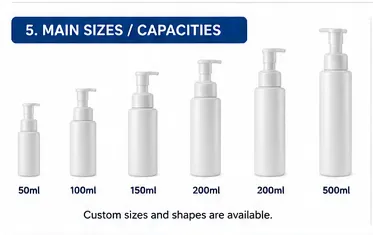
Capacity Typical hand-wash use Engineering focus
50–100ml Travel, sample, gift sets and hotel amenities. Compact pump height, priming, cap/lock protection, label space and leakage in bags.
150–200ml Premium retail, kitchen sink, guest bathroom and facial/hand cleansing. Shelf footprint, controlled dose, stability and decoration quality.
250–300ml Mainstream retail and everyday household hand wash. Pump ergonomics, refill interval, carton efficiency and family use.
400–500ml Family, commercial washrooms, salons and hospitality. Bottle panel strength, base stability, dip-tube reach and repeated-cycle durability.
750–1000ml Professional, refill or high-use locations. Top load, grip, pump endurance, larger dose, pack-out and refill hygiene.
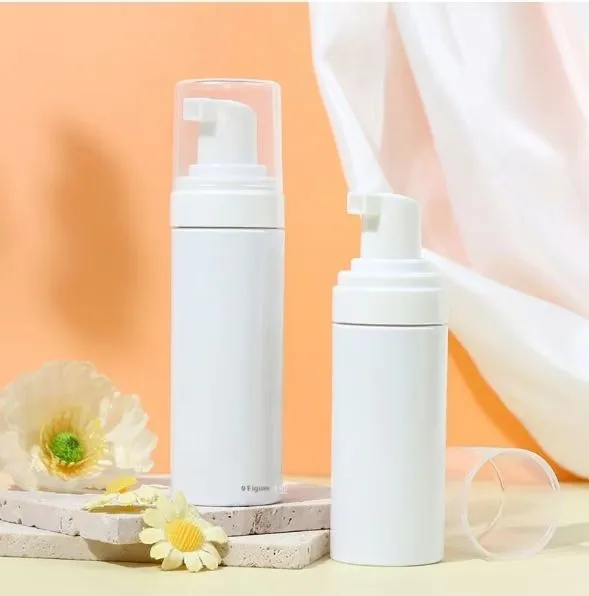
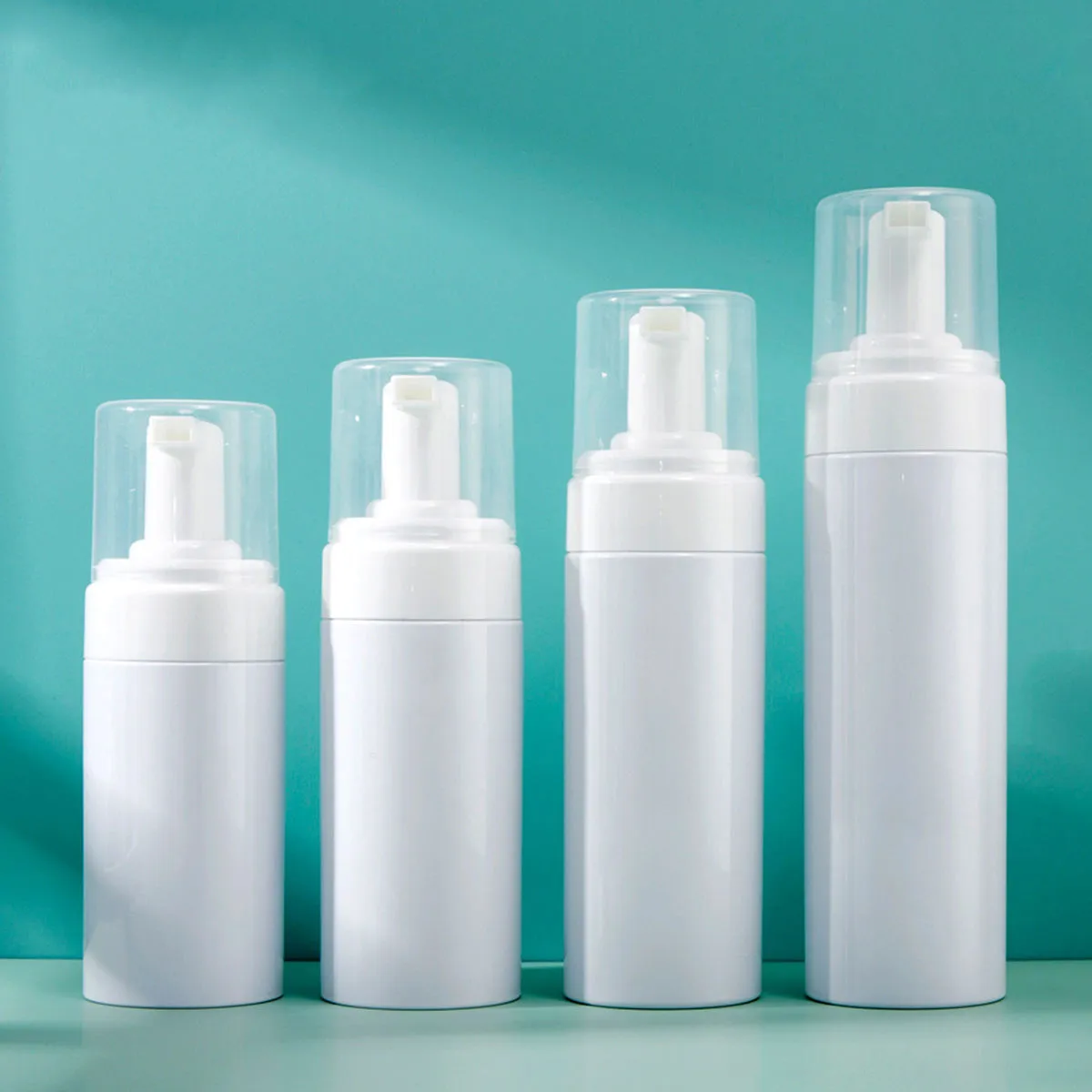
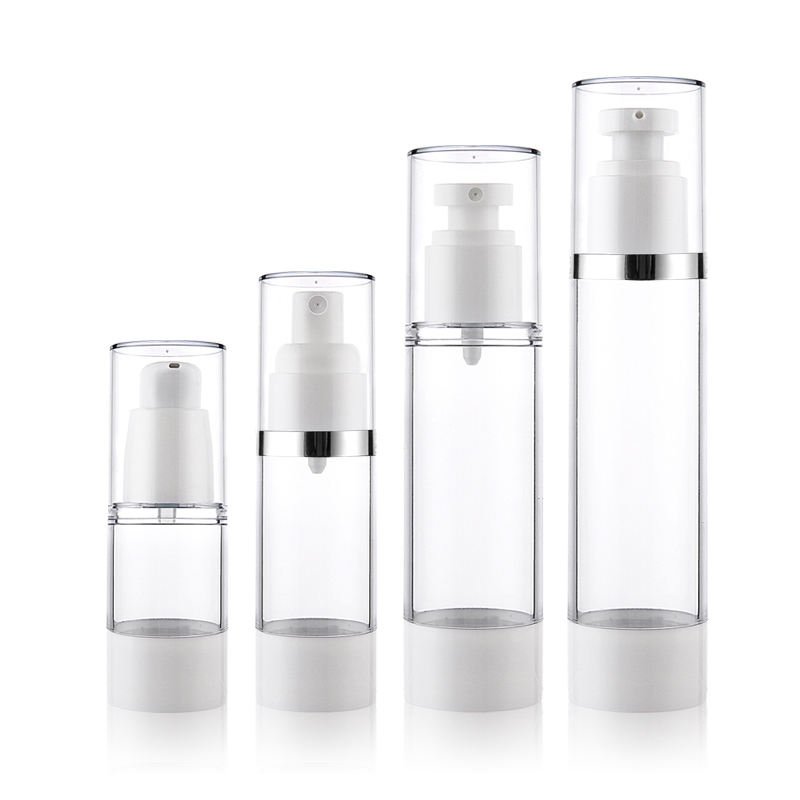
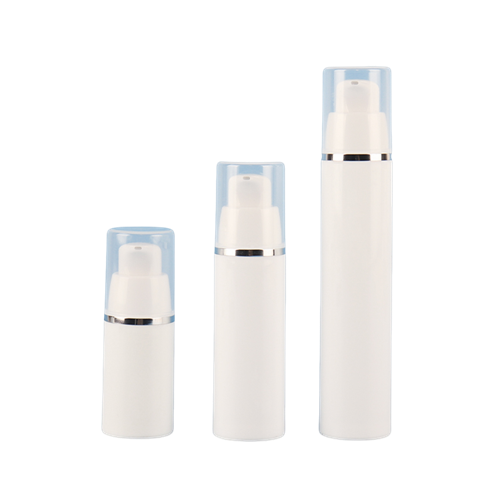
Common foam pump bottle capacities for hand wash
Capacity should be chosen together with pump height, bottle footprint, fill line, wall distribution and intended number of doses.

Nominal capacity is not the fill line

Record nominal, brimful and commercial fill separately. Pump insertion, headspace, formula expansion and filling tolerances affect the usable fill. For large bottles, verify base stability and paneling after hot storage; for small bottles, confirm the pump does not consume too much of the available pack height.

For hotel or professional programs, compare cost per usable dose and refilling labor. For consumer retail, evaluate one-hand use, wet-hand grip, label visibility and how the bottle remains stable as the fill level falls.

Main Bottle and Pump Materials

Material Advantages Limitations and buyer checks
PET High clarity, good shelf appearance, broad shape choice and efficient shipping weight. Formula compatibility, stress cracking, heat, color and PCR appearance require testing.
HDPE / PE Impact resistance, chemical performance for many cleansing formulas and opaque/custom color options. Lower clarity, possible paneling/permeation and decoration adhesion need review.
PP Chemical resistance and common use in pump housings, actuators, closures and selected bottles. Stiffness, shrinkage, appearance and exact product-contact role are model-specific.
PETG Premium clarity and thick-wall visual depth for selected designs. Higher weight/cost, formula resistance and end-market recycling routes vary.
Glass Premium weight, rigidity and barrier for luxury refillable-looking programs. Breakage, pump-neck fit, shipping protection and consumer wet-area safety require attention.
Pump internals PP/PE and engineered polymers, elastomer/gasket, mesh for foam pumps and model-dependent metal parts. Request a component-level product-contact map; never infer the internal structure from appearance.

Bottle Weight in Grams and Wall Thickness

Capacity alone cannot establish one reliable bottle weight or wall thickness. A 300ml PET cylinder, HDPE squeeze bottle, thick-wall PETG pack and glass dispenser have different structures and performance targets. Boyu confirms bottle-only net grams, complete empty-pack weight and local wall measurements from the selected mold drawing and production-intent samples.

Specify the correct weight

Record bottle-only grams with tolerance, then record pump, dip tube, overcap and complete empty-pack weight separately. Carton gross weight is not unit weight.

Use a wall-thickness map

Measure shoulder, body panels, corners, heel and base at named points. Averages can hide thin zones that cause deformation or impact failure.

Connect weight to performance

Lower grams may reduce resin and freight, but can increase paneling, top-load loss, neck distortion, decoration variation or leakage.

Control production variation

Track mold cavity, first-piece dimensions, bottle grams and wall trends; compare to the approved drawing, golden sample and agreed limits.

Pump Head Anatomy and Performance Requirements
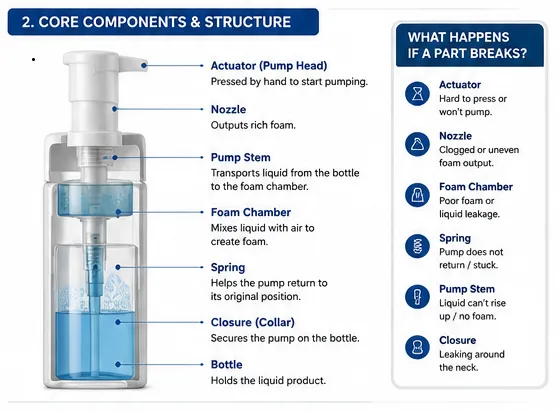
Foam pump components and failure points
Actuator, air chamber, liquid chamber, mixing chamber, mesh, valves, spring, gasket, closure and dip tube each influence foam quality and leakage.

A pump is a small dosing machine

Approve output per stroke, dry prime, re-prime after idle storage, actuation force, return time, cut-off, residual product and cycle endurance. A visually similar pump can contain a different engine, gasket or valve system and therefore perform differently.

Dip-tube material, inside diameter, length, bottom cut and curvature control flow and remaining product. The tube should reach the lowest usable area without sealing against the base. For e-commerce and export, use a lock, clip, overcap or packing restraint that prevents accidental actuation.

Pump quality characteristic Suggested measurement Why it matters
Output per stroke Weigh multiple doses, state formula density, stroke conditioning and acceptance range. Controls consumer dose, usage cost and label claims.
Prime / re-prime Count strokes from dry start and after defined idle periods/orientations. Controls first-use experience and recovery after storage.
Actuation / return Measure force and return time through repeated cycles at relevant temperature. Controls ergonomics, sticking and valve recovery.
Foam quality Define formula, temperature, foam mass/volume, density, bubble appearance and drainage time. Prevents watery foam, large bubbles and inconsistent consumer experience.
Liquid cut-off Observe dripping/stringing and nozzle residue after repeated doses. Reduces mess and closure contamination.
Endurance Run agreed cycles with intermediate output, leakage and return checks. Reveals wear and long-term pump failure.

Factory Production and Manufacturing Process
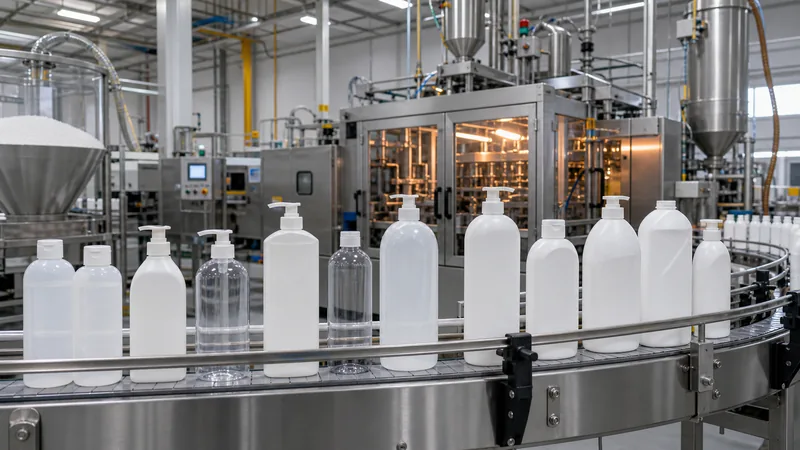
Hand wash bottle factory production and assembly process
The process links technical review, bottle molding, pump assembly, decoration, functional inspection and export packing.
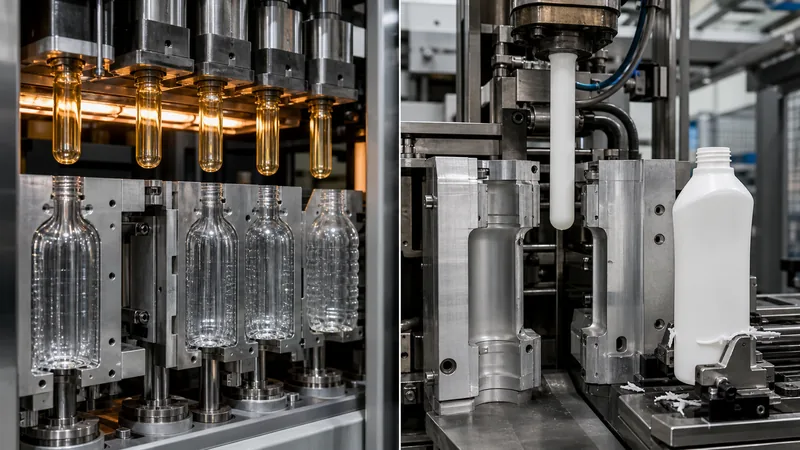
PET and HDPE bottle blow molding production
PET stretch blow molding and HDPE/PE extrusion blow molding require different tooling and wall-control methods.

1 · Project review

Confirm formula, capacity/fill, material, pump type/output, grams/walls, color, logo, packing, quantity, destination and test plan.

2 · Drawing and DFM

Select an existing mold or develop 2D/3D data; review neck, sealing land, filling-line handling, label panel, stability and pack density.

3 · Raw-material release

Verify resin/grade, PCR requirement, masterbatch, pump BOM, gasket, mesh, tube, decoration materials and lot identity.

4 · Bottle molding

Control preform/parison, heat, pressure, cooling, cavity, neck, bottle grams, capacity, wall distribution and appearance.

5 · Pump assembly

Mold and assemble actuator, closure, chamber, valves, spring, gasket, mesh where applicable and dip tube under controlled settings.

6 · Decoration and shipment

Approve first decorated piece, inspect adhesion/function/leakage, protect pump and surface, then release traceable cartons.

Custom Colors, Logos, Pumps and Packaging

Customization area Available directions Approval controls
Bottle color Clear/tinted PET, translucent or opaque molded color, Pantone match, gradient, matte, frosting or coating. Resin vs coating, physical standard, tolerance, light source, formula exposure and rub.
Pump appearance Matched/contrast molded color, matte/gloss actuator, metallic-look collar or aluminum decorative shell. Exact pump code, special-color MOQ, finish sample, wear and compatibility.
Logo / graphics Screen printing, hot stamping, suitable UV/digital printing, label, sleeve and embossed/debossed tooling. Vector artwork, print area, ink/foil, registration, adhesion, legal text and golden sample.
Bottle structure Existing round/square/oval molds or private bottle shape and special neck. 2D/3D, DFM, tool ownership, cavity plan, T1 samples and production qualification.
Secondary pack Individual bag/box, kraft/color box, insert, tray, master carton and pallet. Dieline, count, scuff protection, pump restraint, carton marks and distribution test.

How Leakage Risk Is Reduced

Filled hand wash bottle leakage testing
Leak control must evaluate the assembled bottle, pump, gasket, dip tube, formula, fill, torque and shipping conditions as one system.

“Leak-proof” is a test result, not a component label

Neck leakage can result from a damaged sealing land, thread mismatch, gasket incompatibility, contamination, insufficient engagement or poor capping control. Product at the nozzle can come from accidental actuation, valve behavior, thermal expansion, siphoning or an unsuitable transport orientation.

A risk-based plan can combine upright/inverted/side storage, vacuum or pressure methods where appropriate, temperature cycling, mass-loss observation, drop/vibration challenges and inspection after packed shipment simulation. Conditions, duration, sample size and acceptance rules must be written.

Leak risk Design / process control Verification
Neck and gasket mismatch Approve paired drawings, sealing land, gasket material/compression and exact component codes. Dimensional, fit, torque/retention and filled orientation tests.
Formula attacks components Test bottle, gasket, tube, valves, mesh and decoration with production-intent formula. Aged compatibility for swelling, cracking, discoloration, mass and function.
Wrong pump application Define assembly method, torque or snap engagement and in-process checks. Removal/retention measurements plus filled leakage sampling.
Accidental actuation Use lock, clip, overcap, insert or carton restraint matched to channel. Packed vibration/drop and post-test activation inspection.
Fill and temperature pressure Control commercial fill, headspace, storage temperature and distribution route. Filled temperature/orientation sequence and post-test dispensing.

Quality Control From Incoming Materials to Shipment
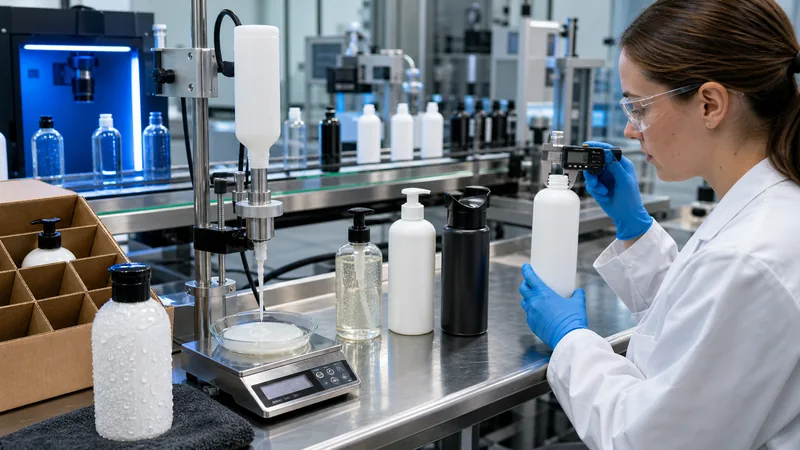
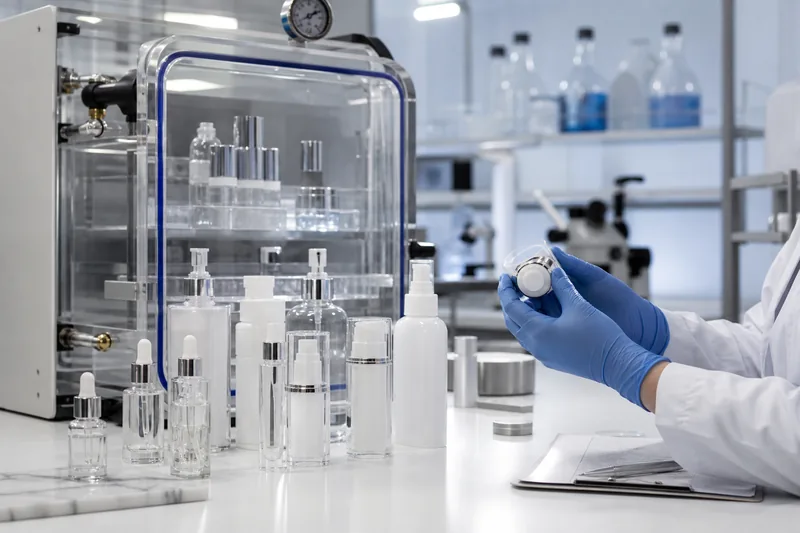
Hand wash bottle quality control inspection
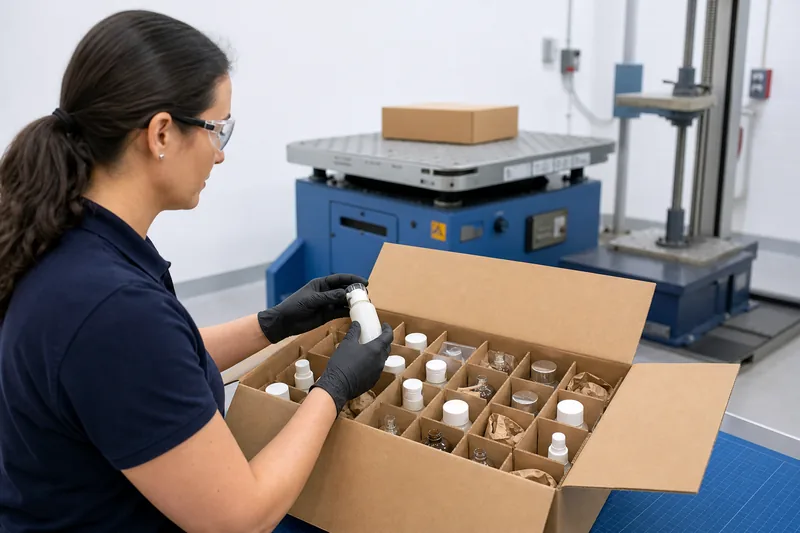
Dimensions, bottle appearance, pump fit, dispensing performance and decoration are checked against the approved drawing and golden sample.
Finished bottle packing and shipment inspection
Final QC verifies quantity, pump protection, decorated-surface protection, cartons, markings and release records.
Quality gate Typical checks Release evidence
Incoming material Resin/grade, PCR documents, masterbatch, pump parts, gasket, mesh, dip tube, ink/coating and carton. Approved source, lot identity and incoming conformity.
Bottle first piece Weight, capacity, dimensions, neck, wall map, base, appearance, squeeze/top-load and cavity. Signed setup sample and recorded machine/mold conditions.
Pump assembly Component presence/orientation, output, prime, force, return, cut-off, gasket, lock and tube. Functional sample result against the exact pump code.
Decoration Color, position, registration, adhesion, rub, coating and foil appearance. First decorated sample and signed limit samples.
Filled validation Leakage, compatibility, foam or liquid dose, restart, residual product and temperature behavior. Written method, sample size and pass/fail record.
Final / packing AQL where agreed, critical-defect rules, cleanliness, count, protection, cartons, pallet and retained samples. Inspection report, traceability and shipment release.

Sampling, Production and Delivery Schedule

1 · RFQ and specification

Confirm formula, capacity, pump, material, color/logo, quantity per SKU, quality plan, packing, destination and required date.

2 · Existing samples

Review available bottle/pump combinations for appearance, dimensions, neck fit, hand feel and preliminary dispensing.

3 · Custom samples

Customized color or artwork samples commonly require about 7–15 days after specifications, standards, files and charges are confirmed.

4 · Formula validation

Compatibility and filled-function timing follows the buyer’s test protocol and should be completed before final package release.

5 · Mass production

A typical custom reference is about 30–45 days after golden-sample/specification approval and deposit; special pumps or tooling add time.

6 · Inspection and freight

Reserve time for final or third-party inspection, corrective sorting, export packing, booking and route-specific transit.

What Professional Hand Wash Bottle Buyers Should Ask

Buyer question A strong supplier response should include
Which pump matches our formula? Viscosity/rheology review, target dose, product-contact map and filled tests for prime, output, force, cut-off and recovery.
Will our formula make stable foam? Formula-led foam density, bubble structure, drainage, re-prime, mesh blockage and temperature data—not water-only demonstration.
What are the exact grams and walls? Selected-model drawing, bottle-only net grams/tolerance, named wall points, cavity traceability and sample readings.
How is leakage controlled? Matched neck/gasket, application control, formula compatibility, filled orientation/temperature and packed transport tests.
Can one MOQ cover several colors? Written MOQ for each capacity, bottle color, pump color and artwork, including any allowed common-run split.
Can the pump be reused or refilled? Defined cleaning/hygiene position, cycle life, seal durability, compatibility and consumer instructions; no unsupported blanket claim.
How is repeat-order color controlled? Physical standard, resin/coating route, tolerance method, limit samples, lot records and change notification.
What happens if a shipment has defects? Lot/cavity traceability, retained samples, evidence requirements, root-cause/corrective action and agreed remedy terms.

MOQ, Price and Total Landed Cost

MOQ by configuration

Standard custom MOQ is 10,000 pieces per design. Ask whether bottle or pump colors and multiple artworks can share a common run.

What changes price

Bottle resin and grams, glass weight, pump engine, mesh, gasket, custom color, decoration passes, tooling, pack-out and quantity.

Compare equivalent quotations

Match capacity, material, grams/walls, exact pump/output, decoration, quality standard, carton, Incoterm and destination.

Control landed cost

Compare pieces per carton/pallet/container, pump protection, breakage/scuff risk, inspection, duty and expected reject/rework—not unit price alone.

Hand Wash Bottle Questions & Answers

What is the difference between a foam pump and a liquid-soap pump?

A foam pump combines a compatible liquid with air and refines it through mesh. A liquid or lotion pump meters the formula directly without intentionally creating foam.

Can regular thick hand soap be used in a foam pump?

Usually not without formulation work. Do not casually dilute a preserved finished product; ask the formulator for a foam-compatible version and validate it in the selected pump.

What capacities are available?

Common hand-wash programs use 150ml, 200ml, 250ml, 300ml, 400ml and 500ml, with smaller travel and larger professional formats available by mold.

What is the MOQ?

A practical standard reference is 10,000 pieces per design or configuration. Different capacities, colors, pumps and artworks may have separate minimums.

Which bottle material is best?

PET supports clarity, HDPE/PE supports durability and many opaque formulas, PP is common in pumps, PETG supports selected premium designs and glass adds weight and luxury. Test the actual formula.

What is the bottle weight in grams?

It is model-specific. Request bottle-only net grams and tolerance plus complete empty-pack weight. Do not use carton gross weight as unit weight.

What is the wall thickness?

Use the selected drawing and named measurement points. Capacity alone does not establish one reliable thickness, and local minimums matter more than a vague average.

How do you prevent leakage?

Match the bottle neck, pump and gasket; control application; validate formula compatibility, fill/headspace and closure protection; then test filled packs under defined storage and transport conditions.

How is foam quality tested?

Define formula and temperature, then measure or compare foam mass/volume, density, bubble appearance, drainage, output, prime, return and restart after storage.

Can the bottle and pump colors be customized?

Yes, subject to material, finish and MOQ. Approve a physical color standard, tolerance, light source and signed sample.

Which logo methods are available?

Screen printing, hot stamping, suitable UV/digital printing, labels, sleeves and molded branding are available depending on shape, material and durability needs.

Is a new mold required?

Usually not when an existing bottle and pump meet the brief. Private shape, embossing, special neck or structural change requires tooling and qualification.

How long do customized samples take?

Customized appearance samples commonly require about 7–15 days after specifications, artwork, color standards and sample charges are confirmed.

How long does production take?

A typical custom reference is about 30–45 days after approved golden sample/specification and deposit. Components, decoration, volume and holidays can change it.

Can you supply bottles and pumps separately?

Yes, but the buyer should confirm assembly equipment, application torque or snap, tube length and filled-package validation. Buying a qualified set reduces mismatch risk.

What should we send for a quotation?

Send formula/application, capacity and fill, quantity per SKU, material, foam or liquid pump, output, colors/logo, grams/walls if critical, packing, destination, Incoterm and launch date.

Request a Hand Wash Bottle Quotation

Send the final or representative formula, target capacity and fill, foam or liquid dispensing preference, output per stroke, quantity per design, bottle material/shape, color/logo, pump protection, packing, destination and required date. Boyu can compare existing platforms first and define the samples and tests needed before production.

Commercial brief

Capacity • quantity per SKU • forecast • colors/artworks • packing • destination • Incoterm • required date

Technical brief

Formula • viscosity/temperature • pump type/output • product-contact materials • neck/gasket • grams/walls • leakage/compatibility plan

Request a quotation →View foam pump bottlesView lotion pump bottles