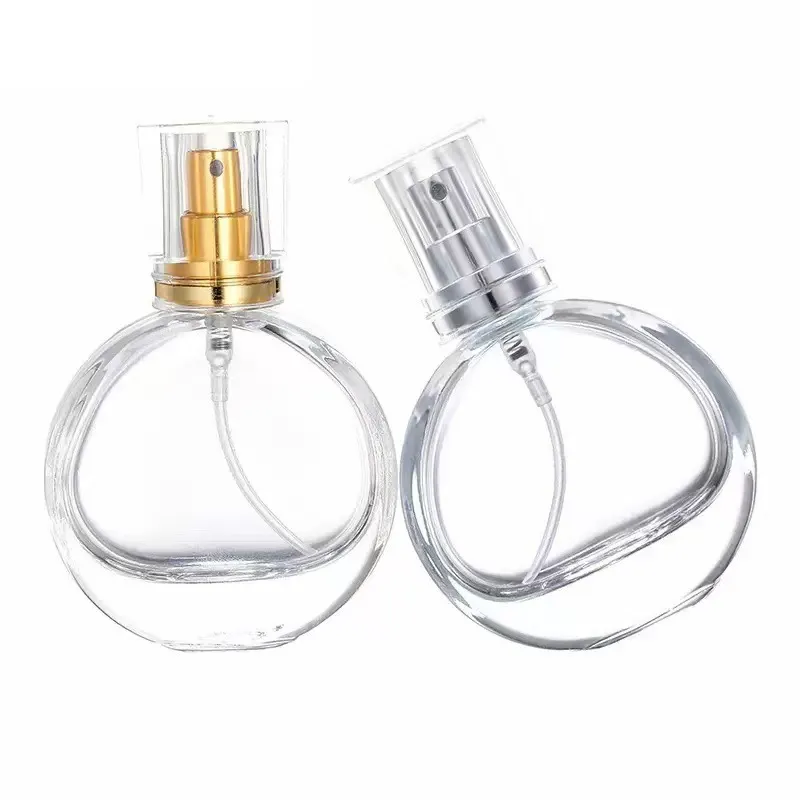
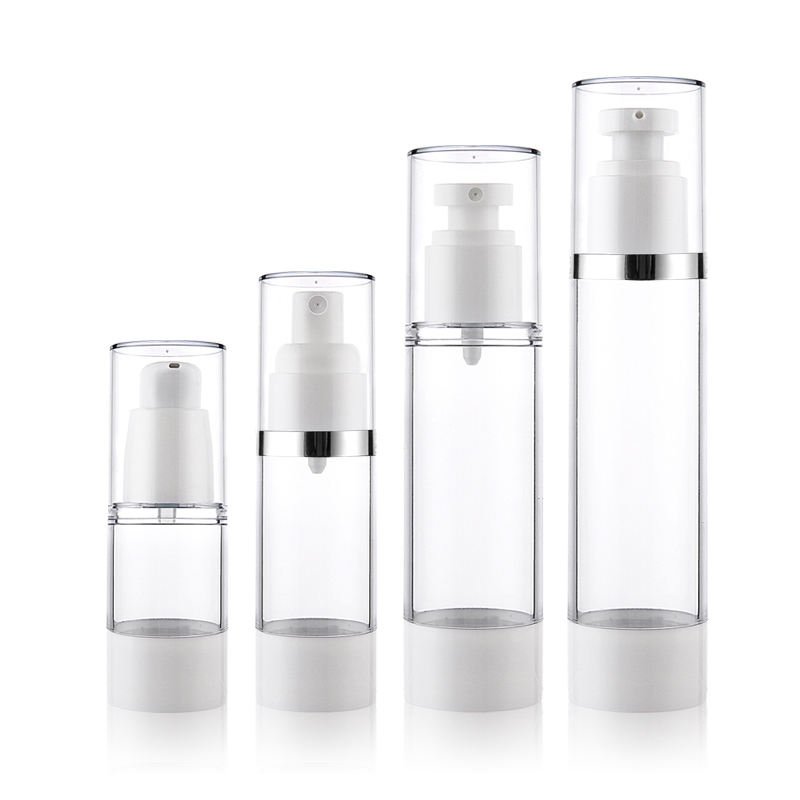
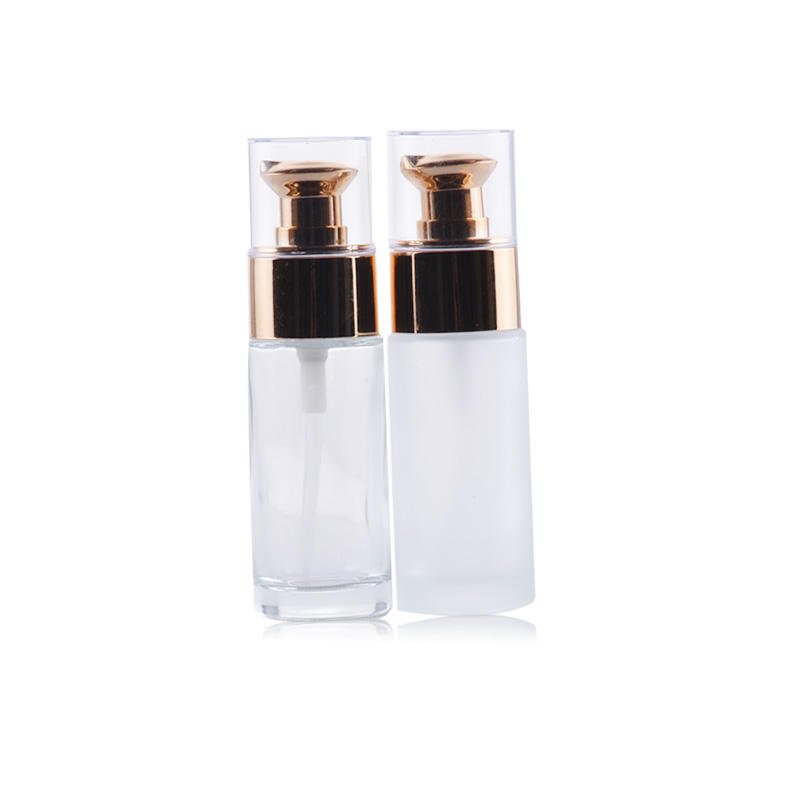
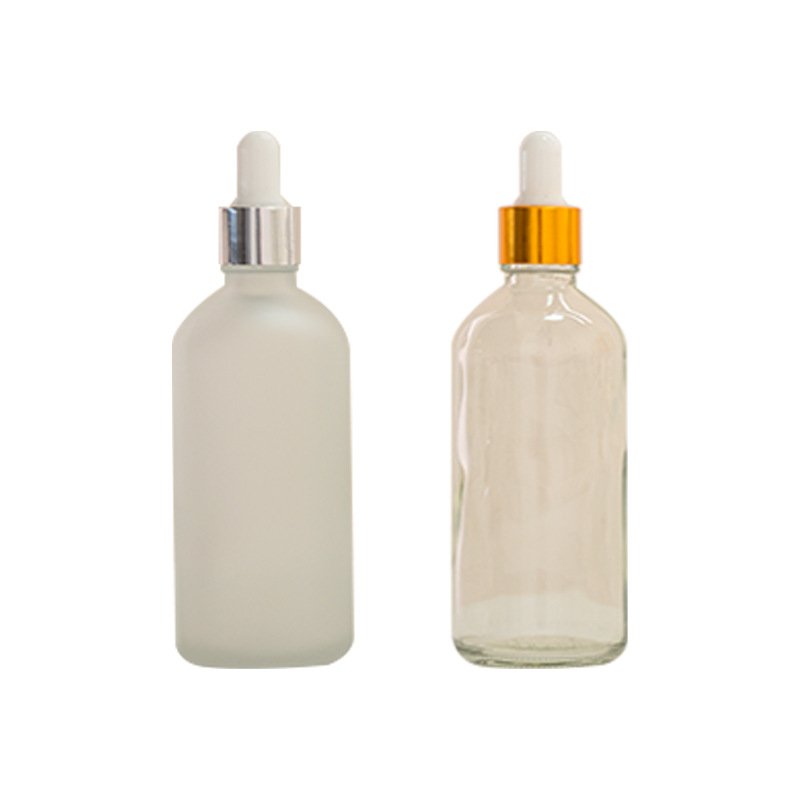
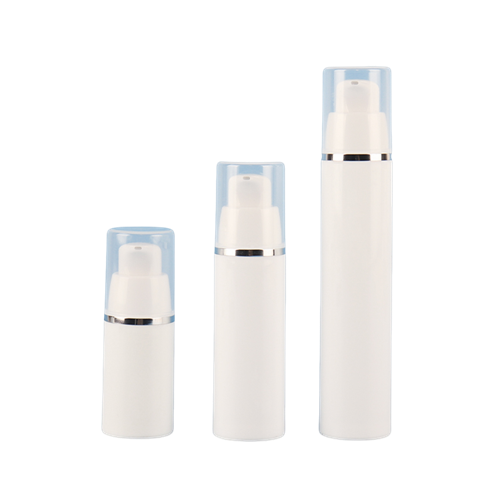
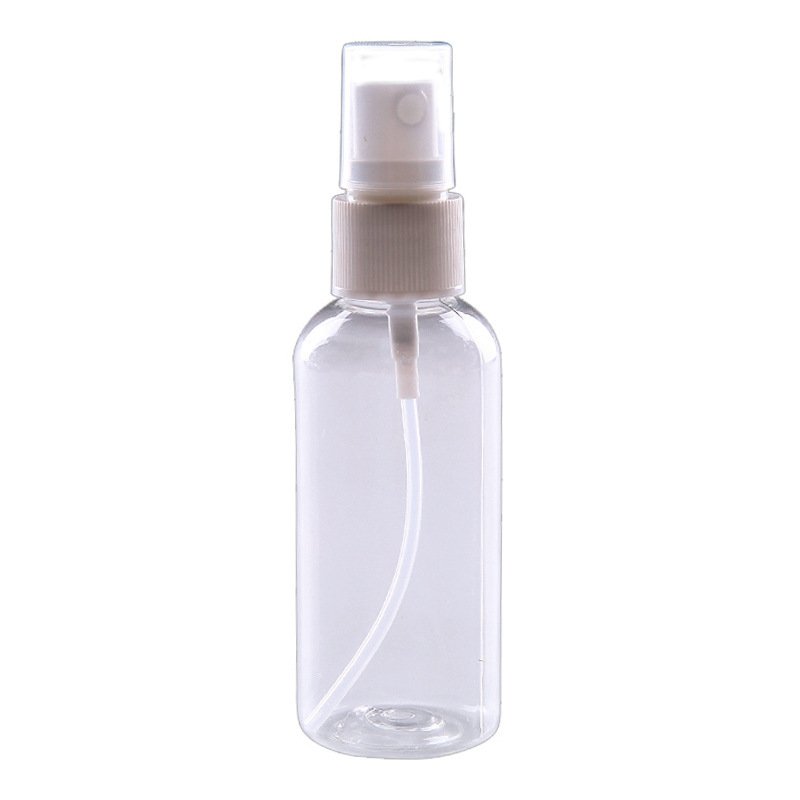
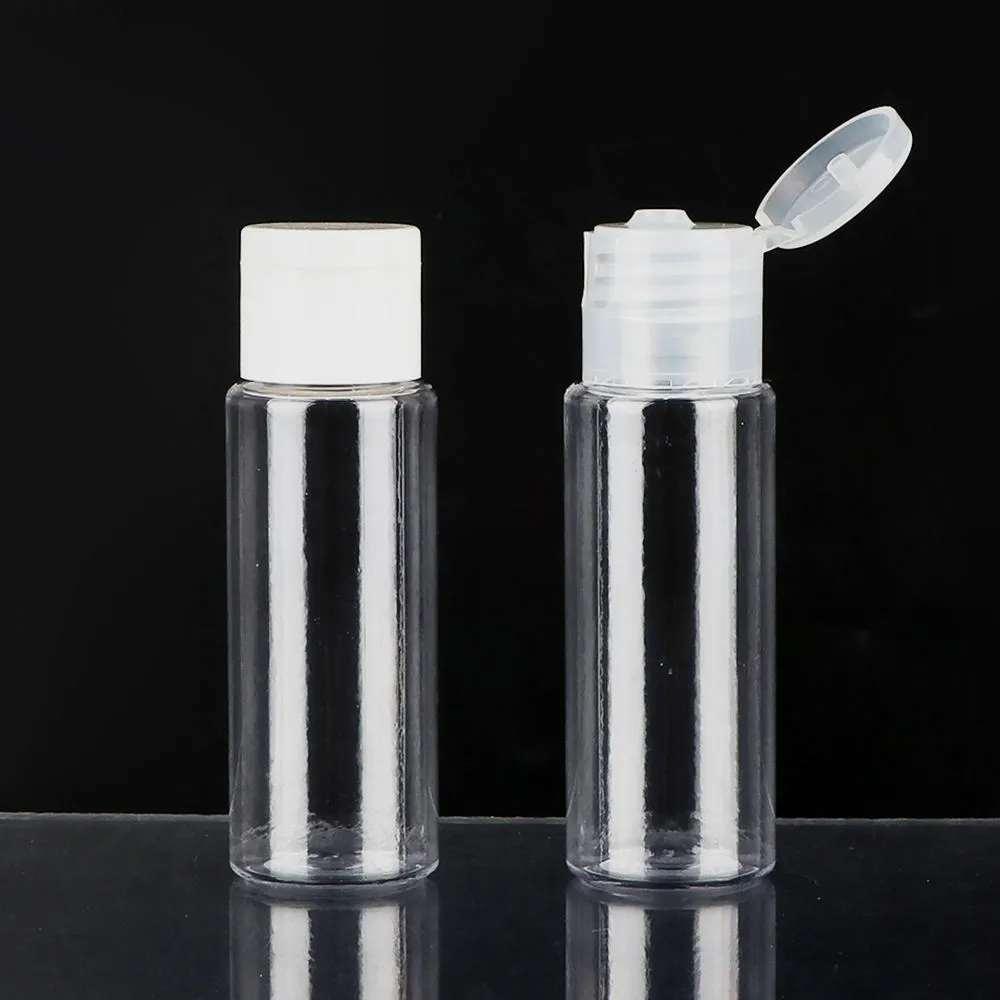
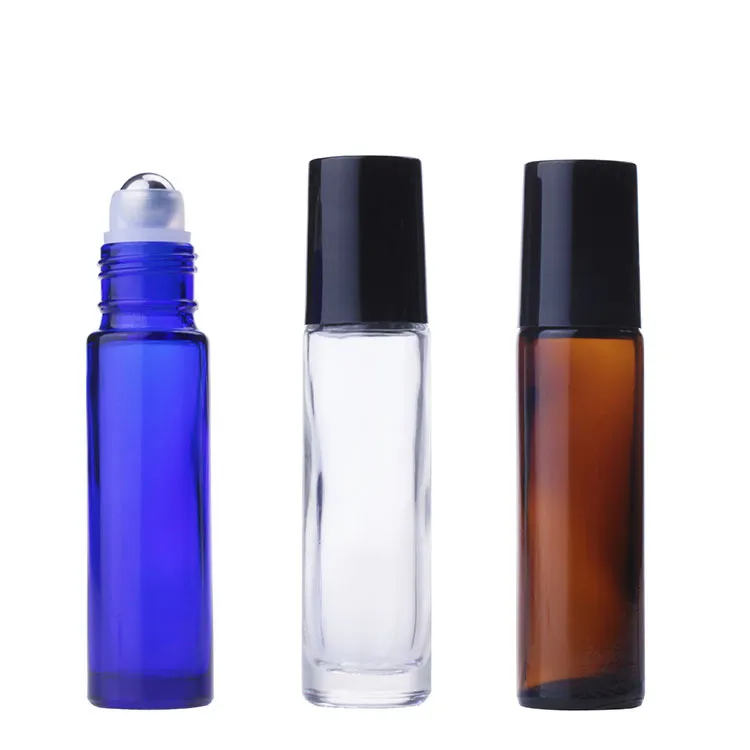
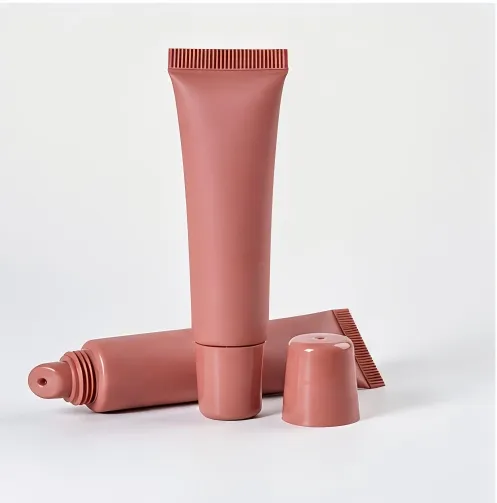
Direct answer: at factory-scale quantities, a standard empty plastic lotion bottle with a basic pump is a useful 2026 budgeting range of about US$0.25–$1.20 per set ex works. A compact airless or heavy double-wall package is more often US$0.60–$2.50+, while a glass bottle with a compatible pump commonly needs US$0.80–$3.00+. Custom molds, multi-pass decoration, protective packing, inspection, freight, duty and filling are additional unless the quote says otherwise.
Those are planning bands—not a Boyu Packaging quotation. The defensible price comes from a written specification: material and grade, bottle weight and wall distribution, capacity and diameter, neck finish, pump engine and output, decoration, quantity per SKU, quality plan and Incoterm. The pump can cost more than the bottle body.
Scope: this guide costs the empty primary package, not the lotion formula, filling operation or retail carton. It is written for personal-care brands, packaging engineers, contract fillers and import buyers. Prices and standards were reviewed 13 September 2026.
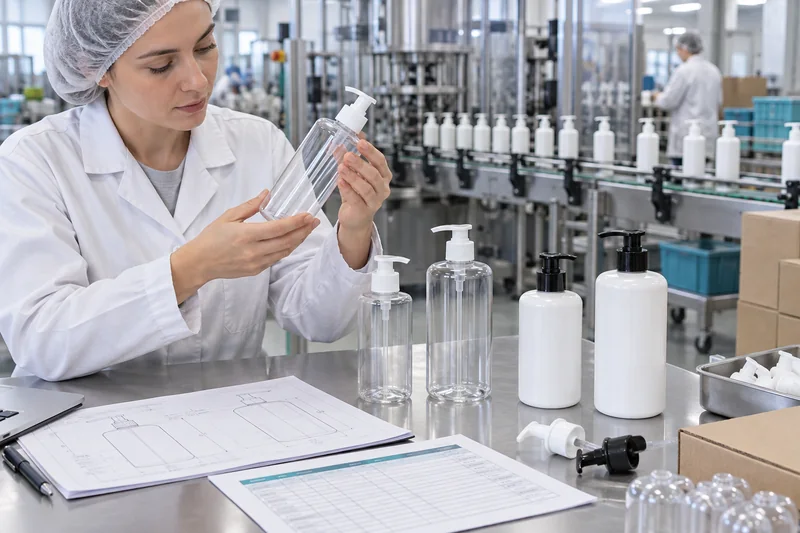
How Much Does a Lotion Bottle Cost?
The fastest responsible answer is a range tied to a configuration. The table below is an editorial budgeting screen for efficient custom-packaging runs of roughly 10,000–100,000 units per specification. It synthesizes transparent cost logic and current public market listings; it is not a live offer, guaranteed benchmark or instruction to force an unmatched supplier price.
| Package configuration | Planning range per set | Main reasons for spread |
|---|---|---|
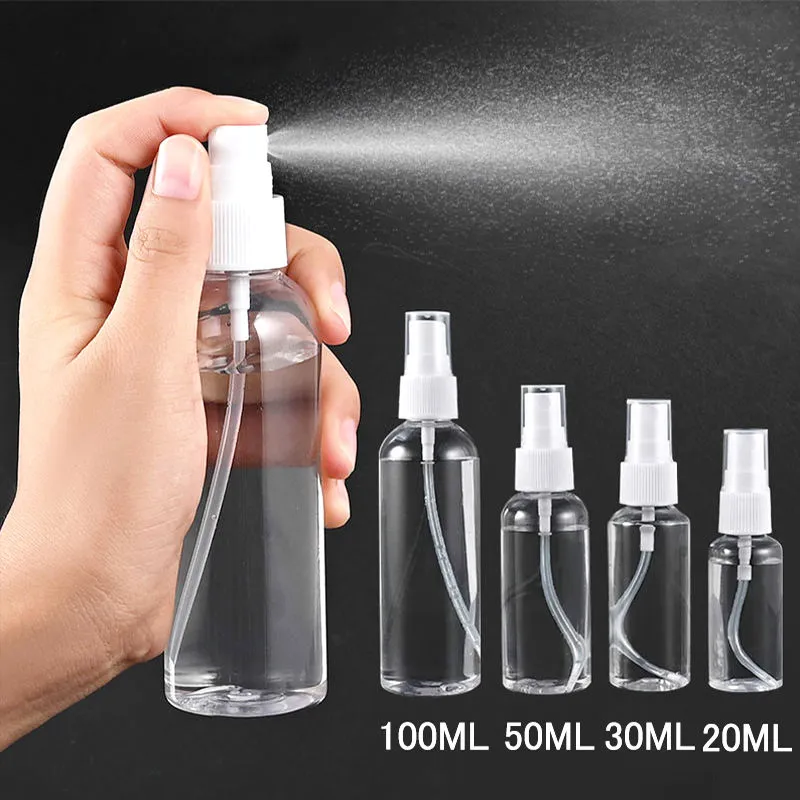
| 30–100 mL PET or HDPE + treatment/low-output pump | US$0.25–$0.90 | Pump precision, small neck, overcap, decoration and low bottle-to-pump cost ratio |
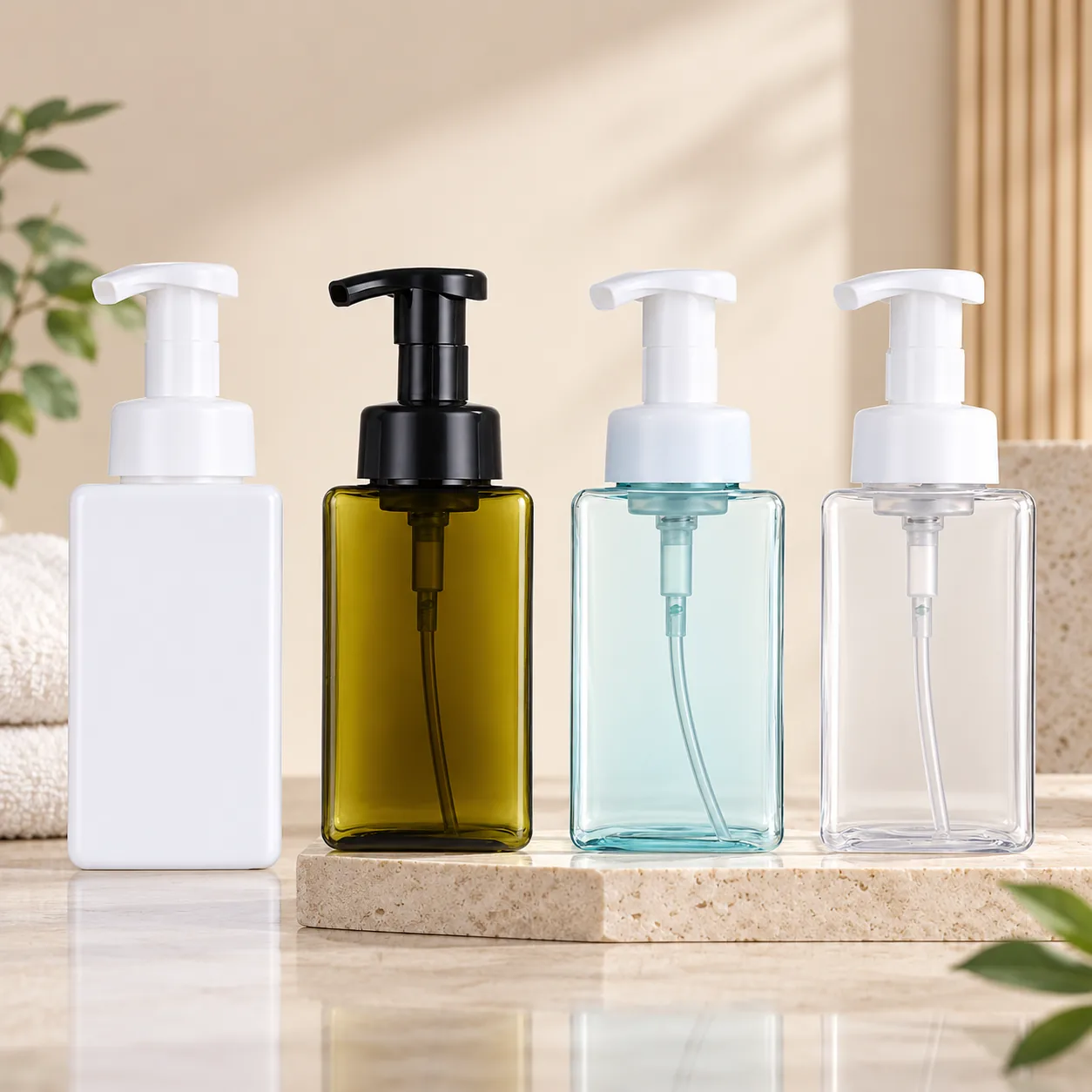
| 200–300 mL PET or HDPE + standard lotion pump | US$0.30–$1.00 | Bottle gram weight, 24/410 versus 28/410 pump, lock, output, color and print |
| 400–500 mL PET or HDPE + standard lotion pump | US$0.40–$1.20 | More resin, longer dip tube, larger diameter, higher drop load and bulkier cartons |
| 30–100 mL PP/AS airless package | US$0.60–$1.80+ | Piston, engine, overcap, several molded parts, assembly and evacuation requirements |
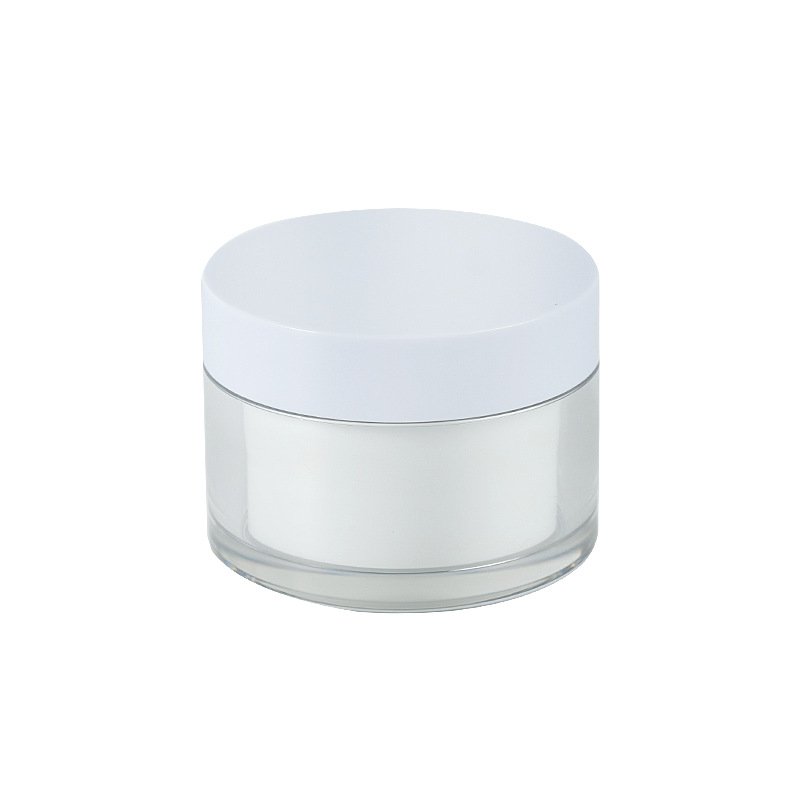
| 50–200 mL thick-wall PETG/acrylic-style or double-wall package | US$0.80–$2.50+ | High mass, multi-part assembly, slower cycle, coating, metallization and protective packing |
| 100–250 mL glass bottle + compatible lotion pump | US$0.80–$3.00+ | Glass weight, color, finish quality, pump fit, breakage control, dividers and freight |
Public distributor prices show why commercial scope matters. On the research date, Berlin Packaging listed a 236 mL white HDPE bottle with a 2 mL 24/410 pump at US$0.87 each at 5,184+. SKS listed an 8 oz clear PET bottle with pump at US$1.25 in a 24-pack, an 8 oz white HDPE version at US$1.32 in a 12-pack, a 50 mL PP airless set at US$1.63 in a 24-pack, and 8 oz glass-and-pump packages around US$2.69–$4.28 in 12-packs. These are stocked U.S. distributor prices, not Chinese factory manufacturing costs; they include inventory, small-lot handling and distributor margin, and they can change.
First Decide What “Cost” Means
| Cost level | Normally includes | Often omitted |
|---|---|---|
| Internal manufacturing cost | Material, conversion, direct labor, utilities, normal scrap and allocated factory overhead | Selling expense, financing, warranty risk and profit |
| Ex-works quoted price | The specified bottle or set, factory packing and supplier margin | Pickup, export, international freight, duty and destination delivery |
| FOB/CIF or delivered price | The responsibilities named by the agreed Incoterm and location | Taxes, brokerage or inland costs not assigned by that term |
| Landed usable cost | Purchase, inspection, logistics, duty/tax treatment, filling loss and expected rejects divided by saleable packs | Inventory carrying cost, obsolescence, complaints and replacement freight unless modeled |
If the buyer means a filled bottle of lotion, add bulk formula, compounding, microbiological release, filling, coding, label application, secondary packaging, contract-filler setup and finished-goods testing. None can be calculated from bottle capacity alone.
How Material and Capacity Change the Cost
Material changes both the physical package and its production route. PET is commonly injection stretch-blow molded from a preform; HDPE and some PP bottles are commonly extrusion blow molded; pumps and airless components require several injection-molded parts and assembly; glass needs furnace melting, forming, annealing and cold-end inspection. Comparing resin price alone misses most of the system.
| Material/system | Cost behavior | Best fit | Watch-outs |
|---|---|---|---|
| PET | Usually economical at scale; clarity and stiffness can be achieved at relatively low mass | Visible lotions, body care, salon products | Preform choice, stress cracking, hot fill limits, light exposure and formula compatibility |
| HDPE | Efficient for opaque/squeezable forms; flash trimming and wall programming affect yield | Body lotion, shampoo, conditioner and robust family-size packs | Paneling, permeation, environmental stress cracking and decoration adhesion |
| PP airless | Higher component and assembly count than a simple bottle and dip-tube pump | Facial lotion, active skincare and controlled-dose products | Piston friction, priming, actuator force, evacuation and multi-part tolerances |
| PETG / acrylic-style double wall | High mass, slower molding and decorative assembly raise cost | Prestige appearance and thick-wall visual effects | Resin identification, compatibility, scratch resistance, separability and freight cube |
| Glass | Body price may be competitive in a standard mold, but protective packing and freight are materially higher | Premium lotions where mass and surface finish support the brand | Breakage, thermal shock, cosmetic defects, pump/neck fit and consumer-use risk |
Capacity increases cost—but not in a straight line
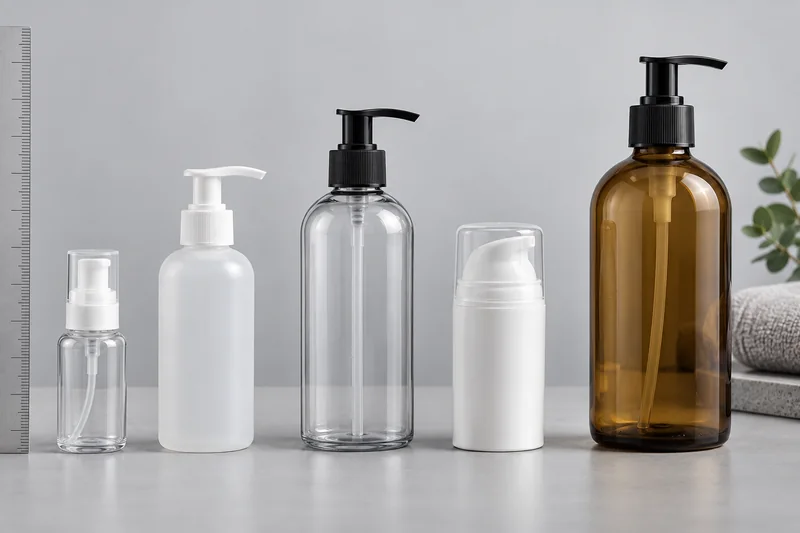
A 500 mL bottle normally uses more material than a 100 mL bottle, but it is not automatically five times the price. Both may use one pump, one label, one inspection cycle and one carton cell. At small sizes, the pump and decoration dominate; at large sizes, bottle weight, top-load strength, drop performance and freight volume grow more important.
Diameter, Gram Weight and Wall Thickness
For plastics, gram weight is the most auditable material input. “Wall thickness” is not one number on a blown bottle: shoulders, corners, label panels and the base can receive different material. A supplier should control total weight and minimum thickness or distribution at critical zones—not promise an average that hides a thin shoulder.
Direct material formula
Resin cost per good bottle = (net bottle weight in g ÷ 1,000 × delivered resin price per kg + color/additives) ÷ expected good-unit yield
Illustration only: a 30 g PET bottle at an assumed US$1.25/kg resin rate and 97.5% good-unit yield carries about US$0.0385 of base resin per good bottle. Raising the design to 36 g adds about US$0.0077 before color, molding, inspection, margin or freight. Across one million bottles that six-gram decision adds roughly 6,000 kg of resin and US$7,700 under those assumptions.
What a wider diameter changes
- Material distribution: a broad shoulder or sharp rectangular corner can require more mass or more careful preform/parison programming to survive drop and top-load tests.
- Tool and line fit: large diameter can reduce cavities per mold, constrain conveyor guides and change filling-line change parts.
- Carton density: diameter often drives how many bottles fit per case and pallet. A short wide bottle can cost less to make but more to ship per unit.
- Pump usability: an oversized collar may look balanced on a wide bottle, but a 28/410 engine and decorative shroud normally cost more than a simple 24/410 pump.
Do not lightweight by removing grams evenly. Use drop, top-load, vacuum/paneling, cap torque and distribution evidence to remove material from low-risk areas while protecting the shoulder, base, pinch-off or load path. Boyu’s separate PET bottle production-cost guide develops the bottle-body economics in more detail.
Why the Pump Often Costs More Than the Bottle
A lotion pump is an assembled mechanism, not a cap with a hole. It can contain an actuator, closure, engine housing, piston, stem, spring, ball or valve, gasket and cut dip tube. Each material, tolerance, assembly operation and cosmetic finish adds cost and a possible failure mode.
| Pump choice | Cost effect | What to approve |
|---|---|---|
| Basic ribbed 24/410 pump | Lowest normal cost for many 100–300 mL products | Actual finish drawing, gasket, dip tube, lock and output |
| 28/410 high-output pump | Larger parts and dose may raise component and formula-per-use cost | Dose, actuation force, prime, rebound and neck alignment |
| Metal-free fluid path / e-commerce lock | Can carry a premium for architecture and qualification | Formula-contact BOM, transit lock, leakage and consumer unlocking |
| Metal shell, plated collar or custom actuator | Decoration, secondary assembly and rejects increase | Finish durability, corrosion, color and recyclability claims |
| Airless system | More molded parts and tighter system interaction | Prime, output, force, leakage, piston travel, evacuation and compatibility |
Official pump catalogs demonstrate that output is model-specific: Aptar lists a 190 microliter high-viscosity treatment pump, while its Future platform offers 1.5 cc and 2 cc lotion-pump options. Those numbers are hardware examples, not universal category rules. Choose dose from intended use, then verify it gravimetrically with the filled production-intent pack using Boyu’s pump-output selection method.
Neck size is not shorthand for compatibility. A pump labeled 24/410 must still match the bottle’s thread profile, sealing land, finish height, gasket compression and dip-tube requirement. Cutting the tube is a real labor and quality step; the dip-tube length guide explains how to specify it.
A Transparent Boyu-Style Factory Cost Example
Boyu publicly offers PET, HDPE, PP/airless and glass lotion packaging. Its lotion-bottle page states that plastic projects start from 5,000 pieces and glass from 10,000, while individual customized products commonly state 10,000 pieces per design. Boyu does not publish its resin contracts, line rates, labor, yield, pump purchase cost, overhead or margin. The following 250 mL PET-and-pump calculation therefore demonstrates how a Boyu RFQ can be analyzed; it is not Boyu’s internal cost or a quotation.
| Cost input | Assumption | Pre-margin cost per good set |
|---|---|---|
| PET body material | 30 g × US$1.25/kg, within a 97.5% combined good-unit yield calculation below | Included below |
| Preform/blow conversion | Assumed US$0.026 | Included below |
| Variable bottle QC/packing | Assumed US$0.008 | Included below |
| Saleable bottle body | (0.030 × 1.25 + 0.026 + 0.008) ÷ 0.975 | US$0.0733 |
| Standard pump | Illustrative purchased 24/410 pump, US$0.160 | US$0.1600 |
| Dip-tube cut and set assembly | Illustrative labor/handling | US$0.0120 |
| One-color screen print | Illustrative unit conversion, excluding lot setup | US$0.0450 |
| Export carton/partition allocation | Illustrative protective pack-out | US$0.0280 |
Before lot-fixed charges, the illustrative package subtotal is US$0.3183. Now assume US$900 for color/print setup, sample administration, line release and first-off approval. Only the quantity changes:
| Release quantity | US$900 fixed cost per set | Illustrative pre-margin package cost |
|---|---|---|
| 5,000 | US$0.1800 | US$0.4983 |
| 10,000 | US$0.0900 | US$0.4083 |
| 50,000 | US$0.0180 | US$0.3363 |
| 100,000 | US$0.0090 | US$0.3273 |
Supplier selling expense, financing, commercial risk, profit, tooling, compatibility studies, freight, duty and filling are still excluded. Replace every assumption with the current Boyu quotation, approved drawing and BOM before using the model commercially. For a unique bottle, add tooling and engineering ÷ realistically committed units; Boyu’s custom cosmetic bottle mold guide explains why a blow mold, injection tool and glass mold set should not be compared as one item.
Does Making More Always Lower the Unit Cost?
Usually at first, but not indefinitely. More units spread setup, artwork screens, color matching, qualification and tooling over a larger denominator. Longer stable runs can also reduce changeover loss and labor per unit. Once those fixed costs become small, resin, pump components, decoration consumption, cartons and freight create a cost floor.
The price curve is stepwise, not smooth
Bottle, pump, color masterbatch, print and cartons may each have a different minimum efficient batch. A 20,000-unit order can miss a 25,000-unit pump break; two colors of 10,000 each may require two purges and two first-off approvals. Ask for a price ladder at 5,000, 10,000, 25,000, 50,000 and 100,000 units per exact SKU, then ask what physically changes at each break.
A lower purchase price can create a higher business cost
- cash is tied up before the packaging earns revenue;
- storage, insurance and damage exposure increase;
- artwork, regulation or formula changes can obsolete stock;
- pumps and decorated parts can age or collect dust if storage is uncontrolled;
- large single lots may drift in color or function if controls are weak.
Optimize annual cost and service risk, not the lowest line-item price. A framework order with qualified scheduled releases may balance scale and inventory, but the supplier must price warehousing, ownership, shelf-life and cancellation risk explicitly.
How Lotion Bottles Are Produced—and Who Controls the Cost
- Commercial and technical brief: sales and a packaging engineer define formula, capacity, annual demand, neck, pump, decoration, market, filling line and delivery term.
- Design and DFM: product/tooling engineers confirm geometry, label area, parting lines, base stability, preform or parison strategy, mold cavities and dimensional tolerances.
- Material preparation: approved resin, PCR where specified, color masterbatch and additives are identified, dried or blended as the resin/process requires, and released by incoming inspection.
- Bottle molding: PET preforms are reheated, stretched and blown; HDPE/PP parisons are extruded, clamped, blown and trimmed; glass is melted, formed, annealed, surface-treated where applicable and inspected.
- Pump molding and assembly: injection-molded components, spring/valves, gasket and dip tube are assembled. This may occur at a specialist pump supplier rather than the bottle plant.
- Decoration: color, coating, screen print, hot stamp, label or metallized parts are applied after surface preparation and approved first-off registration.
- Inspection and packing: critical dimensions, appearance, pump function and pack integrity are checked; bottles and pumps are bagged or separated to prevent dust, scratches and actuator damage.
Production personnel are more than line operators
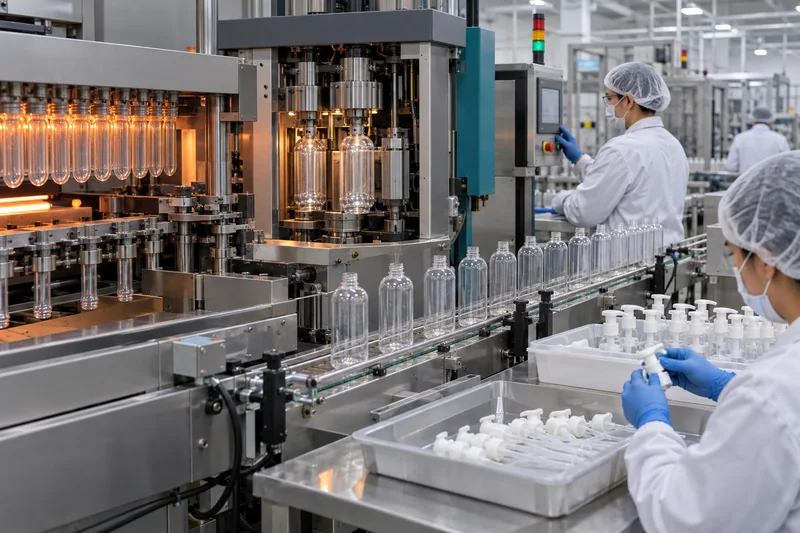
Labor cost includes the people who prevent defects as well as the people who touch parts. A capable project may involve a packaging or product engineer, mold technician, material-preparation operator, blow-molding technician, pump-assembly team, decoration operator, in-process inspector, laboratory/quality engineer, maintenance technician, packer, warehouse staff and documentation/export coordinator.
Exact headcount is line- and factory-specific, so “number of workers per 10,000 bottles” is not a transferable benchmark. Automation can reduce direct handling but adds depreciation, maintenance, change-part and technical-support cost. Compare output per good unit and process capability, not wages alone.
Quality Control: Calculate Cost per Usable Filled Pack
A cheap empty package is expensive if it leaks after filling, delivers the wrong dose, cracks in distribution or rejects decoration. The useful equation is:
Landed usable cost = (pack purchase + inspection + logistics + filling/assembly loss + rework + expected complaint/replacement cost) ÷ saleable filled units
| Control point | Evidence to request | Cost it protects |
|---|---|---|
| Material and color | Approved resin/BOM, supplier change control, color standard and lot traceability | Compatibility, appearance and regulatory documentation |
| Bottle structure | Weight range, brimful capacity, finish dimensions, critical wall distribution, top load and drop result | Line fit, breakage, paneling and transit damage |
| Pump performance | Prime strokes, output mean/variation, actuation force, recovery, lock, drip/stringing and evacuation | Dose accuracy, complaints and residual product |
| Filled-pack integrity | Leak tests in relevant orientations, closure torque/retention and transport simulation | Warehouse contamination, e-commerce failure and returns |
| Formula compatibility | Time/temperature protocol with actual formula; changes in odor, color, mass, viscosity, package, seals and function | Shelf-life, safety and market withdrawal risk |
| Decoration and packing | Registration/color limits, adhesion/rub test, scratch protection, carton count and pallet pattern | Rejects, shelf appearance and freight damage |
ASTM’s mechanical-dispenser committee lists practices for output per stroke (D4336), priming (D3890), component and dip-tube retention, compatibility and peak force to actuate. These are test methods, not universal pass limits; the brand and supplier must agree project-specific acceptance criteria. Use Boyu’s cosmetic bottle test guide to build the full plan and its packaging-compatibility protocol for the actual lotion.
Why One Factory Quotes High and Another Quotes Low
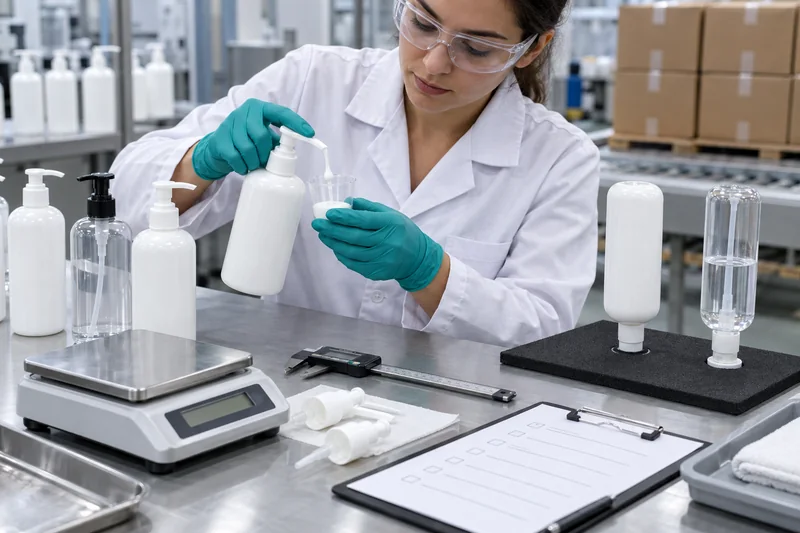
Price differences are meaningful only after normalization. A higher quote may include a heavier bottle, a proven pump engine, tighter cosmetic limits, more protective packing, finished-set assembly, compatibility support, lower overrun tolerance or longer payment. A low quote may be equally valid because the supplier owns an efficient stock mold, runs a standard color and combines demand across customers.
Red flags are not simply “high” or “low”; they are missing definitions:
- no bottle weight range or technical drawing;
- pump described only as “lotion pump,” without finish, output, lock, gasket, spring/fluid-path and tube specification;
- decoration quoted without artwork size, color count, coverage or test method;
- MOQ stated for the order but not per capacity, color and artwork;
- an Incoterm without a named place, or a “shipping included” price without duty/tax scope;
- “leakproof,” “FDA grade” or “compatible” claims without a defined material, test sample, method and report.
How to Request a Comparable Quote—and Reduce Cost Safely
- Describe the lotion: viscosity/rheology data, density, pH, oils, solvent/fragrance load, particulates, filling temperature, target shelf life and markets.
- Freeze the package scope: nominal and brimful capacity, dimensions, gram weight, critical walls, material/grade/PCR, color, finish and neck drawing.
- Specify the dispenser: target grams per use, output tolerance, full-stroke count, 24/410 or 28/410 finish, lock, actuator, fluid-path material, gasket and dip tube.
- Define appearance: artwork dimensions, Pantone or master standard, print passes, hot stamp, coating, label and agreed cosmetic defect limits.
- Define demand: annual volume, release quantity and quantity per capacity/color/artwork; ask for identical price breaks.
- Define quality: signed golden sample, inspection level/AQL where used, critical/major/minor defects, functional tests, compatibility ownership and lot records.
- Define commerce: tooling ownership, overrun/underrun, payment, currency, quote validity, Incoterm plus named place, packing, pallet and lead-time milestones.
Cost reductions that preserve function
- start with a qualified stock mold and customize color, label or one-color print;
- standardize one neck and pump family across several capacities;
- remove decorative parts before removing structural grams;
- optimize bottle diameter and carton count together, not separately;
- use a smaller pump output only if the consumer dose still works comfortably;
- combine scheduled releases where it does not create obsolescence or uncontrolled storage;
- validate one production-intent system early, before buying decorated mass-production parts.
Frequently Asked Questions
How much does a 250 mL lotion bottle with a pump cost?
For an efficient factory-scale order, a standard 250 mL PET or HDPE bottle with a basic pump is reasonably screened around US$0.30–$1.00 ex works. The useful quote must state gram weight, neck, pump output, decoration, quantity per SKU, packing and Incoterm. The worked example in this guide calculates US$0.4083 pre-margin at 10,000 units under disclosed hypothetical assumptions; it is not a supplier quote.
How much of the package cost is the pump?
Often a large share, and sometimes more than the bottle body. A pump contains several precision parts and assembly labor. Output, neck size, lock, metal-free path, gasket, decorative collar, custom actuator and tube length all affect price. Ask for bottle and pump as separate line items plus a complete-set price.
Does a thicker lotion bottle always cost more?
More grams normally increase material cost, but thickness is distributed unevenly in blown bottles. A slightly heavier well-balanced design may run with better yield than a lighter unstable design. Approve weight range and critical wall distribution, then validate top load, drop, paneling and closure performance before lightweighting.
Is glass always more expensive than plastic?
Not necessarily at the bare-container factory gate when a standard glass mold runs efficiently. The complete landed system is usually higher because glass is heavier, needs dividers or other protection, carries more breakage risk and may need tighter pump-finish control. Compare usable landed sets, not bottle-body prices.
Does PCR plastic make a lotion bottle cheaper?
Do not assume so. PCR price and availability vary by polymer, region, quality, color and documentation. Processing, odor/color limits, mechanical performance, migration/market requirements and yield can offset a lower resin price. Quote the exact PCR percentage and grade, then qualify the finished package.
What is Boyu Packaging’s MOQ for lotion bottles?
Boyu’s public lotion-bottle page states that plastic projects start from 5,000 units and glass from 10,000. Individual custom products often list 10,000 units per design. The final MOQ depends on bottle, pump, color, decoration and mold route, so confirm quantity per exact capacity, color and artwork in writing.
Can I use the worked example as Boyu’s real production cost?
No. It is a transparent teaching model with hypothetical resin, conversion, pump, decoration and setup inputs. Boyu’s actual purchase costs, line economics, yield, overhead and margin are confidential and project-specific. Use the model to audit a current written quotation, not to claim access to internal accounts.
Sources
- Berlin Packaging — 8 oz HDPE bottle with 24/410 lotion pump, price tiers and specifications (accessed 13 September 2026).
- SKS Bottle & Packaging — 8 oz PET bottle with 2 cc lotion pump (accessed 13 September 2026).
- SKS Bottle & Packaging — 8 oz HDPE bottle with lotion pump (accessed 13 September 2026).
- SKS Bottle & Packaging — 50 mL PP airless bottle and pump set (accessed 13 September 2026).
- SKS Bottle & Packaging — glass lotion bottle range and current case prices (accessed 13 September 2026).
- ASTM International — F02.30 mechanical-dispenser standards (accessed 13 September 2026).
- ASTM D3890-18(2025) — strokes to prime a mechanical pump dispenser.
- Aptar — EuroMist Cardinal low-output cosmetic pump specifications (accessed 13 September 2026).
- Aptar — Future lotion pump dosage and neck-finish options.
- PET Resin Association — An Introduction to PET.
- U.S. FDA — packaging technologies and tamper-resistant packaging requirements for cosmetic products.


 English
  Español de Argentina
  Русский
  Italiano
  日本語
日本語  한국어
한국어  العربية
  Français
  Deutsch