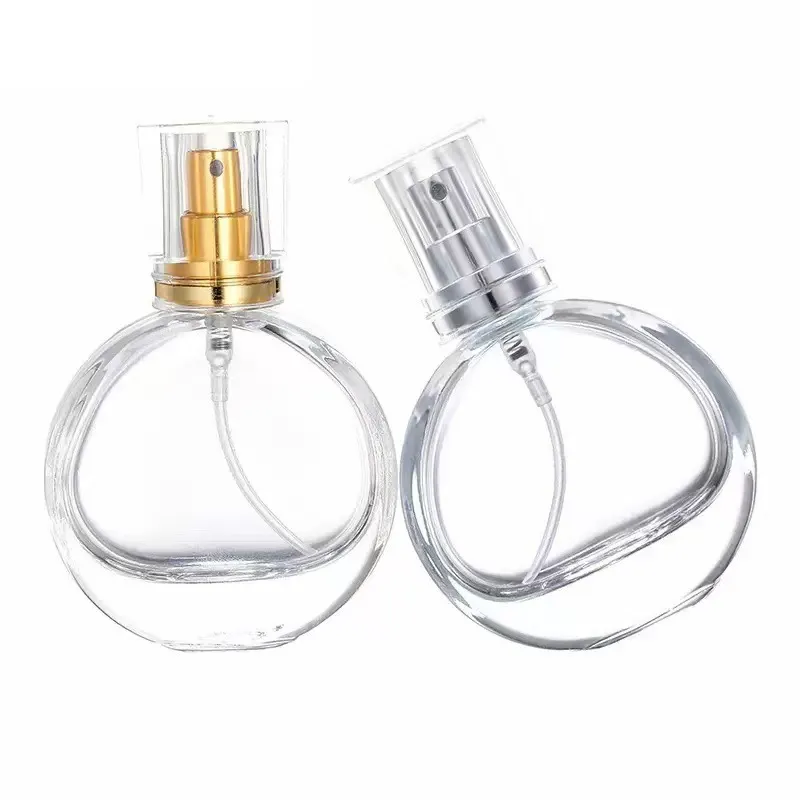
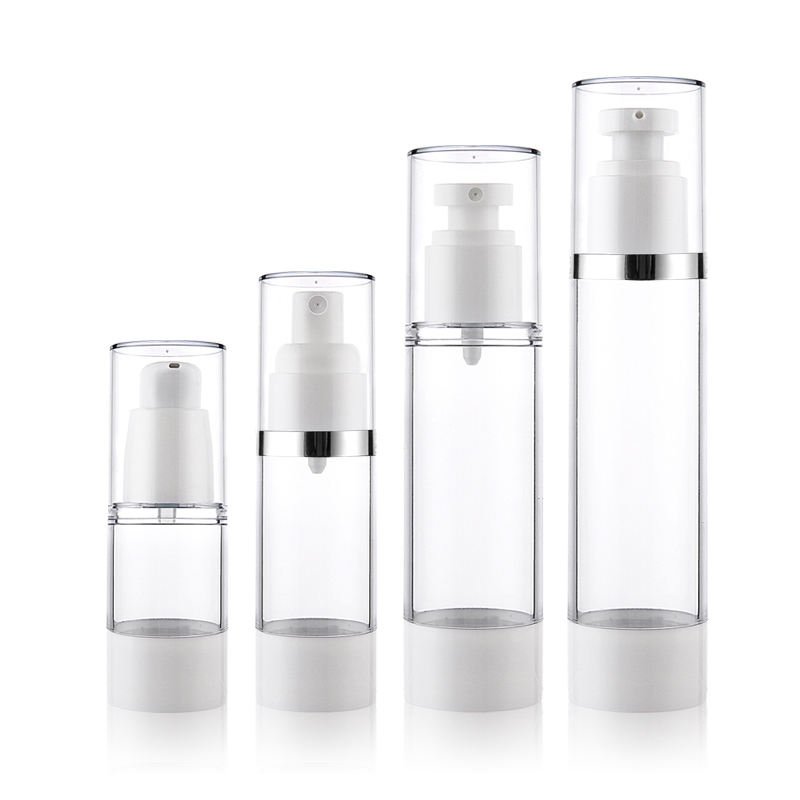
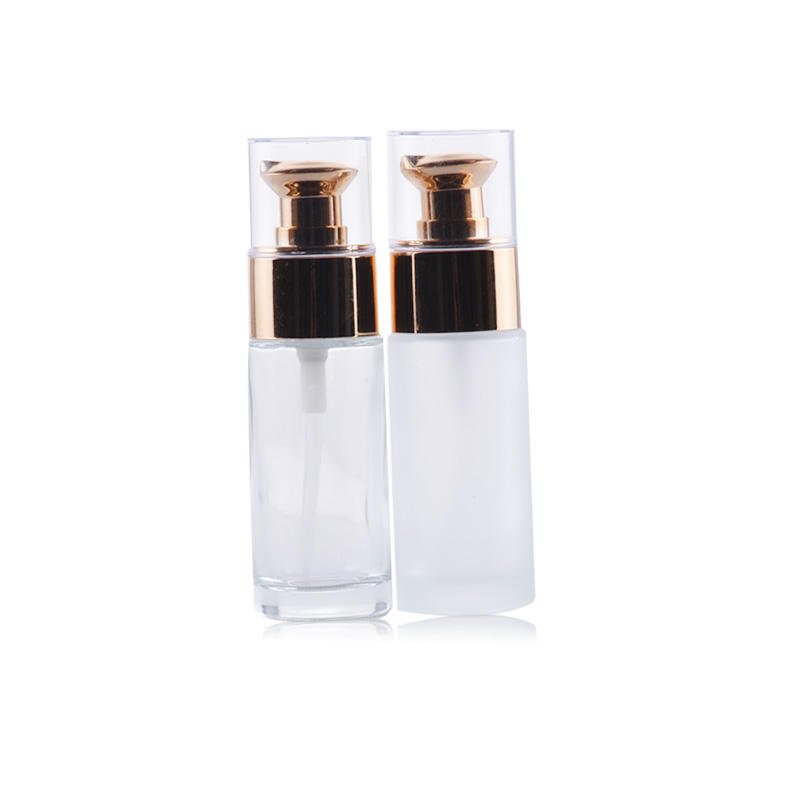
Direct answer: reject any confirmed crack or check, chipped or sharp finish, loose or protruding glass, internal spike or “bird swing,” open bubble on the product-contact surface, or stone/inclusion that is loose, protruding, surrounded by a check, or located in a sealing or high-stress zone. Reject a mold seam when it is sharp, flaky, displaced, checked, outside the drawing, or interferes with sealing, decoration, handling or the filling line.
A small fully enclosed seed or bubble in a low-stress body area, and a smooth normal mold-parting line, may be acceptable—but only within the signed defect atlas, zone limits and boundary samples agreed for that exact bottle. There is no single international cosmetic-glass rule saying that every bubble below one diameter passes. Location, skin thickness, clustering, wall integrity and package function matter as much as size.
This guide is written for cosmetic and fragrance brands, packaging engineers, quality teams, fillers and glass suppliers. “Mold seam” and “mould seam” mean the same parting-line feature. The criteria below are a framework for writing a product-specific standard, not a substitute for the controlled drawing, applicable law, signed samples or risk assessment for one product.

Is there one glass bottle defects standard?
No single global standard sets universal pass/fail dimensions for every bubble, seam, stone and crack in cosmetic glass bottles. Standards divide the problem into different jobs. A defensible purchase specification uses those references where relevant, then adds the bottle drawing, defect zones, approved appearance samples, inspection conditions and a negotiated sampling plan.
| Reference | What it supports | What it does not do |
|---|---|---|
| ISO 12818:2013 | Standard tolerances for flaconnage: brimful capacity, height, diameter/width and verticality for pharmaceutical, cosmetic, perfumery and chemical bottles. | It does not supply one universal bubble, stone, seam or crack acceptance table. |
| ASTM C224-78(2020) | Sampling glass bottles and jars for mechanical strength, dimensions, measurable characteristics and visual examination. | Sampling practice is not the buyer’s defect atlas and does not define every cosmetic limit. |
| ASTM C148, C149 and C147 | State of anneal, thermal-shock resistance and internal-pressure strength respectively, when relevant to the pack and use. | A visual pass cannot replace these tests, and not every method is relevant to every non-pressurized cosmetic bottle. |
| ISO 2859-1:2026 | AQL-indexed lot-by-lot attribute sampling, including normal, tightened and reduced inspection logic. | AQL is not a universal product specification or permission to ship a fixed percentage of defects. |
| Industry defect guides | Shared vocabulary and visual examples for checks, stones, blisters, seams, spikes, bird swings and other forming defects. | A guide remains a guide; the signed buyer-supplier standard controls the commercial decision. |
The EU Cosmetics Regulation requires the cosmetic safety assessment to consider relevant packaging-material characteristics, including purity and stability, but it does not prescribe a cosmetic bottle bubble diameter. Likewise, detailed tables written for food or pharmaceutical containers reflect those applications and must not be copied into a cosmetic specification without a product-specific technical and regulatory assessment.
Visual glass criteria are only one release layer. A complete cosmetic bottle test plan should connect appearance to dimensions, sealing, dispensing, compatibility, mechanical performance and distribution conditions.
Classify the defect by risk, not by its name alone
The same visible feature can change class when it moves to another bottle zone. A small body seed may be an appearance issue; an apparently similar void crossing the sealing land can threaten leakage. A smooth seam on a low-visibility sidewall may be normal evidence of molding; a sharp fin on the finish can cut a user, interfere with a pump or shed glass.
Define five inspection zones
- Finish and sealing zone: mouth, sealing land, threads or crimp bead, transfer ring and bore. Fit, seal, closure damage and glass shedding dominate.
- Neck and shoulder: transition regions where wall distribution and forming stress can concentrate; also visible in premium packs.
- Body and decoration panel: principal consumer-facing area; visual thresholds, label flatness and print/coating performance matter.
- Heel, base and standing ring: impact- and stress-sensitive areas that determine stability and conveyor contact.
- Interior/product-contact surface: any loose, sharp, open or contaminating feature has elevated significance.
Use three defect classes
| Class | Practical meaning | Typical examples | Control approach |
|---|---|---|---|
| Critical | Could injure, contaminate product, create a serious sealing failure or make the bottle unsafe. | Cracks/checks, sharp or chipped finish, loose internal glass, spike, bird swing, open internal blister. | Normally zero acceptance in the inspected sample; where the risk warrants it, add validated 100% detection and upstream process control. |
| Major | Likely to impair filling, sealing, dispensing, strength, stability, decoration or saleability. | Heavy seam, out-of-drawing finish, large/clustered blister, lean bottle, unstable base, stone without a visible crack but in a stress zone. | Sampling-plan acceptance plus dimensional or functional verification; expand sort/test after failure. |
| Minor | Appearance departure that does not reduce intended function or safety but exceeds the agreed cosmetic boundary. | Small enclosed seed in a permitted body zone, light scuff or smooth seam prominence beyond the retained standard. | Visual sampling against signed boundary samples, with tighter limits for premium clear or decorated packs where commercially justified. |
The defect class belongs in the controlled specification. It should not be improvised after a shipment arrives. “Critical” also does not mean a small sample proves the whole lot contains no critical defect: sampling only makes a lot decision with stated statistical risk. Serious glass hazards usually need prevention, automatic inspection and/or 100% validated screening in addition to final sampling.
Glass bottle defect acceptance and rejection matrix
Use this as a starting logic for a cosmetic bottle defect atlas. The signed bottle-specific document must add measurable limits, zones, viewing conditions and photographs or retained samples at the pass/fail boundary.
| Defect | Can be conditionally accepted when… | Reject when… | Verification |
|---|---|---|---|
| Seed / enclosed bubble | Fully enclosed, smooth, isolated, in a permitted body zone and within size/count boundary samples. | Open to either surface, thin-skinned, elongated, clustered, near finish/heel/base, associated with a check, or beyond cosmetic limit. | Back/raking light, rotation, scale/magnification, zone and count record. |
| Mold seam / parting line | Smooth, continuous, not sharp, within profile/dimensional limit and no effect on decoration or handling. | Sharp fin, pinched/offset/heavy seam, flaking glass, check, closure interference, label lift or line contact. | Visual/tactile method defined safely, profile gauge where needed, closure/line trial. |
| Stone / opaque inclusion | Only if fully embedded, stable, no radiating check, outside critical zones and explicitly within signed visual limits. | Loose/protruding, internal-surface contact, radiating check, stress zone, large/clustered, or uncertain wall integrity. | Raking light and magnification; stress/strength investigation as risk requires. |
| Crack / check / split | Never accepted once confirmed as a glass fissure. | Any confirmed location or length; finish, shoulder, sidewall, heel and base checks all reject. | Controlled lighting, magnification and trained confirmation; do not confuse with a superficial scuff. |
| Chip / sharp edge / wire edge | A non-sharp cosmetic mark may be separately defined only when it does not remove glass or affect the finish. | Glass is missing, edge is sharp, seal or pump fit is affected, or fragments may detach. | Finish inspection, closure gauge/fit and particle control. |
| Stuck glass / spike / bird swing | Not appropriate for product-contact cosmetic bottles. | Any internal protrusion, string or detachable glass feature. | Internal visual/automatic inspection; verify bore and interior. |
| Thin wall / uneven distribution | Measured distribution remains within the drawing and performance is validated. | Below minimum local thickness, visible weakness or failed mechanical/thermal requirement. | Thickness mapping, section weight where used, relevant strength test. |
| Finish or dimensional variation | All critical dimensions meet the controlled drawing and mating parts function. | Outside drawing, choked/off-center bore, rocking base, excessive lean or failed pump/cap/filling-line fit. | Go/no-go and variable gauges, capacity/verticality checks, assembly trial. |
| Cord, wrinkle, drag or surface scuff | No crack, no stress/strength effect, and appearance is within signed boundary samples for the stated decoration. | Feature masks a crack, causes decoration/label failure, exceeds the premium appearance standard or correlates with structural weakness. | Controlled viewing, decoration sample and targeted performance confirmation. |
Bubbles, seeds and blisters: when should they be rejected?
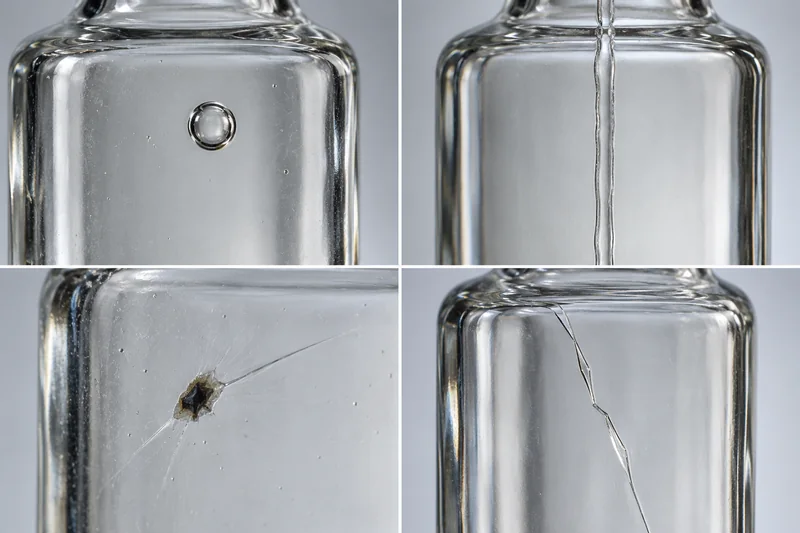
Seed commonly describes a very small gas inclusion; bubble is the general term; blister usually refers to a larger void. Vocabulary varies between factories, so attach a picture and measurement rule rather than relying on the word. Record the greatest visible dimension, count within a defined area or bottle, distance from critical zones, and whether the void is fully enclosed.
The highest-risk forms are open bubbles that communicate with the internal product-contact surface, blisters with a thin skin that may break, elongated voids that reduce the local ligament of glass, and clusters that reveal unstable melting/refining or locally weaken the wall. A void near the finish, corner, heel, base contact ring or a sharp transition deserves more conservative treatment than the same apparent size in a thick, low-stress central body.
A practical bubble rule has six fields
- Morphology: enclosed, open, thin-skinned, elongated or clustered.
- Zone: finish, shoulder, body/decoration, heel/base or interior surface.
- Maximum dimension: measured by an agreed scale/magnification method, not guessed by eye.
- Count and spacing: per bottle or per defined area, including whether clusters are prohibited.
- Associated damage: any check, surface break or abnormal thin wall changes the decision.
- Appearance boundary: signed clear, coated and filled samples because decoration and formula can make the feature more visible.
Do not “repair” a bubble by grinding, heating, resin filling or coating over it. Structural glass cannot be restored in finished bottles through cosmetic rework. Accept within the pre-agreed limit, sort it out, or scrap/recycle it through the supplier’s controlled route.
Mold seams: normal evidence of forming or a rejectable fin?
Molded bottles are made in tooling with parting interfaces, so a body seam is not automatically a defect. The acceptance question is whether it is smooth, stable and within the approved profile, and whether its location works with the label, print, coating, user grip and filling-line guides. Clear premium glass may have a tighter cosmetic boundary than an opaque coated bottle, but coating must never be used to conceal a sharp or structurally abnormal seam. For direct decoration, the printable circumference and seam gap should also be defined in the bottle silk-screen printing specification.
Reject a seam that forms a sharp fin or overpress, contains pinched glass, is offset because mold halves did not close correctly, flakes under normal handling, carries a check, distorts the bottle envelope, lifts a pressure-sensitive label, interrupts silk-screen printing, or contacts rails/star wheels. At the finish, even a subtle seam can be major or critical if it disrupts the sealing land, thread, crimp bead, closure application or user contact.
Inspectors should not run an unprotected finger around suspect sharp glass. Define a safe tactile or gauge method—such as a specified probe, profile comparator or protected-glove check—and validate it with known pass/fail samples. A numerical seam-height limit can be useful only when the measurement location and instrument are repeatable.
Stones and inclusions: why a small speck can be serious
A stone is typically an opaque or partly opaque inclusion originating from unmelted batch material, refractory material, contamination or devitrified glass. The inclusion and surrounding glass can expand, cool or transmit stress differently. That is why judging a stone only by color or diameter is unsafe.
Reject immediately if the inclusion is loose, protrudes into the product-contact surface, can shed, has one or more radiating checks, lies at the finish, heel, base contact ring or another load-bearing transition, or creates visibly reduced wall integrity. A fully embedded inclusion without a visible check in a noncritical body area may be classified as major or minor only if the buyer’s risk assessment and boundary samples explicitly permit it.
Magnification can confirm the morphology, but it cannot prove strength. If a new stone population appears, quarantine by furnace/machine/mold/time window, examine retained samples and process history, and perform the relevant mechanical or thermal evaluation. Do not pick out, drill, polish or coat over an inclusion.
Cracks, checks and splits: zero acceptance once confirmed
A check is a crack-like fissure in the glass, often named by location: finish check, neck check, shoulder check, body check, heel check or base check. A split is a more extensive fracture. Once a true check or crack is confirmed, the bottle should be rejected regardless of length because the fissure is a stress concentrator that can propagate during filling, capping/crimping, packing, transport or consumer use.
The diagnostic challenge is distinguishing a check from a superficial scratch, scuff, mold mark or optical reflection. Rotate the bottle under controlled raking and backlighting; change the viewing angle; use trained magnification and compare with confirmed standards. A polariscope can reveal residual stress patterns and support annealing control, but it is not a magic crack detector and does not replace direct defect inspection.
Never attempt to salvage checked bottles through flame polishing, adhesive, coating, local grinding or “stronger” packing. Segregate them in rigid marked containers to avoid breakage and cross-contamination, trace the affected production window, and determine whether 100% validated screening is necessary for adjacent output.
How to inspect cosmetic glass bottles consistently
Start with a controlled work instruction. “Inspect visually” is not repeatable. Define the bottle state (plain, decorated or assembled), viewing distance and time, illumination measurement and allowable range, background, rotation sequence, magnification, gauges, defect zones and the pass/fail boundary samples. Train and periodically qualify inspectors with blind known samples.
- Verify identity and lot: supplier, model/drawing revision, furnace or production date, machine/mold/cavity identification where available, decoration lot and carton/pallet traceability.
- Condition and clean appropriately: remove only removable packing dust using the approved method; do not wash away evidence or introduce scratches.
- Inspect finish and bore first: look for chips, checks, wire edges, internal glass, off-center/choked openings and sealing-surface damage.
- Rotate through neck, shoulder and body: use diffuse backlight for transparency and raking light for surface relief; record defect type, zone, size/count and cavity.
- Inspect heel and base: confirm checks, inclusions, standing-ring damage, push-up/base geometry and stable contact.
- Measure drawing characteristics: height, diameter/width, verticality, finish gauges, capacity, weight and specified wall-thickness locations.
- Test the interface: assemble the intended pump, dropper, cap or crimp components and confirm application, retention, sealing and filling-line handling.
- Escalate abnormal patterns: clusters by cavity, time, pallet or carton signal a process issue even if individual counts seem small.

Add tests according to the risk path
| Risk question | Useful verification | Important boundary |
|---|---|---|
| Is the bottle properly annealed? | Polariscopic examination/state-of-anneal method such as ASTM C148, with trained interpretation. | Stress result depends on glass, thickness/distribution and interpretation; it does not replace crack inspection. |
| Will it tolerate a relevant temperature change? | Thermal-shock resistance method such as ASTM C149 using product/process-relevant conditions. | Do not invent a temperature differential unrelated to filling, cleaning, storage or consumer use. |
| Will the neck and closure seal? | Finish gauges, component fit, application torque/crimp controls and a suitable cosmetic bottle leak-testing method. | The bottle, gasket, pump/cap and process settings form one sealing system. |
| Will it survive use and distribution? | Relevant impact, top-load/handling, packed-product and finished-pack drop and distribution tests. | An empty-bottle visual pass cannot establish packed-product survival. |
| Will formula and decoration remain acceptable? | A production-representative formula-to-pack compatibility program. | Test real glass, coating/ink, closure, liner/gasket, pump and formula as a complete pack. |
How to use sampling and AQL without misusing them
ISO 2859-1:2026 provides AQL-indexed sampling plans for lot-by-lot attribute inspection. The buyer and supplier must define the lot, inspection level, single/double/multiple plan, normal/tightened/reduced status and AQL by defect class. The table then gives a sample size and acceptance/rejection numbers.
AQL is an index used to select a plan; it is not a promise that every shipment contains no more than that exact percentage. Acceptance sampling carries producer and consumer risks. An Ac=0 plan means the lot fails if one specified defect is found in that sample; it does not mathematically prove that no such defect exists elsewhere in the lot.
A buyer might negotiate a starting policy such as critical defects at Ac=0, major defects at a tighter AQL than minor appearance defects, and tightened inspection after a failed lot. The actual numbers must reflect injury/contamination risk, brand position, automatic inspection capability, lot size, supplier performance and contractual/regulatory needs. Do not copy a food, pharmaceutical or unrelated customer’s plan merely because it is familiar.
How glass bottle defects are prevented at the factory
Defect reduction begins before bottles reach the inspection light. The main production sequence is batch preparation, melting/refining, conditioning and forehearth delivery, gob formation, blank/final molding, annealing, surface treatment and cold-end inspection. Boyu’s step-by-step glass manufacturing process explains those stages in more detail.
| Defect family | Likely process families to investigate | Controls and evidence |
|---|---|---|
| Bubbles, seeds, blisters | Batch/cullet contamination or moisture; melting/refining time and temperature; furnace combustion/redox; conditioning; forming air or mold venting. | Raw-material and cullet controls, furnace trends, seed/blister counts by time, stable glass temperature, cleaned vents and correlated cavity data. |
| Stones/inclusions | Unmelted batch, refractory wear, foreign cullet, devitrification or handling contamination. | Batch/cullet screening, magnetic/contamination control where relevant, refractory and furnace inspection, inclusion analysis and source tracing. |
| Checks/cracks | Gob and mold temperature imbalance; incorrect forming timing/pressure; glass distribution; mold cooling; mechanical contact; annealing/lehr profile; hot/cold-end coating. | Process trend/cavity map, mold-temperature and timing control, handling alignment, residual-stress checks and check-detection verification. |
| Heavy/sharp seams | Mold-half wear or misalignment, dirt/glass at parting face, incomplete closure, excessive pressure, neck-ring/baffle mismatch or poor swabbing. | Mold inspection/cleaning, alignment and closure checks, first-off profile approval, cavity segregation and safe seam gauge. |
| Uneven wall/dimensions | Gob weight/shape, glass temperature, blank/final mold balance, plunger alignment, parison distribution, air timing and mold condition. | Gob-weight SPC, dimensional and capacity trends, thickness map, cavity capability and component/filling-line trials. |
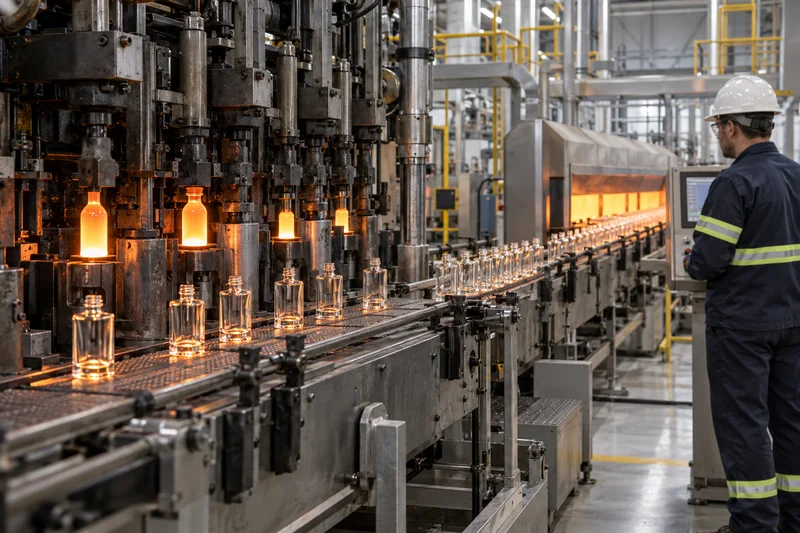
The correction must target the verified cause. Raising or lowering one temperature, changing pressure or slowing a machine without a controlled trial can move the defect rather than remove it. Use the perfume-bottle production workflow to define approval gates from production glass through decoration and final assembly.
What to do when a lot contains glass defects
- Stop and contain: hold unopened cartons/pallets, in-process output and adjacent time windows. Prevent defective bottles from reaching filling or decoration.
- Preserve evidence: photograph under the defined lighting, retain representative pass/fail samples, record quantities, cartons, lot labels, mold/cavity and production time where available.
- Confirm the defect: distinguish a crack from a scratch, an open bubble from an enclosed seed, a sharp fin from a normal seam, and a stone from removable contamination.
- Classify by risk and zone: apply the controlled specification. Do not downgrade a critical defect simply to avoid rejecting the lot.
- Expand the investigation: use a statistically justified expanded sample or 100% validated sort, plus targeted dimensions, stress, sealing or mechanical tests.
- Trace the source: analyze defect concentration by cavity, machine, furnace, time, packer, carton or pallet. A random-looking issue often has a traceable cluster.
- Disposition in writing: release, concession/deviation, re-sort, rework, return or scrap. A deviation should be approved by authorized quality/technical owners before use and should never waive a safety-critical defect.
- Close corrective action: document root cause, containment, permanent correction, effectiveness check and the criteria for returning from tightened to normal inspection.
What can and cannot be reworked?
| Condition | Disposition principle |
|---|---|
| Crack, check, chip, sharp edge, stone with check, open internal bubble, stuck/loose glass | Do not repair. Segregate and scrap/recycle through a controlled glass route. |
| Removable external packing dust or contamination | May be cleaned only by a validated process that does not introduce scratches, residue, water spots or internal contamination; reinspect afterward. |
| Decoration defect on structurally conforming glass | Strip/redecorate only if the method is validated for glass/coating, sealing surfaces are protected, dimensions remain conforming and the finished pack is requalified. |
| Mixed conforming and nonconforming bottles | 100% sorting may be possible if the defect is reliably detectable, inspectors/equipment are validated and sorted output is re-audited. Do not “blend down” rejects. |
What buyers should put in the glass bottle specification
A good specification makes the release decision reproducible before production starts. It should be linked to the purchase order and revision-controlled with the bottle supplier, decorator, filler and brand quality owner.
- Exact bottle code, controlled drawing revision, nominal/brimful capacity and mating closure/pump references.
- Zone diagram for finish, neck/shoulder, principal display panel, secondary body, heel/base and interior.
- Defect dictionary with photos, definition, class, measurement method, maximum size/count and prohibited locations.
- Signed limit/boundary samples for plain, coated, printed and filled appearance where visibility changes.
- Viewing conditions: bottle state, light/background, distance, time, rotation, magnification and inspector qualification.
- Dimensional, capacity, weight and wall-distribution characteristics with instruments, locations and tolerances.
- Relevant state-of-anneal, thermal, mechanical, sealing, component-fit, filling-line and distribution tests.
- Lot definition, inspection level, AQL/acceptance numbers by defect class, switching rules and critical-defect controls.
- Traceability, certificate/inspection-report requirements, retained samples and record-retention period.
- Change notification for glass composition/color route, recycled content, mold/cavity, factory, process, coating, decoration, pump/cap or packing.
- Nonconformance notification, containment timing, sort/rework approval, remedy and corrective-action expectations.
For sourcing, compare production-intent samples and documented controls rather than accepting “high flint” or “premium quality” as a defect standard. Buyers can browse Boyu’s cosmetic glass packaging range; fragrance teams can compare the glass perfume bottle collection and use the custom glass perfume bottle program to frame bottle, pump, cap and decoration requirements together.
Frequently asked questions
Are any bubbles acceptable in a cosmetic glass bottle?
A small fully enclosed, isolated seed or bubble can be acceptable in a permitted body zone if it stays within the signed size/count boundary and has no associated check or thin wall. Open, thin-skinned, clustered, elongated or critical-zone bubbles should be rejected. There is no universal cosmetic limit that can be applied without a bottle-specific standard.
Is a visible mold seam automatically a defect?
No. A smooth controlled parting line is inherent to molded glass. It becomes rejectable when sharp, heavy, pinched, offset, flaky, checked, outside the drawing or disruptive to sealing, labeling, decoration, handling or filling-line travel.
Can a stone in glass be polished out?
No. Removing or polishing an embedded inclusion damages the wall and does not restore the original glass structure. Reject/sort the bottle and investigate the furnace, batch, cullet or refractory source.
Does a crack have a minimum rejectable length?
A confirmed glass crack or check should be rejected regardless of measured length. The first task is to confirm it is a fissure rather than a superficial scratch or optical mark; once confirmed, length does not make it repairable.
What AQL should be used for glass bottle defects?
There is no universal AQL for every cosmetic bottle. Set defect classes by risk, then agree the lot, inspection level, plan and AQL under ISO 2859-1 or an applicable equivalent. Critical glass hazards are commonly set at zero acceptance in the sample and may require validated 100% controls; major limits are normally tighter than minor appearance limits.
Should bottles be inspected before or after decoration?
Both. Inspect structural and dimensional glass before adding value through coating or printing; then reinspect after decoration because curing, handling and opacity can add defects or hide features. Finally verify the assembled and filled pack, since pump/cap fit and formula exposure introduce different risks.
Sources
- ISO 2859-1:2026 — Sampling procedures for inspection by attributes.
- ISO 12818:2013 — Glass packaging: standard tolerances for flaconnage.
- ASTM C224-78(2020) — Standard Practice for Sampling Glass Containers.
- ASTM — Glass and ceramic standards, including C147, C148 and C149.
- Bucher Emhart Glass — Defect Guide, BR0060 Rev A (2024).
- ASQ — Attribute and variable sampling.
- Regulation (EC) No 1223/2009 on cosmetic products.

 English
  Español de Argentina
  Русский
  Italiano
  日本語
日本語  한국어
한국어  العربية
  Français
  Deutsch