




How Do You Measure a Cosmetic Bottle Neck Finish?
People searching how to measure a cosmetic bottle neck finish usually have one of four problems: an unmarked sample bottle, a replacement pump that does not fit, components sourced from different suppliers, or an incoming lot that must be checked against a drawing. The measurement process can narrow the possibilities, but fit cannot be approved from a single diameter.
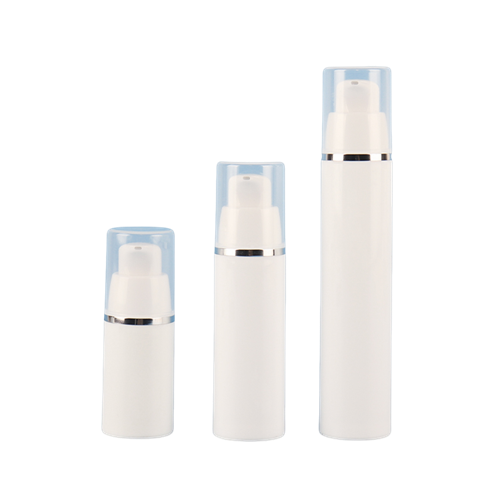
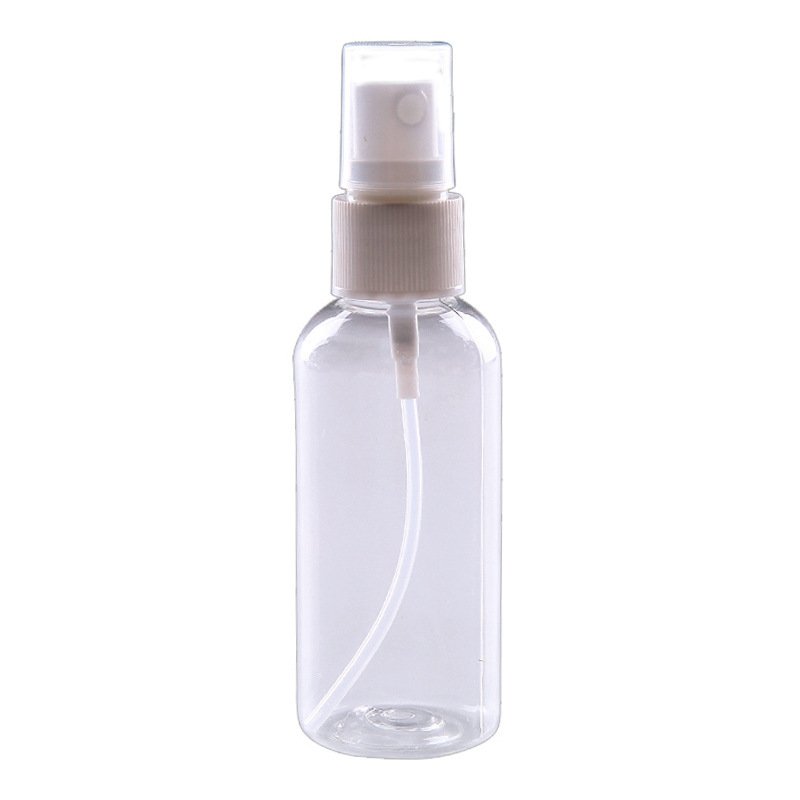
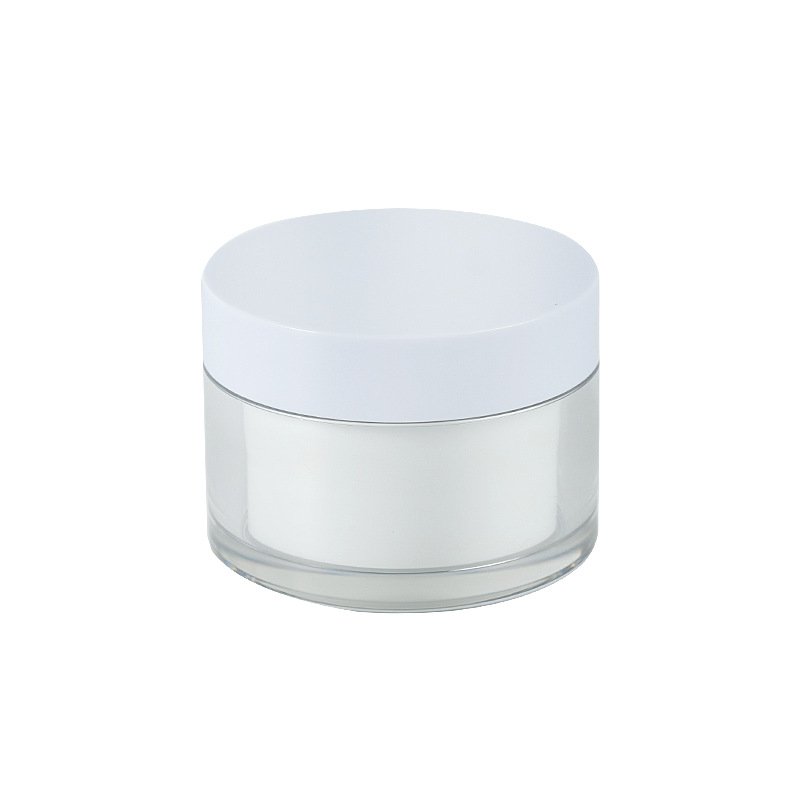
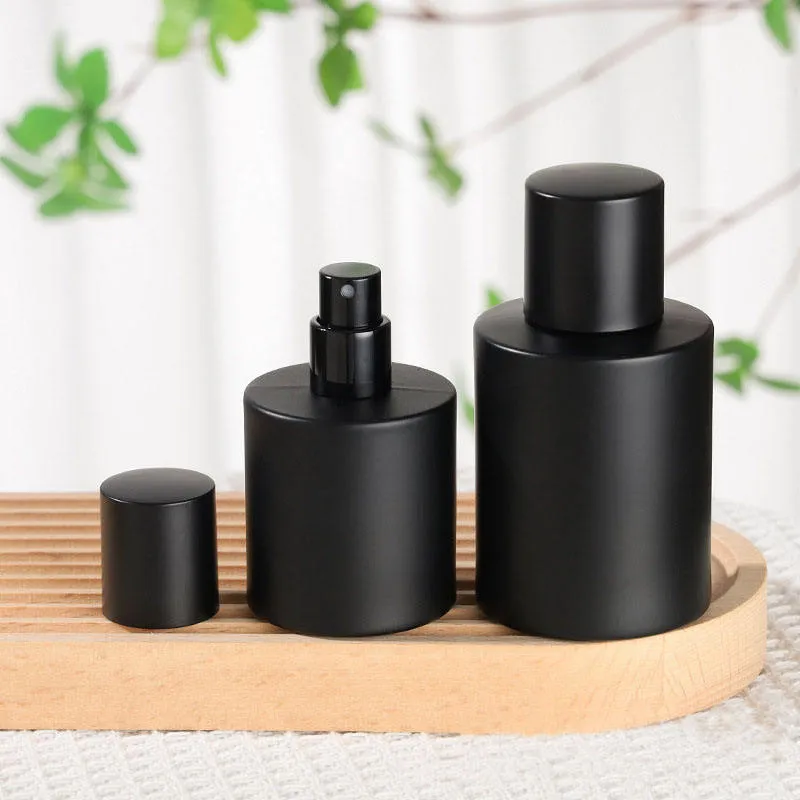
A neck finish is the complete interface between container and closure. It includes thread geometry, sealing land, bore, height and tolerances. The pump, cap or sprayer must also match the same standard. For background on finish codes, see What Does 24/410 Mean on a Bottle?. Buyers comparing components can review Boyu Packaging’s plastic cosmetic bottles, lotion bottles and spray bottles.
Tools Needed to Measure a Bottle Neck
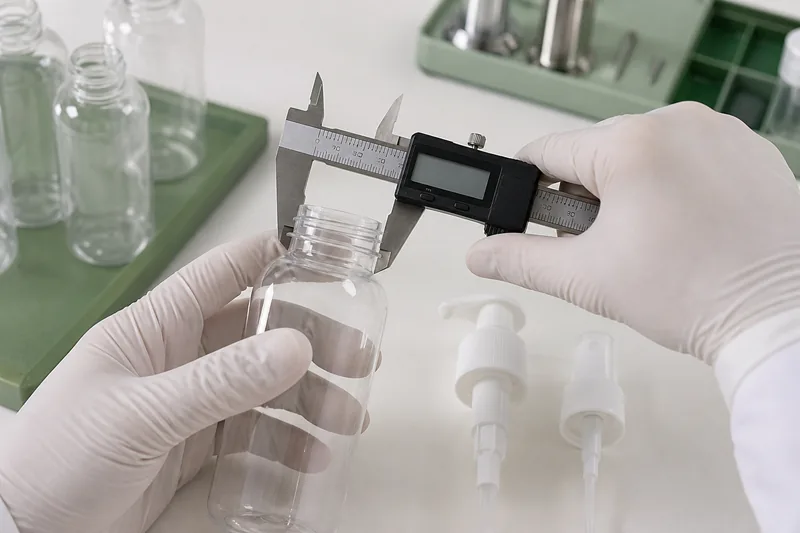
A steel ruler can estimate size, but it is not adequate for distinguishing nearby finishes or checking tolerances. Clean the neck, remove flash or product residue, zero the caliper and check that its jaws are square to the measurement surface. Do not squeeze a thin plastic neck with excessive force; deformation can reduce the reading.
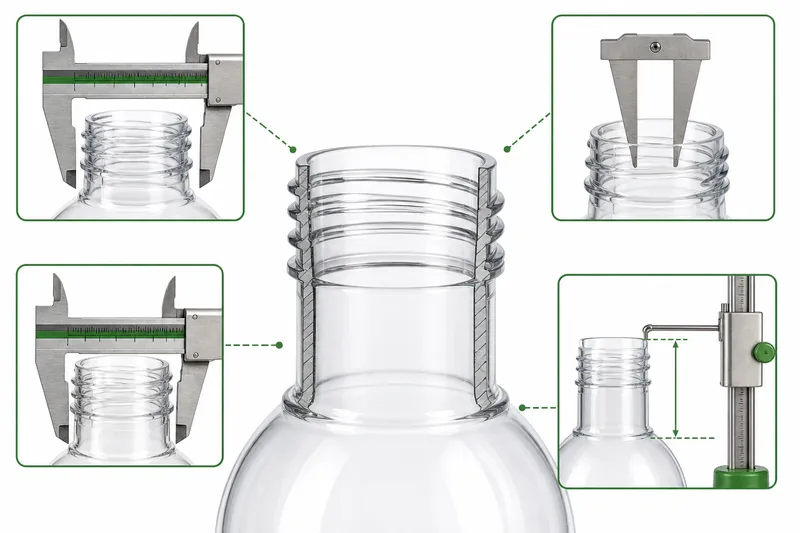
The Five Bottle Neck Dimensions Buyers Should Know
| Dimension | What it measures | How to measure it | Why it matters |
|---|---|---|---|
| T | Outside diameter across the outermost thread crests. | Use the caliper’s outside jaws and measure across opposite crests. | Identifies the nominal size family and affects bottle-to-closure engagement. |
| E | Outside diameter of the neck wall, excluding the projecting thread. | Measure across the cylindrical neck surface between or below threads as defined by the drawing. | T minus E relates to thread depth and fit. |
| I | Inside diameter of the bottle opening. | Use the caliper’s inside jaws at the specified depth without tilting. | Affects filling-tube clearance, plug seals, valves and fitments. |
| H | Height of the neck finish from its top to the defined shoulder intersection. | Stand the bottle upright and use a height gauge or caliper from the sealing land to the drawing’s reference plane. | Separates short and tall finishes and affects closure height and line setup. |
| S | Distance from the top of the finish to the top edge of the first thread. | Measure vertically using the exact drawing definition. | Influences closure orientation, axial travel and thread engagement. |
This calculation helps describe the geometry, but it does not identify thread pitch, profile or lead. Use the finish drawing for approval.
Step-by-Step: How to Measure an Unknown Neck Finish
1. Inspect the bottle before measuring
Look for a molded code, specification on the carton, supplier label or approved drawing. Check the sealing land for damage and the threads for flash, distortion or product residue. Record the bottle material because glass, PET, HDPE and PP use different manufacturing processes and may have different tolerances.
2. Measure T in two directions
Place the outside jaws on opposite thread crests. Keep the caliper perpendicular to the bottle axis and apply light, consistent force. Rotate the bottle about 90 degrees and measure again. Record both readings rather than reporting only the larger one; ovality can indicate molding variation or sample deformation.
3. Measure E and I
For E, contact the neck wall at the position specified by the drawing—not a support bead or thread crest. For I, open the inside jaws gently against the bore. Repeat at approximately 90 degrees. A tapered bore or plug-seal design may require a specified measurement depth, so a top-edge reading may not be sufficient.
4. Measure H and locate S
H is often misread because the lower reference point is not simply “where the neck looks finished.” Standard drawings define where the T diameter, extended downward, intersects the shoulder. S begins at the top sealing surface and ends at the top edge of the first thread. Use a height gauge or optical comparator for repeatable production inspection.
5. Count the thread turns
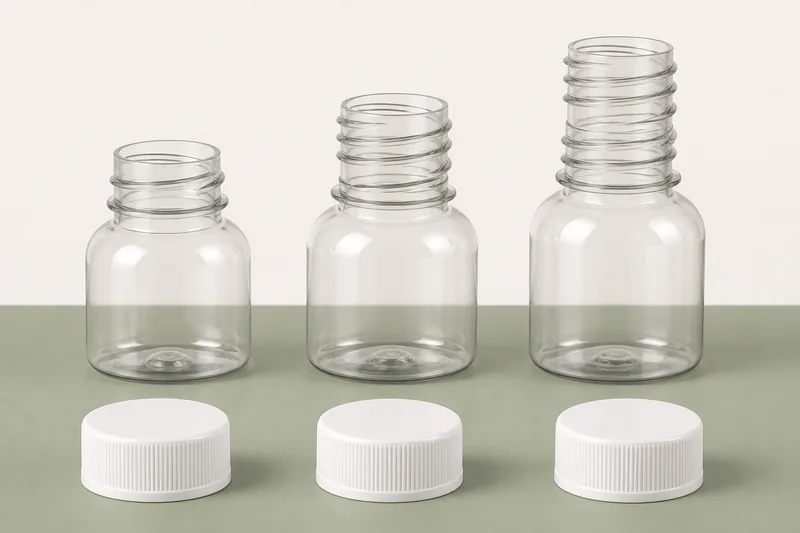
Follow one continuous thread from its start around the finish and count how many times it passes a fixed vertical reference line. Common industry guides describe 400 as about one turn, 410 as about 1.5 turns and 415 as about two turns with a taller H dimension. Thread count is a useful screen, not a substitute for pitch, profile and dimensional comparison.
6. Compare with the drawing
Match the recorded dimensions to a recognized standard or the exact supplier drawing. Use nominal values and tolerances. If the sample sits between two likely codes, do not guess; request the mold number, drawing revision and closure specification from the supplier.
How to Measure the Matching Cap, Pump or Sprayer
For a closure, measure the internal diameter across opposite inner walls near the thread area, following the closure drawing. Do not compare the cap’s outside diameter with the bottle’s T dimension. Record closure height, thread start, liner or gasket, plug-seal diameter and any tamper-evident feature. For pumps and sprayers, also record dip-tube outside diameter, cut style, length, pump output and collar configuration.
A closure reading can be slightly above its named size because the designation is a nominal interface, not necessarily the exact value measured at every surface. The safest identification is the supplier’s component code plus drawing. When bottles and closures come from different suppliers, send each party the other component’s drawing and physical samples.
Why a Caliper Reading Does Not Prove Compatibility
A 24 mm T reading may be consistent with 24/400, 24/410 or 24/415. Those finishes differ in height and thread construction. Even two nominally matching components can leak if their tolerances stack unfavorably, the sealing land is damaged, the liner is incompatible or the capping torque is incorrect.
After dimensional screening, assemble production-intent samples and evaluate:
- smooth thread start without cross-threading;
- closure application and removal torque;
- liner, gasket, land or plug-seal contact;
- pump priming, output and dip-tube clearance;
- inverted, side-lay and temperature-cycle leakage;
- drop, vibration and distribution performance;
- compatibility with the actual filled formula.

Plastic vs Glass Bottle Neck Measurement
The dimension letters are used across rigid packaging, but the acceptance drawing must match the container material and manufacturing process. Injection- or blow-molded plastic may show ovality, shrinkage, parting-line flash or neck deformation. Glass may have mold seams, dimensional variation, chipped sealing lands or localized distortion. Do not transfer tolerances from a PET drawing to glass or from HDPE to PP without engineering approval.
For thin-wall plastic bottles, condition samples at a defined temperature and avoid measuring immediately after hot production or transport. For glass, examine the top sealing surface and take care not to bridge a seam or local defect with the caliper. In both cases, measure multiple samples across cavities or molds.
Common Measurement Errors
| Error | Why it happens | Better method |
|---|---|---|
| Measuring the bore and calling it the neck size | The named size is based on the outside thread diameter family. | Use T for initial size identification and record I separately. |
| Measuring only once | Ovality or seam position can change the reading. | Take at least two readings about 90 degrees apart. |
| Using the thread count as the only identifier | Different profiles can appear similar. | Compare T, E, H, I, S, pitch and profile with the drawing. |
| Assuming a cap that screws on will seal | Thread engagement and sealing contact are separate functions. | Test at the specified torque with the intended liner and formula. |
| Mixing drawings from different revisions | A component or mold may have changed. | Put drawing number and revision on the purchase order and approval sample. |
What Importers Should Put in an RFQ and QC Plan
For incoming inspection, define the number of bottles sampled per lot and across cavities, instruments and calibration status, conditioning period, measurement locations, acceptance limits and response to failure. Keep a signed bottle-and-closure master set. If a supplier proposes a substitute pump or resin, require a drawing comparison and new functional testing before shipment.
For help matching an existing bottle, send clear neck photographs, caliper readings, the closure sample and product requirements through Boyu Packaging’s packaging project contact page. Final compatibility should be confirmed with physical samples and the intended formula.
Frequently Asked Questions
How do I know if a bottle is 24/410?
A T reading near the 24 mm size family plus roughly 1.5 thread turns may indicate 24/410, but confirmation requires the 24/410 drawing and a matched closure. Check H, E, I, S and the thread profile.
Can I measure a bottle neck with a ruler?
A ruler can separate broad size families, but it is not accurate enough for finish identification or tolerance inspection. Use a calibrated caliper.
Do I measure the inside or outside of the bottle neck?
Measure both for different purposes. T is the outside thread diameter used for the nominal finish family; I is the inside bore diameter used for filling and fitment clearance.
Why does a 24 mm cap measure more than 24 mm?
The designation is nominal and refers to the mating finish family. A closure is measured across its internal walls and must include clearance to engage the bottle threads.
What if the bottle and pump are both labeled 24/410 but leak?
Check the sealing land, liner or gasket, application torque, thread tolerances, dip-tube interference and formula compatibility. Matching labels reduce risk but do not replace assembled-pack testing.
Confirm Your Bottle and Closure as One System
Share the bottle drawing, sample, formula viscosity, dispensing target and closure requirements. Boyu Packaging can review the neck finish, pump or cap fit, dip tube and sampling plan before a production order.
References
- CPC — Guide to GPI/SPI neck finishes and T, E, H, I and S dimensions.
- Cetie — GPI finish drawings, including continuous-thread finish standards.
- ASTM D2911/D2911M-16(2023) — Dimensions and tolerances for plastic bottles.
- ASTM D3474-23 — Calibration and use of torque meters in packaging applications.
- ASTM D2063/D2063M-24 — Torque retention measurement for continuous-thread closures.



 English
  Español de Argentina
  Русский
  Italiano
  日本語
日本語  한국어
한국어  العربية
  Français
  Deutsch