If you have any questions, please feel free to contact us by leaving a message.
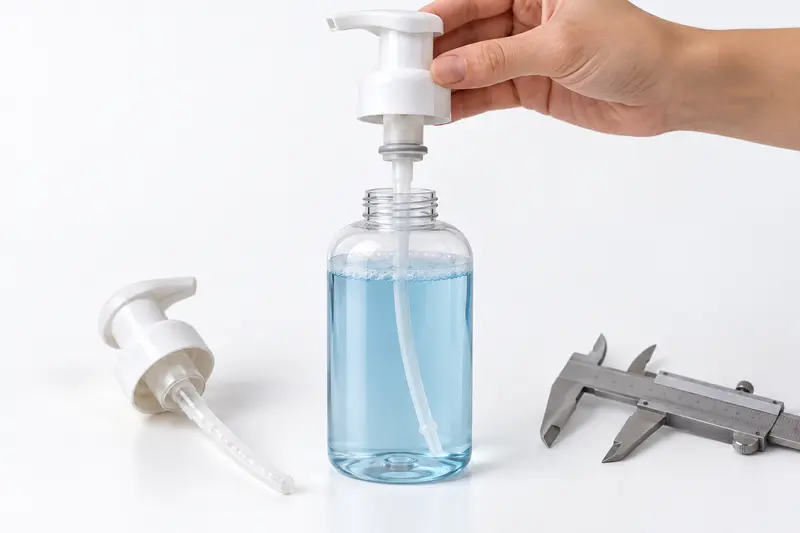
How to Fix a Foaming Pump That Is Not Working Quick answer: Remove the pump from the bottle, rinse the dip tube, and soak only the pump’s liquid-contact parts in warm—not boiling—water for 10–15 minutes. Pump clean warm water through the mechanism until it flows freely, then let the parts dry and reinstall the pump […]
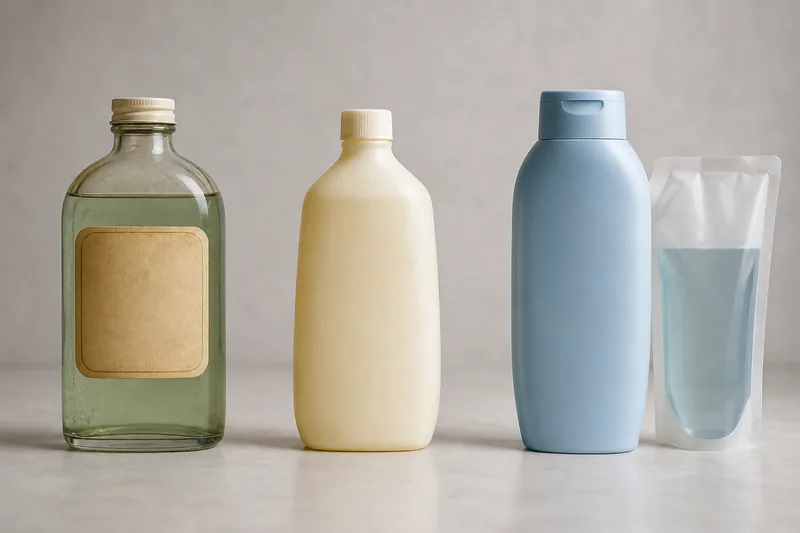
Direct answer: Before plastic bottles became standard, liquid shampoo was most often sold in glass bottles. But “glass” is not the whole answer. Powder shampoo was sold in paper sachets and cardboard cartons; barbers used refillable glass, porcelain and sometimes silver bottles; and some concentrated or cream shampoos came in collapsible metal tubes. These formats […]
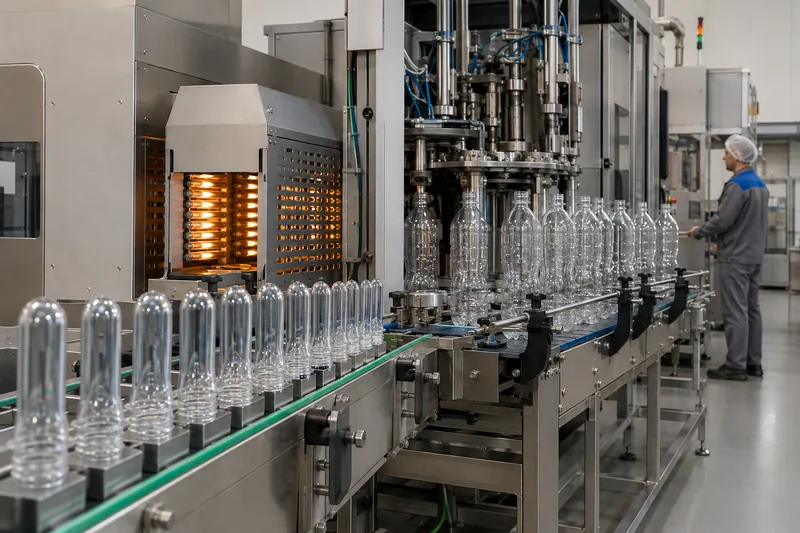
Direct answer: At factory scale, a plain small-to-medium PET bottle is usually a cents-per-piece item, not a fixed-price commodity. A practical 2026 budgeting screen is roughly US$0.05–$0.20 for the undecorated bottle at efficient volumes, while small stock orders, heavy cosmetic bottles, custom colors or decoration can move the bottle toward US$0.15–$0.60+. A pump, cap, label, […]
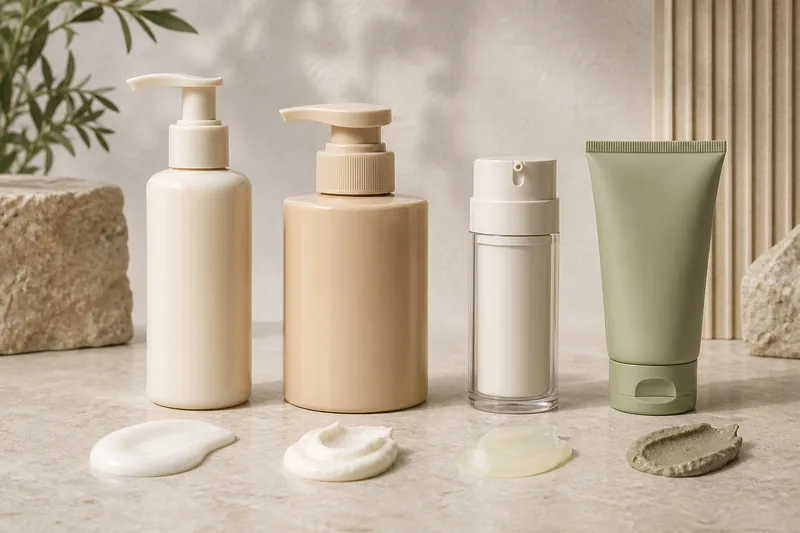
Short answer: For most pumpable high-viscosity lotions, creams, gels, hair masks and conditioners, the best starting point is a high-viscosity lotion or treatment pump with a generous inlet, wide product passages, adequate suction and a clean-cut outlet. Choose an airless piston system when oxidation protection, hygienic dosing, any-angle use or low residual product matters more […]
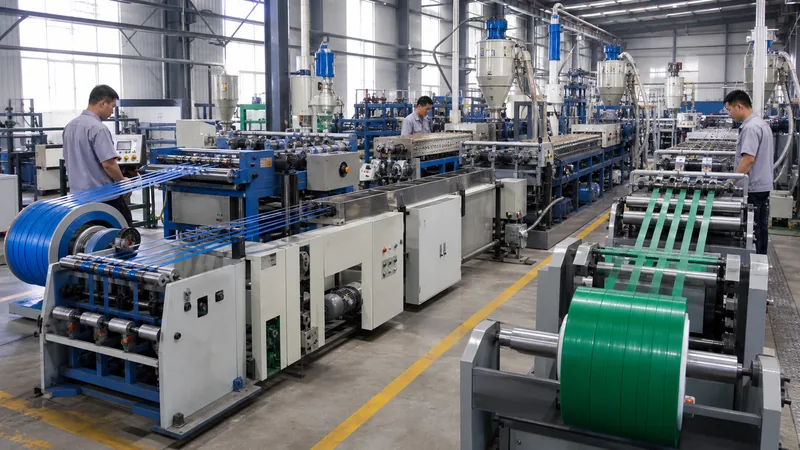
Direct answer: choose an industrial strapping manufacturer by qualifying the load-securing system, not by comparing strap price or a certificate list. First specify the load, transport route, strap material, break load, elongation, retained tension, joint method, machine, coil and acceptance tests. Then score factories on production control, lot evidence, machine trials, market-specific compliance, traceability, supply […]
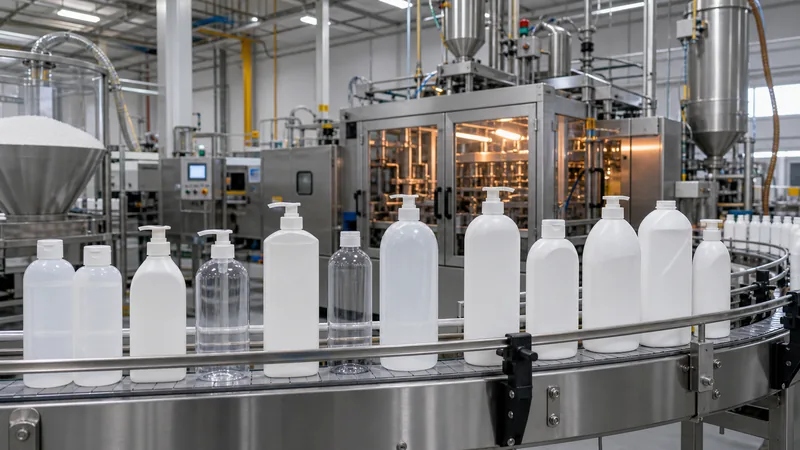
Short answer: a factory-made shampoo bottle starts with the formula, dose, shower use and distribution requirements—not with a bottle sketch. The pack is then engineered as one system: bottle resin and blow-moulding route, neck finish, pump or cap, decoration and shipping pack. PET bottles are usually made from injection-moulded preforms by stretch blow moulding; HDPE […]
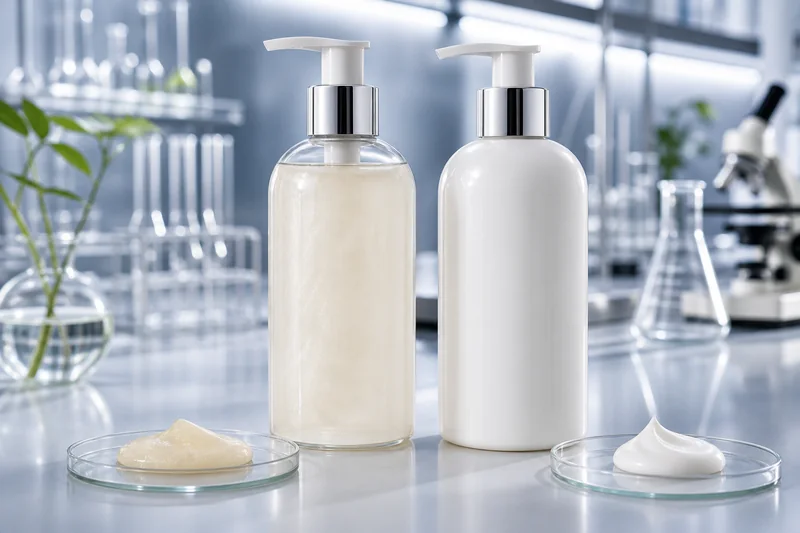
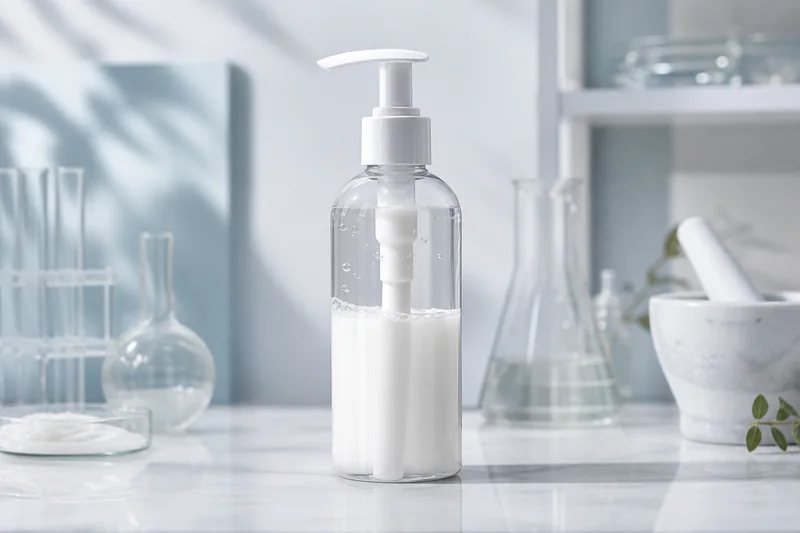
Direct answer: Yes—a lotion pump can be used for shampoo if the complete pump, bottle and formula pass functional and compatibility testing. The neck must fit and seal; the pump must prime, refill and return with the shampoo at intended temperatures; a full stroke must deliver a useful dose without excessive force, stringing or suck-back; […]
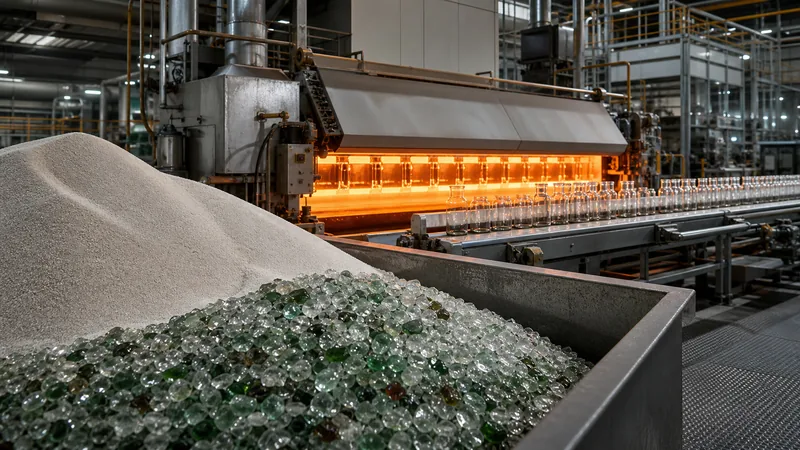
Short answer: industrial glass is made by accurately weighing silica sand, soda ash, limestone or dolomite, alumina-bearing materials and clean recycled glass; melting and refining the batch in a continuous furnace; cooling it to a controlled forming viscosity; shaping it; and annealing it through a controlled cooling curve. In a bottle plant, the conditioned glass […]
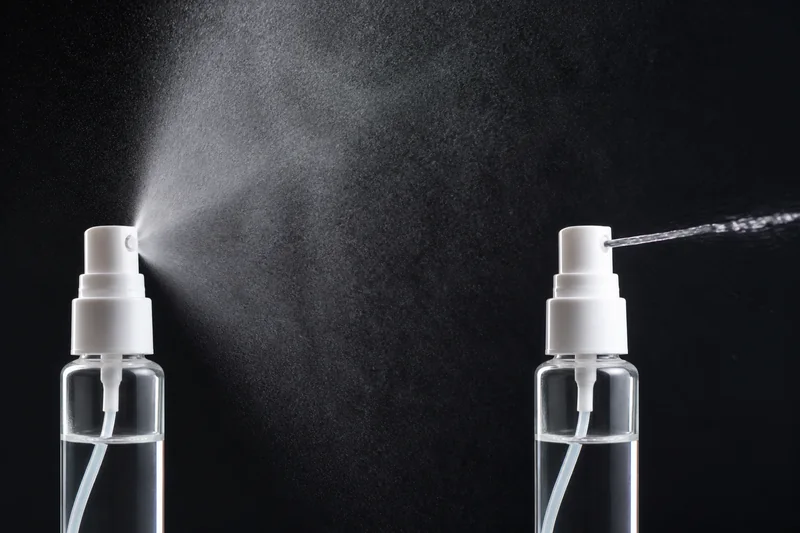
Direct answer: A fine mist sprayer produces a stream when the liquid does not leave the actuator as a thin, rotating sheet that can break into droplets. The usual causes are residue or damage in the tiny orifice or swirl insert, an incorrect or displaced insert, insufficient pressure from a partial/slow stroke or weak pump, […]
Direct answer: A lotion pump loses prime when the product column drains back or the pump chamber fills with air faster than the mechanism can create suction. The usual root causes are an inlet check valve that does not seal, air leakage at the dip-tube joint or piston seal, a tube inlet above the product […]
WhatsApp us