If you have any questions, please feel free to contact us by leaving a message.
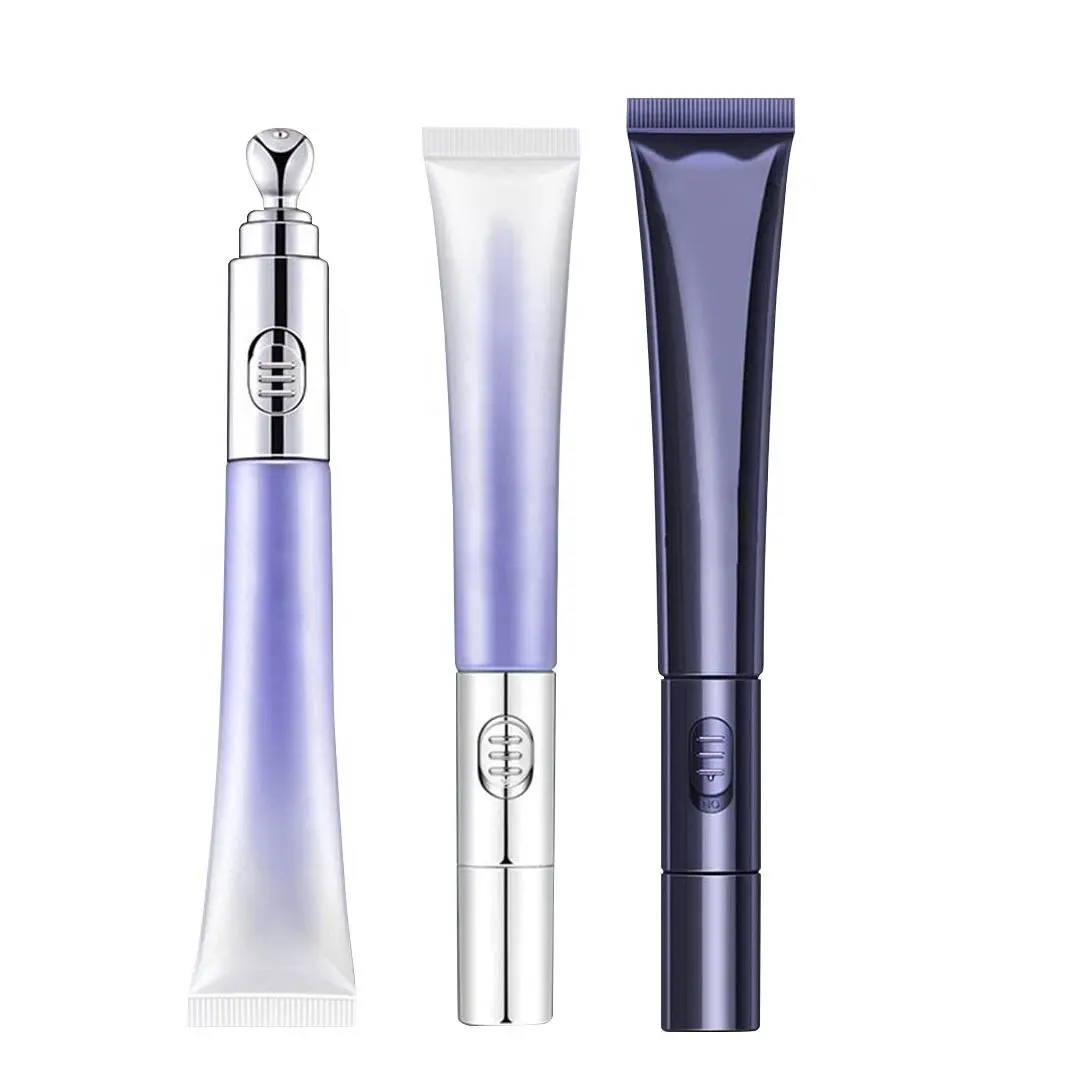
ABL vs PBL Cosmetic Tubes: How to Choose the Right Barrier Structure Short answer: Choose ABL when the formula needs a strong light, oxygen and moisture barrier and an opaque metallic layer is acceptable. Choose PBL when the pack needs good barrier performance, a smooth resilient body and a structure that can be designed closer […]
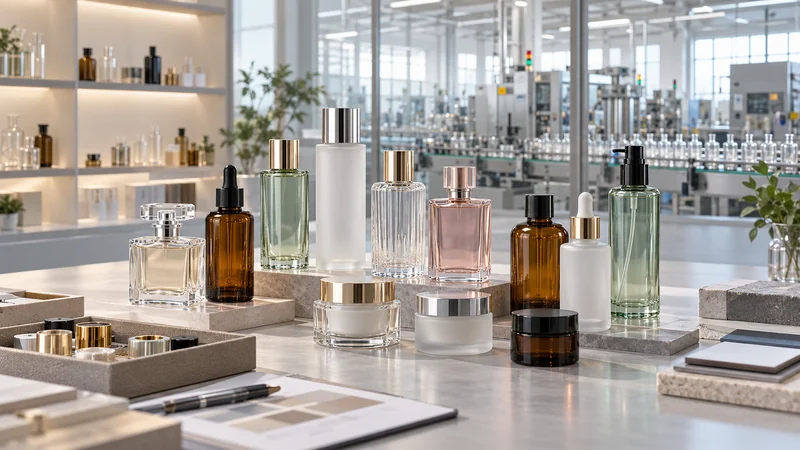
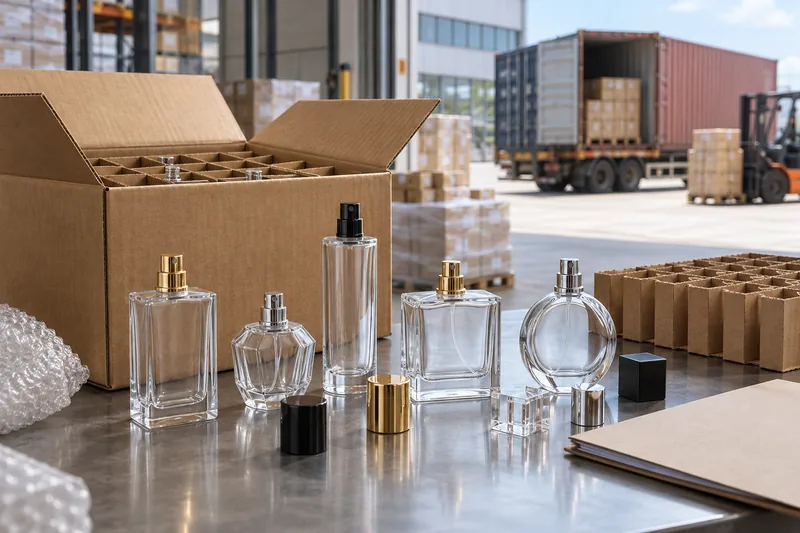
Direct answer: The main perfume bottle types are fine-mist atomizers, refillable spray bottles, splash bottles, rollerball bottles, sample vials, miniature bottles and refill containers. Glass is the usual material for retail fragrance because it provides a strong barrier and broad formula compatibility. PET and aluminum are used mainly for lightweight travel, sampling and refill systems. […]
Direct answer: A reliable Chinese perfume bottle manufacturer should be able to identify which processes it performs, provide traceable drawings and samples, control glass forming and annealing, match the bottle with the pump and cap, document decoration and inspection results, and reproduce an approved standard in mass production. ISO 9001 certification can support confidence in […]
Short answer: PET bottles can be suitable for some essential-oil products, especially diluted cosmetic formulas and short-use formats, but PET should not be treated as universally compatible with every pure essential oil. For long-term storage of undiluted essential oils, a tightly sealed amber glass bottle remains the conservative first choice. A brand considering PET must […]
Quick answer: 24/410 (also written 24-410) is a bottle neck-finish designation. The first number is the nominal diameter, in millimeters, across the outside of the bottle threads or the inside of the matching closure. The second number identifies the standardized continuous-thread finish series—its thread configuration and neck height. A 24/410 bottle should be paired with […]
AQL inspection for cosmetic packaging is a statistical method used to decide whether a finished production lot should be accepted or rejected by examining a random sample instead of every unit. The buyer defines the lot, inspection level, defect categories and Acceptance Quality Limits before inspection. The inspector then uses a recognized sampling standard—commonly ISO […]
Quick answer: an airless pump is usually the stronger starting point for oxygen-sensitive, contamination-sensitive, or medium-viscosity serums. A dropper bottle often suits low-viscosity serums and facial oils when controlled drops, formula visibility, and a familiar premium ritual matter. Neither format is automatically “best”: the final package must pass compatibility, stability, dispensing, leakage, and transport tests […]
How do you inspect cosmetic packaging before shipment? Start with an approved specification and golden sample, confirm that the order is complete and packed, draw units randomly from the entire lot, and check identity, appearance, dimensions, function, decoration, labeling, and export packing. Record every defect by severity and compare the results with the buyer-approved sampling […]
The best packaging for vitamin C serum is usually an opaque, low-air-return dispensing system that has passed compatibility and stability testing with the finished formula. For a water-based L-ascorbic acid serum, a well-designed airless pump is often the strongest starting point because it limits repeated air exchange and user contact. Dark amber or black glass […]
Stock packaging and custom mold packaging solve different business problems. Stock bottles and jars help brands launch faster, preserve cash, and test demand. A custom mold creates a proprietary shape or function, but it also adds engineering work, tooling investment, validation cycles, and greater production risk. The right choice is rarely based on appearance alone. […]
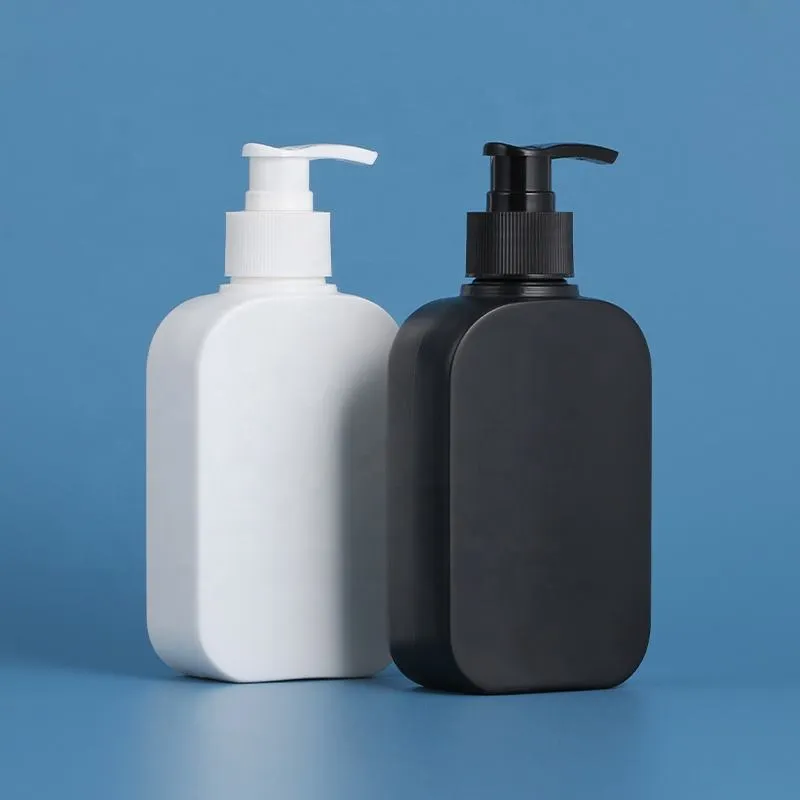
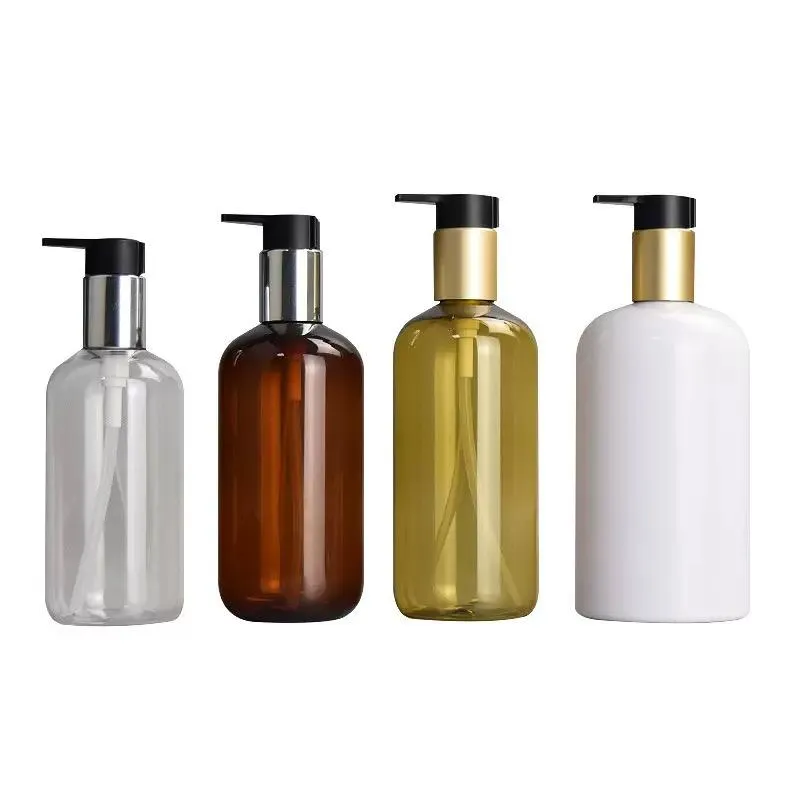
A pump makes lotion convenient—until the head will not unlock, the dip tube stops drawing product, or the mechanism fails with lotion still inside. The right way to open the package depends on what is actually stuck: the locking actuator, the threaded closure, or the pump mechanism itself. Quick answer: If you need to open […]
A new shampoo bottle should be simple: turn the pump, let the actuator rise, and press. When it stays locked, however, twisting harder is rarely the best first move. The closure may be rotating with the head, the transport lock may still be engaged, or dried formula may have bonded the moving parts. Quick answer: […]
Quick answer: For concentrated essential oils or high-oil formulas, start with an amber or cobalt glass bottle and an oil-compatible fine-mist sprayer. Properly diluted commercial sprays may also use PET or HDPE, but the complete package—bottle, gasket, spring, dip tube and nozzle—must be tested with the finished formula. What Type of Spray Bottle Is Best […]
WhatsApp us